
557 Total Views
Places to visit in Phu Quoc, Vietnam span a genuinely wide range — a Guinness World Record cable car, beaches that range from postcard-famous to still-quiet, and a fish sauce industry with legal protections similar to Champagne’s. It’s also worth knowing upfront that Phu Quoc has changed fast: what was a quiet island a decade ago is now home to sprawling resort development, and understanding where that’s concentrated helps you plan around it rather than being surprised by it.
This guide covers the island honestly—the beaches worth prioritizing, the paid experiences worth booking in advance, and the practical details for getting there. Save the spots that stand out to your Explurger Bucket List as you plan.
Places to Visit in Phu Quoc, Vietnam: The Best Beaches
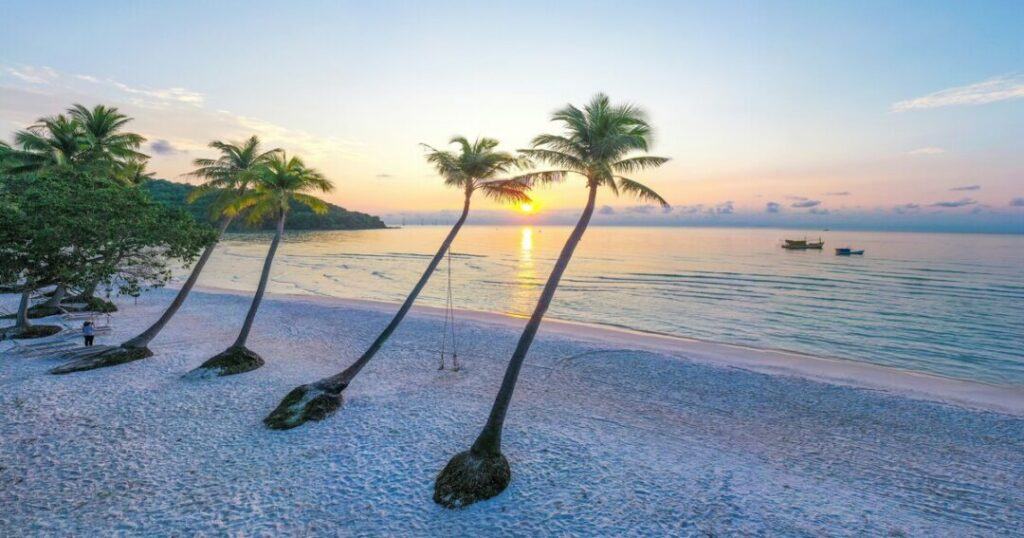
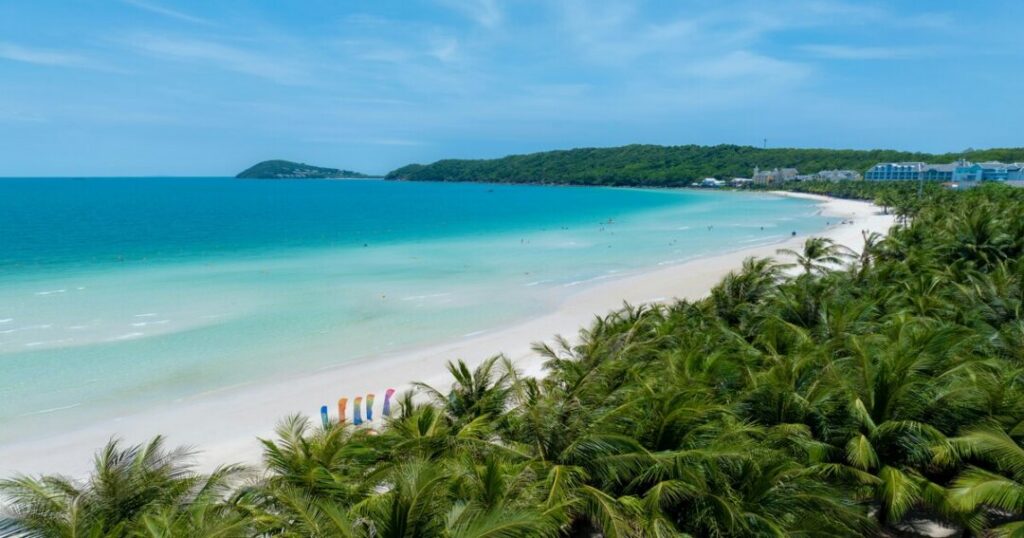
Phu Quoc’s roughly 150 km of coastline holds beaches with genuinely different personalities, and knowing which is which matters more here than on most islands.
Sao Beach
in the island’s south, was once ranked among CN Traveler’s top 10 most pristine beaches globally, and its shallow, calm water still makes it a strong pick for families. That same fame has a cost, though—it can get crowded and chaotic during peak periods, a far cry from the “raw pearl” reputation it built its name on.
Ong Lang Beach
on the west coast, remains noticeably quieter and less developed than Sao, with crystal-clear water, golden sand, and a backdrop of rocks and greenery that makes it one of the better sunset spots on the island.
Long Beach (Bai Truong)
is the most convenient option if you want hotels, restaurants, beach clubs, and nightlife within easy reach—but that convenience comes from being the most developed stretch of coastline on Phu Quoc, not the most peaceful.
If the goal is space rather than convenience, Ganh Dau, Khem Beach, and Vung Bau remain genuinely less crowded alternatives, all still reasonably close to the main town, and worth prioritizing if Sao and Long Beach’s crowds aren’t what you came for. [STAT: Long Beach, Sao Beach, Ong Lang Beach, and Starfish Beach are all commonly cited as affected by overtourism, while Ganh Dau, Khem Beach, and Vung Bau remain comparatively uncrowded.]
Also read: Places to Visit in Vietnam: 12 Must-See Destinations for Every Traveler
The Hon Thom Cable Car: A Guinness World Record Ride

Among top things to do in Phu Quoc, the Hon Thom Cable Car stands out for a very specific reason: it holds the Guinness World Record for the longest non-stop three-rope cable car, spanning 7,899.9 metres between An Thoi town and Hon Thom island, a record set by Sun Phu Quoc Ltd. in January 2018. [STAT: The Hon Thom Cable Car holds the Guinness World Record for the longest non-stop three-rope cable car at 7,899.9 metres, set in January 2018.]
The full crossing takes about 15 minutes, reaching a peak height of 174 metres, across 69 cabins, with sweeping views over the An Thoi archipelago along the way. Adult tickets run around 750,000 VND, with a combined ticket covering the cable car plus water park access at roughly 650,000 VND. The cable car operates from 9:00 AM to 5:00 PM, but closes for a midday break between 11:30 AM and 1:30 PM, so plan your crossing around that gap rather than showing up right at lunchtime.
Phu Quoc’s Rapid Development: What’s Changed
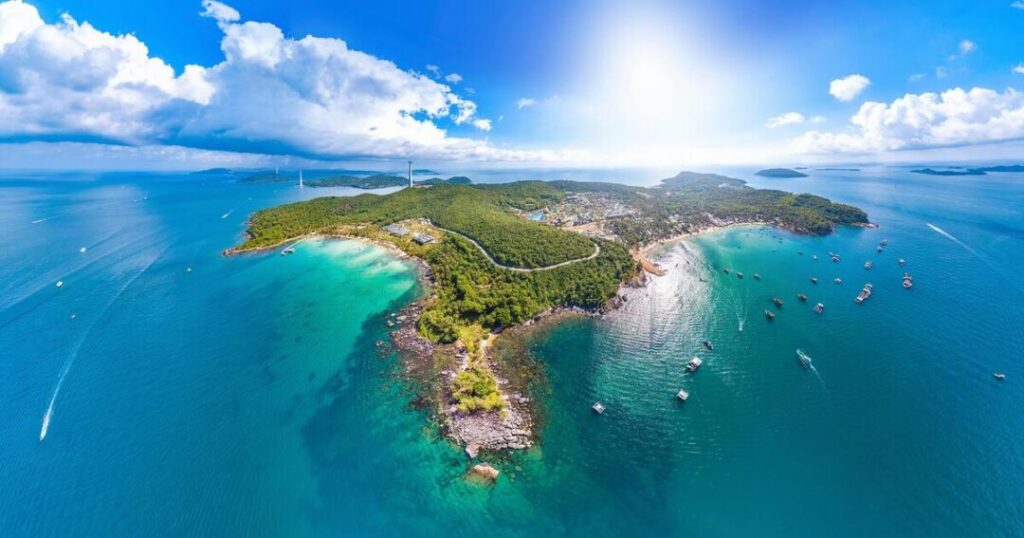
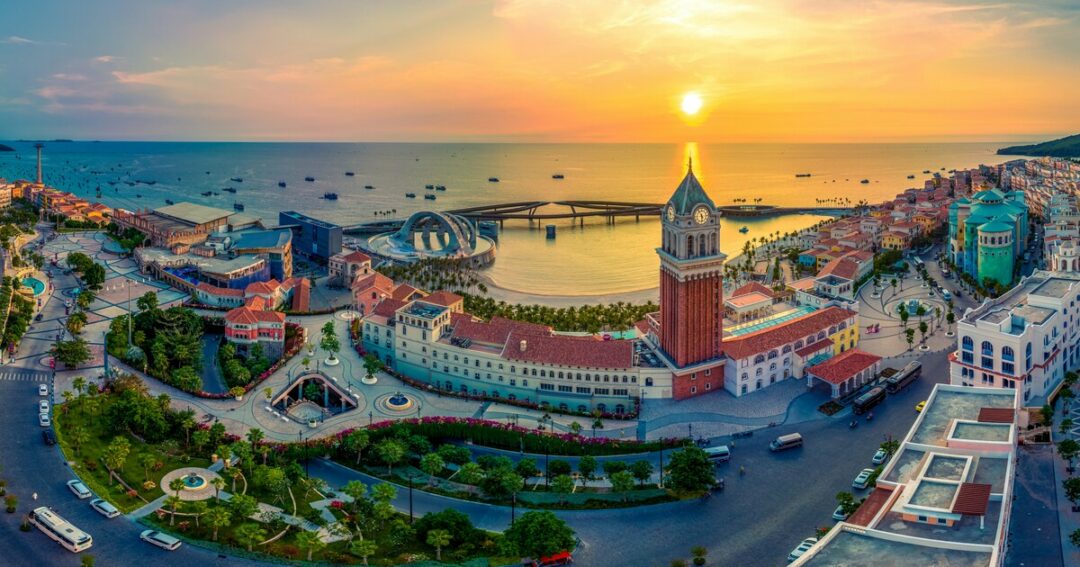
It’s worth being direct about this before you book: Phu Quoc has transformed rapidly over the past several years, largely driven by Sun Group, which has built nearly 50 resort, entertainment, and real estate projects on the island, concentrated mostly in the south around developments like Sunset Town. New projects continue to expand this footprint significantly, including a planned cluster of high-rise beachfront hotels adding thousands more rooms, part of a broader push tied to hosting APEC in 2027.
None of this makes Phu Quoc not worth visiting—but it does mean the island’s character varies sharply by area. The south, especially around Sunset Town and the An Thoi area, feels increasingly like a purpose-built resort city, while the beaches mentioned earlier as “quieter alternatives” still retain more of what originally drew visitors here. Knowing this before you book helps you choose which version of Phu Quoc you actually want.
Also Read: Hanoi Street Food: The Ultimate Guide to Vietnam’s Best Food Tour
Vinpearl Safari and Phu Quoc National Park
For a change of pace from beaches and cable cars, Vinpearl Safari sits roughly 30 minutes from the airport by taxi or shuttle and offers a genuine wildlife park experience, worth booking ahead during peak season given how popular it’s become alongside the island’s other Vinpearl-branded attractions.
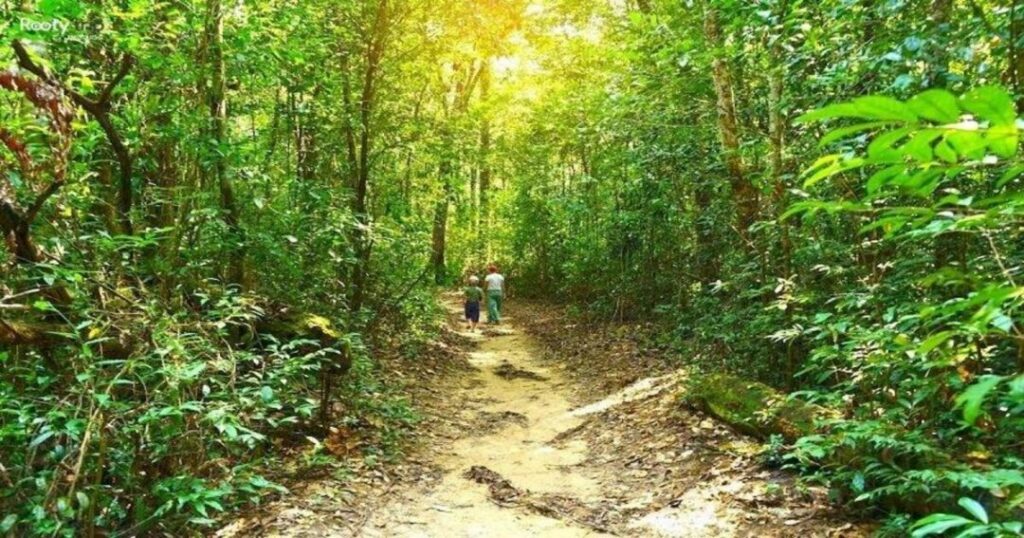
Phu Quoc National Park, covering much of the island’s northern interior, is recognized as part of a UNESCO Biosphere Reserve and offers a genuinely different side of Phu Quoc — dense forest, hiking trails, and a reminder that this island isn’t purely a beach-and-resort destination, even with how much development has expanded elsewhere.
Visiting a Phu Quoc Fish Sauce Factory
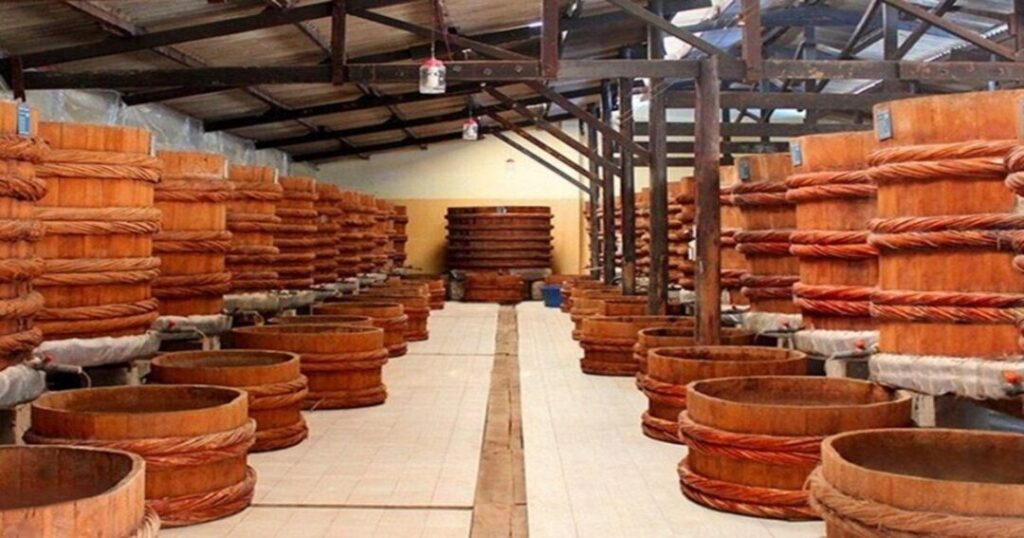
This is where Phu Quoc’s identity runs deeper than most visitors realize. Nước mắm Phú Quốc — the island’s traditional fish sauce — became the first product in Vietnam to receive national Geographical Indication status, back in 2001, and since 2012 it’s held Protected Designation of Origin status from the European Union, the same legal category that protects Champagne and Roquefort. [STAT: Phu Quoc fish sauce has held EU Protected Designation of Origin status since 2012, the same legal category used to protect Champagne and Roquefort.] Legally, the name “nước mắm Phú Quốc” can only be used for sauce fermented on the island in barrels made from Phu Quoc wood — production spans more than 100 factories producing over 12 million liters annually, and it was recognized as a National Intangible Cultural Heritage in 2021.
Factories in Duong Dong and An Thoi welcome visitors for tours covering the traditional fermentation process, the wooden barrels, and the history behind a craft that predates most of the island’s current tourism entirely. Some operators run this as a speedboat day trip covering multiple factories, which is worth considering if you want to see the variation in production styles across producers rather than just one stop.
Also read: Famous Vietnamese Food: The Complete Guide to Top Vietnamese Dishes & Cuisine
How to Reach Places to Visit in Phu Quoc, Vietnam

The fastest route for how to get to Phu Quoc Island is by air: direct flights from Ho Chi Minh City’s Tan Son Nhat Airport take about an hour, with 10 or more daily flights and fares typically ranging from roughly 550,000 to 2,000,000 VND depending on how far ahead you book.
If you’d rather travel overland and by sea, sleeper buses run from Ho Chi Minh City to either Rach Gia or Ha Tien (roughly 6–8 hours, 200,000–300,000 VND), followed by a Superdong high-speed ferry crossing to Phu Quoc, taking around 2–3 hours from either port. This route costs less but takes considerably longer, so weigh that trade-off against how much of your trip you want to spend in transit.
Booking Tours for Places to Visit in Phu Quoc, Vietnam
Several of Phu Quoc’s best experiences are worth booking in advance rather than showing up and hoping for availability, especially during the busy dry season. The Hon Thom Cable Car and Vinpearl Safari both see heavy demand during peak months, and island-hopping boat tours around the An Thoi archipelago — a popular way to combine snorkeling with several small islands in one day — often sell out on short notice during high season.
Booking platforms like GetYourGuide list most of these experiences with fixed time slots, letting you lock in a cable car crossing or a Safari visit around the rest of your itinerary rather than building your day around availability once you’ve already landed. If you’re trying to figure out which paid experiences are actually worth prioritizing given your time on the island, NIVU AI inside the Explurger app can help weigh the cable car, Safari, fish sauce tour, and island-hopping options against how many days you actually have.
Also read: Explore the World’s Largest Cave: Hang Son Doong, Vietnam
Best Time for Places to Visit in Phu Quoc, Vietnam
Phu Quoc runs in two seasons: a dry season from November through April and a rainy season from May through October. The dry season, with average temperatures between 27°C and 30°C, calm seas, and minimal rainfall, is genuinely the best window for snorkeling, diving, and island-hopping, with December through February offering the clearest, most consistent conditions. It’s also the busiest and priciest stretch, so if budget matters more than guaranteed sunshine, the first three weeks of March offer a solid middle ground — still dry-season conditions, but shoulder-season pricing.
The rainy season brings high humidity and regular afternoon downpours, but the pattern is fairly predictable: sunny mornings, an hour or two of heavy rain in the afternoon or evening, then clear skies again by dinner — genuinely workable if lower prices and thinner crowds matter more to you than guaranteed all-day sun.
Conclusion: Places to Visit in Phu Quoc, Vietnam
Phu Quoc rewards travelers who know where to look — past the crowded stretches of Sao and Long Beach sits an island with a Guinness-record cable car, protected fish sauce heritage, and quieter shores still worth the extra effort. Save the places to visit in Phu Quoc, Vietnam that fit your plans to your Explurger Bucket List, and once you’ve made the trip, log it as an Explurge-in — your Automatic Travelogue will keep it mapped alongside every other island getaway you’ve taken. Plan your Phu Quoc trip with Explurger App, crowds and all.
FAQs About Places to Visit in Phu Quoc, Vietnam
2. Which are the best beaches in Phu Quoc, and which are most crowded?
Sao Beach and Long Beach are the most famous but also the most affected by crowds and development. Ong Lang Beach offers a quieter, sunset-friendly alternative on the west coast, while Ganh Dau, Khem Beach, and Vung Bau remain genuinely less crowded options if space matters more than convenience.
3. How do I get to Phu Quoc Island?
Direct flights from Ho Chi Minh City take about an hour, with 10 or more daily departures. Alternatively, a sleeper bus to Rach Gia or Ha Tien followed by a Superdong ferry crossing (2-3 hours) offers a cheaper but considerably longer route.
4. Has Phu Quoc become overdeveloped?
Significantly, in parts. Sun Group has built nearly 50 resort and entertainment projects on the island, concentrated mostly in the south around Sunset Town, with further large-scale expansion planned ahead of hosting APEC in 2027. Beaches like Long Beach, Sao Beach, and Ong Lang have all been affected by the resulting crowds, though quieter beaches like Ganh Dau and Vung Bau remain less impacted.
5. What makes Phu Quoc fish sauce special?
Phu Quoc fish sauce was the first product in Vietnam to receive Geographical Indication status in 2001, and since 2012 it has held EU Protected Designation of Origin status, the same legal category protecting Champagne and Roquefort. The name can legally only apply to sauce fermented on the island in Phu Quoc-made wooden barrels, and factory tours in Duong Dong and An Thoi let visitors see the traditional process firsthand.
6. How much does the Hon Thom Cable Car cost?
Adult tickets run around 750,000 VND, with a combined ticket covering both the cable car and water park access at roughly 650,000 VND. The ride takes about 15 minutes, and the cable car operates 9 AM to 5 PM with a midday break between 11:30 AM and 1:30 PM.
7. Should I book tours in advance for Phu Quoc?
Yes, particularly during the busy dry season (November-April). The Hon Thom Cable Car, Vinpearl Safari, and island-hopping boat tours around the An Thoi archipelago can sell out on short notice during peak months, so booking through a platform with fixed time slots ahead of your trip is worthwhile.