
86 Total Views
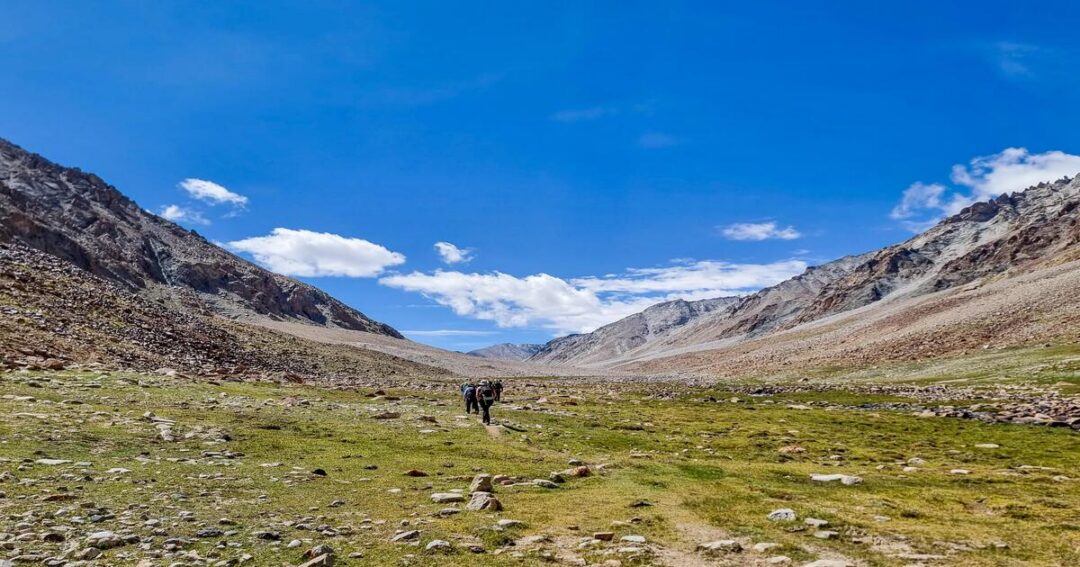
Ladakh trades the Western Ghats’ green switchbacks for something starker: cold desert valleys above 3,000 meters, monasteries clinging to cliff faces, and a trekking calendar so extreme that its single most famous route only exists for about six weeks a year, when a river freezes solid enough to walk on. The treks in Ladakh range from an easy two-day village walk to a 19-day trans-Himalayan crossing, and picking the right one depends heavily on when you’re going and how much altitude you’re ready for. This guide covers the five treks worth building a Ladakh trip around, breaks the wider list down by season, and closes with a quick-reference roundup of everything else worth knowing about.
Best Treks in Ladakh You Should Explore in 2026
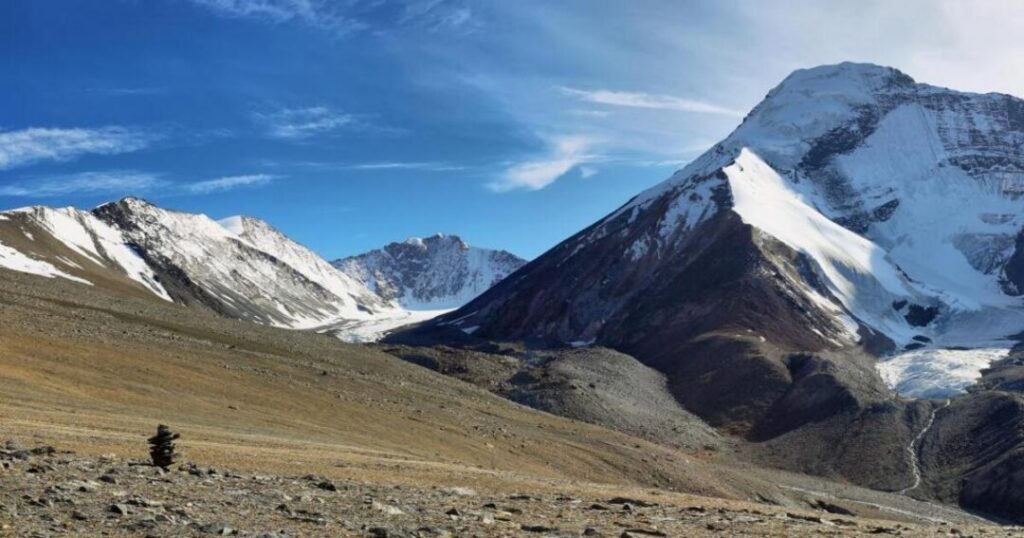
These five anchor almost every serious Ladakh itinerary, from a frozen river walk unlike anything else in the Himalayas to a valley trek that doubles as most people’s introduction to trekking in the region.
Chadar Trek
The Chadar Trek Ladakh is built around one thing: a roughly 105-km walk over the frozen Zanskar River, through a gorge with near-vertical cliffs up to 600 metres high that narrows to just 5 metres wide in places. Trekkers cover about 16 km a day across a week-long route, through temperatures that drop to -30°C to -35°C, in what was traditionally the only way to travel the area during winter before roads existed. January and February are the only realistic window when the ice is thick enough for safe passage—this is rated an extreme-difficulty trek, and the cold rather than the altitude is the main hazard.
Markha Valley Trek
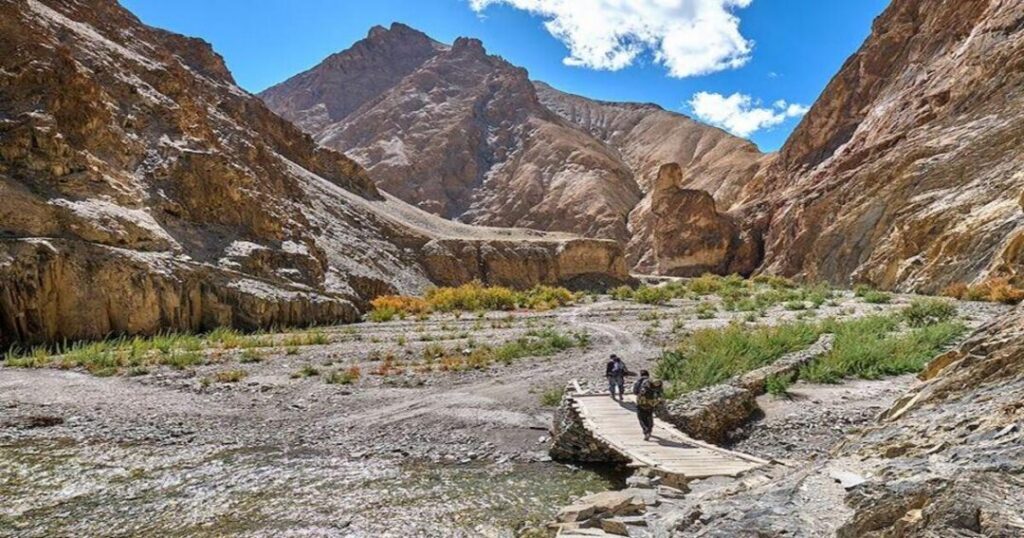
The Markha Valley trek is Ladakh’s most popular multi-day route, an 8-day Leh-to-Leh journey through Hemis National Park along the Markha River, passing through villages including Markha and Hankar before reaching Kangyatse base camp at 4,900 meters. The trek’s one big test is Kongmaru La, a roughly 5,260-meter pass crossed on the final day, but otherwise it involves no technical climbing—just sustained high-altitude walking. Mid-July through mid-September is the best window, when trails are dry and the pass is clear of snow.
Also Read: Markha Valley Trek: The Complete Guide to Ladakh’s Most Iconic Trail
Stok Kangri: Currently Closed, and What to Climb Instead?
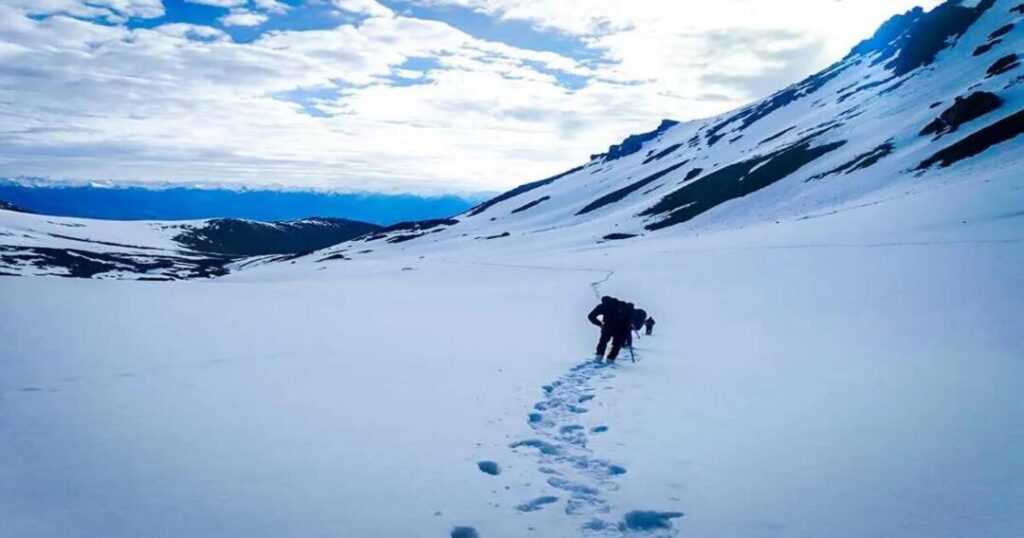
Stok Kangri, a 6,153-meter peak in Hemis National Park about 15 km from Leh, used to be one of Ladakh’s signature trekking-peak climbs—but it’s been off-limits since December 2023, when the District Administration Leh issued what it called a permanent closure of expeditions on the mountain, citing depletion of the Stok glacier and broader environmental damage from over-tourism. As of this writing, no reopening order has been issued, so any operator still marketing a Stok Kangri package should be treated with caution unless they can show written permission newer than that December 2023 order. Kang Yatse II (6,250m), reached via the same Markha Valley route above, and Dzo Jongo East (6,217m) in the same region are the two most commonly recommended replacements for trekkers who still want a 6,000m summit in Ladakh.
Sham Valley Trek
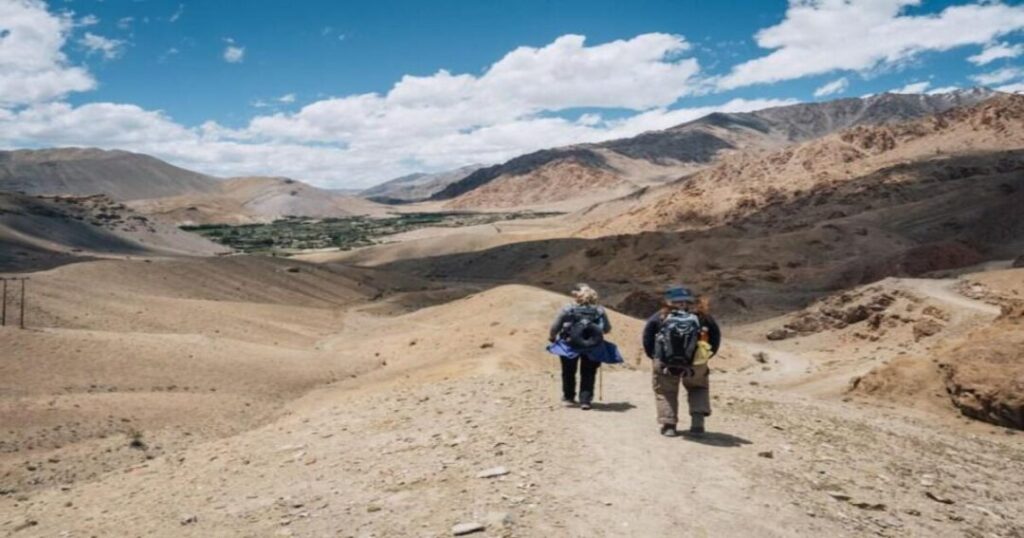
Nicknamed the “Baby Trek,” Sham Valley covers about 27 km over 2-4 days through the villages of Likir, Yangthang, and Hemis Shukpachan, topping out around 3,900 meters. The nickname undersells it a little—trekkers still note that the altitude and repeated daily ups and downs slow the pace—but compared to Markha Valley’s longer days and higher pass, it’s a genuinely gentler introduction, built around homestays rather than camping. June through September is the main window, though the modest elevation can make May or October workable depending on snowfall.
Nubra Valley Trek
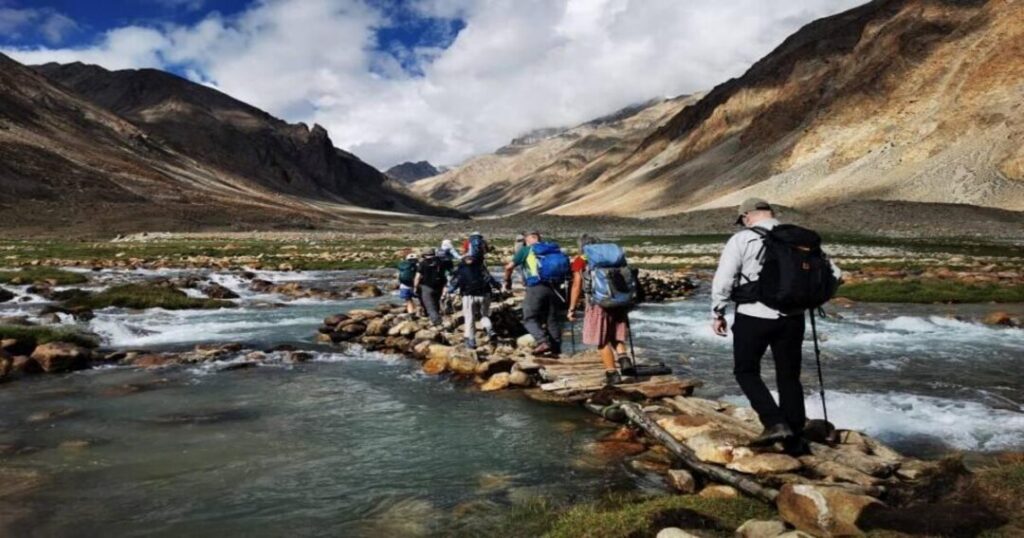
Also called the Lasermo La Trek, this route runs from Leh to Hunder along an ancient trade route between the Indus and Shyok valleys, covering about 55 km over 6 trekking days. The defining feature is Lasermo La, a 5,450-meter pass crossing among the highest foot passes in India, before the trek ends at Hunder’s sand dunes and resident double-humped Bactrian camels—a genuinely strange landscape shift after days of high-altitude desert. Most itineraries return to Leh over Khardung La, one of the world’s highest motorable passes, and late June to mid-September is the recommended season.
Also Read: Why Every Traveler Must Visit Rezang La War Memorial in Ladakh
Treks in Ladakh by Season: When to Go?
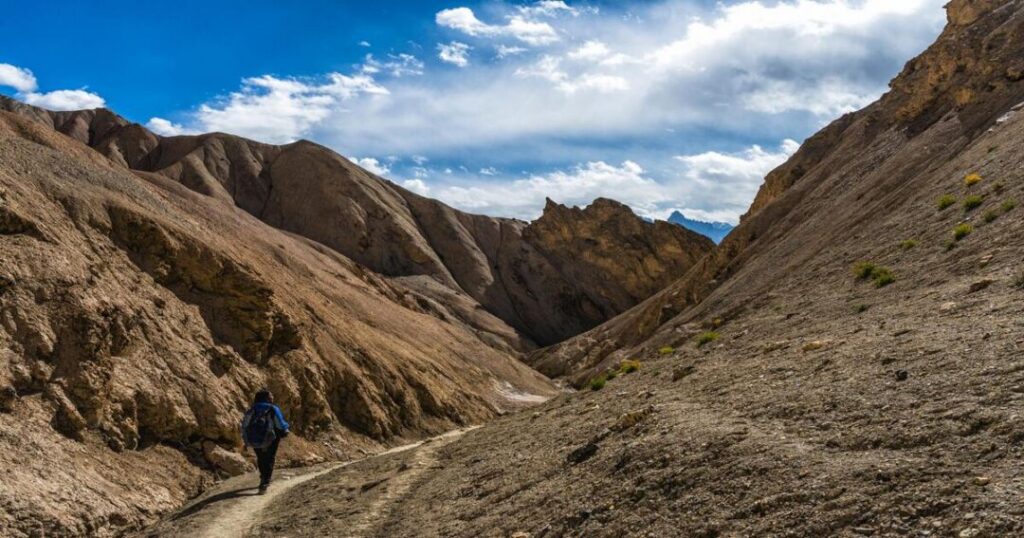
Because ladakh trekking spans everything from a frozen river to a high-altitude desert, timing matters more here than almost anywhere else in the Himalayas.
Winter (January-March)
This is Chadar Trek season, and also the best window for the Snow Leopard Trek, a 9-15 day wildlife-focused route through Hemis National Park’s Rumbak Valley and surrounding villages like Ulley and Husing. Hemis is believed to hold the highest density of snow leopards of any protected area on Earth, with an estimated 200 cats across its 4,400 km²—and their prey, including blue sheep and urial, moves down to lower elevations in winter, making sightings more likely even as night temperatures fall to -15°C to -20°C.
Summer (June-September)
This is the window for nearly everything else—Markha Valley, Sham Valley, Nubra Valley, and the passes that make them possible all depend on snow having cleared from the high ground. Mid-July to mid-September is when conditions are most reliably dry across the board.
Shoulder Seasons
May and October can work for lower-elevation routes like Sham Valley depending on that year’s snowfall, but anything crossing a pass above 5,000 meters—Markha Valley’s Kongmaru La included—is a real gamble outside the summer window.
Also Read: 10 Offbeat Places to Visit in Ladakh
Extra Escapes: Treks in Ladakh Quick Reference
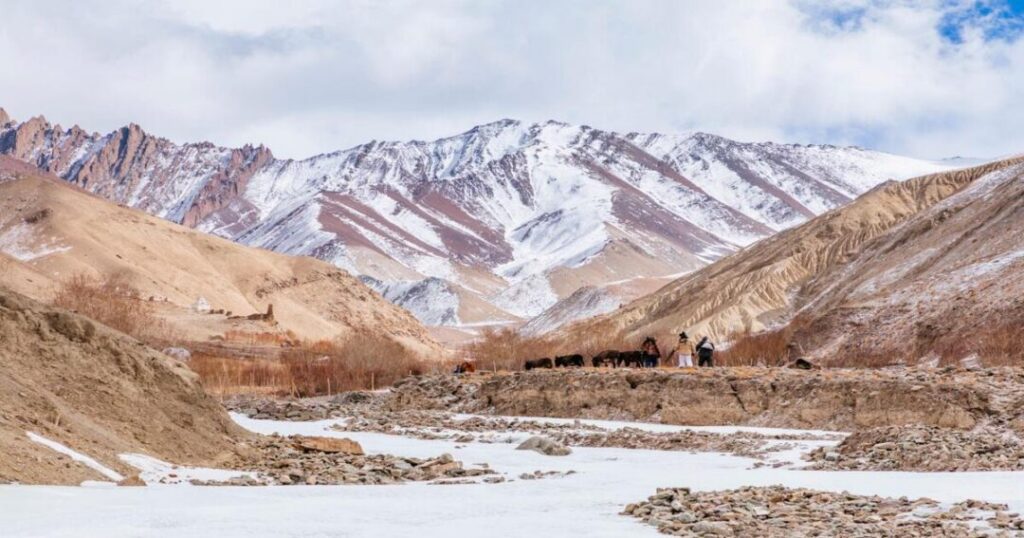
For anyone comparing leh ladakh trekking or leh ladakh trek options more broadly, here’s what else deserves a mention beyond the five covered above:
- Lamayuru to Chilling Trek: A 40-50 km, 4-5 day route starting at Lamayuru’s 1,000-year-old monastery, set against the barren, otherworldly “moonland” terrain the area is known for, crossing three passes below 5,000 m, including Prinkiti La. June through mid-October is the season; the route becomes genuinely risky once winter snow arrives.
- Tso Moriri / Rupshu Valley Trek: A trek into the remote Changthang Plateau to reach Tso Moriri, a 4,522-meter Ramsar-listed wetland lake and India’s largest high-altitude lake entirely within its borders, home to breeding black-necked cranes and bar-headed geese found nowhere else in the country. May to September is the only realistic season—winter temperatures here can fall to -40°C.
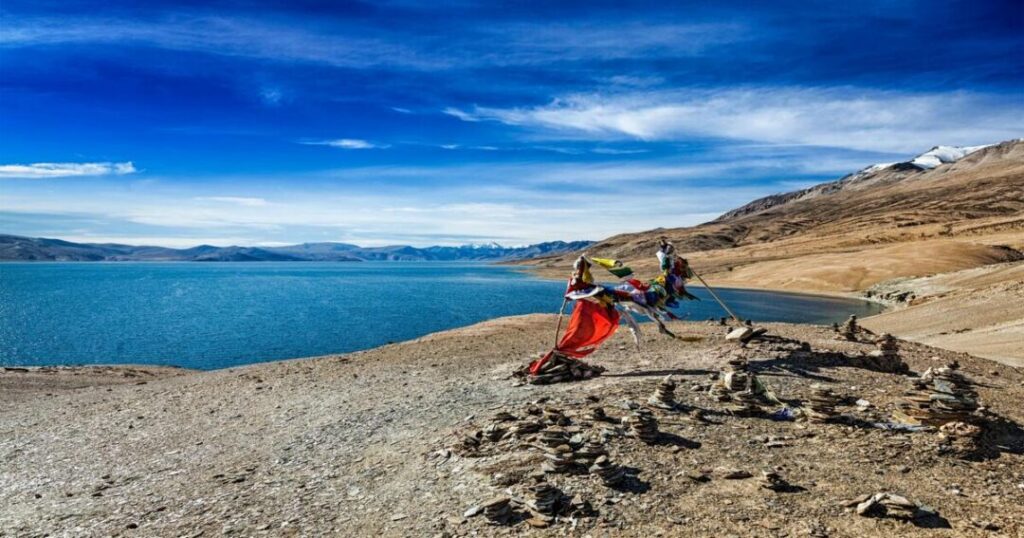
- Kang Yatse Trek: The trekking approach to Kang Yatse’s base camp via Markha Valley, distinct from the technical Kang Yatse II summit climb mentioned above as a Stok Kangri alternative—a good option for trekkers who want the views and the altitude without the climbing gear.
- Zanskar Traverse (Darcha to Lamayuru): At roughly 291 km over 19 days and crossing eight-plus high passes, including Shingo La (5,100 m), this is one of the longest and toughest treks in the region, with a combined elevation gain and loss of well over 8,000 meters. Mid-July to mid-September is the only sensible window.
Conclusion: Explore Treks in Ladakh by Season
More than almost anywhere else in India, the treks in Ladakh are defined by timing—the same landscape that freezes solid enough to walk on in February is impassable by pass in April and open again by July. Pick the season first, and the right trek tends to follow.
Planning a Ladakh trekking trip? Let the Explurger app help you match the route to the season and altitude you’re actually ready for.
FAQs About Treks in Ladakh
2. What is the Chadar Trek in Ladakh?
It's a roughly 105-km, week-long walk over the frozen Zanskar River, possible only in January and February when the ice is thick enough, rated extreme difficulty due to temperatures as low as -35°C.
3. Is Stok Kangri open for trekking?
No — it's been closed to commercial expeditions since December 2023 under a permanent closure order from the District Administration Leh, citing glacier depletion and over-tourism; Kang Yatse II and Dzo Jongo East are the commonly recommended alternatives.
4. How difficult is the Markha Valley Trek?
It's a moderate trek with no technical climbing, though it involves sustained high-altitude walking and one demanding pass day at Kongmaru La, around 5,260 metres.
5. What is the best season for Ladakh trekking?
Winter (January-March) is Chadar Trek and Snow Leopard Trek season; summer (June-September) covers nearly everything else, since most high passes only clear of snow by mid-July.
6. Why is the Sham Valley Trek called the Baby Trek?
Compared to longer routes like Markha Valley, it covers shorter daily distances and a lower maximum elevation of about 3,900 metres, though trekkers note the altitude and repeated daily climbs still make it more demanding than the nickname suggests.