
737 Total Views
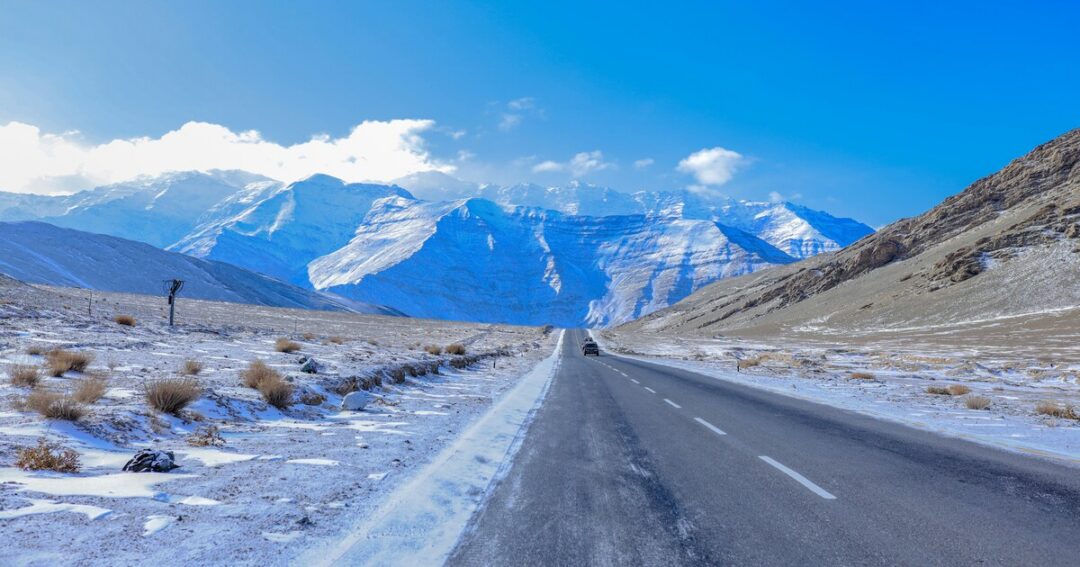
Pangong Tso and Nubra Valley get most of the attention, but Ladakh’s more interesting corners tend to sit further off the main tourist loop—old trade-route monasteries, an Aryan valley near the Line of Control, and a lake district so remote it doubles as one of the world’s best stargazing sites. If you’re past your first Ladakh trip and looking for genuine places to visit in Ladakh beyond the postcard spots, these 10 are worth the extra driving time. Several require an Inner Line Permit (ILP) or sit above 4,000 meters, so I’ve flagged access and altitude notes for each.
Places to Visit in Ladakh: 10 Offbeat Tourist Picks
1. Basgo Monastery and Fort
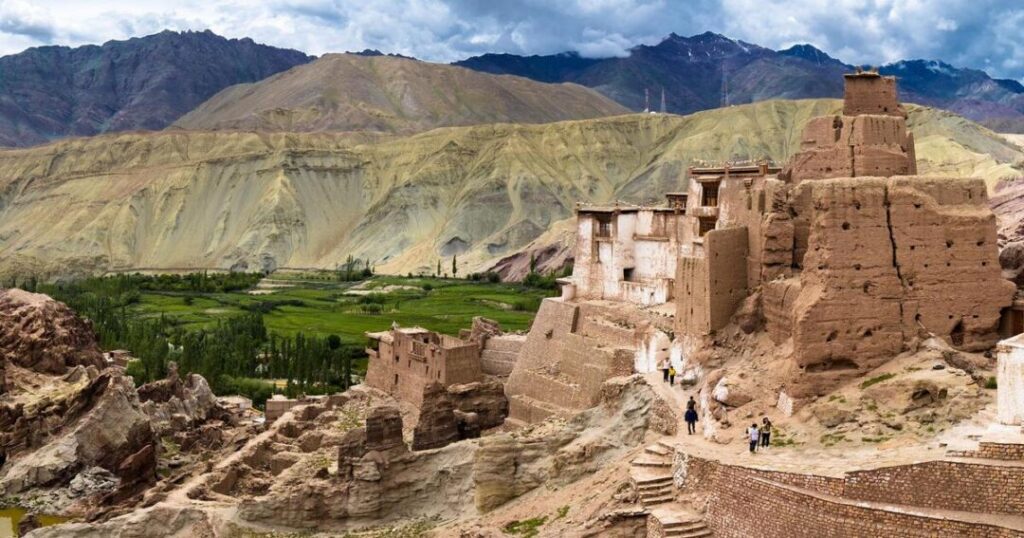
About 40 km from Leh on the Srinagar-Leh Highway, Basgo was once the capital of Ladakh’s Namgyal dynasty, with its palace and monastery built up through the late 15th and 17th centuries. The ruins famously survived a three-year siege during Ladakh’s “golden age” under King Senge Namgyal. No permit needed, and it’s an easy half-day add-on from Leh.
2. Alchi Monastery
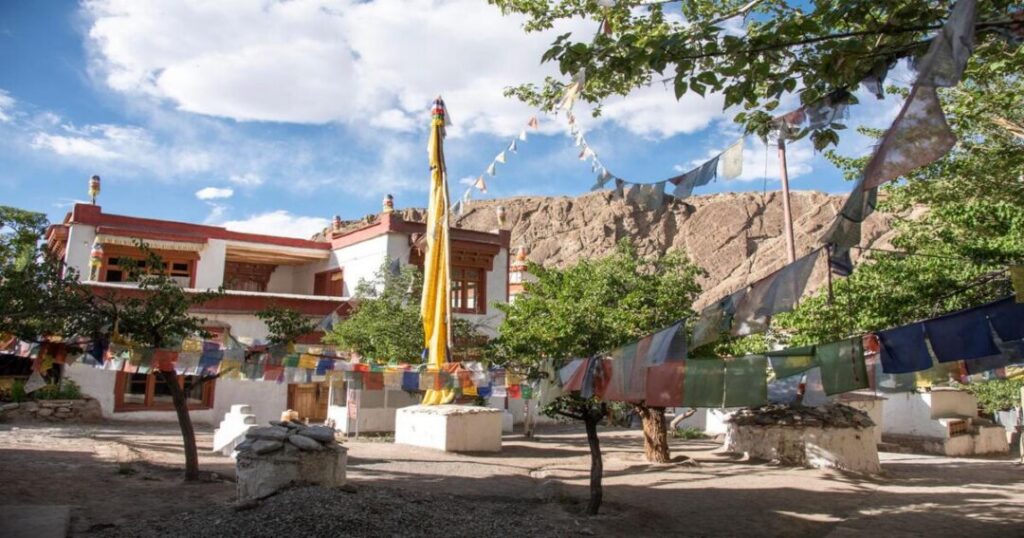
Founded around 1020 CE by the translator Rinchen Zangpo, Alchi holds Ladakh’s oldest surviving Buddhist murals—Kashmiri-style frescoes over a thousand years old, painted by artists whose tradition was later wiped out in Kashmir itself. Unlike Hemis or Thiksey, Alchi sits at valley level rather than on a hilltop, so there’s no climb involved. No permit required.
Also read: Why Every Traveler Must Visit Rezang La War Memorial in Ladakh
3. Lamayuru Monastery and the Moonland
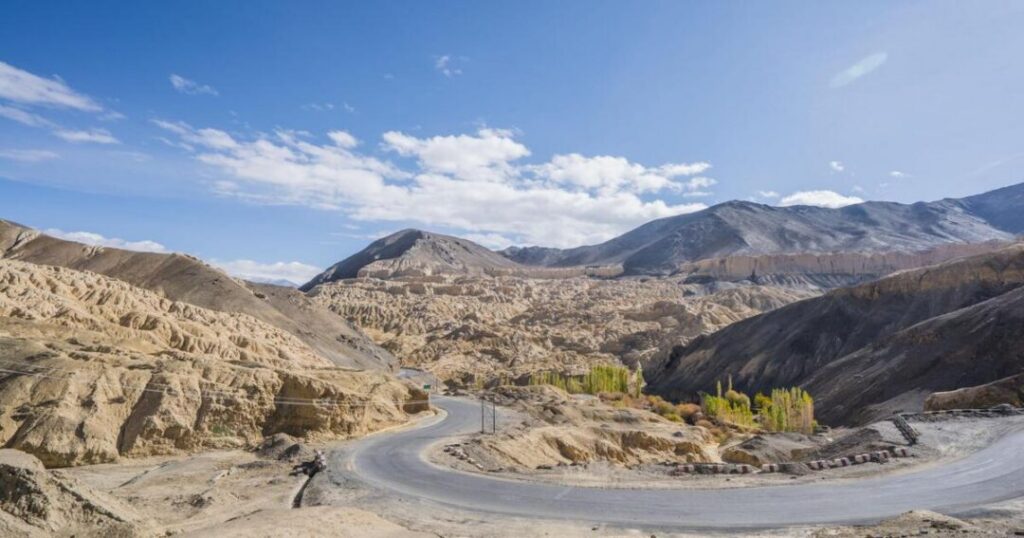
One of Ladakh’s oldest and largest gompas, with roots traced to the 10th or 11th century depending on the source, Lamayuru sits above the eroded “moonland” badlands on the Leh-Kargil Highway. It once housed as many as 400 monks; around 150 remain today. No permit needed, but it’s roughly 4-5 hours from Leh, so plan it as a stop en route to Kargil rather than a same-day round trip.
4. Turtuk Village
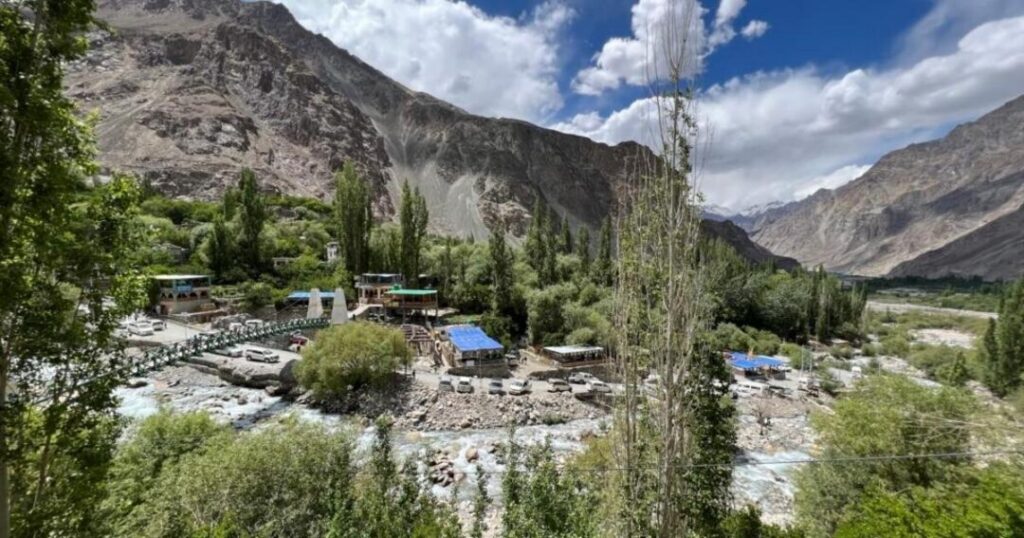
Part of Pakistan-administered territory until Indian forces took it in December 1971, Turtuk stays distinct from the rest of Ladakh—with Muslim Balti culture, apricot orchards, and stone-and-wood architecture with Central Asian roots. It only opened to Indian tourists in 2010 and foreigners in 2013, which is why it still feels unlike anywhere else in Nubra. An ILP is required, and it’s near the Line of Control, so carry ID and permits at all times.
5. Dha and Hanu (Aryan Valley)
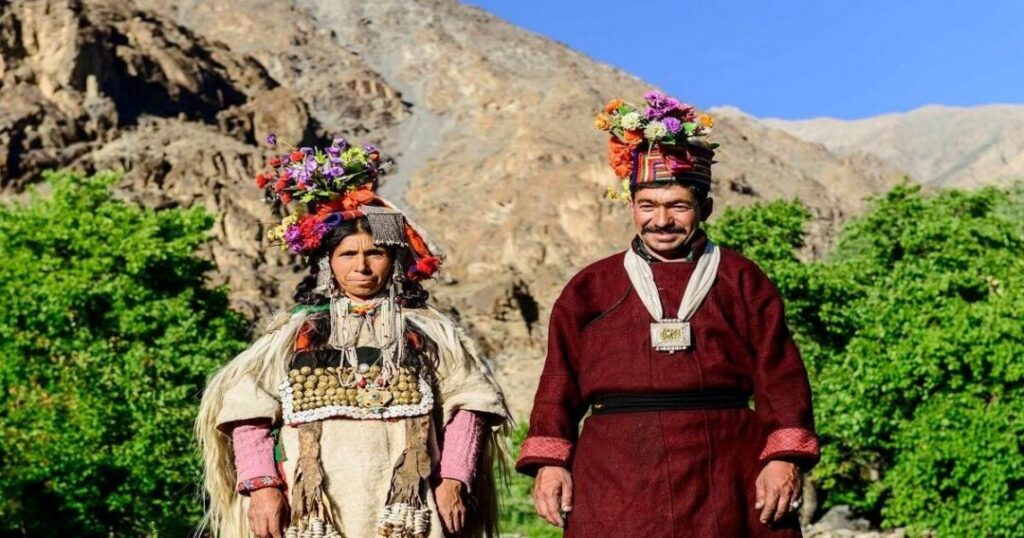
About 160 km northwest of Leh, Dha and Hanu are the two Brokpa villages open to visitors in the valley, out of five, home to a community that culturally and linguistically stands apart from the rest of Ladakh. An Inner Line Permit is required and easy to arrange in Leh. Go for the cultural distinctiveness, not for major built monuments—there isn’t much of the latter here.
6. Man and Merak Villages
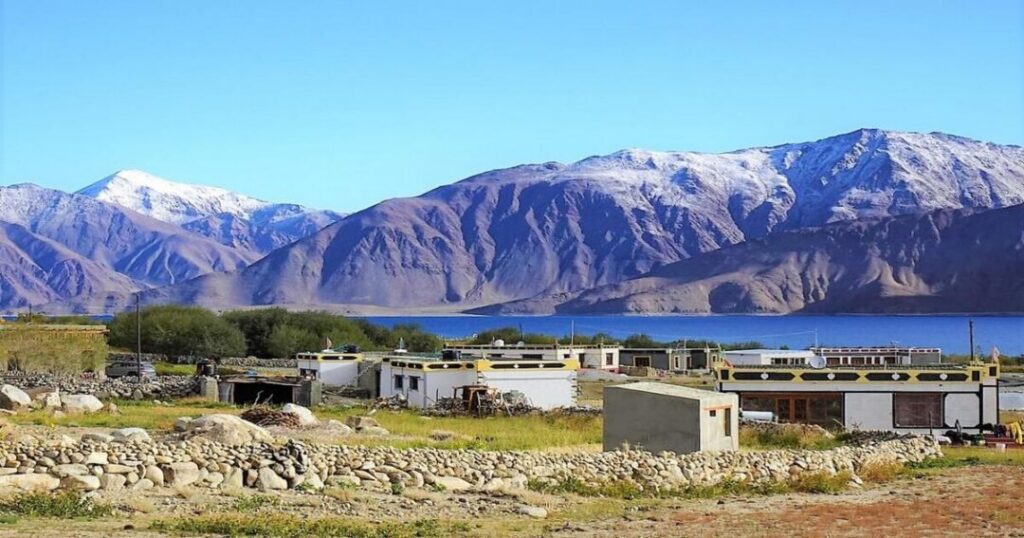
Most Pangong Tso visitors stop at Spangmik, but Man and Merak, further along the lake’s edge, see a fraction of the crowds while offering the same turquoise water and Changthang backdrop. Both require the same ILP that covers Pangong Tso itself. If you’ve already “done” Pangong once, this is the way to see it again without the crowds.
Also read: Top 10 Must Visit Valleys in India
7. Chumathang and Puga Valley Hot Springs
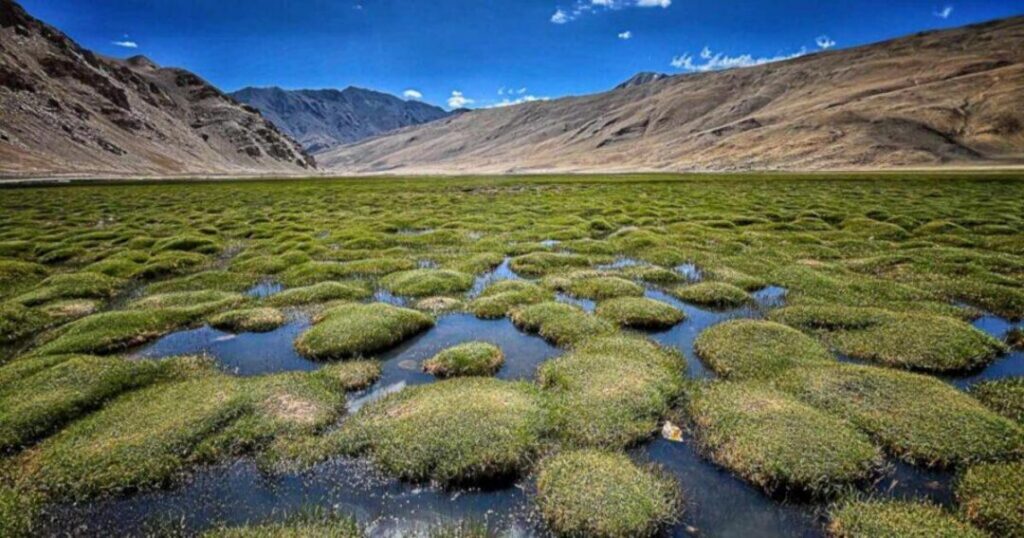
On the Changthang route toward Tso Moriri, Chumathang (about 148 km from Leh, roughly 3,950 m) has natural hot springs right on the Indus, while Puga Valley, a further detour near Tso Kar at around 4,400 m, has a geothermal field of bubbling sulfur pools. Both sit on an active geothermal belt that’s otherwise rare in the Himalayas. No separate permit beyond your standard Changthang ILP.
8. Tso Moriri
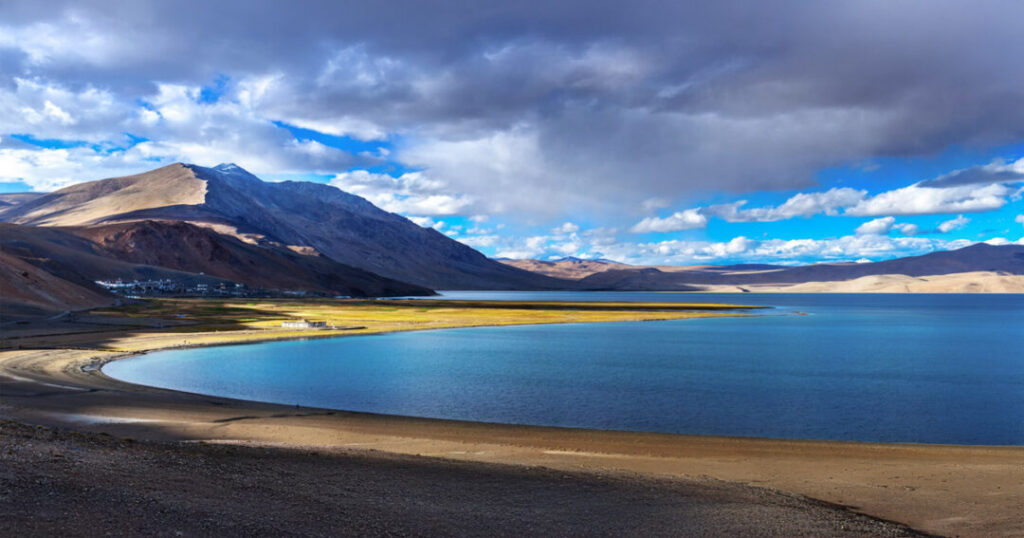
Ladakh’s other great high-altitude lake, at around 4,522 meters and roughly 220-250 km from Leh (sources vary on the exact figure) in the remote Changthang Plateau. It draws far fewer visitors than Pangong despite comparable scenery, largely because of the longer, rougher drive. An ILP is mandatory, and altitude sickness risk here is real—build in an acclimatization day before pushing this far.
9. Hanle and the Dark Sky Reserve
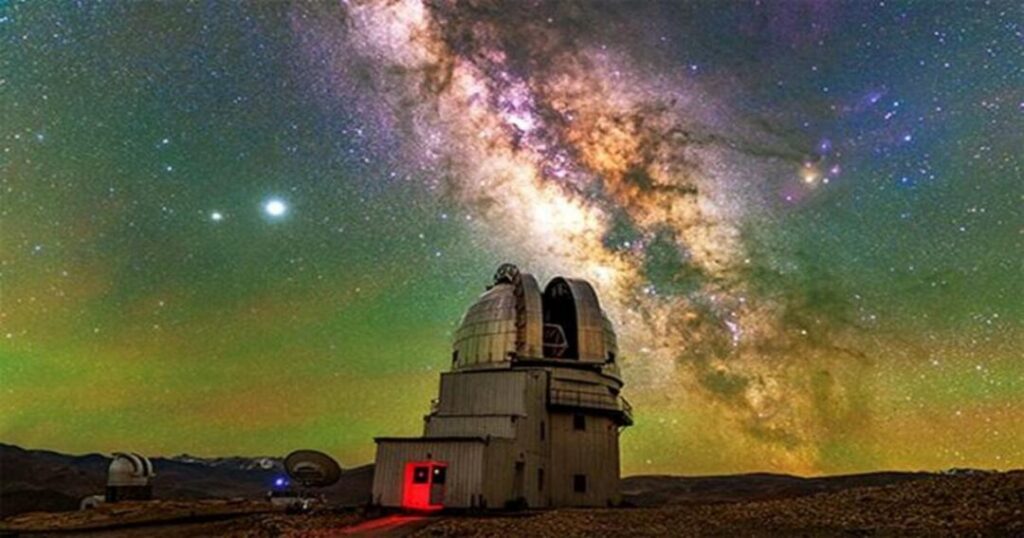
Home to the Indian Astronomical Observatory at 4,500 meters, one of the world’s highest, Hanle became India’s first Dark Sky Reserve in 2022, covering a roughly 22-km radius of protected night sky. It’s increasingly known among astrophotographers but still sees a fraction of Pangong’s traffic. Both an ILP and, depending on current rules, a separate Protected Area Permit are required—check the latest requirements in Leh before heading out.
10. Zanskar Valley and Padum
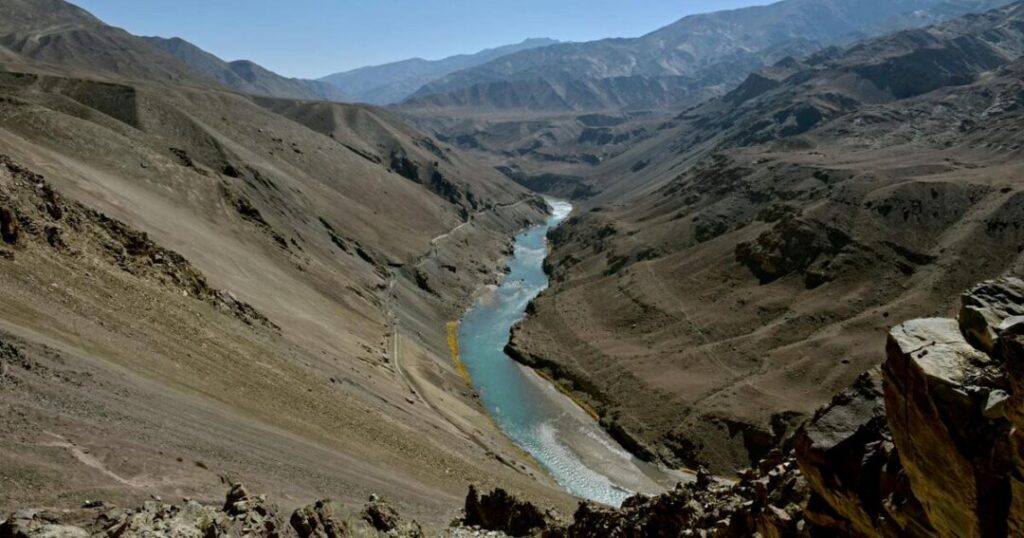
The most remote entry on this list, Zanskar, sits in the Kargil district and is reachable by road from Kargil over the 4,400 m Pensi La pass or via the newer Nimmu-Padum-Darcha road from Leh. Its highlight, Phugtal Monastery, has never had road access in its roughly 2,500-year history and still requires a 4-6 hour trek along the Lungnak River. In winter, Zanskar’s isolation is so complete that people historically walked out over the frozen river on the Chadar Trek. No ILP is needed from the Kargil side, but check the current road status—this is the one entry where a seasonal misjudgment can strand you.
Also read: Places to Visit in Srinagar: The Complete Guide Beyond Dal Lake
Best Season for Places to Visit in Ladakh
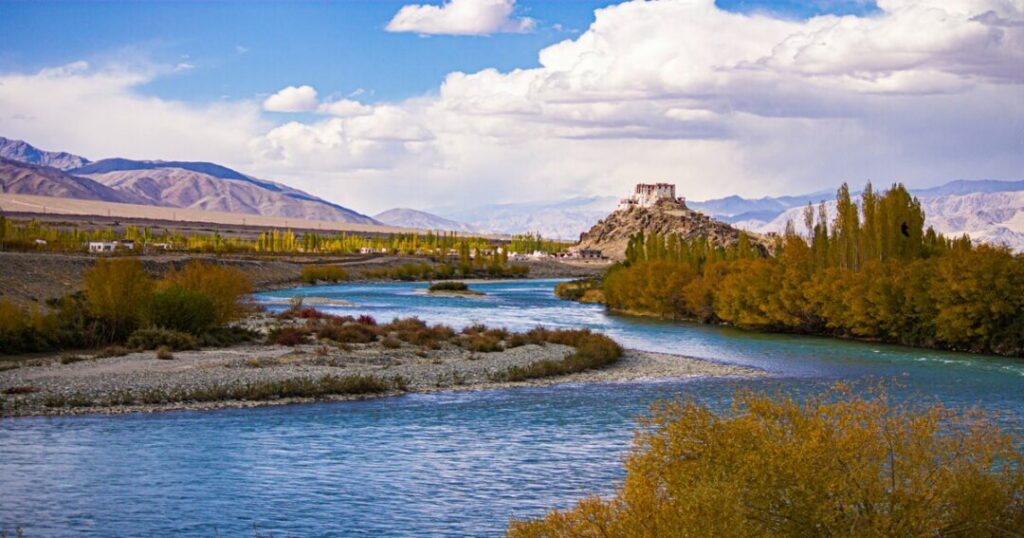
The main travel window is late May through September, when both the Srinagar-Leh and Manali-Leh highways are open and all mountain passes are clear. June is a strong opening month once the Manali route clears; the monsoon (July-August) rarely affects Ladakh itself but can disrupt the Manali-Leh highway with landslides further south. By mid-to-late October, road closures begin in earnest, though Leh’s airport keeps flying (mostly morning departures) through winter for those not driving in.
Also read: Discover the Best Places to Visit in India this Monsoon Season in July
How to Reach Ladakh for the Best Places to Visit
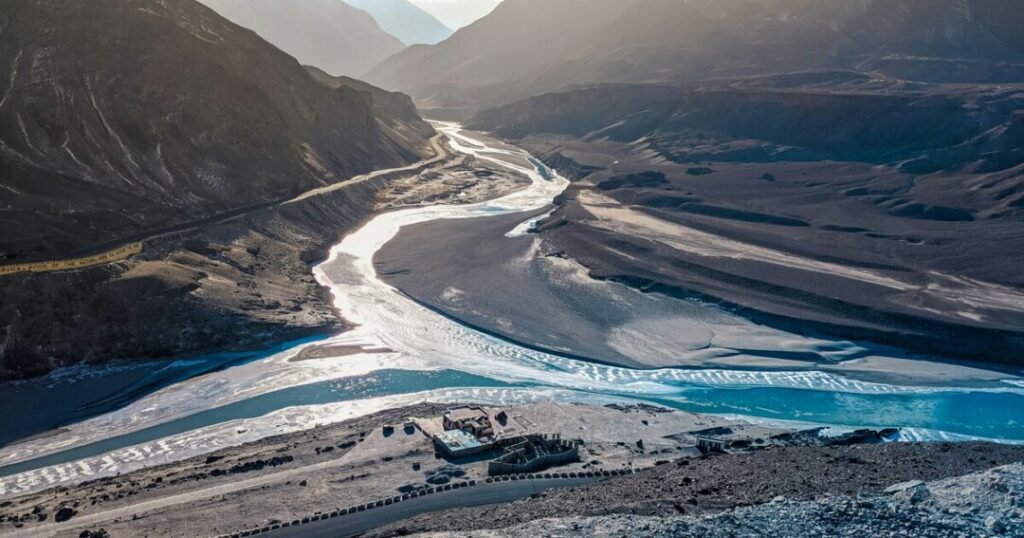
Leh’s Kushok Bakula Rimpochee Airport connects to Delhi, Srinagar, and Jammu year-round, though September-to-March flights see frequent weather cancellations and typically only operate in the morning. By road, the Srinagar-Leh and Manali-Leh highways are the two main routes, both closed by snow outside the late-May-to-early-October window. Most of the offbeat spots on this list need a private vehicle or organized taxi from Leh, since public transport doesn’t reach places like Hanle, Tso Moriri, or Zanskar reliably.
Conclusion: Places to Visit in Ladakh
The most memorable parts of a Ladakh trip tend to be the ones that take extra planning—an Aryan village near the border, a monastery with murals older than most Ladakhi dynasties, or a lake district quiet enough to see the Milky Way without trying. Layer permits and acclimatization days around late May to September, and these 10 offbeat places to visit in Ladakh will fill out a trip that goes well past the standard Pangong-Nubra circuit.
FAQs on Places to Visit in Ladakh
2. What are the best offbeat Ladakh places to see for first-time visitors easing into offbeat travel?
Basgo and Alchi are the gentlest starting points—both are permit-free, close to Leh, and don't require overnight stays away from the city. Turtuk is a good next step once you're comfortable with a longer day trip into Nubra.
3. What are the best Ladakh sightseeing places for a two-week trip?
With two weeks, you can realistically combine this entire list: Basgo and Alchi early on for acclimatization-friendly sightseeing, then Nubra and Turtuk, followed by the Changthang loop through Chumathang, Tso Moriri, and Hanle, ending with Zanskar if road conditions allow. Build in at least one full rest day before pushing above 4,000 meters.
4. Is Ladakh a good tourist destination for solo travelers?
Yes, though the offbeat spots on this list are harder to do solo without a vehicle, since public transport is sparse outside Leh town. Most solo travelers join a shared taxi or small group for the Changthang and Zanskar legs specifically, both for cost and for safety at altitude.
5. What are the best places to go in Ladakh for stargazing?
Hanle is the clear answer, given its Dark Sky Reserve status and near-zero light pollution at 4,500 meters. Tso Moriri and Puga Valley also offer excellent night skies as a byproduct of their remoteness, even without formal dark-sky designation.
6. What are the best places to see in Ladakh for ancient monasteries?
Alchi's 11th-century frescoes and Lamayuru's 10th-to-11th-century origins are the two strongest picks for monastery age and art, ahead of the better-known Hemis and Thiksey. Basgo's monastery-and-fort combination adds a political-history angle the others don't have.