
92 Total Views
Kowloon is the half of Hong Kong most first-time visitors actually picture — neon signs stacked above narrow streets, a night market thick with the smell of grilled skewers, and a harbour promenade with the best skyline view in the city. The places to visit in Kowloon range from a thousand-year-old Buddhist complex built without a single nail to a market strip that used to be one of the most densely packed, ungoverned places on Earth. This guide covers the essential sights, lays out a practical first-timer’s itinerary, and closes with a quick-reference roundup of everything else worth knowing about, including what’s happening in the fast-changing Kowloon Bay area.
Best Places to Visit in Kowloon
These five give the clearest sense of what Kowloon actually offers, from its signature harbour view to a park built on the site of one of the 20th century’s strangest urban settlements.
1. Tsim Sha Tsui Promenade and Avenue of Stars
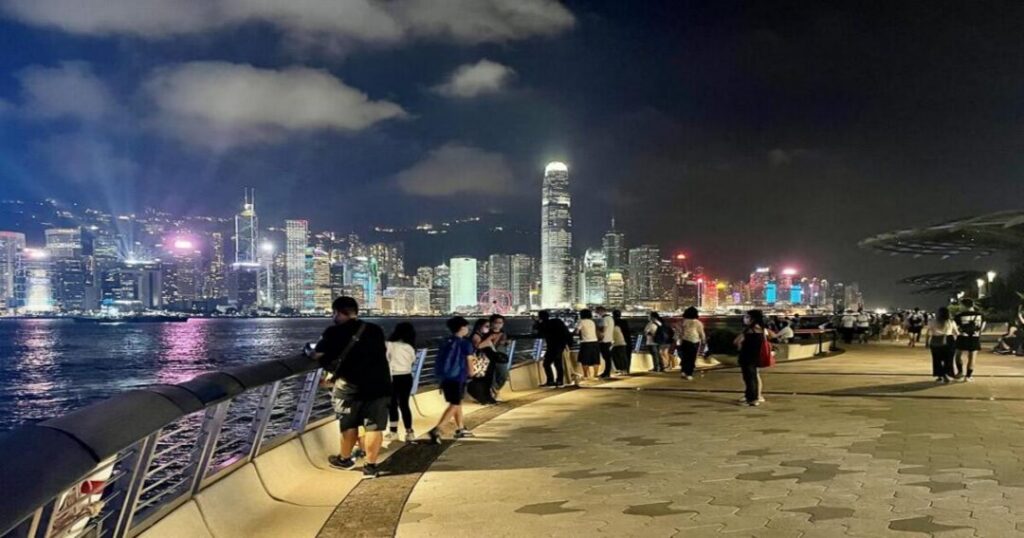
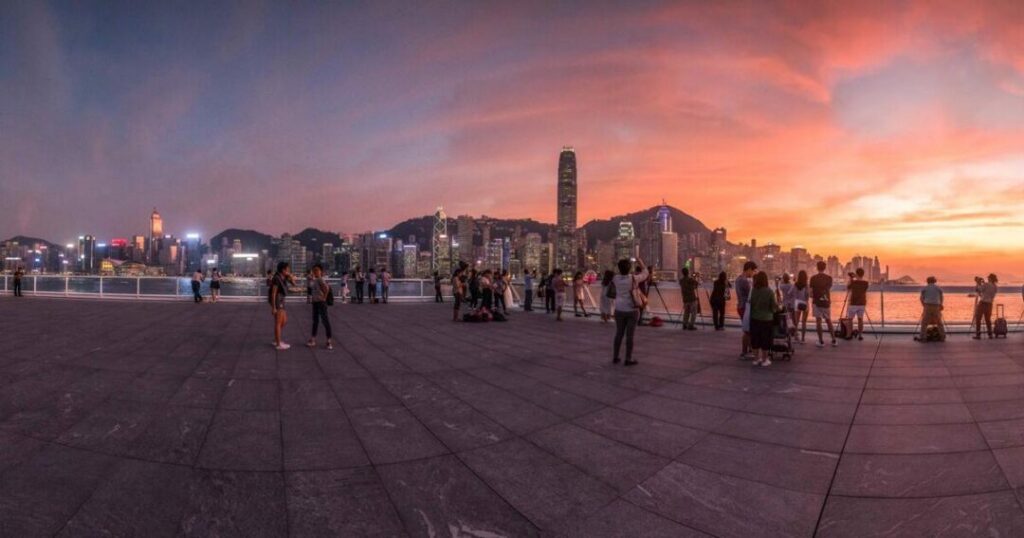
Running 440 metres along the Victoria Harbour waterfront, the Avenue of Stars carries over 100 plaques honouring Hong Kong film industry figures, including Bruce Lee, Jackie Chan, and Andy Lau; Bruce Lee’s original statue has since moved a short distance to the adjoining Garden of Stars. The wider Tsim Sha Tsui Promenade is free to walk any time of day, but it’s best known as one of the top vantage points for A Symphony of Lights, the nightly sound-and-light show synchronised across the Hong Kong Island skyline directly opposite.
2. Temple Street Night Market
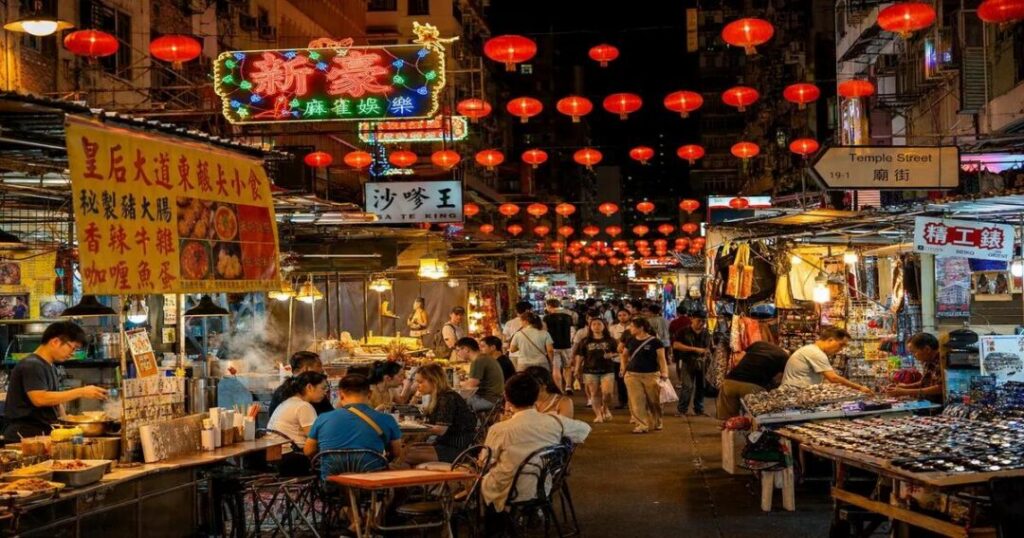
Stretching about 600 metres through Yau Ma Tei, Temple Street takes its name from the Tin Hau Temple at its centre and has run as an informal night market since hawkers began setting up after dark in the 1920s. Stalls really get going from late afternoon, peak between 7pm and 11pm, and mix street food with jade jewellery, watches, phone accessories, and Mahjong sets — bargaining is expected on anything that isn’t food. Side streets near the temple host fortune tellers offering palm reading and kau cim bamboo-stick divination, and informal Cantonese opera performances take over the northern end on weekend evenings.
3. Chi Lin Nunnery and Nan Lian Garden
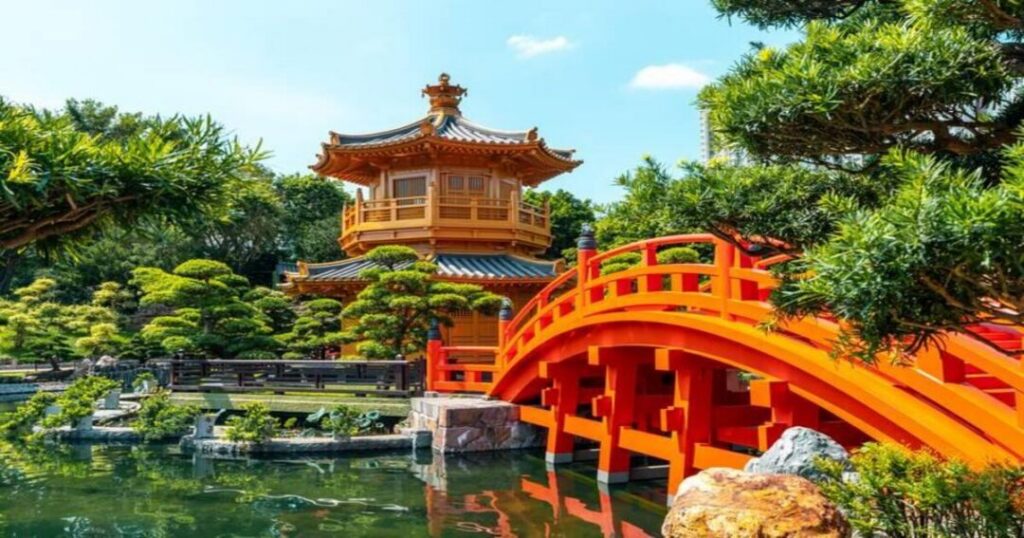
Founded in 1934 and rebuilt in 1998 in Tang dynasty style, Chi Lin Nunnery in Diamond Hill is constructed entirely from cypress wood using traditional interlocking joinery, without a single nail — making it the world’s largest hand-made wooden building. The complex spans over 33,000 square metres across 16 halls, and directly across the road sits Nan Lian Garden, a classical Chinese garden built in the same Tang-dynasty style and maintained by the same organisation — together they’re one of the most unexpectedly tranquil stops in Kowloon.
4. Mong Kok Markets
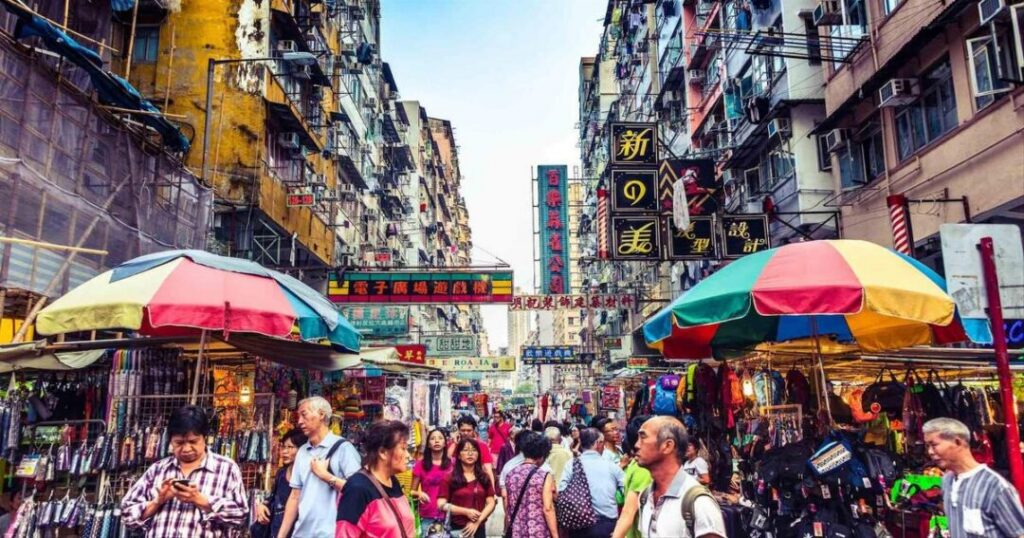
Mong Kok packs several distinct markets into a few blocks. Ladies’ Market on Tung Choi Street runs a one-kilometre stretch daily from 12:30pm to 11pm, selling fashion, accessories, and souvenirs; Fa Yuen Street, better known as Sneaker Street, runs parallel with more than 50 footwear shops covering everything from major-brand releases to vintage finds; and further north, Tung Choi Street’s Goldfish Market and the nearby Flower Market Road round out one of the most concentrated shopping stretches in the city, with mornings generally the best time for flowers and weekday afternoons the quietest for bargaining.
5. Kowloon Walled City Park
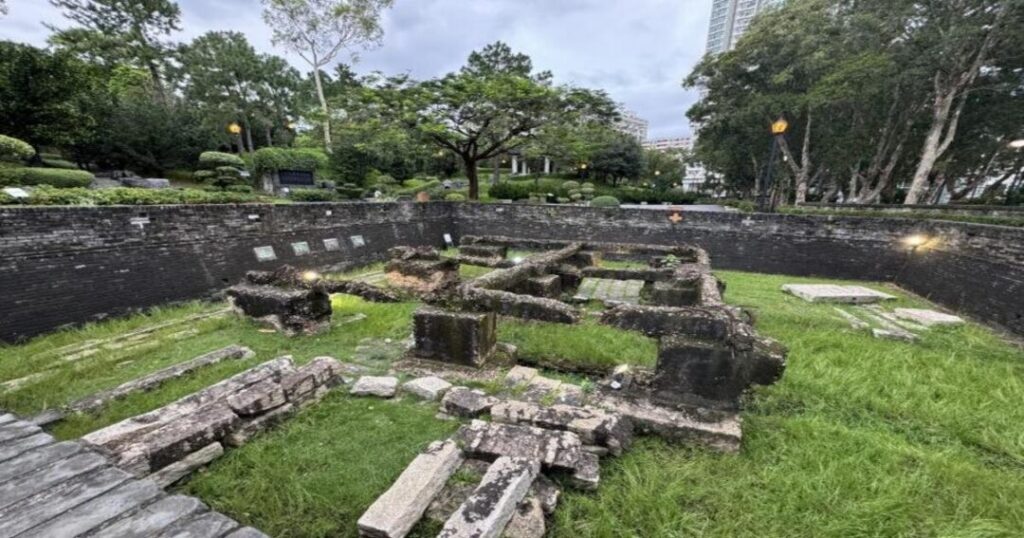
Few parks anywhere have a backstory like this one. The original Kowloon Walled City became a notoriously ungoverned enclave through the 20th century, its population reaching around 41,000 people packed into just 503 buildings by the time demolition was announced in 1987; residents were resettled by 1989, the structure demolished in 1993, and by December 1995 the entire 31,000-square-metre site had reopened as a park landscaped in the style of an early Qing dynasty Jiangnan garden. The Yamen building, dating to 1847, survives as the only original structure on site, alongside excavated relics from the old South Gate.
Kowloon Places to Visit: A First-Timer’s Itinerary
Rather than repeating the list above, here’s how to actually sequence kowloon places to visit across a first visit of about three days.
Day 1: Tsim Sha Tsui
Spend the day around the harbour — the Avenue of Stars and promenade in the afternoon, then stay put after dark for A Symphony of Lights before wandering inland toward Nathan Road for dinner.
Day 2: Yau Ma Tei and Mong Kok
Shop the Mong Kok markets in the afternoon, when bargaining is easiest, then head south to Temple Street as evening falls for street food, fortune tellers, and the market at its liveliest.
Day 3: Diamond Hill and Kowloon City
Start at Chi Lin Nunnery and Nan Lian Garden before the midday crowds arrive, then make your way to Kowloon Walled City Park for a quieter, history-heavy afternoon before heading back toward the harbour.
More Kowloon Sightseeing: Quick Reference
For anyone comparing kowloon sightseeing, kowloon tourist attractions, places to go in kowloon, or things to see in kowloon more broadly, here’s what else deserves a mention beyond the five covered above:
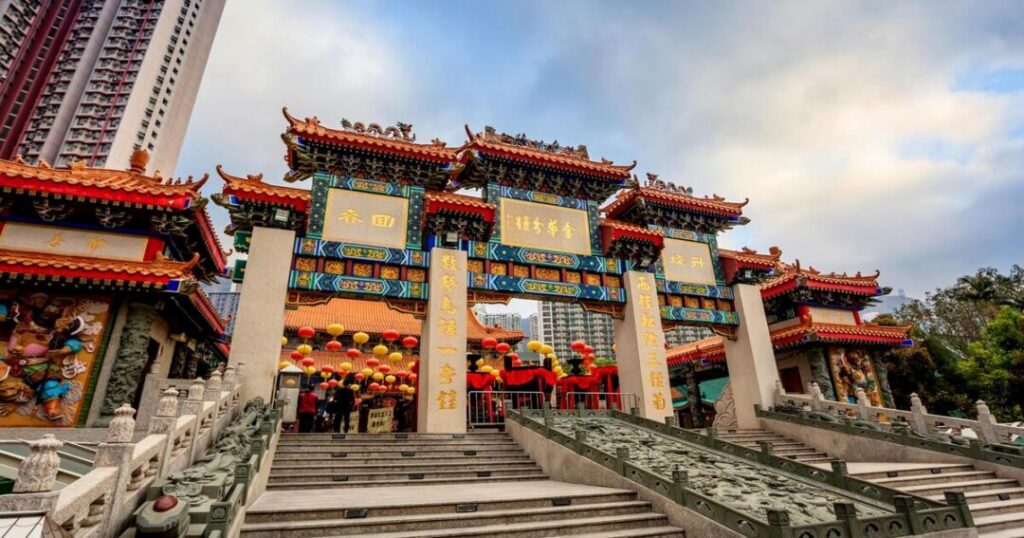
- Wong Tai Sin Temple: Built in 1921 and dedicated to a Taoist immortal believed to grant almost any request, this is one of Hong Kong’s most-visited temples, known for its kau cim fortune-telling practice, ornate red-and-gold architecture, and a Nine-Dragon Wall echoing the one in Beijing’s Forbidden City.
- Hong Kong Museum of History: Home to the free permanent “Hong Kong Story” exhibition, which reopened on April 1, 2026 after nearly five years of renovation with more than 2,800 artefacts across a reorganised ground floor, including a recreated 1930s street scene with a vintage double-decker tram.
- Chungking Mansions: A five-block, 17-storey Nathan Road complex completed in 1961 and packing in more than 110 guesthouses alongside curry restaurants and shops run by residents from well over a hundred countries — Time magazine once called it the “Best Example of Globalization in Action,” and it’s the real-world building behind Wong Kar-wai’s 1994 film Chungking Express.
- Kowloon Park: A 33-acre green space in Tsim Sha Tsui built on the former Whitfield Barracks military site and opened in stages from 1970, now home to a flamingo-filled bird lake, an aviary, one of Hong Kong’s busiest public swimming pool complexes, and the Kowloon Mosque next door.
Also Read: e-Visa for Indians: Your Complete Guide to Visa-Free, Visa on Arrival & e-Visa Travel
Things to Do in Kowloon Bay
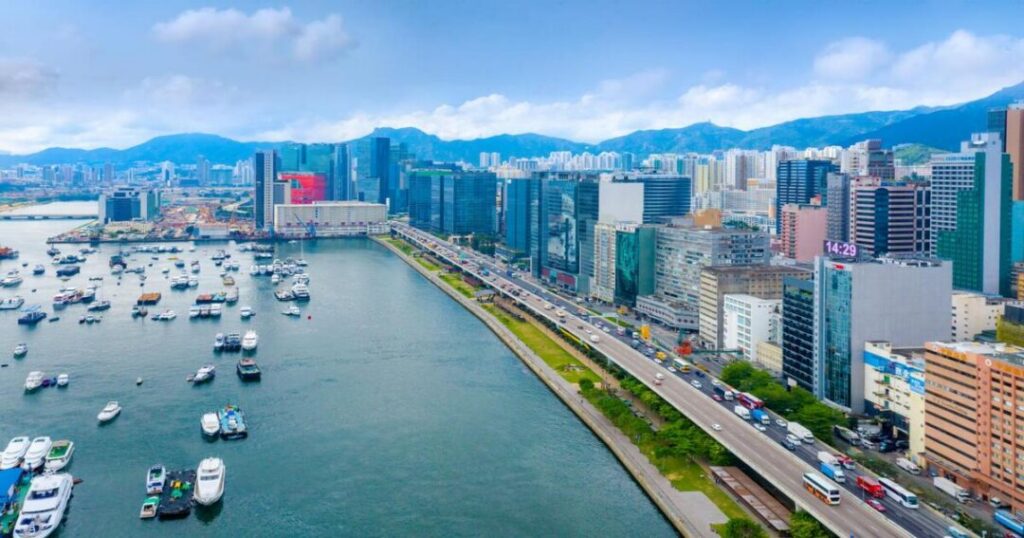
For anyone searching specifically for things to do kowloon bay, this district is a genuinely different kind of Kowloon stop, built almost entirely on the site of the old Kai Tak Airport, which closed in 1998 when flights moved to Chek Lap Kok. The roughly 320-hectare Kai Tak Development has been transforming the former runway ever since, and its centrepiece, Kai Tak Sports Park, opened in March 2025 with a 50,000-seat main stadium that debuted with the Hong Kong Sevens rugby tournament as its first major event. Alongside the stadium, the area now includes the Kai Tak Cruise Terminal, the MegaBox shopping mall, and Kai Tak Runway Park, a waterfront green space that opened in 2021 along the old runway itself — together making Kowloon Bay one of the fastest-changing corners of the city to visit right now.
Also Read: Hong Kong Food: The Complete Guide to What to Eat and Where
What is the Best Time to Visit Kowloon?
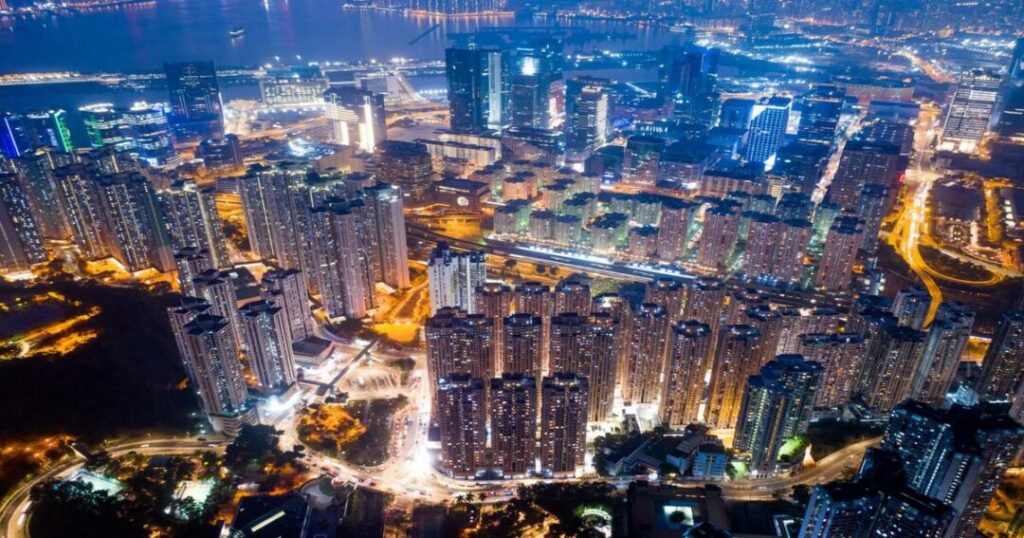
Late October through November is Kowloon’s best window, with warm temperatures around 26°C, low rainfall, and manageable humidity. Summer, from late May to mid-September, turns hot and humid with temperatures regularly above 30°C and peak typhoon risk from July to September, while winter (mid-December to February) stays mild at 13-18°C, with Chinese New Year in that period bringing bigger crowds and higher prices.
How to Reach Kowloon?
The Airport Express reaches Kowloon Station in about 22 minutes from Hong Kong International Airport, making it the fastest link into the district. Airport buses such as route A21 run directly to Tsim Sha Tsui, Jordan, and Yau Ma Tei in 40-60 minutes at a fraction of the cost, and Kowloon’s extensive MTR network connects every district covered in this guide. The Star Ferry, one of the cheapest and most scenic ways to arrive, links Tsim Sha Tsui directly to Hong Kong Island across Victoria Harbour.
Also Read: Things to Do in Hong Kong: Best Experiences for Travellers
Conclusion: Kowloon Rewards Slow Wandering
Between a Buddhist complex built without nails, a market that never really stopped since the 1920s, and a stadium built on a runway that closed in 1998, the places to visit in Kowloon reward exactly the kind of unhurried, street-level exploring the district is built for. Time the harbourfront for evening and the markets for late afternoon, and Kowloon tends to reveal itself at its own pace.
Planning a Kowloon trip? Let the Explurger app help you sequence the markets, temples, and harbourfront right.
FAQs About Places to Visit in Kowloon
2. How many days do you need in Kowloon?
Three days works well — one for Tsim Sha Tsui and the harbourfront, one for the Yau Ma Tei and Mong Kok markets, and one for Diamond Hill's Chi Lin Nunnery and Kowloon Walled City Park.
3. What is special about Chi Lin Nunnery?
It's built entirely from cypress wood using traditional Tang-dynasty joinery techniques with no nails at all, making it the world's largest hand-made wooden building, and it sits directly across from the matching Nan Lian Garden.
4. What can you buy at the Mong Kok markets?
Ladies' Market covers fashion, accessories, and souvenirs; Fa Yuen Street, or Sneaker Street, specialises in footwear from major brands to vintage finds; and the northern end of Tung Choi Street holds a dedicated goldfish and aquarium market alongside the nearby Flower Market Road.
5. What happened to Kowloon Walled City?
Once one of the most densely populated, ungoverned settlements on Earth with around 41,000 residents in just 503 buildings, it was demolished in 1993 after a 1987 closure announcement, and reopened as a landscaped Qing-dynasty-style park in December 1995.
6. What is there to do in Kowloon Bay?
Kowloon Bay centers on the former Kai Tak Airport site, now home to Kai Tak Sports Park (opened March 2025 with a 50,000-seat stadium), the Kai Tak Cruise Terminal, MegaBox mall, and the waterfront Kai Tak Runway Park.