
60 Total Views
Rome has been feeding people for roughly 2,800 years, and remarkably, you can still trace a line from what wealthy Romans ate reclining at a banquet under Augustus to what’s on the menu at a trattoria near the Pantheon tonight. Roman dining today means a short, fiercely defended list of pasta dishes built on pork fat and sharp cheese, plus fried street food snacks invented more recently than you’d expect. But the keywords behind this post also point somewhere older — to what Romans actually ate under the Empire, from grain porridge to fermented fish sauce. This guide covers both: the dishes worth seeking out in Rome today, a full look at ancient Roman Empire food, and practical notes on timing a trip around what’s actually in season.
Best Roman Dining in Rome Today
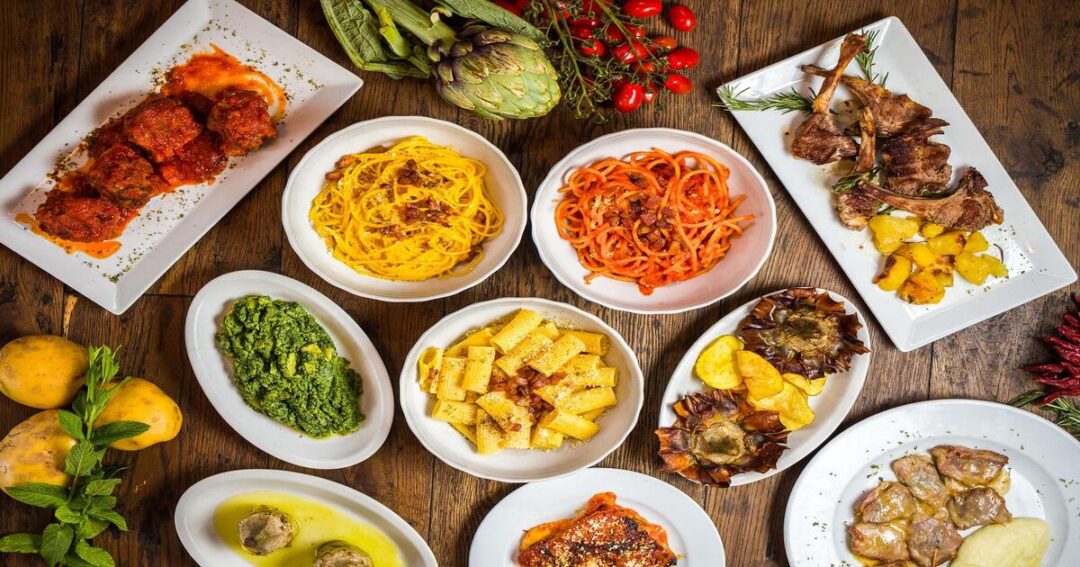
These five dishes make up the backbone of a Roman meal, from the pasta quartet nearly every trattoria serves to the fried snacks sold by weight from a paper cone.
The Four Roman Pastas
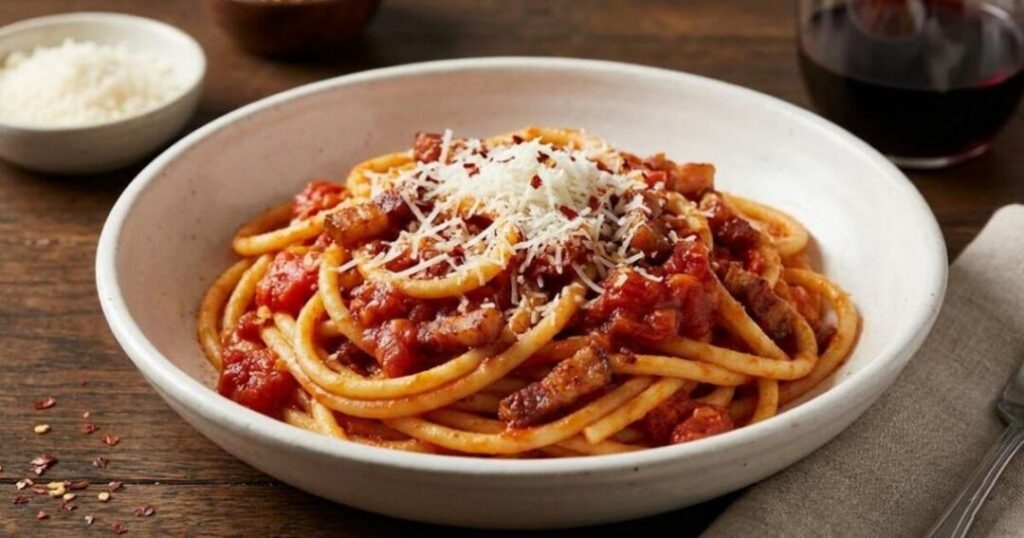
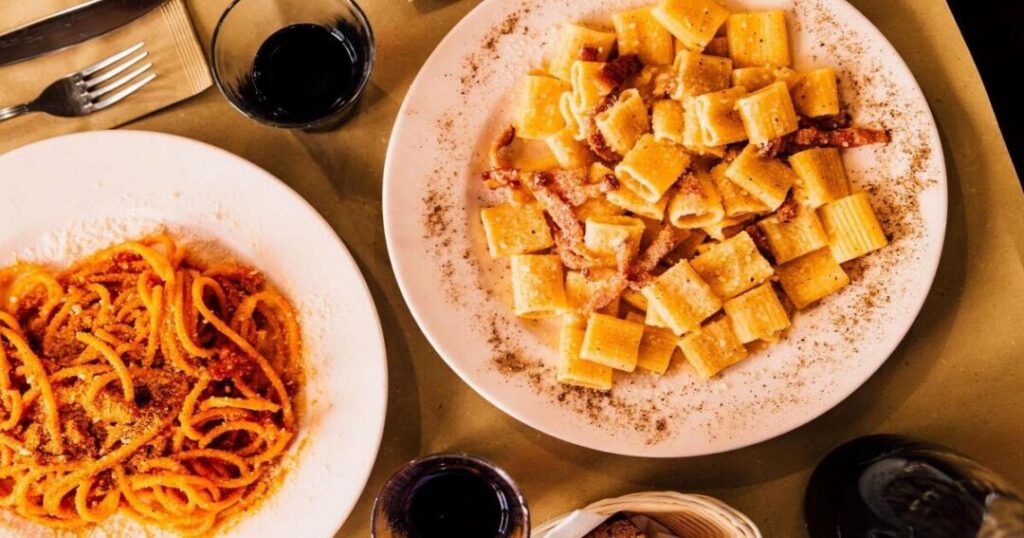
Cacio e pepe, carbonara, amatriciana, and gricia are often described as a single connected family built almost entirely from guanciale (cured pork jowl) and pecorino romano cheese. Cacio e pepe is the minimalist end of the spectrum — just pecorino, black pepper, and pasta water emulsified into a sauce, usually over tonnarelli. Gricia adds guanciale to that same cheese-and-pepper base, effectively bridging cacio e pepe and carbonara. Carbonara adds egg to gricia’s guanciale-and-cheese combination — and despite feeling ancient, it’s a relatively recent dish, with one commonly cited origin story tracing it to American soldiers’ rations of powdered eggs and bacon reaching Rome during World War II; Romans have since instituted a National Carbonara Day (April 6) partly in defence of the “correct” recipe. Amatriciana is the outlier with tomato in the mix, built on guanciale and tomato sauce, and traces back to Amatrice in neighbouring Abruzzo before becoming a Roman speciality in its own right.
Supplì
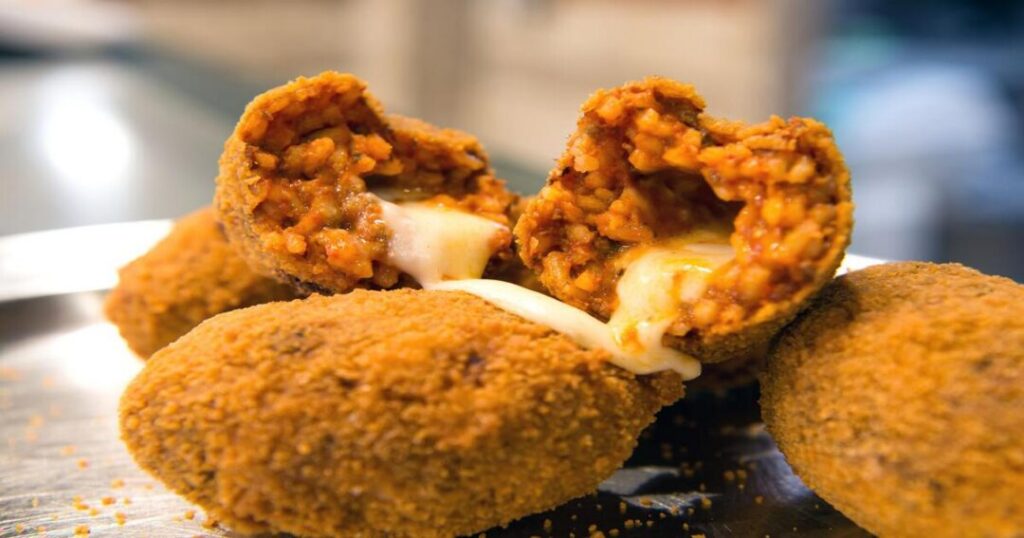
Rome’s answer to the arancino: a fried rice croquette, typically filled with a mozzarella core that stretches into strings when you bite into it (hence the nickname “supplì al telefono”, or “telephone-wire supplì”). It’s sold by weight at fry shops across the city and is the single most common Roman street-food order.
Carciofi alla Giudia
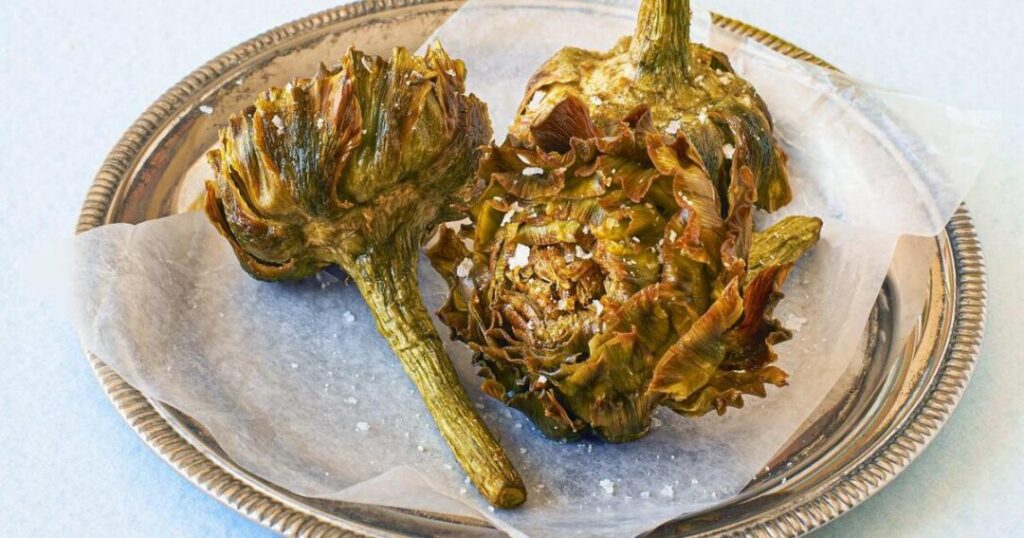
Jewish-style fried artichokes, developed in Rome’s historic Jewish Ghetto — a walled, gated quarter that existed under papal decree from 1555 to 1870 — where frying in oil became central to a distinct “Cucina Ebraica-Romanesco” shaped partly by the kosher dietary separation of meat and dairy. Whole small, purple-tinged artichokes are trimmed, flattened, and deep-fried until the outer leaves crisp into something close to a golden flower. Restaurants in the old ghetto, some serving the dish since the 1920s, remain the classic place to try it.
Also Read: Romantic Places in Rome: A Couple’s Guide to the Eternal City
Saltimbocca alla Romana
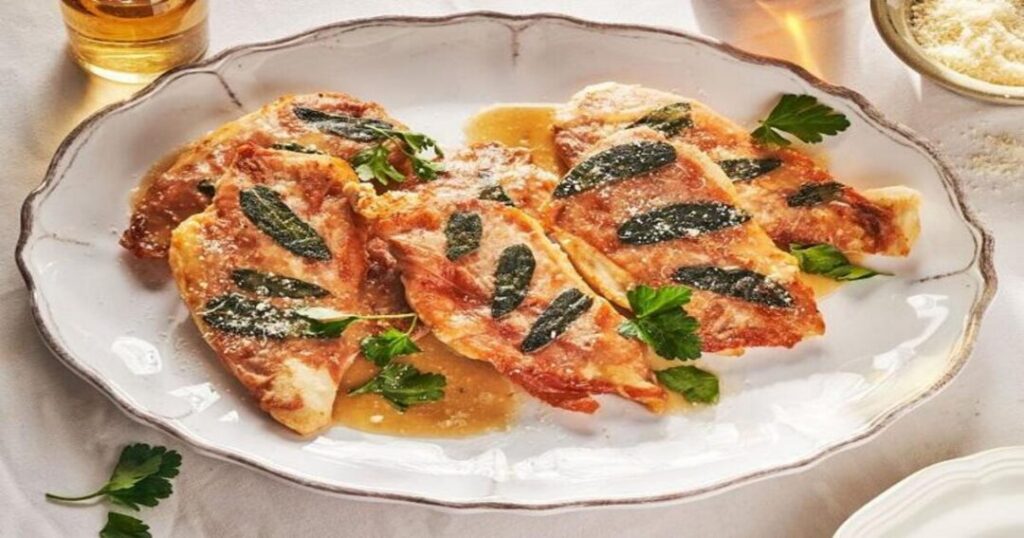
The name translates roughly to “jumps in the mouth”, and the dish is as direct as its name: a thin veal cutlet wrapped with prosciutto and a sage leaf, pan-cooked in butter and white wine until the prosciutto crisps slightly at the edges. It’s one of the simpler entries on this list to make at home and one of the most reliably excellent orders at a traditional Roman trattoria.
Trapizzino
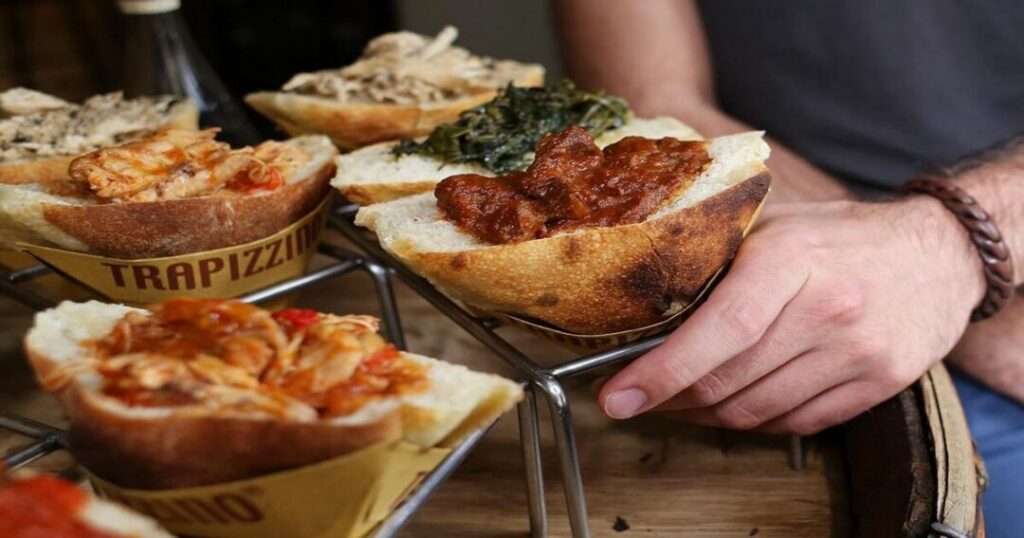
A genuinely recent invention: chef Stefano Callegari created the trapizzino in 2008 at his restaurant 00100 in the Testaccio neighbourhood, combining a pizza-bianca pocket (the name blends tramezzino, or sandwich, with pizza) with braised, stewed Roman classics spooned inside. It’s become one of the city’s defining pieces of modern street food in under two decades — a useful reminder that “traditional” Roman food is still being invented.
Roman Empire Food: What Ancient Romans Really Ate
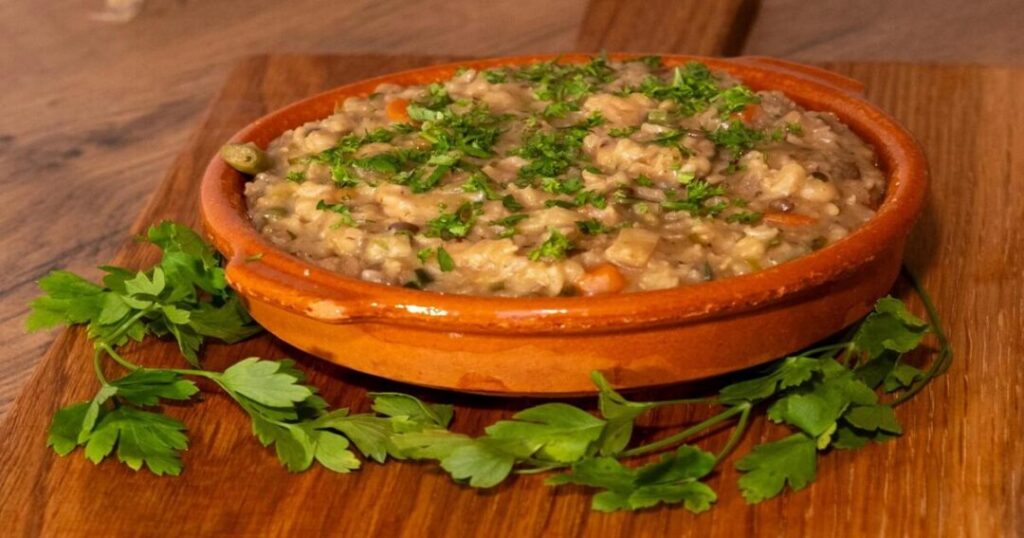
Strip away two thousand years, and Roman Empire food looked almost nothing like a modern trattoria menu — no tomatoes, no pasta as we’d recognise it, and a diet split sharply along class lines.
Puls: The Original Roman Cereal
Long before pasta, the staple of ancient Roman cuisine was puls — a simple porridge made from farro grain boiled in water and salted, sometimes called the “aboriginal food” of early Rome. Ordinary Romans ate this Roman meal cereal dressed up with whatever vegetables, meat, cheese, or herbs were available, turning a plain grain mash into something closer to a rustic polenta or risotto. The word “cereal” itself traces back to Ceres, the Roman goddess of agriculture and grain — a direct linguistic link between this ancient staple and the modern English word for breakfast grains.
Also Read: Food Festivals Around the World: The Complete Guide
Three Meals a Day — If You Were Wealthy
Romans structured their day around ientaculum (a light breakfast at dawn), prandium (a modest midday meal), and cena, the main meal of the day. Cena started at midday for most of Roman history, but among the wealthy it gradually shifted later into the evening as the Empire grew richer and more cosmopolitan, often stretching “until late in the night” when guests were invited, typically preceded by a visit to the baths around 2 p.m. Ordinary Romans, tied to manual labour schedules, kept to older, earlier routines regardless.
Garum: Ancient Rome’s Fish Sauce Obsession
No ingredient defines elite Roman cooking more than garum, a fermented fish sauce used as a seasoning, table condiment, and cooking base across the empire. Quality varied enormously — the most prized variety, garum sociorum, was made from mackerel at fisheries in New Carthage (modern Cartagena, Spain) and could cost around 1,000 sesterces for about seven litres, a price roughly equivalent to 110 grams of gold. Alongside garum, wealthy Roman tables imported ham from Belgium and oysters from Brittany, while ordinary meals stuck to simpler, cheaper, mostly local fare.
Also Read: Street Food in Phuket Old Town: A Local’s Guide
Eating Like an Emperor vs. Eating Like Everyone Else
The gap between elite and ordinary ancient Roman meals was stark: a wealthy household’s cena might include eggs, cheese, and honey alongside meat or fish and imported delicacies, while common Romans ate bread, pulses, vegetables, and legumes, with meat as an occasional luxury rather than a daily staple. Popular culture’s image of Romans reclining at marathon banquets with exotic dishes — the fictional Trimalchio’s feast in Petronius’s Satyricon being the best-known literary example — reflects real elite excess, but it describes a tiny fraction of the population rather than how most Romans actually ate day to day.
More Roman Dining to Try: Quick Reference
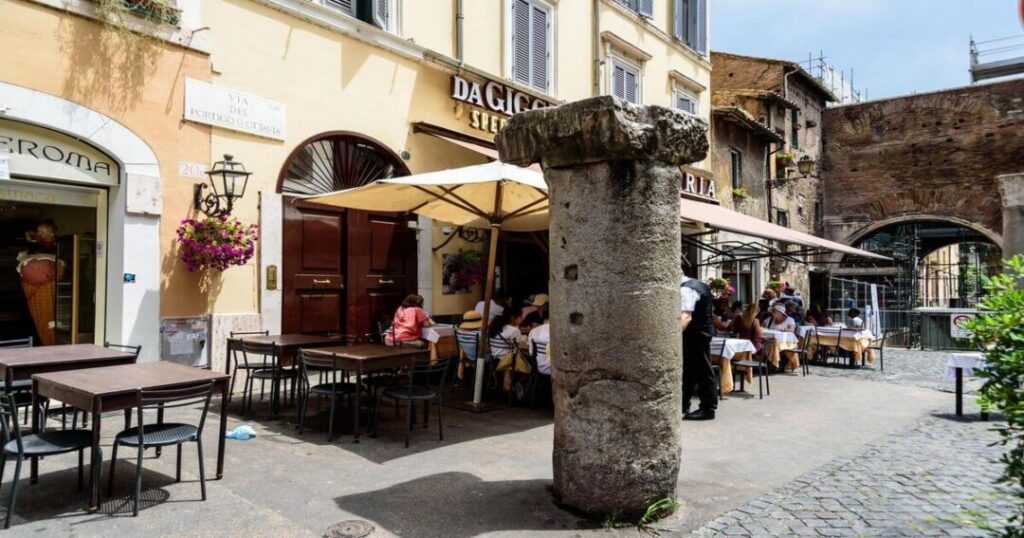
Beyond the five dishes above, here’s where to keep exploring Roman food and Roman cuisine more broadly — useful for anyone still searching for the best Roman food a short trip can cover:
- Testaccio Market: A working-class neighbourhood turned food destination, built around Rome’s old slaughterhouse district, where traditional offal dishes (like trippa alla romana) sit alongside a newer wave of food stalls and wine bars.
- Rome’s Jewish Ghetto beyond carciofi alla giudia: The same neighbourhood that perfected fried artichokes also serves other Cucina Ebraica-Romanesco specialities worth seeking out, including fried salt cod and ricotta-and-sour-cherry pastries.
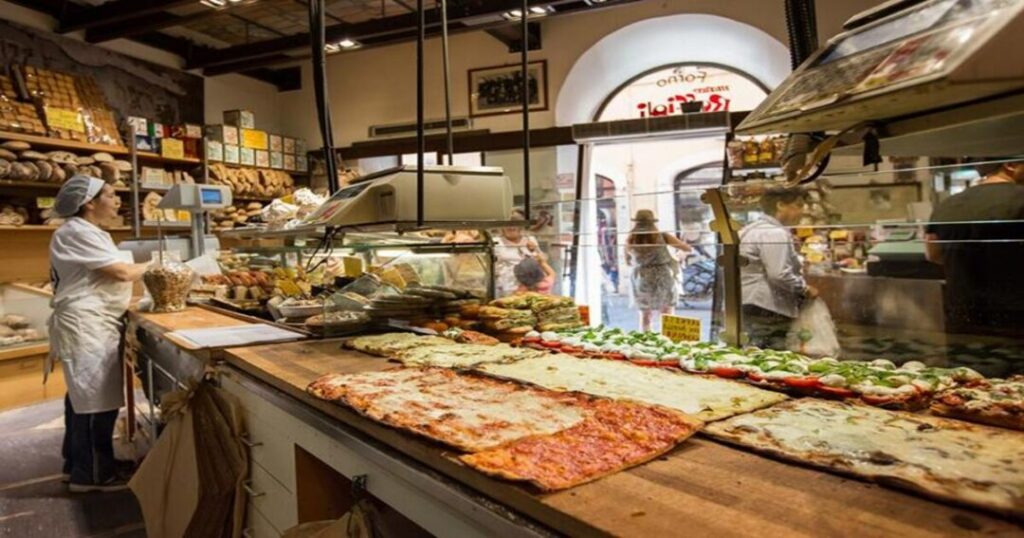
- Pizza al taglio and pizza bianca: Rectangular, thin-crust pizza sold by weight is Rome’s everyday lunch, distinct from the round Neapolitan style most visitors expect.
- Roman gelato and coffee culture: A properly made gelato (look for muted, natural colours rather than neon) and a quick stand-up espresso at the counter round out the city’s food culture outside of sit-down meals.
Also Read: Street Food in London: Top Markets, Food Streets & Nearby Landmarks
Best Time for Roman Dining: Seasonal Food Guide
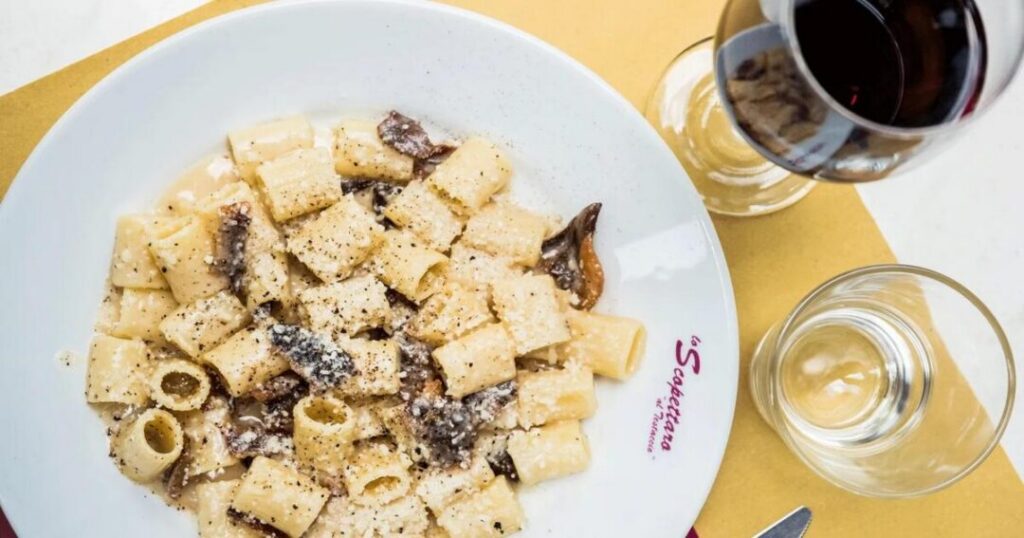
Late February through early May is the carciofi alla giudia season, when markets fill with the small, purple-tinged artichokes used for the dish — worth timing a trip around if that’s a priority. Autumn brings porcini mushrooms and truffle dishes onto seasonal menus. The one stretch to actually plan around, though, is mid-August: many restaurants close for some or all of the period surrounding Ferragosto (August 15, a major national holiday), with closures commonly running anywhere from a few days to the better part of the month depending on the restaurant — reservations and advance confirmation matter more than usual that week.
How to Reach Rome: Roman Dining Travel Guide
Most international visitors arrive via Rome Fiumicino Airport (FCO), connected to the city centre by the Leonardo Express train (roughly 30 minutes to Termini station) or regional trains and taxis; Ciampino Airport (CIA), smaller and used mainly by low-cost carriers, connects via bus to Termini. High-speed rail also links Rome directly to Florence, Milan, Naples, and Venice, making it an easy add-on to a wider Italy itinerary built around exactly this kind of food-focused city stop.
Conclusion: Roman Dining
The line from puls to cacio e pepe isn’t direct, but the instinct behind both is the same: take a handful of cheap, available ingredients and turn them into something precise and defended with real pride. Roman dining today rewards anyone willing to order the simple-sounding dishes rather than the fanciest-looking ones — and knowing where that habit comes from only makes the meal better.
Planning a food-focused trip to Rome? Let the Explurger app help you time it around artichoke season, carbonara debates, and the restaurants that actually stay open in August.
FAQs About Roman Dining
2. What did people eat in the Roman Empire?
Ordinary Romans ate mostly puls (a farro grain porridge), bread, vegetables, and legumes, with meat as an occasional addition; wealthy Romans ate more elaborate cena meals with eggs, cheese, honey, meat or fish, and imported delicacies, often seasoned with the fermented fish sauce garum.
3. Is carbonara an ancient Roman dish?
No — despite feeling traditional, carbonara is a relatively modern invention, with one commonly cited origin story tracing it to the mid-20th century and American soldiers' egg-and-bacon rations reaching Rome during World War II.
4. What is garum?
A fermented fish sauce that was the signature condiment of ancient Roman cooking, used across the empire; the finest grades, like garum sociorum from Spain, were extremely expensive, reportedly costing the equivalent of around 110 grams of gold for seven litres.
5. What is puls and why is it called a Roman cereal?
Puls was a porridge made from boiled, salted farro grain, considered the staple "original" food of early Rome; the English word "cereal" itself derives from Ceres, the Roman goddess of agriculture and grain, linking this ancient staple directly to the modern term.
6. When is the best time to visit Rome for food?
Late February through early May for carciofi alla giudia (artichoke) season, and autumn for porcini mushrooms and truffle dishes; avoid assuming every restaurant is open around August 15 (Ferragosto), when many close for part or all of the surrounding period.