
47 Total Views
Estonia packs an unusual range into its festival calendar for a country of just 1.3 million people: a midsummer bonfire tradition old enough to have pagan roots, a Soviet-era film festival that’s grown into Northern Europe’s biggest, and a choral event so large that organizers have had to cap ticket sales for safety. The Festivals in Estonia worth planning a trip around range from one-night folk traditions to multi-day city takeovers. This guide covers five of the country’s best, goes deep on its music festival scene, and closes with a full look at the event most visitors have heard of without quite knowing what it is: the Song and Dance Celebration.
Best Festivals in Estonia
These five cover Estonia’s festival calendar from midwinter to midsummer, spanning national history, medieval trade heritage, and contemporary film.
Jaanipäev (Midsummer)
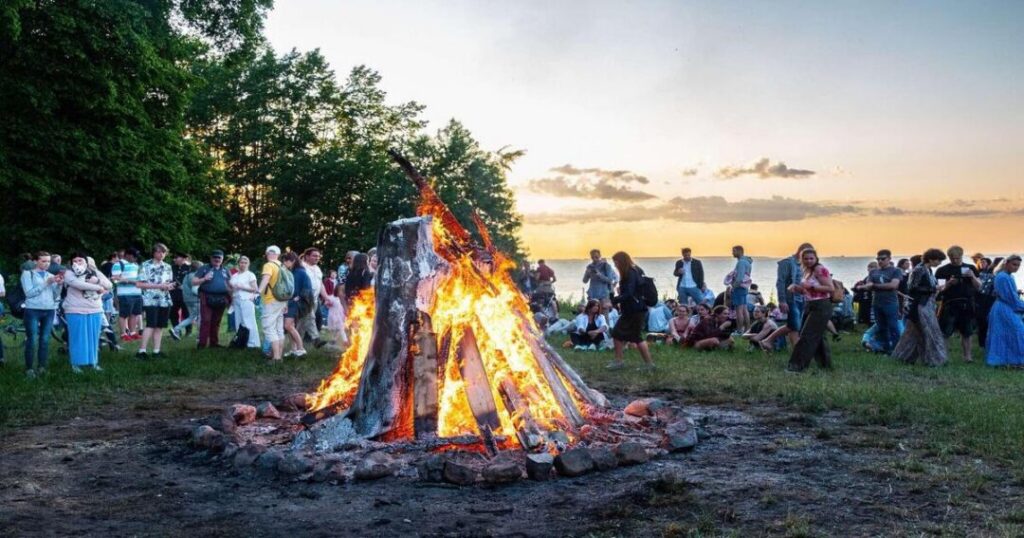
Estonia’s most significant holiday, arguably outranking Christmas in cultural weight, falls on the summer solstice: Jaaniõhtu (St. John’s Eve) on June 23 and Jaanipäev itself on June 24. The centerpiece is fire — thousands of bonfires lit across the country, with jumping over the flames said to guarantee good luck, while failing to light one at all supposedly invites misfortune. June 23 doubles as Estonian Victory Day, commemorating an independence-era military victory, which is part of why the holiday carries more weight than a typical seasonal celebration.
Estonian Independence Day
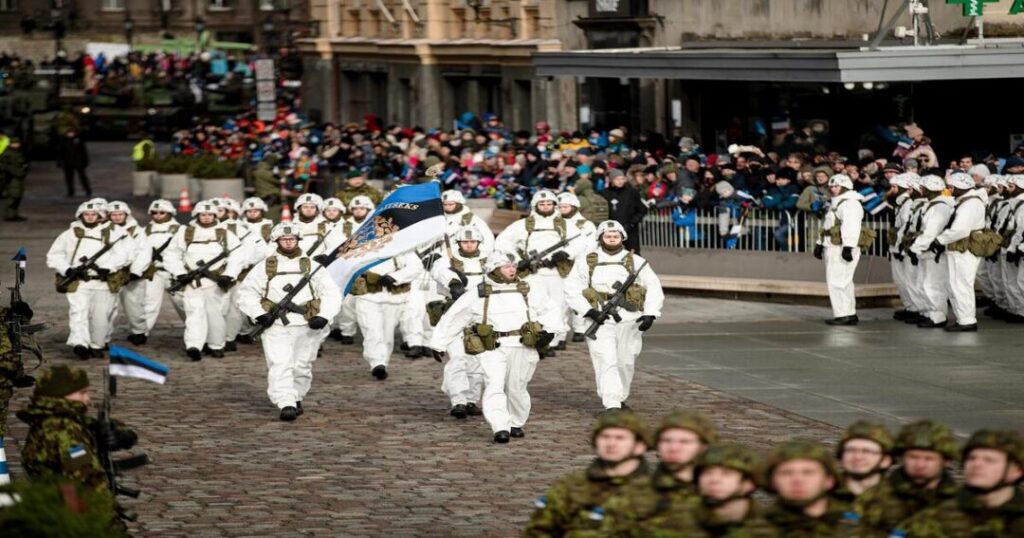
Celebrated February 24 each year, marking the 1918 declaration of Estonian independence, the day is marked nationally with a military parade, presidential address, and fireworks, along with flag-raising ceremonies in towns across the country. It’s a far quieter affair than Jaanipäev but holds equivalent symbolic weight as the anchor of Estonia’s national calendar.
Tallinn Black Nights Film Festival (PÖFF)
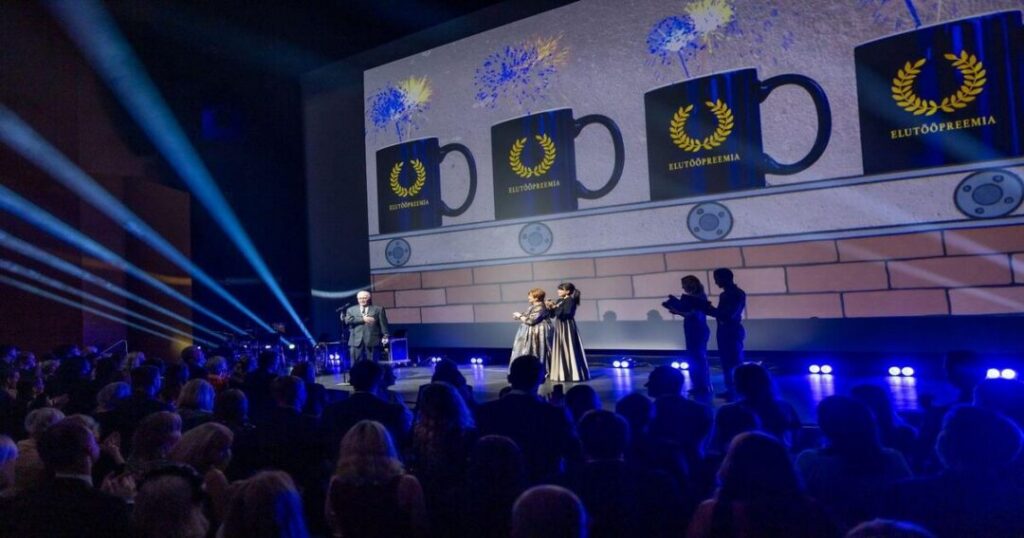
Founded in 1997 and known locally as PÖFF (“Pimedate Ööde filmifestival,” or Black Nights Film Festival), this has grown from 25 films and 4,500 attendees into one of the largest film festivals in Northern Europe, drawing around 80,000 attendees with nearly 300 films from dozens of countries in recent editions. It earned FIAPF A-list accreditation in 2014 — the first Northern European festival to do so — putting it in the same competitive tier as festivals like Cannes and Venice. It runs in November, timed to the city’s darkest, longest nights.
Tartu Hanseatic Days
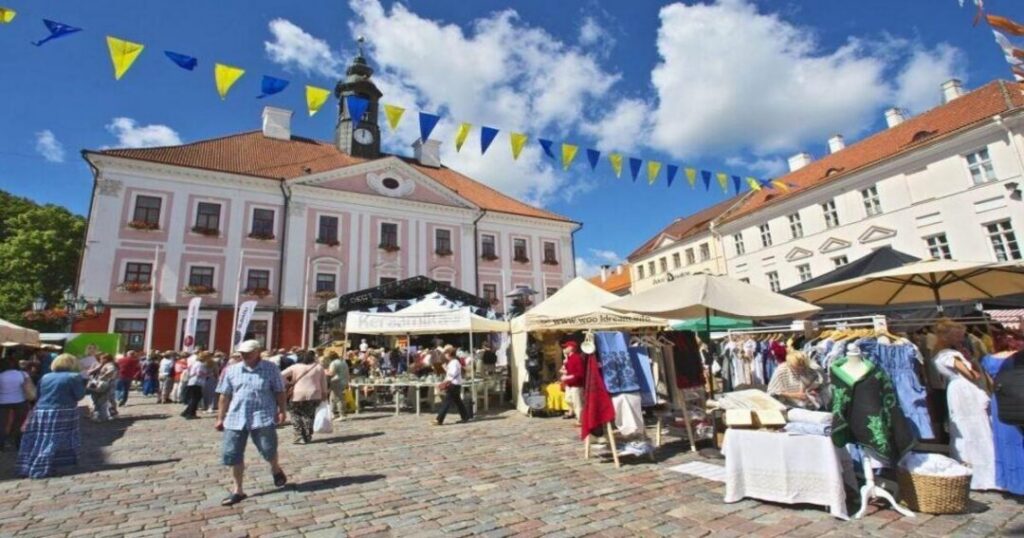
Tartu, Estonia’s second city, was a member of the medieval Hanseatic trading league, and this festival — founded in 1995 and now drawing tens of thousands of visitors — celebrates that history with its centerpiece Hansalaat (Hanseatic Market), alongside concerts, craft demonstrations, and historical reenactment through the summer streets of the city center.
Tallinn Old Town Days
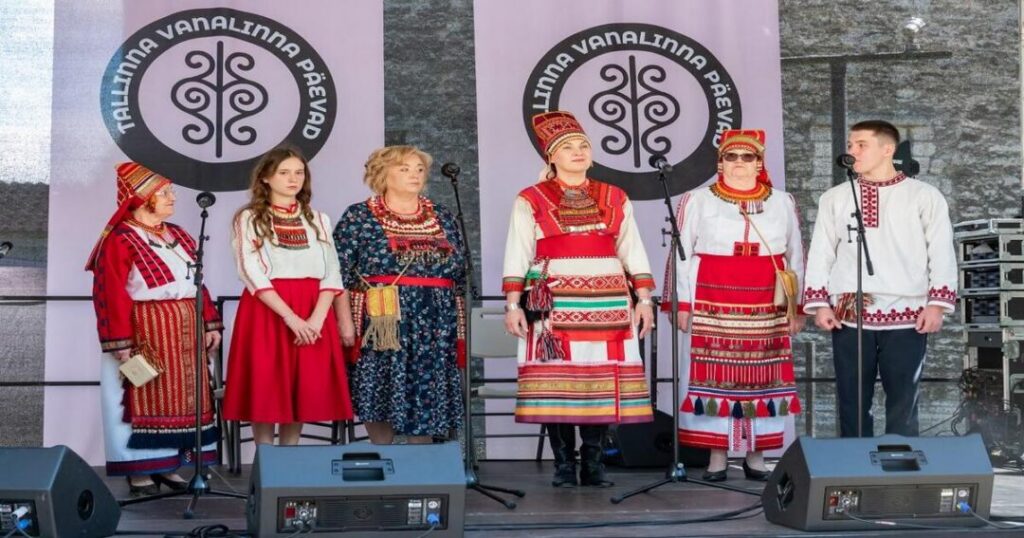
Founded in 1982 by a sailor named Sulev Roosma after he was inspired by Germany’s Kiel Week, this week-long early-summer festival fills Tallinn’s medieval Old Town with concerts, theatre, exhibitions, and street fairs, originally conceived simply to introduce locals and visitors to the Old Town itself rather than to mark any specific historical event.
Also Read: Food Festivals Around the World: The Complete Guide
Estonia Music Festival Scene
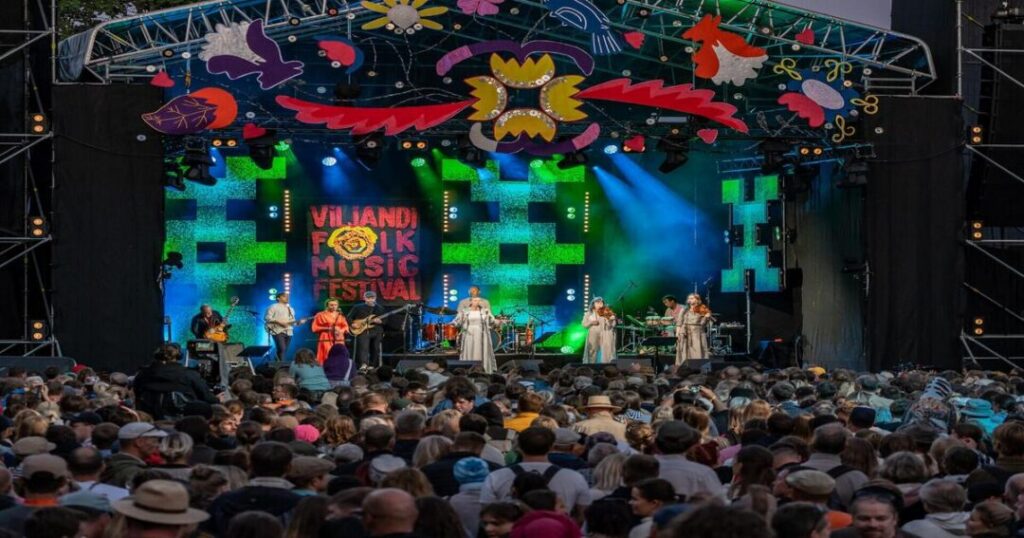
Beyond the national holidays, estonia music festival culture runs from folk traditions to electronic dance music, spread across the calendar and the country.
Viljandi Folk Music Festival
Running since 1993, Viljandi Folk is Estonia’s largest folk music festival, held over four days each July in the small town of Viljandi and drawing performers and audiences from across the Baltic region and beyond for a mix of traditional and contemporary folk music.
Tallinn Music Week
Founded in 2009, Tallinn Music Week is a showcase festival and creative-industry conference rolled into one, spreading performances across venues throughout the city each spring (typically March or April) alongside a networking platform for music professionals — closer in format to Austin’s SXSW than to a traditional single-stage music festival.
Weekend Festival Baltic
Also Read: Festivals in Himachal Pradesh: A Complete Guide to the State’s Biggest Celebrations
The Estonian edition of the Scandinavian Weekend Festival franchise, held on Pärnu Beach each August since 2015, is billed as one of the largest dance music festivals in the region, built around DJ lineups spanning the electronic dance music spectrum with full audiovisual production.
Also Read: Festivals in Himachal Pradesh: A Complete Guide to the State’s Biggest Celebrations
Estonia’s Song and Dance Celebration: Singing and Dance Festivals
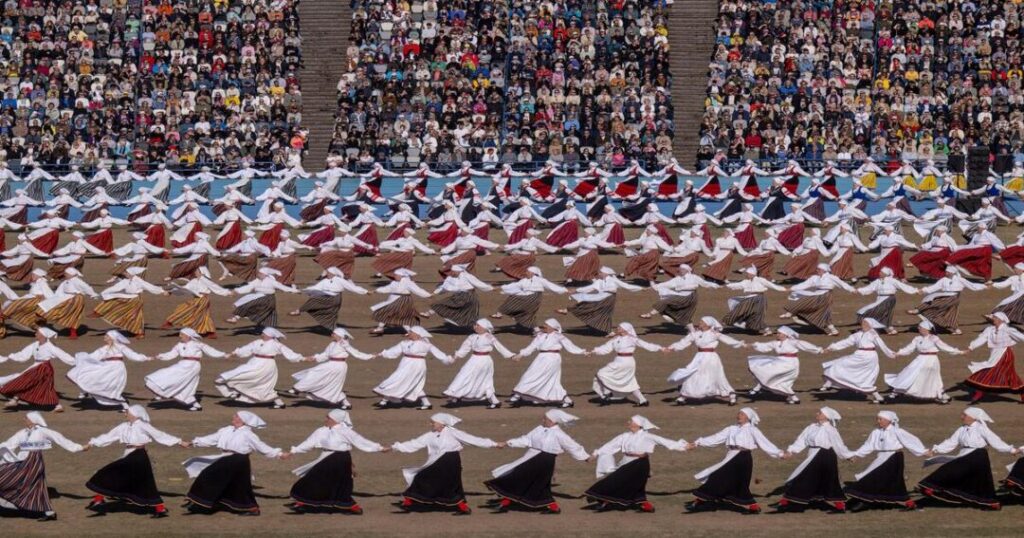
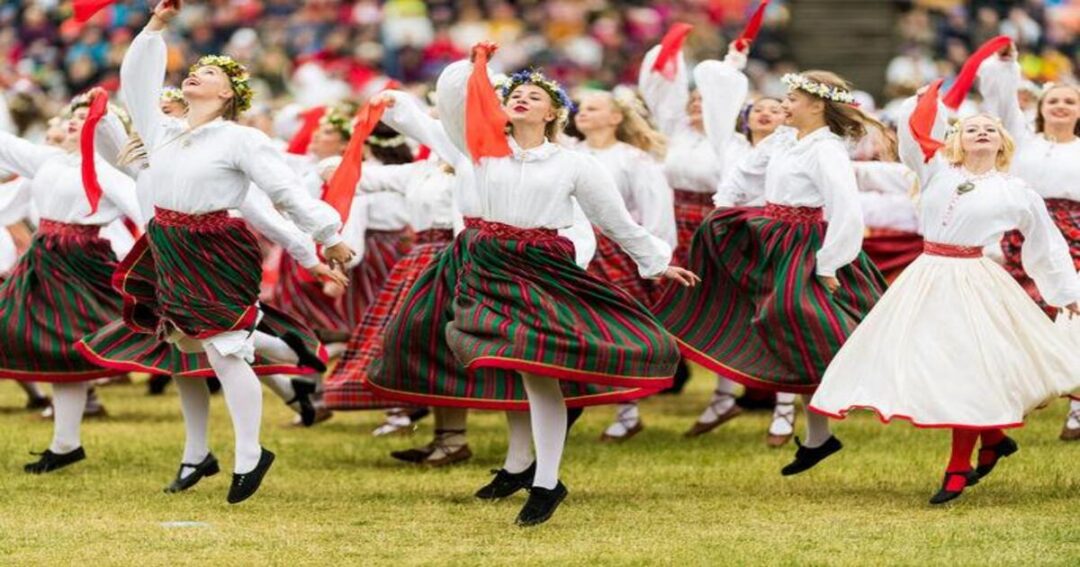
No other event defines Estonian culture quite like the national estonia singing festival and estonia song festival tradition, formally known as Laulupidu (Song Celebration) and Tantsupidu (Dance Celebration), held jointly every five years and recognized by UNESCO as a Masterpiece of the Oral and Intangible Heritage of Humanity.
The first Estonia-wide song festival was held in Tartu in 1869, organized in part by Johann Voldemar Jannsen, with only men’s choirs and brass ensembles performing. It expanded to include mixed choirs by its fourth edition and permanently relocated to Tallinn from the sixth festival onward in 1896. Since 1923, it has typically been staged every five years. The scale is genuinely hard to picture: the 2019 celebration (the XXVII Song and XX Dance Celebration) brought together over 35,000 singers in 1,020 choirs and nearly 11,500 dancers in 713 groups — the largest Dance Celebration in the event’s history — performing for an audience that has historically reached around 80,000 to 100,000 spectators. Demand was so high in 2019 that organizers suspended ticket pre-sales on safety grounds once combined performer and audience numbers threatened to exceed venue capacity.
The most recent edition, the XXVIII Song and XXI Dance Celebration, themed “Iseoma” (“Authentically Ours”), was held July 3-6, 2025 in Tallinn, with more than 41,000 performers across 1,869 ensembles. Running alongside it, the estonian dance festival component has its own identity within the joint event — a separate program of folk and group dance distinct from the choral singing, though both share the same host weekend and draw from the same five-year organizing cycle. If you’re planning around the next edition, treat the exact year as unconfirmed until closer to the date; sources differ on whether it returns to the traditional five-year spacing or follows a slightly different schedule this cycle.
Also Read: Festivals in India: A Complete Guide to the Country’s Most Celebrated Festivals
Conclusion: Plan Around the Calendar, Not Just the Country
More than most destinations, the Festivals in Estonia are tied tightly to specific dates — a bonfire night that barely changes year to year, a choral event that only happens once every half-decade, a film festival that exists because the nights are dark enough for it. Picking your dates first, then building the trip around them, tends to work better here than the other way around.
Planning a trip around Estonia’s festival calendar? Let the Explurger app help you time it to Jaanipäev, PÖFF, or the next Song and Dance Celebration.
FAQs About Festivals in Estonia
2. What is the Estonian Song and Dance Celebration?
A joint choral and dance festival (Laulupidu and Tantsupidu) held every five years, first staged in 1869 and recognized by UNESCO as a Masterpiece of the Oral and Intangible Heritage of Humanity; the most recent edition took place July 3-6, 2025 in Tallinn with over 41,000 performers.
3. What is Jaanipäev?
Estonia's Midsummer celebration, marked by bonfires on the night of June 23 (Jaaniõhtu) and continuing into June 24 (Jaanipäev); June 23 also marks Estonian Victory Day, giving the holiday added historical weight.
4. When is the Tallinn Black Nights Film Festival?
It runs in November, timed to Tallinn's darkest, longest nights, and has grown since its 1997 founding into one of the largest film festivals in Northern Europe, with FIAPF A-list accreditation since 2014.
5. What is Estonia's biggest music festival?
Viljandi Folk Music Festival, running since 1993, is Estonia's largest folk music festival; for electronic music, Weekend Festival Baltic on Pärnu Beach draws some of the largest dance-music crowds in the region.
6. How often is the Estonian Song Festival held?
Since 1923, it has typically been held every five years, though the exact gap has varied — the 2019 and 2025 editions were six years apart rather than five, so exact future dates should be confirmed closer to the event.