
11,077 Total Views
Some of the world’s best-known celebrations aren’t built around a monument or a parade — they’re built around a specific dish, crop, or communal meal. Food festivals around the world range from a one-hour tomato fight in a Spanish town of 9,000 people to a seventeen-day beer festival that pulls in seven million visitors, and from a solemn ancestral rice-cake tradition in Korea to a tented desert celebration in Kutch built as much around food as around folk music. This guide rounds up the festivals worth knowing globally, gives India’s own food festival scene its own dedicated section, and ends with a month-by-month list for anyone planning a trip around one.
Famous Food Festivals Around the World
These are the six festivals most likely to come up in any serious list of the world’s biggest food-focused celebrations — spanning a food fight, a beer hall, a garlic town, a pizza capital, a wine city, and a street food summit.
La Tomatina (Buñol, Spain)
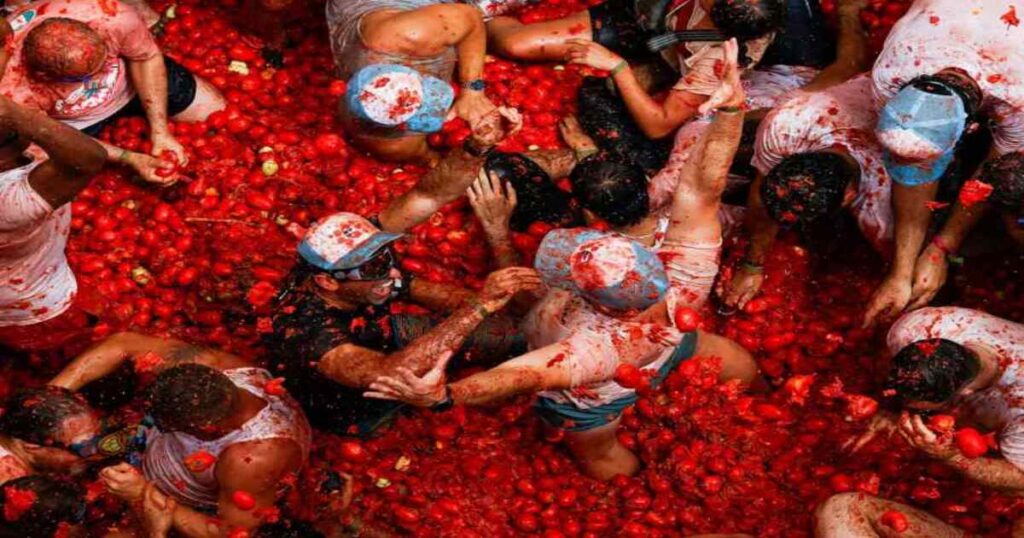
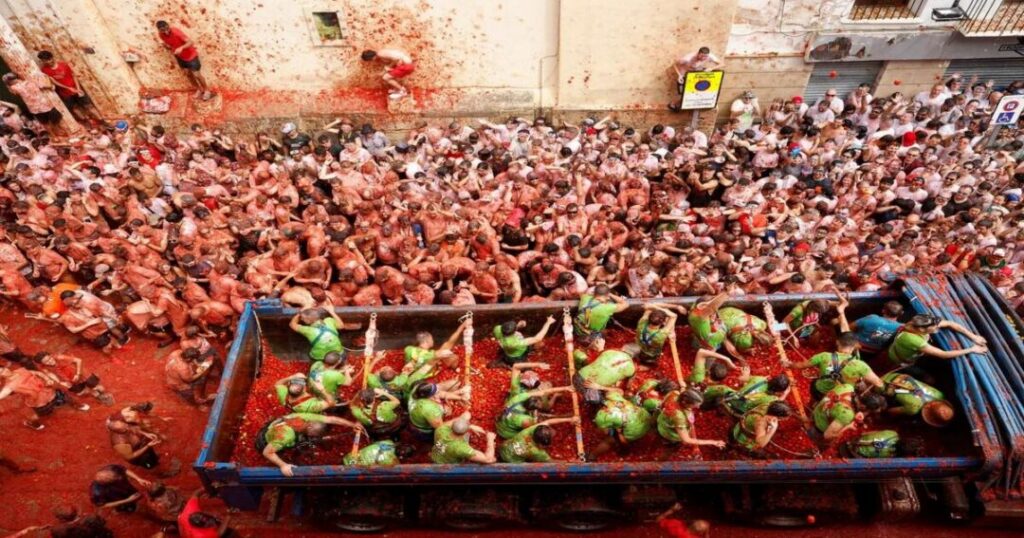
La Tomatina began almost by accident in 1945, when a scuffle at a Giants and Big-Heads parade in Buñol spilled into a nearby vegetable stall and turned into an impromptu tomato fight; the following year, locals staged it again on purpose, and an annual tradition was born. It wasn’t always welcome — Francisco Franco’s government banned it in the early 1950s for lacking religious significance, and it took a mock funeral procession for a tomato, complete with a coffin and a brass band, to get the ban reversed in 1957. Today it runs for exactly one hour on the last Wednesday of August, and since 2013 it’s been a ticketed event capped at 20,000 participants to keep it from overwhelming a town of roughly 9,000 residents; the 2015 edition alone went through about 145,000 kilograms of tomatoes.
Oktoberfest (Munich, Germany)
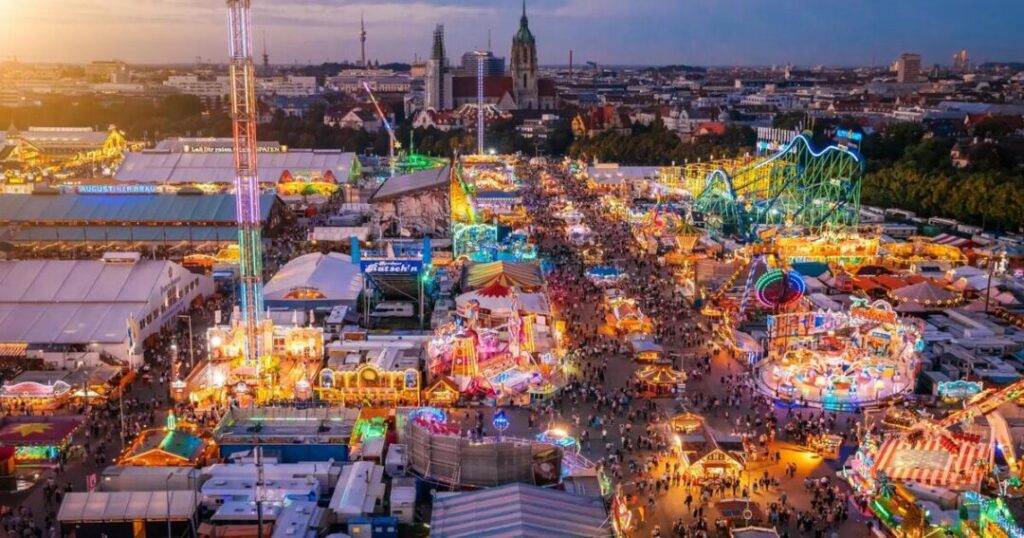
Oktoberfest started as a one-off: a public celebration of Crown Prince Ludwig of Bavaria’s wedding to Princess Therese of Saxe-Hildburghausen on October 12, 1810, held on a field outside Munich that was later named Theresienwiese, “Therese’s meadow,” in her honor. It was popular enough to repeat annually, surviving interruptions from the Napoleonic Wars and two cholera outbreaks, and it wasn’t until beer tents began appearing around the turn of the 20th century that it became the beer-focused festival it is today. The festival also moved earlier on the calendar starting in 1872 to take advantage of warmer weather, which is why most of “Oktoberfest” now actually happens in September — the 2026 edition runs September 19 to October 4, marking its 191st year, and draws roughly seven million visitors to Munich.
Gilroy Garlic Festival (California, USA)
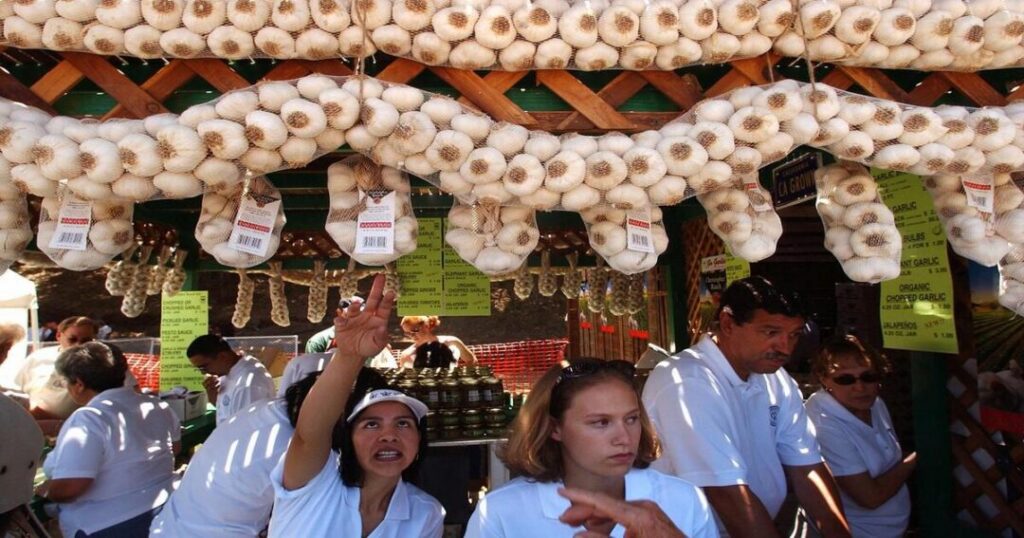
Founded in 1979 in Gilroy, California — a town that calls itself the garlic capital of the world — the festival grew into a major fundraiser for local nonprofits, schools, and clubs, at its peak drawing around 100,000 visitors a day. It ran annually until a mass shooting at the 2019 edition killed three attendees and injured seventeen more, a tragedy that led to its cancellation in 2020, a scaled-back drive-through version in 2021, and an indefinite suspension in 2022. Organizers announced its return in March 2025, and the festival came back that July at a new venue, Gilroy Gardens, with attendance deliberately capped at 3,000 people per day.
Pizzafest / Napoli Pizza Village (Naples, Italy)
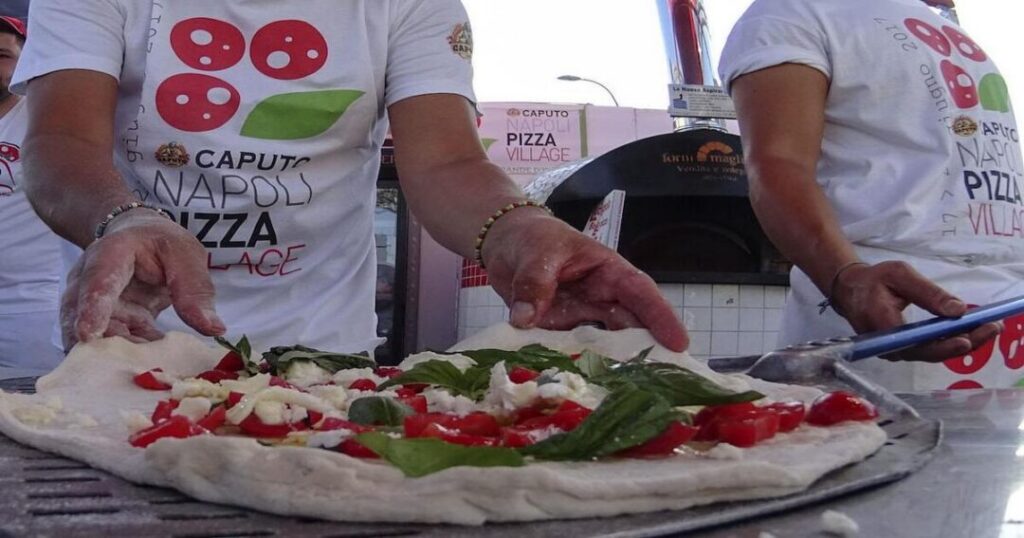
Naples, the acknowledged birthplace of pizza, has run its own dedicated pizza festival since 1995. Known today as the Napoli Pizza Village, it spreads across roughly 30,000 square metres of the city and brings together pizzerias from Naples and beyond to compete for the title of best pizzaiolo in the world, judged on taste, creativity, and presentation by both jury and public vote, alongside live music and entertainment.
Melbourne Food and Wine Festival (Australia)
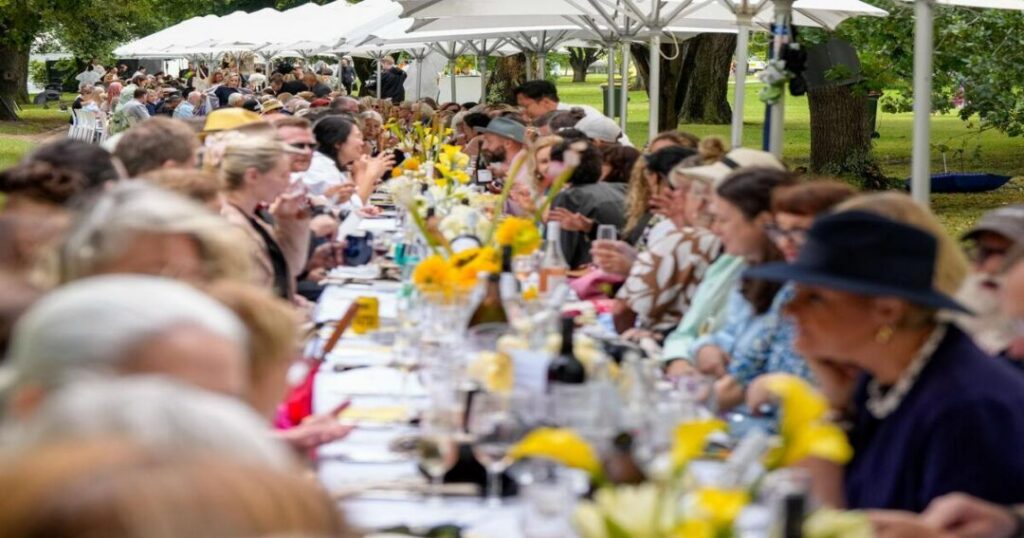
Launched in 1993 with just twelve events, the Melbourne Food and Wine Festival has grown into an eleven-day-plus program held every March, drawing past attendance north of 350,000 people across 250-plus events at its 2018 edition. Its signature event, the World’s Longest Lunch, has hosted international chefs including Heston Blumenthal, Thomas Keller, and René Redzepi, and the festival runs as a not-for-profit effort by Food and Wine Victoria aimed at cementing Melbourne’s reputation as Australia’s food and wine capital.
World Street Food Congress (Singapore)
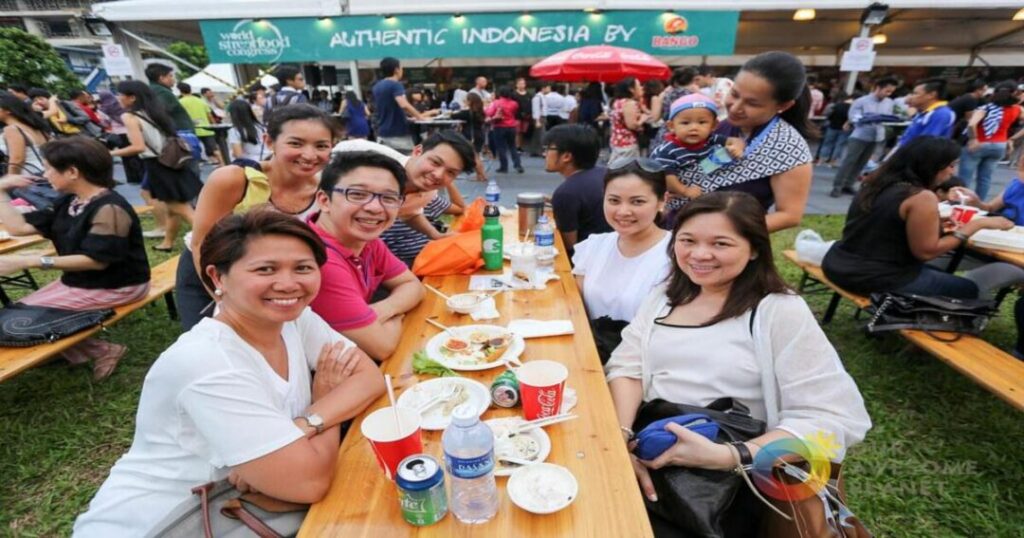
Founded in 2013 by Singaporean food writer KF Seetoh, the World Street Food Congress isn’t a single street fair but a three-part event: the World Street Food Dialogue, a professional conference for the street food trade and tourism industry; the World Street Food Jamboree, a dining showcase featuring renowned street food masters from around the world; and the World Street Food Award, which recognizes standout practitioners in the field. The Congress has run editions in multiple cities since its debut, built around the explicit goal of professionalizing and preserving street food culture globally.
Famous Food Festivals in India
India’s own famous food festivals in india cover an equally wide range, from a desert tent city to a solemn harvest feast served on a banana leaf.
Goa Food and Cultural Festival
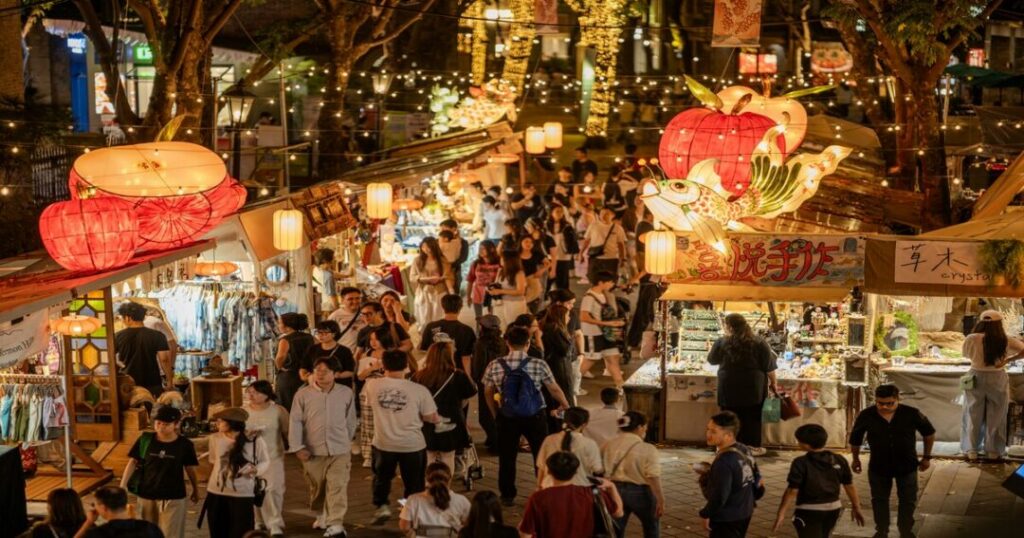
Held annually in Margao and organized by Goa’s Department of Tourism, this three-day festival typically runs in April and puts Goan cuisine front and center — seafood specialties, traditional sweets, and regional flavors — alongside handicraft stalls, live music, and dance performances. It’s part of the state’s wider “Goa Beyond Beaches” push to highlight the state’s heritage and rural food culture rather than just its coastline.
Onam Sadya (Kerala)
The Onam Sadya is less a standalone festival than the centerpiece meal of Onam, Kerala’s most important annual festival, served specifically on Thiruvonam, the most auspicious of Onam’s four days. It’s a fully vegetarian feast served on a banana leaf — with the leaf’s tapering end pointed to the guest’s left — built around parboiled rice, a long sequence of side dishes like avial and thoran, savories including banana chips and pappadam, pickles, and a closing round of payasam desserts, with rice served only after every other dish has already been laid out.
Hornbill Festival (Nagaland)
First organized by the Nagaland state government in 2000, the Hornbill Festival runs every year from December 1 to 10 in Kohima and was created specifically to revive Naga tribal traditions that were fading under modernization. Multiple Naga tribes take part, each bringing its own customs and dialect, and the food stalls are a major draw in their own right — smoked pork, bamboo shoot curries, fermented soybean preparations, and a range of local chutneys sit alongside cultural performances, indigenous handicrafts, and the festival’s well-known Hornbill International Rock Contest.
SulaFest — Nashik, Maharashtra
Set against the backdrop of the Sula Vineyards, SulaFest combines food, wine, music and an outdoor festival atmosphere. It is particularly popular with travellers looking for a relaxed food-and-lifestyle experience.
International Mango Festival — Delhi
A must-visit for mango lovers, this annual celebration showcases mango varieties from different parts of India. The festival also features mango-eating competitions, cultural programmes and opportunities to buy mangoes and plants.
The Grub Fest — Delhi
Combining food, music and entertainment, The Grub Fest has featured restaurants, food trucks, culinary workshops and live performances, making it one of Delhi’s recognisable food-and-entertainment festivals.
Also Read: Kuala Lumpur Street Food: Food Streets Worth a Night Out
Cultural Food Festivals Around the World
Some of the most significant around the world cultural food festival traditions aren’t built around competition or spectacle at all — they’re rooted in harvest gratitude and ancestor worship, with food as the central ritual rather than a side attraction.
Thanksgiving (United States)
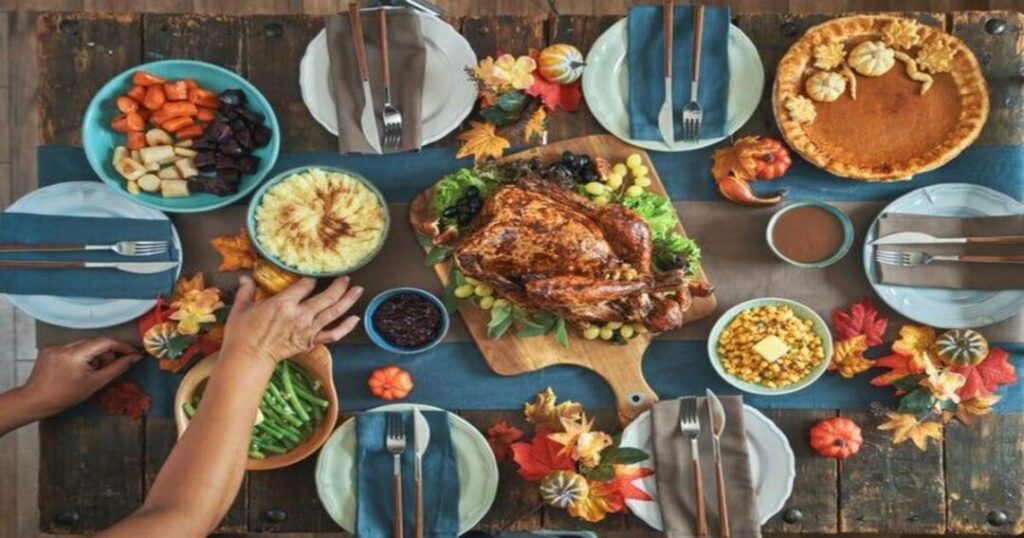
The event now marked every fourth Thursday of November traces back to a 1621 harvest gathering in Plymouth between roughly 50 English colonists and about ninety Wampanoag men led by their leader Massasoit. The meal that’s actually documented looked little like the modern version — five deer brought by the Wampanoag, wildfowl, abundant local seafood like mussels and lobster, and corn eaten as cornmeal porridge rather than on the cob, with no confirmed turkey, no potatoes, and no pumpkin pie, since the colonists lacked the butter, flour, and ovens to make one. It took more than two centuries to become the fixed national holiday recognized today, after Abraham Lincoln formally declared it in 1863 following a long campaign by writer Sarah Josepha Hale.
Mid-Autumn Festival (China)
Tracing back more than 3,000 years to the Shang dynasty and formalized into palace celebrations under the Tang dynasty roughly 1,500 years later, the Mid-Autumn Festival falls every year on the 15th day of the eighth lunar month, coinciding with a full moon — September 25 in 2026. Mooncakes, round pastries symbolizing wholeness and family reunion, are exchanged as gifts between family, friends, and colleagues in the lead-up, filled with anything from sweet lotus paste to savory meat depending on the region, and the day itself is built around family gathering, fresh fruit, and tea rather than any single ritual meal.
Chuseok (South Korea)
Chuseok falls on the same lunar date as China’s Mid-Autumn Festival — the 15th day of the eighth lunar month — and is thought to trace back to gabae, a month-long weaving competition held during the Silla Kingdom, alongside older shamanistic harvest-moon offerings to deities and ancestors. Families travel to ancestral hometowns for memorial rites called charye and grave visits called seongmyo, preparing dishes their ancestors favored as offerings, while the signature food of the holiday is songpyeon, half-moon-shaped rice cakes steamed over pine needles and filled with sesame, black beans, chestnuts, or honey, eaten alongside dishes like japchae, bulgogi, and the seasonal rice liquor sindoju.
Also Read: Singapore Street Food: 15 Iconic Dishes You Need to Try
A Quick List of Food Festivals Around the World, Month by Month
For anyone who wants a working list of food festivals rather than a full write-up of each one, here’s every festival covered in this guide organized by the month it usually falls in — useful for building a trip around the world food festival season without missing the one you actually want.
- March: Melbourne Food and Wine Festival, Australia — Australia’s flagship food and wine event, headlined by the World’s Longest Lunch.
- April: Goa Food and Cultural Festival, India — a three-day showcase of Goan cuisine and crafts in Margao.
- Late November-February: Rann Utsav, Kutch, India — a winter tent-city festival across the White Rann salt marsh.
- August: La Tomatina, Buñol, Spain — a one-hour, ticketed tomato fight on the last Wednesday of the month.
- September-October: Oktoberfest, Munich, Germany — the world’s largest folk festival, running from mid-September into early October despite the name.
- September or October (lunar-dependent): Mid-Autumn Festival, China, and Chuseok, South Korea — both fall on the 15th day of the eighth lunar month, though the exact Gregorian date shifts every year.
- Late November: Thanksgiving, United States — the fourth Thursday of November, fixed since Lincoln’s 1863 declaration.
- December 1-10: Hornbill Festival, Kohima, Nagaland, India — ten days of tribal Naga cuisine and culture.
- Dates vary by year: Gilroy Garlic Festival, California, and Napoli Pizza Village, Naples — both typically run in summer, but should be checked against that year’s official announcement.
Also Read: Middle Eastern Street Food: Must-Try Dishes & Flavors
Conclusion: Planning a Trip Around a Food Festival
Whether it’s a tomato fight capped at 20,000 tickets, a banana-leaf feast with a strict serving order, or a rice cake steamed over pine needles, food festivals around the world tend to say more about a place’s history and values than almost any other kind of celebration — plan around the date, and you get both a meal and a story.
Building a trip around a food festival? Let the Explurger app help you time it and map everything else worth seeing nearby.
FAQs About Food Festivals Around the World
2. What is La Tomatina and when does it happen?
La Tomatina is a one-hour tomato-throwing festival held on the last Wednesday of August in Buñol, Spain, capped at 20,000 ticketed participants since 2013.
3. What are the most famous food festivals in India?
Rann Utsav in Kutch, the Goa Food and Cultural Festival in Margao, Kerala's Onam Sadya feast, and Nagaland's Hornbill Festival are among India's best-known food-centered celebrations.
4. What is served at an Onam Sadya?
A fully vegetarian feast served on a banana leaf, typically including parboiled rice, side dishes like avial and thoran, savories such as pappadam and banana chips, pickles, and payasam desserts, all served in a specific order.
5. Why did Oktoberfest start?
It began as a one-off public celebration of Crown Prince Ludwig of Bavaria's 1810 wedding and only became an annual beer-focused festival once beer tents started appearing around the turn of the 20th century.
6. Is turkey historically accurate to the first Thanksgiving?
Not confirmed — the documented 1621 meal included venison brought by Wampanoag guests, wildfowl, and abundant local seafood, but no historical record confirms turkey was served, and there was no pumpkin pie or cranberry sauce either.
7. When is the Hornbill Festival held?
Every year from December 1 to 10 in Kohima, Nagaland, since it was first organized by the state government in 2000.