
96 Total Views
Egypt’s calendar runs on three clocks: the Islamic lunar calendar that sets Ramadan and Eid, the Coptic calendar behind Sham el-Nessim, and the sun itself, which lights a temple sanctuary at Abu Simbel on two days a year. Layer on festivals inherited from the pharaohs, and the result is a country where celebration has been going on for thousands of years. This guide covers the best festivals in Egypt: five to start with, Eid al-Fitr and Eid in general, the Abu Simbel sun alignment, ancient festivals and the Opet Festival, a 2027 calendar, and planning notes. A timely point: the autumn Abu Simbel alignment falls on October 22, which is today, so the next chance to see it is February 22, 2027.
Best Festivals in Egypt to Experience
These five show the range, from religious holidays to a solar event to a film festival.
1. Abu Simbel Sun Festival
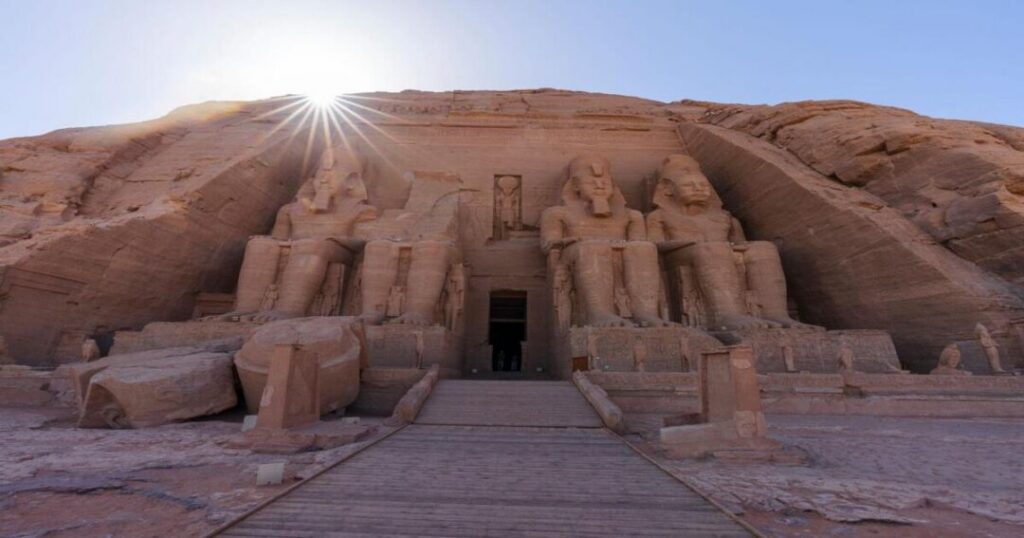
On February 22 and October 22, sunrise lights the inner sanctuary of Ramesses II’s temple at Abu Simbel, in Aswan Governorate in southern Egypt. It is a short event of about 20 to 25 minutes, and visitors queue in the dark to see it.
2. Eid al-Fitr
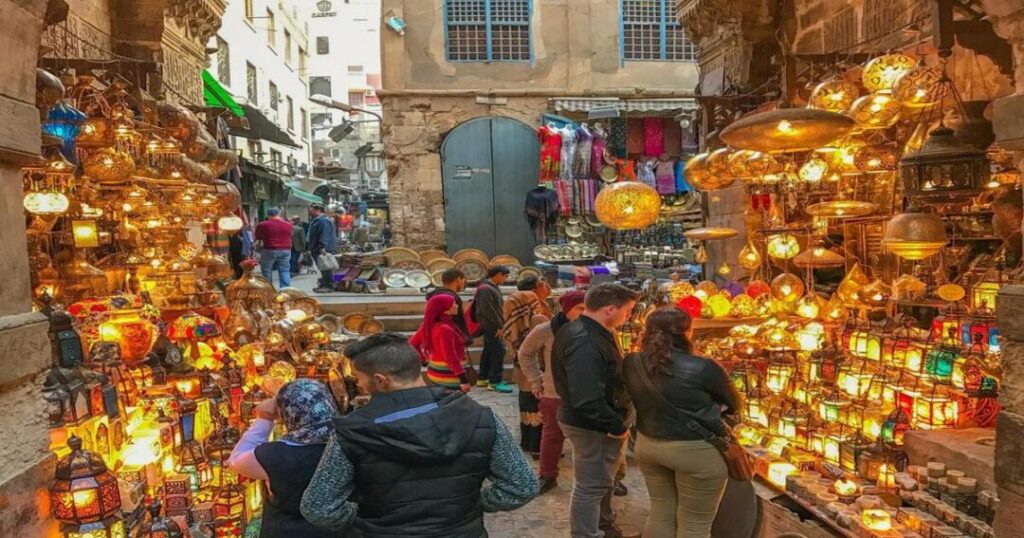
The holiday that ends Ramadan is one of the biggest family celebrations of the year. Egypt’s official 2026 holiday ran from March 19 to 23, according to Arab News, and Eid al-Fitr 2027 is expected around March 9 to 11.
Also Read: 10 Day Egypt Itinerary: Cairo, Luxor, Aswan & the Red Sea
3. Sham el-Nessim

An Egyptian spring festival held on the Monday after Coptic Easter, Sham el-Nessim is believed to go back to ancient Egypt. Families picnic in parks, along the Nile, and at zoos, and eat fesikh (fermented salted fish), green onions, lettuce, and colored boiled eggs. A holiday calendar lists it for Monday, May 3, 2027.
4. Cairo International Film Festival

The 47th edition of the festival runs from November 11 to 20, 2026, according to a Qatar News Agency report. A travel blog calls it the oldest film festival in the Arab world and Africa, founded in 1976. No venue or lineup was found in the sources.
5. The Mawlid of Abu al-Haggag, Luxor
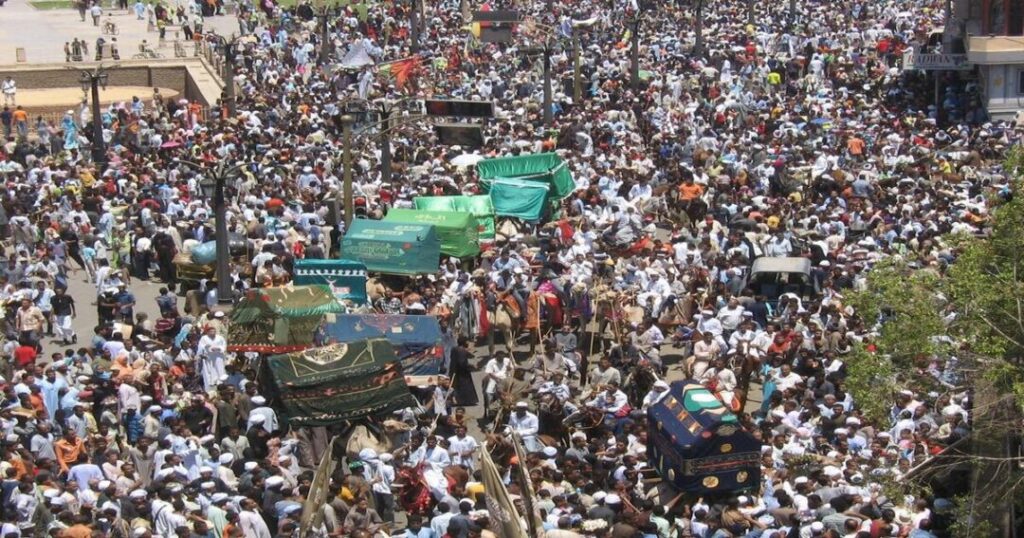
A saint’s festival that continues in Luxor, it features a boat carried through the streets near the Abu Haggag Mosque. Wikipedia describes it as a descendant of the ancient Opet Festival. The date was not found, so check locally.
Festivals in Egypt: How Egyptians Celebrate Eid al-Fitr?
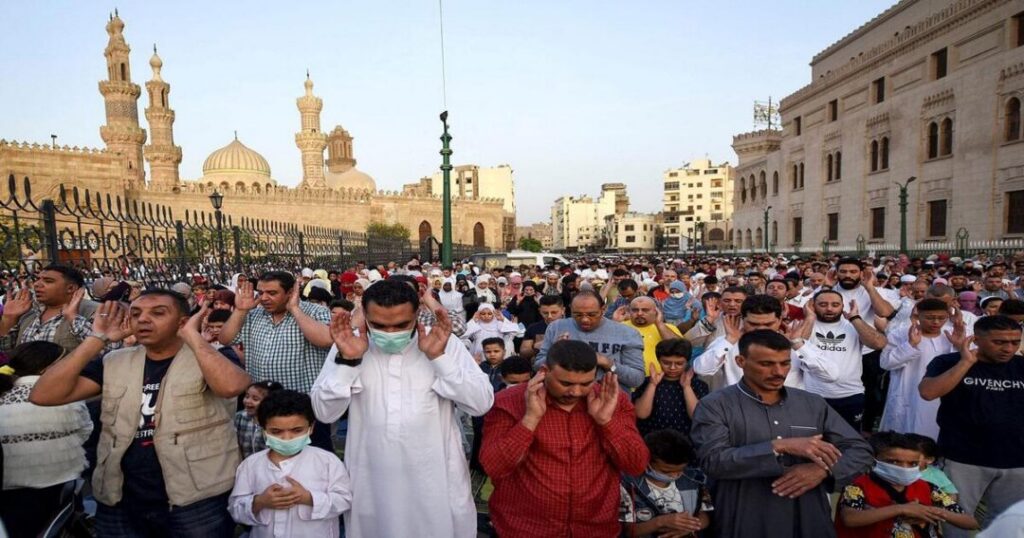
For visitors timing a trip around Eid al-Fitr, Egypt celebrations, the dates follow the moon. Egypt’s Dar al-Ifta announces the start of Ramadan and Eid after reviewing moon-sighting reports, and a Wego guide says Eid al-Fitr 2027 is expected on March 11, while two calendar sites give March 9 or 10. All agree the date depends on the sighting and may shift by a day, so confirm closer to the time. A few days before Eid, these customs are typical according to Arab News:
- Special sweets: Families cook kahk and ghorayeba a few days before Eid.
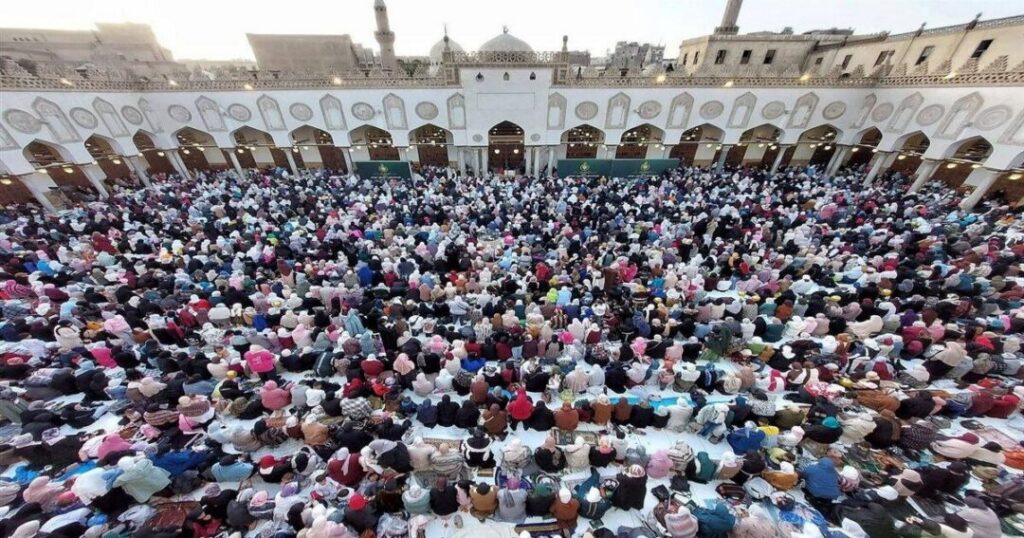
- Eid prayers: Millions fill mosques such as Al-Azhar and El-Hussein, spilling into courtyards and streets.
- Family visits: Visiting relatives and sharing meals is central to the day.
- Public spaces: Cairo residents gather on Talaat Harb Street, walk along the Nile or Qasr Al-Nil Bridge, and visit the historic Al-Muizz area.
The tradition of announcing the Shawwal crescent goes back to the 10th century, and Fatimid caliphs distributed sweets during processions, according to the same article.
Also Read: Cairo Festivals: A Complete Guide to the Most Exciting Cultural Celebrations in Egypt’s Capital
Festivals in Egypt: Two Eid Holidays to Plan Around

A trip to Eid Egypt celebrations can fall around either of the two Eids. Eid al-Adha 2027 is expected on Sunday, May 16, or Monday, May 17, depending on the Dhul Hijjah crescent, and a Wego guide says workers get three to four days off. Ramadan 2027 is expected from about February 9 to March 10. Because both follow the lunar calendar, their dates move earlier each year. Check hotel and transport availability and whether attractions are open on the holiday dates, since this was not researched.
Festivals in Egypt: Abu Simbel’s Sunlit Sanctuary Celebration
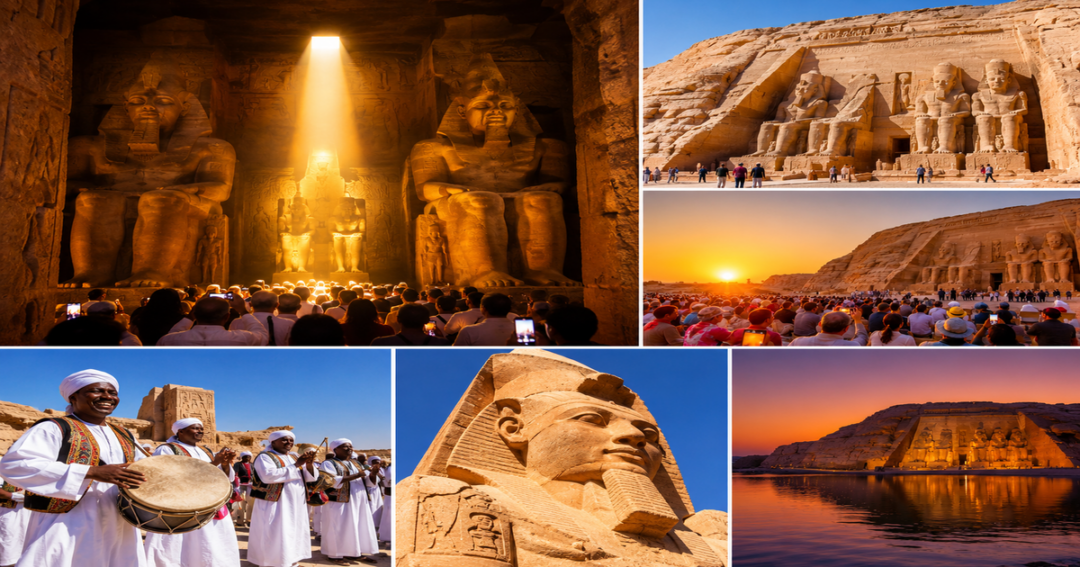
The Abu Simbel Festival in Egypt is not a festival in the usual sense. Wikipedia says the temple’s axis is aligned so that on October 22 and February 22 the sun’s rays penetrate the sanctuary and light the sculptures on the back wall, while the statue of Ptah, a god linked to the realm of the dead, stays in darkness. A 2026 report describes the light reaching Amun-Ra, Ra-Horakhty, and the deified Ramesses II at about 6 am. The popular claim that the dates mark Ramesses’ birthday and coronation is unproven, and Wikipedia says calculations based on the heliacal rising of Sirius point to October 22 for the original event.
The temples were cut into blocks and reassembled on higher ground between 1964 and 1968 to avoid flooding by Lake Nasser, at a reported cost of $41.7 million, with the alignment preserved. Wikipedia notes that the relocation may have made the current alignment less precise than the original. Practical points for visitors, from a September 2026 report unless stated:
- Book early: The site reaches capacity, and booking two to three months ahead is standard advice, with village hotels filling on festival dates.
- Getting there: Fly in the day before, stay in the village, or leave Aswan around 3 am by road. Abu Simbel is about 280 km south of Aswan, according to that report, and about 230 km, according to Wikipedia, so confirm the drive time.
- Expect a queue before dawn: People gather well before sunrise.
- Costs: The report gives admission at about EGP 750 and a festival-day surcharge of roughly EGP 1,200 for adults. Treat these as unconfirmed.
- Don’t expect a show: The report describes only the solar alignment, while a tour operator blog mentions music, dance, and a market, so check what is on.
Also Read: Festivals in Israel: The Complete Guide
Gods, Seasons, and Ancient Festivals in Egypt
The best-documented ancient Egyptian festivals tied religion to the Nile and the king. These come from the World History Encyclopedia’s overview:
- Wepet-Renpet: The New Year festival, a moveable feast tied to the Nile inundation and the death and rebirth of Osiris.
- Wag Festival: Honoured Osiris’ death and the souls of the dead, one of the oldest festivals, following the lunar calendar.
- Tekh, the Feast of Drunkenness: Dedicated to Hathor and the myth in which beer saved humanity from Sekhmet.
- Bast Festival: Celebrated Bastet’s birth at Bubastis. Herodotus called it the most elaborate in Egypt and claimed over 700,000 attended, a figure that may be exaggerated.
- Beautiful Feast of the Valley: Between harvest and flood, statues of the Theban Triad visited necropolis temples across the river, and images of the dead were carried in procession.
- Sed Festival: Renewed the king’s power, originally after 30 years of reign. The king ran an enclosed course to prove his fitness.
- Sokar and Khoiak: A merged festival of Sokar and Osiris that in the Late Period ran for almost a month and included planting “Osiris Gardens.”
Festivals in Egypt: Exploring the Ancient Opet Festival
If you want to understand one ancient Egyptian festival in depth, make it Opet. According to Wikipedia, it was held in Thebes (modern Luxor) in the second month of the Nile’s flood season, when a procession carried the cult statues of Amun-Re, Mut, and Khons about 2 km from Karnak Temple to Luxor Temple, sometimes along the Avenue of Sphinxes and sometimes by barge. At Luxor Temple a ritual re-crowning reaffirmed the pharaoh’s divine right to rule. The festival lasted 11 days under Thutmose III and 24 to 27 days by the end of Ramesses III’s reign.
The Avenue of Sphinxes reopened on November 25, 2021, in a ceremony resembling the Opet Festival, and Wikipedia says the ministry announced it would become an annual event. Whether it is still held was not confirmed, so check with Egyptian tourism sources before planning around it.
Other Modern Festivals Worth Knowing
A travel-company blog of uncertain date lists these. Confirm dates before planning:
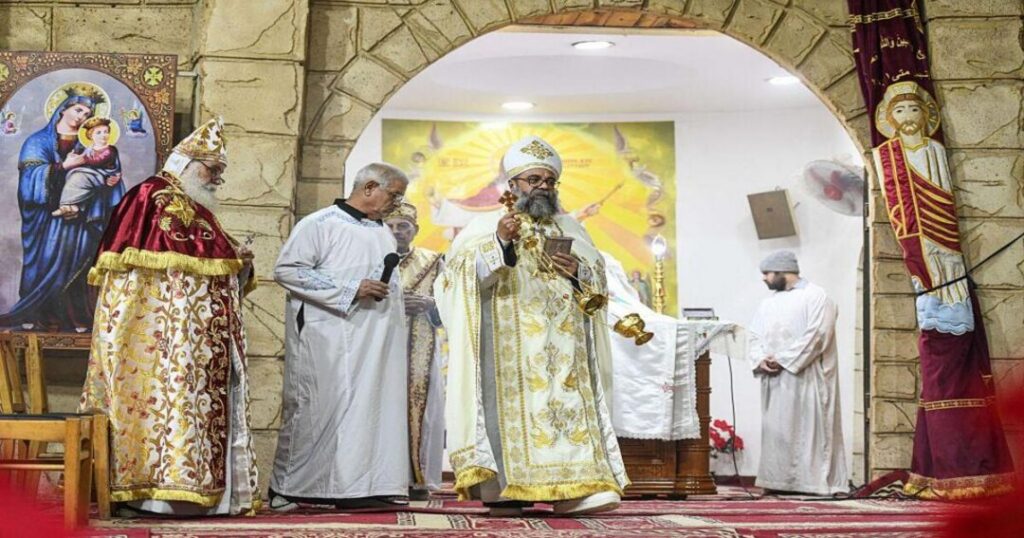
- Coptic Christmas: January 7, with midnight masses and family meals, mainly in Cairo and Upper Egypt.
- Moulid al-Nabi: The Prophet’s birthday, with processions, Sufi music, and sweets, notably in Cairo, Tanta, and Luxor, on a lunar date.
- Wafaa El Nil: An August festival honoring the river, with boat races and traditional music.
A 2027 Festival Calendar
Lunar and Coptic dates are expected dates and may shift, and none was confirmed by Egyptian authorities in the sources used:
- February 9 to March 10: Ramadan, expected.
- February 22: Abu Simbel sun alignment.
- March 9 to 11: Eid al-Fitr, expected.
- May 2 and 3: Coptic Easter and Sham el-Nessim, from a holiday calendar.
- May 16 or 17: Eid al-Adha, expected.
Season note: The sources give no weather, crowd, or price data for the festivals beyond the Abu Simbel notes above, and festival-day safety and travel advisories were not researched.
Conclusion: Festivals in Egypt
The best festivals in Egypt come from three calendars: Eid and Ramadan by the moon, Sham el-Nessim by the Coptic Easter, and Abu Simbel by the sun. Book early for February 22, confirm lunar dates close to the time, and read the ancient festivals as the roots of what you will see today.
Planning a trip to Egypt? Open the Explurger app to find travelers heading there for Eid or the Abu Simbel sun festival.
FAQs About Festivals in Egypt
2. When is Eid al-Fitr 2027 in Egypt?
It is expected around March 9 to 11, 2027, depending on the sighting of the Shawwal moon. Sources give March 9, 10, or 11, and Egypt's Dar al-Ifta makes the official announcement.
3. What are the main festivals in Egypt?
Ramadan and the two Eids, Sham el-Nessim, Coptic Christmas, Moulid al-Nabi, the Cairo International Film Festival, and the Abu Simbel sun festival are the main ones. Many follow lunar or Coptic calendars, so dates move.
4. What is Sham el-Nessim?
An Egyptian spring festival held on the Monday after Coptic Easter, believed to date to ancient Egypt. Families picnic outdoors and eat fesikh, green onions, lettuce, and colored eggs. A holiday calendar lists it for May 3, 2027.
5. What was the Opet Festival?
An ancient Theban festival in which statues of Amun-Re, Mut, and Khons travelled from Karnak to Luxor Temple, where the pharaoh's rule was renewed. It lasted 11 days under Thutmose III and longer in later reigns.
6. Do the Abu Simbel sun dates mark Ramesses II's birthday?
It is unproven. Wikipedia says the dates are allegedly Ramesses II's birthday and coronation, but no direct evidence supports that. A 2026 report says no ancient source names either date.
7. How do Egyptians celebrate Eid al-Fitr?
With morning prayers at mosques, kahk and ghorayeba sweets, and family visits and outings on the Nile and downtown Cairo. The holiday is announced after the Shawwal crescent is sighted.