


When you hear about the dangerous roads in India, is there a part of you that’s like ‘hey, i could probably do that’, you know that rush of adrenaline that makes you want to look danger in the eye and flip it the bird? When Khatron Ke Khiladi came on the TV, were you like, ‘man, if only I could’? Then this is the type of blog you’ll enjoy.
We all know India has some of the greatest mountains, now combine that with the dismal infrastructure of the country, huge trucks, millions of tourists–half of them drunk– you get paths that are not only scary or dangerous, but deadly.
15 Most Dangerous Roads in India for Hardcore Travellers
If you’ve ever felt the itch to leave safe highways and enter the wild, unpredictable side of mountain travel, you already know where this is going. India has some of the roughest, most unforgiving terrain in the world, and hidden inside its remote regions are roads that test patience, nerve, and skill. These aren’t your usual scenic drives — these are dangerous roads in India that demand respect, judgment, and a healthy amount of fear. Also, ‘La’ means Pass, so there’s no need to say Zoji-La Pass or Khardungla Pass!
Coming to you from all directions of India, here are the 10 most dangerous roads!
1. Killar–Kishtwar ‘Cliffhanger’ Road
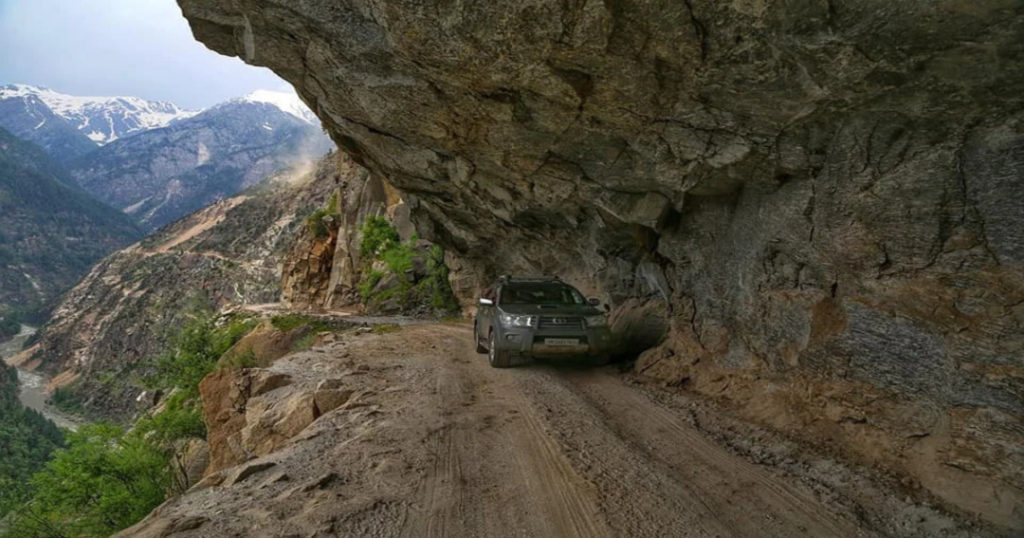
Killer is correct lmao.
Often called India’s “Cliffhanger,” the Killar–Kishtwar track is a carved ledge of mud and stone, clinging to vertical rock walls with drops that go straight down hundreds of metres. Sitting roughly at 2,500–3,500 metres, this remote route connects Himachal’s Pangi Valley to Jammu’s Kishtwar region. There are no guardrails, barely enough room for a single vehicle, and landslides can erase sections overnight.
The road is usually accessible from June to October when the snow retreats. Historically, this was a shepherd trail widened into a primitive link between mountain villages. It remains one of the deadliest roads in India, not because of traffic but because of isolation; help is hours or even days away. Travellers attempting this stretch must go slowly, maintain traction, and avoid driving in rain.
Two Wheels, One Dream: A Ride to Sach Pass through the World’s Most Dangerous Road
2. Zoji-La (Kashmir-Ladakh)
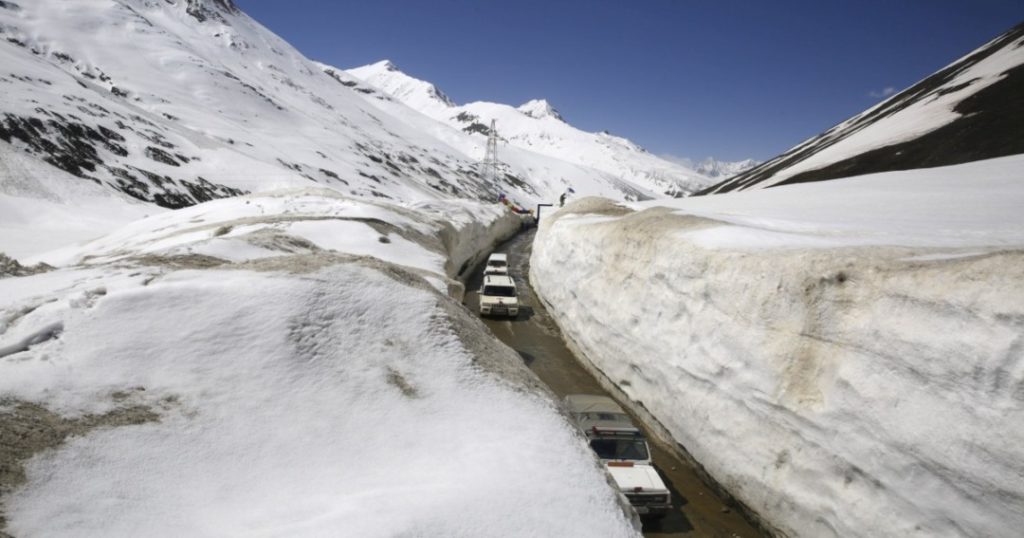
Zoji La sits at 3,580 metres and links Sonmarg with Ladakh, functioning as one of the most strategic mountain corridors in the country. It’s also among the dangerous roads in India because of the constant avalanche risk, walls of snow that tower above vehicles, and mud that forms in spring when ice melts. The pass closes during heavy winter, usually from November to March, and the Border Roads Organisation clears it each year with massive effort.
Historically, this pass was crucial for traders moving between Kashmir and Central Asia. It played an important role in the 1948 Indo-Pakistan War, nicknamed Operation Bison, to remove the Pakistani army’s forces from Zoji-La. Today, travellers cross Zoji La to reach Sonmarg, Drass, and eventually Leh, heck it’s even called the Gateway of Ladakh because no other route has played such an important role as this one. If you’re a traveller it is always important to keep an eye on weather alerts since fog and snowstorms can trap vehicles without warning.
Kashmir Great Lakes Trek: The Most Beautiful Trek in India
3. Khardung La (Ladakh)
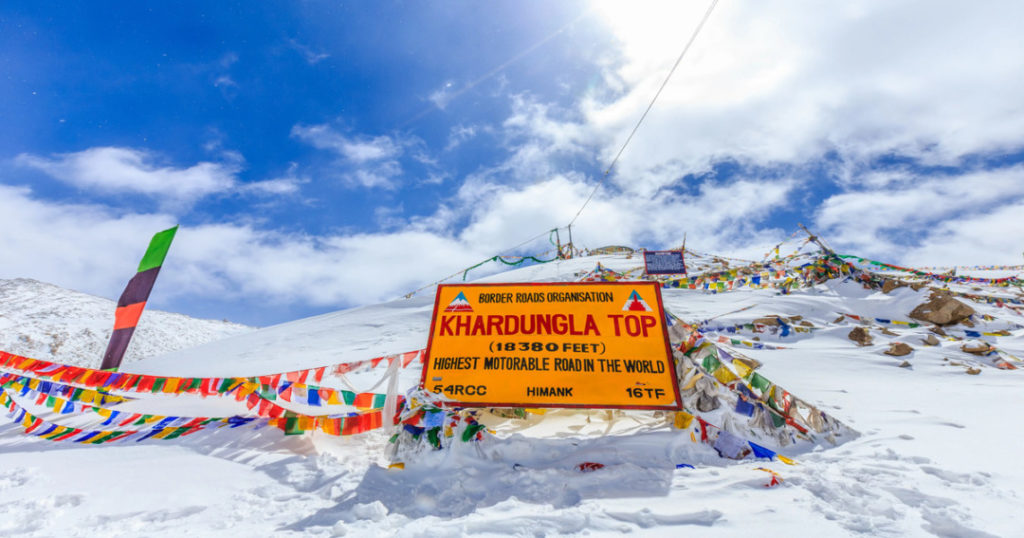
Once promoted as the highest motorable road in the world, Khardung La’s real power lies not in its height of 5,359 metres but in the way the weather changes within minutes. Snowfall can happen anytime, and black ice makes tyres slip unpredictably. Vehicles need a special permit, and even then, they can’t cross the pass after 5pm.
The pass connects Leh to Nubra Valley, and travellers often underestimate the altitude. Acute mountain sickness is common, and vehicles can lose power due to thin air. Despite BRO maintenance, Khardung La remains one of the deadliest roads in India because even a short storm can shut visibility to zero. The road is accessible most months except during peak winter. Historically used by caravans heading toward Central Asia, it still holds that rugged, windswept energy.
Yet adventurous bikers from all over the world flock onto the road to experience the thrill and energy this mission holds. Are you one of them? If yes, do you wanna meet more? Then download the Explurger App!
Spiti in Winters: A Complete Guide to the White Desert Experience
4. Rohtang La (Himachal Pradesh)
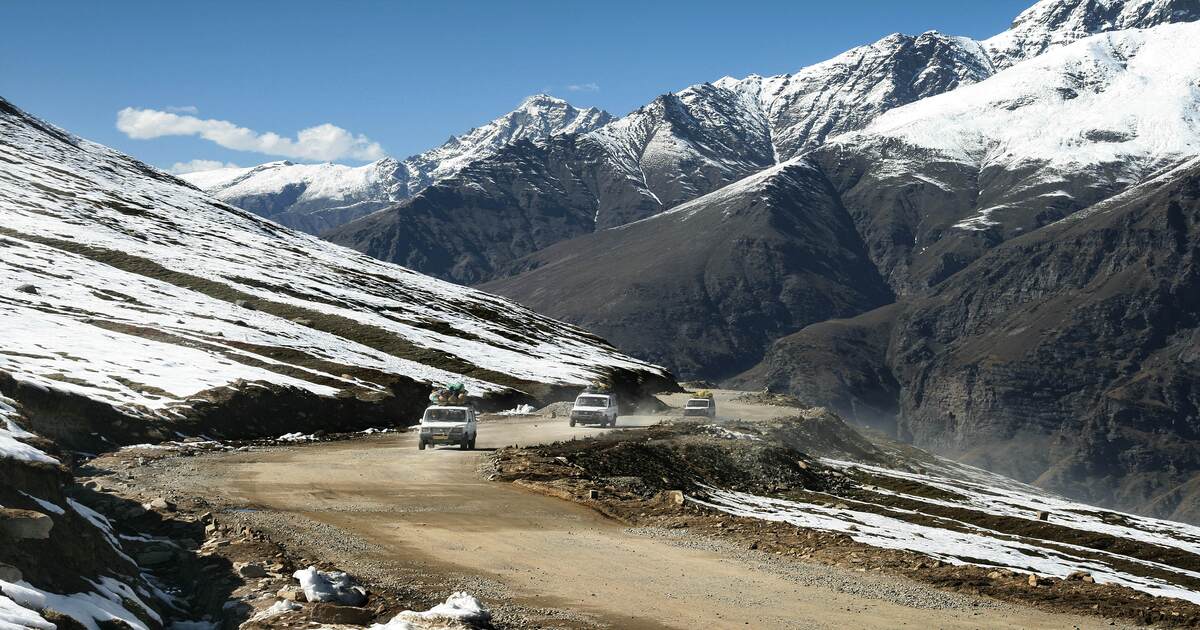
At 3,978 metres, Rohtang La is the first major gateway on the road from Manali toward Lahaul, Spiti, and eventually Ladakh. Before the Atal Tunnel opened, this was the artery to the northern Himalayas, and its reputation as one of the dangerous roads in India still stands. Sudden snowstorms, heavy fog, and slushy tracks created by melting snow make vehicles slide sideways on curves.
Rohtang traditionally opens from May to October, though weather shifts now affect predictability.
The name “Rohtang” itself translates to “pile of corpses,” a grim reflection of historic fatalities due to avalanches and storms. Travellers still feel that old-world dread when clouds drop suddenly and visibility dies.
20 Offbeat Places to Visit in Himachal Pradesh– Underrated & Unseen Destinations
5. Nathula Road (Sikkim)
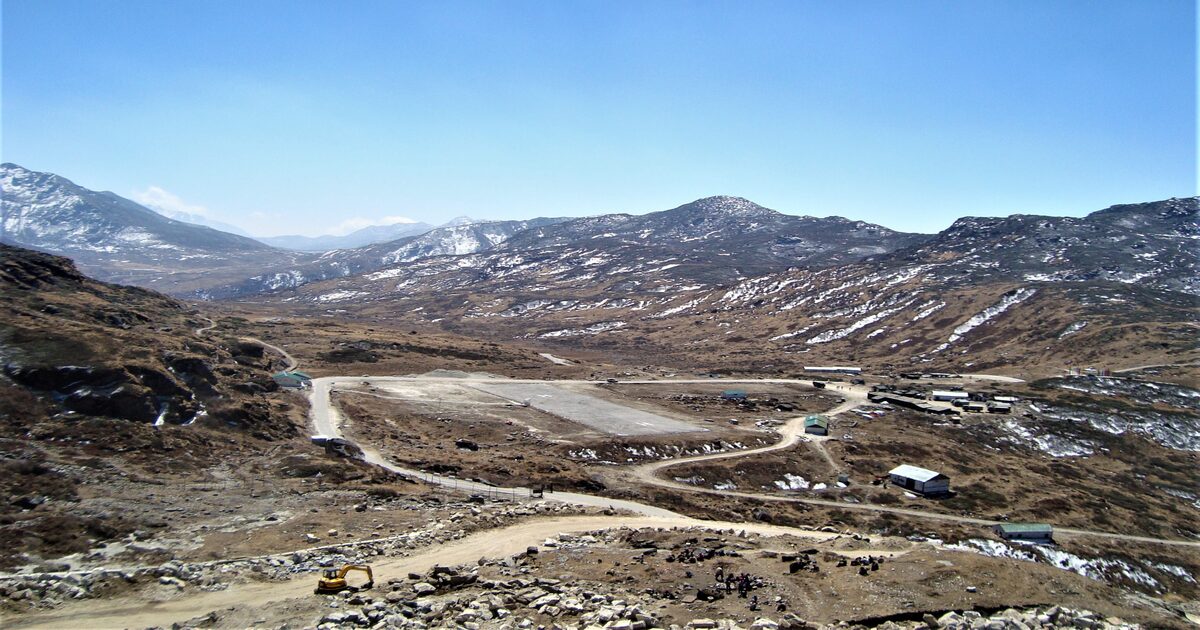
Climbing to 4,310 metres on the Dongkya Range, Nathula Road links Gangtok with the Indo-China border. Snow covers the route for most of the year, and fog forms without warning, blocking visibility entirely. The road has steep climbs, sharp hairpins, and ice sheets that form even when the sun is out. It remains a border-controlled zone with limited travel days, and closures are frequent in winter.
Historically, this was part of the Silk Route, and the terrain reflects that old, formidable energy. It’s one of India’s dangerous roads where travellers must be prepared for altitude sickness and sudden weather shutdowns.
PLACES TO VISIT IN SIKKIM THAT WE GUARANTEE YOU HAVEN’T HEARD OF
6. Leh–Manali Highway (Ladakh–Himachal)
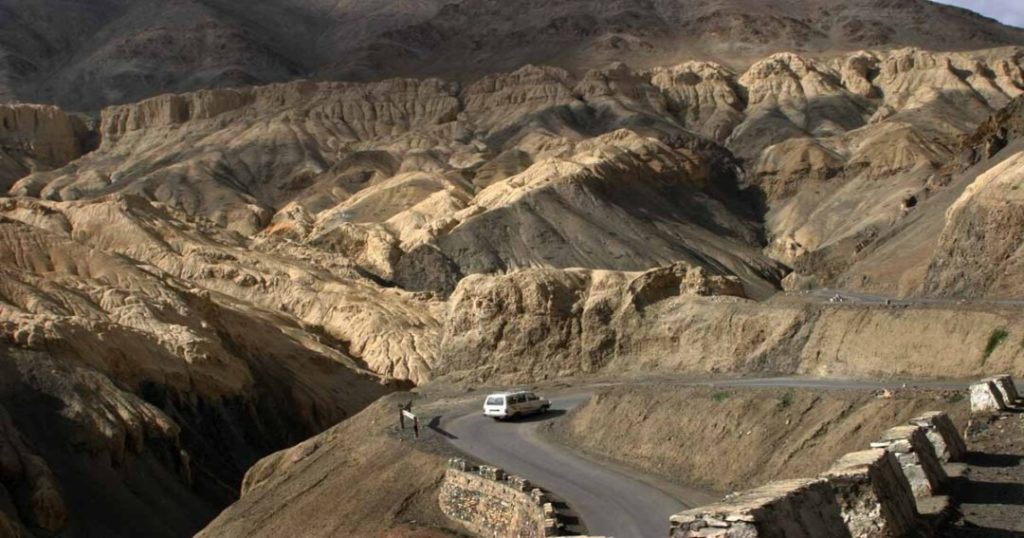
A classic expedition route, this highway stretches across multiple high passes, including Tanglang La, Baralacha La, and Nakee La, all above 4,000 metres. The road opens for only four to five months a year, usually from June to September. What makes it one of the dangerous roads in India is the sheer isolation. A breakdown between passes leaves travellers at the mercy of passing trucks or rare dhabas. The weather swings from sunny to blizzard-like instantly.
Historically, this route was an extension of trade paths linking Ladakh with the plains. Today, travellers need enough fuel, warm layers, spare tyres, and the discipline to acclimatise properly.
10 Epic Places to Visit in Drass for the Ultimate Adventure
7. Neral–Matheran Road (Maharashtra)
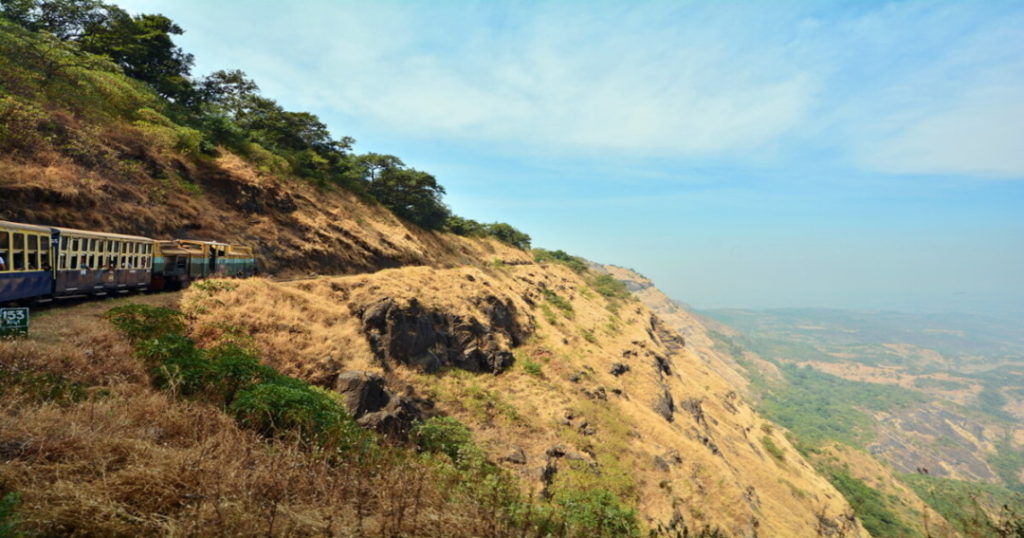
This narrow ghat road climbs from Neral to the eco-sensitive hill station of Matheran. With steep sides and numerous hairpins, it becomes especially risky during the monsoon when waterfalls spill across the road and moss turns the tarmac slippery. Even though it sits at a modest height, it remains one of the classic Indian dangerous roads during the rainy season. The route is open all year, but should be avoided during very heavy rainfall. Historically, this was the access path for horses and hand-pulled carts, and the bends still reflect that old design.
2025 BUCKET LIST MUST-HAVES: TOP PLACES TO VISIT IN MUMBAI
8. Valparai Ghat Road (Tamil Nadu)
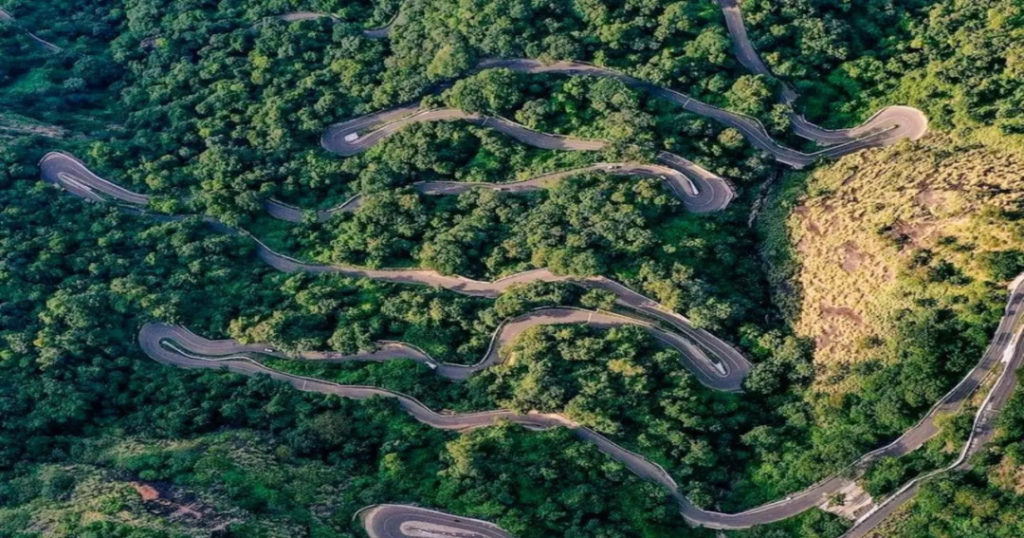
The Pollachi–Valparai route includes 40 hairpin bends spread across a steep forested climb. Wildlife crossing the road unexpectedly adds another layer of danger. Mist forms thick walls early morning and late evening, making it hard to judge distance.
This road connects tea estates in Valparai with the plains and is open year-round, though monsoon months are particularly tricky. As one of the recognised dangerous roads in India, it demands slow navigation and awareness of wildlife movement.
Top 5 Places To Visit in Tamil Nadu for Your 2025 Trip
9. Kolli Hills Road (Tamil Nadu)
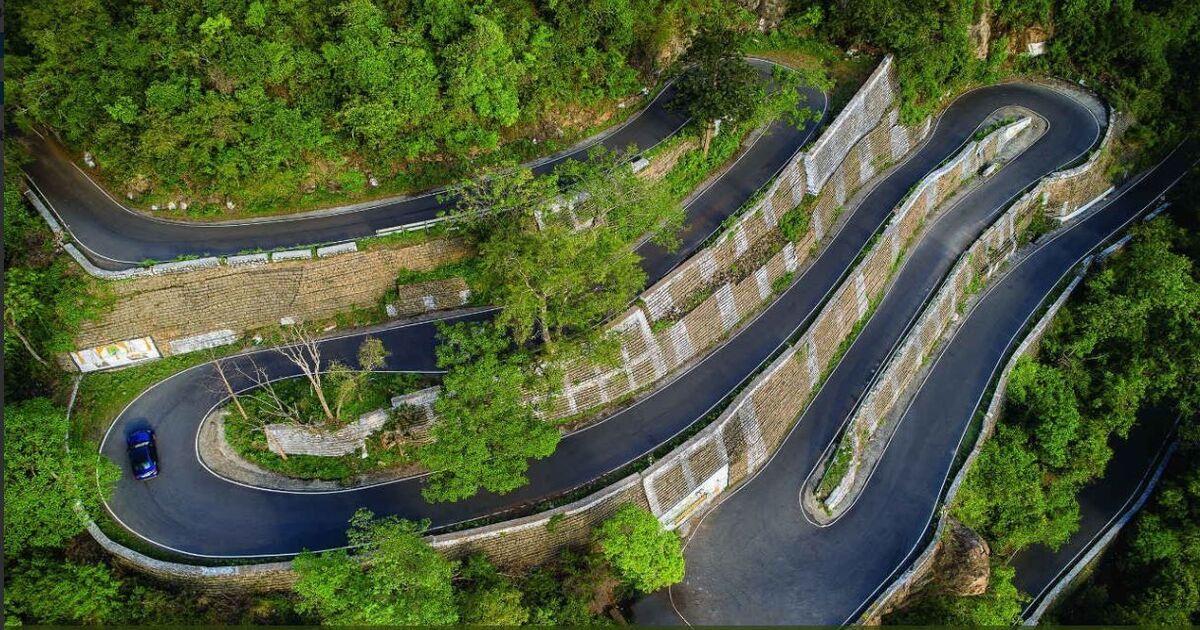
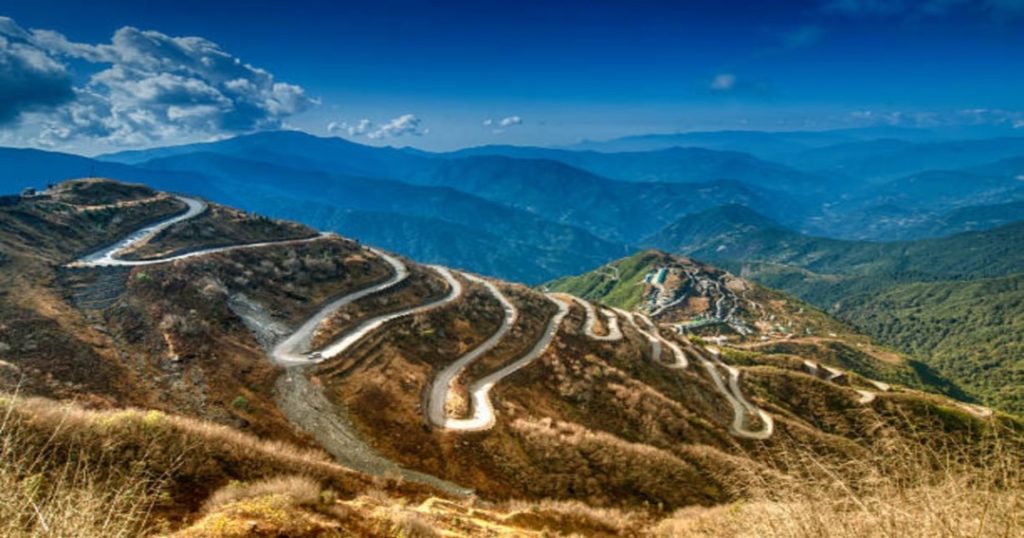
The iconic Kolli Malai climb includes 70 hairpin bends within a short stretch of 46km, making it a tight, non-stop series of turns. The ascent sits around 1,200 metres and remains prone to heavy mist and slippery corners, especially in the monsoon. I mean, just look at the photo, it looks crazy!
Historically, these hills were known as the “Mountains of Death” because ancient travellers struggled with wildlife and dense forests. Today, the road is paved but still earns its place among the dangerous roads in India due to steep gradients and relentless switchbacks.
10. Sela Pass Road (Arunachal Pradesh)
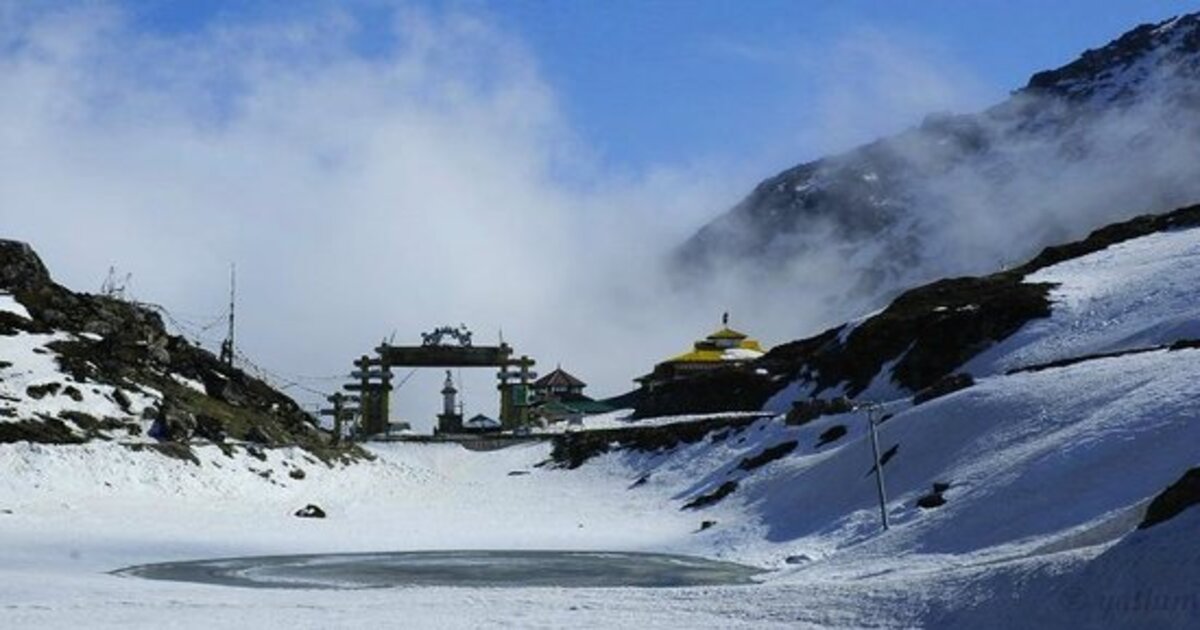
Climbing to 4,170 metres, Sela Pass links Tawang to the rest of Arunachal Pradesh through snowfields, frozen lakes, and sudden weather changes. The road turns glassy with black ice in winter, and fog takes over in minutes. It remains open most months thanks to BRO, but closures during heavy snowfall are common cus cmon the temp can drop to -10 degrees.
Historically, this pass was used by tribal traders moving between valleys. It played a huge role during the Sino-Indian War of 1962. Today, travellers experience one of the most beautiful yet dangerous roads in India because altitude, snow, and sharp climbs combine to create constant risk.
Interestingly, it holds religious significance to Buddhists as they believe there are about 101 sacred lakes around the pass.
Complete Traveller’s Guide to the Seven Sisters of India | Hidden Gems | Itinerary
Do you have what it takes to ascend these dangerous roads?
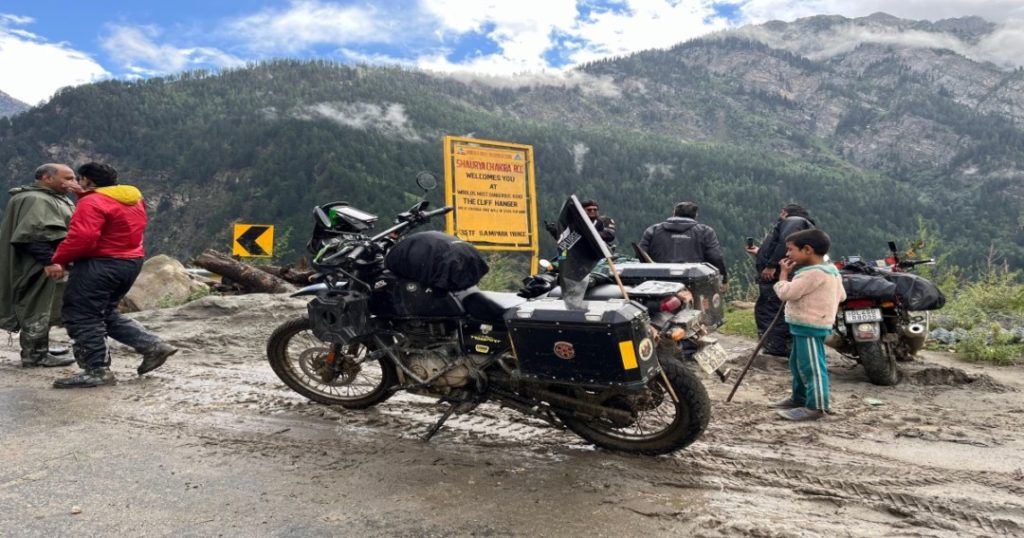
Being an avid biker means crossing these dangerous roads in India at least once. Across the Himalayas, the Western Ghats, and the Northeast, the dangerous roads in India test every traveller’s patience, preparation, and respect for nature. Some exist because geography leaves no alternative, others because history built routes long before modern engineering.
Collectively, they form a raw catalogue of some of the deadliest roads in India, where every kilometre is shaped by snow, stone, rain, or gravity. Though only a few of these qualify as truly indian dangerous roads, they all demand careful planning: checking the weather, maintaining your vehicle, carrying essentials, and knowing when to turn back. Adventure is real here, and the mountains always get the final word.
Join thrill-seekers like yourself on Explurger!
FAQs About Dangerous Roads in India
2. When is the best time to visit high-mountain passes like Sach Pass or Khardung La?
Most high-altitude passes remain closed in winter. The best months to travel are June to September. Even then, travelers should stay updated on BRO road advisories, as conditions can change without warning.
3. What permits do travelers need for roads in Ladakh or Arunachal Pradesh?
Ladakh routes like Khardung La or Nubra Valley need Inner Line Permits. Arunachal roads such as Sela Pass require an ILP for Indian citizens and a PAP for foreign travelers. Always secure permits in advance.
4. Is mobile network available in high Himalayan danger zones?
Connectivity is limited. BSNL works in some pockets. Ladakh and Spiti often experience long stretches with no signal, especially near passes or cliffside roads.