
1,211 Total Views
Wanna visit the famous temples in Bhutan for your 2026 bucket list plans? Let’s read up on it. Bhutan is one of the few countries in the world where spirituality is not a tourist attraction but a way of life. Monasteries, dzongs, and sacred temples shape daily routines, national identity, and even governance. For travellers, visiting temples in Bhutan is not just about architecture or photography; it is about understanding a culture deeply rooted in Buddhist philosophy, ritual, and balance.
This 2026 travel guide covers the 10 most famous temples in Bhutan, explaining their religious significance, history, accessibility, and what travellers should realistically expect when visiting. Whether you are planning a spiritual journey, a cultural holiday, or a slow travel experience, these temples offer insight into why Bhutan continues to captivate the world.
10 Most Famous Temples in Bhutan You Should Explore in 2026
1. Paro Taktsang (Tiger’s Nest Monastery)
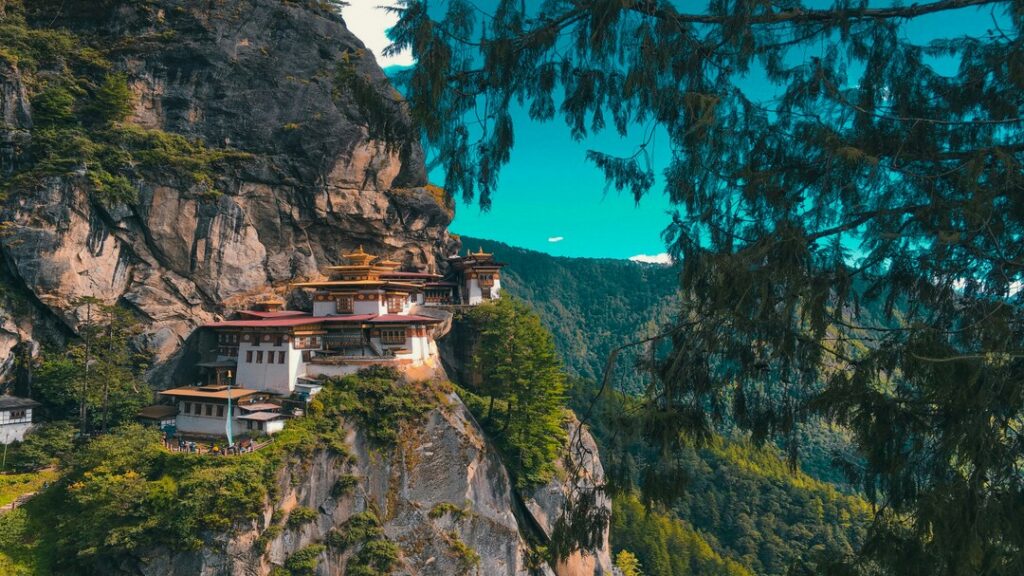
No list of temples in Bhutan can begin without Paro Taktsang, dramatically perched on a cliff at over 3,000 metres above sea level. Often referred to internationally as the Tiger’s Nest, this monastery is Bhutan’s most recognisable landmark.
The hike to Paro Taktsang monastery takes around four to six hours round trip, depending on fitness. The trail is well-maintained but steep in sections. The effort is rewarded with panoramic valley views and an overwhelming sense of stillness upon arrival. This site is also known globally as tiger nest Bhutan, and visiting it is considered a spiritual milestone for Bhutanese people. Many locals attempt the pilgrimage at least once in their lifetime. Admittedly, the Bhutan Tiger Nest Monastery is the most famous among Bhutanese temples.
You may also hear it referred to as Paro Tiger Nest or tiger nest paro, especially by guides and international travellers.
2. Kyichu Lhakhang
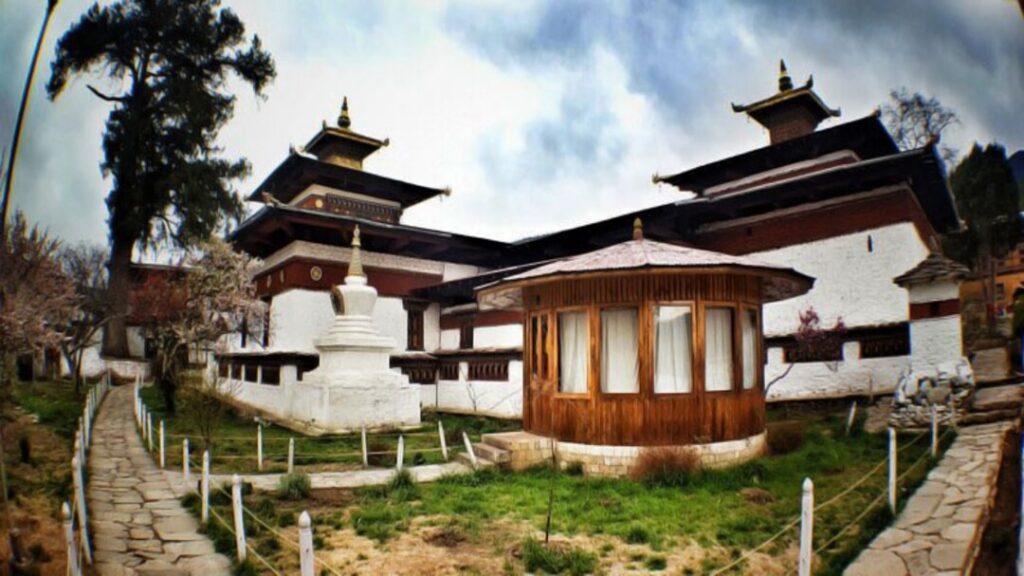
Kyichu Lhakhang is one of the oldest and most sacred temples in Bhutan, dating back to the 7th century. It was built by Tibetan King Songtsen Gampo as part of a network of temples intended to subdue a demoness believed to be obstructing the spread of Buddhism.
Located near Paro, Kyichu Lhakhang is easily accessible and often visited on the first or last day of a Bhutan trip. The temple complex is modest but deeply atmospheric, with ancient statues, prayer wheels, and butter lamps that have been burning for centuries.
Many visitors come here seeking peace rather than spectacle. Among all temples in Bhutan, Kyichu Lhakhang is one of the best places to observe local devotees in prayer.
3. Punakha Dzong
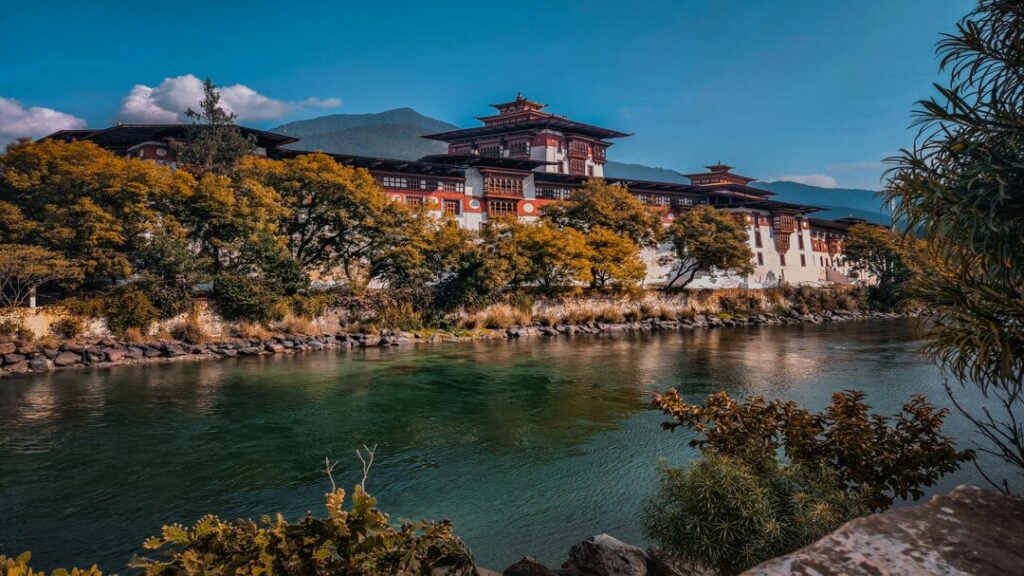
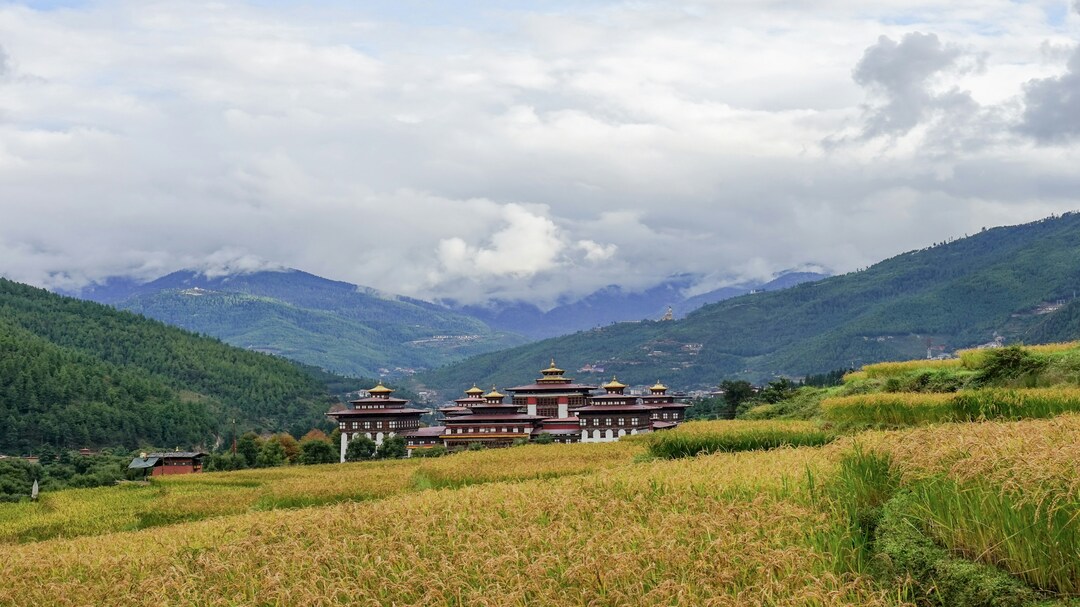
While technically a dzong rather than a temple, Punakha Dzong functions as a major religious centre and is essential to any list of temples in Bhutan. Located at the confluence of the Pho Chhu and Mo Chhu rivers, it is considered one of the most beautiful structures in the country.
Punakha Dzong served as Bhutan’s capital until 1955 and still hosts important religious ceremonies. The central temple houses sacred relics and remains off-limits to casual visitors, reinforcing its sanctity.
Architecturally, it exemplifies traditional Bhutanese design, with whitewashed walls, tiered roofs, and intricate woodwork. Among temples in Bhutan, this site also offers one of the most scenic settings.
4. Chimi Lhakhang (Temple of Fertility)
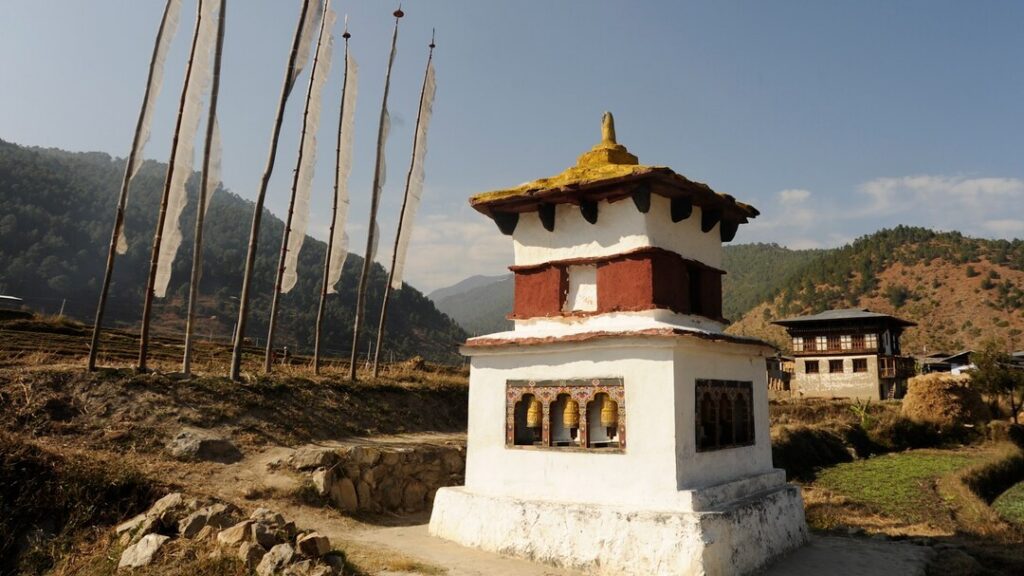
Chimi Lhakhang is widely known as the Bhutan fertility temple, attracting couples from across the world who wish to receive blessings for conception.
The temple is associated with Lama Drukpa Kunley, a revered yet unconventional saint known for his irreverent teaching style. His teachings challenged social norms but carried deep spiritual messages.
Often called the Bhutan temple of fertility, Chimi Lhakhang is reached via a short walk through rice fields near Punakha. The atmosphere is informal, and blessings are conducted personally by resident monks.
Among temples in Bhutan, this one stands out for blending humour, faith, and ritual in a way that feels uniquely Bhutanese.
5. Buddha Dordenma
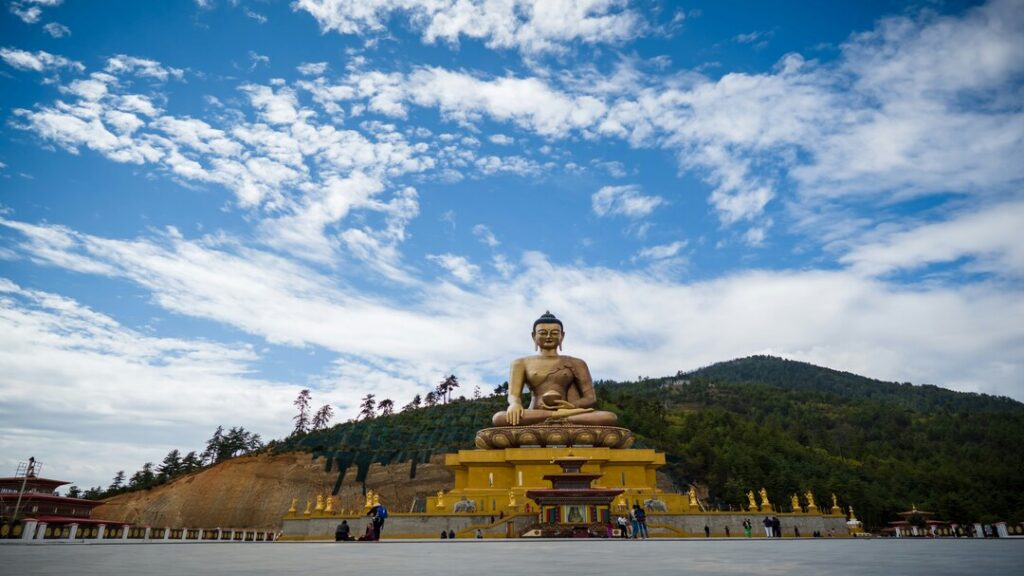
Overlooking Thimphu Valley, the Buddha Dordenma is one of the largest Buddha statues in the world and the most recognisable modern religious site in the country.
Often referred to as the Bhutan Buddha Temple, this massive structure houses thousands of smaller Buddha statues inside. Built to promote peace and prosperity, it represents Bhutan’s ability to balance tradition with modernity.
The site offers sweeping views of the capital city and is particularly striking at sunset. While newer than most temples in Bhutan, its spiritual importance is undeniable.
6. Gangtey Monastery
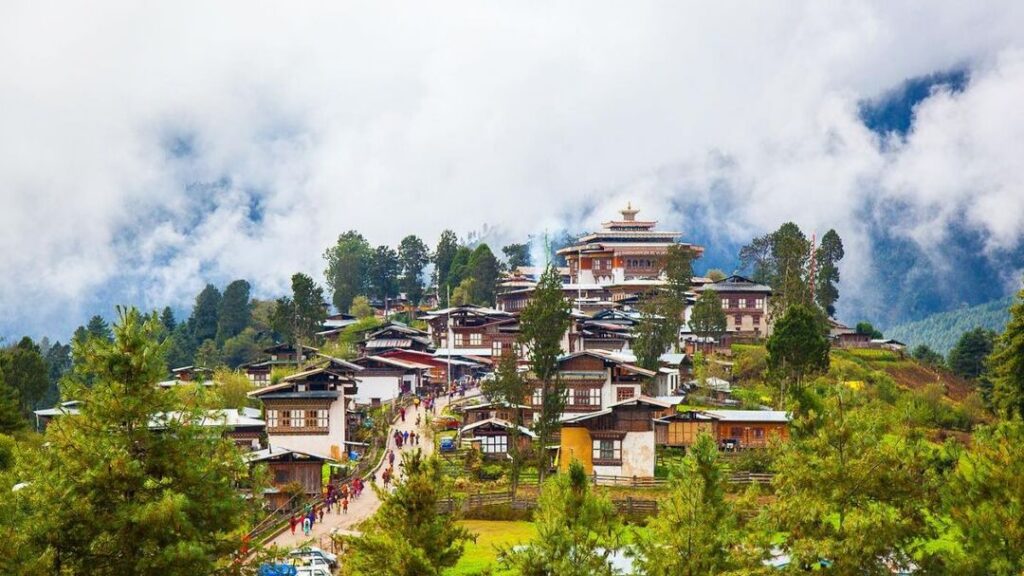
Gangtey Monastery, also known as Gangtey Goemba, is the largest Nyingma monastery in Bhutan and one of the most important temples in Bhutan for this Buddhist school.
Located in the Phobjikha Valley, it is surrounded by pristine landscapes and is a key stop for travellers interested in nature and spirituality. The monastery plays a central role in the valley’s annual Black-Necked Crane Festival.
Unlike more crowded temples, Gangtey offers quiet contemplation and close interaction with monastic life, making it one of the most rewarding temples in Bhutan to visit slowly.
7. Tango Monastery
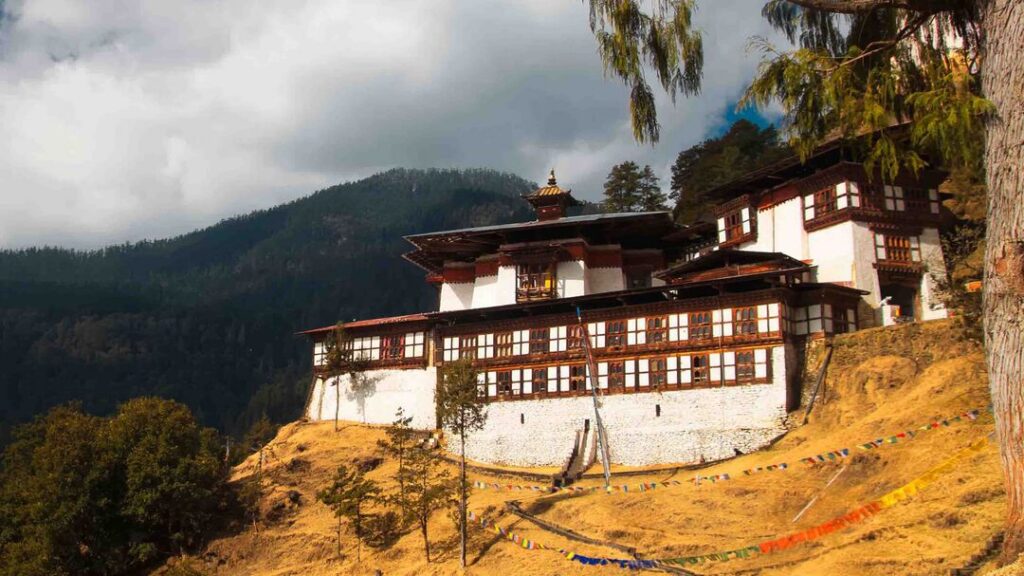
Situated north of Thimphu, Tango Monastery is a respected centre for advanced Buddhist studies. Many senior monks in Bhutan receive part of their education here.
The hike to the monastery is moderate and passes through forested terrain. The monastery itself is compact, functional, and deeply serious in tone.
For travellers seeking insight into monastic education and discipline, Tango is one of the most authentic temples in Bhutan to explore.
8. Cheri Monastery
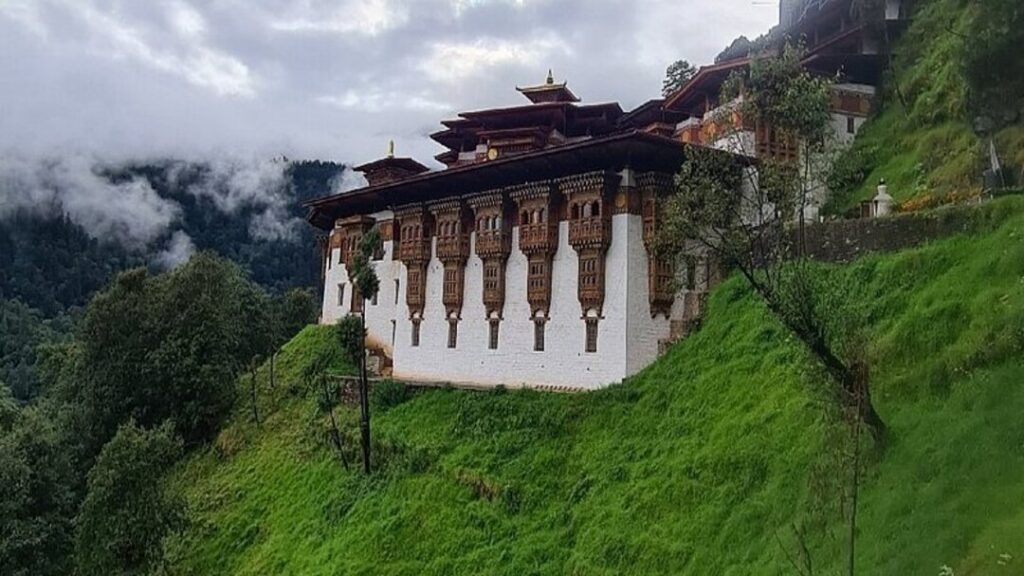
Cheri Monastery is closely linked with Tango and is considered one of the most spiritually significant meditation centres in Bhutan.
Founded in 1620, it is the site where Bhutan’s first monastic body was established. The walk to Cheri involves crossing a traditional cantilever bridge and ascending through quiet forest paths.
Among temples in Bhutan, Cheri stands out for its historical importance and meditative atmosphere rather than visual grandeur.
9. Kurjey Lhakhang
Kurjey Lhakhang in Bumthang is one of the most sacred pilgrimage sites in Bhutan. It marks the location where Guru Rinpoche subdued a local demon and left an imprint of his body on a rock.
The complex consists of three temples set against a dramatic hillside. Locals consider this site extremely powerful, and it is frequently included in religious pilgrimages.
For travellers interested in Bhutan’s spiritual origins, Kurjey Lhakhang is among the most essential temples in Bhutan.
10. Tamshing Lhakhang
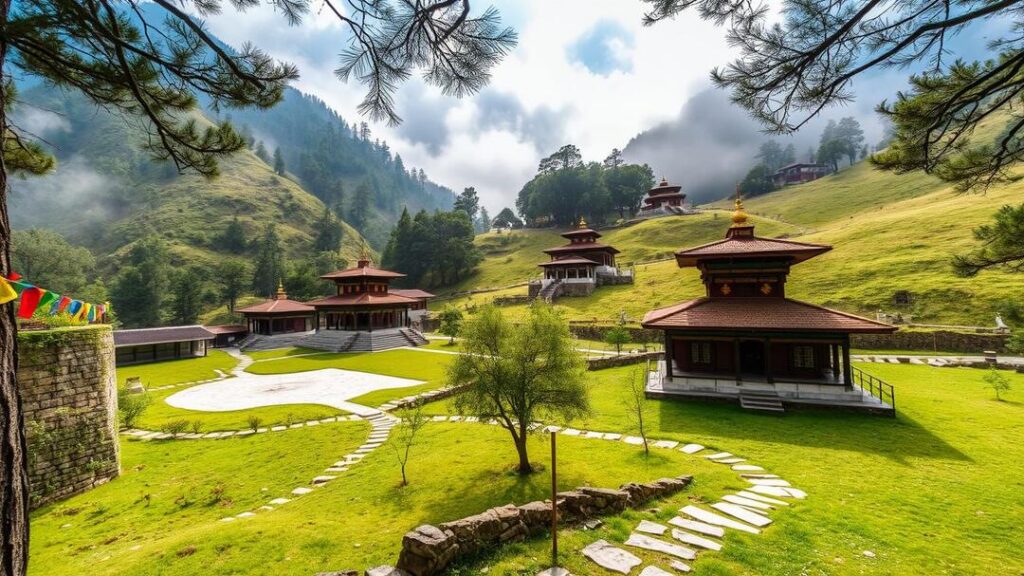
Also located in Bumthang, Tamshing Lhakhang was founded in 1501 and is famous for its ancient wall paintings and iron chain mail said to have been worn by its founder.
Unlike larger complexes, Tamshing feels intimate and preserved. It is one of the best places to see original Bhutanese religious art.
This site often surprises visitors with its authenticity, making it a quietly important entry among temples in Bhutan.
Practical Travel Tips for Visiting Temples in Bhutan (2026)
Visiting temples in Bhutan requires cultural sensitivity and preparation:
Dress modestly, covering shoulders and knees
Remove shoes before entering inner sanctums
Photography may be restricted inside temples
Follow your guide’s instructions at all times
Respect prayer areas and ongoing rituals
Bhutan continues to regulate tourism through a sustainable development fee, so plan your itinerary efficiently to maximise your experience.
WHY VISIT BHUTAN?
Bhutan is a compelling travel destination for those seeking depth over display. Rooted in a philosophy that prioritises Gross National Happiness, the country has consciously shaped its tourism, environmental policies, and cultural preservation to support long-term wellbeing rather than mass consumption. For travellers, this translates into protected landscapes, living religious traditions, and thoughtfully regulated tourism that avoids overcrowding. From monastery-centred towns to pristine Himalayan valleys, Bhutan offers an immersive cultural and ecological experience where travel becomes an exercise in understanding how heritage, sustainability, and modern governance can coexist.
Why Temples Matter in Bhutanese Culture?
Bhutan is predominantly Buddhist, and religion influences everything from education to public holidays. Unlike many destinations where sacred sites have been commercialised, temples in Bhutan remain active places of worship. Monks live, study, and pray here daily, and locals visit temples regularly to seek blessings, guidance, and protection.
Most temples are connected to Guru Padmasambhava, also known as Guru Rinpoche, who introduced Buddhism to Bhutan in the 8th century. His teachings form the spiritual backbone of the country, and many of the temples you will visit are associated with his journeys, meditations, or miracles.
Understanding this context is essential before exploring the most iconic temples across Bhutan.
Best Time to Visit Temples in Bhutan
Spring (March to May) and autumn (September to November) remain the best seasons to explore Bhutan famous temples. Weather conditions are stable, festivals are frequent, and mountain views are clear.
Winter visits offer fewer crowds, while summer brings lush landscapes but occasional road disruptions due to rain.
Also Read: Cheapest Countries to Visit in February from India: Budget Travel Guide 2026
Final Thoughts About Famous Temples in Bhutan
Exploring famous temples in Bhutan is less about ticking landmarks off a list and more about slowing down and observing how faith shapes everyday life. Each temple, whether grand or modest, contributes to Bhutan’s identity as a nation that prioritises spiritual wellbeing over material growth. From ancient monasteries to modern icons, these sacred spaces collectively explain why Bhutan continues to stand apart in the global travel landscape. For travellers in 2026 seeking depth, meaning, and cultural authenticity, few destinations compare.
If you are a first-time international traveller, there are many easily accessible tourist places in Bhutan that offer some incredible experiences. If you are one of the seasoned ones, there’s a ton of adventure that awaits you. At Explurger, we are always looking for ways to make you travel or ‘Get Out – Get Social’ as we say. When looking at the upcoming season, what better way to make you wanna explore than a trip to Bhutan? Tick things off your Bucket List, buddy; it’s high time!
FAQs About Famous Temples in Bhutan
2. What currency is used in Bhutan?
The Bhutanese Ngultrum (BTN) is the official currency and is at par with the Indian Rupee.
3. What should tourists wear when visiting temples?
Modest clothing covering shoulders and knees is required at religious sites.
4. What language is spoken in Bhutan?
Dzongkha is the national language, though English is widely spoken.
5. How old are most temples in Bhutan?
Many temples in Bhutan date back to the 7th–17th centuries.
6. Is there an entry fee for temples in Bhutan?
Most temples in Bhutan do not charge entry fees, though donations are appreciated.
7. Which region has the most important temples in Bhutan?
Paro, Thimphu, Punakha, and Bumthang have the highest concentration of significant temples.