
399 Total Views
Every traveller has Manali on their list — but most arrive without a real plan. You search online, find the same five names recycled across a hundred blogs, and still don’t know what’s open, what’s worth the detour, or what actually fits your travel style. Planning a Manali trip shouldn’t feel this hard.
The places to visit in Manali range from frozen mountain passes at 13,000 feet to ancient temples hidden in cedar forests, from adrenaline-packed valley slopes to quiet village cafés where time slows down completely. Whether you’re travelling as a couple, with family, going solo, or riding in on a bike from Delhi — this guide gives you 15 real picks, organised by season and traveller type, so you leave with a trip plan and not just a list.
Places to Visit in Manali — The Complete Tourist Sightseeing List
Here are the top manali tourist places every visitor should know, starting with the icons and working outward to the hidden gems.
1. Rohtang Pass
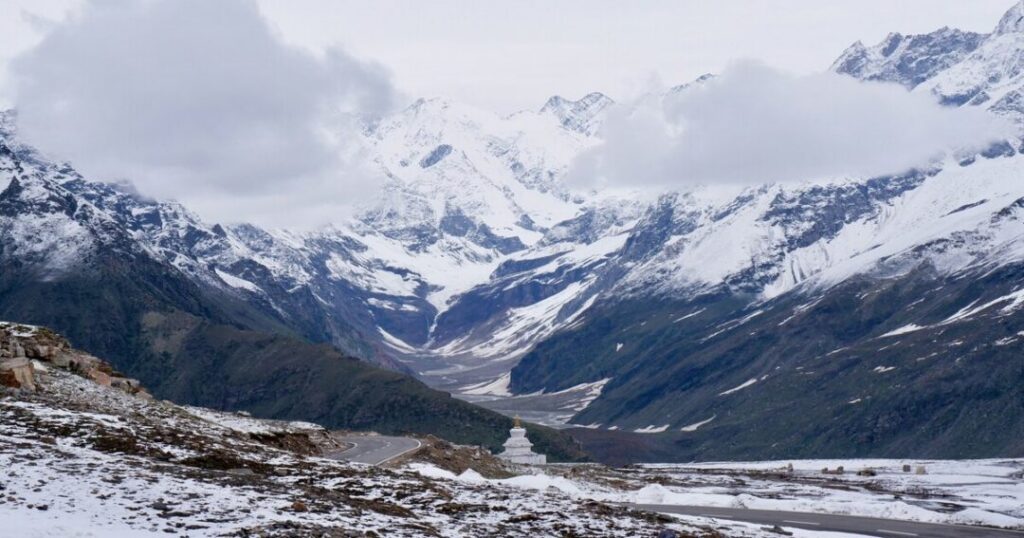
At 3,978 metres above sea level, Rohtang Pass is the crown jewel of every Manali itinerary. Snow is present here even in peak summer, and the views across the Kullu Valley on one side and the stark Lahaul landscape on the other are unforgettable. A permit is required (booked online through the Himachal Pradesh government portal) and slots fill up weeks in advance during peak season.
- Open: May to November (weather permitting)
- Distance from Manali: ~51 km
- Best for: Families, couples, first-time Himalayan visitors
2. Solang Valley
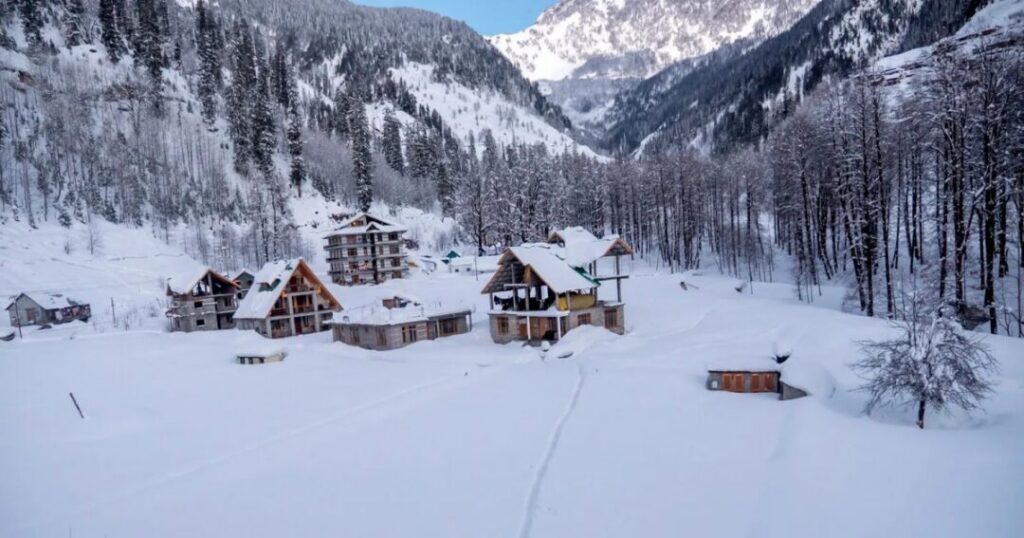
Solang Valley is Manali’s adventure hub. In summer, it offers zorbing, paragliding, horse riding, and ATV rides across wide green meadows. In winter, it becomes a ski slope with equipment rentals available on-site.
- Distance from Manali: ~14 km
- Best for: Adventure seekers, families, winter visitors
3. Hadimba Devi Temple
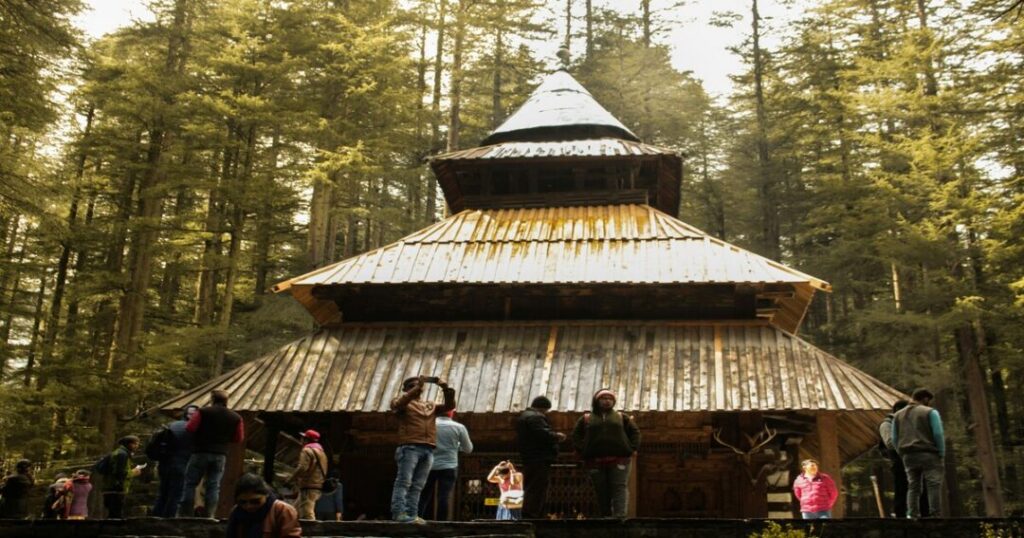
One of the most iconic manali tourist spots, this 16th-century wooden pagoda temple is dedicated to Hadimba Devi, set inside a dense cedar forest. The architecture is striking — intricate wood carvings, a tiered roof, and a serene forested setting that feels nothing like a typical temple visit.
- Entry: Free
- Timings: 8 AM – 6 PM (closed on Tuesdays)
- Best for: All traveller types; spiritual, cultural, and architectural interests
4. Old Manali
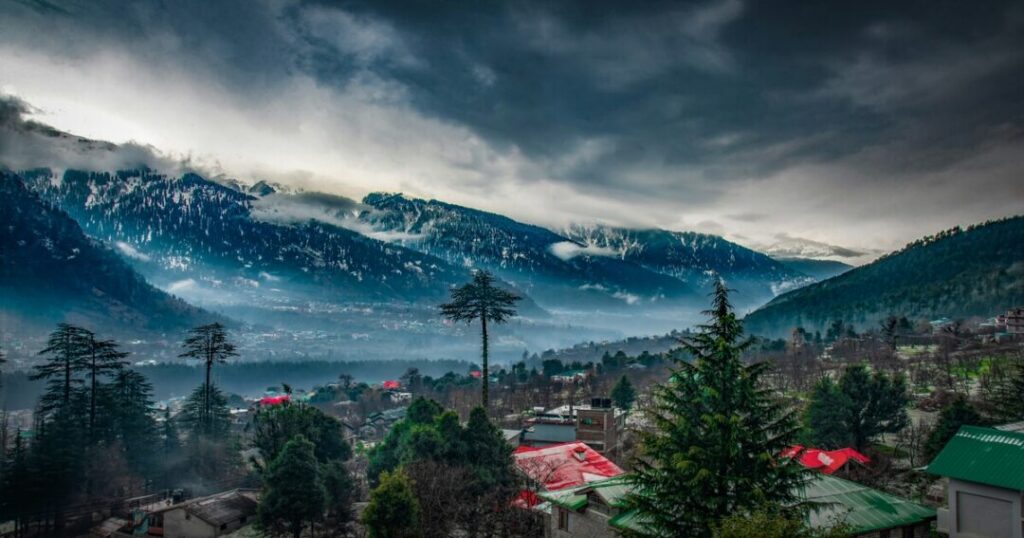
If you want to escape the touristy main bazaar, Old Manali is where you head. Narrow lanes, guesthouses run by locals, rooftop cafés with Himalayan views, and a slower pace of life make this the favourite of solo travellers and backpackers. The Manu Temple here is one of the oldest shrines in the region.
- Best for: Solo travellers, backpackers, budget travellers, long-stay visitors
5. Beas Kund Trek
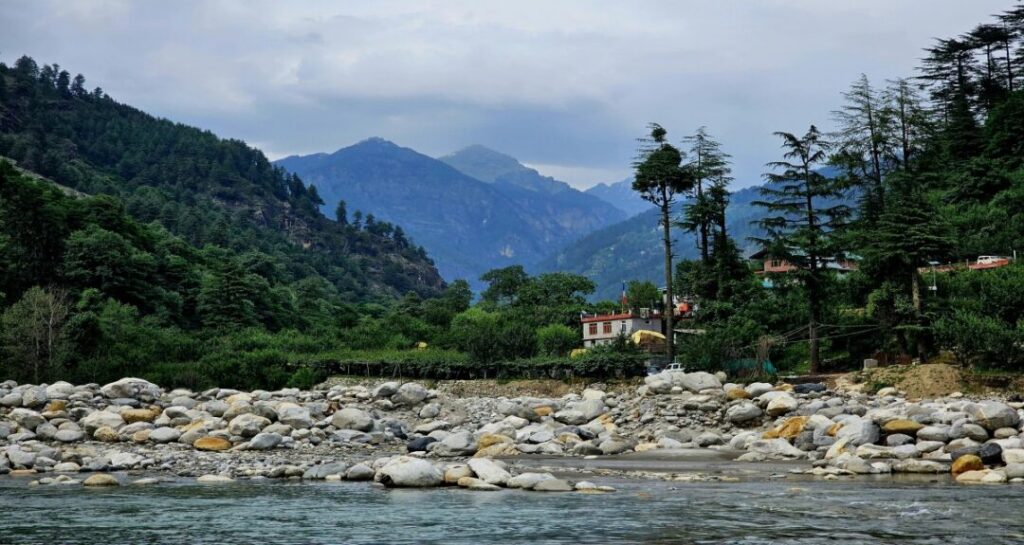
A moderate single or two-day trek from Solang Valley to the glacial source of the Beas River, this trail passes through meadows, moraines, and mountain streams at altitudes between 2,480 m and 3,700 m. One of the most rewarding attractions in manali for anyone who wants to get off the tourist circuit.
- Difficulty: Moderate
- Best season: June to September
- Best for: Trekkers, solo travellers, adventure couples
6. Naggar Castle
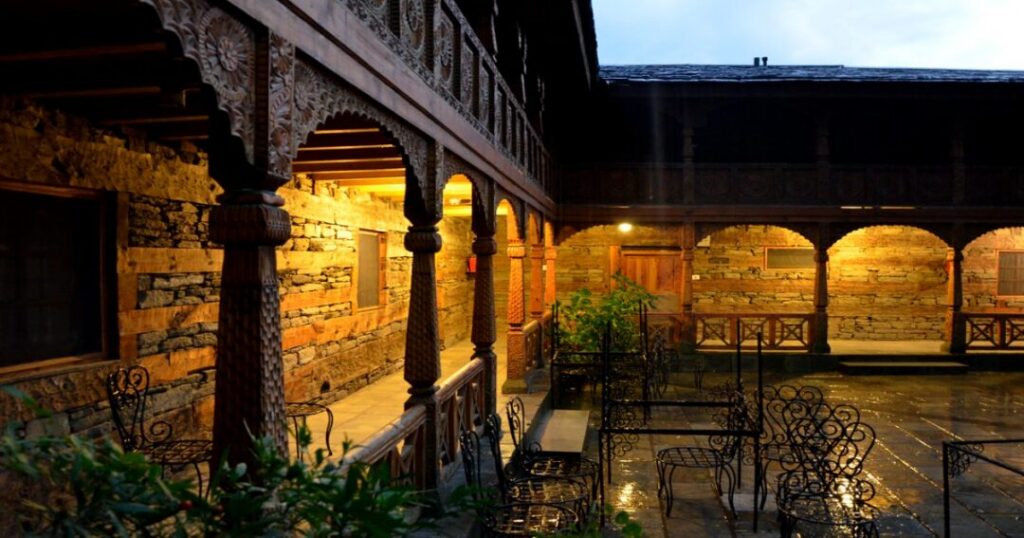
Often missed by the mainstream crowd, Naggar Castle is a 500-year-old stone-and-wood structure that once served as the seat of the Kullu kingdom. Located 22 km south of Manali, it now functions as a heritage hotel managed by Himachal Pradesh Tourism. The views over the Beas Valley from the castle grounds are extraordinary.
- Distance from Manali: ~22 km
- Best for: History lovers, photography travellers, heritage seekers
7. Jogini Waterfall
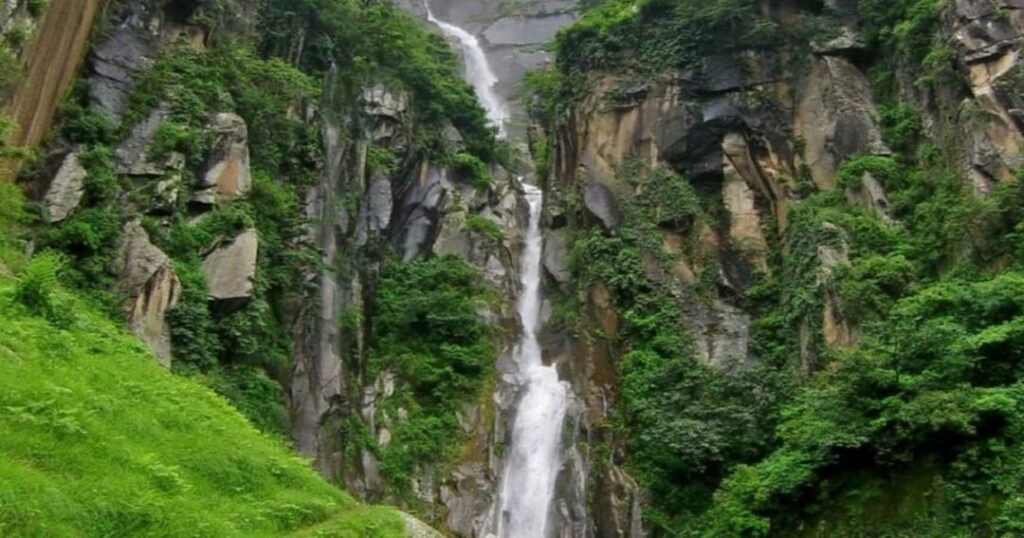
A short, scenic 2-km hike from Vashisht Village leads to Jogini Waterfall, a multi-tiered cascade dropping roughly 150 metres through rocky terrain. It’s one of the most underrated manali visiting places — relatively few tourists make the walk, which means the falls are almost always uncrowded.
- Difficulty: Easy
- Best for: Casual hikers, couples, solo travellers
8. Vashisht Village & Hot Springs
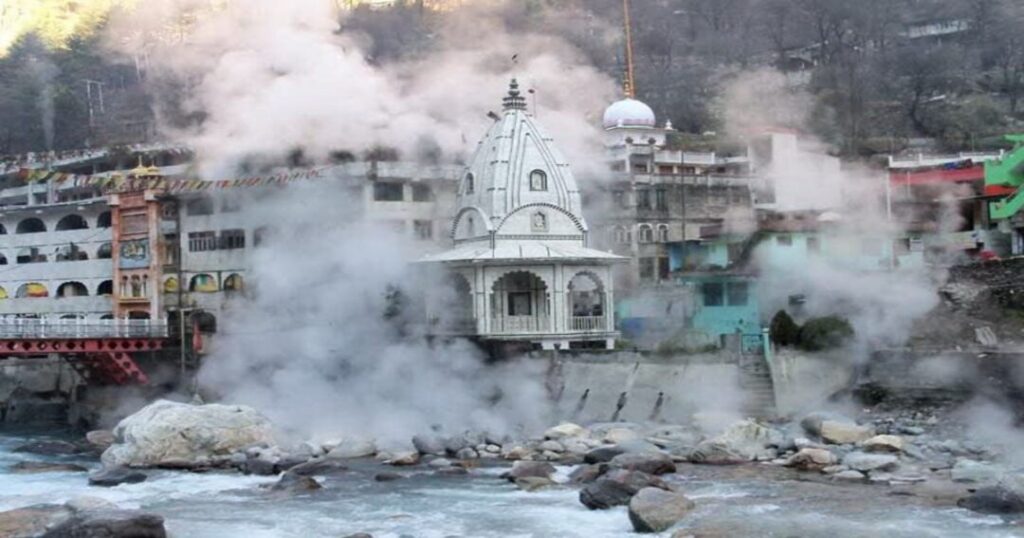
The natural sulphur hot springs at Vashisht Village, just 3 km from Manali town, are famous for their therapeutic properties. There are public baths (separate for men and women) and private guesthouses with in-room hot spring access. The village also has several cafés and yoga centres popular with long- stay visitors.
- Best for: Couples, wellness seekers, slow travellers
Also read: 20 Offbeat Places to Visit in Himachal Pradesh’s Underrated & Unseen Destinations
What is the Best Time to Visit Manali?
The best time to visit Manali depends entirely on what kind of trip you want. Manali in summer and Manali in winter are practically two different destinations.
- March to June (Summer) — The most popular season. Snow lingers on the higher slopes, valleys burst into colour, and Rohtang Pass opens for the year. Best for families, first-timers, and anyone who wants to see snow without suffering through the cold.
- July to August (Monsoon) — Roads are prone to landslides, leeches appear on forest trails, and connectivity gets unpredictable. Most experienced travellers skip this window unless they’re on a very tight budget.
- September to November (Autumn) — Arguably the best season for Manali if you love trekking. Skies are crystal clear, crowds drop significantly, and the Himalayan views are at their sharpest. Ideal for solo travellers and trekkers.
- December to February (Winter) — Rohtang Pass closes, but Manali transforms into a snow town. The Beas River freezes at its edges, Solang Valley turns into a ski slope, and Old Manali gets buried in snow. The best season to go to Manali is if you want a true winter mountain experience.
How to Reach Manali?
- By Air: The nearest airport is Bhuntar Airport (Kullu Manali Airport), approximately 50 km from Manali town. Flights operate from Delhi, Chandigarh, and Mumbai. From Bhuntar, taxis and shared cabs cover the distance in around 1.5 hours.
- By Rail: Manali has no direct rail connectivity. The nearest major railheads are Chandigarh Railway Station (~310 km) and Pathankot Railway Station (~325 km). From both stations, frequent buses and shared taxis run to Manali.
- By Road: Delhi to Manali is approximately 540 km via NH3 (Chandigarh–Manali Highway). Overnight Volvo buses depart regularly from ISBT Kashmere Gate, Delhi. For bikers, the route via Mandi and the Kullu Valley is one of the most scenic highway rides in North India.
Also read: Best Road Trips in India: 5 Unforgettable Journeys You Must Take
Manali Tourist Places by Traveller Type
Not every manali tourist place works for every kind of traveller. Here’s how to pick your shortlist:
For Couples & Honeymooners
- Solang Valley in winter for snow and skiing together
- Naggar Castle for a quiet, heritage setting away from crowds
- Vashisht Hot Springs for a relaxed, warm evening
- Rohtang Pass for the classic snowfield photo that every couple wants
For Families with Kids
- Solang Valley for safe, managed adventure activities
- Hadimba Devi Temple for cultural introduction and easy walking
- Kullu River Rafting (Grade I–II) for a gentle family white-water experience
- Rohtang Pass for snow play (supervised zones available)
For Solo Travellers & Backpackers
- Old Manali for community, cheap guesthouses, and café culture
- Jogini Waterfall for a quiet solo hike
- Kasol & Kheerganga as an overnight side trip (90 km from Manali)
- Beas Kund Trek for a 2-day wilderness reset
For Adventure Seekers & Bikers
- Rohtang Pass → Lahaul Valley circuit for the best high-altitude riding
- Chandrakhani Pass Trek is a challenging multi-day route
- Malana Village is one of Himachal’s most remote and culturally distinct communities (a 3-km uphill walk from the road)
Manali Sightseeing Places Beyond the Tourist Trail
Once you’ve covered the classics, these lesser-known manali sightseeing places take your trip to a different level:
- 9. Chandrakhani Pass — Challenging 3-day trek with panoramic views of the Kullu Valley and Deo Tibba peak; entry point via Naggar
- 10. Malana Village — Ancient, self-governed village with a unique dialect and culture; no touching of walls or structures (strict local rule)
- 11. Khoksar & Sissu (Lahaul Valley) — Beyond Rohtang, the Lahaul Valley opens into a dramatic, high-altitude landscape with cascading waterfalls and almost zero tourists
- 12. Bijli Mahadev Temple, Kullu — 3-km trek to a hilltop temple struck by lightning every monsoon; sweeping 360° views of the Beas and Parvati valleys
- 13. Great Himalayan National Park — UNESCO World Heritage Site, 45 km from Manali; serious trekking territory with rare wildlife
- 14. Kasol & Kheerganga — 90 km from Manali via the Parvati Valley; popular overnight trip combining river views, cafés, and a hot spring trek
- 15. Kullu River Rafting — Grade II–IV rapids on the Beas River between Pirdi and Jhiri; operators in Kullu town, roughly 40 km from Manali
Traveller’s Experience: Real Stories from Manali
[QUOTE: “I rode from Delhi to Manali solo in December. The highway was icy past Mandi but the moment I hit Old Manali at sunset with snow on the rooftops, every kilometre was worth it. Nothing else compares.” — Bhagwan, solo biker, Explurger Profile]
For couples, Naggar Castle at dusk is a specific kind of magic. Sitting in the castle garden above the Beas Valley, watching the light fade behind the Himalayan ridgeline, is the kind of moment that doesn’t show up in travel brochures but stays with you for years.
Families travelling with young children often find that Solang Valley in summer delivers everything in one place — snow patches, pony rides, zorbing, and clean outdoor spaces — without the altitude stress of Rohtang Pass.
Conclusion about Tourist Places to Visit in Manali
Manali has layers that most travel guides never get to. Here’s your quick reference before you go:
- Couples & honeymooners → Solang Valley (winter), Naggar Castle, Vashisht Hot Springs
- Families → Hadimba Temple, Solang Valley (summer), Kullu Rafting
- Solo travellers → Old Manali, Jogini Falls, Beas Kund Trek
- Bikers & adventure seekers → Rohtang–Lahaul circuit, Chandrakhani Pass, Malana Village
- Best month to visit → March–June for snow + sun; Sep–Nov for trekking
- Best season to go to Manali → winter for a snow town; summer for adventure
No matter your travel style, the places to visit in Manali will leave you planning your next trip before this one even ends.
Discover every trail, temple, and snow-covered peak — download the Explurger app and start building your Manali adventure today.
Pack your bags, charge your camera, and let the mountains do the rest.
FAQ’s about Places to Visit in Manali
2: What is the best time to visit Manali?
The best time to visit Manali is between March and June for snow and warm weather, and between September and November for clear skies and trekking. December to February is the best season for Manali if you want a full winter snow experience, though Rohtang Pass closes during this period. Monsoon months (July and August) are generally avoided due to landslide risk and poor road conditions on the Manali–Leh and Rohtang highways.
3: What is the best month to visit Manali for snow?
January and February are the best months to visit Manali for snow. During this period, Solang Valley operates as a ski destination, the Beas River partially freezes, and snowfall in town is common. For those who want snow but prefer more comfortable travel conditions, late March to early April also offers good snowfall at Rohtang and Solang without the extreme winter cold. Snow at higher elevations is visible from May through June as well.
4: How do I reach Manali from Delhi?
The most common route from Delhi to Manali is by overnight Volvo bus from ISBT Kashmere Gate, which takes approximately 14–15 hours and costs between ₹800 and ₹2,500 depending on the operator and bus type. By road, Delhi to Manali is approximately 540 km via NH3 through Chandigarh, Bilaspur, Sundernagar, and Mandi. By air, fly into Bhuntar Airport (Kullu Manali Airport), ~50 km from Manali, with connecting flights from Delhi taking around 70 minutes.
5: Is Manali worth visiting in winter?
Yes, Manali in winter (December to February) is absolutely worth visiting for travellers who want a snow-heavy, quiet mountain experience. Solang Valley operates ski and snow activity zones, Old Manali takes on a peaceful, local feel once the tourist season ends, and the Himalayan views in clear winter weather are outstanding. Road access to Rohtang Pass is blocked during winter, but the town itself and Solang Valley remain fully accessible. Carry warm layers as temperatures regularly drop below -5°C at night.
6: What are the top attractions in Manali for first-time visitors?
For first-time visitors, the essential attractions in Manali are Rohtang Pass for high-altitude snow and views, Solang Valley for adventure activities, Hadimba Devi Temple for a peaceful cultural experience, and Old Manali for an authentic local atmosphere. A hot spring soak at Vashisht Village rounds out a solid first-trip itinerary. These five spots cover the diversity of Manali — adventure, nature, culture, and relaxation — within an easy 3-day trip.