

385 Total Views
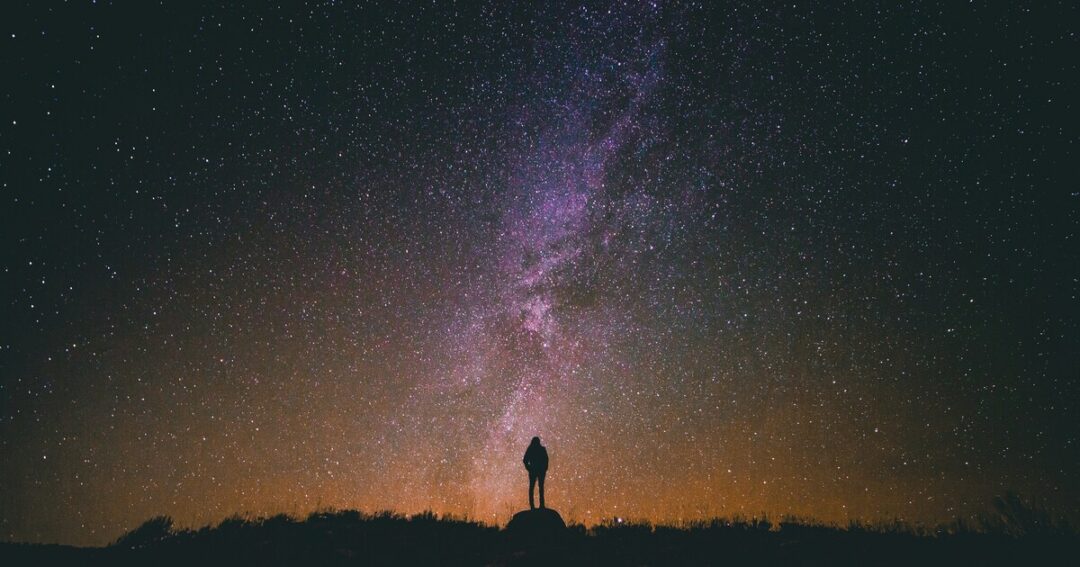
There is something deeply humbling about standing under a sky filled with stars. Far away from city lights, traffic, and screens, the universe suddenly feels close enough to touch. Over the last few years, stargazing in India has become more popular among travelers looking for peaceful experiences, astrophotography opportunities, camping adventures, and meaningful slow travel moments. From cold Himalayan deserts to remote salt flats and forest reserves, India offers some truly unforgettable dark-sky escapes.
The diversity of landscapes makes stargazing in India incredibly unique. In one trip you can witness the Milky Way over snow-capped mountains, while another destination may offer meteor showers reflected across a salt desert. Whether you are an amateur astronomy enthusiast, a photographer, a camper, or simply someone who wants to spend a quiet night beneath the stars, these destinations deliver some of the finest celestial experiences in the country.
If you have been searching for the best places for stargazing in india, this guide covers destinations that combine clear skies, low light pollution, and memorable travel experiences.
10 places for stargazing in India in 2026
1. Hanle, Ladakh
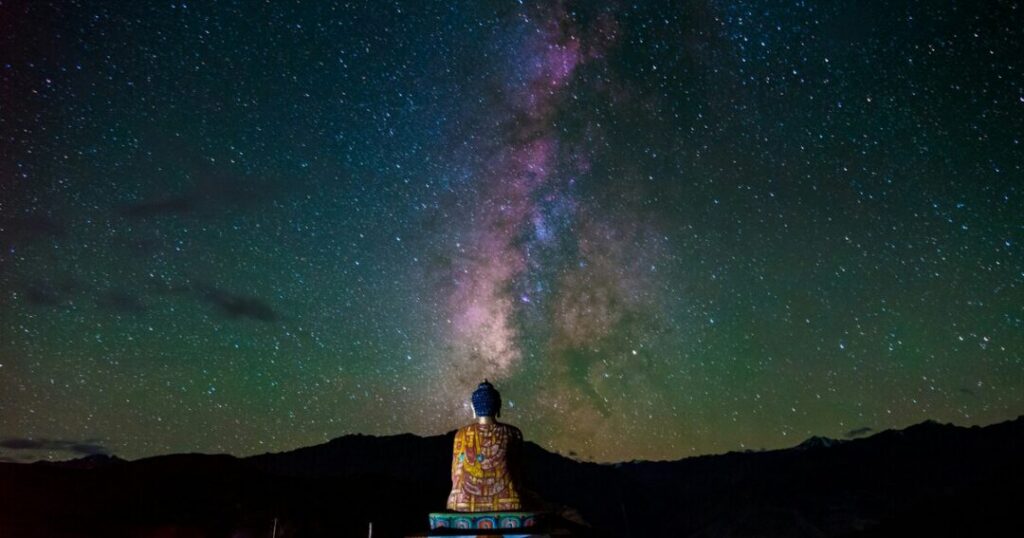
Hanle is often considered the crown jewel of stargazing in India. Located in the remote Changthang region of Ladakh at an altitude of over 4,500 meters, the village is home to the Indian Astronomical Observatory, one of the highest observatories in the world. The combination of dry weather, extremely thin atmosphere, minimal humidity, and almost zero artificial light creates extraordinary visibility. On a clear night, the Milky Way appears so vivid that it almost resembles a painted ribbon across the sky.
Beyond astronomy, Hanle is a soulful travel destination. The silence here feels almost spiritual. Travelers can stay in traditional homestays, interact with local Changpa communities, and spend evenings around small fires while constellations slowly emerge overhead. During the day, the surrounding barren landscapes, monasteries, and dramatic mountain roads add to the surreal experience. For travelers seeking immersive stargazing in India, Hanle remains unmatched.
Also read: Why Every Traveler Must Visit Rezang La War Memorial in Ladakh
2. Spiti Valley, Himachal Pradesh
Spiti Valley feels like another planet after sunset. Surrounded by rugged Himalayan terrain and ancient monasteries, this cold desert transforms into one of the finest destinations for stargazing in India. Villages like Langza, Komic, and Kibber offer exceptionally dark skies where travelers can spot constellations, meteor trails, and even faint nebula patterns with the naked eye.
The experience here goes far beyond astronomy. Travelers often spend their days visiting centuries-old monasteries, driving through dramatic mountain passes, and interacting with Buddhist communities before nights filled with stars. Camping in Spiti under freezing skies is unforgettable, especially during new moon phases when the darkness allows the Milky Way to dominate the horizon. Photographers particularly love Spiti because the landscape itself creates cinematic foregrounds for night-sky imagery.
Also read: The Ultimate Guide for the Perfect Excursion of Spiti Valley in June
3. Rann of Kutch, Gujarat
The endless white salt desert of the Rann of Kutch creates a magical setting for stargazing in India. Once the crowds thin out after sunset, the vast emptiness becomes one giant reflective surface beneath the stars. The openness of the landscape allows uninterrupted views of the horizon, making celestial events particularly dramatic.
Travelers visiting Kutch can combine astronomy with cultural exploration. Traditional Kutchi villages, handicraft markets, folk music performances, and desert camping all add richness to the experience. During winter nights, temperatures remain pleasant enough for long outdoor sessions, making this one of the most accessible destinations for casual travelers interested in stargazing in India without extreme trekking or altitude challenges.
4. Neil Island, Andaman & Nicobar Islands
Few experiences compare to watching stars from a quiet tropical beach. Neil Island offers a completely different side of stargazing in India, where the sea breeze, crashing waves, and open skies create an incredibly calming atmosphere. Since the island has limited urban development, several beaches remain dark enough for clear celestial visibility.
The island is perfect for travelers who want relaxed exploration alongside astronomy. During the day, visitors can snorkel, scuba dive, cycle around coconut-lined roads, and enjoy turquoise waters. By night, the skies reveal countless stars stretching across the ocean horizon. The reflection of moonlight over the water makes Neil Island one of the most romantic and peaceful places for stargazing in India.
5. Coorg, Karnataka
Coorg may be famous for coffee plantations and monsoon landscapes, but certain remote sections of the region are also excellent for stargazing in India. Away from town centers, the forested hills of the Western Ghats offer surprisingly dark skies during clear winter months. Camping resorts and eco-lodges often organize night-sky experiences for travelers.
The beauty of Coorg lies in its balance between comfort and adventure. Travelers can spend mornings exploring waterfalls, trekking through forest trails, visiting coffee estates, and tasting local Kodava cuisine before settling into a quiet evening under the stars. For southern travelers searching for accessible astronomy escapes, Coorg and nearby regions also attract enthusiasts interested in star gazing bangalore weekend trips.
Also read: Best Beaches in India: Top 10 Coastal Escapes You Can’t Miss
6. Nubra Valley, Ladakh
Nubra Valley combines deserts, rivers, sand dunes, and Himalayan peaks into one extraordinary landscape. At night, the region becomes a spectacular destination for stargazing in India, especially around Hunder and Diskit where light pollution remains minimal. The cold desert environment and high altitude make celestial visibility exceptionally sharp.
Travelers often describe Nubra as a place of contrasts. Double-humped camels roam the dunes during the day while ancient monasteries overlook the valley from dramatic cliffs. Nights here feel cinematic, particularly during camping experiences where stars appear in every direction. The silence and openness of Nubra create a meditative atmosphere unlike most tourist destinations in India.
7. Mount Abu, Rajasthan
Mount Abu offers one of the more comfortable experiences for stargazing in India, especially for travelers who prefer easier accessibility. The region houses the famous astronomical observatory near Guru Shikhar, Rajasthan’s highest peak. During clear nights, the skies reveal impressive visibility despite the area being more developed than remote Himalayan regions.
Apart from astronomy, Mount Abu offers lakes, viewpoints, temples, and heritage experiences. Travelers can enjoy leisurely evenings near Nakki Lake before heading toward darker viewpoints for celestial observation. Winter months provide crisp air and pleasant temperatures, making the destination suitable for families and first-time stargazers.
8. Jaisalmer Desert, Rajasthan
The Thar Desert near Jaisalmer delivers a classic desert-night experience that makes stargazing in India feel timeless. Far away from the city fort, desert camps reveal enormous skies filled with stars stretching endlessly over the dunes. The dry climate significantly improves visibility during winter months.
Travelers can combine camel safaris, cultural performances, folk music, and dune camping into one memorable trip. The contrast between golden sand dunes and bright constellations creates stunning visuals for photographers. Sleeping beneath the open desert sky remains one of the most magical travel experiences in Rajasthan.
9. Yercaud, Tamil Nadu
Yercaud is an underrated hill station that quietly offers rewarding opportunities for stargazing in India. Compared to more commercial hill towns, Yercaud remains relatively calm and less crowded, which helps preserve darker skies in surrounding forest areas and viewpoints.
The destination works beautifully for slow travel. Travelers can explore coffee plantations, scenic drives, hidden viewpoints, and lakes before enjoying peaceful nights outdoors. Because the climate remains pleasant for much of the year, Yercaud attracts couples, solo travelers, and photography enthusiasts looking for relaxed astronomy experiences without difficult travel logistics.
10. Tso Moriri, Ladakh
Tso Moriri feels almost unreal after dark. The high-altitude lake reflects moonlight and stars with astonishing clarity, creating one of the most surreal scenes associated with stargazing in India. Since the region remains sparsely populated and geographically isolated, the skies are among the darkest in the country.
Travelers visiting Tso Moriri often describe the journey itself as part of the adventure. Remote roads, changing landscapes, migratory birds, and quiet nomadic settlements make the destination feel untouched. Nights by the lake are freezing but unforgettable, especially during new moon periods when the Milky Way becomes intensely visible across the horizon. Among all the stargazing places in india, Tso Moriri offers one of the most dramatic combinations of landscape and celestial beauty.
Stargazing Season in India: Understanding the Sky
Why Some Months Are Better for Stargazing
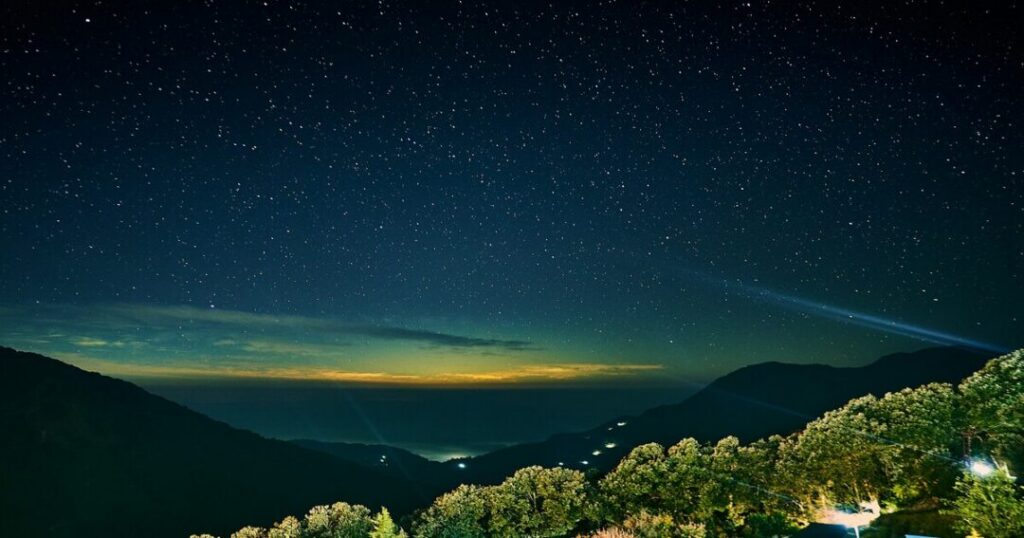
The ideal season for stargazing in India generally falls between October and March. During these months, post-monsoon skies become clearer because humidity levels drop significantly across most regions. Reduced moisture means less atmospheric scattering, allowing stars and planets to appear brighter and sharper.
Winter also improves visibility because cooler air tends to be more stable. In astronomy, atmospheric turbulence affects how clearly celestial objects appear. Calm winter nights reduce distortion, which is why mountain regions and deserts perform exceptionally well during this season. Summer months can still work in certain high-altitude locations like Ladakh, but haze and heat turbulence impact visibility in many other parts of the country.
The Role of Moon Phases and Celestial Movement
One of the most important factors in stargazing in India is the lunar cycle. During a full moon, moonlight brightens the sky and reduces visibility of faint stars and the Milky Way. That is why astronomers and photographers often plan trips around the new moon phase when skies are naturally darker.
The Earth’s orbit and seasonal positioning also change what becomes visible throughout the year. During winter months, constellations like Orion, Taurus, and Gemini dominate Indian skies. Summer skies reveal the dense Milky Way core more prominently, especially in dark regions of Ladakh and Spiti. Meteor showers such as the Perseids and Geminids also become major attractions for travelers interested in celestial events.
Light Pollution and the Indian Sky
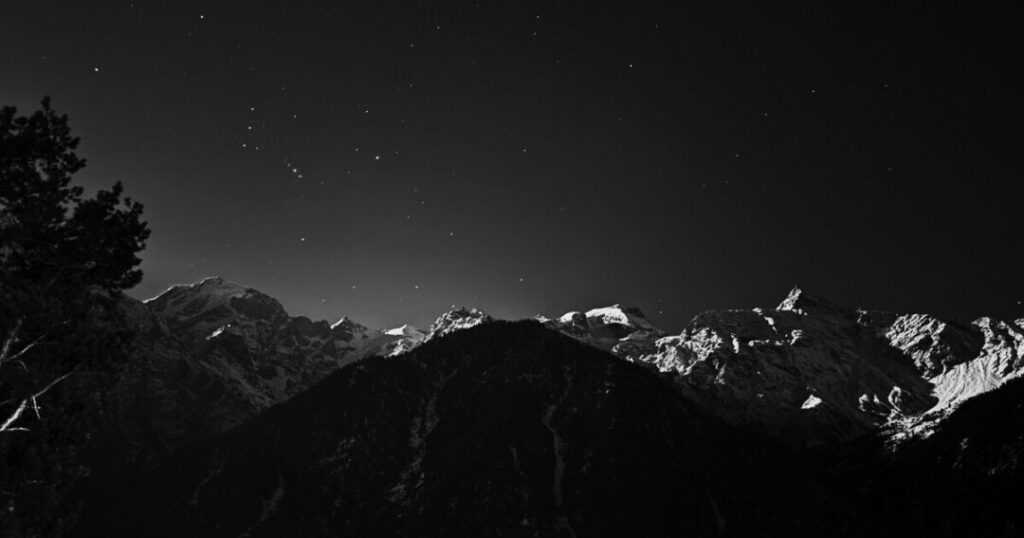
Light pollution remains one of the biggest challenges for stargazing in India. Major urban centers like Delhi, Mumbai, Bengaluru, and Kolkata experience severe skyglow caused by artificial lighting, industrial activity, and air pollution. Even when stars are technically present, excessive urban brightness washes them out.
That is why remote deserts, islands, forests, and high-altitude valleys have become the hubs for best star gazing in india experiences. Regions with lower population density naturally preserve darker skies. Government discussions around dark-sky reserves and sustainable tourism are also slowly increasing awareness about preserving nighttime ecosystems and astronomical visibility.
Tips for Stargazing in India
- Plan trips around the new moon for darker skies
- Carry layered clothing, especially in Himalayan regions
- Avoid using bright flashlights while observing the sky
- Download astronomy apps to identify constellations and planets
- Let your eyes adjust to darkness for at least 20 minutes
- Use a tripod for astrophotography
- Choose destinations with minimal mobile towers and city lighting
Conclusion about Stargazing in India
The beauty of stargazing in India lies not just in the stars themselves, but in the journeys attached to them. Whether it is freezing beside a Himalayan lake, lying on desert dunes, or watching constellations from a tropical island beach, these experiences reconnect travelers with a slower and more meaningful rhythm of life.
As cities grow brighter and noisier, dark skies are becoming increasingly rare. That is why these destinations matter. They remind us how extraordinary the night sky truly is when we finally take the time to look up.
FAQs About Stargazing in India
2. Which month is best for stargazing?
The best months for stargazing in India are usually October to March, when skies are clearer and humidity is lower after the monsoon season.
3. Can I see the Milky Way from India?
Yes, the Milky Way is visible from several dark-sky destinations in India like Spiti Valley, Hanle, Nubra Valley, and the Rann of Kutch during clear new moon nights.
4. Where can I watch the sky full of stars in India?
Remote regions such as Ladakh, Spiti Valley, Jaisalmer Desert, Neil Island, and Tso Moriri offer some of the clearest night skies and best star-filled views in India.

![Snow-covered Himalayan village in winter | ALT TEXT: top 10 coldest places in India Himalayan village winter]](https://blog.explurger.com/wp-content/uploads/2026/05/cover-4.jpg)