
625 Total Views
India’s cultural diversity is often described through its languages, festivals, traditions, and regional identities. Among its most vibrant and historically rich states stands Telangana—a land where ancient traditions continue to live beautifully alongside modern life.
From colorful festivals and folk dances to handwoven textiles, historic architecture, and deeply rooted customs, the culture of Telangana reflects centuries of history, artistic expression, and community life. Every village, town, and city in the state carries stories shaped by dynasties, local traditions, tribal influences, and the spirit of the Deccan region.
What makes Telangana truly special is that its traditions are not preserved only in museums or history books. They continue to thrive in everyday life — in local markets, temple rituals, village celebrations, music performances, art forms, and even in the food people prepare at home.
Here’s a closer look at the living traditions that make Telangana one of India’s most culturally fascinating states.
Traditional Festivals That Define the Culture of Telangana
1. Festivals That Bring Communities Together
Festivals are at the heart of the culture of Telangana. They are not just celebrations but expressions of identity, devotion, and togetherness.
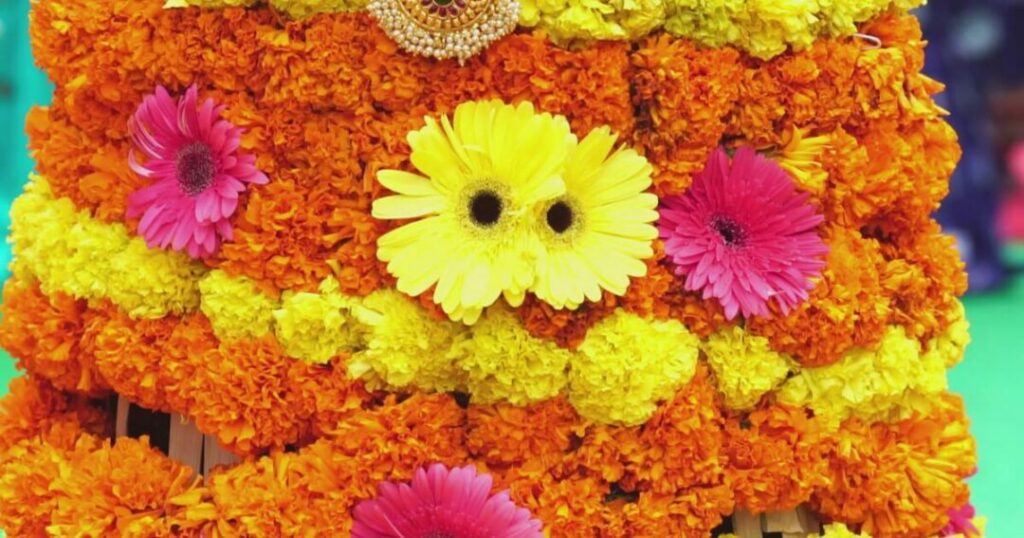
One of the most iconic festivals of Telangana is Bathukamma, a floral festival celebrated mainly by women. During the festival, women arrange colorful seasonal flowers in beautiful layered patterns, sing traditional folk songs, and gather in large groups to celebrate nature, womanhood, and regional pride.
Bathukamma transforms streets, neighborhoods, and villages into vibrant spaces filled with music, flowers, and traditional attire. The festival has now become one of the strongest cultural symbols of Telangana.
Another major celebration is Bonalu, a traditional Hindu festival dedicated to Goddess Mahakali. During Bonalu, women carry decorated pots on their heads as offerings, while processions, folk performances, drumming, and rituals create an energetic atmosphere across Hyderabad and other parts of the state.
Apart from these, festivals like Sankranti, Ramzan, Diwali, Christmas, and tribal celebrations are observed with equal enthusiasm, reflecting Telangana’s cultural diversity and harmony.
2. Folk Arts and Traditional Performances Keep Heritage Alive
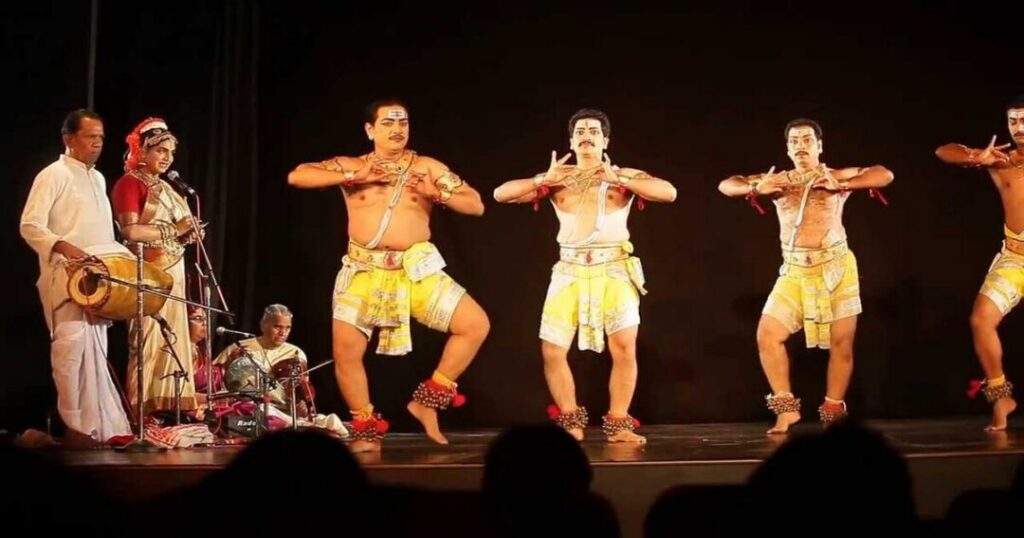
The art and culture of Telangana are deeply connected to storytelling and folk traditions.
For centuries, communities across Telangana have preserved their history and beliefs through music, dance, and performance art. One of the most famous folk traditions is Oggu Katha, a storytelling performance where artists narrate mythological tales using music, dramatic expressions, and rhythmic instruments.
Another popular folk dance is Perini Shivatandavam, often referred to as the “Dance of Warriors.” This ancient dance form originated during the Kakatiya dynasty and is known for its powerful movements and energetic style.
Telangana is also home to traditional art forms like Burrakatha, Chindu Yakshaganam, and Lambadi dance performances, each representing different communities and regional traditions.
Even today, these performances continue during festivals, cultural events, temple gatherings, and local fairs, keeping the spirit of Telangana’s artistic heritage alive.
Also read: TOP PLACES TO VISIT IN ANDHRA PRADESH: TOURISM DESTINATIONS
3. Telangana’s Handicrafts Reflect Incredible Craftsmanship
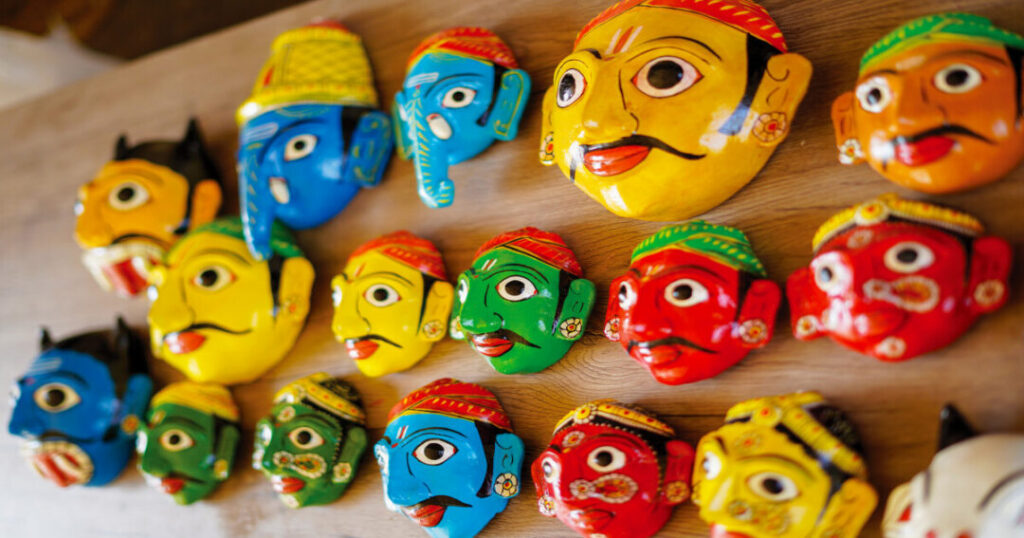
The culture of Telangana is beautifully visible through its handicrafts and handloom traditions.
The state is famous for Pochampally Ikat sarees, known for their intricate geometric patterns and unique dyeing techniques. These handwoven textiles are recognized internationally and are among Telangana’s most celebrated craft traditions.
Another important craft tradition is Bidriware, a unique metal handicraft influenced by Persian art and developed during the Deccan Sultanate period. The detailed silver inlay work on black metal creates stunning decorative pieces that reflect Telangana’s artistic legacy.
Nirmal paintings are another cultural treasure of Telangana. Known for their golden tones and detailed craftsmanship, these paintings often depict nature, mythology, and traditional rural scenes. The popularity of Telangana culture paintings continues to grow among art lovers and collectors.
Handcrafted toys, wooden carvings, tribal jewelry, and local weaving traditions also remain an important part of Telangana’s cultural identity.
4. Historic Architecture Tells Stories of the Past
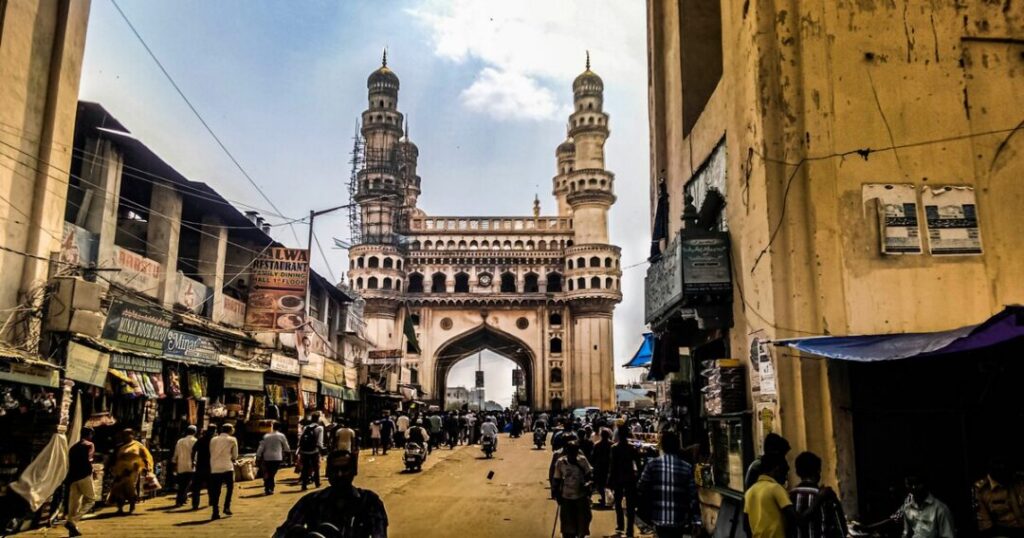
The history and culture of Telangana can also be seen through its remarkable architecture.
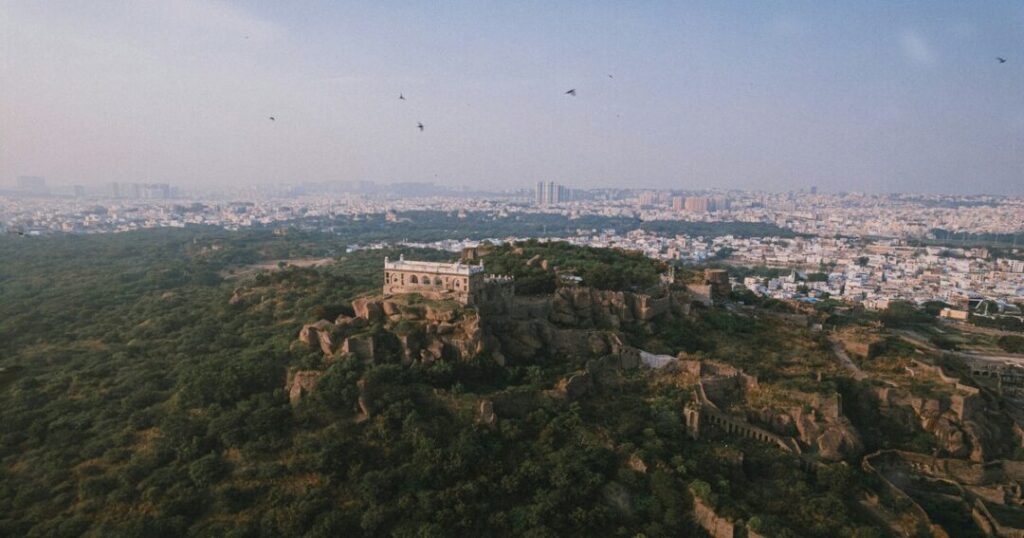
The state is home to historic forts, mosques, temples, palaces, and monuments built under various dynasties, including the Kakatiyas, Qutb Shahis, and Asaf Jahis.
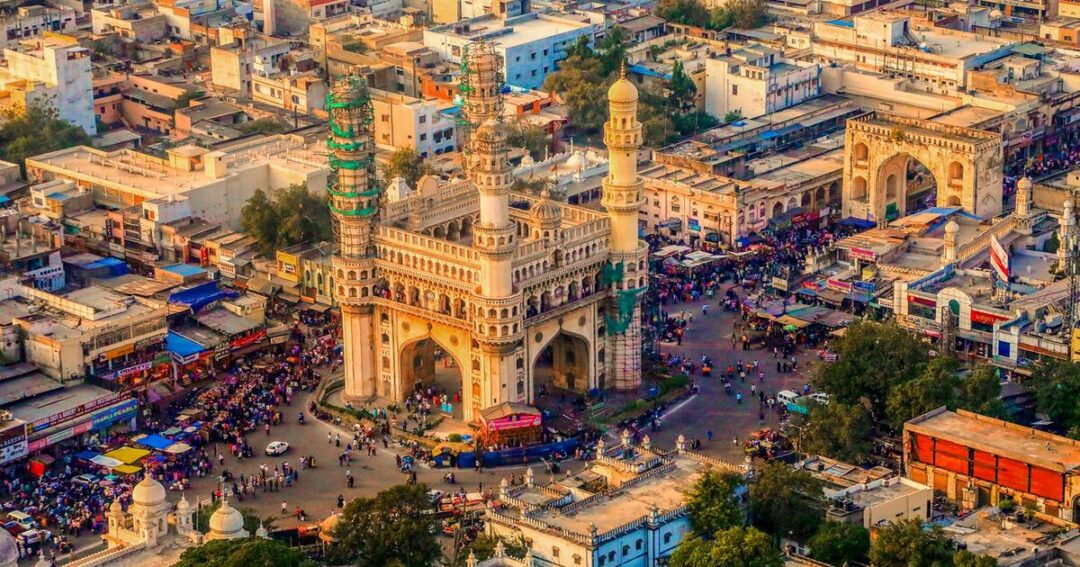
Hyderabad, the capital city, beautifully reflects this cultural blend. Landmarks like Charminar, Golconda Fort, Chowmahalla Palace, and Mecca Masjid continue to attract visitors from around the world.
Meanwhile, the Thousand Pillar Temple in Warangal showcases the architectural brilliance of the Kakatiya era. Ramappa Temple, now recognized as a UNESCO World Heritage Site, stands as one of the finest examples of ancient temple craftsmanship in India.
These structures are not just tourist attractions — they are living reminders of Telangana’s layered cultural history.
5. Telangana Cuisine Is Full of Flavor and Tradition
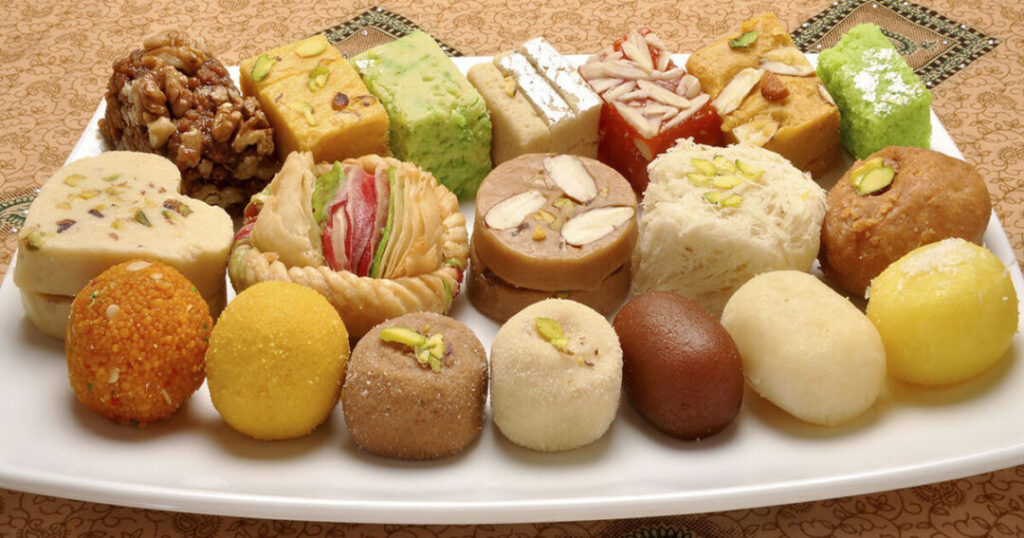
Food plays a major role in the culture of Telangana.
The cuisine reflects a mix of local Deccan flavors, royal influences, and rural traditions. Telangana food is known for its bold spices, rich textures, and unique cooking styles.
Popular dishes include Hyderabadi biryani, Sarva Pindi, Pachi Pulusu, Sakinalu, and Jonna Rotte. Traditional sweets and festive foods are also an important part of local celebrations.
In villages and towns, many recipes are still prepared using age-old methods passed down through generations. Seasonal ingredients, millet-based foods, and homemade spice blends continue to define authentic Telangana cuisine.
Food in Telangana is not just about taste — it is deeply connected to festivals, family gatherings, and cultural traditions.
6. Tribal Traditions Add to Telangana’s cultural diversity.
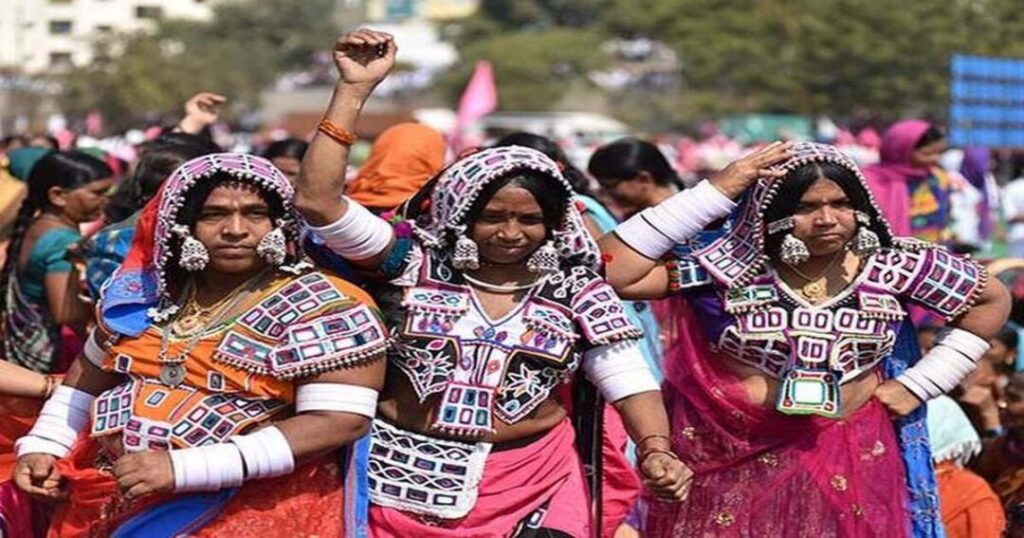
Telangana is home to several tribal communities, including the Gonds, Lambadas, Chenchus, and Koyas, each with its own traditions, clothing, festivals, dances, and artistic practices.
These communities contribute significantly to the art and culture Telangana is known for today. Tribal embroidery, jewelry, music, and storytelling traditions continue to influence the broader cultural identity of the state.
Many tribal festivals and rituals are still celebrated in forests and rural regions, preserving traditions that are centuries old.
Also read: Beach Festivals Around the World: 10 That Deserve a Spot on Your Bucket List
7. Modern Telangana Still Holds Onto Its Roots
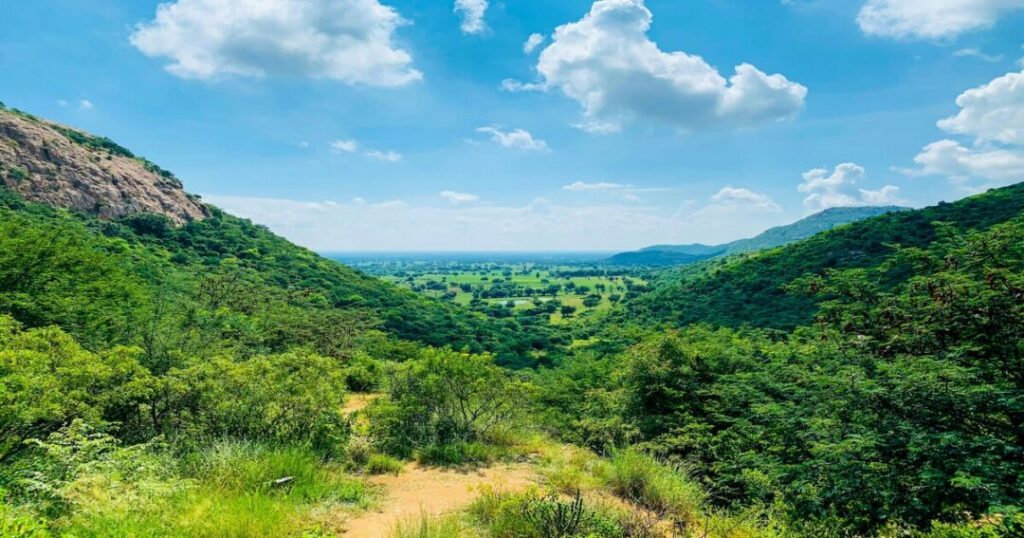
One of the most beautiful things about Telangana is how modern life and traditional culture exist together.
Cities like Hyderabad are rapidly growing as global technology and business hubs, yet traditional festivals, local languages, folk art, and cultural practices remain deeply respected and celebrated.
Young generations are increasingly reconnecting with Telangana’s roots through regional cinema, music, literature, social media, and cultural events. Traditional attire, folk songs, and regional pride are experiencing a strong revival among the youth.
This balance between progress and preservation is what keeps the culture of Telangana alive and evolving.
Why Telangana’s Culture Feels So Unique
What makes Telangana stand out is the emotional connection people have with their traditions.
The state’s culture is not limited to historical monuments or staged performances. It lives in everyday conversations, local festivals, family rituals, food, crafts, songs, and community celebrations.
Whether it’s women celebrating Bathukamma with flowers, artisans weaving Pochampally sarees by hand, folk artists performing ancient stories, or families gathering for traditional meals, Telangana’s culture continues to thrive naturally in daily life.
That is what makes the living traditions of Telangana so special — they are not disappearing with time. They are still growing, adapting, and inspiring future generations.
Also read: Your Ultimate Guide to Ziro Festival 2025: Music, Culture & Mountains
Why Telangana’s Traditions Still Feel Alive Today
The culture of Telangana is not frozen in the past — it continues to live, breathe, and evolve through the people who proudly carry it forward every day. From colorful festivals and timeless crafts to powerful folk traditions and historic architecture, Telangana offers a cultural experience that feels both deeply rooted and wonderfully alive. In a fast-changing world, the state continues to preserve its identity while embracing modernity, making its traditions even more meaningful today. For anyone looking to understand India beyond the usual tourist experiences, Telangana offers a journey into living heritage, community spirit, artistic brilliance, and traditions that continue to shape everyday life… Change the headline
FAQs About the Culture of Telangana
2. What are the major festivals celebrated in Telangana?
Major festivals celebrated in Telangana include Bathukamma, Bonalu, Sankranti, Diwali, Ramzan, and Christmas.
3. What is the traditional art of Telangana?
Traditional art forms of Telangana include Oggu Katha, Perini Shivatandavam, Burrakatha, Nirmal paintings, and Pochampally weaving.
4. Why is Bathukamma important in Telangana culture?
Bathukamma is one of Telangana’s most important cultural festivals and symbolizes nature, womanhood, unity, and regional identity.
5. What are Telangana culture paintings known for?
Telangana culture paintings, especially Nirmal paintings, are known for their detailed craftsmanship, golden colors, and depictions of mythology and nature.
6. What food is famous in Telangana?
Popular Telangana dishes include Hyderabadi biryani, Sarva Pindi, Pachi Pulusu, Jonna Rotte, and Sakinalu.