
745 Total Views
Lucknow gets called a food city or a history city depending on who you ask, and the honest answer is that it’s both at once, often on the same street corner.
The things to do in Lucknow span 18th-century Nawabi architecture, markets that have sold the same embroidery for generations, and kebabs that draw people back on their own. This guide covers the city’s core sights, its food, and a couple of solid day trips if you have extra time. Add anything that catches your eye to your Explurger Bucket List as you plan.
Things to Do in Lucknow India: Start with the Bara and Chota Imambara
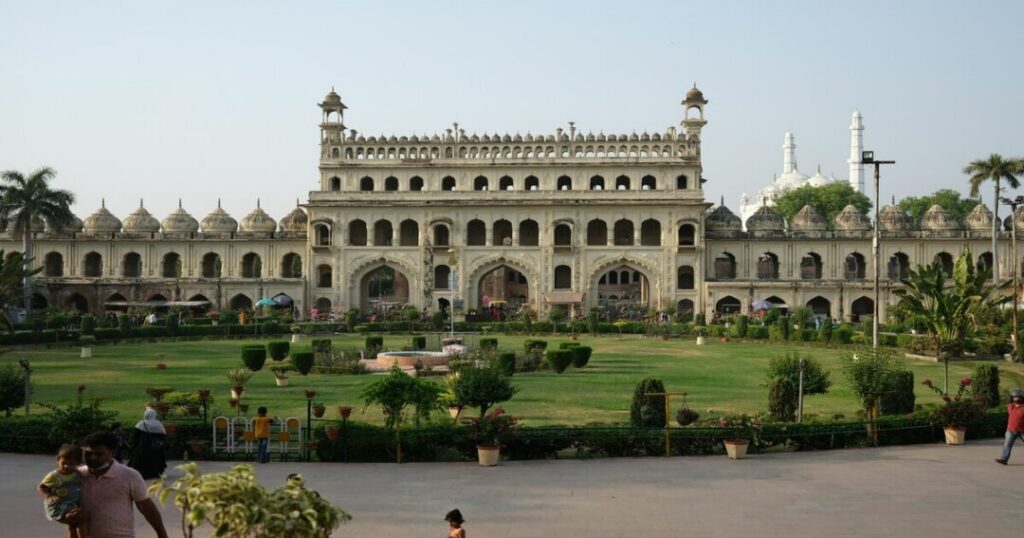
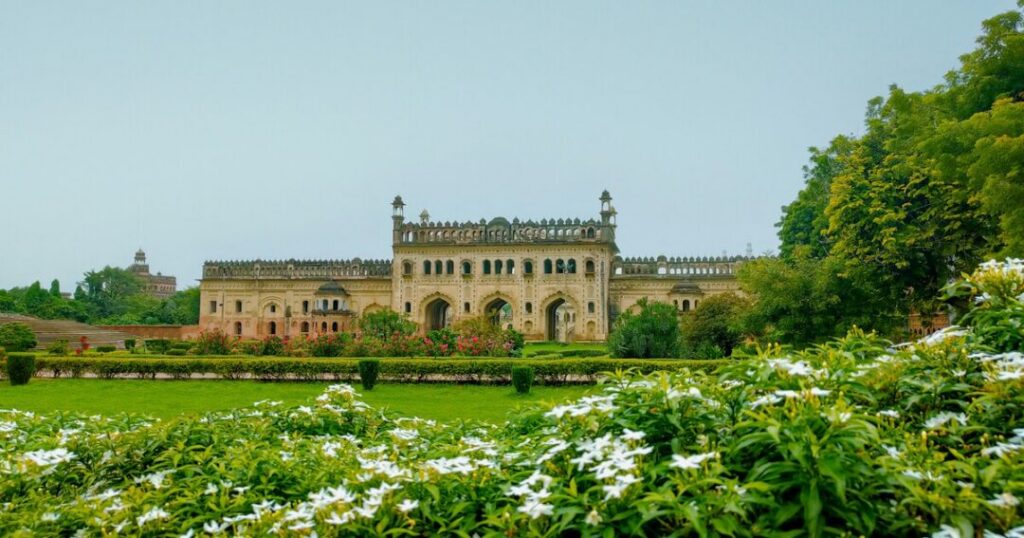
Among the essential things to do in Lucknow, India, the two Imambaras top nearly every list, and they represent two very different eras of Nawabi rule.
- Bara Imambara—Built in 1784 by Nawab Asaf-ud-Daula, partly as famine relief work for the city’s poor. Its main hall is one of the largest vaulted spaces in the world without external support beams, and the complex hides Bhul Bhulaiya, a maze of narrow passages built into the structure itself.
- Chota Imambara—Built in 1838 by Nawab Muhammad Ali Shah as a mausoleum for himself and his mother, known as the “Palace of Lights” for its chandeliers, several of which were imported from Belgium.
Things to Do in Lucknow: Visit Rumi Darwaza and the British Residency
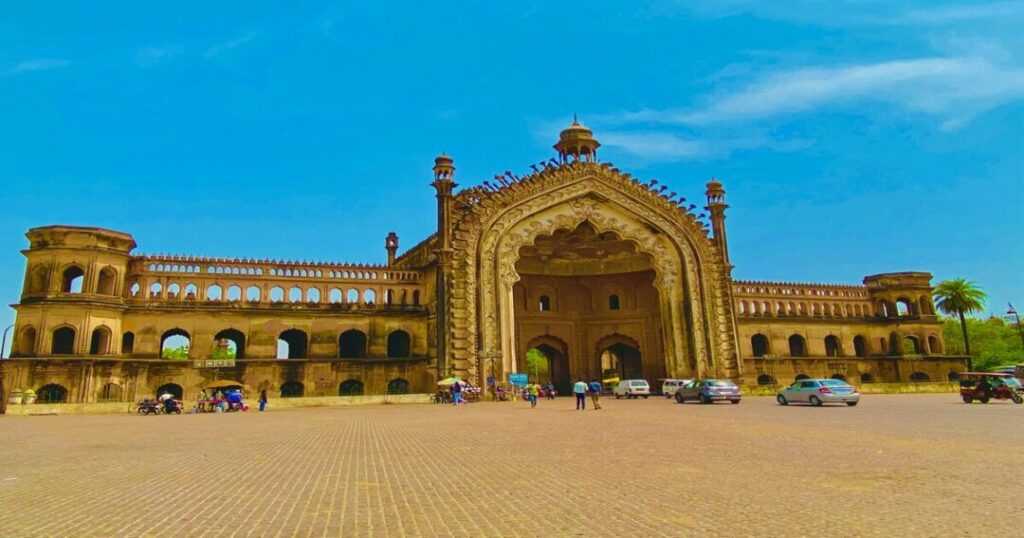
Beyond the Imambaras, these famous places in Lucknow round out the city’s core heritage circuit.
- Rumi Darwaza—A 60-foot gateway built in 1784, inspired by Constantinople’s architecture, and one of the most-photographed landmarks in the city, especially once lit up at night.
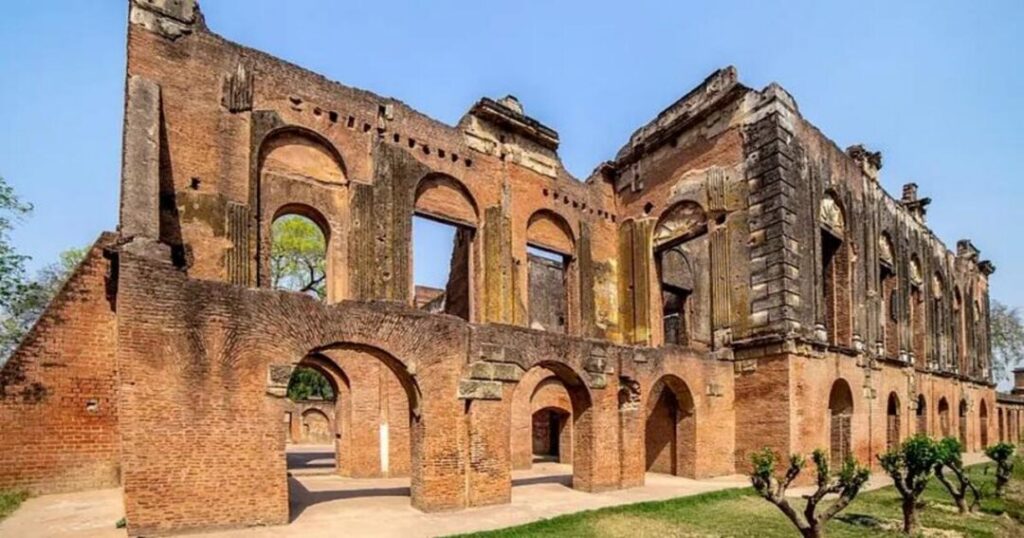
- British Residency—A complex that sheltered roughly 3,000 British residents during the 1857 Indian Rebellion. The ruins still carry visible cannon marks and bullet holes, making it one of the more sobering stops in the city.
Also read: Things to Do in Varanasi: The Complete Guide to Kashi, Banaras & the Eternal City
Nawabi Flavors & Chikankari: Things to Do in Lucknow

No list of famous things in Lucknow is complete without its food and craft traditions, both centuries in the making.
- Tunday Kababi (Chowk)—Home of the galouti kebab, a finely minced mutton patty reportedly built from a spice blend of over 100 ingredients, created to suit a toothless nawab who still wanted to eat kebabs.
- Awadhi biryani—Slow-cooked using the dum method, sealing the pot to cook rice and meat together over low heat, a technique refined in the royal kitchens of Awadh.
- Chikankari embroidery—best found in Chowk Market, alongside handcrafted perfumes (ittar) and traditional Nawabi artifacts.

Traveller’s Experience
[QUOTE: “We went to Tunday Kababi expecting hype and left understanding exactly why it’s survived this long — the kebab genuinely melts before you finish chewing.” — suggested source: food travel blogger or TripAdvisor review]
Explore Hazratganj and Chowk Market: Things to Do in Lucknow
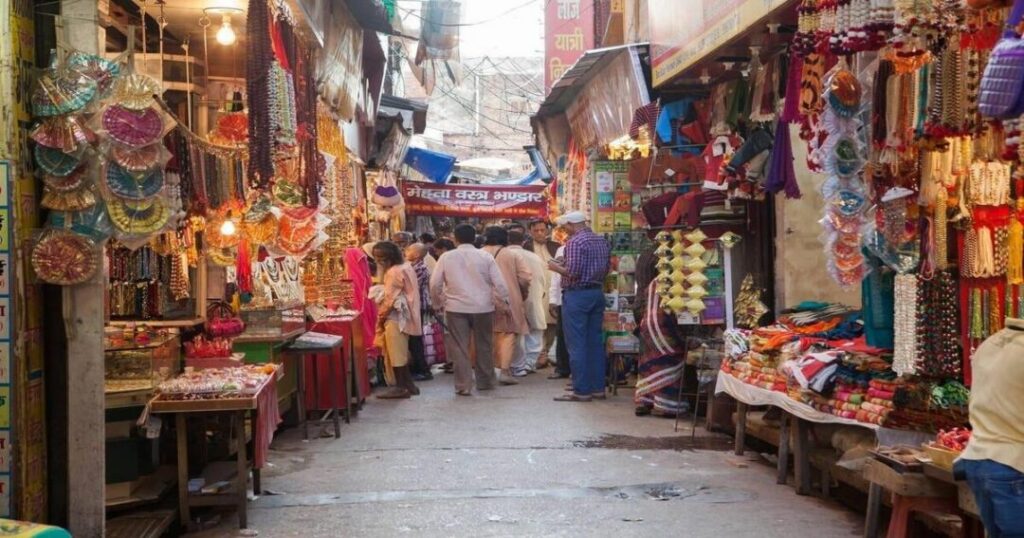
For a slower pace, Lucknow’s sightseeing through its markets tells you as much about the city as its monuments do.
- Hazratganj—The city’s central shopping and food street, known for its street food stalls alongside kebabs, biryani, and chaat.
- Chowk Market—The older, more traditional counterpart, built around chikankari embroidery, perfume makers, and small eateries that have operated for generations.
Sightseeing in Lucknow City for Parks & Modern Landmarks
Not everything worth sightseeing in Lucknow City is centuries old. A few modern additions have become genuine attractions in their own right.
- Ambedkar Memorial Park—A large park built with red sandstone architecture, popular for photography and evening walks.
- Janeshwar Mishra Park—One of Asia’s larger urban parks, a good stop for families wanting green space away from the older city’s crowds.
- Lucknow Zoo—A straightforward, family-friendly stop if you’re traveling with kids.

Not sure how to fit the city’s history and food scene into a short trip? Ask NIVU AI in the Explurger app to build a day-by-day plan based on how much time you have and whether monuments or markets matter more to you.
Also read: Varanasi Food: The Complete Guide to Banaras Street Food, Dishes & Famous Sweets
Beyond Sightseeing: Things to Do in Lucknow

A few activities to do in Lucknow go beyond just visiting monuments and add real texture to a trip.
- Join a heritage walk through the old city, usually covering Chowk, the Imambaras, and nearby lanes with a local guide.
- Time a visit around Lucknow Mahotsav, the city’s winter cultural festival, for music, food stalls, and craft exhibitions in one place.
- Spend an evening simply eating your way through Hazratganj rather than sticking to a single restaurant.
Best Time to Visit Lucknow
- October to March: The most comfortable window for walking between monuments and markets, with cool, pleasant weather.
- April to June: Hot, though still manageable if you lean toward indoor markets and shopping during the afternoon.
- July to September: Monsoon season, greener and quieter, with fewer crowds at major sites.
How to Reach Lucknow
- By Air: Chaudhary Charan Singh International Airport is about 13.4 km from the city center, connected to major Indian cities, and linked to the rest of Lucknow via the metro’s red line.
- By Rail: Lucknow Charbagh and Lucknow Junction are the two main stations, both within roughly 3–3.6 km of the city center; trains like the Jan Shatabdi connect Delhi to Lucknow in about 6–7 hours.
- Getting around: The Lucknow Metro and local taxis cover most of the city’s main sights, making a private car unnecessary for a typical visit.
Also read: Chitrakoot Attractions: Best Things to Do & Places to Visit
Day Trips to Ayodhya & Naimisharanya: Things to Do in Lucknow
If you have an extra day, a few places to visit near Lucknow are close enough for a comfortable round trip.
- Ayodhya—About 140 km away, roughly a 3-hour drive, known as the birthplace of Lord Ram, with Ram Janmabhoomi, Hanuman Garhi, and Kanak Bhawan among its main sites.
- Naimisharanya—About 95 km away, roughly 2 hours by road, a quieter riverside pilgrimage town known for its ghats and temples like the Lalita Devi Temple.
- Prayagraj—About 202 km away, home to the Sangam, the meeting point of the Ganga, Yamuna, and mythical Saraswati rivers.
Other places to go near Lucknow worth considering include Kanpur, a shorter industrial-city stop, and Shravasti, a quieter Buddhist pilgrimage site further out. Whichever you pick, these day trips work best as a dedicated extra day rather than squeezed into your main Lucknow itinerary.
Conclusion: Things to Do in Lucknow
Lucknow rewards travelers who slow down enough to actually taste it: a kebab at Tunday Kababi, an evening walk through Rumi Darwaza once it’s lit up, and a market stroll through Chowk that has nothing to do with a checklist. Whether history, food, or a day trip to Ayodhya is the draw, the things to do in Lucknow hold up well over a full two or three days. Save your shortlist to your bucket list, and your automatic travelogue will have the whole trip mapped once you’re back.
Make every adventure count — get the Explurger app before you go.
Start with Bara Imambara in the morning, kebabs by evening, and build the rest of your Lucknow trip around whatever pulls you back for seconds.
FAQs About Things to Do in Lucknow
2. What is Lucknow famous for?
Lucknow is famous for its Nawabi-era architecture, including the Bara and Chota Imambaras, its refined Awadhi cuisine like galouti kebabs and dum biryani, and chikankari embroidery. The city is often nicknamed the "City of Nawabs" for the cultural legacy left by its 18th and 19th-century rulers.
3. How many days do you need in Lucknow?
Two days are generally enough to cover the main monuments, markets, and food spots without rushing. A third day is worth adding if you want to include a day trip to Ayodhya or Naimisharanya.
4. What are some places to see near Lucknow for a day trip?
Ayodhya (about 140 km away) and Naimisharanya (about 95 km away) are the two most popular day-trip options, both reachable in 2–3 hours by road. Prayagraj is a longer but still doable option for travelers with a full extra day to spare.
5. What food should I try in Lucknow?
Galouti kebabs at Tunday Kababi and Awadhi dum biryani are the two dishes most associated with the city, both rooted in techniques developed in royal Nawabi kitchens. Hazratganj and Chowk are the two best areas to sample a wider range of street food alongside these signature dishes.
6. Is Lucknow good for a family trip?
Yes, Lucknow works well for families thanks to accessible monuments, parks like Janeshwar Mishra Park, and Lucknow Zoo as an easy, low-effort stop. Most major sights involve manageable walking distances rather than strenuous activity.
7. What is the best time to visit Lucknow?
October through March offers the most comfortable weather for sightseeing and walking between monuments, while summer (April–June) is hot but still workable with more indoor activities. Monsoon season (July–September) brings greenery and fewer crowds, though with the usual rainfall unpredictability.