
671 Total Views
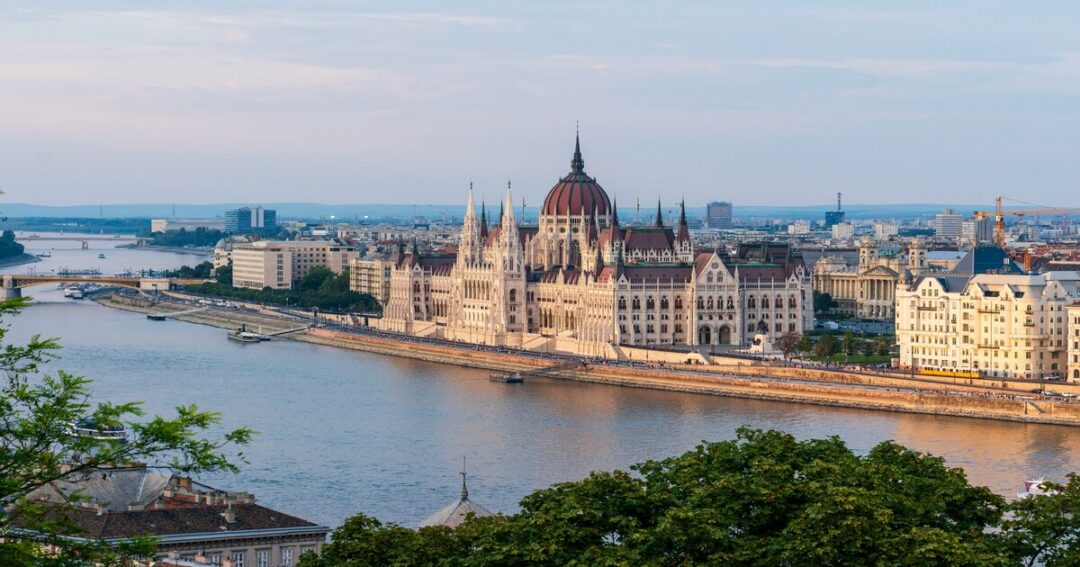
Budapest is one of those rare cities that actually gets better with a crowd. The thermal baths, the ruin bars, the parliament building reflecting in the Danube at night — all excellent on a quiet Tuesday. But when hundreds of thousands of festival-goers descend on an island in the middle of the city, or when Buda Castle transforms into a wine tasting room with views that belong in a film, or when every concert hall in town is full for two weeks in spring — that’s when you realise Budapest was built for exactly this. The city’s Budapest festival calendar runs from spring to winter, from classical music to reggae to palinka. This is your season-by-season guide to the best Budapest festivals.
Budapest Spring Festival — Late April to Mid-May | The Cultural Flagship
When: Approximately late April to mid-May (two-week run, check official dates each year)
Where: Multiple venues across Budapest
Genre: Classical, opera, jazz, dance, theatre
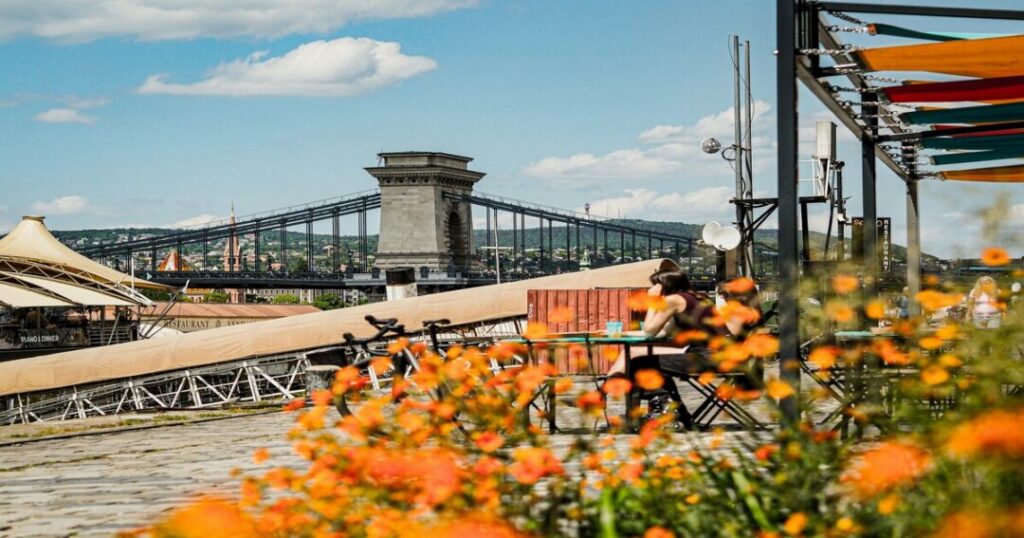
The Budapest Spring Festival (Budapesti Tavaszi Fesztivál) is the largest annual cultural festival in Hungary, founded in 1981 and one of Central Europe’s most prestigious arts events. For approximately two weeks, around 150 programs spread across 40+ venues, including the Hungarian State Opera House and the Palace of Arts (MÜPA). Classical concerts, opera, ballet, contemporary dance, jazz, and visual arts all on the same programme. This is Budapest doing what Budapest does best — serious culture in beautiful buildings at prices that make Vienna look absurd.
Cultural note: The festival has always been Hungary’s flagship spring arts event and a deliberate statement about Budapest’s place among Europe’s great cultural capitals. Programming spans everything from Hungarian folk traditions to contemporary international acts — a genuine survey of what European arts culture looks like right now.
How to attend:
- Tickets range across a wide price band depending on performance; book headliner shows well in advance through the official festival website
- Venues spread across the city — check the programme carefully as each evening is at a different location
- The Opening Parade through central Budapest streets is free and sets the tone for the whole two weeks
Also Read: Bratislava Festivals: The Complete Guide to the Best Events in Slovakia’s Capital
Café Budapest Contemporary Arts Festival — October/November | Cultural Deep Cut
When: Approximately late October to early November (check official dates each year)
Where: Multiple venues
Genre: Contemporary arts, dance, theatre, film
Formerly the Budapest Autumn Festival, Café Budapest focuses on contemporary and experimental arts — a counterweight to the Spring Festival’s classical leanings. Contemporary dance, theatre, installations, film, and performance art across a network of venues in the city. Less famous than the summer music festivals, less touristy than the Wine Festival, and more likely to genuinely surprise you.
Cultural note: Budapest has a rich tradition of contemporary arts that rarely gets the international attention it deserves — Café Budapest exists precisely to platform this, bringing Hungarian and international experimental work to audiences who want something beyond the symphony.
How to attend:
- Check the official festival website for programme and dates each year
- Many performances are free or very low cost; the ticketed events are affordable by Western European standards
- Located primarily in Budapest’s inner districts — all easily accessible by metro
Summer — June, July & August | Peak Budapest Festival Season
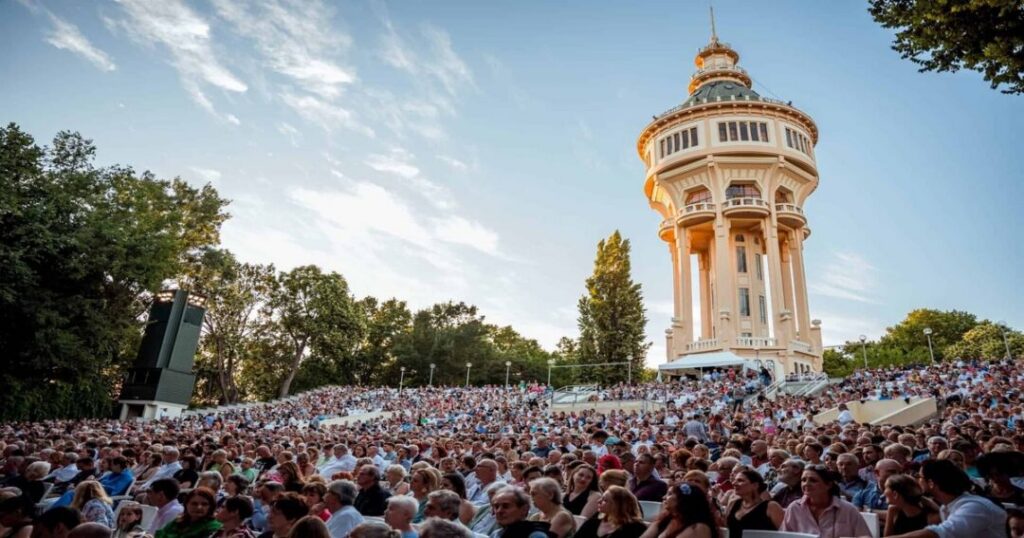
Open-Air Concert Season — June to September | Live Music All Summer
When: Approximately June to September (multiple events weekly)
Where: Dedicated open-air venue in District XI
Genre: Rock, indie, pop, electronic, world music
Budapest’s main outdoor music venue runs as an ongoing summer festival season from approximately June through September — not a single event but a full season of concerts, with multiple shows per week across genres. It’s where Budapestians go when they want live music without the full festival commitment. The venue holds several thousand people in an open-air setting.
Cultural note: The outdoor concert season fills the gap between the big week-long festivals and the city’s indoor venue circuit — it has become a cultural institution for the city’s music scene, particularly for rock and alternative acts touring Central Europe.
How to attend:
- Individual show tickets available through the venue’s website; prices vary by artist
- Reachable by tram from the city centre — check the venue’s travel information for the best route
- Arrive early to get a spot on the grass; the venue has good food and a beer garden
St. Stephen’s Day Celebrations — August 20 | The National Holiday
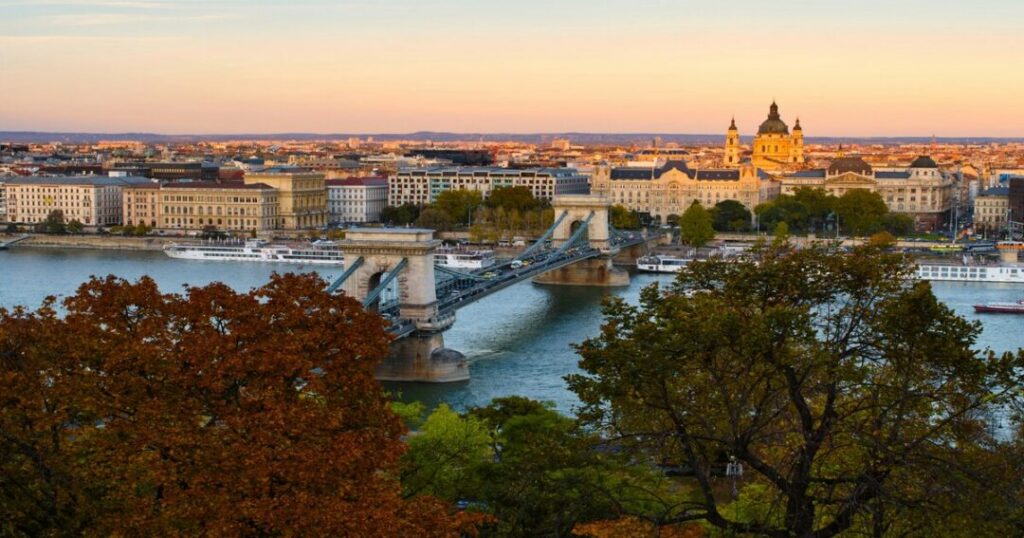
When: August 20 annually
Where: City-wide, centred on the Danube and Buda Castle
Free
August 20 is Hungary’s most important national holiday — St. Stephen’s Day (Szent István-nap), celebrating the foundation of the Hungarian state by King Stephen I in 1000 AD. In Budapest, the day involves a massive fireworks display over the Danube (one of the largest in Europe), outdoor concerts across the city, folk dance performances, craft fairs, traditional food stalls, and the ceremonial display of historic royal regalia at St. Stephen’s Basilica.
Cultural note: St. Stephen (István I) converted Hungary to Christianity and organised the medieval Hungarian state — his feast day has been celebrated for over a thousand years. The fireworks over the Danube are one of the most spectacular free events in all of Europe; the entire city turns out and the bridges fill with spectators.
How to attend:
- Entirely free; the fireworks begin after dark and last approximately 30 minutes
- The Danube embankment on both sides and the bridges offer the best views — arrive well before nightfall for a good position
- The Buda Castle area hosts the day’s folk programme; the Pest embankment is more crowded but has the best river views
Sziget Festival — Mid-August | The Island of Freedom
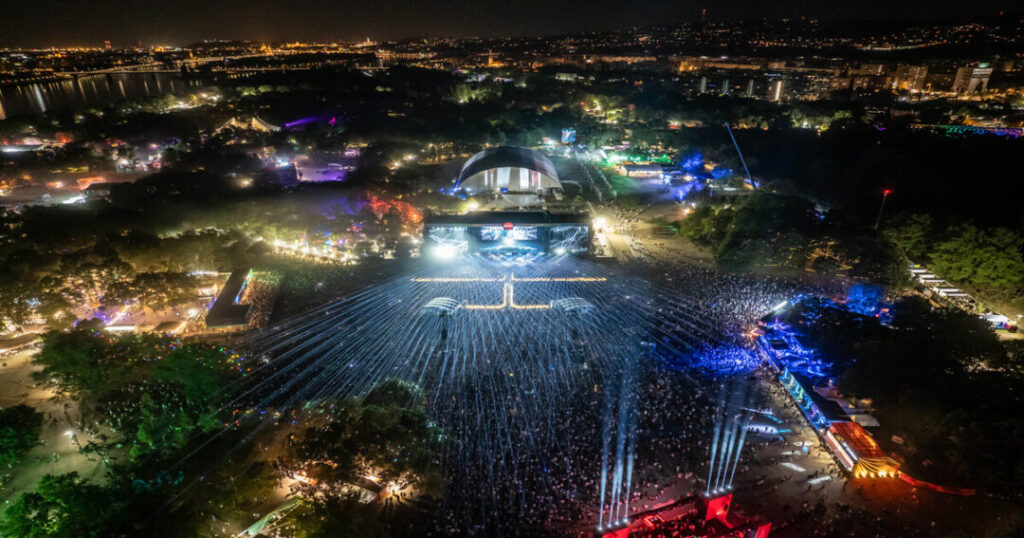
When: Approximately mid-August (five-day run, check official dates each year)
Where: Óbuda Island (Hajógyári-sziget), Budapest
Genre: Multi-genre — rock, pop, electronic, indie, world
If you know one thing about Budapest festivals, it’s Sziget. Founded in 1993 as a modest student gathering called “Diáksziget” (Student Island), it has grown into one of Europe’s largest and most diverse music festivals, consistently ranked alongside Tomorrowland, Roskilde, and Primavera Sound as one of the continent’s biggest events. In a typical year, over 400,000–500,000 people from more than 100 countries pass through its gates. The festival is held on Óbuda Island — a large island in the Danube, accessible by bridge from downtown. Over 1,000 shows across 60+ stages across five days.
Cultural note: Sziget began at a time when Hungary was just a few years out of communism — a generation of young Hungarians creating their own cultural event from scratch. That spirit of creative self-determination is still embedded in the festival’s identity: thematic zones for social discussions, arts and circus programming, sports, and the main stages are all part of the same universe. Zones include spaces for intellectual talks, circus and theatre, and sports activities alongside the music.
How to attend:
- Multi-day passes and day tickets available at the official festival website; check for instalment payment options which are often available
- Camping on-site is the Sziget way — the island becomes its own city; if you prefer a hotel, the city is easily accessible from the island by bridge and metro
- Move-in day is typically the day before the festival officially starts — arrive then for the best camping spots
- Check the official website for transport options to the island — shuttle buses run from various city points
- Carry valid photo ID — ticket exchange requires identification
Also Read: Winter Wonders: Top 5 Travel Destinations for Solo Travelers
Autumn — September & October | Wine, Culture & October Budapest Festival

Budapest International Wine Festival — Early September | The Most Beautiful Wine Event in Europe
When: Approximately early September (four-day run, check official dates each year)
Where: Buda Castle (UNESCO World Heritage Site)
Genre: Wine, food, folk music, jazz
The Budapest Wine Festival is Europe’s most beautifully located wine event — four days in the courtyards and terraces of Buda Castle, one of Europe’s most dramatic UNESCO World Heritage Sites, overlooking the Danube. Over 1,000 wines from more than 200 wineries — primarily Hungarian but with international guests — plus folk music, jazz, traditional dance, a Harvest Procession, and enough goulash to fuel a small army. The festival has been running since 1991 and is one of the most established wine events in Central Europe.
Cultural note: Hungary has one of the oldest and most underappreciated wine cultures in Europe — Tokaj wine has been produced since at least the 16th century and was called “wine of kings and king of wines” by Louis XIV. The Wine Festival exists to celebrate this tradition against the backdrop of Buda Castle, which has been sitting above the Danube since the 13th century. The VinAgora International Wine Competition — one of Hungary’s most prestigious wine contests — runs as part of the festival.
How to attend:
- Tickets: day tickets and multi-day wristbands available online and at castle gate ticket booths; check the official festival website for current pricing
- Entry typically includes a crystal wine tasting glass and one free tasting at the competition stand
- Entry also gives access to the Budapest History Museum on-site during festival hours
- Getting there: bus connections from major metro stops in Buda; the funicular from the Buda end of the Chain Bridge is the most scenic option
- Operating hours: approximately afternoon to midnight on most days
Winter — December | Budapest Christmas Markets
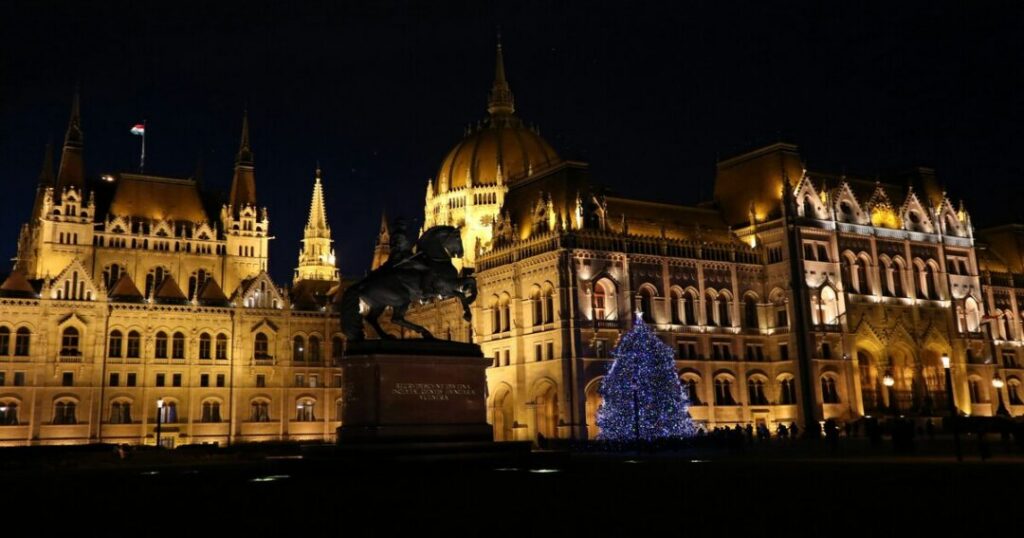
Budapest Christmas Market — Late November to Early January | Classic Winter Magic
When: Approximately late November to early January (check official dates each year)
Where: Main city square and near St. Stephen’s Basilica F
ree entry
Budapest’s Christmas markets are genuinely excellent — compact, beautifully decorated, and set against some of the city’s finest architecture. The main market fills the city’s most elegant public square with wooden stalls, mulled wine (forralt bor), chimney cakes (kürtőskalács), handmade crafts, and live folk and classical music. A secondary market near St. Stephen’s Basilica is smaller and slightly more upscale, with the illuminated neo-classical façade providing the backdrop.
Cultural note: Hungarian Christmas traditions are deeply embedded in the country’s Catholic heritage and folk culture — the market crafts reflect centuries of Hungarian woodworking, embroidery, and ceramic traditions. Kürtőskalács (chimney cake), heated over charcoal and rolled in cinnamon sugar, is the undisputed champion of the festival food.
How to attend:
The final days before Christmas are the busiest — plan accordingly
Free entry to both markets; food and crafts are paid
The main square is directly on the city’s oldest metro line — cannot be easier to reach
Markets typically run from late morning to around 10 PM; come on a weekday morning for the most peaceful experience
Conclusion Budapest festivals
The complete Budapest festivals calendar by season:
- Late April–mid-May: Budapest Spring Festival (founded 1981, ~150 events, 40+ venues)
- June–September: Open-air concert season (ongoing programme)
- Mid-August: Sziget Festival (400,000–500,000 attendees, 60+ stages, Óbuda Island)
- August 20: St. Stephen’s Day (free fireworks over the Danube — one of Europe’s best)
- Early September: Budapest Wine Festival (Buda Castle, 1,000+ wines, since 1991)
- Late October/November: Café Budapest Contemporary Arts Festival
- Late November–early January: Christmas Markets (main square + near the Basilica)
Budapest doesn’t do boring seasons. The Budapest music festival scene in August alone — Sziget plus the open-air concert season plus St. Stephen’s Day fireworks — would justify the trip. Add the Wine Festival in September and the Christmas markets in winter and you’ve got a city that earns a return visit every season.
Download the Explurger app to discover what other festival-goers recommend in Budapest, find events happening right now, and log every concert, glass of Tokaj, and kürtőskalács on your trip.
The wine is cooling in Buda Castle. The island is already setting up its stages. Budapest doesn’t wait.
FAQs About Budapest Festivals
2. When is Sziget Festival in Budapest?
The Sziget Festival Budapest takes place each year in approximately mid-August and runs for five days. It is held on Óbuda Island in the Danube, accessible by bridge from central Budapest. Founded in 1993, Sziget now attracts 400,000–500,000 visitors from 100+ countries across five days and 60+ stages. Check the official Sziget website for confirmed dates and tickets each year — they typically go on sale several months in advance and early booking is strongly recommended.
3. When is the Budapest Wine Festival?
The Budapest Wine Festival takes place each year in approximately early September at Buda Castle — a UNESCO World Heritage Site. The festival has been running since 1991 and features over 1,000 wines from 200+ wineries, folk music, jazz, and the traditional Harvest Procession. Tickets include a crystal tasting glass and access to the Budapest History Museum within the castle complex. Check the official festival website (aborfesztival.hu) for current year dates and ticket prices.
4. What Budapest festivals are in June and July?
For a Budapest festival June or Budapest festival July experience, the best option is Budapest's dedicated open-air music venue in District XI, which runs a full concert season from approximately June through September. Multiple shows per week across rock, indie, pop, and electronic genres — check the venue's website for the current summer programme. Various smaller city garden events and open-air cinema screenings also run throughout June and July across Budapest's parks and squares.
5. What Budapest festivals are in October?
Budapest festival October options include the Café Budapest Contemporary Arts Festival (approximately late October to early November — contemporary dance, theatre, film, and installations across multiple venues) and occasional wine and food events that extend into autumn. October is one of the most pleasant months to visit Budapest — mild temperatures, fewer crowds than August, and the cultural season in full swing with theatres and concert halls all active.
6. What is the Budapest Spring Festival?
The Budapest Spring Festival (Budapesti Tavaszi Fesztivál) is the largest annual cultural festival in Hungary — founded in 1981. It runs for approximately two weeks in late April to mid-May, with around 150 events at 40+ venues including the Hungarian State Opera House and Palace of Arts (MÜPA), covering classical music, opera, ballet, jazz, contemporary dance, and theatre. Check the official festival website (btf.hu) for current year dates and tickets. The Opening Parade through central Budapest is free.