

1,262 Total Views
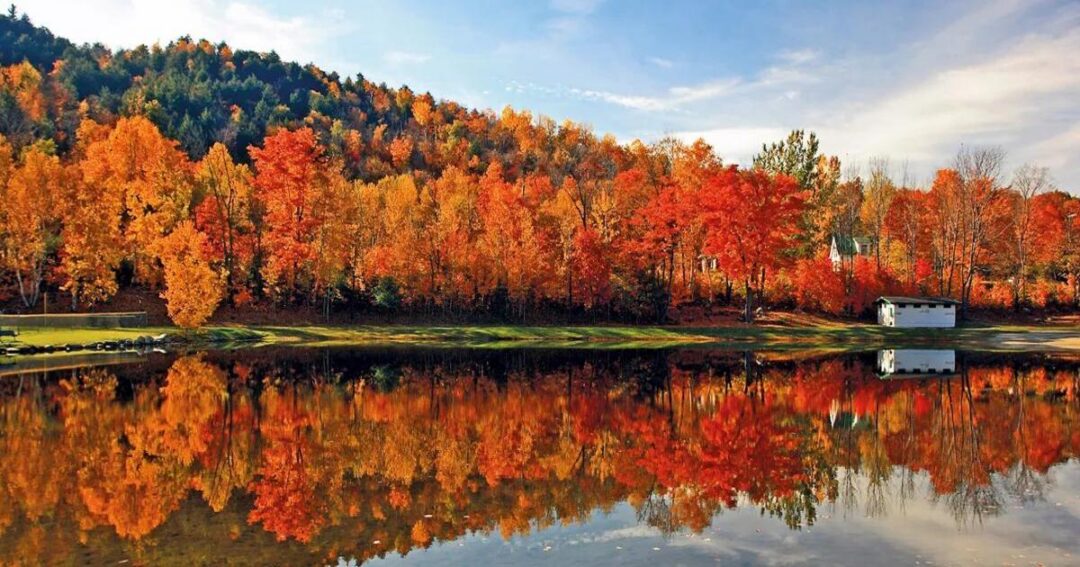
An autumn destination doesn’t have to mean a specific country—the season itself repeats the same trick everywhere it happens: deciduous trees turning color in a fairly predictable west-to-east or north-to-south wave, timed to a few precise weeks that shift slightly every year. Some of the best places to visit in autumn happen to be world-famous for it—a former Mughal garden with 700 surviving plane trees, a Japanese city where temple gardens turn red on cue—while others are worth knowing about simply because they’re closer to wherever you happen to be. This guide covers both.
Best Autumn Destination Picks Around the World
These four destinations anchor most serious autumn travel planning, each for a different reason—trees, temples, gardens, or wildlife.
New England, USA: The Foliage Road Trip Benchmark
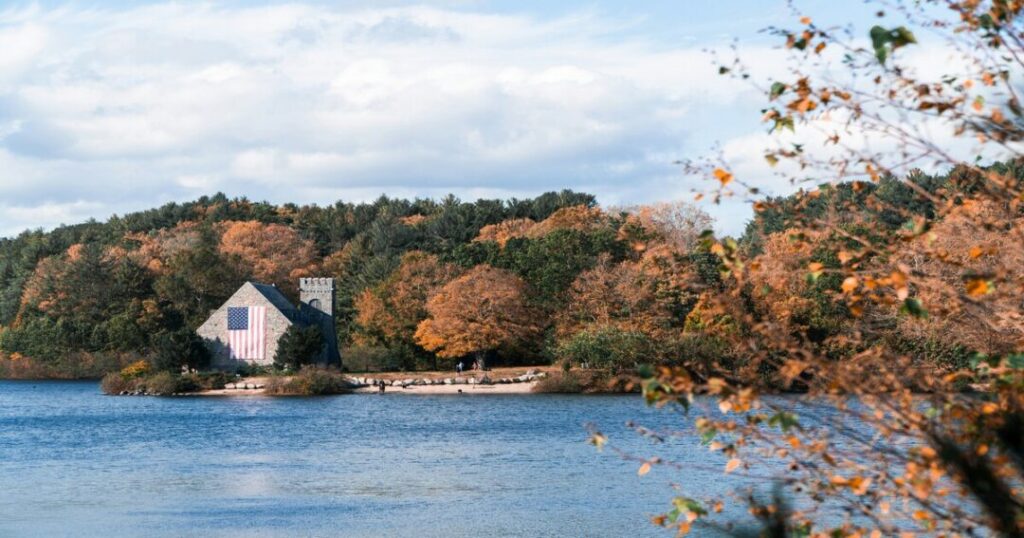
[STAT: New England’s fall foliage typically peaks during the first two weeks of October, though timing varies by region—northern Vermont (East Burke, Jay Peak) colors first in late September, the White Mountains and Vermont’s Northeast Kingdom peak in the first week of October, central Vermont and the Berkshires follow in weeks two and three, and coastal areas like Boston and Portland, Maine, hold their color into late October—New England Wanderlust]
- The foliage progresses geographically north to south and inland to coastal, so a single well-timed week rarely catches every region at peak—most repeat visitors pick one corridor (northern Vermont, the White Mountains, or the Berkshires) rather than trying to chase the whole wave.
- Recent years have run color slightly behind schedule by a few days to a week, so treat published peak-week estimates as a guide rather than a guarantee.
Also Read: Best Countries to Visit in Autumn 2026: 14 Destinations Worth the Trip
Kyoto, Japan: Temple Gardens Built Around Autumn
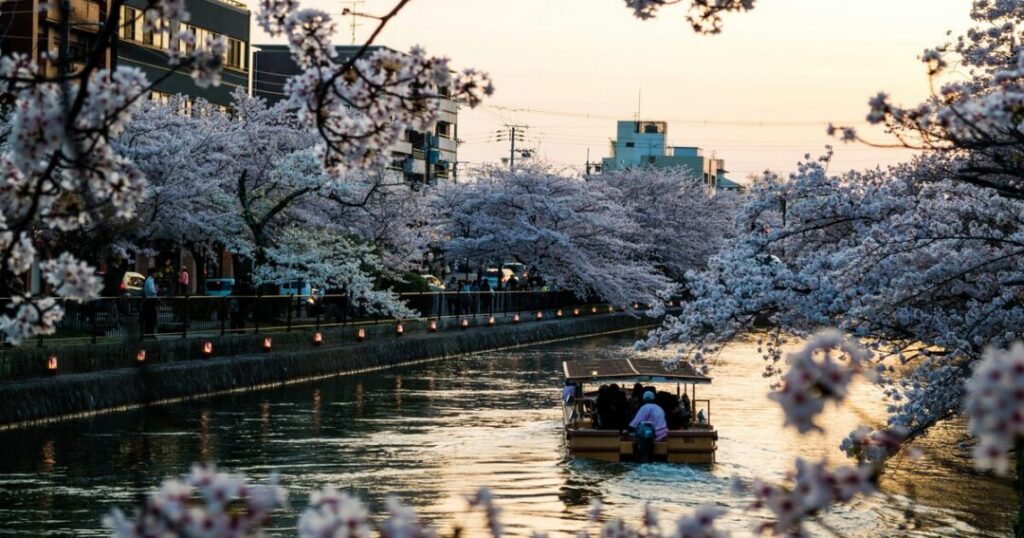
[STAT: Kyoto’s autumn colors generally peak in the second half of November, with early-season spots like Takao and Sanzen-in turning a few days ahead of the city center; Tofukuji Temple’s Tsutenkyo Bridge, the Arashiyama district’s Tenryuji and Jojakkoji temples, Kiyomizudera’s wooded stages, and Eikando Temple’s evening illuminations are among the most celebrated viewing spots—Japan Guide]
- Kodaiji Temple’s illuminated maple reflections on its temple pond are a distinctly Kyoto experience—several temples extend visiting hours into the evening specifically for autumn light-up events.
- The season stretches into early December at some locations, giving a longer viewing window than many other autumn destinations manage.
Kashmir, India: 700 Chinar Trees at Naseem Bagh
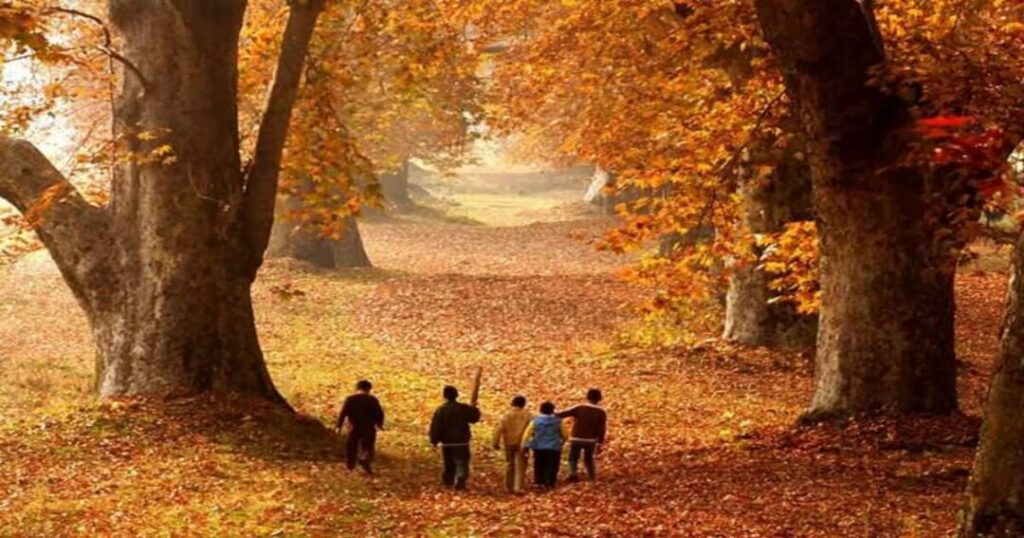
[STAT: Naseem Bagh was built by Mughal emperor Akbar in 1586, and in 1686 Shah Jahan planted over 1,200 chinar trees there, of which roughly 700 survive today; the garden is mostly visited between September and December, when the chinars turn a deep red-gold—Wikipedia]
- Kashmir’s autumn, locally called “Harud,” is considered by many longtime visitors as visually comparable to New England’s or Kyoto’s foliage seasons, just with far fewer international tourists competing for the same viewpoints.
Also Read: Experience Autumn in Kashmir this 2026: The Golden Season!
Scottish Highlands: Autumn Color Paired With the Deer Rut
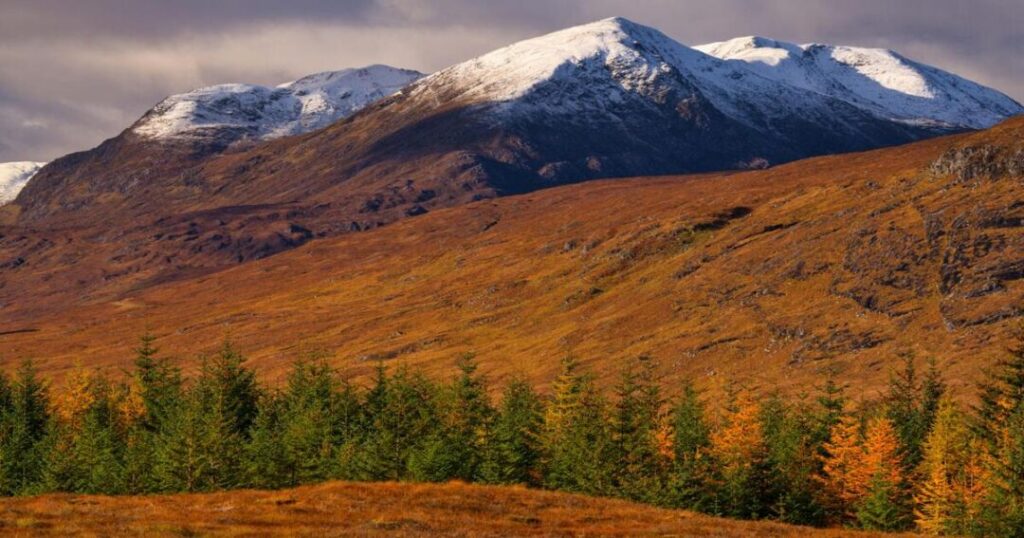
[STAT: the Scottish Highlands’ red deer rutting season runs from the end of September to early November, with stags competing for mates most visibly at dawn and dusk and losing up to 20% of their body weight during the rut—Eagle Brae]
- Autumn in the Highlands pairs the deer rut with cooling temperatures and changing heather and woodland color, making it one of the few destinations where wildlife spectacle and foliage season overlap almost exactly.
Finding Autumn Destination Places Near You
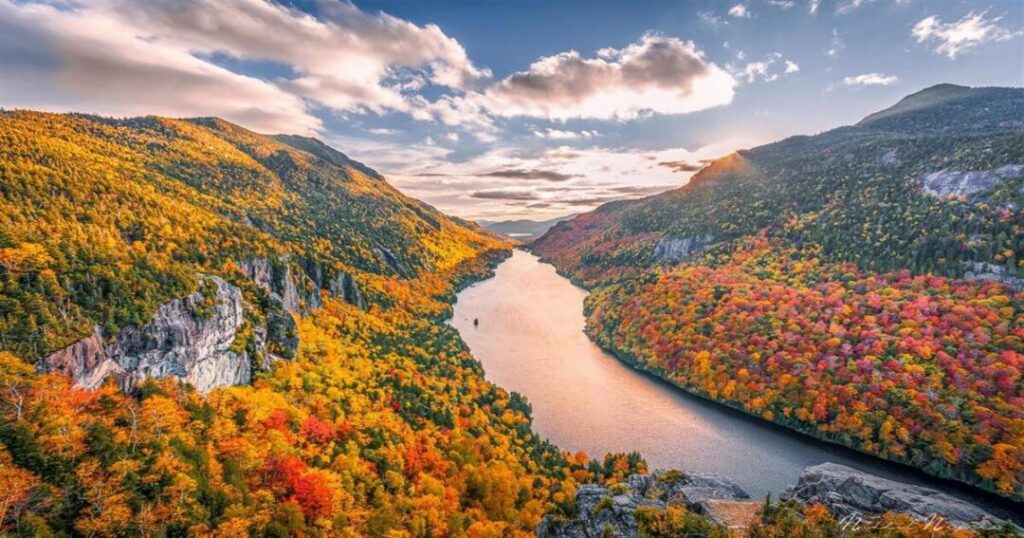
Search interest in autumn places to visit near me and best fall places to visit near me makes sense—most people don’t want to fly to Kyoto for a weekend of leaf-peeping. The good news is that the same principle behind all four destinations above (deciduous forest, elevation change, and a few predictable peak weeks) repeats at a smaller scale almost everywhere temperate seasons exist, so it’s worth translating these picks to your own region rather than only chasing the famous ones.
- In North America, the Adirondacks, the Blue Ridge Parkway, and Michigan’s Upper Peninsula all follow New England’s same north-to-south color progression, usually peaking a week or two apart from each other.
- In Europe, the Black Forest in Germany and France’s Alsace wine region offer a similar mix of forest color and small-town charm to the Scottish Highlands, on a gentler travel budget.
- In South Asia, Kashmir isn’t the only chinar-and-hillside option—Himachal Pradesh’s higher valleys and parts of Sikkim also turn color through October and November, worth checking if Kashmir itself is a longer trip than you have time for.
Autumn Destination Ideas for Wildlife & Scenic Escapes
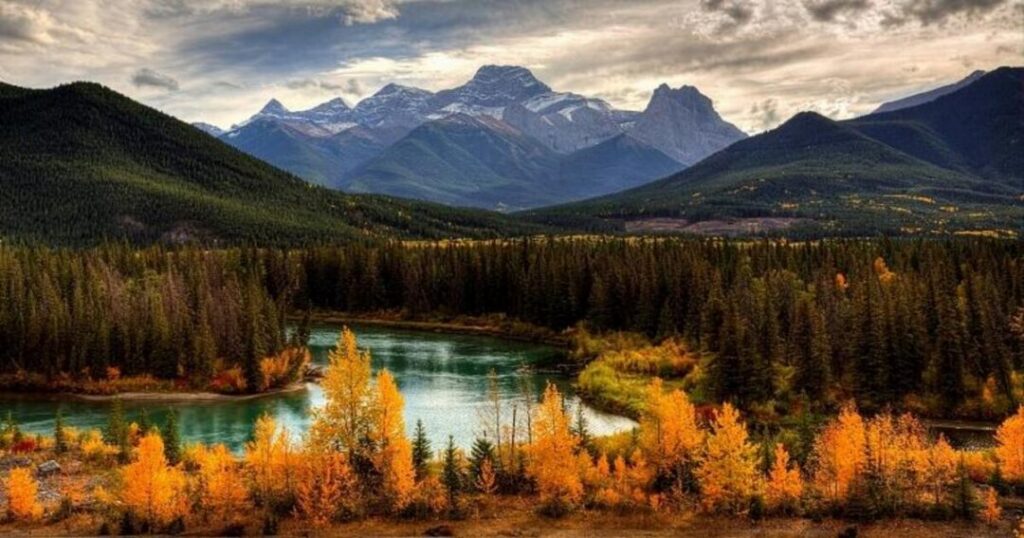
Among places to travel in the fall, the Scottish Highlands’ deer rut stands out because it’s a genuine wildlife event rather than just good scenery—dawn and dusk during late September through early November are when stags are most active and most visible. Kashmir’s Dal Lake, ringed by chinar trees at their most colorful from late September onward, offers a quieter, water-based version of the same seasonal spectacle, with houseboat stays putting the changing color right at the water’s edge rather than requiring a hike to reach it.
Autumn Destination Ideas for Every Type of Traveller
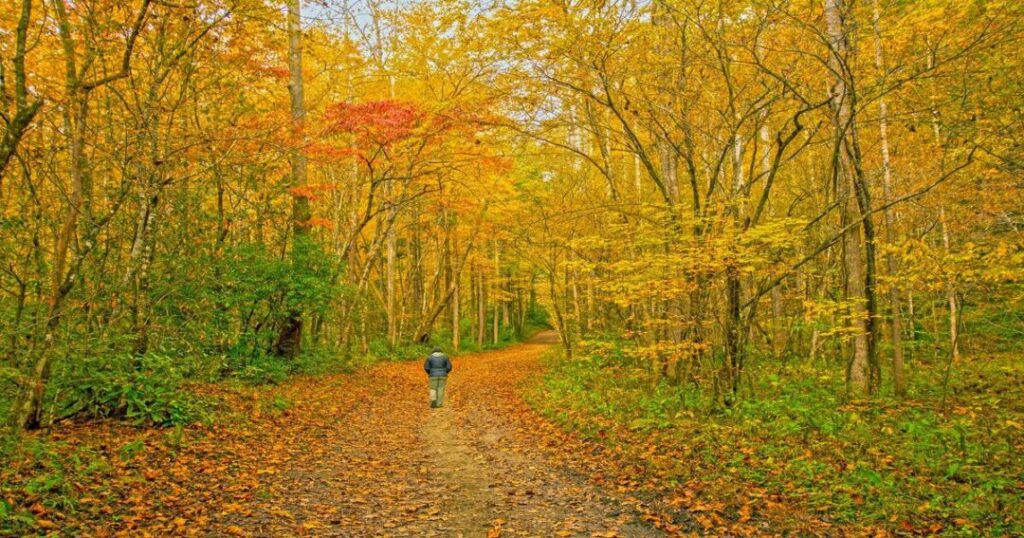
Not every one of these great fall vacations suits the same kind of trip. New England rewards a proper road trip, with peak color shifting week by week across a few hundred miles worth exploring by car. Kyoto works better as a city-based cultural trip, where temple-hopping and evening illuminations replace long drives entirely. Kashmir splits the difference—a houseboat stay on Dal Lake pairs naturally with day trips to Naseem Bagh and the surrounding hillsides. And the Scottish Highlands suit travellers who want their scenery paired with a specific, time-bound wildlife event rather than colour alone.
Conclusion: Autumn Destination Picks Worth Planning Around
Whether it’s 700 surviving chinar trees planted in 1686, a Kyoto temple pond lit up specifically to reflect its own maple canopy, or a Highland stag losing a fifth of its body weight over a few competitive weeks, an autumn destination worth the trip usually has one thing in common: a narrow, predictable window that rewards planning ahead rather than showing up whenever. Pick the one that matches how you actually like to travel, and build the trip around its specific peak weeks rather than a general “autumn” on the calendar.
Ready to plan your foliage season trip? Download the Explurger app and start building your autumn itinerary today.
FAQs About Autumn Destination
2. What are the best places to visit in autumn for foliage specifically?
For foliage alone, New England (peaking in the first two weeks of October, varying by region) and Kyoto (peaking in the second half of November) are the two most internationally recognised options, while Kashmir's chinar trees offer a comparable but far less crowded alternative from September through December.
3. How do I find autumn places to visit near me?
Look for the same conditions that make famous autumn destinations work: deciduous forest, some elevation change, and a region with a clearly defined peak color window. In North America that often means the Adirondacks or Blue Ridge Parkway; in Europe, the Black Forest or Alsace; and in South Asia, Himachal Pradesh or Sikkim alongside Kashmir.
4. When is the best time to see fall foliage in New England?
The first two weeks of October generally offer peak color across most of New England, though timing varies by region — northern Vermont and the White Mountains peak earliest in late September and early October, while coastal areas like Boston and Portland hold color into late October.
5. What makes Kashmir a good autumn destination?
Kashmir's Naseem Bagh garden, built by Akbar in 1586, still holds roughly 700 of the 1,200-plus chinar trees Shah Jahan planted there in 1686, turning deep red-gold each autumn between September and December. Its Dal Lake setting also allows houseboat-based viewing of the same seasonal color.
6. What are good places to travel in the fall for wildlife?
The Scottish Highlands are the standout choice for combining wildlife with autumn color, thanks to the red deer rutting season running from late September to early November, best observed at dawn and dusk when stags are most active.