

1,351 Total Views
Working out the best places to see the northern lights this winter means weighing a few things at once: how dark the sky gets, how often clouds get out of the way, and how far you’re willing to travel to stand under the aurora oval. Some of the most reliable spots on Earth for this sit in Scandinavia and northern Canada, but the list below also includes one destination going into its own winter season on the opposite side of the planet — because “this winter” means something different depending on which hemisphere you’re standing in. Here are seven places worth planning a trip around, plus how to actually choose between them.
Best Places to See the Northern Lights This Winter
These seven destinations consistently post the strongest aurora odds of anywhere in the world, each for a slightly different combination of latitude, climate, and season.
1. Tromsø, Norway
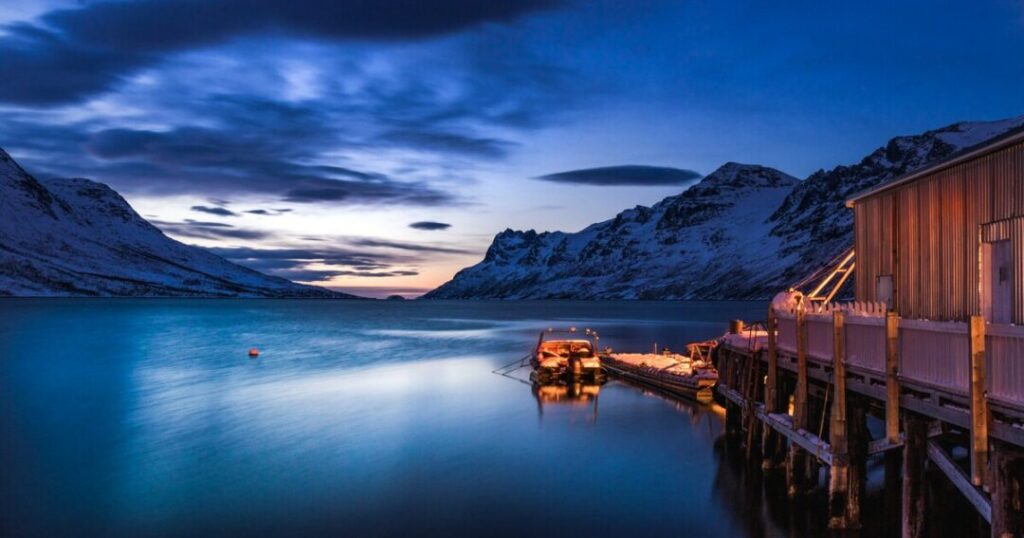
[STAT: January is Tromsø’s single best month with a 75-80% success rate over a 3-4 night stay, closely followed by December (75-80%) and February (70-75%); the December-February window benefits from the polar night’s near-constant darkness (0-2 hours of daylight) — tromsonorwaytours.com]
- Tromsø pairs its aurora odds with the most developed tourism infrastructure on this list — fjord cruises, dog-sledding, and direct flights from several European hubs — making it the easiest first-timer pick in Scandinavia.
2. Abisko, Sweden
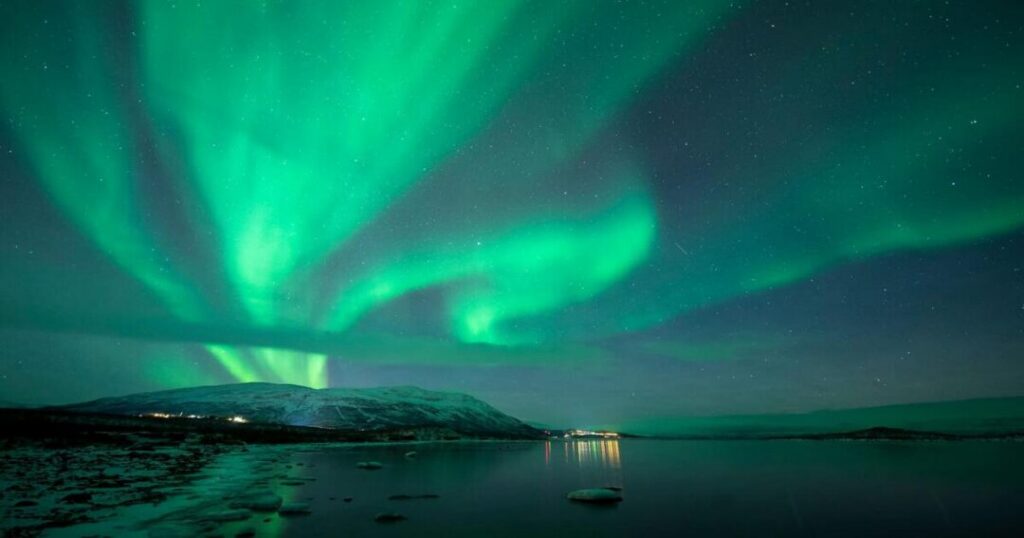
[STAT: Abisko National Park is frequently cited as having some of the best aurora odds on Earth, thanks to a microclimate “blue hole” that produces more clear skies than the surrounding Aurora Zone; its season runs October through March, with autumn offering equinox-boosted activity and open-water reflections — lightsoverlapland.com]
- Abisko trades Tromsø’s infrastructure for a genuinely remote, low-light-pollution setting — most visitors base themselves at a single mountain lodge built specifically around the aurora rather than a full city.
3. Rovaniemi, Finnish Lapland
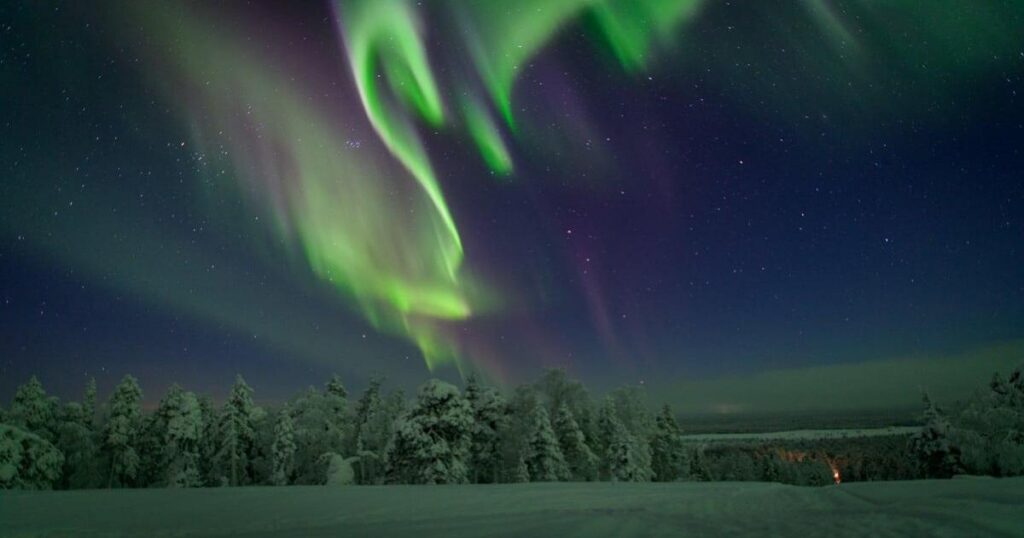
[STAT: Rovaniemi’s aurora season runs from late August/September through early April, averaging over 200 clear aurora nights a year — among the highest in Finnish Lapland — with October, December-January, and March standing out as the three best windows; a 3-night stay carries a historical 92% chance of at least one aurora-visible evening — rovanieminorthernlightstours.fi]
- Rovaniemi’s ~66°N latitude means the aurora is visible even at low geomagnetic activity (Kp 1 and above), which makes it more forgiving of a quiet solar night than lower-latitude spots on this list.
- It’s also positioned as a family-friendly base thanks to Santa Claus Village and glass-igloo accommodation, making it one of the more kid-friendly aurora destinations globally.
4. Iceland
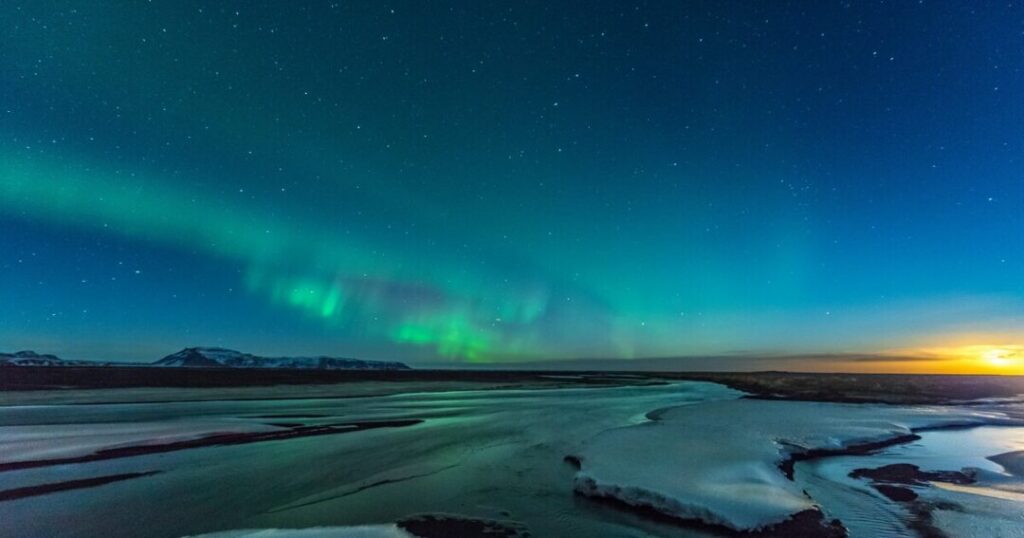
[STAT: Iceland’s best months are October, February, and March, each rated ‘Excellent’ with 45-50% clear-sky odds per night; a minimum 4-night stay pushes the overall chance of seeing the aurora at least once to roughly 90%, and Akureyri on the north coast sees 20-30% more clear winter nights than Reykjavík — auroratlas.com]
- Iceland’s appeal is the pairing — glaciers, waterfalls, and geothermal spas by day, aurora hunting by night — which makes it the strongest choice on this list for travelers who want a full winter itinerary rather than aurora viewing alone.
5. Yellowknife, Canada
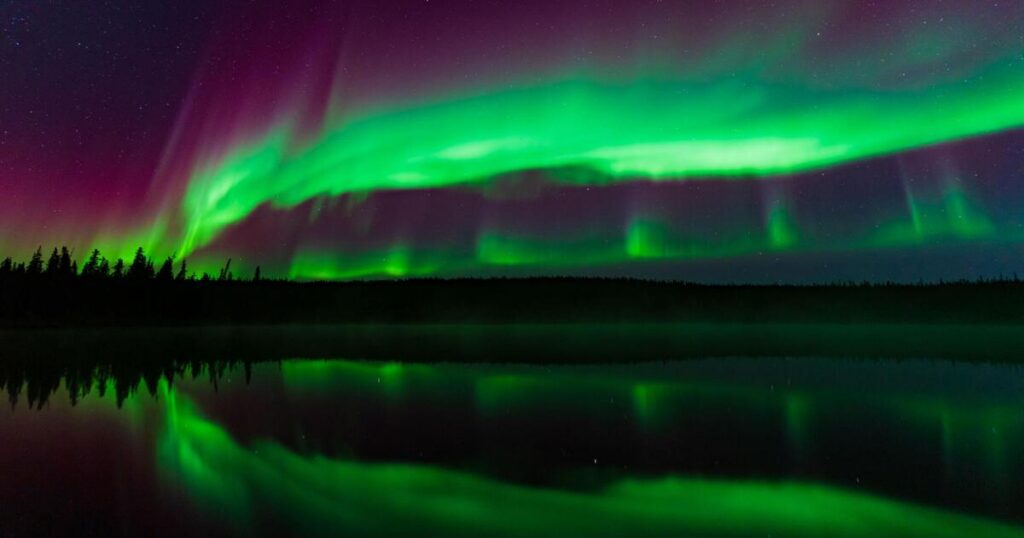
[STAT: Yellowknife averages around 240 aurora nights per year thanks to low humidity and dry, clear air, with late February and March standing out as the best window for first-time visitors due to elevated geomagnetic activity around the spring equinox combined with reliable clear skies — destinationcanada.com]
- Yellowknife sits almost directly beneath the auroral oval, which is why its odds stay strong even during quieter stretches of the solar cycle — a genuine edge over destinations further from the oval’s usual position.
6. Fairbanks, Alaska
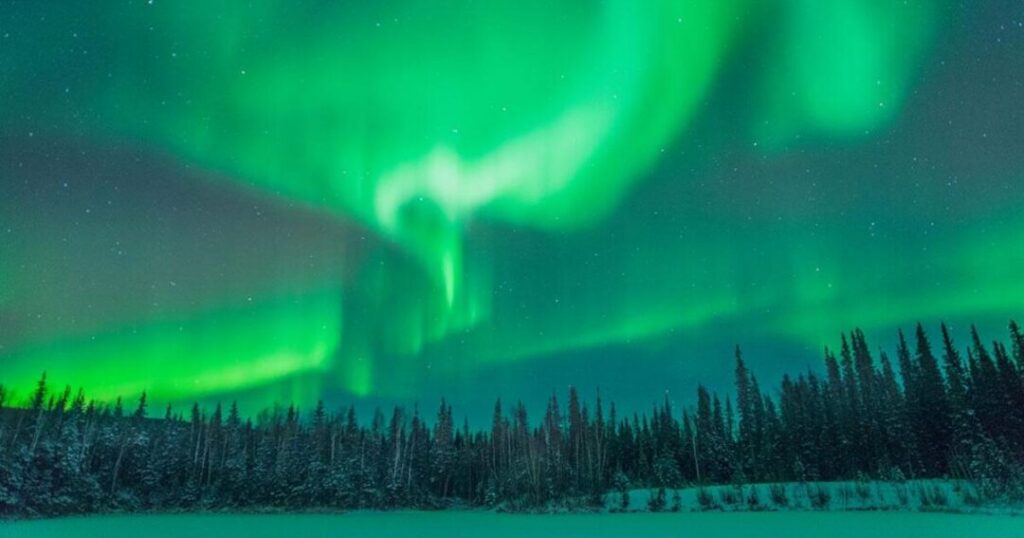
[STAT: Fairbanks sees the aurora on about 4 out of 5 clear, dark nights during its August-April season, and visitors who stay a minimum of three nights and actively watch during late evening hours have a greater than 90% chance of seeing it — explorefairbanks.com]
- Fairbanks is the most accessible North American option for U.S.-based travelers specifically, with direct domestic flight connections that most Canadian and Scandinavian destinations can’t match.
7. Tasmania, Australia (Aurora Australis)
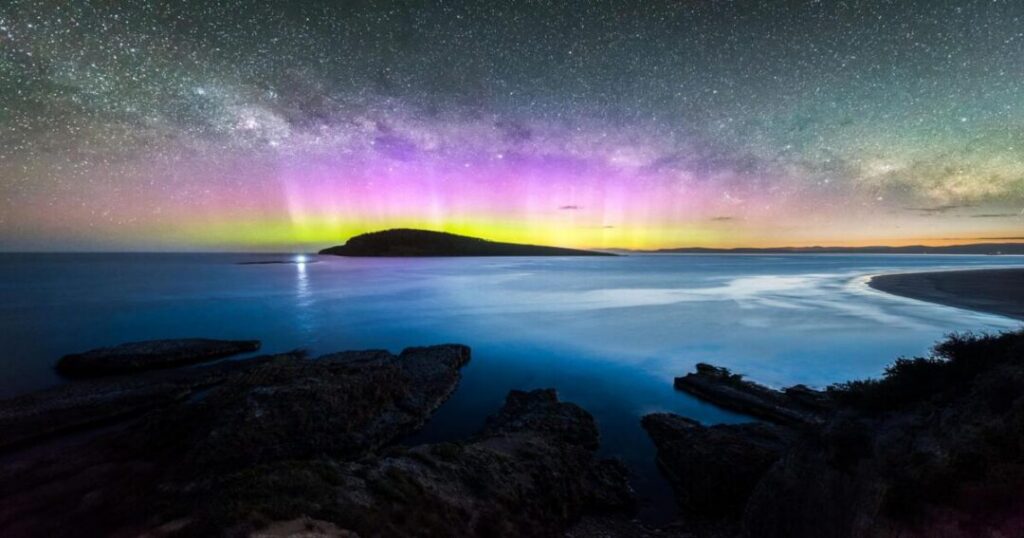
[STAT: winter (May-September) is prime time for Tasmania’s Aurora Australis, or “Southern Lights,” with the best viewing from dark, south-facing locations away from Hobart’s light pollution — Bruny Island, Cockle Creek, kunanyi/Mount Wellington, and South Arm Peninsula among the top spots; ideal conditions call for a moon phase of 25% or less alongside clear skies — discovertasmania.com.au]
- Tasmania is the one entry on this list where “this winter” runs opposite the rest — its aurora season peaks during the Northern Hemisphere’s summer, making it the obvious pick for travelers chasing the phenomenon year-round rather than during one fixed season.
Places to See the Northern Lights This Winter: How to Choose
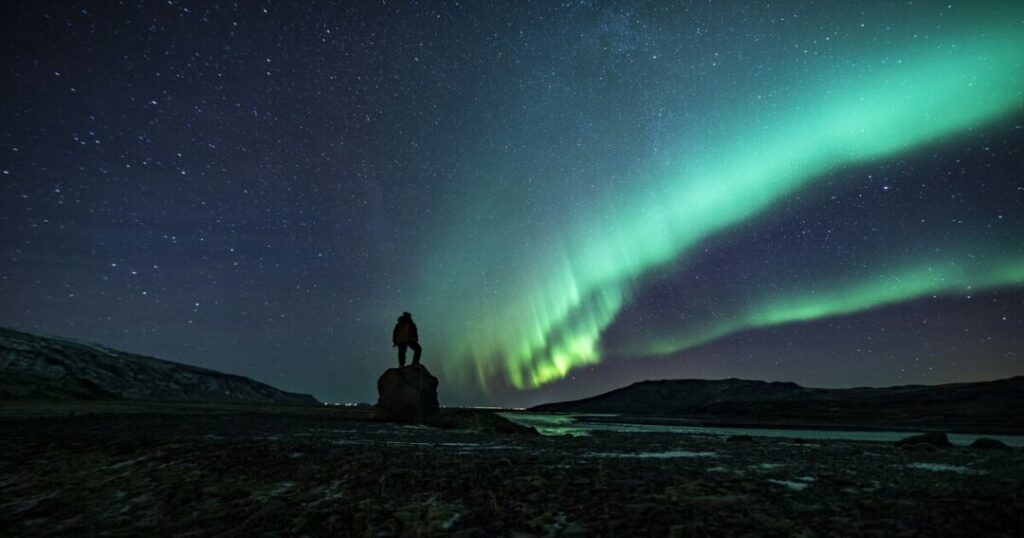
Picking between these places to see the northern lights this winter usually comes down to four practical questions rather than odds alone, since the top destinations above all post broadly similar multi-night success rates.
- How much infrastructure do you want? Tromsø and Iceland offer the most built-out tourism scenes (flights, tours, hotels); Abisko and the Yukon-adjacent parts of Yellowknife’s region lean more remote and lodge-based.
- How much cold can you handle? Fairbanks and Yellowknife regularly see harsher continental cold than the more coastal, wind-moderated climates of Tromsø and Iceland.
- Do you want a packed itinerary or a focused one? Iceland and Rovaniemi both pair aurora viewing with a full slate of daytime activities; Abisko is more purpose-built around the aurora alone.
- Which hemisphere fits your calendar? If Northern Hemisphere winter doesn’t work with your schedule, Tasmania’s May-September Aurora Australis season is the only entry on this list running on the opposite clock.
Where to See the Northern Lights: Best Countries at a Glance
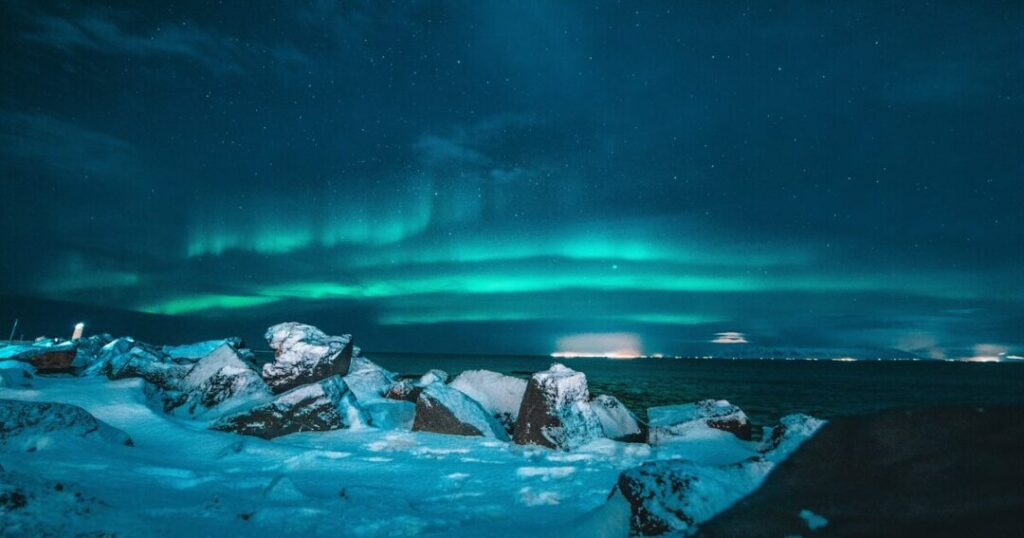
Among best countries to see northern lights, Norway, Sweden, and Finland form the core of what’s often called Europe’s Aurora Zone, while Canada and the United States (Alaska) cover the strongest North American options. If you’re weighing where to see the northern lights purely by country rather than specific town, Norway and Finland offer the most first-timer-friendly combination of infrastructure and odds, Sweden’s Abisko is the pick for the single most reliably clear skies, Canada’s Northwest Territories offers the most direct positioning under the auroral oval, and Australia is the only country on this list where the season falls in the middle of the calendar year instead of the end.
Northern Lights Winter Travel: Practical Planning Tips
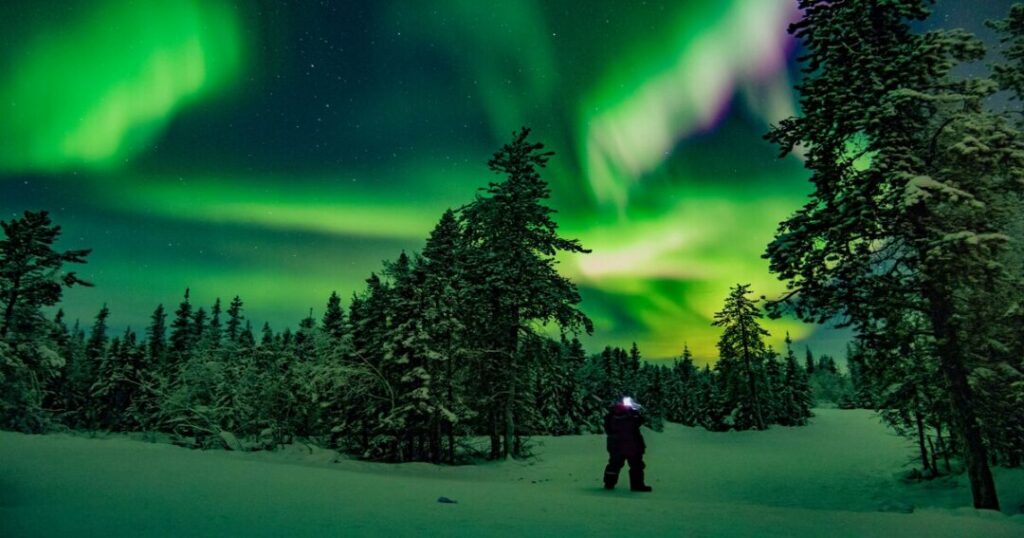
A few habits make the difference between a wasted trip and a good one, regardless of which of these aurora borealis viewing spots you choose.
- Book at least 3-4 nights wherever you go — nearly every destination above quotes its strongest success rates as a multi-night average, not a single-night guarantee, since cloud cover on any individual night is unpredictable.
- Check a live Kp index and local aurora forecast app each evening rather than relying on the seasonal averages alone — a specific night’s conditions can outperform or underperform the month’s typical odds.
- Get well outside city light pollution — even Tromsø, Rovaniemi, and Reykjavík’s compact downtown areas are bright enough to wash out all but the strongest displays.
- Pack for standing outdoors in sub-zero cold for an hour or more at a stretch — most of the entries on this list involve waiting for a display rather than reliably catching one within minutes of stepping outside.
- If your northern lights winter travel plans are flexible, lean toward the equinox months (September/October and March) — geomagnetic activity is measurably higher around both equinoxes than during the darkest solstice weeks.
Also Read: 10 Best Countries to Visit in June – A Guide for Indian Travellers Looking Beyond the Obvious
Conclusion: Picking Your Aurora Destination
Tromsø, Abisko, Rovaniemi, Iceland, Yellowknife, and Fairbanks all post strong multi-night aurora odds through the Northern Hemisphere winter, and Tasmania’s Aurora Australis season fills the gap for anyone chasing the phenomenon mid-year instead. Among the best places to see the northern lights, the right pick usually comes down to how much infrastructure you want around the trip and how much cold you’re willing to stand in — the aurora odds themselves are strong enough at every entry on this list to make any of them a reasonable bet.
Ready to plan your aurora trip? Download the Explurger app and start building your northern lights itinerary today.
FAQs About best places to see the Northern Lights
2. Where can I see the northern lights this winter?
For the upcoming Northern Hemisphere winter, Tromsø, Abisko, Rovaniemi, Iceland, Yellowknife, and Fairbanks are the strongest options, with December through March generally offering the best combination of darkness and equinox-boosted activity.
3. Which country has the best odds of seeing the northern lights?
Sweden's Abisko is frequently cited for having some of the clearest skies of any aurora destination thanks to a local microclimate, while Canada's Yellowknife sits almost directly beneath the auroral oval, giving it consistently strong odds even during quieter solar activity.
4. Can you see the northern lights in the Southern Hemisphere?
Not the northern lights specifically, but the Southern Hemisphere has its own equivalent — the Aurora Australis, or Southern Lights — best seen from Tasmania, Australia during its winter months (May-September), from dark, south-facing locations away from Hobart's light pollution.
5. How many nights should I stay to see the northern lights?
Most destinations recommend a minimum of 3-4 nights, since even the strongest locations quote their success rates as multi-night averages rather than single-night guarantees — Rovaniemi cites a 92% chance over 3 nights, and Iceland cites roughly 90% over 4 nights.
6. What is the easiest northern lights destination for a first-time visitor?
Tromsø and Iceland are generally considered the most first-timer-friendly, thanks to well-developed tourism infrastructure, direct flights from major hubs, and a full slate of daytime activities to pair with evening aurora hunting.