
808 Total Views
Most destinations for coffee lovers lists read like a menu — country, country, country, next. What they usually skip is why these particular places grow or drink coffee the way they do, and that answer is almost always tied to empire, trade, and in several cases, slavery. This guide covers both: the 12 places worth visiting, and the genuinely uncomfortable history that put coffee there in the first place.
Where Coffee Began: Origins Behind the World’s Coffee Travel Destinations
Before coffee was colonial, it was Ethiopian, then Yemeni, then Ottoman — three very different chapters that predate European involvement entirely.
1. Ethiopia
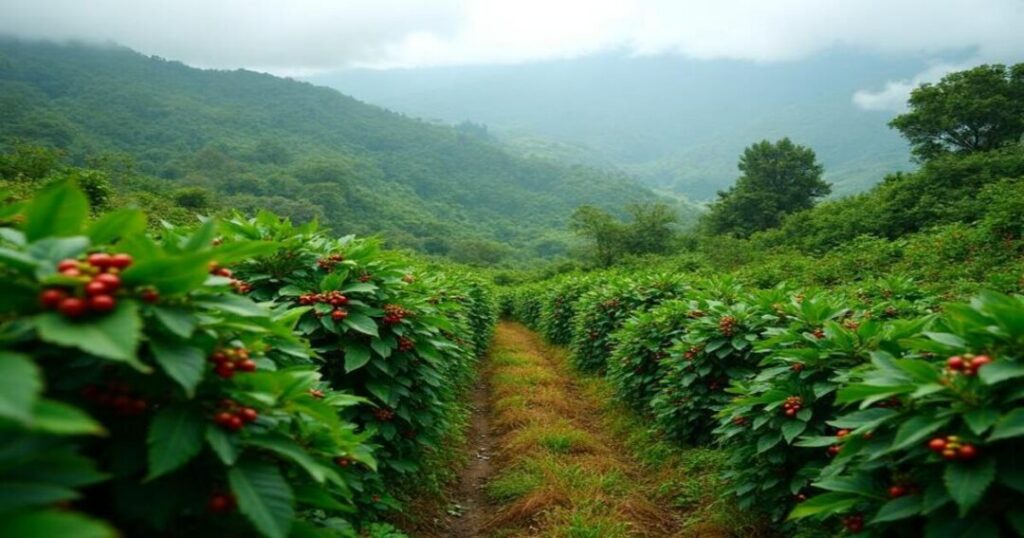
Coffee’s wild ancestor comes from Ethiopia’s highlands, though the earliest documented cultivation of the plant as a beverage crop happened later, across the Red Sea in Yemen. Ethiopia remains one of the few major origin countries where coffee is consumed as much as it’s exported, with a traditional coffee-brewing ritual — beans roasted, ground, and brewed fresh in front of guests — still a normal part of daily social life rather than a tourist performance.
- Genuinely one of the only places on this list where coffee culture predates colonial trade by centuries
2. Yemen
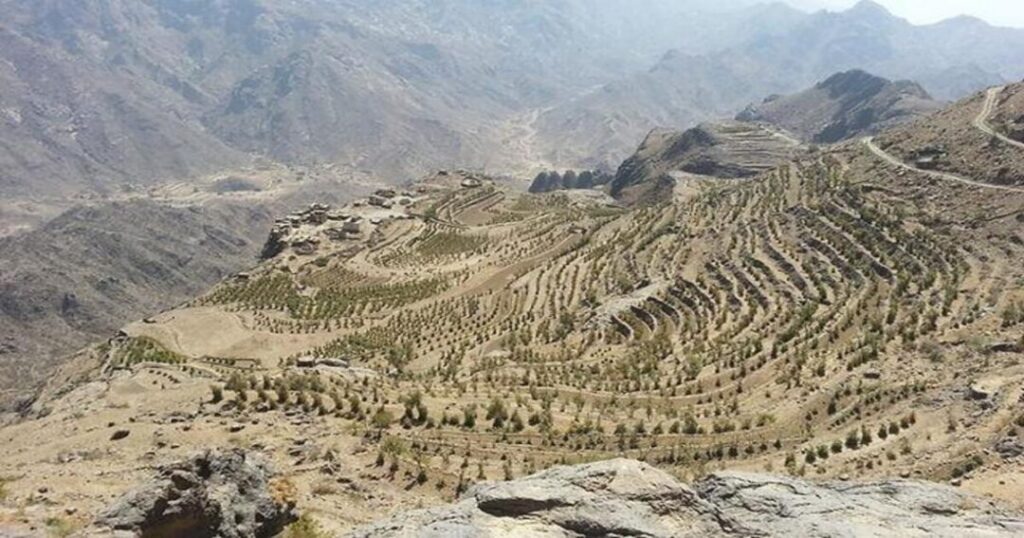
Yemen is where coffee cultivation and coffee-drinking culture actually began, sometime in the 15th century, largely through Sufi religious communities using it to stay alert during night prayers. The port city that gave “mocha” its name shipped coffee out to the rest of the Islamic world and, eventually, Europe.
- Worth knowing honestly: ongoing conflict in Yemen has made most of the country very difficult or unsafe to visit in recent years, so this entry is included for its historical weight rather than as a current trip recommendation
From Yemen, coffee moved into the Ottoman Empire in the early 1500s, reaching Cairo, Damascus, and Istanbul, where it briefly faced religious opposition before being formally permitted in the 1520s. Coffeehouses became genuine social institutions across Ottoman cities, and from there the drink crossed into Europe through Mediterranean trade — first to Venice by the mid-1600s, then to England, where coffeehouses became so central to intellectual and political life that London alone had thousands by the 1670s. Vienna’s own coffee-drinking culture developed slightly later, in the years following a major 17th-century siege of the city. None of this required a single colony yet — it’s worth remembering that coffee’s spread through the Middle East and early Europe happened entirely through trade and cultural exchange, before empire building took over the next chapter of its story.
Destinations for Coffee Lovers Built by Colonial Trade
This is the part most coffee travel content leaves out. Coffee didn’t spread to most of the world it grows in today through trade alone — it spread through European colonization, and in several of the following places, through slavery.
3. Brazil
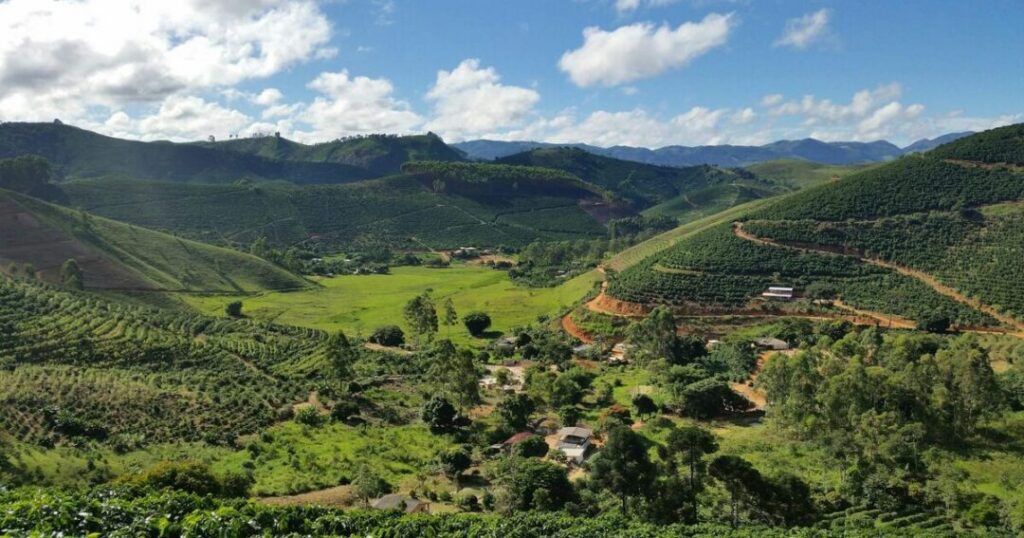
Portuguese colonists brought coffee seeds to Brazil in the 1720s, but large-scale cultivation only took off after Brazilian independence in 1822, when huge areas of Atlantic Forest were cleared for plantations. Brazil became the world’s largest coffee producer by 1852 — a position it still holds — built substantially on enslaved African labor until abolition in 1888.
- Today’s coffee-growing regions, particularly around São Paulo and Minas Gerais, are genuinely worth visiting, but it’s worth understanding that the industry’s 19th-century scale was built on forced labor, not just favorable soil
4. Martinique and the Caribbean’s Lost Coffee Empire
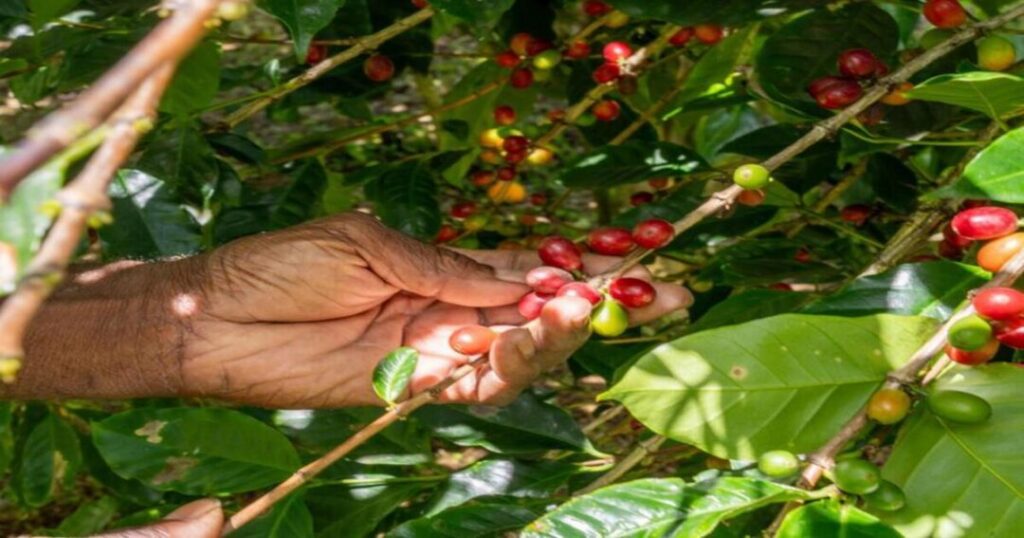
A single coffee seedling brought to the French Caribbean island of Martinique in 1720 became the ancestor of coffee across the French colonies. From there, cultivation spread to Saint-Domingue — modern-day Haiti — which by 1788 supplied roughly half the world’s coffee, entirely through enslaved African labor working under brutal conditions. Those conditions were a direct factor in the Haitian Revolution, after which the coffee industry there never recovered its former scale.
- Martinique itself remains a visitable, French-administered island with a genuine coffee-growing history, even though the industry that once made it globally significant collapsed centuries ago
- This is arguably the starkest example on this list of how colonial coffee wealth and human suffering were directly connected
5. Indonesia (Java)
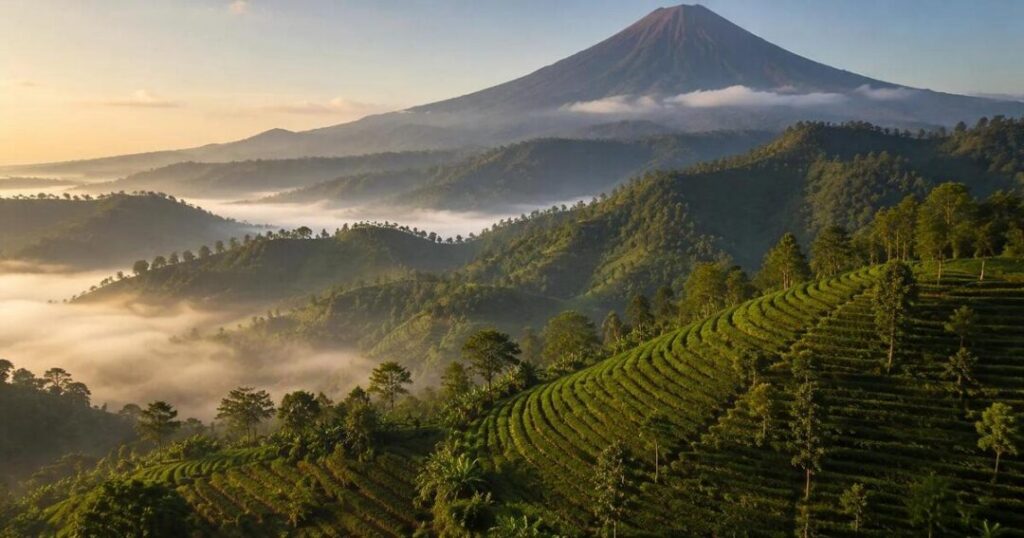
The Dutch brought coffee to Java in the late 1600s, and by the 1830s had folded coffee into the Cultuurstelsel — a forced cultivation system requiring Javanese farmers to dedicate a share of their land (or labor) to government-designated export crops, coffee among them, with the harvest belonging entirely to the colonial administration rather than the farmers who grew it. The system generated enormous revenue for the Netherlands while contributing to famine and elevated mortality in Java during the 1840s.
- Java remains a major coffee-growing region today, and the word “java” as slang for coffee comes directly from this history
- Honest note: Java is also where Kopi Luwak (civet coffee) is produced — some of it from wild civets, but a substantial amount now comes from civets kept in small cages specifically to produce it, which multiple animal welfare investigations have documented as inhumane; it’s worth knowing this before treating it as a must-try souvenir
6. Vietnam
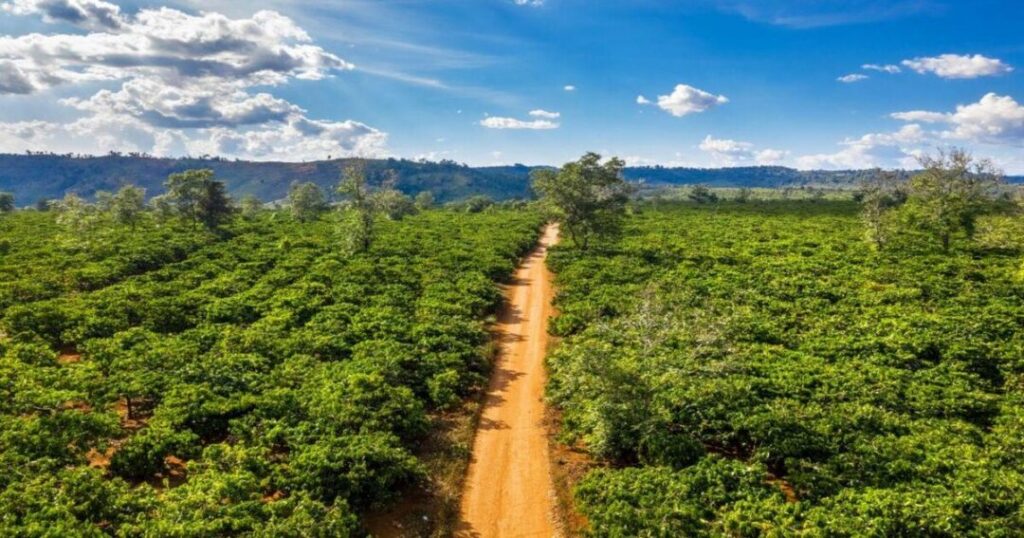
The French brought coffee to Vietnam in 1857, and under French colonial rule the country was developed into a major robusta-growing region. Vietnam is now the world’s second-largest coffee producer. A well-known modern addition to the country’s coffee culture, egg coffee, was invented in Hanoi in the late 1940s during a period when milk was hard to come by, using whipped egg yolk instead — a genuinely inventive workaround that’s now a standard menu item across the country.
- Vietnamese coffee culture today is built around strong robusta and slow drip filters, distinct from the arabica-focused cultures found elsewhere on this list
7. Sri Lanka
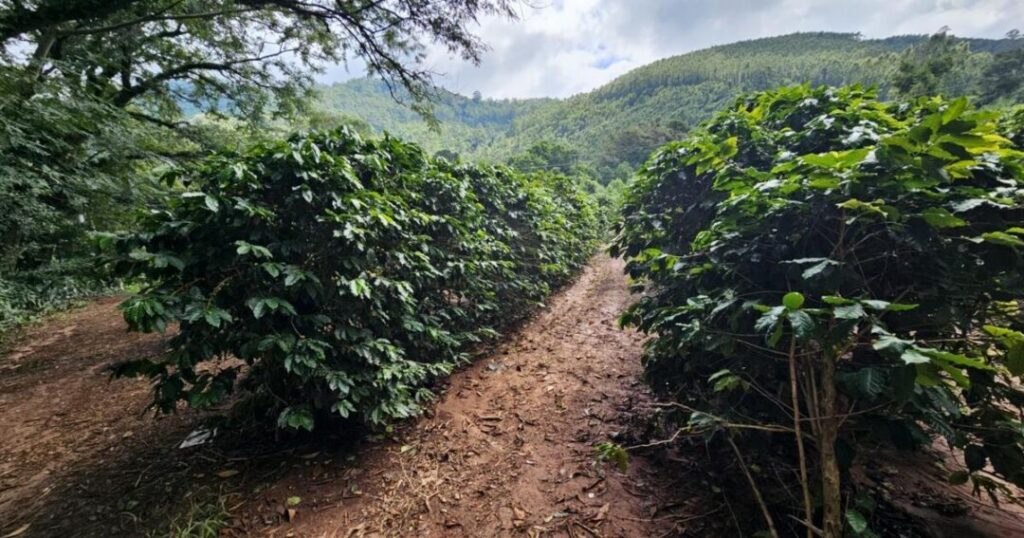
Sri Lanka’s coffee history is arguably the most surprising entry here, because most travellers know the country for tea, not coffee. The British massively expanded coffee cultivation in colonial Ceylon through the mid-1800s, clearing roughly 100,000 hectares of rainforest at the industry’s peak and relying on labor brought in from South India. By 1860, Ceylon was among the world’s three largest coffee producers alongside Brazil and Indonesia.
- Then, starting in 1869, a fungal disease called coffee leaf rust devastated the plantations so thoroughly that cultivated coffee land shrank from over 111,000 hectares to under 5,000 within three decades — which is the actual reason Sri Lanka became a tea country instead
Modern Coffee Producing Countries Worth Visiting
Not every entry on this list is defined by colonial exploitation — some of today’s best coffee destinations built genuinely different, more equitable industries.
8. Colombia
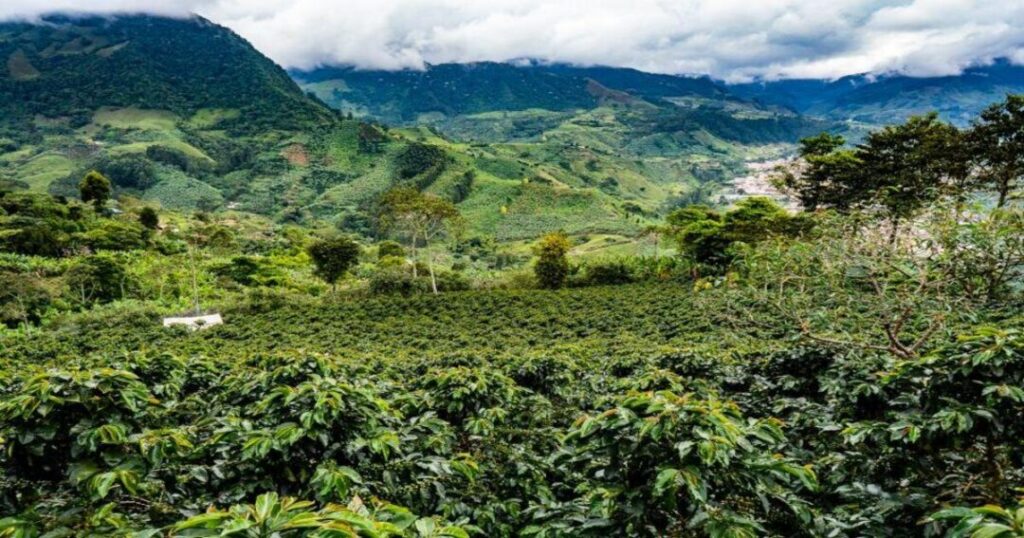
Colombia’s coffee-growing region in the foothills of the Andes was recognized by UNESCO in 2011 for its century-long tradition of small-plot coffee cultivation adapted to steep mountain terrain. Unlike the large plantation model seen in Brazil or colonial Java, Colombian coffee has historically been grown on smaller family farms, which shapes both the visitor experience and the coffee itself.
- One of the more accessible coffee travel destinations on this list, with farm visits built into mainstream tourism rather than requiring specialist arrangements
Also Read: 10 Best Solo Travel Destinations in India
9. Costa Rica
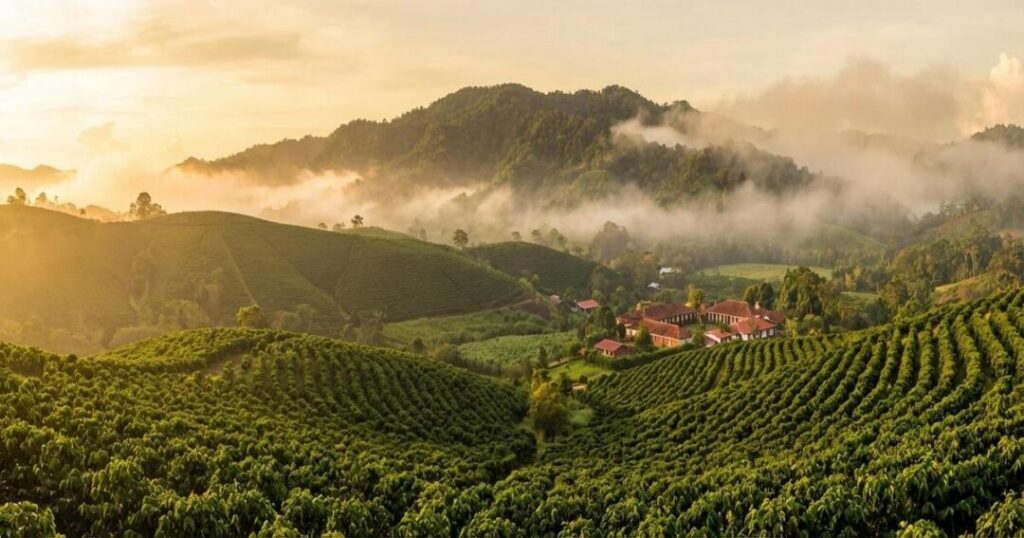
Costa Rica is the clear exception to the colonial exploitation pattern on this list. A lack of available forced or cheap labor during its early coffee era meant large slave-worked plantations never took hold the way they did in Brazil or Haiti — instead, smaller, more independently owned farms became the norm, a structure that still shapes the country’s relatively egalitarian coffee industry today.
- Worth visiting specifically as a contrast case to the colonial-era entries above, not just for the coffee itself
10. Kenya
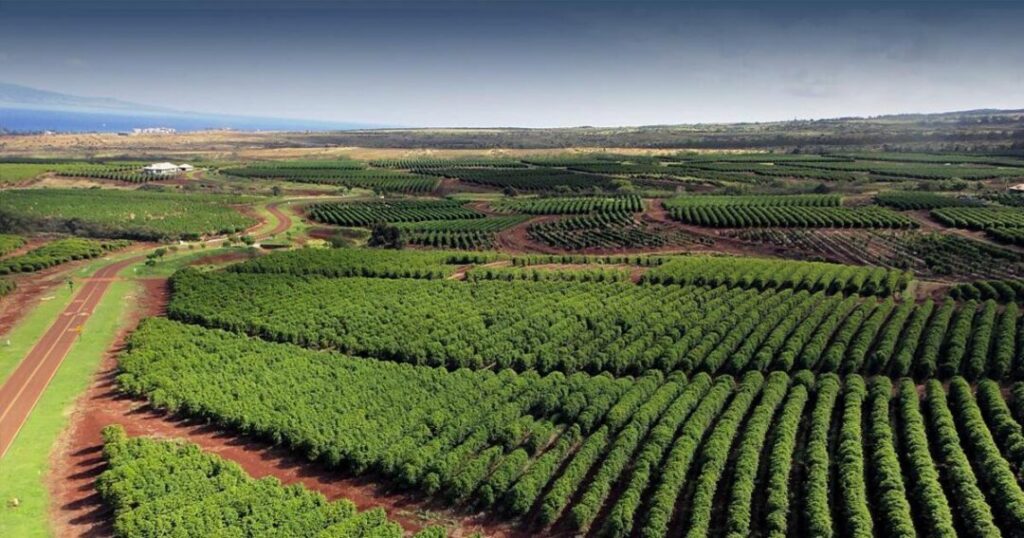
The British introduced coffee cultivation to Kenya in the 1890s, importing plants from Brazil rather than developing local varieties from scratch. Kenyan coffee earned an international reputation for quality in the 20th century, and after independence, smallholder cooperative farming became the dominant structure, a notable shift from the colonial-era estate model.
- Kenya’s coffee auctions and cooperative farm visits offer a genuinely different lens on coffee tourism than plantation-style visits elsewhere
11. Rwanda
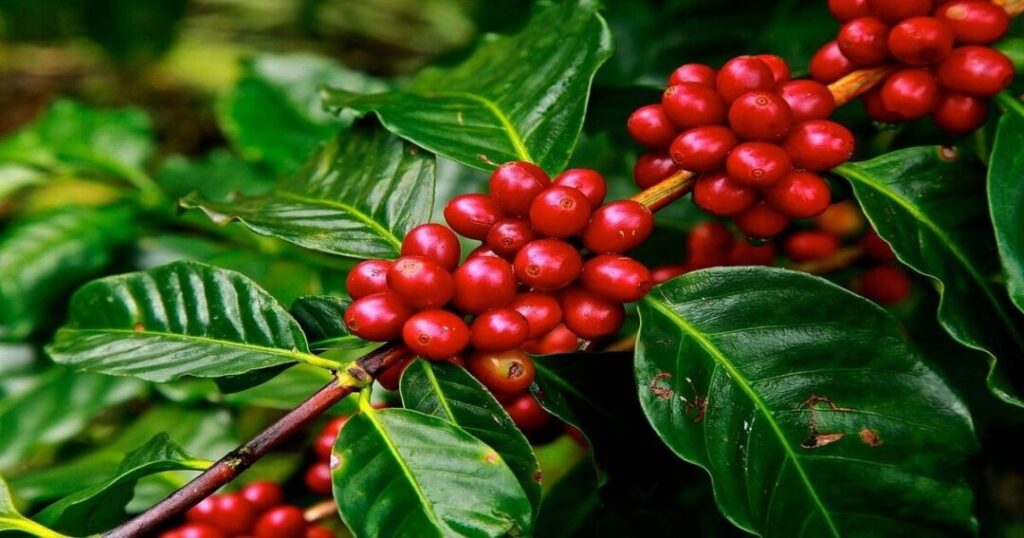
Rwanda’s coffee industry has one of the more remarkable modern stories on this list: largely rebuilt from near-collapse after the 1994 genocide, the country’s specialty coffee sector has grown into a genuine point of national economic recovery and international recognition over the past two decades.
- A destination where visiting a coffee farm is also, unavoidably, visiting a country actively rebuilding — worth approaching with that context rather than treating it as a purely scenic stop
Also Read: Best Adventure Destinations in India: 2026 Updated List
Best Coffee Destinations for Drinking Culture, Not Just Growing
12. Italy

Italy doesn’t grow coffee, but it fundamentally changed how the world drinks it. The first patent for a machine that used pressurized steam to brew coffee quickly was filed in Turin in 1884, and the technology was refined through Milanese workshops over the following decades, eventually producing the pressurized, crema-topped shot the world now calls espresso. For a destination for coffee lovers built entirely around a drinking ritual rather than a growing tradition, Italy is the clearest example on this list.
- Espresso bar culture — standing at a counter, drinking quickly, moving on — remains distinct from the sit-down café cultures found elsewhere in Europe
Planning a Trip Around Coffee Tourism
A few things apply across most of the destinations above, regardless of which one you choose:
- Harvest seasons vary by hemisphere and region — Latin American harvests generally run roughly October to February, while East African harvests often run around October to January, so time a farm-focused visit accordingly rather than assuming coffee is harvested year-round everywhere
- Some origin countries require advance visa arrangements — always check current entry requirements for African and Southeast Asian coffee-growing countries specifically, since these vary more than European destinations
- Ethical sourcing is worth asking about directly, particularly around Kopi Luwak in Indonesia — asking a farm or tour operator how animals are kept (wild-sourced vs. caged) is a reasonable, normal question
- Coffee farm tourism infrastructure varies hugely — Colombia and Costa Rica have well-developed farm-visit tourism, while Rwanda and Ethiopia may require more advance planning through local operators
Also Read: e-Visa for Indians: Your Complete Guide to Visa-Free, Visa on Arrival & e-Visa Travel
Final Thoughts About destinations for coffee lovers
Coffee’s map is really a map of empire, trade, and in too many cases, forced labor — and the best destinations for coffee lovers are the ones that let you see both sides of that honestly, from Ethiopia’s origins through colonial Brazil and Java to Costa Rica’s genuinely different path and Rwanda’s ongoing recovery.
Plan your coffee trip with Explurger — download the app today.
Pick one chapter of that history — origin, colonial, or modern — and start there.
FAQs About destinations for coffee lovers
2. What are the best destinations for coffee lovers?
The best destinations for coffee lovers include origin countries like Ethiopia and Yemen, colonial-era growing regions like Brazil, Indonesia, and Vietnam, modern producers like Colombia, Costa Rica, Kenya, and Rwanda, and drinking-culture capitals like Italy. Which one suits you depends on whether you're more interested in history, farm visits, or café culture.
3. How did colonialism spread coffee around the world?
European colonial powers — primarily the Dutch, French, Portuguese, and British — transplanted coffee from its Yemeni and Ethiopian origins to their colonies in Asia, the Caribbean, and Latin America from the 1600s through the 1800s. In several of these colonies, particularly French Saint-Domingue (Haiti) and Portuguese Brazil, coffee production scaled up dramatically using enslaved African labor.
4. Why is Sri Lanka known for tea instead of coffee?
Sri Lanka (then Ceylon) was actually one of the world's largest coffee producers under British colonial rule by 1860, but a fungal disease called coffee leaf rust devastated its plantations starting in 1869, destroying the vast majority of cultivated coffee land within a few decades. The British colonial administration shifted the island's agricultural economy to tea in response, which is why Sri Lanka is known for tea today rather than coffee.
5. Is it ethical to buy Kopi Luwak (civet coffee) in Indonesia?
It's genuinely mixed — some Kopi Luwak is collected from wild civets in the forest, but a significant share now comes from civets kept in small cages specifically to produce it, which multiple animal welfare investigations have documented as harmful to the animals. If you're offered it while travelling in Indonesia, it's reasonable to ask directly how the coffee was sourced before buying it.
6. Which coffee-producing countries avoided the colonial plantation and slavery model?
Costa Rica is the clearest example, where a shortage of available forced or cheap labor during its early coffee era prevented large slave-worked plantations from taking hold, leading to smaller, more independently owned farms instead. Ethiopia is another partial exception, since it was never fully colonized and developed its coffee culture largely on its own terms rather than through an imposed colonial plantation system.