
972 Total Views
Most people planning a Fiji trip build it entirely around beaches and diving, which means they miss something just as central to the islands: its calendar of celebrations. Festivals in Fiji reflect a genuinely mixed society—indigenous Fijian traditions, a large Indo-Fijian community descended from 19th-century indentured laborers, and a scattering of smaller island cultures like Rotuma, all celebrating side by side.
Time a trip around the wrong week and you’ll miss all of it. This guide runs through 12 of the country’s most significant festivals, grouped by the culture behind each one, so you know roughly when and where to be if a specific celebration is the reason you’re going.
Fiji Bula Festival & Other Indigenous Celebrations: Festival in Fiji
These four events trace back to indigenous Fijian community life, from town carnivals to traditions tied directly to the natural calendar.
1. Fiji Bula Festival
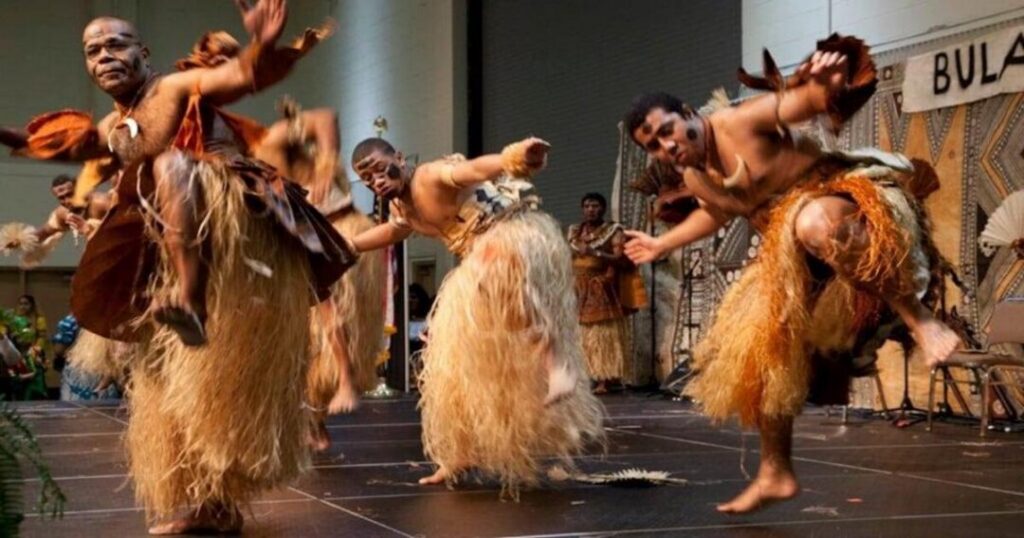
Held in Nadi every July, the Fiji Bula Festival is one of the country’s biggest street celebrations—live entertainment, marching bands, a Pacific dancing competition, and a beauty pageant that draws crowds from across western Viti Levu. It grew out of the same civic-carnival tradition as Suva’s Hibiscus Festival, giving the Nadi area its own dedicated celebration rather than requiring residents to travel to the capital. Expect closed-off streets, food stalls, and a genuinely festive atmosphere that runs for roughly a week.
2. Hibiscus Festival
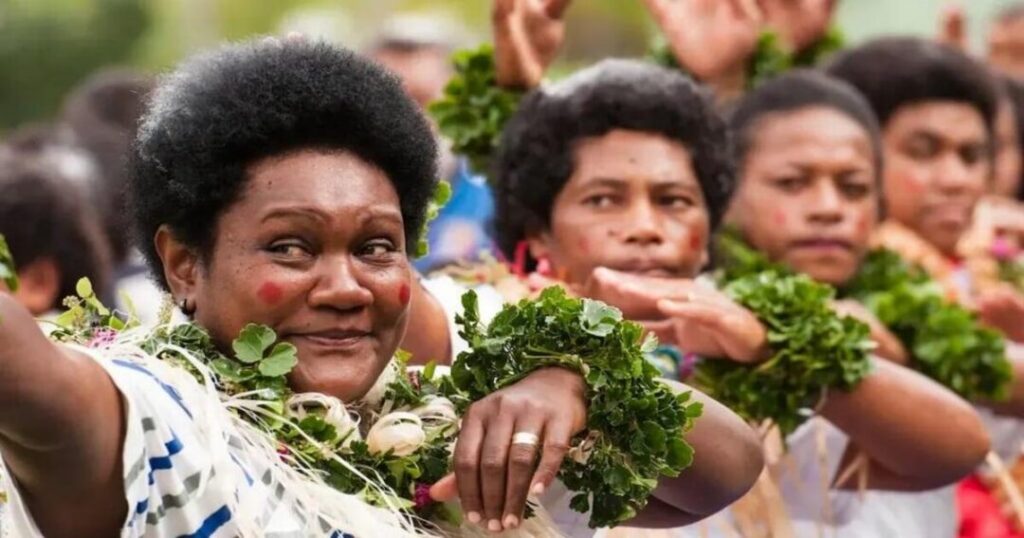
Suva’s flagship festival began in 1956 as a one-day event in Albert Park and has since grown into a nine-day celebration featuring float parades, food vendors, sporting competitions, and the crowning of a Hibiscus Queen. Held every August, it’s often described as the template that inspired sister festivals like Bula and Sugar.
Also read: Festivals in England: A Genre-by-Genre Guide, Including 2026’s Big Changes
3. Balolo Rising
Not a festival in the conventional sense, but a genuine cultural event: twice a year, on a specific night tied to the lunar calendar in October and November, millions of reef-dwelling marine worms rise to the surface to spawn along Fiji’s coasts. Villagers paddle out before dawn to harvest them, considering balolo a delicacy worth naming an entire month after. It’s one of the more unusual, deeply local traditions on this list.
4. Fara (Rotuma)
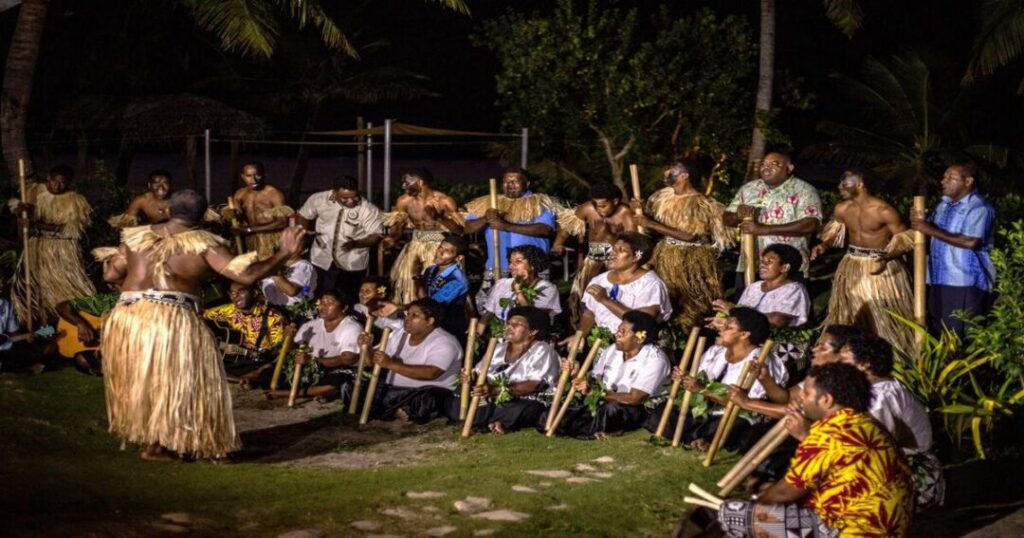
On the remote island of Rotuma, Fara is a summertime tradition where groups of singers and dancers travel house to house, performing in exchange for hospitality. It’s popular enough that Rotuma’s population is said to roughly double during the season, as diaspora members return home to take part.
5. Holi Festival, Fiji
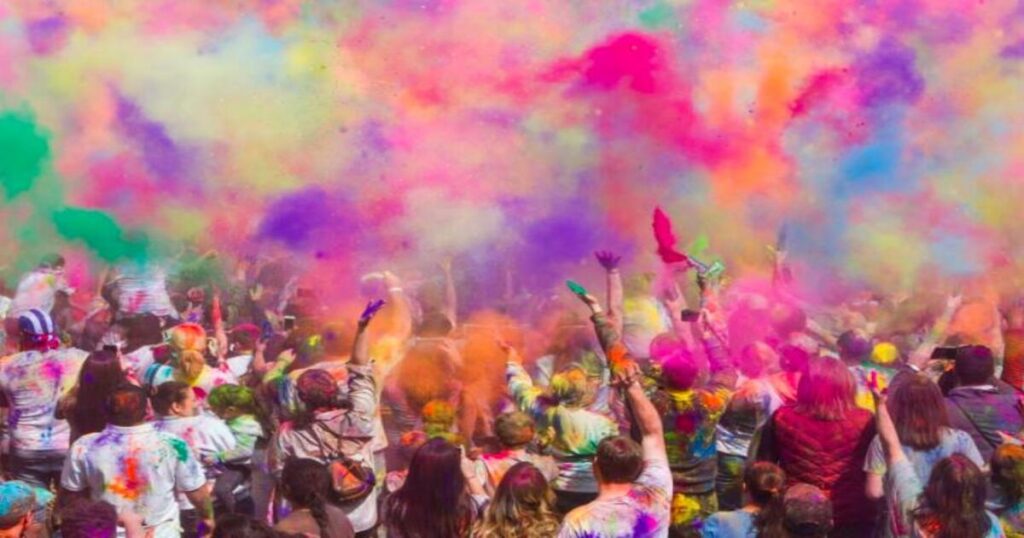
The Holi festival in Fiji dates back to the earliest Indian settlements, when Hindu indentured laborers made it their most significant celebration—partly for its religious meaning and partly because its relaxed social rules offered rare freedom in an otherwise rigid colonial system. Colonial-era restrictions weakened the tradition through the mid-20th century, and Diwali gradually became more prominent from the 1970s onward. Even so, Holi survives today, typically celebrated in February or March with the same colored-powder throwing found across the Hindu world.
Also read: Festivals in Chicago: The Best Events, Film Festivals, and Food Truck Fests
6. Diwali
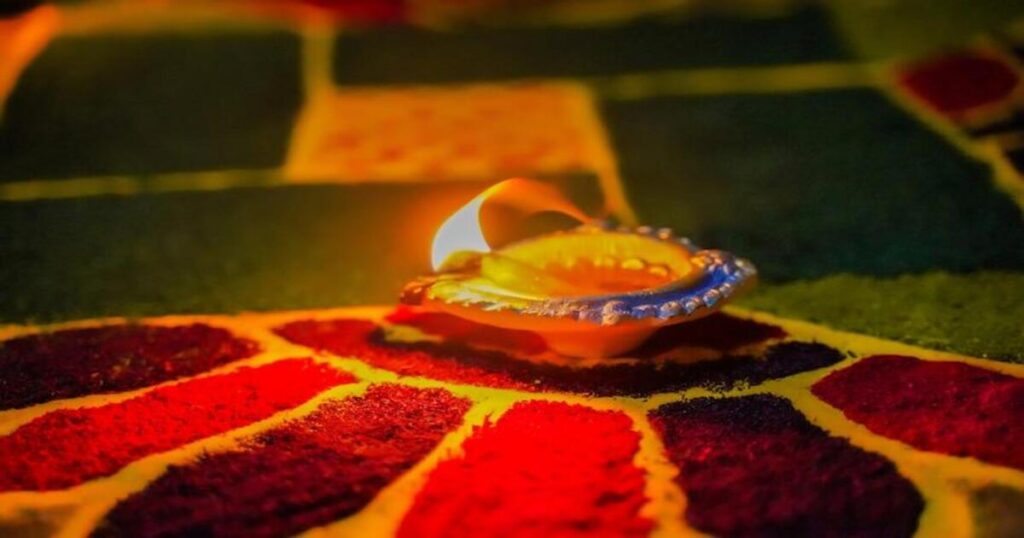
Now a national public holiday in Fiji, Diwali is celebrated every October or November with home decorations, sweets, and gift-giving. It’s grown into the more widely celebrated of Fiji’s two major Hindu festivals, partly filling the space Holi occupied in earlier decades.
Held in March or April, this Hindu observance marks the birth of Lord Rama and is celebrated with prayers and community gatherings, particularly within Fiji’s temple communities.
Also read: Festivals in Cambodia: A Complete Guide to the Country’s Most Celebrated Traditions
8. Girmit Day
On May 14, 1879, the ship Leonidas arrived in Fiji carrying 463 Indian indentured laborers—the first of roughly 60,000 who would arrive over the following decades to work the sugar plantations. Girmit Day commemorates that arrival and the community’s history, marked with cultural events and, in Nausori, a week-long carnival honoring the descendants of those original laborers.
9. Thimithi — The Fire-Walking Festival
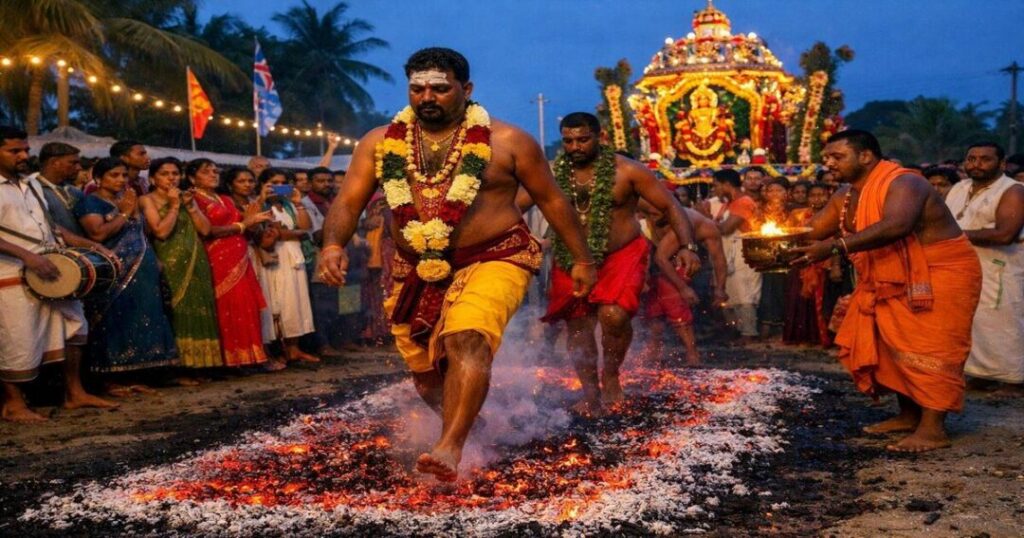
Practiced by Fiji’s South Indian Tamil community, Thimithi is a fire-walking ceremony held around Suva’s Mariamman Temple, typically in the weeks before Diwali. Devotees walk barefoot across a pit of hot coals as an act of devotion to the goddess Draupadi Amman, a tradition also found in Tamil communities across South India, Sri Lanka, Malaysia, and beyond.
10. Sugar Festival Fiji
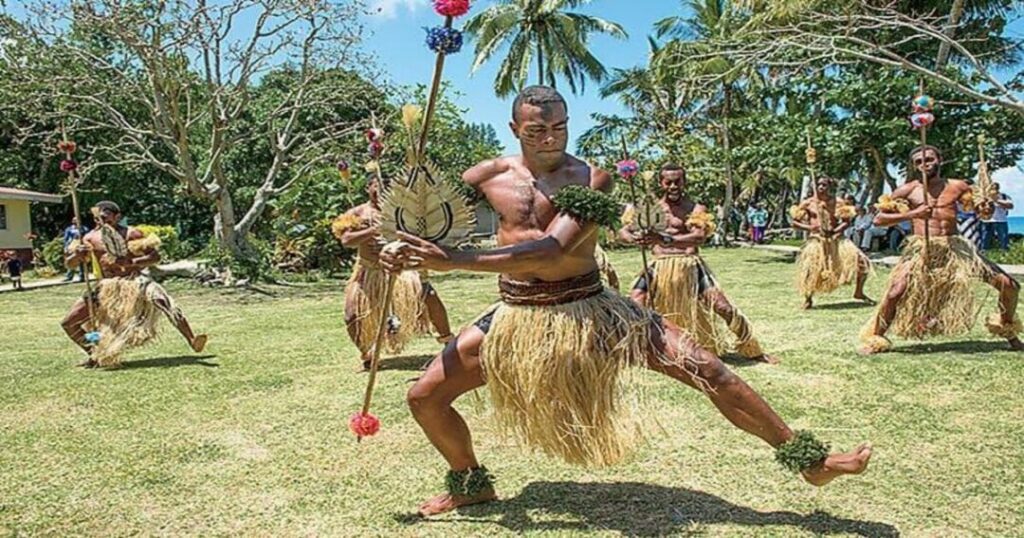
Lautoka’s Sugar Festival began in 1958, originally created as a lead-up event to Suva’s Hibiscus Festival so residents in western Fiji who couldn’t travel to the capital would still have something to celebrate. It grew into its own major event, reflecting Lautoka’s identity as a sugar-industry town, and today runs every September with parades, food, and a queen contest of its own. If the Sugar Festival Fiji is specifically what brought you here, September in Lautoka is the month to plan around.
11. Friendly North Festival
Held in Labasa, on the northern island of Vanua Levu, this festival has run for more than 40 years and includes street parades, food stalls, and a beauty pageant crowning a Queen of the North. Proceeds typically support local community services, giving it a charitable dimension beyond the celebration itself.
Also read: Festivals in Boston: Music, Film, Wine, and Holiday Events to Plan Around
12. Fiji Day & Fiji Week
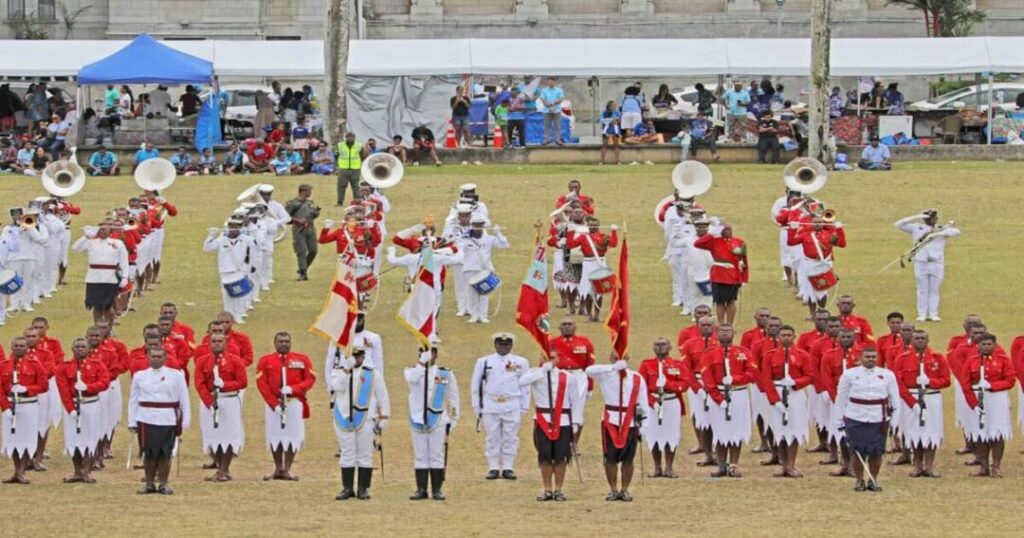
Fiji marked its independence from British colonial rule on October 10, 1970, and Fiji Day is now the centerpiece of a broader Fiji Week, featuring religious ceremonies and cultural performances that rotate through a different theme each year. The week deliberately spotlights both major ethnic communities—Fijian and Indian—alongside Christian, Muslim, and Hindu traditions, making it one of the more explicitly multicultural events on the calendar.
Festivals in Fiji Celebrating Industry, Region & Nationhood
The last cluster covers celebrations tied to Fiji’s economic history, regional identity, and nationhood rather than a single ethnic or religious community.
What Ties Fiji’s Festivals and Traditions Together
Look across this list and a pattern emerges: almost every major Fijian festival either grew out of a need for community identity (Bula, Sugar, and Friendly North all trace back to town-level pride) or preserves the memory of a specific historical community (Girmit Day, Holi, and Thimithi all connect back to the same 1879–1916 wave of Indian indenture).
That layered history is exactly why festivals in Fiji feel so different from one town to the next — Nadi’s Bula Festival, Lautoka’s Sugar Festival, and Labasa’s Friendly North Festival all descend from the same civic-carnival tradition, while Holi, Diwali, Ram Navami, Thimithi, and Girmit Day all trace back to the same 19th-century migration.
Also read: Festivals in Bhutan: 6 Celebrations to Plan Your Trip Around
Indo-Fijian Heritage: Festival in Fiji Celebrations & Traditions
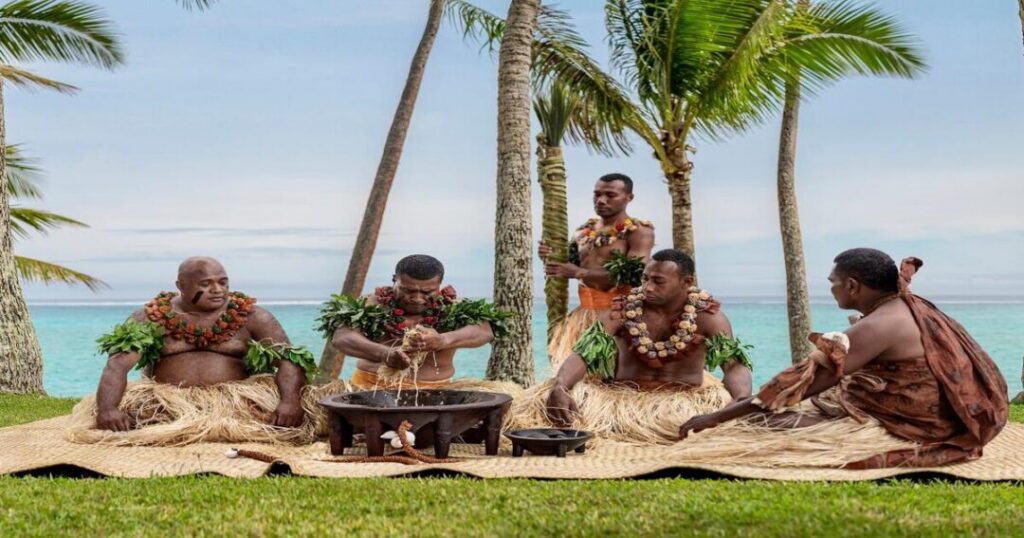
Fiji’s Indo-Fijian community, descended from Indian indentured laborers brought to work sugar plantations from 1879 onward, maintains a distinct set of Fiji celebrations and traditions that now sit firmly within the national calendar.
Planning a Trip Around Festivals in Fiji
A few practical notes if you’re building an itinerary around a specific celebration.
- Check exact dates every year—many of these festivals, especially the Hindu observances, follow lunar calendars and shift by weeks from year to year
- Book accommodation early for festival weeks in Nadi, Suva, and Lautoka, since these are also peak tourism towns and rooms fill quickly during major events
- Most festivals are open to visitors and welcome tourists, though religious ceremonies like Thimithi should be approached respectfully as an observer rather than a participant unless invited
- Combine towns where possible—Nadi (Bula), Lautoka (Sugar), and Suva (Hibiscus) are all on Viti Levu and reachable by road, so a longer trip can realistically catch more than one festival
Final Thoughts About Festivals in Fiji
Fiji’s calendar is busier and more culturally layered than most travelers expect, moving from Hindu religious observances to colonial-era town carnivals to traditions as old as the reef itself. Whichever celebration draws you in, timing a visit around the right festivals in Fiji turns a standard island holiday into something with a lot more cultural depth.
Plan your festival-timed Fiji trip with the Explurger app—download the app today.
FAQs About Festivals in Fiji
2. When is the best time to visit Fiji for festivals?
July through October is generally the busiest festival season in Fiji, covering the Bula Festival in July, the Hibiscus Festival in August, the Sugar Festival in September, and Fiji Day in October. However, Hindu festivals like Holi and Diwali fall on different months entirely, so the best time depends heavily on which specific celebration you want to experience.
3. What is the Bula Festival in Fiji?
The Bula Festival is an annual street celebration held in Nadi every July, featuring live entertainment, marching bands, a Pacific dancing competition, and a beauty pageant. It functions similarly to Suva's Hibiscus Festival but gives western Fiji its own dedicated week-long event rather than requiring residents to travel to the capital city.
4. Is Holi celebrated in Fiji?
Yes, Holi has been celebrated in Fiji since the earliest Indian indentured communities arrived in the late 19th century, and it remains an important festival for Hindu Indo-Fijians today. While Diwali has grown more prominent nationally since the 1970s, Holi is still observed every February or March with the traditional throwing of coloured powders.
5. What is Fiji's Sugar Festival?
The Sugar Festival is an annual celebration held in Lautoka every September, originally started in 1958 as a smaller companion event to Suva's Hibiscus Festival for residents of western Fiji. Today it stands as its own major festival, reflecting Lautoka's long history as a sugar-industry town, complete with parades, food stalls, and a queen contest.
6. What is Girmit Day and why is it significant?
Girmit Day commemorates May 14, 1879, when the ship Leonidas arrived in Fiji carrying the first group of Indian indentured labourers, part of a migration that would eventually bring around 60,000 people to work the colony's sugar plantations. It's a significant date for Fiji's Indo-Fijian community, marking both the beginning of their presence in Fiji and the hardship their ancestors endured under the indenture system.