
1,027 Total Views
Finland packs an unusually dense festival calendar into a short summer season, then follows it with cultural traditions old enough to predate the country itself. Festivals in Finland range from Helsinki’s genre-blurring flagship music event to a centuries-old fiddle tradition now recognised by UNESCO, and most travellers only ever hear about one or two of them.
This guide runs through 12 of the most significant, split between the music festivals search traffic usually asks about by name and the cultural celebrations that explain why Finns treat their short summer so seriously.
Quick Reference: Which Festival Suits You?
- Rock and alternative fans: Ruisrock, Provinssi, Ilosaarirock
- Genre-blurring / arts-curious travellers: Flow Festival, Helsinki Festival
- Heavier tastes: Tuska Open Air (metal), Blockfest (hip-hop)
- Jazz, classical, and folk: We Jazz Festival, Savonlinna Opera Festival, Kaustinen Folk Music Festival
- Cultural immersion over music: Juhannus, Vappu
Flow Festival and Finland’s Legendary Rock Festivals
This first cluster covers the festivals most associated with Finland’s modern music identity, plus the country’s oldest rock institutions.
1. Flow Festival
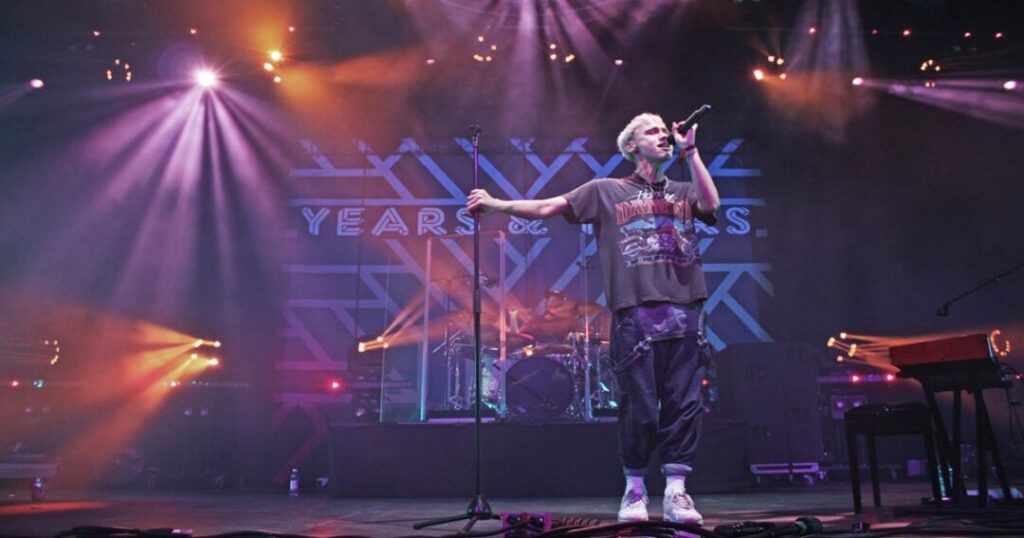
Held every August at a former power plant site in central Helsinki, Flow Festival Helsinki started in 2004 as a small indoor soul-and-jazz club event and has grown into one of Northern Europe’s most distinctive festivals. What sets it apart from a typical finland rock festival lineup is its range — indie rock sits alongside soul, jazz, folk, and club music, and the programming extends well beyond music into visual art, film screenings, talks, and design within its industrial Suvilahti setting. If you only attend one Finnish festival, this is usually the one recommended to first-timers precisely because it doesn’t commit to a single genre.
Also Read: Best Kept Secret Destinations in Europe: For Travelers Who’ve Already Done the Obvious Stuff
2. Ruisrock
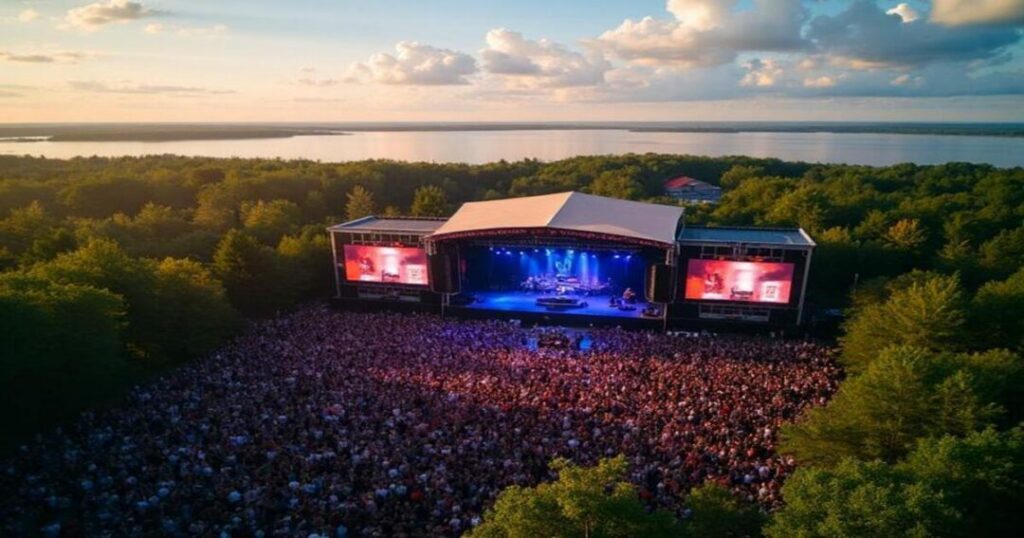
Held on Ruissalo island in Turku since 1970, Ruisrock holds the title of the oldest rock festival in Finland and the second-oldest in Europe, behind only the Netherlands’ Pinkpop Festival. Its longevity alone makes it a useful benchmark for how long Finland’s festival culture has actually existed — this wasn’t built on a modern festival-industry template, it predates one.
3. Provinssi
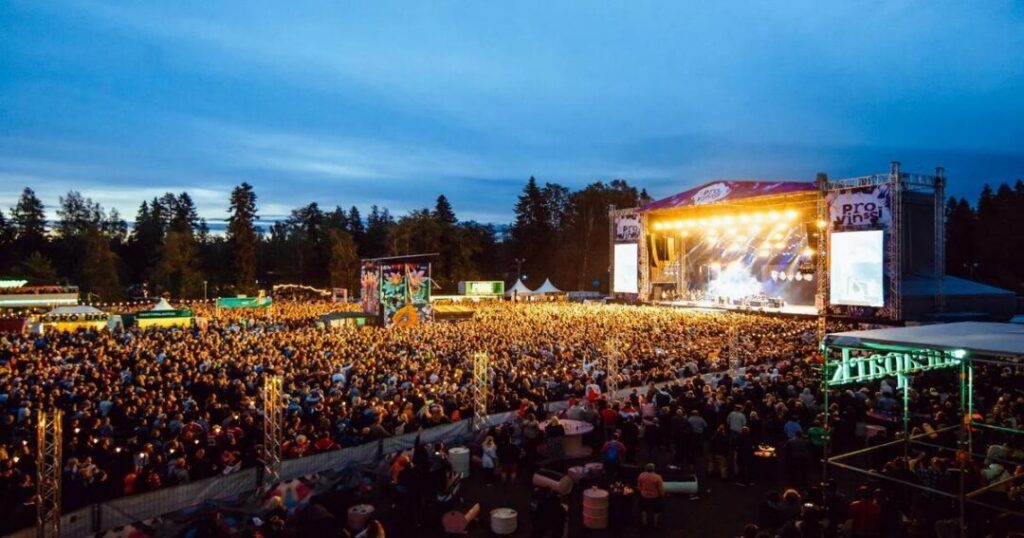
Running every June in Seinäjoki since 1979, Provinssi (formerly Provinssirock) traditionally kicks off Finland’s busy summer festival season. Its lineup spans rock, alternative, metal, and increasingly electronic and hip-hop acts, making it one of the more genre-flexible large festivals on the circuit.
4. Ilosaarirock
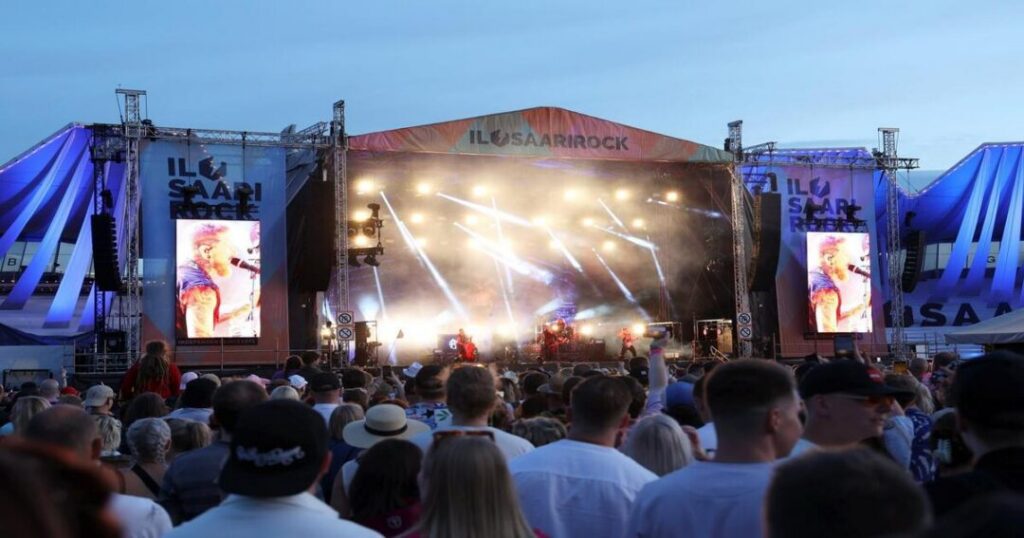
Founded in 1971 in Joensuu, Ilosaarirock is the second-oldest rock festival in Finland still running, and one of the older festivals in Europe generally. It’s organised by a non-profit music association and largely run by volunteers, with proceeds funneled back into the regional music scene — a genuinely different operating model from the more commercially run festivals on this list.
Finland Rock Festival Scene: Metal Meets Hip-Hop
Not every major Finnish festival is built around guitar rock — these two represent the heavier and more urban ends of the spectrum.
5. Tuska Open Air
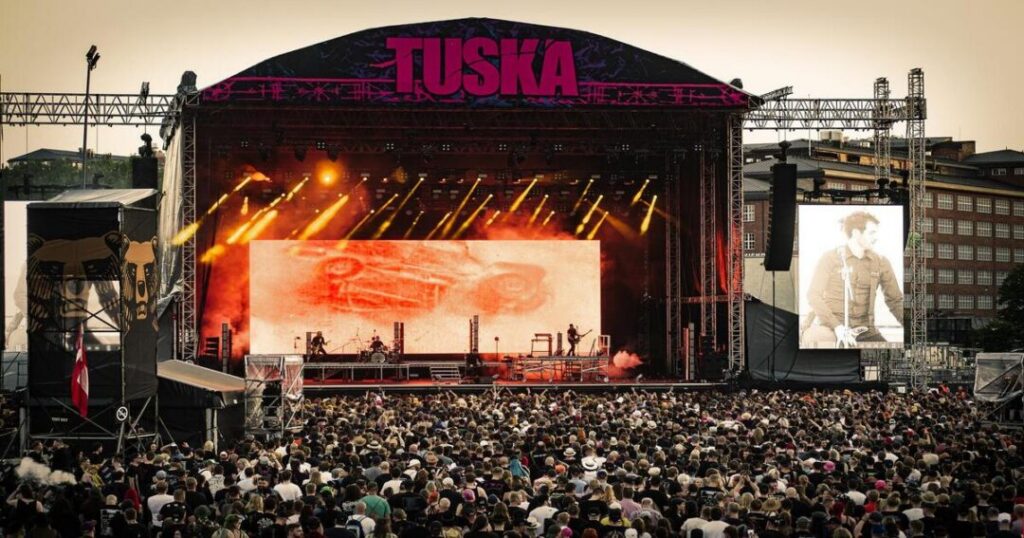
Founded in 1998 and held annually in Helsinki (at the same Suvilahti site Flow Festival now uses, at a different time of year), Tuska is dedicated entirely to heavy metal and its more extreme subgenres. It’s grown consistently since its founding and now ranks among the more significant metal festivals in Europe, drawing both major international acts and homegrown Finnish metal talent — a scene Finland is disproportionately famous for given its population size.
6. Blockfest Finland
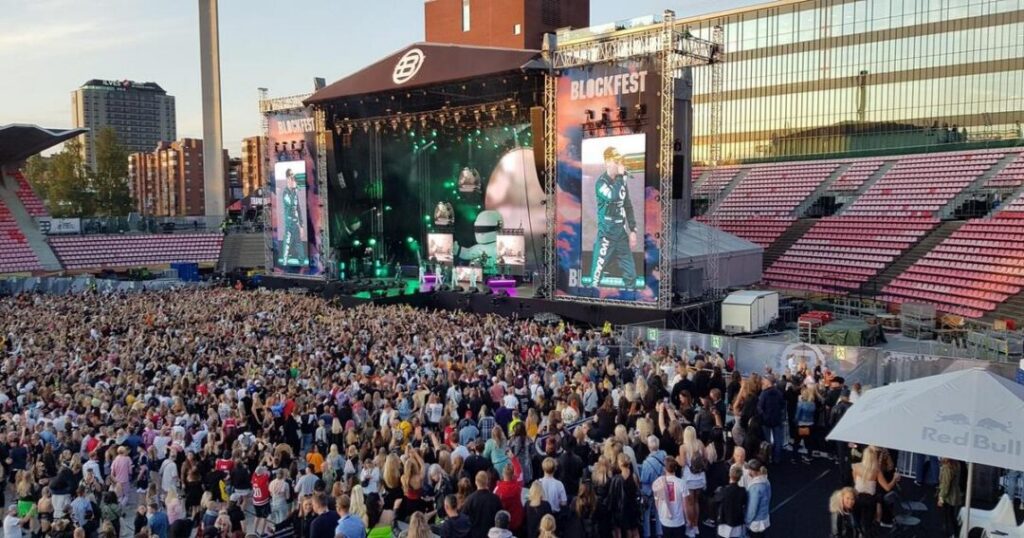
Based in Tampere since 2007, Blockfest Finland is one of the biggest hip-hop and R&B festivals in the Nordic countries, regularly selling out well in advance. Held right in Tampere’s city centre near Ratina Stadium, it mixes major international hip-hop acts with Finland’s own homegrown rap scene, which has grown substantially over the past two decades. It’s a useful reminder that Finland’s festival identity isn’t only rock and metal — hip-hop has a genuinely large, dedicated audience here too. [INTERNAL LINK: A guide to Tampere → Tampere Travel Guide]
Helsinki Jazz Festival & Finland’s Classical and Folk Scene
Away from the big outdoor stages, Finland also has a strong classical, jazz, and folk tradition worth building a trip around.
7. We Jazz Festival — Helsinki’s Jazz Festival
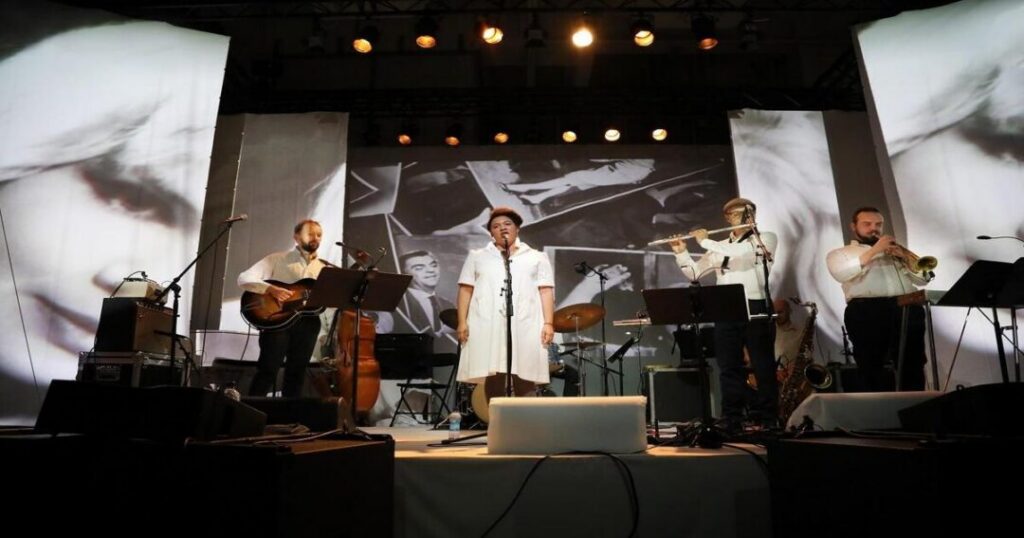
If you’re searching for a helsinki jazz festival, We Jazz is the one currently defining the city’s scene. Founded in 2013, it runs across multiple Helsinki venues each late autumn (typically late November into early December) and leans into a genuinely broad definition of jazz — traditional forms sit alongside electronic and experimental takes on the genre, much of it tied to Helsinki’s own active jazz community rather than imported headline acts alone.
8. Savonlinna Opera Festival
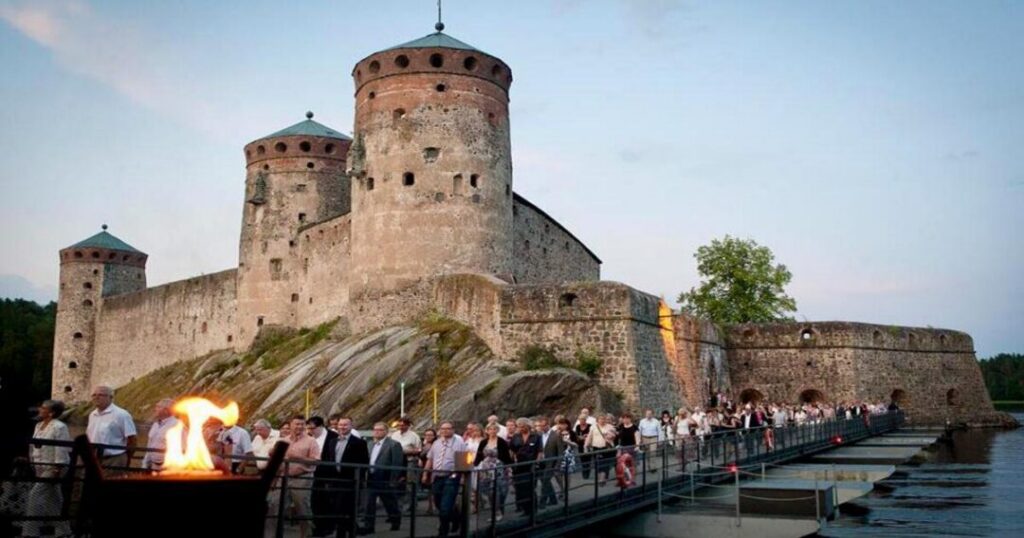
Few festivals anywhere have a venue as striking as this one: a medieval castle, Olavinlinna, built in 1475 on a lake islet in Savonlinna. The festival traces back to 1912, when Finnish soprano Aino Ackté first staged opera here as an act of cultural nationalism, though it lapsed for decades before its modern revival in 1967. Today it remains one of the more visually memorable opera festivals in the world, precisely because of where it happens rather than just what’s performed.
9. Kaustinen Folk Music Festival
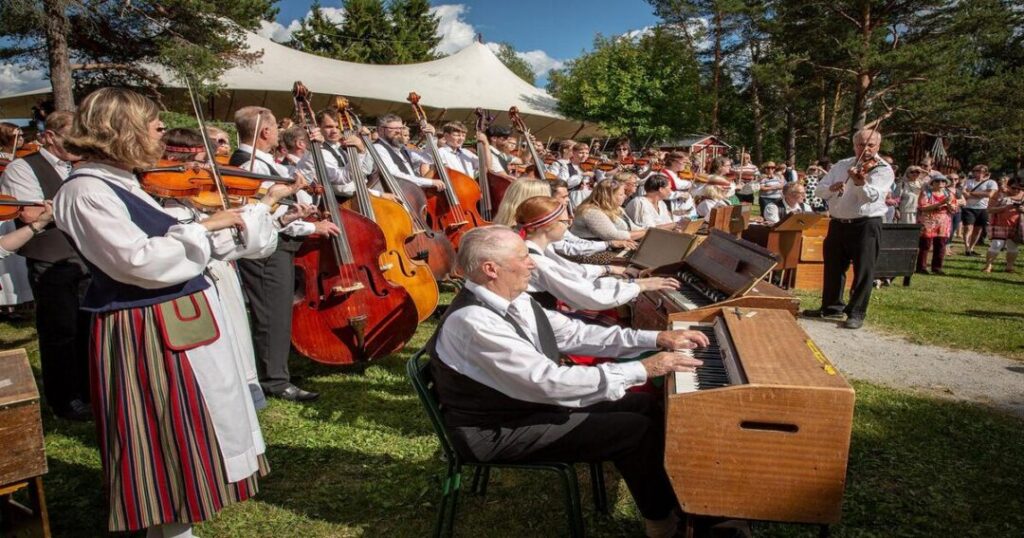
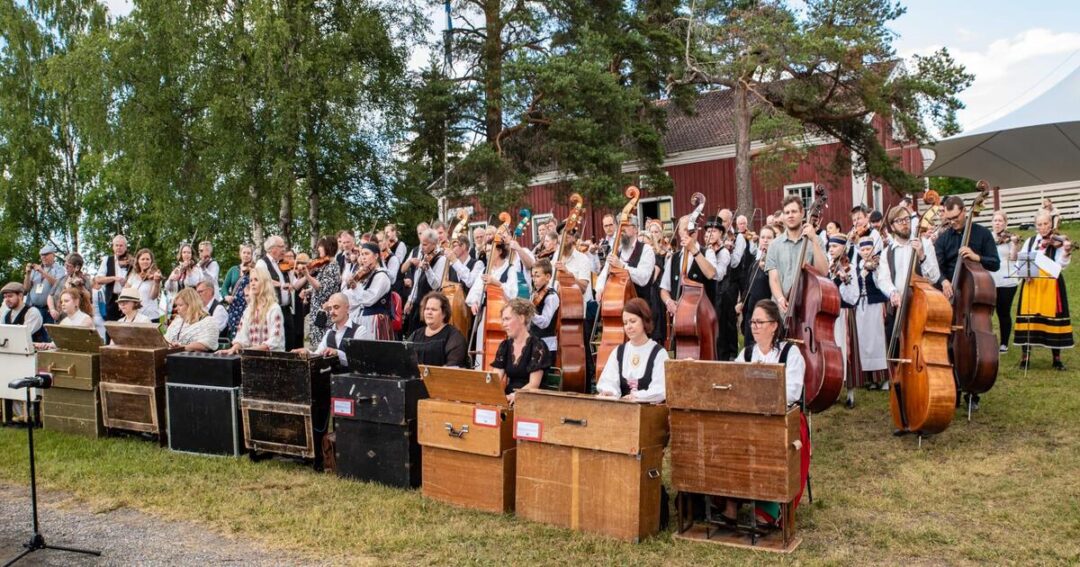
Held every July in the small village of Kaustinen since 1968, this is described as the biggest folk music and dance festival in the Nordic countries. It centres on a local fiddle-playing tradition more than 250 years old, formally recognised in 2021 on UNESCO’s Representative List of the Intangible Cultural Heritage of Humanity — a rare case of a music festival built around a tradition that’s been officially designated as heritage rather than just popular culture.
Also Read: Bizarre Festivals Around the World: 12 Weird Celebrations You Won’t Believe Are Real
10. Helsinki Festival
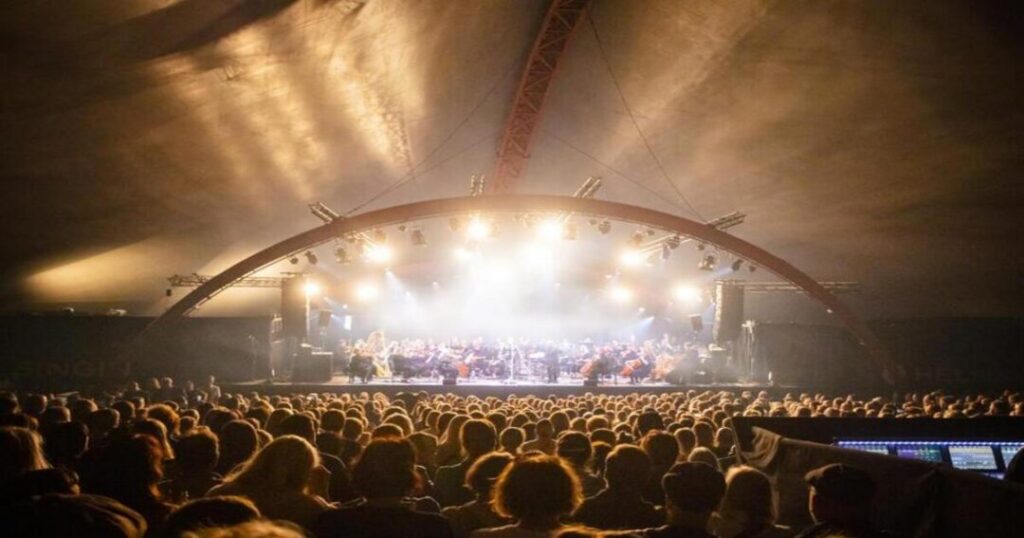
Finland’s largest multi-arts festival, held every August since 1968 (evolving out of an earlier classical music event called Sibelius Weeks), Helsinki Festival spans theatre, music, dance, visual art, and circus across the city, with many performances free to attend. Its “Night of the Arts” opening event effectively turns central Helsinki into one large open-air venue for a night, making it one of the more accessible famous festivals in finland for visitors who don’t want to commit to a single genre or ticketed event. Between this and Flow Festival, August alone can justify a Helsinki-focused trip on its own.
[QUOTE: “Helsinki in August is basically one long festival if you know how to string Flow and Helsinki Festival together.” — suggested source: a Helsinki-based culture journalist or local music promoter]
Famous Festivals in Finland Rooted in Culture & Tradition
Not everything on Finland’s festival calendar involves a stage or a ticket — these two shape the national calendar more than any music festival does.
11. Juhannus (Midsummer)
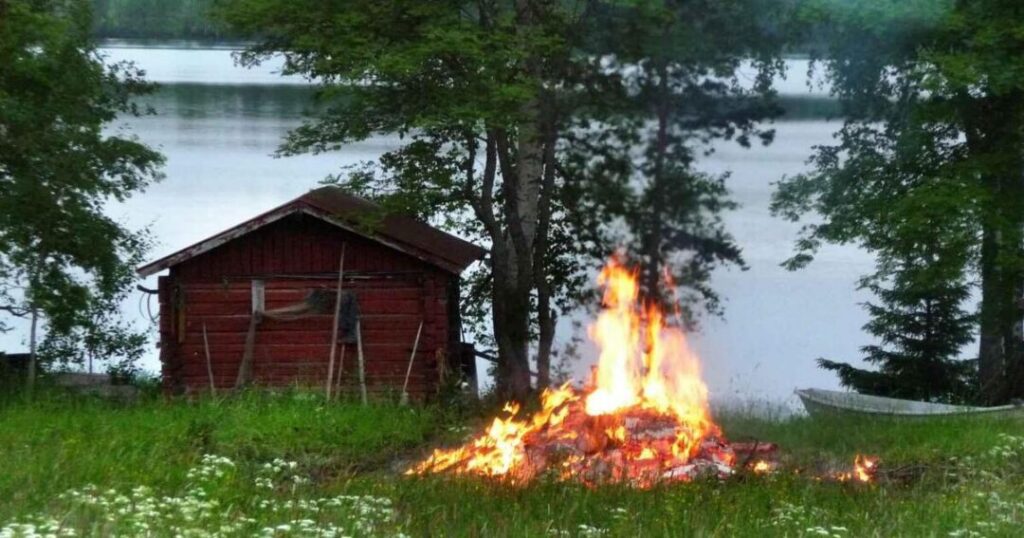
Celebrated around the summer solstice (Midsummer Eve always falls on a Friday, typically between June 19–26), Juhannus is arguably Finland’s most significant cultural celebration. Traditions include lighting bonfires, raising a Midsummer pole, sauna visits, and gathering at lakeside cottages — customs with roots in older agricultural traditions dedicated to ensuring good harvests, later layered with Christian associations tied to St. John the Baptist’s feast day. It’s less a single event than a nationwide pause, with much of the country decamping to summer cottages for the weekend.
12. Vappu (May Day)
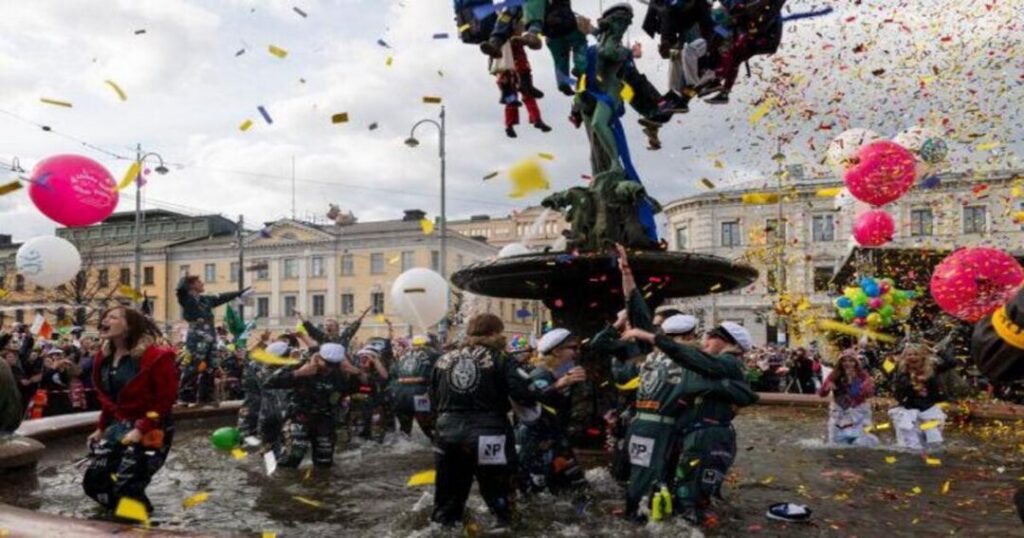
Celebrated on April 30th and May 1st, Vappu blends Walpurgis Night traditions (named for 8th-century missionary Saint Walpurga) with Finland’s biggest student celebration, a tradition dating back to the 1870s. Its most recognisable symbol is the white student cap, worn by anyone who has completed their matriculation exam, alongside overalls specific to different fields of study. It overlaps with International Workers’ Day, giving it a dual identity as both a spring carnival and a labour holiday.
[STAT: Finland’s Vappu tradition dates back to student celebrations recorded as early as the 1870s, decades before it became an official public holiday in 1979 — source: Finnish cultural history records]
Why Finland Has Such a Strong Festival Culture
Look at this list and a pattern emerges: an unusually high number of Finland’s festivals are decades old, non-profit or volunteer-run, and tied to a specific community rather than a touring festival brand. Ilosaarirock is run by a musicians’ association. Ruisrock predates almost every major European festival still operating today. Kaustinen is built around a folk tradition old enough to carry UNESCO recognition rather than a lineup that changes with the industry.
Finland is also widely cited as having more heavy metal bands per capita than any other country — commonly quoted as roughly one metal band for every 1,000 Finns — a factoid frequently attributed to the country’s widespread, publicly supported music education system alongside straightforwardly cultural factors. Whatever the exact cause, it helps explain why a country of just over 5 million people sustains a festival calendar this dense every summer. [INTERNAL LINK: A guide to Nordic music culture → Nordic Music Scene Guide]
Planning a Trip Around Events in Finland
A few practical notes if you’re timing a visit around specific events in Finland.
- Summer (June–August) is when almost everything happens — Ruisrock, Provinssi, Flow, Tuska, Blockfest, Kaustinen, Helsinki Festival, and both cultural holidays (Vappu excepted) all cluster into this narrow window
- Book accommodation early in festival cities during their event weeks, since Finnish summer is short and demand spikes hard around known dates
- We Jazz Festival is a notable exception, running in late autumn rather than summer, so it’s a good option if you want a Finnish festival trip outside peak season
- Juhannus effectively shuts down city life for a long weekend, as much of the population heads to lakeside cottages — plan city sightseeing around it rather than during it
- Vappu is the opposite — it’s an urban, street-level celebration, so cities like Helsinki are exactly where you want to be rather than somewhere to avoid
- Weather is genuinely unpredictable even in peak summer, so pack layers regardless of which festival you’re attending; most Finnish festivals run outdoors rain or shine
Also Read: BUCKET LIST CHALLENGE: ROVANIEMI, THE ARCTIC SANTA CLAUSE VILLAGE
Final Thoughts About Festivals in Finland
Finland’s festival calendar says more about the country than a typical summer-vacation guide usually captures — a genre-blurring flagship music festival, a centuries-old fiddle tradition with UNESCO recognition, and cultural holidays that briefly empty entire cities all sit on the same yearly calendar. Whichever festivals in Finland you build a trip around, the mix of music and tradition here rewards travellers willing to look past the obvious summer-festival headline acts.
Plan your Finland festival trip with Explurger — download the app today.
Pick the season and the sound that suits you, and let the rest of the itinerary build itself around it.
FAQs About Festivals in Finland
2. When is Flow Festival held in Helsinki?
Flow Festival Helsinki is held annually in August at a former power plant site in the city's Suvilahti area. It has run since 2004, growing from a small indoor soul and jazz event into one of Northern Europe's most genre-spanning music and arts festivals, covering everything from indie rock to jazz, folk, and visual art.
3. What is Blockfest in Finland?
Blockfest is a hip-hop and R&B festival held annually in Tampere since 2007, widely considered one of the biggest hip-hop festivals in the Nordic countries. It regularly sells out well in advance and combines major international hip-hop acts with Finland's own substantial homegrown rap scene.
4. Is there a Helsinki jazz festival?
Yes, We Jazz Festival is Helsinki's primary jazz festival, running since 2013 across multiple city venues each late autumn. It takes a broad approach to jazz, blending traditional forms with electronic and experimental influences drawn largely from Helsinki's own active jazz scene rather than relying solely on touring headline acts.
5. What is the biggest rock festival in Finland?
Finland has several major rock festivals rather than one single biggest event, including Ruisrock (the oldest, running since 1970), Provinssi (running since 1979), and Ilosaarirock (running since 1971). Each has a long-running history and a loyal following, making direct comparisons about size less meaningful than each festival's distinct identity and location.
6. What is Juhannus and why is it important in Finland?
Juhannus, or Midsummer, is Finland's most significant cultural celebration, marked by bonfires, sauna visits, and gatherings at lakeside cottages around the summer solstice. It carries roots in older agricultural traditions meant to ensure good harvests, later blended with Christian associations, and today functions as a nationwide long weekend that empties cities as people head to the countryside.