
March is one of the most culturally dense months on the Indian calendar. The winter chill fades, harvest cycles begin in several regions, and religious calendars across Hindu, Islamic, and regional traditions align to create a packed schedule of observances. For cultural explorers, this is one of the most rewarding times to travel. The diversity of festivals in March reflects India’s layered history, agricultural rhythms, and spiritual practices.
This guide focuses on five of the most important festivals in March that consistently shape travel, public life, and community participation across the country.
The 5 most popular festivals in March in India
1. Holi
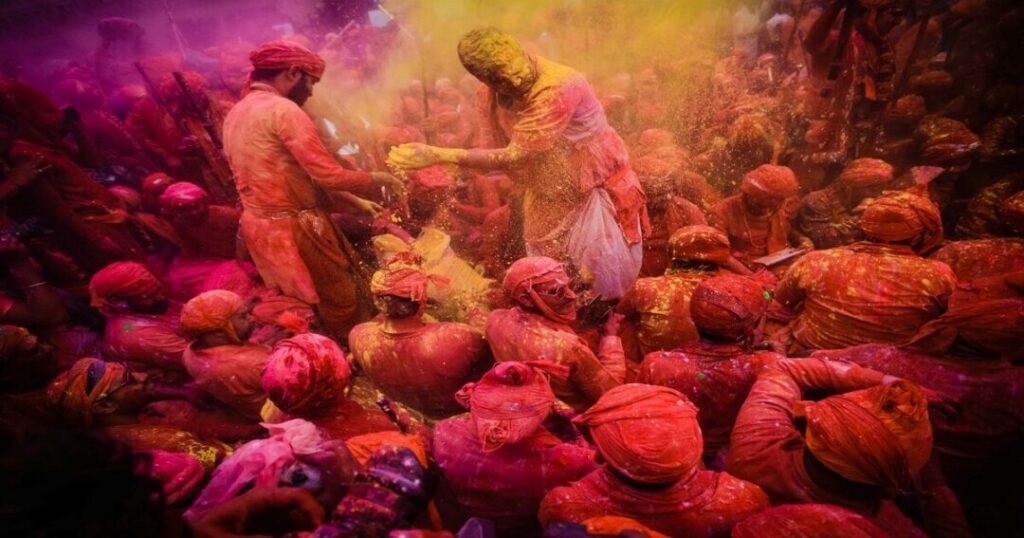
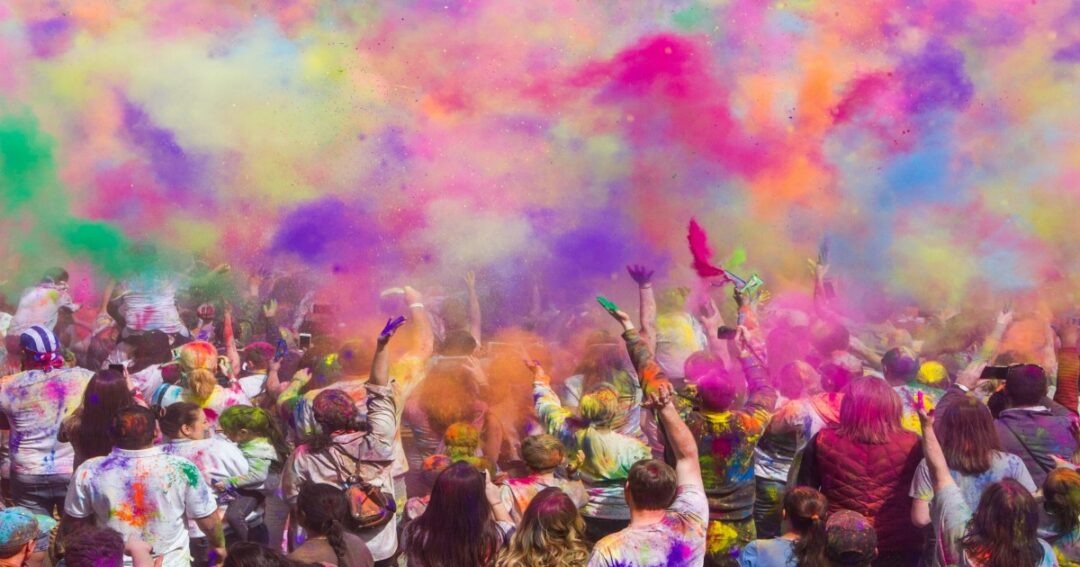
Holi is one of the most widely recognized festivals in March. It marks the arrival of spring and the triumph of good over evil, rooted in the legend of Prahlad and Holika from Hindu mythology. The festival also celebrates the divine love of Radha and Krishna, especially in North India. Traditionally observed on the full moon day of the Hindu month of Phalguna, Holi signals seasonal transition and agricultural renewal.
Celebrations unfold over two days. The first evening, known as Holika Dahan, involves bonfires symbolizing the burning away of negativity. The following day, people gather in streets and courtyards to play with colored powders (gulal), water balloons, and music. Cities such as Mathura and Vrindavan are especially significant due to their association with Krishna, while Varanasi and Jaipur host large-scale public celebrations. Among all festivals celebrated in March in India, Holi has the widest geographic participation.
Check it out- Masan Ki Holi 2026: Holi in Varanasi Travel Guide, Rituals & Safety Tips
Masan Ki Holi 2026 in Varanasi is expected to take place a few days before Holi on March 4, 2026. Unlike traditional Holi celebrations filled with colours and water, Holi in Varanasi includes a rare ritual at Manikarnika Ghat, where ash from funeral pyres is symbolically used instead of gulal.
Best Places to Celebrate Holi for Your 2026 Long Weekend
2. Ramadan/Ramzaan (when it falls in March)
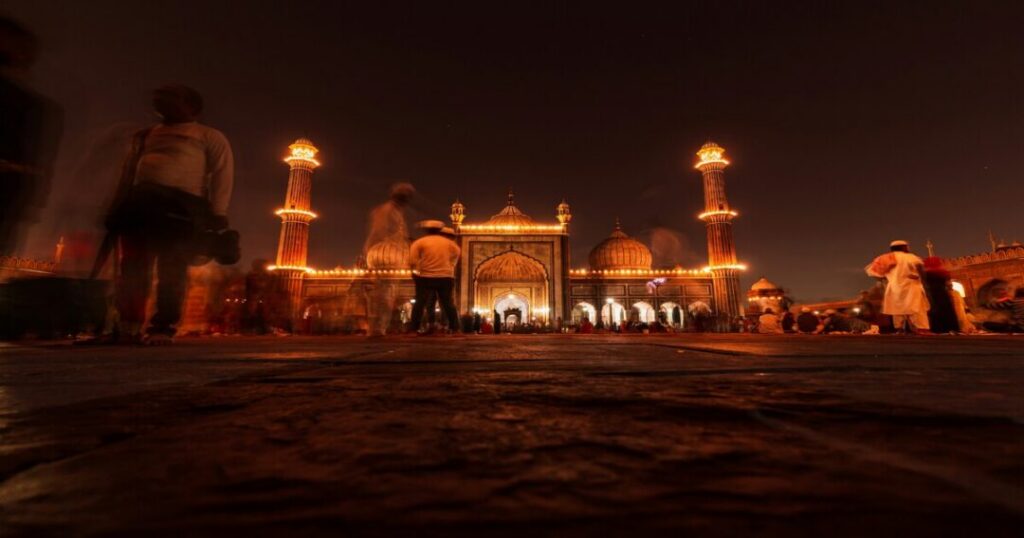
Ramadan is the ninth month of the Islamic lunar calendar and occasionally overlaps with March. When it does, it becomes one of the most visible festivals in March, particularly in cities with large Muslim populations. Ramadan commemorates the revelation of the Quran to Prophet Muhammad and emphasizes fasting (roza), prayer, charity, and self-discipline. A roza, observed during Ramadan, is a daily fast dawn (suhoor) until sunset (iftar) where people abstain from food, drink, and physical needs. Beyond devotion, it is meant to cultivate empathy by experiencing hunger and discomfort, helping individuals understand the realities faced by the less fortunate.
Areas such as Hyderabad (notably around Charminar), Delhi (especially Jama Masjid), and Lucknow see vibrant night markets and community gatherings. While Ramadan concludes with Eid al-Fitr, the month itself shapes urban rhythms and public life, making it one of the most socially transformative festivals celebrated in March in India when dates align.
Experience the Magic of Ramzaan/Eid 2025 Through Travel
Pro Tip: Don’t ever skip the food during Eid/Ramzaan!
3. Ugadi / Gudi Padwa
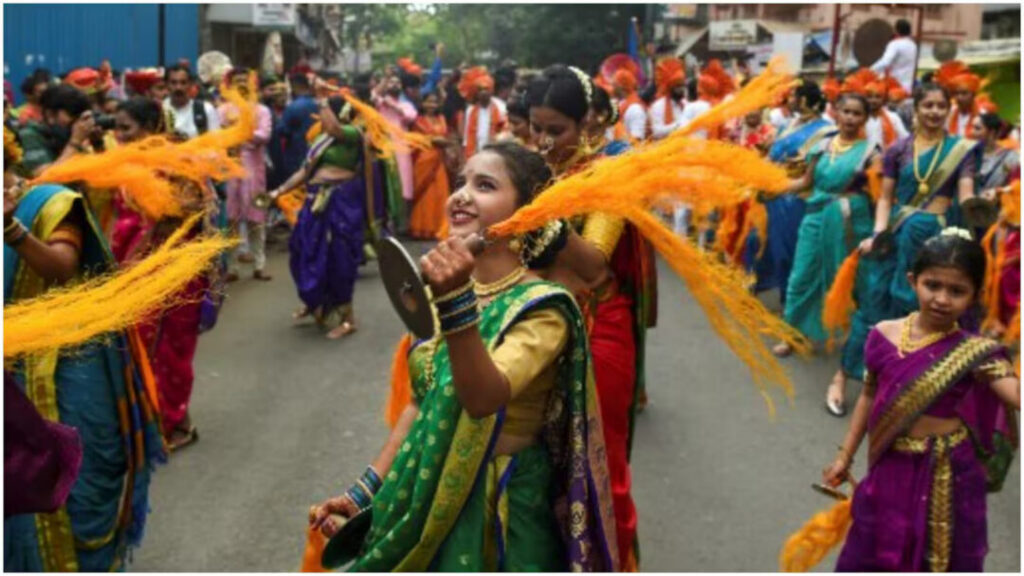
Ugadi (celebrated in Andhra Pradesh, Telangana, and Karnataka) and Gudi Padwa (observed in Goa and Maharashtra) mark the Hindu lunisolar New Year and typically fall in March or early April. These festivals in March signal the beginning of the Chaitra month, the start of a new agricultural and administrative cycle in several regional calendars with mythological links to Lord Brahma creating the world or Lord Rama’s return. The day is considered astrologically significant, with many families consulting the annual Panchangam (Hindu almanac) to understand predictions for the coming year.
Celebrations are rooted in household ritual rather than mass public spectacle. Homes are cleaned and decorated with mango leaves and rangoli. In Maharashtra, families hoist a “Gudi” — a decorated flag-like arrangement of cloth, neem leaves, and a copper pot — outside their homes as a symbol of victory and prosperity. In the southern states, a special dish called Ugadi Pachadi is prepared, combining six flavors to represent different emotions of life: sweet, sour, bitter, salty, pungent, and astringent. Cities such as Hyderabad, Bengaluru, Mumbai, and Pune observe these festivals in March in India with temple visits, cultural programs, and community gatherings.
4. Chapchar Kut
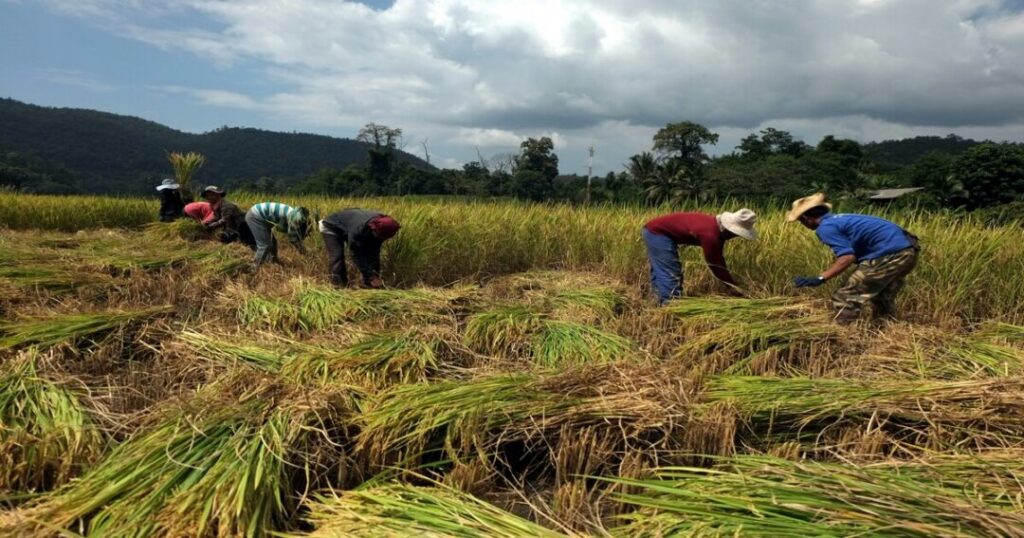
Chapchar Kut is the most important spring festival of Mizoram and usually falls in early March. It marks the completion of the jungle clearing phase of shifting cultivation (jhum farming). Historically, this period represented a pause before sowing crops, allowing communities time for celebration. Among regional festivals in March, Chapchar Kut stands out for preserving indigenous Mizo traditions.
The festival features traditional dances such as the Cheraw bamboo dance, folk music, community feasts, and cultural performances. Celebrations are centered in Aizawl and other towns across Mizoram. Participants wear traditional attire, and events often include sports competitions and handicraft displays. For cultural explorers interested in Northeast India, Chapchar Kut offers insight into agrarian cycles and tribal identity, making it one of the most distinctive festivals in March in India.
MIZORAM- TOP 5 PLACES TO VISIT IN 2026
5. Yaoshang
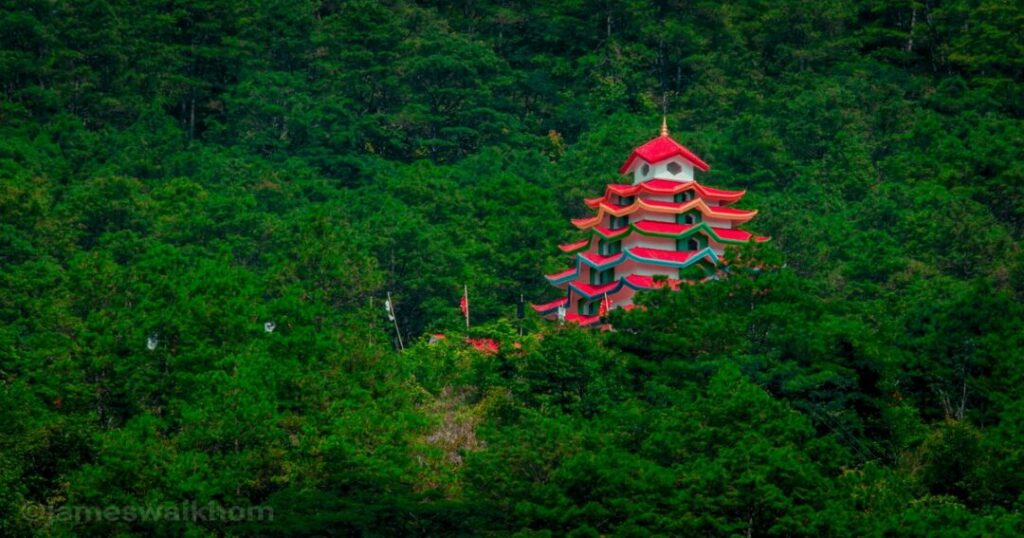
Yaoshang is a five-day spring festival celebrated in Manipur, beginning on the full moon day of Phalguna, often coinciding with Holi but expressed through local traditions. It blends indigenous Meitei customs with Vaishnav Hindu practices introduced in the 18th century. As one of the culturally layered festivals in March, Yaoshang highlights regional adaptation of pan-Indian themes.
The celebrations include Thabal Chongba, a traditional Manipuri moonlight dance performed in open spaces. Children and youth collect donations (known as nakatheng) to organize sports and cultural events. Temples dedicated to Krishna host devotional singing and rituals, while communities organize athletic competitions. The capital city Imphal becomes the focal point of activity. Yaoshang demonstrates how festivals in March in India vary significantly by region while sharing seasonal symbolism.
Why March Is Culturally Significant
The concentration of festivals in March is not accidental. The month typically marks the end of winter and the beginning of harvest cycles in several parts of India. It also aligns with the Hindu lunar month of Phalguna and, depending on the year, overlaps with the Islamic calendar. This convergence explains why festivals in March span agrarian, devotional, and community-centered traditions.
For travelers, this period provides a cross-section of India’s cultural landscape within a short time frame. From color-based public celebrations to solemn temple rituals and community harvest festivals, the diversity of festivals in March offers a practical lens into regional identities.
Travel Considerations During March Festivals
Exploring festivals in March in India requires logistical planning. Major events such as Holi can disrupt public transport, close markets, and alter business hours. Accommodation prices may rise in high-demand cities like Mathura, Varanasi, and Jaipur. At the same time, smaller regional events such as Chapchar Kut or Yaoshang offer more structured cultural programs with fewer disruptions.
Safety is another factor. Large gatherings, particularly during Holi, can become crowded and intense. Cultural explorers should research local customs, dress conservatively when visiting religious sites, and respect fasting practices during Ramadan. Understanding context enhances the experience of festivals celebrated in March in India.
Conclusion
The festivals in March reflect agricultural transitions, mythological narratives, devotional observances, and regional identity. Holi represents seasonal renewal and public celebration. Maha Shivaratri emphasizes ascetic devotion. Ramadan shapes daily life through fasting and communal prayer. Chapchar Kut preserves tribal agrarian heritage. Yaoshang integrates indigenous and Vaishnav traditions.
For cultural explorers, festivals in March in India offer concentrated access to living traditions across different faiths and regions. Whether engaging with temple rituals, observing community dances, or participating in structured public celebrations, March remains one of the most culturally dynamic months on the Indian calendar.
FAQs About Festivals in March
2. Is March a good time to travel in India for festivals?
Yes, March is one of the best months to experience local culture because several major festivals in March bring public celebrations, rituals, and community gatherings.
3. Where is the best place to experience Holi in India?
Destinations like Mathura, Vrindavan, and Jaipur are known for large traditional Holi celebrations.
4. Can travelers attend Ramadan events in India?
Yes, visitors can experience vibrant evening iftar markets and food streets in cities like Hyderabad and Delhi during Ramadan.
5. What should travelers keep in mind during Holi celebrations?
Expect large crowds, color throwing, music, and street celebrations, so wear old clothes and stay aware of local customs. Also, be safe. Festivals are also a breeding ground for uncouth activities.