
1,463 Total Views
The Himalayas are often associated with snow-capped peaks, winding mountain roads and famous hill stations. But beyond the popular tourist towns are quiet villages where life moves at a slower pace.
Think wooden and stone homes perched on mountainsides, prayer flags fluttering in the breeze, terraced fields stretching across valleys and narrow trails disappearing into forests. These Himalayan villages in India offer a different kind of mountain escape—one shaped by nature, local culture and simple village life.
From Himachal Pradesh and Uttarakhand to Sikkim and Arunachal Pradesh, here are some of the most scenic villages in India that feel almost like they belong in a fairytale.
12 Scenic Himalayan Villages in India That Feel Like a Fairytale
1. Chitkul, Himachal Pradesh
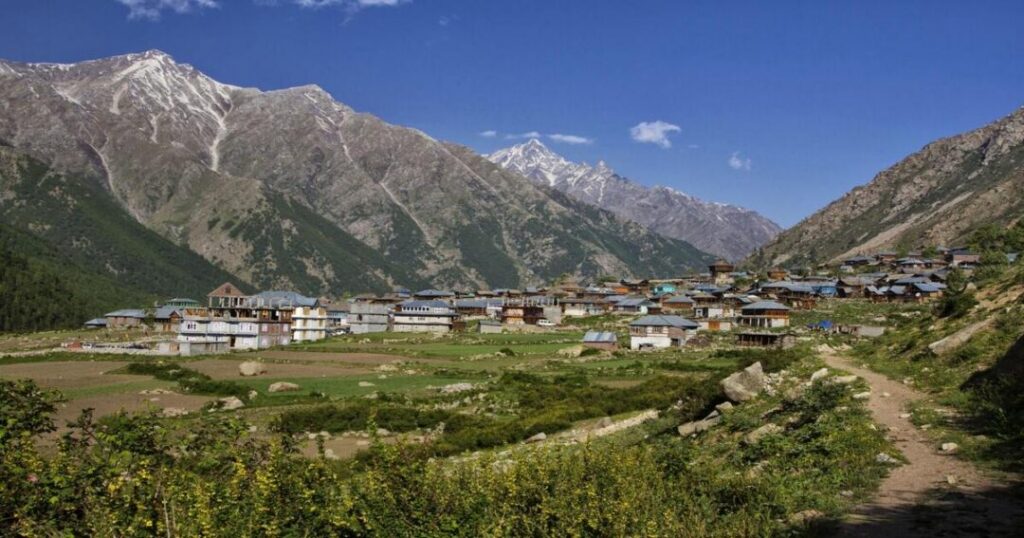
At the far end of the Baspa Valley sits Chitkul, one of the most picturesque villages in Himachal Pradesh. Surrounded by rugged mountains, traditional wooden homes and the Baspa River, the village has an unmistakable remote-Himalayan charm.
The landscape changes dramatically with the seasons. Summer brings green valleys and blooming landscapes, while winter can transform the village into a snowy mountain retreat.
For travellers looking beyond conventional hill stations, Chitkul offers mountain scenery, traditional Kinnauri architecture and an opportunity to experience a quieter side of Himachal Pradesh.
2. Kalpa, Himachal Pradesh
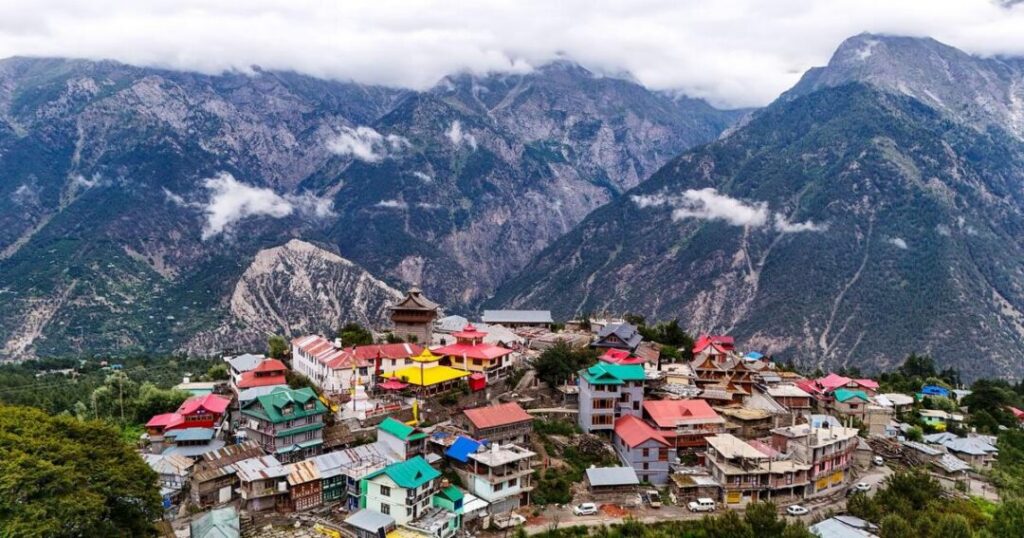
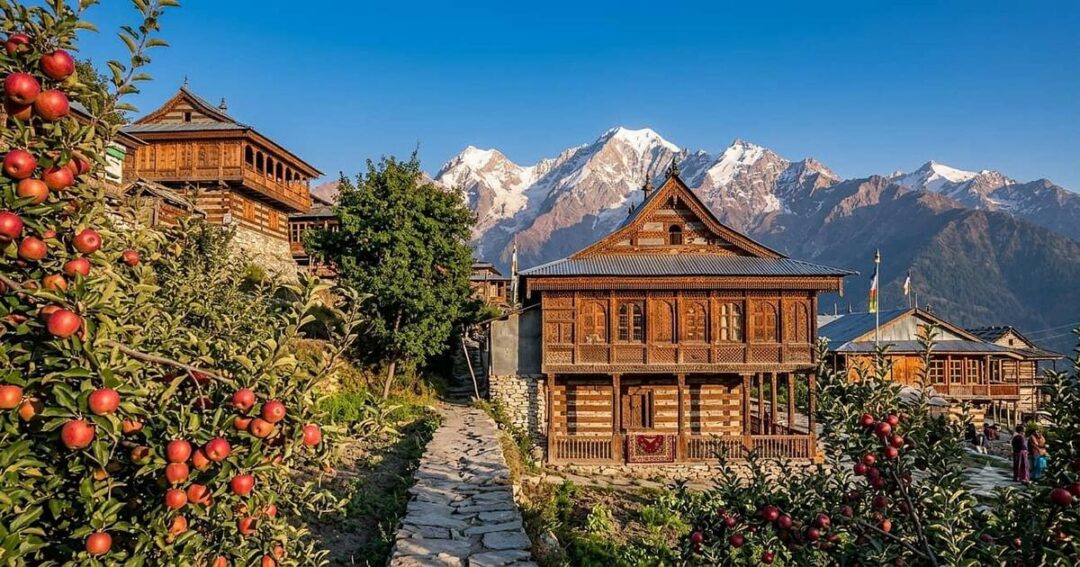
Set in the Kinnaur region, Kalpa combines spectacular Himalayan views with traditional mountain architecture. The village is particularly known for its views of the Kinnaur Kailash range and its apple orchards.
Walk through the village, explore its temples and traditional homes, or simply find a quiet spot to watch the mountains change colour as the sun moves across the sky.
Kalpa is ideal for travellers who want beautiful Himalayan scenery without the crowds associated with some of Himachal Pradesh’s better-known destinations.
3. Sarmoli, Uttarakhand
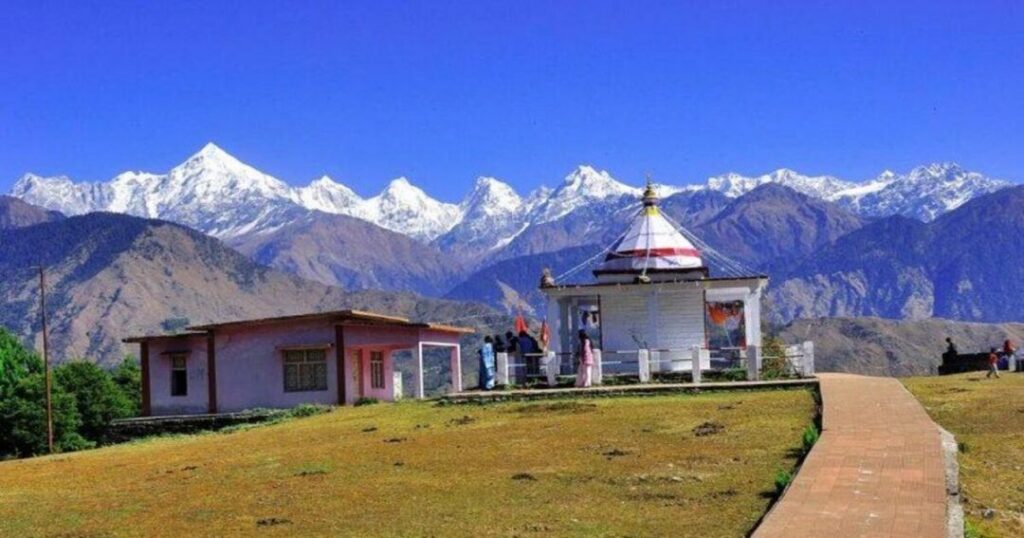
Near Munsiyari, Sarmoli offers a more intimate introduction to the Uttarakhand Himalayas. Rather than a conventional tourist town, it is known for village stays, local experiences and spectacular mountain views.
Travellers can stay with local families, explore forest trails and learn more about everyday life in the Kumaon Himalayas.
The surrounding landscape, combined with community-based tourism, makes Sarmoli an excellent choice for those interested in slow and responsible travel.
4. Munsiyari, Uttarakhand
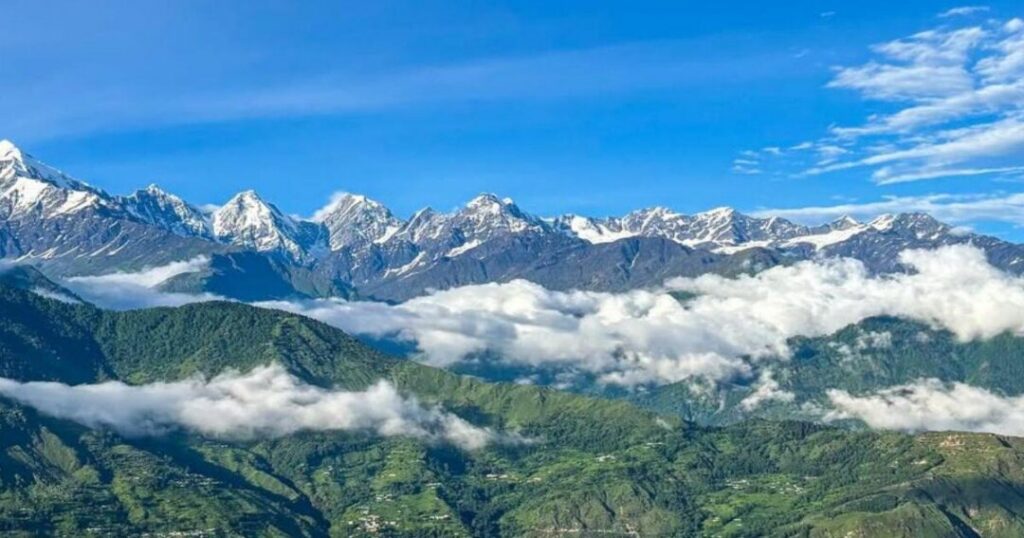
Surrounded by the Kumaon Himalayas, Munsiyari is a scenic mountain destination famous for views of the Panchachuli peaks.
The surrounding villages offer opportunities to experience local culture, traditional food and mountain life while enjoying dramatic Himalayan landscapes.
Munsiyari is also a popular base for trekking and exploring the high-altitude landscapes of the region.
Also Read: 10 Tourist Places to Explore in Munsiyari
5. Mana, Uttarakhand
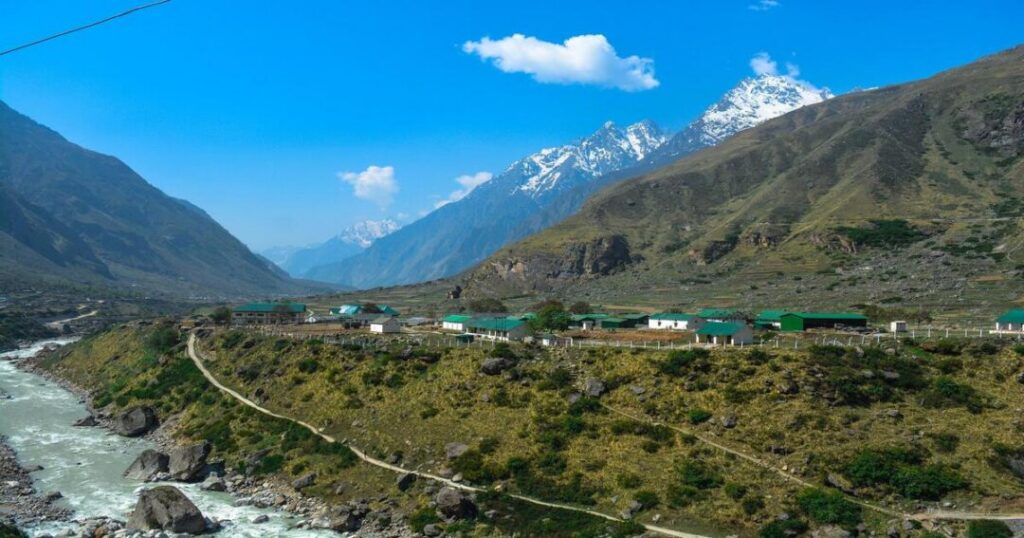
Located near Badrinath, Mana is one of Uttarakhand’s best-known high-altitude villages. Its dramatic location and traditional stone architecture give it a distinctive Himalayan character.
Mountain streams, rocky landscapes and towering peaks surround the village, while nearby attractions make it an interesting addition to a trip through the Garhwal Himalayas.
For travellers interested in combining mountain scenery with culture and spirituality, Mana offers a memorable experience.
6. Zuluk, Sikkim
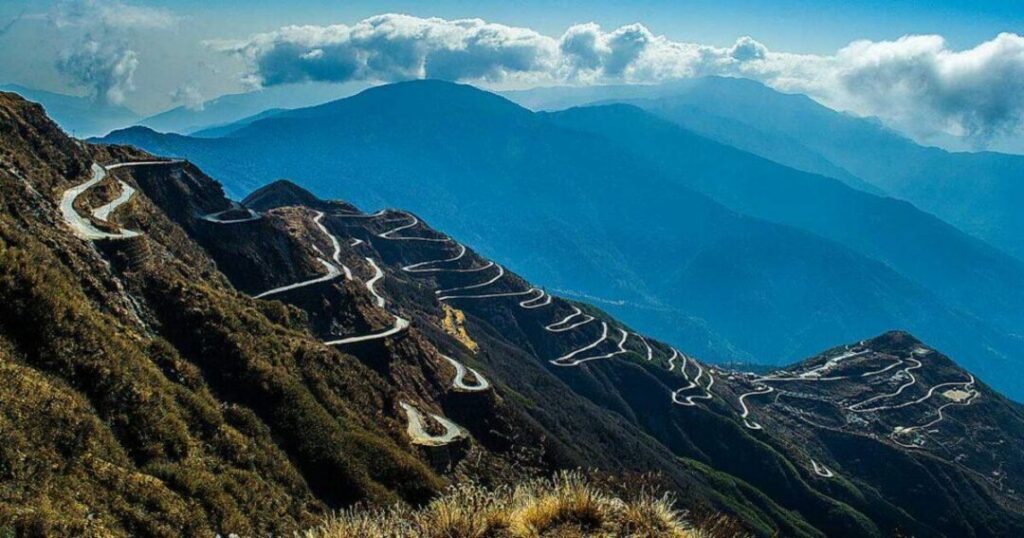
Perched along the historic Silk Route, Zuluk feels like a village suspended in the mountains.
The journey to Zuluk is part of the experience, with winding roads climbing through the Eastern Himalayas. Once there, travellers can enjoy sweeping mountain views and explore the quieter landscapes of eastern Sikkim.
The village is particularly appealing to photographers and travellers looking for an offbeat Himalayan destination.
7. Lachung, Sikkim
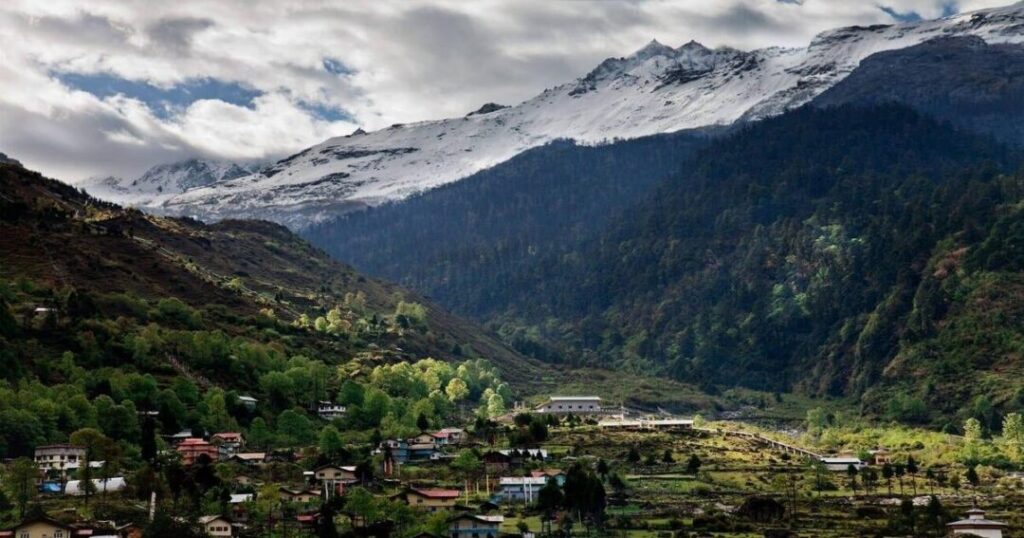
Surrounded by dramatic mountains, Lachung is one of the most beautiful villages in North Sikkim. Traditional homes, monasteries, rivers and forested slopes create a landscape that feels far removed from city life.
Lachung also serves as a gateway to destinations such as Yumthang Valley, making it a popular stop for travellers exploring northern Sikkim.
Its combination of natural beauty and local culture makes Lachung one of the most memorable Himalayan villages to visit.
8. Lachen, Sikkim
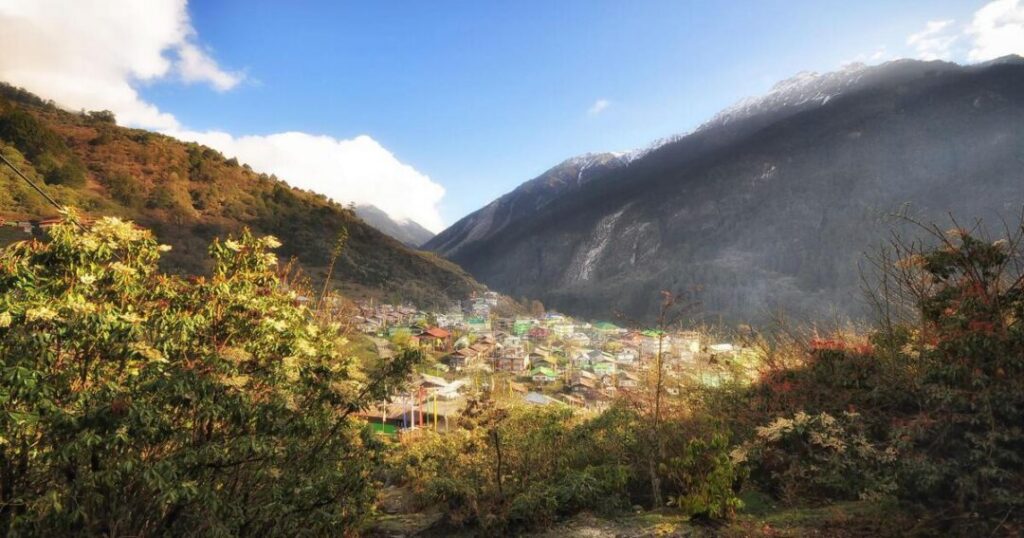
Further north, Lachen sits amid some of Sikkim’s most spectacular high-altitude landscapes. The village has a strong Tibetan cultural influence and is surrounded by mountains and forests.
The road journey itself is an attraction, passing through dramatic valleys and changing landscapes before settling.
Lachen is a good choice for travellers who want to experience the remoteness and grandeur of North Sikkim.
9. Kibber, Himachal Pradesh
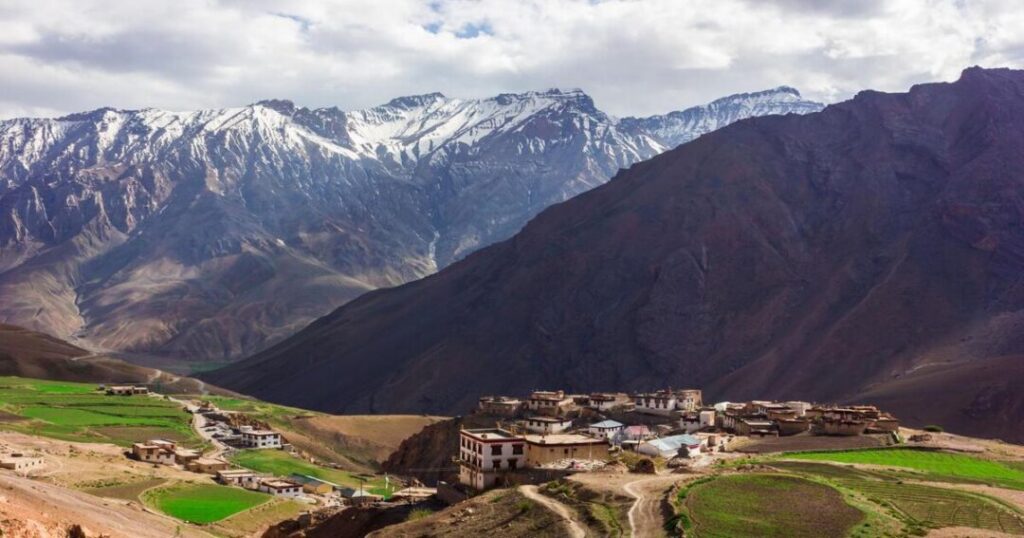
High in the Spiti Valley, Kibber offers a completely different Himalayan landscape. Instead of lush forests and green valleys, visitors encounter barren mountains, rocky slopes and vast blue skies.
The traditional homes and Buddhist cultural influences add character to the village, while the wider Spiti region is known for wildlife experiences, including the possibility of spotting the elusive snow leopard.
Kibber is ideal for travellers looking for adventure, stark landscapes and a taste of high-altitude Himalayan life.
10. Dhankar, Himachal Pradesh
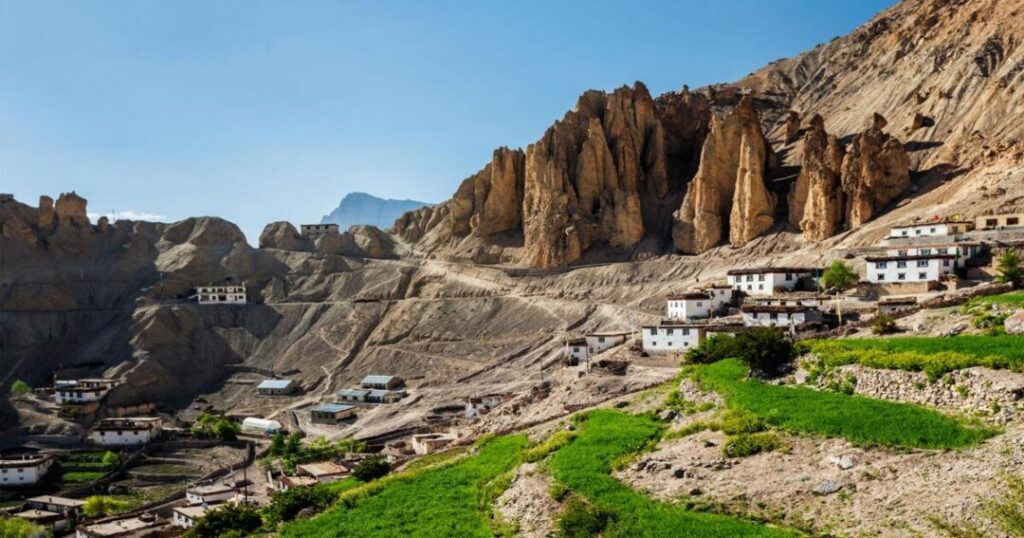
Perched dramatically above the Spiti Valley, Dhankar is one of the region’s most atmospheric villages.
Traditional homes appear to cling to the mountainside, while the historic Dhankar Monastery overlooks the dramatic valley below. The surrounding landscape is rugged, remote and strikingly beautiful.
For photographers and adventure travellers, Dhankar offers some of the most distinctive scenery in the Spiti Valley.
Also Read: 20 Offbeat Places to Visit in Himachal Pradesh’s Underrated & Unseen Destinations
11. Mechuka, Arunachal Pradesh
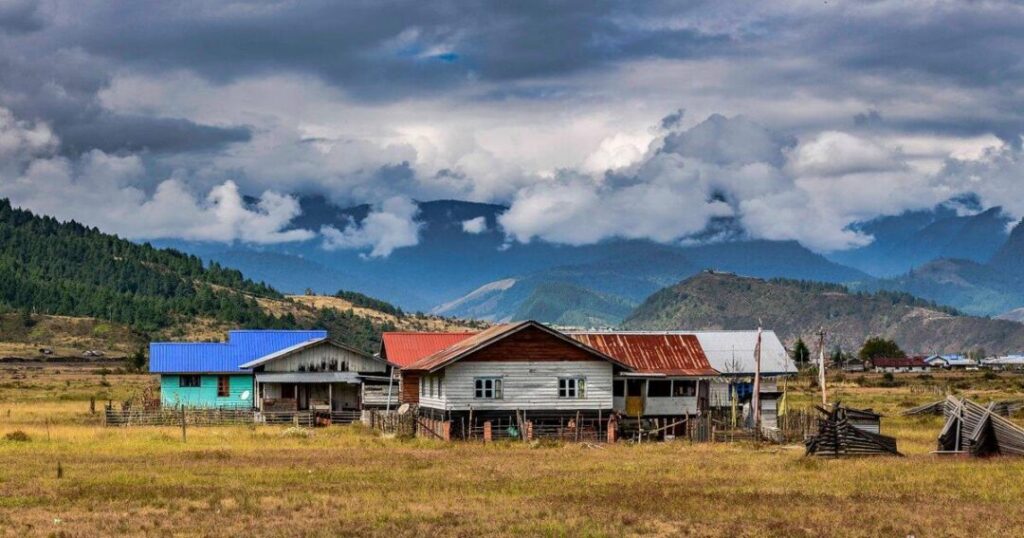
Hidden in a remote corner of Arunachal Pradesh, Mechuka is a destination for travellers who enjoy going off the beaten path.
The valley is surrounded by towering mountains, green meadows and traditional settlements. Its remoteness means fewer tourists and a slower pace of travel.
The destination also offers an opportunity to experience the cultures and traditions of the communities that call the Eastern Himalayas home.
Also Read: PLACES TO VISIT IN MECHUKA, INDIA’S NEW FAVOURITE OFFBEAT DESTINATION
12. Tawang Region, Arunachal Pradesh
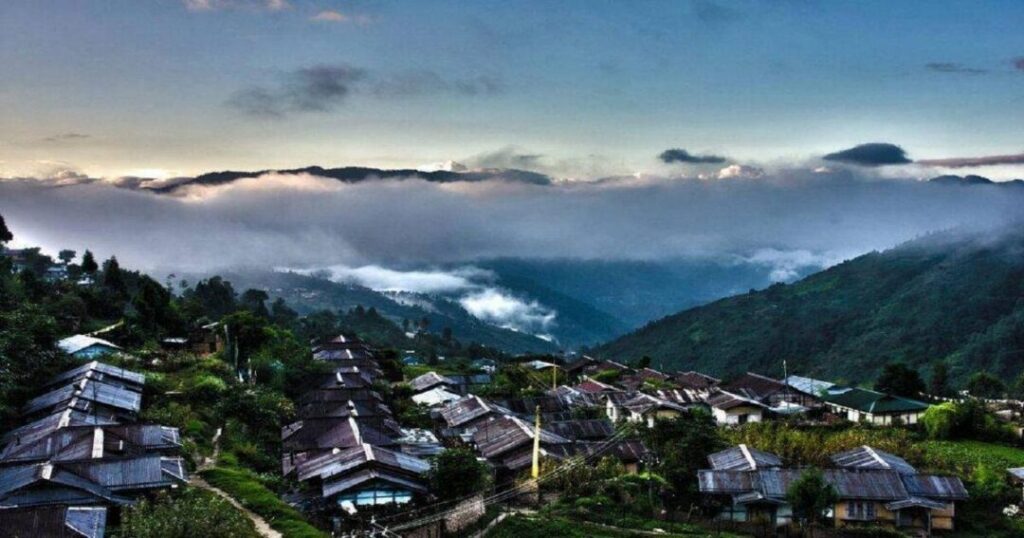
The villages around Tawang offer a fascinating combination of Himalayan landscapes, Buddhist culture and traditional mountain life.
Surrounded by high mountains and valleys, the region is known for monasteries, winding roads and spectacular viewpoints. Travelling through the smaller settlements around Tawang can be just as rewarding as visiting the major attractions.
For those looking for a Himalayan journey that combines scenery and culture, this part of Arunachal Pradesh is worth exploring.
What Makes These Himalayan Villages Feel Like a Fairytale?
The magic of these villages isn’t simply about dramatic mountain views. It comes from the combination of nature, architecture, culture and a slower pace of life.
One village might be surrounded by apple orchards, another by snow-covered peaks, while another could sit beside a rushing Himalayan river. Traditional homes, prayer flags, monasteries, terraced fields and local markets add another layer to the experience.
For travellers tired of crowded tourist destinations, these beautiful Himalayan villages offer a chance to experience the mountains at a more relaxed pace.
Also Read: Best Places to Visit in Northeast India: The Region’s Most Beautiful Villages
What is the Best Time to Visit Himalayan Villages in India?
The best time depends on the destination and altitude.
March to June is generally pleasant for many lower and mid-altitude Himalayan villages, with greener landscapes and comfortable temperatures.
July to September brings lush greenery to many areas, but the monsoon can also cause landslides and road disruptions, particularly in Uttarakhand and parts of Himachal Pradesh and the Northeast.
October to November is often a good period for clear mountain views and comfortable conditions.
December to February is ideal for travellers seeking snow, although several high-altitude villages can become difficult to access during heavy snowfall.
Always check local weather and road conditions before travelling to remote Himalayan regions.
How to Experience Himalayan Villages Responsibly?
Many Himalayan villages are small communities surrounded by fragile mountain ecosystems. Responsible tourism can help preserve both their environment and their traditional way of life.
Choose local homestays where possible, hire local guides, avoid single-use plastic and carry your waste back with you. Respect local customs, dress appropriately when visiting religious sites and avoid disturbing wildlife.
Most importantly, travel slowly. Spend time talking to locals, trying regional food and exploring village trails rather than treating these destinations as quick photo stops.
FAQs About Himalayan Villages in India
2. Which Himalayan village is best for an offbeat trip?
Mechuka, Sarmoli, Zuluk and Dhankar are excellent choices for travellers looking for quieter and less conventional Himalayan destinations.
3. Which Himalayan villages are best for snow?
Chitkul, Kibber, Lachen and several high-altitude villages across Himachal Pradesh, Uttarakhand and Sikkim can experience snowfall during winter. Accessibility can vary considerably depending on weather conditions.
4. Can I stay in Himalayan villages?
Yes. Many Himalayan villages have homestays and small guesthouses. Staying locally is also one of the best ways to experience regional food, culture and everyday mountain life.
5. What should I pack for a Himalayan village trip?
Pack according to the destination and season. Warm layers, comfortable walking shoes, sunscreen, a reusable water bottle, rain protection and basic medicines are useful for most Himalayan trips. High-altitude destinations require additional warm clothing and preparation.
6. Why These Villages Belong on Your Travel List ?
The most magical Himalayan experiences aren't always found in famous hill stations. Sometimes, they begin where the paved road ends and a narrow mountain trail leads into a quiet village.