

69 Total Views
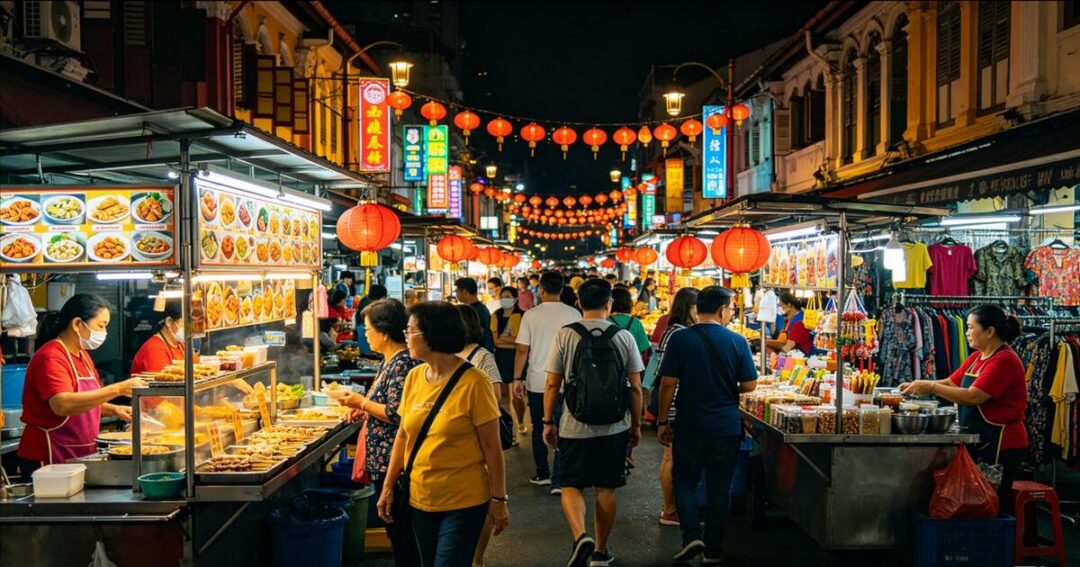
Malaysia eats in the street, at roadside stalls, in hawker centres, at night markets called pasar malam and in open-air coffee shops. Malaysian street food draws on three main traditions: Malay cooking built around rice, rempah spice pastes and sambal, Chinese cooking from the Fujian, Teochew, Cantonese, Hakka and Hainanese communities, and Indian cooking from mostly southern Indian roots, with Arab, Thai, Indonesian, Portuguese, Dutch and British touches on top. The result is a country where breakfast can be coconut rice or a flaky flatbread, lunch can be wok-fried noodles and dinner can be charcoal-grilled skewers. This guide covers the five dishes to start with, where to eat in Kuala Lumpur, the Chinese-Malaysian street classics, Penang’s famous stalls, how breakfast and coffee-shop culture work and how to choose and eat safely, including what a June 2026 hygiene raid at Jalan Alor means for visitors.
Best Malaysian Street Food
These five dishes are the ones to try first. They span the Malay, Indian and Chinese traditions and show up almost everywhere.
1. Nasi Lemak
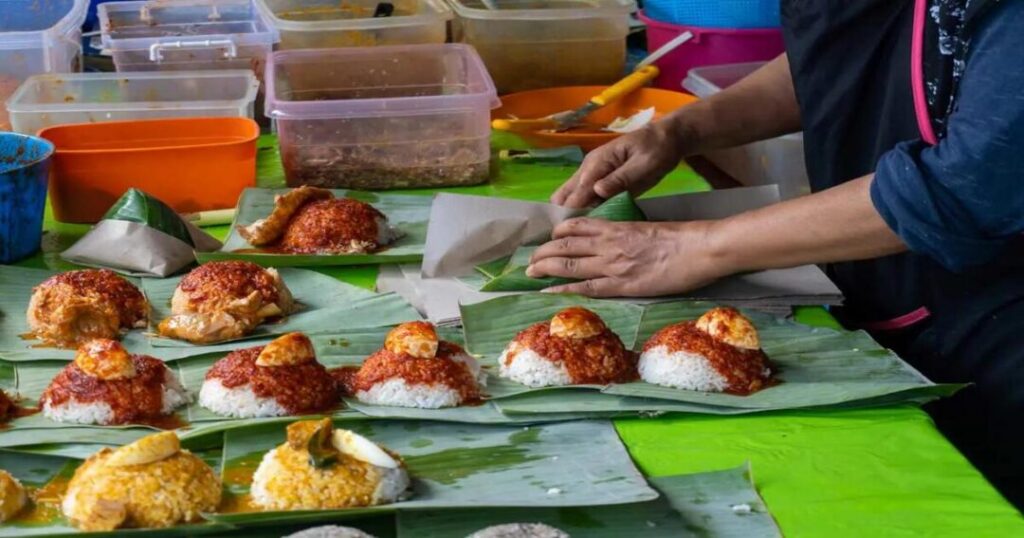
Nasi lemak is rice steamed with coconut milk and pandan, usually served at breakfast with sambal, fried anchovies (ikan bilis), roasted peanuts, an egg and cucumber. Heartier versions add fried chicken or beef rendang. Its name roughly means fatty rice, a nod to the creamy texture, and it is often wrapped or served on a banana leaf. It is frequently called the national dish, and it appears in written sources from 1875 and 1909. Regional versions differ: Kedah and Perlis serve a yellow version with curry, Terengganu adds tuna, Malacca serves it with kangkung, and the Cameron Highlands adds strawberries to the sambal.
2. Roti Canai and the Mamak Stall
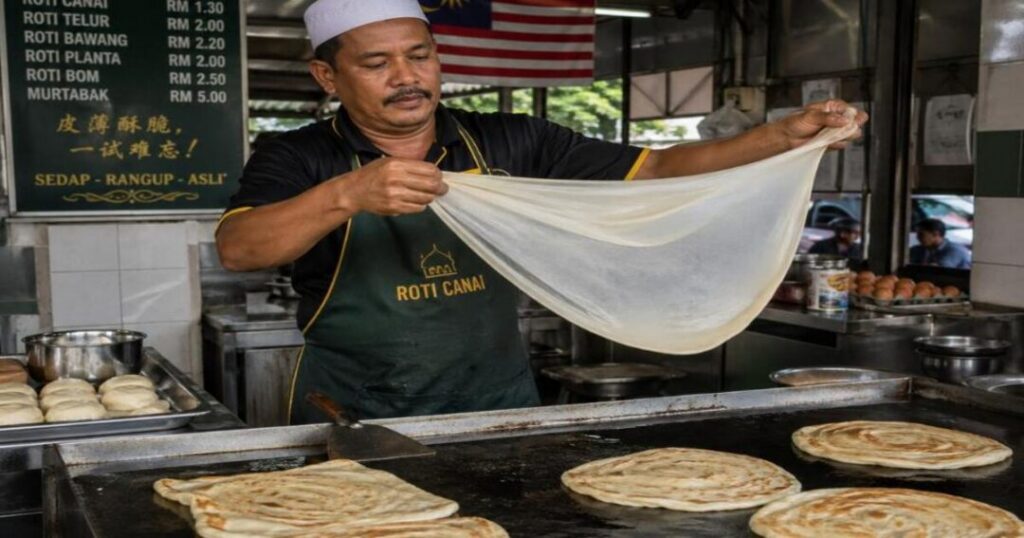
Roti canai is an unleavened flatbread made from flour, fat (usually ghee) and water, kneaded, oiled, folded and stretched into thin, flaky layers. It is of Indian origin, descended from the paratha, and is usually eaten hot with dal or other curries. Variations include roti telur (with egg), roti tissue (paper-thin and often sprinkled with sugar and condensed milk) and murtabak (thick and filled with egg, meat and onion). You will usually find it at mamak stalls, which are run by members of the Tamil Muslim community and are often open 24 hours.
3. Satay
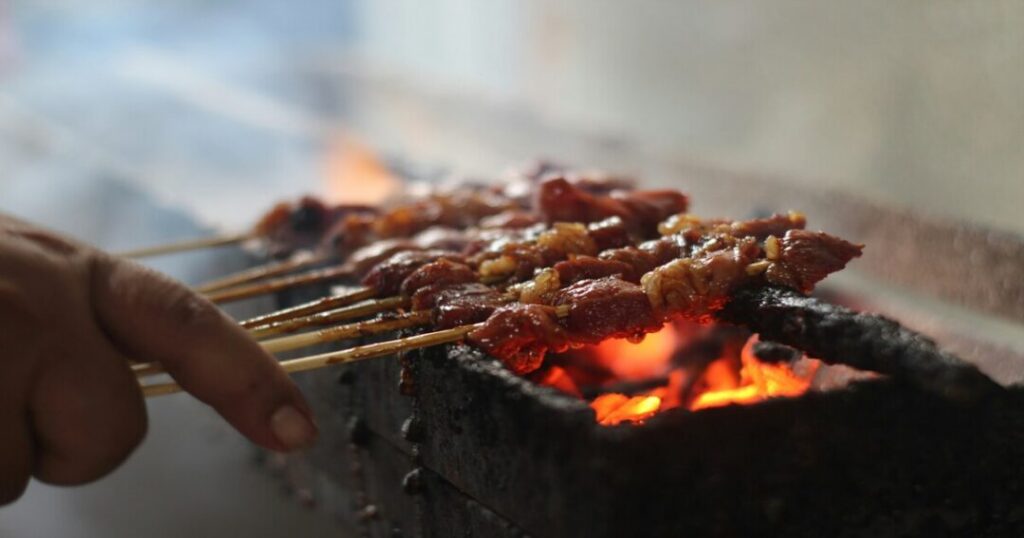
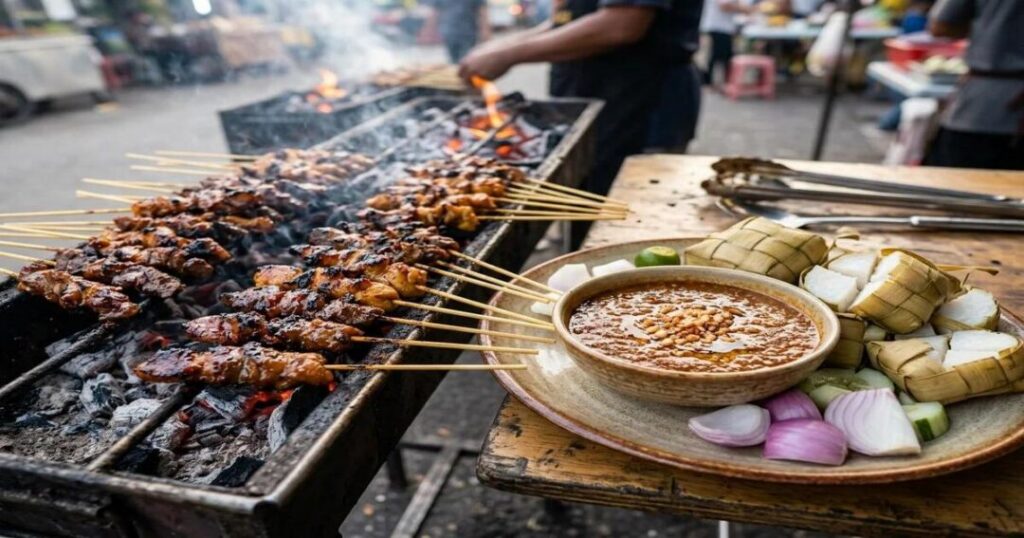
Satay is marinated beef or chicken, skewered and grilled over charcoal, traditionally coconut shell charcoal, and served with a spiced peanut sauce, ketupat (compressed rice cakes), cucumber and onion. The town of Kajang in Selangor is famous for it, and Kajang-style satay uses larger chunks of meat served with peanut sauce and fried chilli paste. Satay is strongly associated with Malay Muslim food traditions, but pork satay is made in non-halal Chinese establishments, so check the stall.
4. Char Kway Teow
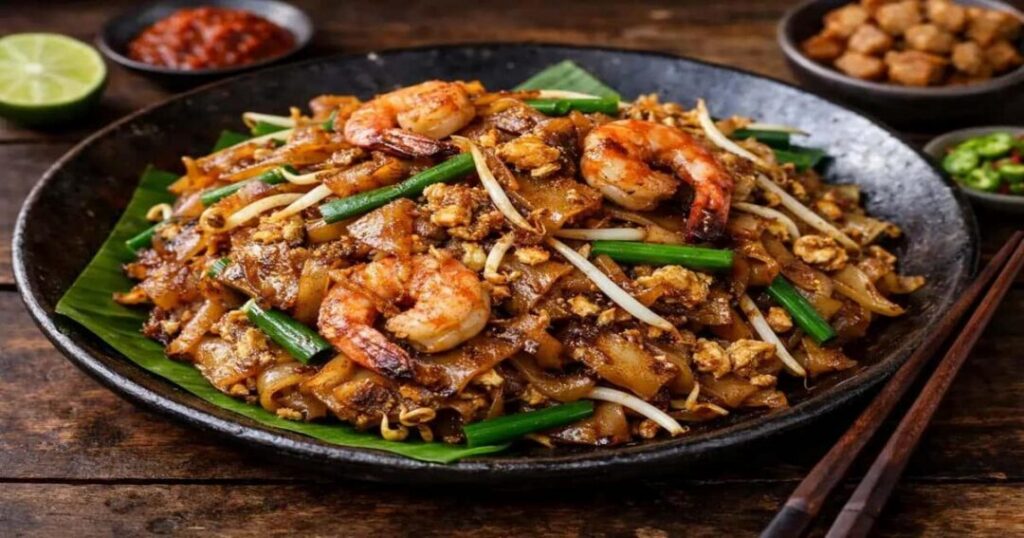
Char kway teow is flat rice noodles, about a centimetre wide, stir-fried over very high heat with garlic, light and dark soy sauce, chilli paste, prawns, blood cockles, chives, Chinese sausage and bean sprouts. Traditional versions use pork fat and are topped with crisp lard croutons, while halal versions made by Muslim cooks leave out the lard. The dish was developed for Chinese labourers in Southeast Asia and sold in the evenings by fishermen, farmers and cockle-gatherers as a cheap, calorie-dense meal. The Penang style is the most highly regarded, and it is often served on a banana leaf.
5. Cendol
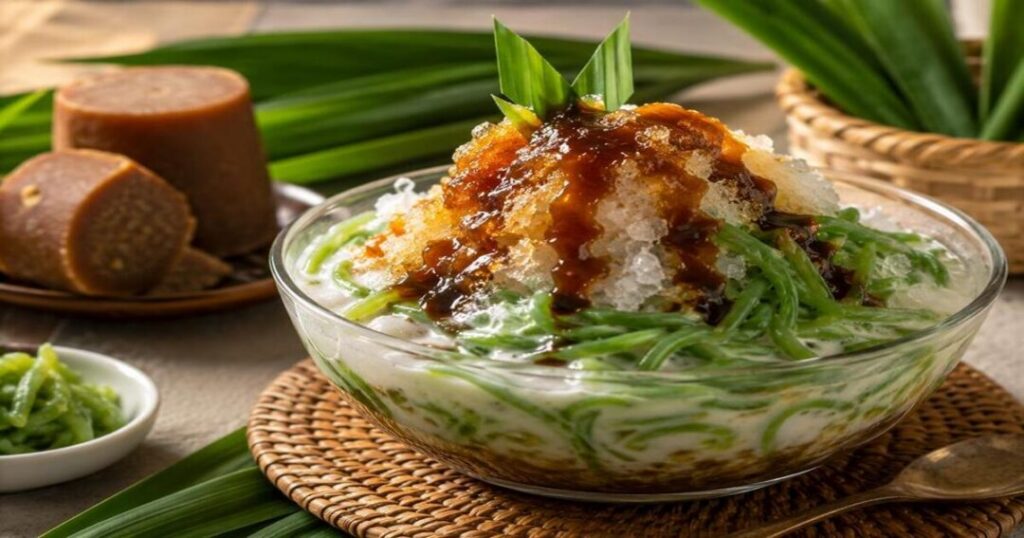
Cendol is the classic cooling dessert: shaved ice with green pandan rice jellies, coconut milk and gula melaka (palm sugar), sometimes topped with red beans, creamed corn or glutinous rice. It is the sensible way to end a night of chilli and charcoal, and it appears at stalls in Kuala Lumpur’s Chinatown and in Penang.
Malaysia Kuala Lumpur Street Food: Where to Eat in the Capital
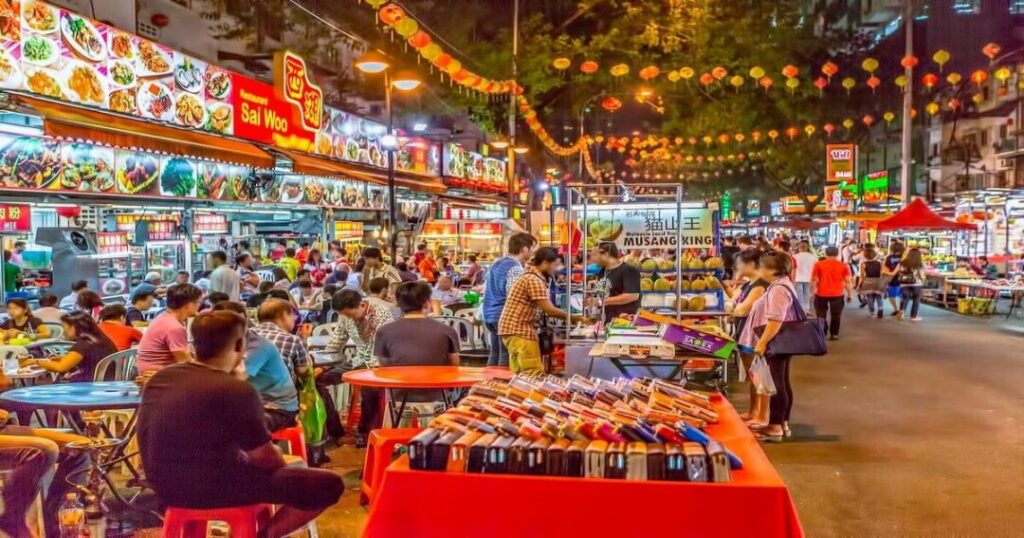
For Malaysia Kuala Lumpur Street Food, the capital offers several distinct areas, each with its own character. Most of the stall-level details below come from food-tour and travel sites, some of them promotional, so treat them as leads to check.
Jalan Alor
Jalan Alor is an open-air dining street in Bukit Bintang that is relatively quiet by day and busy in the evening as stalls set up. It is known for barbecued chicken wings, satay, char kway teow and grilled seafood such as stingray, squid and fish. One guide gives the best time as roughly 5:30 to 10 PM and suggests visiting earlier with young children, and Bukit Bintang station is described as about a five-minute walk away. One travel company states plainly that it is not a halal food destination, since many stalls are not halal-certified and some serve pork or alcohol.
There is also a safety note. On June 25, 2026, Kuala Lumpur City Hall (DBKL), working with the Ministry of Health, inspected 45 food outlets on the strip in a late-night operation, issued 74 notices and compounds and ordered six premises to close for failing hygiene requirements. Violations reported included poor cleanliness, missing or poorly maintained grease traps, cockroaches and rats in kitchen areas, improper food storage and food handlers without typhoid vaccinations or mandatory courses. The closure period was not stated, and DBKL said it would step up enforcement. Most of the 45 outlets were not ordered to close, but the raid is a good reason to choose busy stalls and look at how food is handled.
Petaling Street and Chinatown
Petaling Street is described as one of the city’s classic street-food areas, best explored slowly in the evening. Dishes listed include chee cheong fun, Hokkien mee, roast meats, herbal drinks and mee tarik. One food-tour guide also names a wantan mee shop on Jalan Hang Lekir and a cendol stall at the corner of Jalan Hang Lekir and Jalan Petaling. Many dishes here contain pork, so ask if halal matters to you.
Kampung Baru
Kampung Baru is a Malay neighbourhood and the usual answer for traditional Malay street food: nasi lemak, grilled meats, kuih and coconut-based dishes. A food-tour guide describes the food there as halal by default, but that is the company’s own statement, so confirm with vendors if it matters. Its night market also has satay stalls.
Pasar Malam Night Markets
Night markets rotate by neighbourhood and day of the week, so check locally which one is on before you go. They are a good place to snack across cuisines, and most vendors prefer cash.
Chinese Street Food in Malaysia: Noodles, Pork and Hokkien Heritage
Most Chinese Malaysians descend from southern China, which is why Chinese Street Food in Malaysia is built around noodles, soups and wok cooking. Dishes include bak kut teh, char kway teow, chicken rice, bao and yong tau foo, and Chinese eateries are especially common in hawker centres and kopitiam. Many Chinese dishes contain pork, although chicken substitutions are available and some Chinese restaurants are halal-certified.
Hokkien mee is the clearest example of how one name can mean two dishes. In Kuala Lumpur and the Klang Valley, Hokkien char mee is thick yellow noodles braised in thick dark soy sauce with pork, squid, fish cake and cabbage, topped with cubes of crisp pork fat, and the best versions are cooked over a very hot charcoal fire. Wikipedia credits it to the hawker chef Ong Kim Lian at Petaling Street in 1927. In Penang, Hokkien mee is a noodle soup in a spicy prawn broth made from prawn heads, shells and pork ribs, with a mix of rice vermicelli and yellow noodles and toppings such as prawns, pork slices, egg and kangkung. Pig skin is common in Penang but rarely served in Kuala Lumpur, and halal versions use chicken stock.
Bak kut teh is a pork rib soup with garlic, dark soy sauce and herbs simmered for hours. Teochew versions are clearer and heavier on garlic and pepper. Wantan mee, chee cheong fun and popiah (a fresh spring roll) are other staples you will see at Chinatown stalls and coffee shops.
Also Read: Chinese Festivals: The Complete Guide to Traditional Celebrations, Dates & Culture
Famous Street Food in Malaysia: Penang’s Hawker Stalls
Ask any Malaysian where the Famous Street Food in Malaysia is concentrated and many will say Penang. The Michelin Guide’s Kuala Lumpur and Penang selection, announced on November 11, 2025, included 58 Bib Gourmand eateries, and it described Penang as having an enduring reputation as a street food paradise. It also tagged Awesome Char Koay Teow, a George Town stall run by the third generation of its family, as street food. The stalls below come from a single Singapore Airlines inflight-magazine guide, so check them locally.
- Assam laksa: A tart, sweet and spicy broth made with mackerel, tamarind and prawn paste (hae ko), topped with cucumber, pineapple, mint and ginger bud. Air Itam Laksa, near Air Itam market, is the name given.
- Char koay teow: Kafe Heng Huat on Lorong Selamar is known for theatrical wok cooking and long waits, and Tiger Char Koay Teow at Kafe Ping Hooi is known for a creamy duck egg version.
- Nasi kandar: Rice served with curries and gravies over meats, seafood and vegetables, often with mixed gravies called kuah banjir. Many stalls open late or 24 hours, and Line Clear Nasi Kandar is named.
- Pasembur: A Penang salad of seafood fritters, crackers, potato, fried beancurd and cuttlefish in a sweet and spicy peanut sauce.
- Cendol: Penang Road Famous Chendul is named for a syrupy, ice-heavy version.
Famous Local Food in Malaysia: Breakfast, Kopitiam and Mamak Culture
A lot of Famous Local Food in Malaysia is eaten before noon. In December 2024, UNESCO inscribed “Breakfast Culture in Malaysia: Dining Experience in a Multi-Ethnic Society” on its Representative List of the Intangible Cultural Heritage of Humanity, at a session held in Paraguay. News coverage of the decision highlighted nasi lemak, roti canai and thosai. One note of caution: Wikipedia’s nasi lemak page says the dish itself was listed in 2024, but the inscription is for the wider breakfast culture, with nasi lemak included in the nomination.
Three kinds of eatery explain how Malaysians eat. Kopitiam are traditional coffee shops, mostly run by Chinese owners, especially Hainanese, serving nasi lemak, noodles, kuih and drinks such as Milo. Mamak stalls, run by the Tamil Muslim community, are often open 24 hours and serve roti canai, nasi kandar and fried noodles. Nasi campur, or economy rice, is a pay-by-selection mixed rice meal found in Malay and Chinese eateries. Between them, they cover breakfast, lunch and a midnight snack.
Also Read: Kuala Lumpur Street Food: Food Streets Worth a Night Out
Best Street Food in Malaysia: How to Choose and Eat Well
There is no official ranking, so the best street food in Malaysia for you depends on your tastes and dietary needs. Anyone searching for the best street food Malaysia can use the tips below, drawn from the sources above, and a one-day plan we suggest for Kuala Lumpur.
A One-Day Eating Plan for Kuala Lumpur
This plan is our own suggestion and has not been timed. Have nasi lemak or roti canai for breakfast, since one guide says breakfast stalls close by about 11 AM. Go to Petaling Street for Hokkien mee or wantan mee at lunch, keeping in mind that both contain pork. Cool down with cendol in the afternoon, and arrive at Jalan Alor around 5:30 PM for satay and grilled seafood before the crowds. If you want halal food throughout, base the day in Kampung Baru and mamak stalls instead.
Practical Tips
- Halal and non-halal: Malay Muslims do not eat pork. Pork is eaten by Chinese, Indian and several other communities, and non-halal items are usually labelled. Ask if it matters to you, and look for halal certification where it is required.
- Hygiene: Choose stalls with a steady crowd, eat freshly cooked food and avoid food left uncovered. After the June 2026 raid, take a moment to look at how a stall handles food and keeps its kitchen.
- Spice and shrimp paste: Ask for less sambal if you are not used to chilli. One guide notes that sambal at some stalls contains belacan (shrimp paste), which matters for allergies and vegetarians.
- Cash and ordering: Cash is often preferred. Order first, then find a seat, and expect to share a table.
- Weather: A commercial guide says Kuala Lumpur’s wettest months run from September through October or November, with frequent but usually short late-afternoon or evening thunderstorms. Pack a small umbrella and plan the food crawl around the rain.
- Prices: Prices are not given here, because they vary by stall and none could be verified.
Also Read: Festivals in Malaysia: A Guide to Celebrations Through the Year
Conclusion: Eat Across Three Cuisines in One Day
The best Malaysian street food lets you eat Malay, Chinese and Indian dishes within a few streets of each other. Start with nasi lemak and roti canai, add one wok-fried noodle dish and one grilled skewer, finish with cendol, and check halal status and kitchen standards as you go.
Planning a food trip to Malaysia? Use the Explurger app to plan your route and meet fellow travelers who want to eat their way through Kuala Lumpur and Penang.
FAQs About Malaysian Street Food
2. Is Malaysian street food halal?
Not always. Malay Muslims do not eat pork, but pork is eaten by other communities, and some stalls and areas, such as Jalan Alor, are not halal destinations. Ask the vendor or look for certification.
3. Where can I find street food in Kuala Lumpur?
Jalan Alor in Bukit Bintang, Petaling Street in Chinatown, Kampung Baru and the rotating pasar malam night markets are commonly named.
4. Is it safe to eat street food in Malaysia?
Hygiene varies. In June 2026, authorities inspected 45 outlets on Jalan Alor and ordered six closed for hygiene breaches. Choose busy stalls, eat freshly cooked food and watch how it is handled.
5. What is char kway teow?
Flat rice noodles stir-fried over high heat with soy sauce, chilli paste, prawns, cockles, egg, chives and bean sprouts. Traditional versions use pork lard, while halal versions leave it out.
6. What is a mamak stall?
A food stall or eatery run by members of the Tamil Muslim community, often open 24 hours, serving roti canai, nasi kandar and fried noodles.