
1,351 Total Views
A Munnar trek isn’t one thing — it’s anywhere from a one-hour forest walk to a permit-only summit climb, and the biggest planning mistake is picking a trail before matching it to your actual fitness level and time budget. This guide covers five of Munnar’s main trekking options, with real depth on three that don’t get the attention Meesapulimala and Kolukkumalai already do, so you can pick the right one rather than defaulting to whichever name comes up first in a search.
Anamudi: The Restricted Trek to South India’s Highest Peak
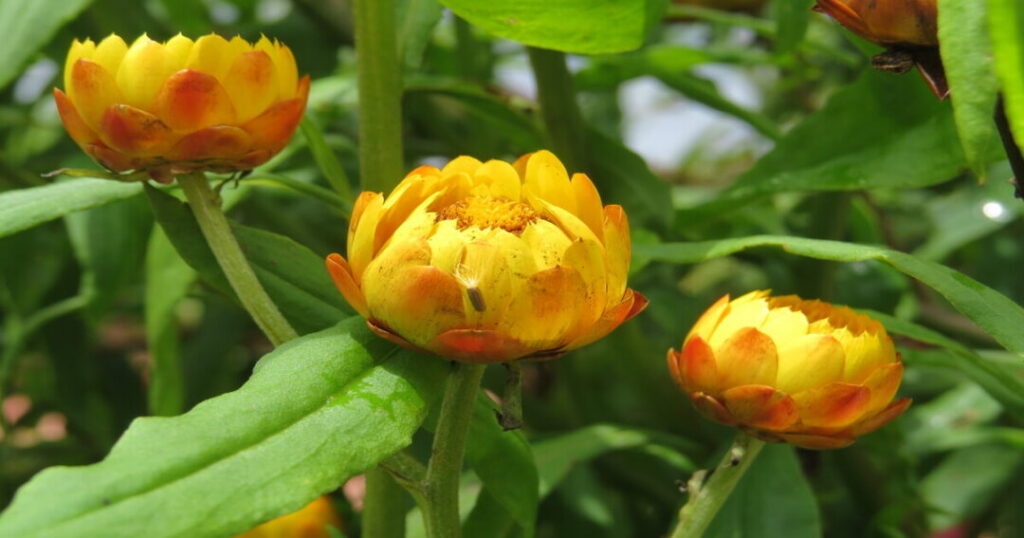
Among Munnar hills trekking options, Anamudi sits in a category of its own — at 2,695m, it’s the highest peak in South India and the highest point in the country outside the Himalayan-Karakoram range. It sits inside Eravikulam National Park, about 20km from Munnar, and here’s the part that changes everything about planning a visit: direct trekking to the summit is strictly restricted by Kerala’s Forest Department, since the peak falls within the park’s sensitive core zone. [STAT: Anamudi, at 2,695m, is the highest peak in South India and the highest point in India outside the Himalayan-Karakoram range.] Reaching the top requires special permission from Eravikulam National Park authorities, obtainable through the park office at Rajamala or its official website, and every ascent is conducted as a guided trek with an official park guide rather than something you can arrange independently. November through May is the workable window; the peak closes for trekking entirely during the June-August monsoon due to heavy rain and landslide risk.
Chokramudi Peak: Munnar’s Toughest Accessible Trek
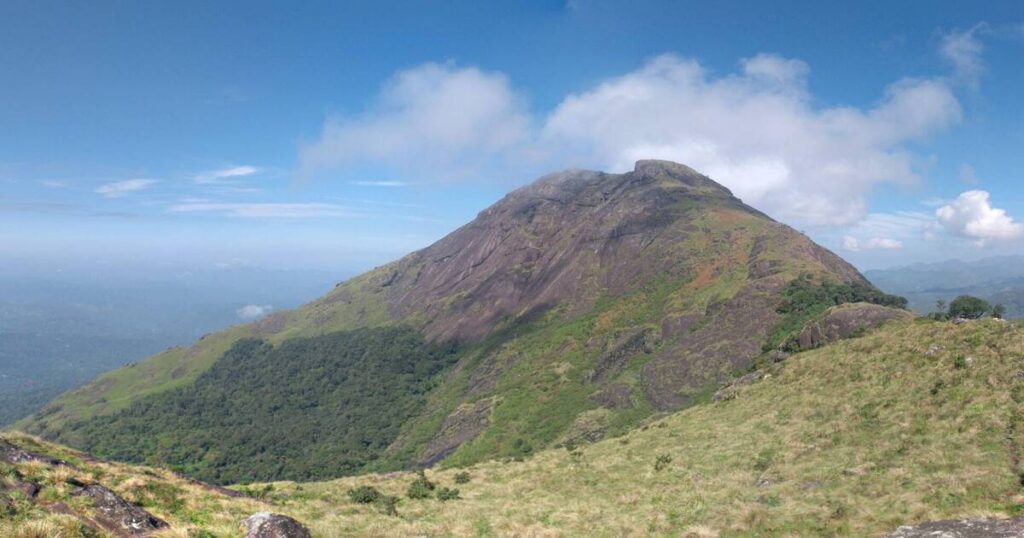
If Anamudi’s permit requirement rules it out, Chokramudi Peak is the trek most Munnar trekking adventure seekers turn to instead — at roughly 2,144m, it’s genuinely demanding without needing special clearance. The route covers about 10km uphill over 3-5 hours, broken into four distinct stages: a shola forest walk, an open grassland stretch, a steep rock-face climb, and a final 500m push over loose rocks and boulders that most trekkers describe as the hardest part of the whole route. Along the way, the views take in tea plantations, Idukki Dam, and Anamudi itself in the distance, and wildlife sightings — Nilgiri tahr, gaur, even Asian elephants — are a real possibility given how much forest the trail passes through. A guide is strongly recommended, especially for first-timers, and December through February is the preferred season for the clearest conditions.
Also Read: Top 10 Tourist Places in Munnar to Explore
Lakkam Waterfalls: The Easy Trek Inside Eravikulam
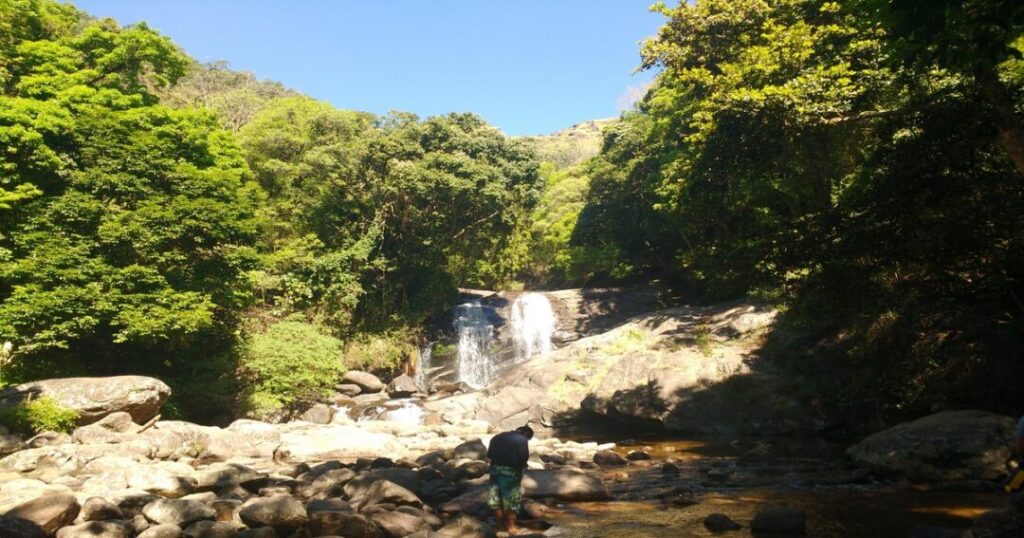
For a genuinely different pace, Lakkam Waterfalls offers one of the more approachable Munnar trekking places on this list — a roughly one-hour guided walk through forest on the Munnar-Marayoor route, run by Eravikulam National Park for an additional ₹100 per person on top of the ₹20 park entry fee. The falls themselves drop more than 50 feet from the Eravikulam Plateau, though they run dry for much of the year, making October through January (monsoon and post-monsoon) the only real window to see them with any real water flow. This is the trek to pick if you want the forest-walk experience without Chokramudi’s climb or Anamudi’s permit process — genuinely suitable for families or less experienced trekkers who still want something more active than a scenic drive.
Also Read: Things to Do in Munnar: Top 10 Experiences for a Scenic Kerala Trip
Meesapulimala and Kolukkumalai: Already Covered in Depth
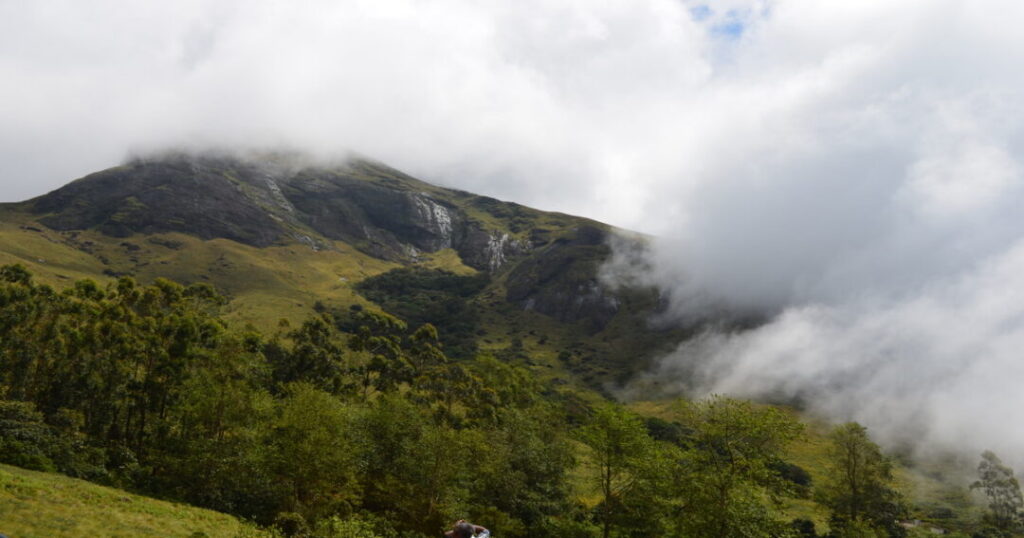
Two of Munnar’s best-known treks deserve a mention here, even though they’re covered far more thoroughly elsewhere. Meesapulimala, the second-highest peak in the Western Ghats, and Kolukkumalai, famous for its sunrise views over the world’s highest organically grown tea plantations, are both genuinely worth a dedicated day if you’re building a trek in Munnar into your trip — our Meesapulimala trek guide covers its booking process and permit requirements in full, and our Kolukkumalai Peak guide covers its sunrise-trek logistics and ticket pricing. Rather than repeat that ground here, this piece is meant to sit alongside those two as the guide to what else is out there.
Choosing the Right Munnar Trek for Your Fitness Level
Here’s how the full lineup of best trekking places in Munnar stacks up against each other, roughly ordered from easiest to hardest: Lakkam Waterfalls (about 1 hour, easy, family-friendly) comes first, followed by Kolukkumalai (a shorter sunrise trek, moderate), then Meesapulimala (moderate, several hours, permit required), then Chokramudi Peak (3-5 hours, genuinely tough, no permit needed), and finally Anamudi (permit-only, guided-only, the most exclusive rather than necessarily the most physically demanding of the group). If you’re asking what the best trekking in Munnar actually is for your trip, the honest answer depends entirely on how much time, fitness, and paperwork tolerance you’re working with — there isn’t one trek that’s objectively “the best,” just the one that matches what you can realistically commit to.
Also Read: India’s Best Tea Destinations: From Darjeeling to Munnar
Conclusion About Munnar trek
A Munnar trek works best when you pick based on what you can actually commit to — Lakkam’s easy hour, Chokramudi’s genuine physical challenge, or Anamudi’s exclusive permit-only summit each deliver a completely different day. Save the ones that match your trip to your Explurger Bucket List, and let your Automatic Travelogue keep the whole Western Ghats trail history mapped as you go. Let Explurger help you match the right Munnar trek to your fitness level and time.
FAQs About Munnar Trek
2. Can I trek to Anamudi Peak without a permit?
No. Anamudi sits inside Eravikulam National Park's restricted core zone, and reaching the summit requires special permission from park authorities plus a mandatory official guide — independent trekking isn't allowed.
3. How hard is the Chokramudi Peak trek?
It's genuinely demanding — about 10km uphill over 3-5 hours, including a steep rock-face climb and a final stretch over loose boulders. A guide is strongly recommended, especially for first-timers.
4. What is the highest peak you can trek near Munnar?
Anamudi, at 2,695m, is the highest peak in South India, though access is restricted to permitted, guided treks only. Chokramudi, at roughly 2,144m, is the highest peak trekkable without special permission.
5. Are Meesapulimala and Kolukkumalai covered in this guide?
They're mentioned briefly here with links to their own dedicated guides, which cover their booking processes and logistics in full detail. This piece focuses on Anamudi, Chokramudi, and Lakkam Waterfalls instead.
6. When is the best time for Munnar trekking?
November through May generally offers the most reliable conditions across most Munnar treks. Chokramudi is best December-February, while Lakkam Waterfalls is only worth visiting October-January when there's actual water flow.