
785 Total Views
Karnataka doesn’t do one thing well. It does everything well — and that is precisely the problem when planning a trip here. The state has a UNESCO World Heritage Site that was once the world’s second-largest city. It has a palace that took 15 years to build and welcomes six million visitors a year. It has a coastline that makes Goa jealous, coffee hills that make Chikmagalur famous across India, and a tiger reserve so well-managed that Kabini is now one of the finest wildlife experiences in the subcontinent. If you are putting together a list of places to visit in Karnataka, you will need to make choices — this guide helps you make the right ones.
Heritage & Temples — Karnataka’s Greatest Karnataka Tourist Attractions
1. Hampi — The Ruins That Stop You Cold
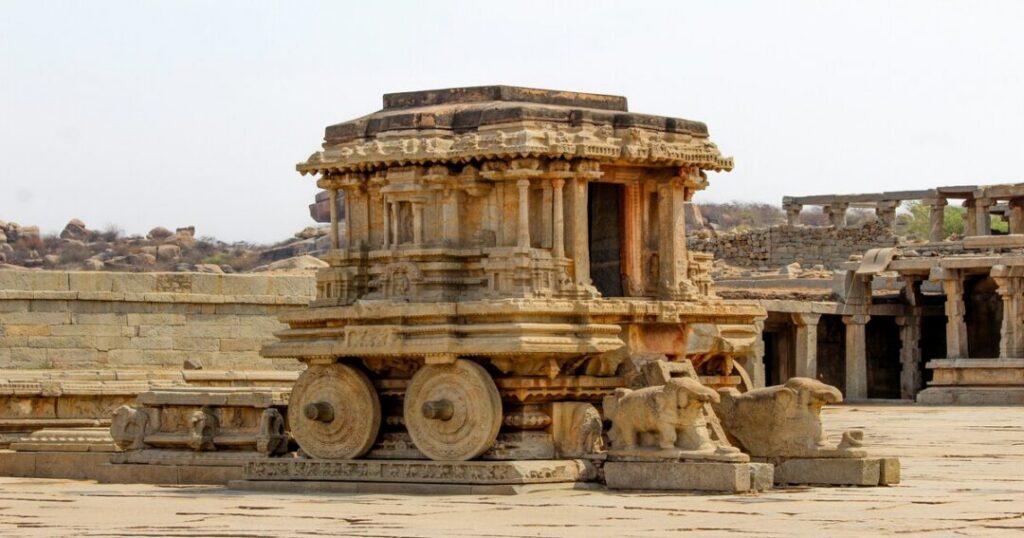
Hampi is a 16-square-mile site located in the Vijayanagara district, Karnataka, on the southern bank of the Tungabhadra River. The area comprises more than 1,600 surviving monuments from the former capital city, Vijayanagara (“City of Victory”), of the Vijayanagara empire, which was founded in 1336. Conquered by the Deccan Muslim confederacy in 1565, the city was pillaged over a period of six months before being abandoned. In 1986, Hampi was inscribed on the UNESCO World Heritage List.
- The Virupaksha Temple is an active place of worship and has been continuously in use since the 7th century. Arrive before 8 AM to experience it without crowds
- The Vittala Temple’s stone chariot and musical pillars are the most photographed images in Karnataka; the pillars produce musical tones when struck
- Stay in Hampi Bazaar or across the river in Virupapur Gaddi for the most atmospheric base; the ruins are best explored over two full days
Also Read: 10 Places to Visit in March in India 2026
2. Mysuru — The Palace City
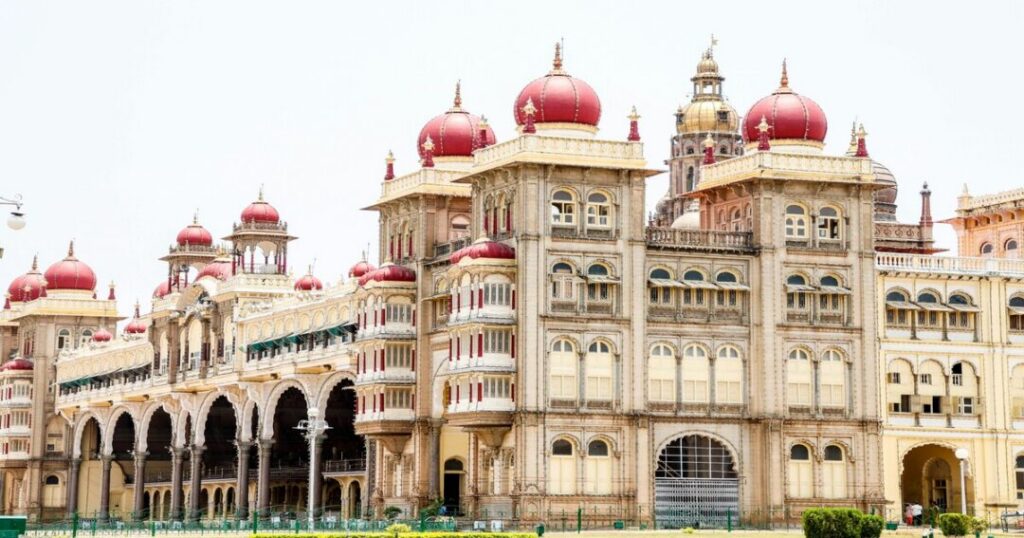
Mysuru (Mysore) is Karnataka’s most visited Karnataka tourist destination — and for good reason. The Mysore Palace (Amba Vilas Palace) was built between 1897 and 1912 under the patronage of Queen Regent Kempananjammanni and Maharaja Krishnaraja Wadiyar IV after the original wooden palace burned down during a royal wedding in 1897. Designed by British architect Henry Irwin, it receives approximately six million visitors annually — making it one of the most visited monuments in India after the Taj Mahal.
- The palace is illuminated by 97,000 light bulbs on Sunday evenings and during Dasara (October) — the Dasara procession from the palace is one of Karnataka’s most spectacular annual events
- The Chamundeshwari Temple atop Chamundi Hills (~13 km from the city) and the Devaraja Market near the palace are essential additions
- Mysuru is ~150 km from Bengaluru — an easy 3-hour drive; a weekend is the minimum to do it justice
3. Belur & Halebidu — Hoysala Architecture at Its Peak
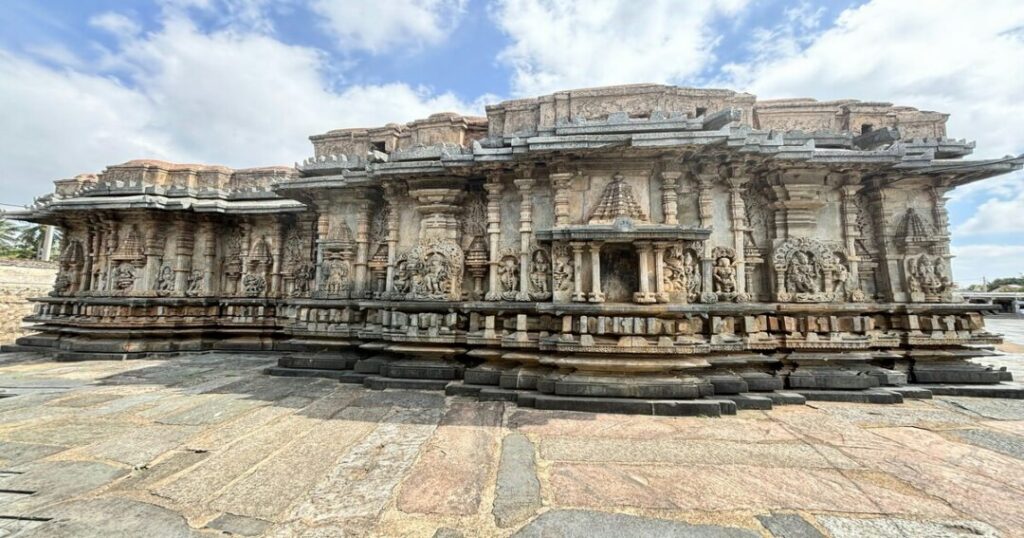
About 225 km from Bengaluru, Belur and Halebidu are home to two of the most extraordinary temples in India. The Chennakeshava Temple at Belur was commissioned by Hoysala king Vishnuvardhana in 1117 CE and took 103 years to complete. The Hoysaleswara Temple at Halebidu was built in 1121 AD. Both are UNESCO World Heritage Sites as part of the Sacred Ensembles of the Hoysalas (inscribed 2023).
- Every exterior surface is covered in intricate soapstone carvings — friezes of elephants, horses, mythological scenes running in continuous bands around the temple walls
- Allow 3–4 hours to do both justice; combine with Shravanabelagola (57-foot Gomateshwara monolith) for a full day’s heritage circuit
- Halebidu (Halebeedu = “ruined city” in Kannada) was the Hoysala capital — its destruction during Malik Kafur’s raids in the 14th century gives the name its meaning
4. Badami, Aihole & Pattadakal — The Chalukya Triangle
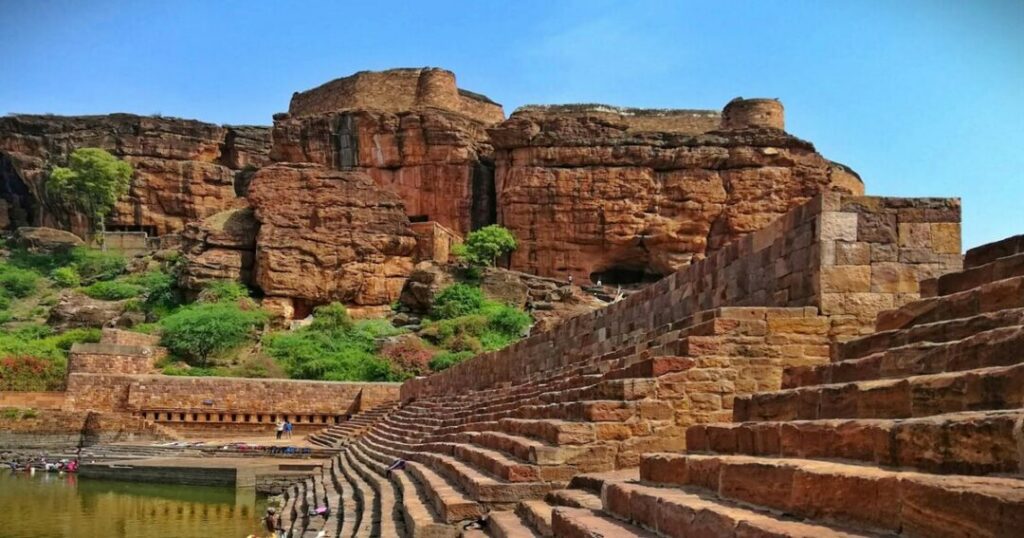
Less visited than Hampi or the Hoysala temples but equally significant, the Chalukya triangle in northern Karnataka covers three sites within 30 km of each other. Badami’s 6th-century rock-cut cave temples, Aihole’s 125+ temples (described as “the cradle of Indian temple architecture”), and Pattadakal — a UNESCO World Heritage Site since 1987 — together represent the entire evolution of Dravidian and Nagara temple architecture.
- Pattadakal is the most architecturally significant — the Virupaksha Temple here was the prototype for the Kailasa Temple at Ellora
- Best reached from Hubli or Bijapur (Vijayapura); allow a full day for all three sites
- Badami’s cave temples are carved directly into red sandstone cliffs above a green lake — one of the most dramatic natural settings of any Karnataka sightseeing place
Also Read: Places to Visit in Chikmagalur: 15 Best Experiences for Weekend Trippers from Bengaluru
Wildlife & Nature — Karnataka’s Best Nature Tourist Spots
5. Kabini — India’s Finest Wildlife Reserve
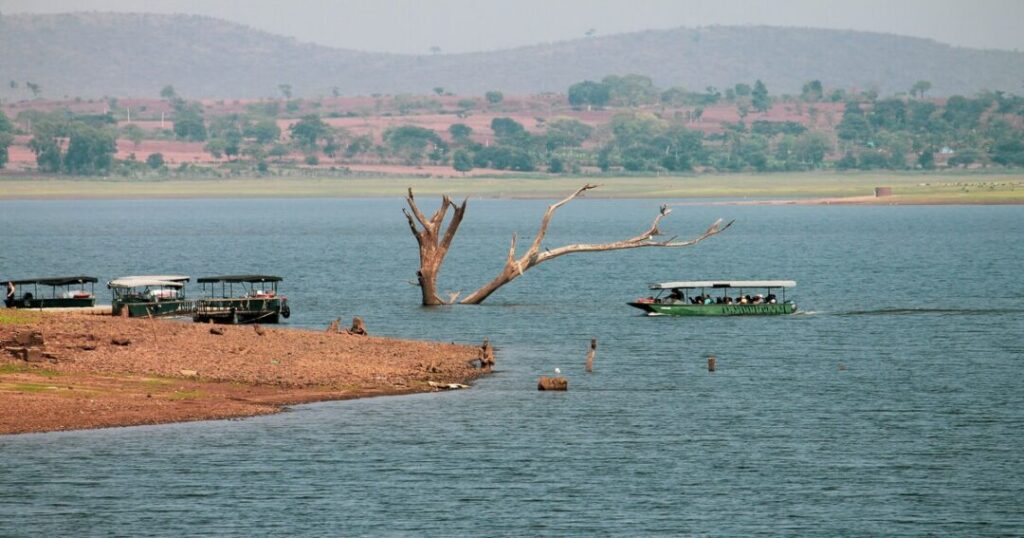
Kabini is the southern range of Nagarhole National Park and Tiger Reserve, on the banks of the Kabini River at the edge of the Mysuru and Kodagu districts. It is consistently rated one of the finest wildlife experiences in South India — and by many measures in all of India. The deciduous forests here support one of the highest densities of leopard and tiger outside Madhya Pradesh.
- Best season: October–May; peak wildlife sightings are November–April, when the reservoir drops and animals gather near the water
- Boat safaris on the Kabini reservoir are as productive as jeep safaris — elephants, gaur, spotted deer, and occasionally tigers are seen from the water
- Book forest department jeep safaris and accommodation well in advance — Kabini fills up months ahead in peak season
6. Coorg (Kodagu) — The Scotland of India
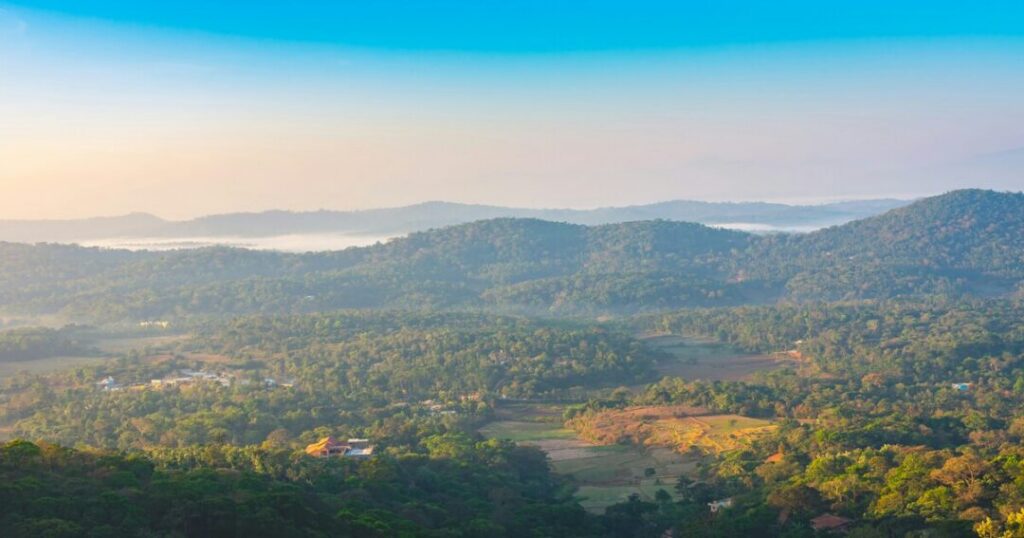
Coorg (Kodagu district) is Karnataka’s most romanticised Karnataka tourist attraction — a coffee and spice growing hill district in the Western Ghats, approximately 250 km from Bengaluru. The Kodava community, the region’s indigenous people, has a distinct culture, language, and martial tradition unlike anywhere else in Karnataka.
- Abbey Falls (near Madikeri), Namdroling Monastery in Bylakuppe — the largest teaching centre of the Nyingma lineage of Tibetan Buddhism in the world, set in the largest Tibetan settlement outside Tibet — and the Dubare Elephant Camp are the main attractions
- The coffee harvest (October–February) transforms the district — estate homestays offer picking experiences
- Talacauvery, the source of the Cauvery River, is 48 km from Madikeri — a sacred site with views across the Ghats
7. Dandeli — White Water and Jungle
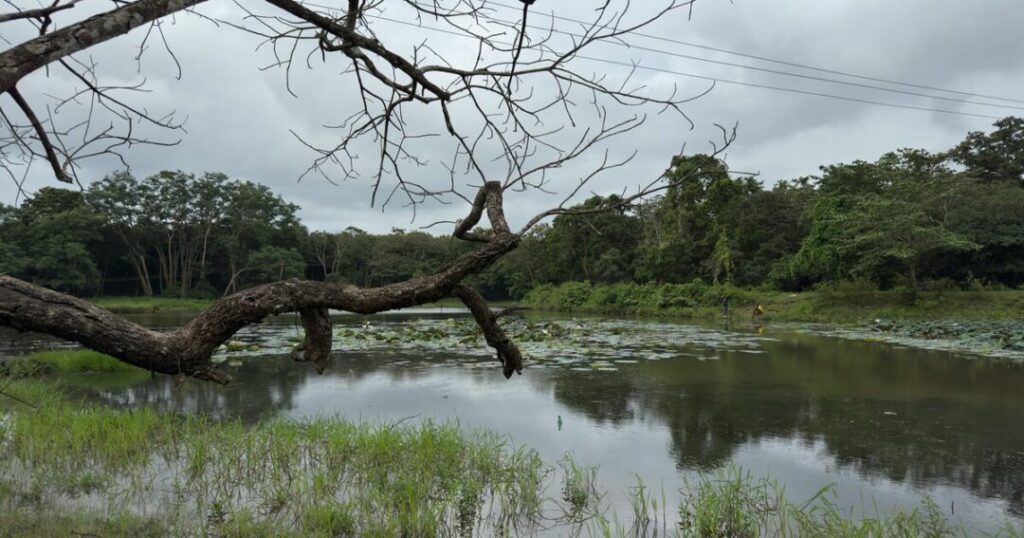
In the Uttara Kannada district, Dandeli is Karnataka’s most underrated wildlife and adventure destination. The Dandeli Wildlife Sanctuary (part of the Kali Tiger Reserve, formerly known as the Dandeli-Anshi Tiger Reserve) covers approximately 834 sq km of moist deciduous forest along the Kali River — home to tigers, leopards, sloth bears, Indian giant squirrels, and the rare Malabar pied hornbill.
- White-water rafting on the Kali River is the flagship activity — Grade 3–4 rapids accessible November–May
- The drive to Dandeli from Hubli (75 km) or Dharwad passes through increasingly dramatic forest; the last stretch is entirely inside the sanctuary
- Night jungle drives are available through approved operators — one of the few sanctuaries in Karnataka where night safaris are permitted
Hill Stations & Trekking — Best Sightseeing Places in Karnataka
8. Chikmagalur — Coffee Hills and Peaks
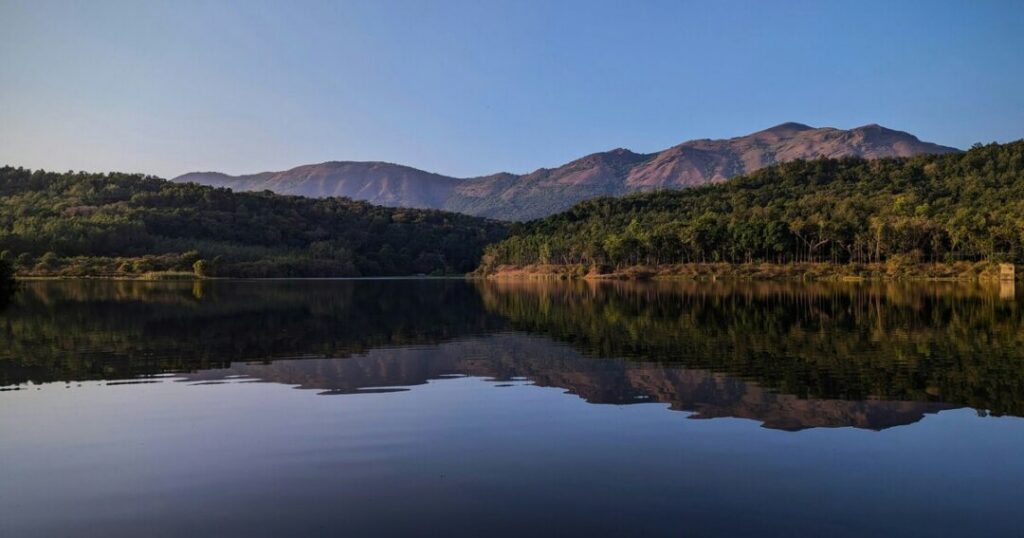
Chikmagalur is where India’s coffee story began — Sufi saint Baba Budan planted the country’s first coffee seeds on the Baba Budangiri hills here around 1670 AD. Today, the district combines coffee estate tourism with two of Karnataka’s highest peaks and some of the finest waterfall scenery in the Western Ghats.
- Mullayanagiri (1,930 m) is Karnataka’s highest peak; Kudremukh (1,894 m) is the second-highest — both accessible from Chikmagalur town
- Hebbe Falls (168 m, inside a coffee estate) and Jhari Falls are the best waterfalls; the Kemmangundi hill station was developed as the summer retreat of Maharaja Krishnaraja Wadiyar IV
- ~250 km from Bengaluru; best combined as a 2–3 night stay
9. Kodachadri — The Trekker’s Peak
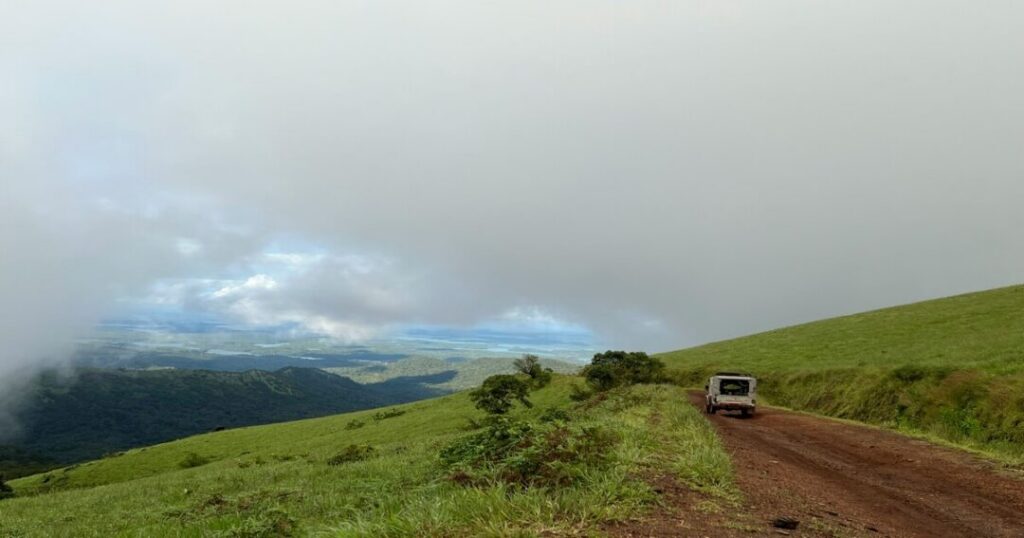
At 1,343 metres in the Shimoga district, Kodachadri is one of Karnataka’s finest trekking destinations — a peak in the Western Ghats sacred to Hindus as the site of the Mookambika Temple. The summit offers views across the Arabian Sea on clear days.
- Trek distance: approximately 20 km round trip from Nittur; moderate difficulty; monsoon treks are particularly atmospheric
- The forest cover is dense evergreen Western Ghats — wildlife sightings of Malabar giant squirrels, hornbills, and occasional leopards
- Best reached from Shimoga (Shivamogga) or Udupi; limited accommodation at the base village of Nittur
Beaches & Coastal — Karnataka’s Underrated Coastline
10. Gokarna — Beaches and Temples in Equal Measure
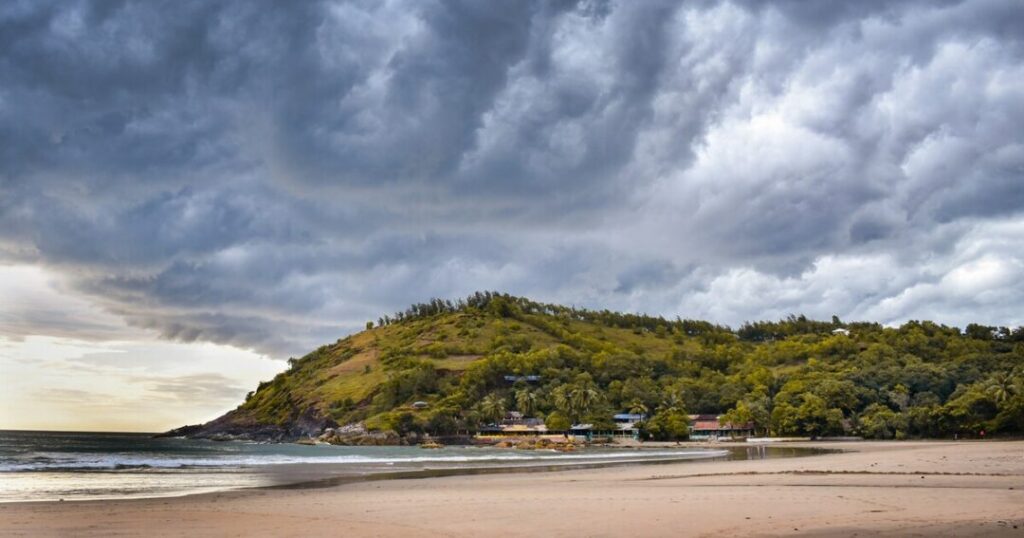
Gokarna in Uttara Kannada district is the most compelling beach destination in Karnataka — a small temple town where the ancient Mahabaleshwar Temple (dedicated to Lord Shiva, dating to the 4th century CE) sits alongside five beaches ranging from busy to completely deserted. The town is considered one of seven sacred Muktikshetras (places of salvation) in Karnataka and is known as Dakshin Kashi.
- Om Beach gets its name from the shape of the Om symbol when viewed from above — the most popular beach for visitors
- Half Moon Beach and Paradise Beach require a short trek or boat ride from Om Beach and are almost entirely crowd-free
- Best visited October–March; the beaches are cleaner and calmer than Goa’s equivalents and far less commercial
11. Udupi & Mangaluru — Temple Coast
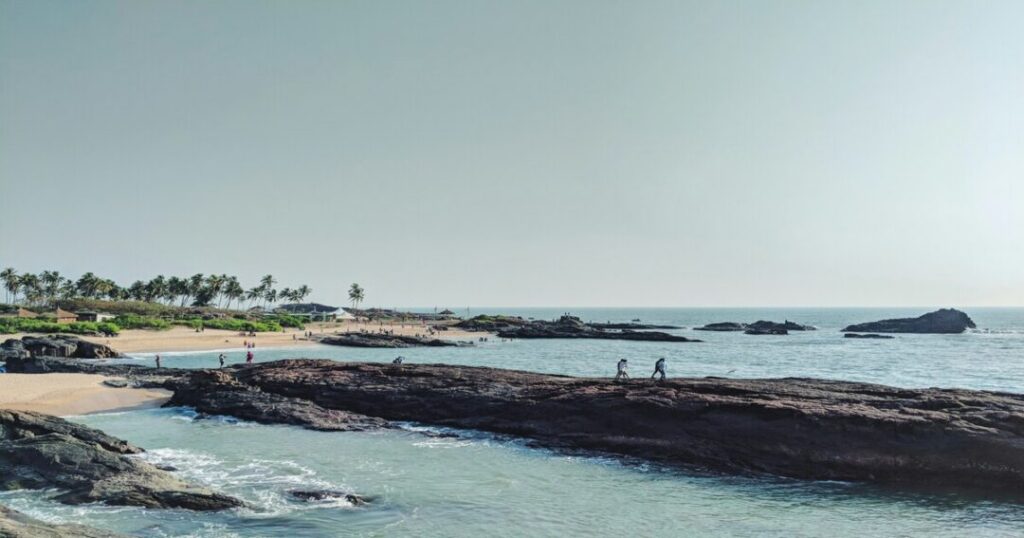
Udupi is one of Karnataka’s most significant pilgrimage towns — the Krishna Matha temple (established by philosopher-saint Madhvacharya in the 13th century) is one of the most important Vaishnava shrines in South India. Udupi cuisine (dosa, idli, sambar) evolved from the temple kitchen tradition here and spread across India.
- The St. Aloysius Chapel in Mangaluru (~60 km south of Udupi) is famous for its extraordinary fresco interiors — painted by Italian Jesuit brother Antonio Moscheni in 1899, covering every surface of the ceiling and walls in a project that took him two and a half years
- Malpe Beach near Udupi is the departure point for St. Mary’s Islands — a group of islands with distinctive hexagonal basalt rock formations, formed by ancient volcanic activity
- Mangaluru’s Kudroli Gokarnath Temple, Panambur Beach, and the old port area make it a rewarding full-day exploration
Also Read: Things to Do in Chennai: 15 Experiences Worth the Drive
Cities & Culture
12. Bengaluru — Beyond the IT Parks
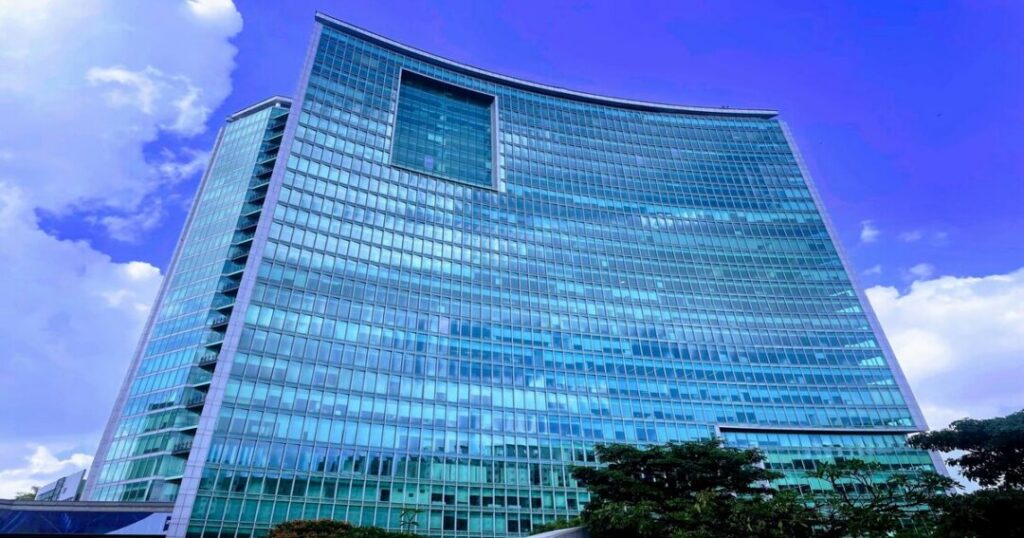
Karnataka’s capital and India’s tech city is also one of its most liveable — a city of microbreweries, public parks, a Victorian-era glass building (Lalbagh’s glasshouse modelled on London’s Crystal Palace), and the most vibrant live music scene in South India.
- Cubbon Park (300 acres of urban forest, established in 1870), Lalbagh Botanical Garden (established by Hyder Ali in 1760), and the Indian Institute of Science campus are the best green spaces
- The Bangalore Palace — modelled on England’s Windsor Castle and constructed between 1873 and 1878 under Maharaja Chamarajendra Wadiyar X — is a genuine surprise; less visited than Mysore Palace but equally interesting
- The craft brewery scene along Indiranagar’s 100 Feet Road and Church Street is one of the most developed in India
13. Mysuru’s Dasara — Karnataka’s Greatest Festival
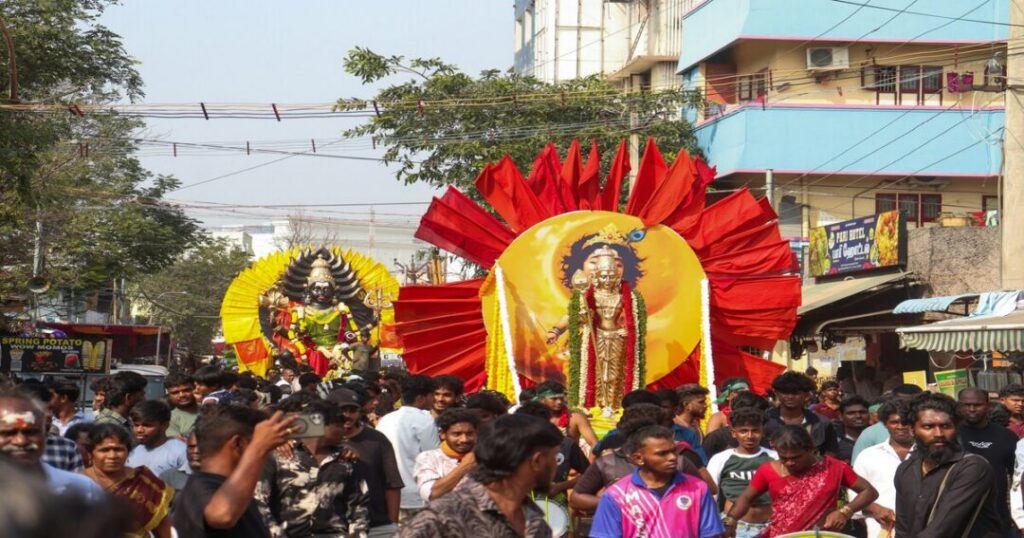
While Mysuru is covered under heritage, the Dasara festival deserves its own mention as a Karnataka tourist point that transforms the entire city every October. For ten days, the Mysore Palace is illuminated by 97,000 bulbs each evening, the city hosts cultural performances across hundreds of venues, and the Vijayadasami procession (on the final day) carries a golden idol of goddess Chamundeshwari atop a caparisoned elephant through the city streets.
- The Dasara procession is free to watch from the street; grandstand tickets are available for an elevated view
- Book accommodation in Mysuru 3–4 months in advance for Dasara — the city fills to capacity
- The procession route runs from the palace to Bannimantap — arrive by 6 AM for a good position
14. Shravanabelagola — The Monolith on the Hill
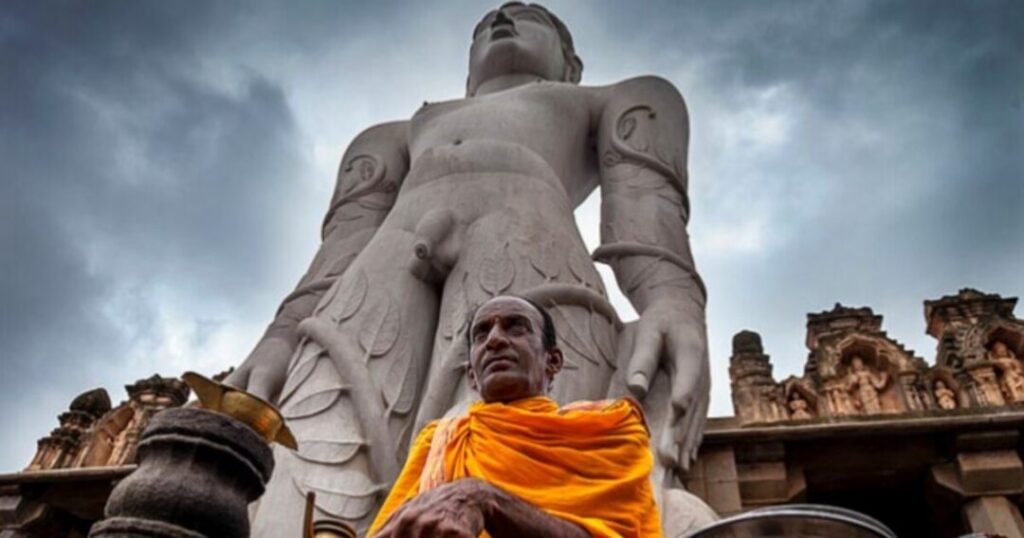
In Hassan district (~144 km from Bengaluru), Shravanabelagola is home to the 57-foot (17-metre) monolithic statue of Gomateshwara (Bahubali) — carved in 981 CE from a single granite rock and considered the tallest free-standing monolithic statue in the world. Every 12 years, the Mahamastakabhisheka festival drenches the statue in thousands of pots of milk, saffron, and flowers — a spectacle unlike anything else in India.
- 614 steps lead to the summit hilltop; footwear is removed at the base — bring socks for the stone steps in summer
- The surrounding Jain heritage of the region — with dozens of ancient shrines and pilgrimage sites — makes this one of the most significant Karnataka tourist spots in the state
- Combine with Belur and Halebidu for a complete Hassan district heritage day
15. Jog Falls — The Highest Segmented Waterfall in India
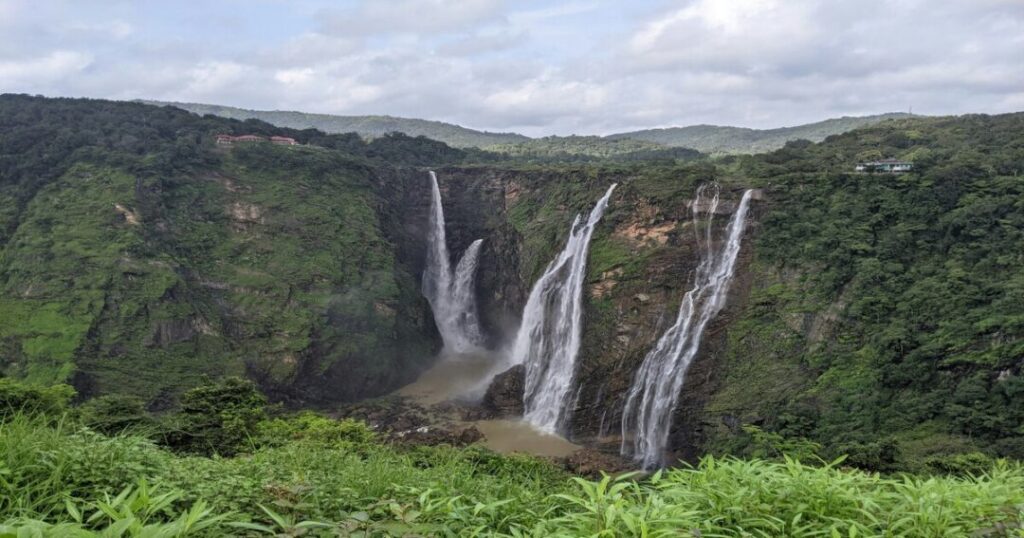
In Shimoga district, Jog Falls is the highest segmented (untiered) waterfall in India — the Sharavati River drops 253 metres (830 feet) in four distinct streams without a single step, making it one of the most powerful waterfalls in the country. The falls are at their most spectacular during and immediately after the monsoon (July–October) when all four streams are in full flow.
- The four streams are named Raja, Rani, Roarer, and Rocket
- Located about 100 km from Shimoga, also accessible from Sirsi or Sagar
- A viewpoint on the opposite cliff provides the best panoramic view; a stepped path leads down to the base of the falls
Best Time to Visit Karnataka
Karnataka is a year-round destination, but the experience changes dramatically by region and season:
- October to February — the best window across the board. Comfortable temperatures (15–28°C), post-monsoon greenery, and clear skies. Wildlife sightings peak in November–February when water sources dry up, and animals converge
- March to May — good for hill stations (Coorg, Chikmagalur stay cool), hot elsewhere. Wildlife sightings remain excellent before reserves close for the monsoon
- June to September — the monsoon transforms the Western Ghats and the coast into a lush green spectacle. Trekking gets slippery, but Jog Falls is at its most spectacular. Some wildlife reserves are closed partially
- December — peak season for Mysuru; Dasara (October) is the single best time to visit Mysuru for the palace illuminations and procession
How to Reach Karnataka
- By air: Kempegowda International Airport, Bengaluru (BLR) is the primary hub, well-connected to all major Indian and international cities. Mangaluru International Airport serves coastal Karnataka
- By train: Bengaluru’s KSR and Yeshwantpur stations are on major rail networks connecting to Mumbai, Chennai, Delhi, Hyderabad, and beyond. Mysuru, Hubli, Mangaluru, and Madgaon are key regional stations
- By road: Excellent NH connectivity from Mumbai (~990 km), Chennai (~350 km), Hyderabad (~570 km), and Goa (~590 km)
Conclusion About Places to Visit in Karnataka
Here is the quick version of the best places to visit in Karnataka by category:
- Heritage: Hampi (UNESCO, non-negotiable), Mysuru Palace, Belur & Halebidu (UNESCO Hoysala), Badami-Pattadakal (UNESCO Chalukya)
- Wildlife: Kabini (India’s finest), Dandeli (Kali Tiger Reserve, most underrated), Coorg/Nagarhole
- Hills: Coorg (coffee & culture), Chikmagalur (peaks & waterfalls), Kodachadri (trekking)
- Coast: Gokarna (temples + beaches), Udupi (Madhvacharya matha + Malpe Beach), Mangaluru (chapel frescoes + coast)
- Hidden gems: Shravanabelagola (world’s tallest free-standing monolithic statue), Jog Falls (highest segmented waterfall in India), Dandeli
The best Karnataka tourist spots are not all in the same corner of the state. That is the point. Karnataka rewards the traveller who is willing to cover ground — and it pays back generously every single time.
Download the Explurger app to log your Karnataka experiences, discover what other travellers recommend, and plan your next Karnataka tourist destination with insights from people who have actually been there.
Karnataka is waiting. Start with Hampi. Figure out the rest on the road.
FAQs About Places to Visit in Karnataka
2. What are the Karnataka tourist places near Bangalore?
The strongest Karnataka tourist places near Bangalore within a 3-hour drive: Mysuru (150 km, 3 hrs — palace, markets, Chamundi Hills), Shravanabelagola (144 km, 3 hrs — 57-foot Gomateshwara monolith, the tallest free-standing monolithic statue in the world), Belur & Halebidu (220–230 km, 4 hrs — UNESCO Hoysala temples), Kabini (220 km, 4 hrs — wildlife safari), and Coorg (250 km, 5 hrs — coffee hills and Western Ghats). All five are viable weekend trips from Bengaluru.
3. What is the best time to visit Karnataka?
October to February is the most comfortable and rewarding window for most Karnataka sightseeing places — cool temperatures, post-monsoon greenery, and peak wildlife sightings. Dasara in October is the best time to visit Mysuru. For Jog Falls and Western Ghats scenery, August–September (monsoon) is spectacular but trekking requires caution. April–May is ideal for wildlife (dry season concentrates animals near water) but hot in the plains.
4. What are the best sightseeing places in Karnataka for first-time visitors?
A first Karnataka trip should include: Hampi (2 nights minimum — the most extraordinary heritage site in South India), Mysuru (1–2 nights — palace, Dasara if timing allows, Chamundi Hills), and one nature destination — either Kabini (wildlife), Coorg (coffee and hills), or Chikmagalur (peaks and waterfalls). This three-cluster itinerary covers Karnataka's three defining experiences — heritage, royalty, and nature — without overpacking the schedule.
5. What makes Hampi a must-visit Karnataka tourist destination?
Hampi is the ruined capital of the Vijayanagara Empire — a city that was, at its peak around 1500 CE, the second-largest in the world. Over 1,600 monuments survive across 4,187 hectares on the southern bank of the Tungabhadra River. UNESCO inscribed it as a World Heritage Site in 1986. The combination of Dravidian architecture, dramatic boulder landscape, the sacred Virupaksha Temple (in continuous use since the 7th century), and the Vittala Temple's stone chariot makes it unlike anything else in India.
6. Is Coorg worth visiting as a Karnataka tourist spot?
Yes — Coorg (Kodagu) is one of the most distinctive destinations in South India. The indigenous Kodava culture, the Western Ghats coffee and spice estates, the Namdroling Monastery at Bylakuppe (the world's largest Nyingma Buddhist teaching centre), and the Kabini wildlife corridor make it genuinely different from other hill station destinations. Best visited October–March; the coffee harvest (November–February) makes estate homestay experiences particularly rewarding. About 5 hours from Bengaluru — best as a 2–3 night stay rather than a day trip.