

From limestone karsts and river deltas to heritage towns and buzzing cities, the places to visit in Vietnam are spread across three distinct regions, each with its own rhythm. Vietnam is a country that rewards movement. The more you travel through it, the more it opens up. This is not a destination you rush through. It is one you traverse, slowly, by road, rail, boat, and foot. Vietnam’s history is inseparable from movement, trade, and resistance. For centuries, it sat along important maritime routes connecting South Asia, China, and Southeast Asia. Kingdoms rose around rivers and coastlines, not isolated inland capitals. This geography shaped how Vietnam evolved, traded, and defended itself.
This guide focuses on places to visit in Vietnam from an explorer’s point of view. It goes beyond landmarks and looks at why each place matters, how to move between them, and how to plan the journey efficiently. Along with destinations, you will also find all the practical information you need before planning your Vietnam places to visit.
What Makes Vietnam Special: Must-See Places to Visit and Things to Do
Vietnam is long, narrow, and extremely well-connected. You can start in the mountains of the north, cut through historic towns in central Vietnam, and end in the tropical south without leaving the country. For explorers, the appeal lies in:
- Affordable long-distance travel
- Diverse landscapes within short distances, there are tons of places to see in Vietnam
- Strong street culture and local life
- Easy logistics for independent travelers
The sheer variety of places to visit in Vietnam makes it ideal for people who prefer experiences over resorts and movement over fixed stays. The country’s modern identity is strongly influenced by long periods of foreign rule and resistance, first under Chinese dynasties, later under French colonial rule, and eventually through wars that shaped the 20th century. What stands out for travelers is how visible this layered history still is. Ancient citadels sit next to colonial-era buildings. War museums exist within rapidly modernising cities. Temples, pagodas, and imperial tombs remain active spaces rather than frozen monuments and are among the most sought-after places to travel in Vietnam. When moving through different places to visit in Vietnam, you notice how history is not packaged for tourists alone. It exists in daily life, in food habits, architecture, and even in how cities are planned. This makes Vietnam especially engaging for travelers who prefer context over spectacle.
What is the best time to visit Vietnam?
The best time to visit Vietnam depends on how you plan to travel, as the weather varies across regions. Generally, Vietnam has a dry season and a wet season, with regional overlaps. For most travelers, the best time to go to Vietnam is from October to April, when the humidity is lower and travel between cities is smoother.
Northern Vietnam experiences cooler winters from November to February, making this period the coolest time to visit Vietnam, especially for Hanoi, Sapa, and Ninh Binh. Central Vietnam sees heavier rainfall between September and November, while spring offers stable conditions and is often considered a good time to visit Vietnam for coastal and heritage towns.
Southern Vietnam remains warm year-round, but December to March is the Vietnam best time to go to Ho Chi Minh City and the Mekong Delta. Overall, the best time to go to Vietnam is when dry weather aligns across regions, while photographers often prefer spring as the best time to see Vietnam in balanced light and landscapes.
TL;DR: The best time to visit Vietnam is between October and April, the dry season.
Top 10 Places to Visit in Vietnam
NORTH Vietnam
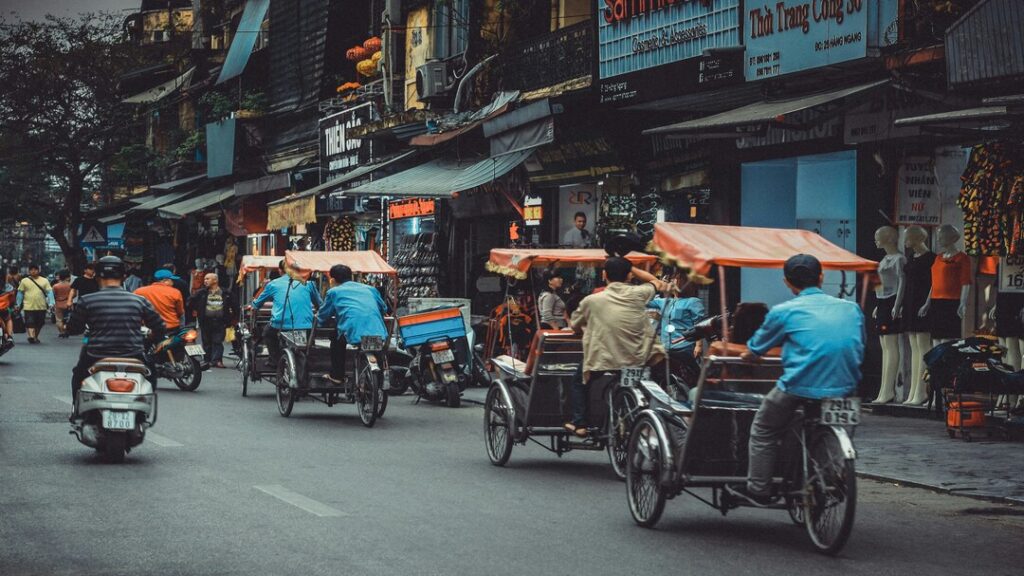
1. Hanoi
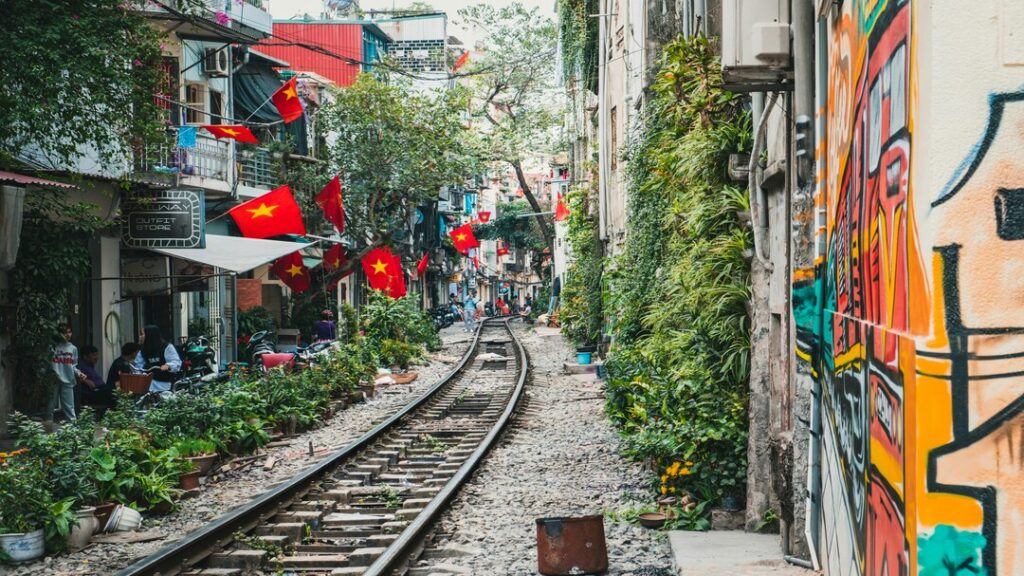
Hanoi is one of the most grounding places to visit in Vietnam because it does not rush to impress. The Old Quarter operates on its own logic, with traffic, food stalls, workshops, and cafes all sharing the same narrow streets. Hanoi works best when explored on foot, stopping often for coffee, local meals, and conversations. The city is also the main gateway to northern Vietnam’s landscapes, making it a practical and cultural starting point.
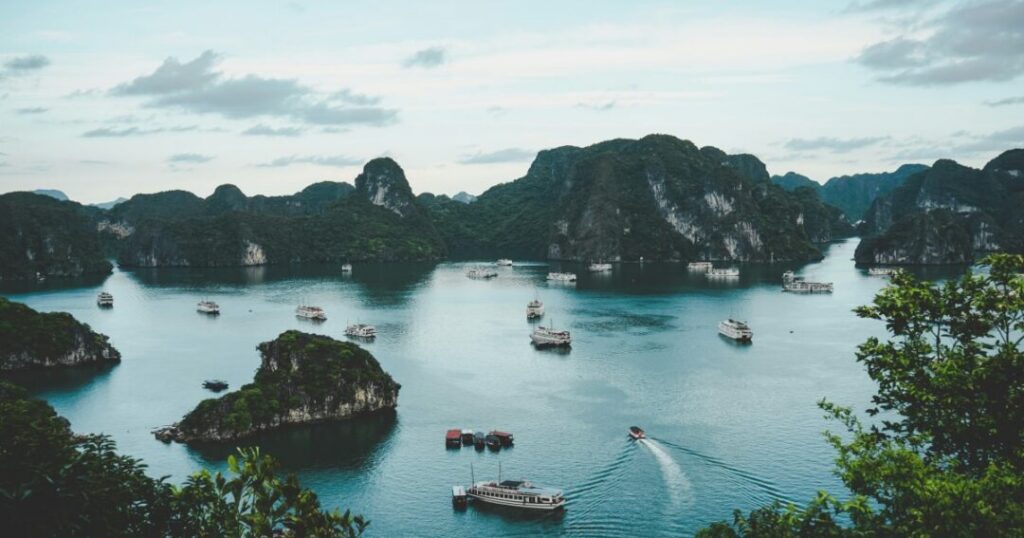
2. Ha Long Bay
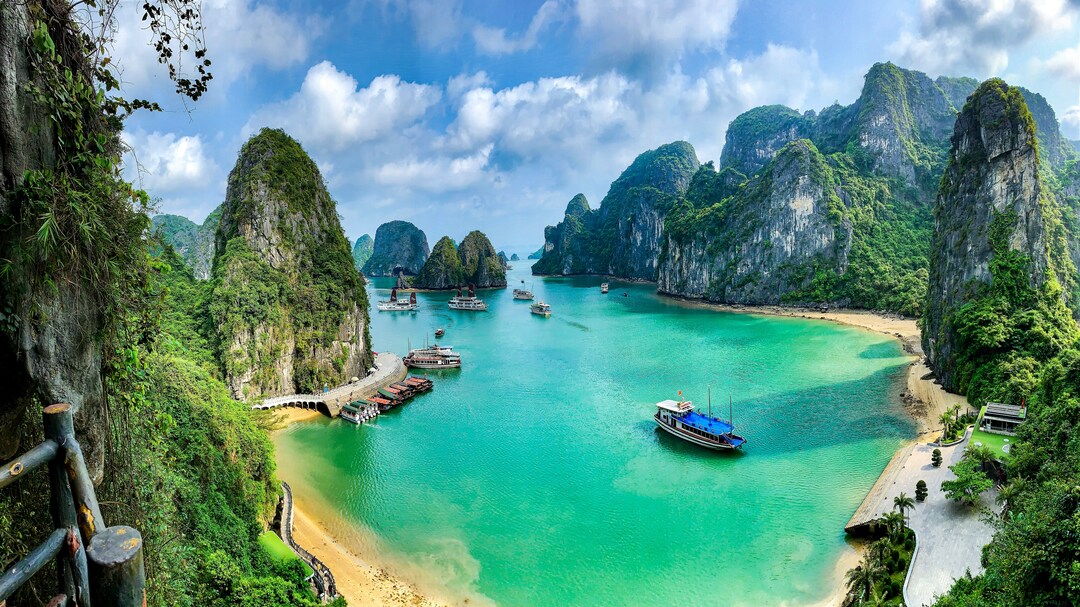
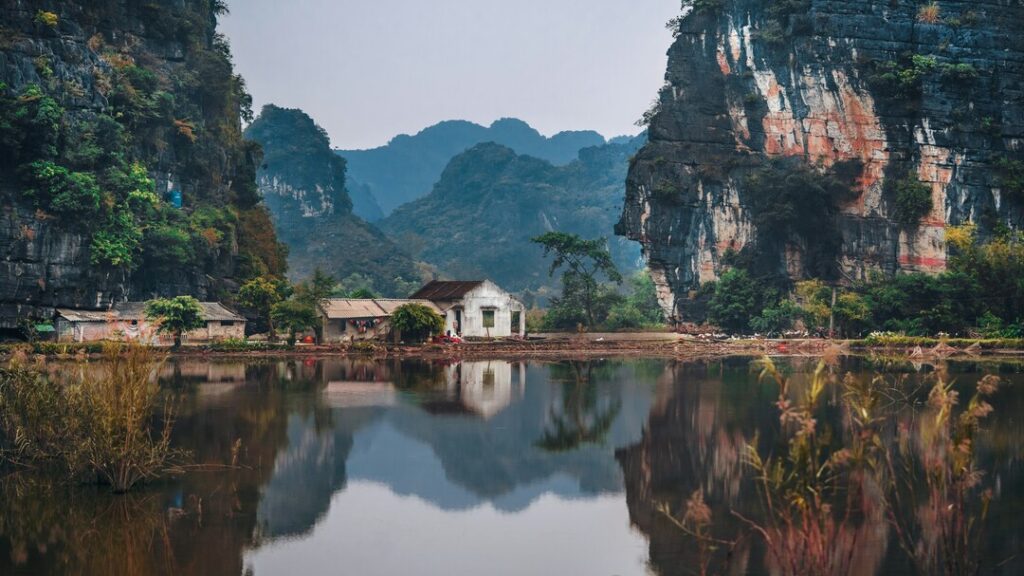
Ha Long Bay, the UNESCO World Heritage Site is one of the most recognisable places to visit in Vietnam, but it should be approached with intention. A well-planned cruise that avoids rushed itineraries allows time to understand the scale of the limestone karsts and the quiet moments between them so you can enjoy all the places to go in Vietnam. For travelers who prefer land over water, Ninh Binh offers similar scenery without the crowds, making it one of the most underrated places to visit in Vietnam.
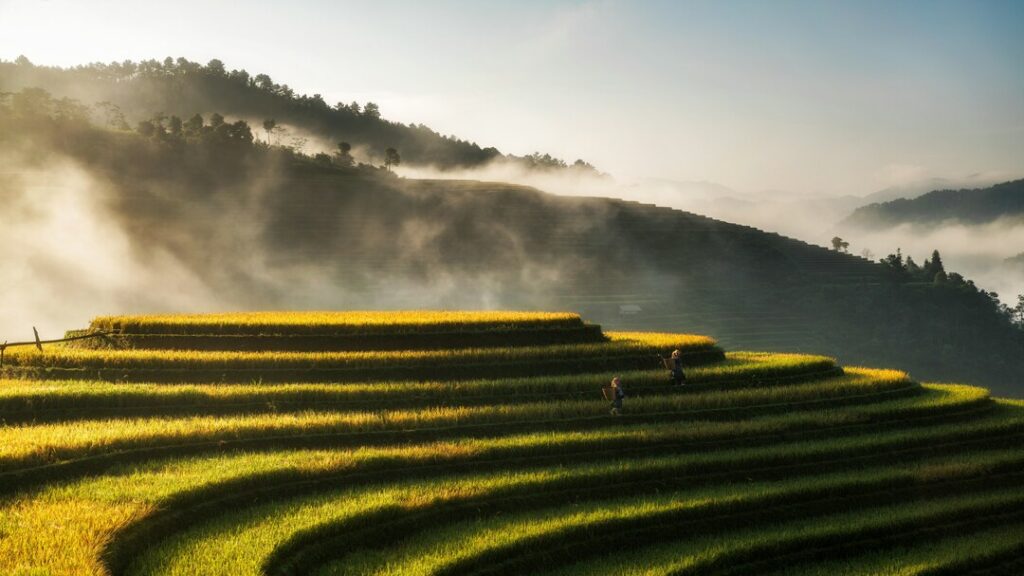
3. Sapa
Further north, Sapa represents a completely different side of the country. This mountain region is about walking, altitude, and weather shifts. Rice terraces, small villages, and long trails define the experience on this list of Vietnam places to go. Among all the places to visit in Vietnam, Sapa stands out for travelers who value movement and landscape over monuments.
CENTRAL Vietnam
4. Hue
Central Vietnam brings balance to the journey. Hue, the former imperial capital famous for its Nguyen Dynasty, is one of the quieter places to visit in Vietnam, where history is spread across rivers, tombs, and old citadels. It is a city that works best when explored slowly, ideally by bicycle where you can discover many central Vietnam travel places.
5. Hoi An
Hoi An is often labelled as picturesque because of its UNESCO World Heritage ancient town title, but beyond the visuals, it is one of the most liveable places to visit in Vietnam. Early mornings and late evenings reveal the town at its best, when crowds thin and daily life resumes. Hoi An is also well connected to rural areas, beaches, and craft villages, allowing travelers to expand beyond the old town.
💡Vietnam has 8 UNESCO World Heritage Sites, ranging from natural landscapes to ancient towns and imperial cities.
6. Da Nang
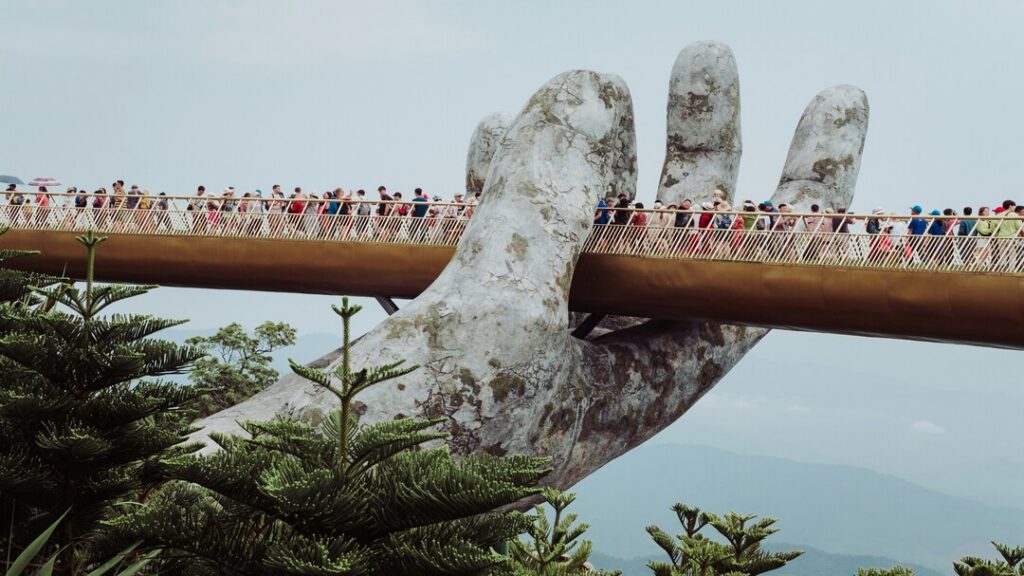
Da Nang adds a modern edge to central Vietnam. It is not a traditional highlight, but as a base, it is one of the most functional places to visit in Vietnam, offering beaches, infrastructure, and access to surrounding regions. For travelers who mix exploration with rest, Da Nang creates space to pause without disconnecting.
SOUTHERN Vietnam
7. Ho Chi Minh City
Ho Chi Minh City is intense, fast, and unapologetic and one of the most popular Vietnam tourist places. It is one of the most dynamic places to visit in Vietnam, especially for travelers interested in urban energy, street culture, and food. The city makes sense when explored by neighborhoods rather than attractions, using walking and local transport to understand how daily life unfolds.
8. Mekong Delta or “Nine Dragon River Delta”
Beyond the city, the Mekong Delta changes the pace entirely and should be in your bucket list for Vietnam places to see. Rivers replace roads, and travel slows down. Floating markets, homestays, and long boat journeys define this region. Among all the places to visit in Vietnam, the Mekong Delta offers the strongest contrast to city travel.
9. Phu Quoc
For those looking to end their journey on a quieter note, Phu Quoc, the largest Vietnamese island in the Gulf of Thailand provides coastal landscapes without requiring long overland travel. It is one of the few places to visit in Vietnam where slowing down is the primary activity.
BONUS:
10. Ha Giang Loop
Most places to visit in Vietnam mentioned here are suited for family or friends or even a solo vacation but here we come with something for the adventurers, the bikers. This route is located in the Northern part and any self-respecting motorist would know about this stunning 350km long beauty. You’ve got rice fields, karst mountains, friendly locals and the peace of being on the road. This four-day route takes you through some of the most stunning viewpoints you could ever wanna see.
💡Did you know: Motorbikes outnumber cars in Vietnam by a huge margin, making them the backbone of daily transport and city movement.
10 Underrated Romantic Getaways for Bikers
What makes Vietnam different from many Southeast Asian destinations is how accessible exploration feels. The country is linear, well-connected, and affordable, which allows travelers to build journeys that evolve organically. The places to visit in Vietnam are not locked behind expensive permits or rigid tours.
Trains, buses, domestic flights, and local transport make movement simple.
India and Vietnam: An Old Cultural and Civilisational Connection
The connection between India and Vietnam goes back more than a thousand years and is rooted in culture, trade, and shared maritime history rather than modern diplomacy alone. One of the strongest visible links is through Hinduism and Buddhism. The Champa civilisation, which flourished in central Vietnam, was deeply influenced by Indian culture. The ruins at My Son Sanctuary are a clear reminder of this shared past, with temple architecture and iconography resembling early Indian styles. Sanskrit inscriptions and Hindu deities such as Shiva appear repeatedly across historical sites. Across many places to visit in Vietnam, you will notice concepts, symbols, and traditions that feel distant yet recognisable. Despite a complex war history, Vietnam is one of the safest and most welcoming destinations for international travelers.
Suggested Itinerary for Vietnam for Indian Tourists
A north-to-south route remains the most effective way to cover places to explore in Vietnam. Starting in Hanoi allows gradual acclimatisation before moving into the mountains or bays. Central Vietnam acts as a cultural and geographical midpoint, while the south introduces scale, speed, and river life. This route ties the places to visit in Vietnam into a single narrative rather than disconnected stops. One can cover a week’s trip (excluding flights) for under 50,000 INR.
Most Indian travelers fly into Hanoi and depart from Ho Chi Minh City, which avoids backtracking and keeps the journey of Vietnam travel locations efficient.
Vietnam’s Itinerary for Indian Tourists
Day 1: Arrival in Hanoi
Arrive at Noi Bai International Airport. Take a taxi to the Old Quarter. Spend the afternoon exploring the narrow streets, street food stalls, and cafes. Visit Hoan Kiem Lake in the evening and enjoy local egg coffee.
Day 2: Hanoi and other northern Vietnam sightseeing places
Walk through the Old Quarter early in the morning, then visit the Temple of Literature and the Vietnam Museum of Ethnology. In the afternoon, head to Truc Bach Lake or the lesser-known Long Bien Bridge area for authentic local vibes.
Day 3: Ninh Binh Day Trip
Take a morning train or private car to Ninh Binh. Explore Tam Coc or Trang An river landscapes, cycle through villages, and climb Mua Cave viewpoint for panoramic views. Return to Hanoi by evening.
Day 4: Ha Long Bay Overnight
Travel by bus or private car to Ha Long Bay. Board a small, less crowded cruise to explore hidden caves and floating villages. Overnight on the boat for sunrise views.
Day 5: Fly to Da Nang and Hoi An
Fly from Hanoi to Da Nang. Take a taxi to Hoi An Ancient Town. Walk the lantern-lit streets, visit An Bang Beach, and explore the quiet artisan villages like Tra Que herb village.
Day 6: Hoi An to Hue
Take a morning drive over Hai Van Pass to Hue. Explore the Imperial Citadel, quiet pagodas, and local markets. Stop at less-visited tombs along the Perfume River for history without crowds.
Day 7: Ho Chi Minh City
Fly from Hue to Ho Chi Minh City. Explore famous Vietnam spots to visit like Ben Thanh Market, the French Quarter, and hidden cafes in District 1. If time permits, take a late afternoon trip to the Mekong Delta or Cu Chi Tunnels before departure.
Commute between cities is best done via domestic flights for efficiency, trains for scenic routes, and taxis/Grab within cities. Each day combines popular spots with hidden gems, local cuisine, and easy exploration on foot or bike.
Visa Information for Indian Travelers
Indian passport holders require a Vietnam e-visa. The process is online and straightforward, allowing stays of up to 90 days with single or multiple entry options. Approval typically takes a few working days, making Vietnam one of the easier Southeast Asian countries to enter. This accessibility plays a major role in making the places to visit in Vietnam attractive for independent travelers.
💡Did you know: Vietnam celebrates Lunar New Year (Tết Nguyên Đán) more widely than any other festival, and the country almost shuts down during this period, usually falling between late January and 20 February
Vietnam as a Foodie Paradise
Vietnam earns its reputation as a foodie destination not because of luxury dining, but because food is deeply integrated into daily life. Eating in Vietnam is constant, social, and practical. Meals are quick, fresh, and built around balance rather than excess. Every region adds its own interpretation to common dishes, which means traveling across different places to visit in Vietnam also means eating differently in each location. So one of the things to do in Vietnam is definitely a foodie day out!
💡Did you know: Street food in Vietnam is often safer and fresher than restaurant food because of high daily turnover.
Explore the World’s Largest Cave: Hang Son Doong, Vietnam
Authentic Vietnamese Dishes You Must Try
- Bún chả – Grilled pork served with cold rice noodles, herbs, and dipping broth, commonly eaten for lunch in northern Vietnam
- Cơm tấm – Broken rice with grilled meat, pickles, and fish sauce, originally a working-class staple in southern Vietnam
- Bánh xèo – Crispy rice flour pancakes filled with pork, shrimp, and herbs, eaten by hand and wrapped in greens
- Cao lầu – Thick noodles with pork and greens, unique to Hoi An and shaped by historical trade influences
- Canh chua – Sour tamarind-based soup with fish, vegetables, and herbs, typical of home-style cooking in the Mekong Delta
Vietnam Beyond Sightseeing | Things to Do
Vietnam is not just about ticking off landmarks or famous views. It is about understanding rhythm. Cities are loud but functional. Villages are slow but connected. Nature is not isolated from human life. These elements combine to make Vietnam one of the most rewarding destinations for travelers who want more than surface-level experiences.
For those willing to walk more, eat locally, and stay longer in fewer places, Vietnam reveals itself gradually. That depth is what keeps travelers returning, and why the places to visit in Vietnam rarely feel exhausted after a single trip.
FAQs about Places to Visit in Vietnam
Is 7 days in Vietnam enough?
Yes, 7 days is enough to enjoy Vietnam if you focus on one or two regions.
Covering places like Hanoi with Ha Long Bay or Hoi An gives a well-rounded experience without rushing.
3. Which part of Vietnam is best for tourists?
Central Vietnam—especially Hoi An and Da Nang—is best for tourists thanks to its mix of culture, beaches, great food, and easy travel.
It’s scenic, welcoming, and ideal for both first-time and relaxed trips.