
1,276 Total Views
Not every Himalayan trek needs multiple days, technical gear, and a support crew. The Serolsar Lake trek proves that—a half-day walk through dense forest from Jalori Pass that ends at a still, sacred alpine lake most visitors have never heard of. This guide covers the route, the legend behind the lake, whether you can actually camp there, and everything else you need before you go.
Serolsar Lake Trek Route: What to Expect?
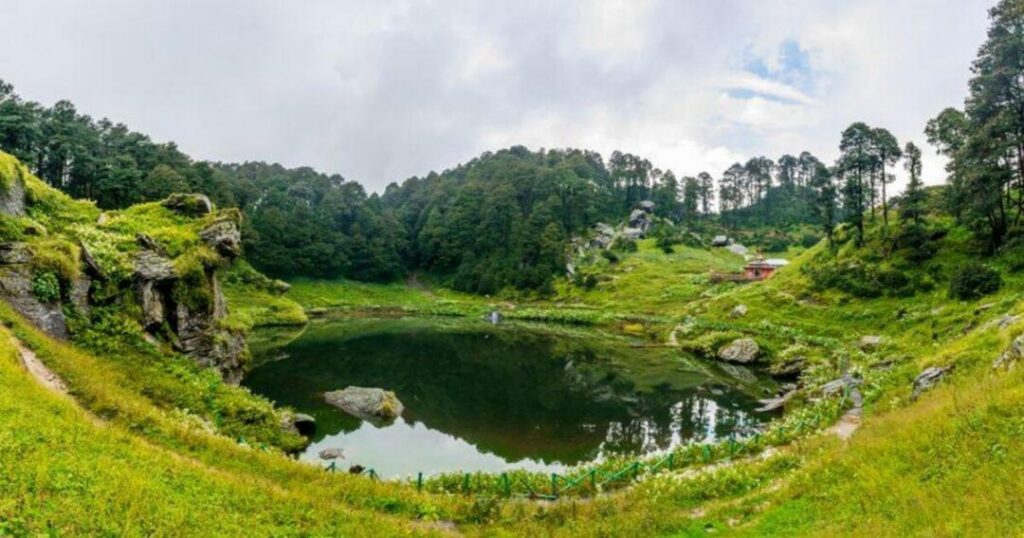
The Jalori Pass to Serolsar Lake trek covers about 5 km one-way and takes roughly 3.5 hours round trip for most trekkers.
- The first 2 km takes about 1.5 hours through thick oak and pine forest on a fairly gentle incline.
- The remaining 3.3 km takes closer to 2 hours, with one genuinely steep section leading up to a viewpoint with 360-degree mountain views before the trail descends to the lake.
- This is classed as an easy trek, suitable for beginners and families, with no technical sections and no permits required.
The Legend of Budhi Nagin and the Sacred Lake
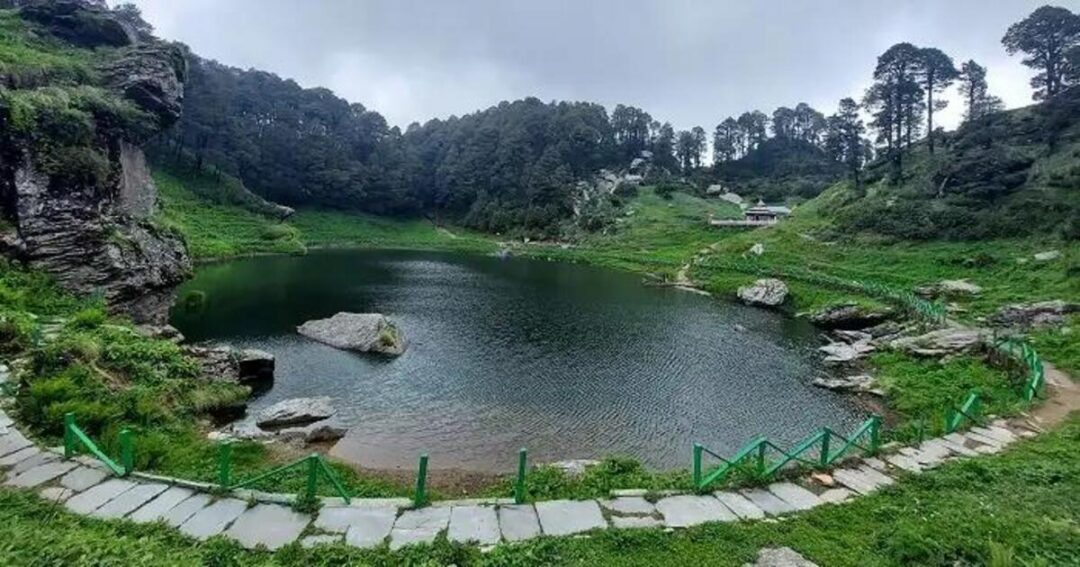
Serolsar Lake, at 3,100 meters (10,171 ft) in the Seraj Valley, is more than a scenic stop—it’s a genuinely sacred site for the surrounding villages.
- Locals believe the goddess Budhi Nagin, described as the deity of snakes, ghee, and mother of all nag deities, is submerged in the lake and protects the entire region.
- A small temple dedicated to her sits on the lake’s northern shore, and villagers still perform weekly parikrama (circumambulation) with offerings of ghee and oil.
- The lake’s water is believed by locals to hold healing properties, and the surrounding thick forest cover is left largely undisturbed as part of that reverence.
Also Read: Jibhi Travel Guide: Best Things to Do in Jibhi Quiet Mountain Escape
Nearby Attractions to Pair With Your Trek
- Jalori Pass itself sits at roughly 10,800 ft and is worth lingering at for the views alone, even before you start the Serolsar trail.
- Raghupur Fort is a popular extension for trekkers who want a longer day, offering wider Himalayan panoramas from a ridge above the pass.
- Tirthan Valley, just below Jalori Pass, is known for trout fishing, riverside homestays, and access to the Great Himalayan National Park—a natural base before or after the trek.
Serolsar Lake Trek Camping: Is It Allowed?
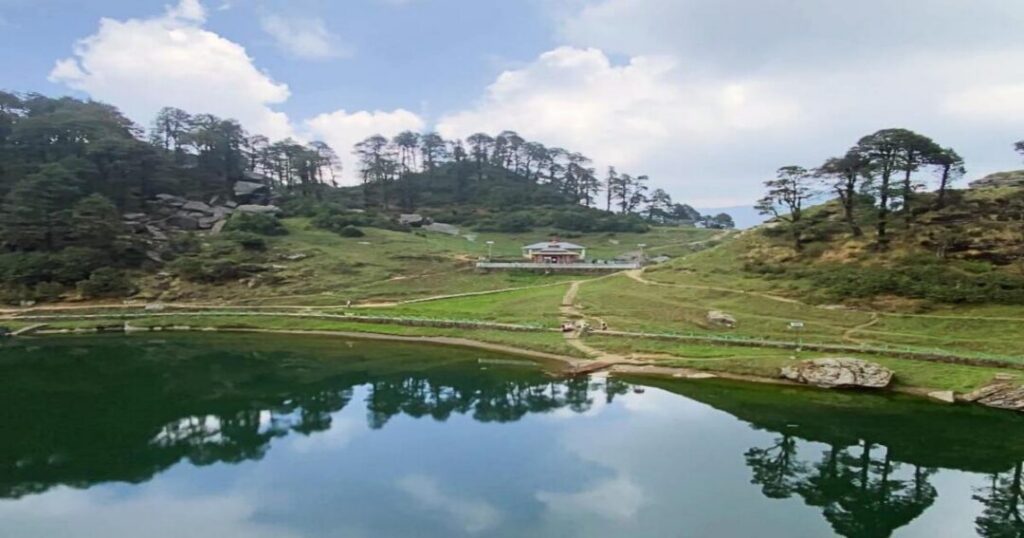
Given the lake’s sacred status, Serolsar Lake camping comes with more etiquette than restriction.
- Overnight camping near the lake is generally possible, but accommodation options are limited to bringing your own tent—there are no hotels or guesthouses at the lake itself, only forest rest houses and small guesthouses back at Jalori Pass.
- Anyone camping is expected to carry all their own equipment and follow strict eco-friendly practices, given how undisturbed the surrounding forest has stayed.
- Out of respect for the site’s sanctity, swimming in the lake is discouraged, and visitors are expected to avoid littering or disturbing the temple area.
- Most day-trekkers skip camping altogether and base themselves in Jibhi, Shoja, or Banjar instead, treating Serolsar as a half-day round trip from a comfortable homestay.
Also Read: Prashar Lake Trek: Distance, Route, and When to Go
Practical Tips for the Serolsar Lake Trek
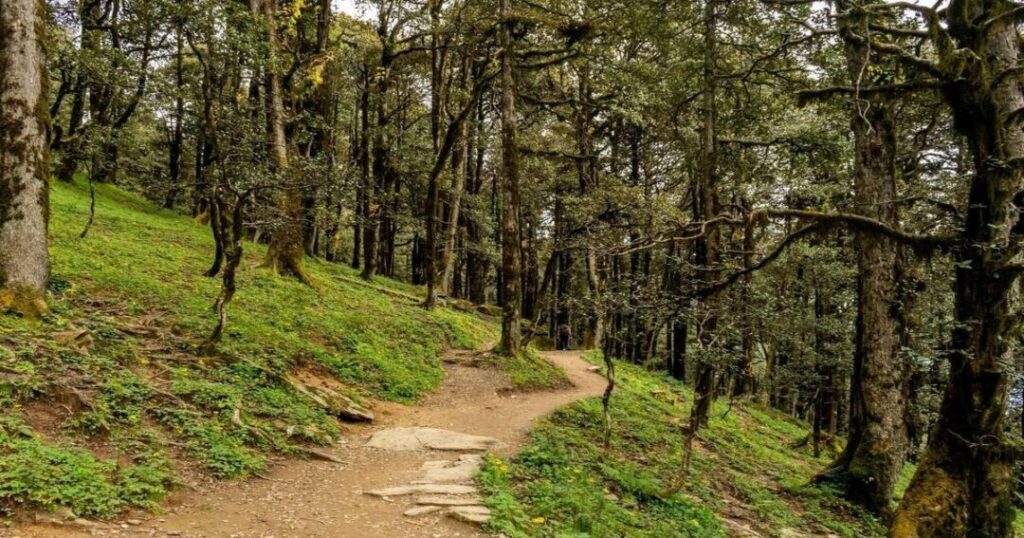
- Start early—the round trip takes about 3.5 hours, and afternoon weather in the hills can turn quickly, especially outside peak season.
- Carry your own water and snacks; there are no shops along the trail itself.
- Wear proper trekking shoes for the one steep section near the viewpoint, even though the rest of the trail is gentle.
- Base yourself in Jibhi, Shoja, or Banjar the night before—all are close enough to reach the Jalori Pass trailhead early without a long pre-dawn drive.
What is the Best Time for the Serolsar Lake Trek?
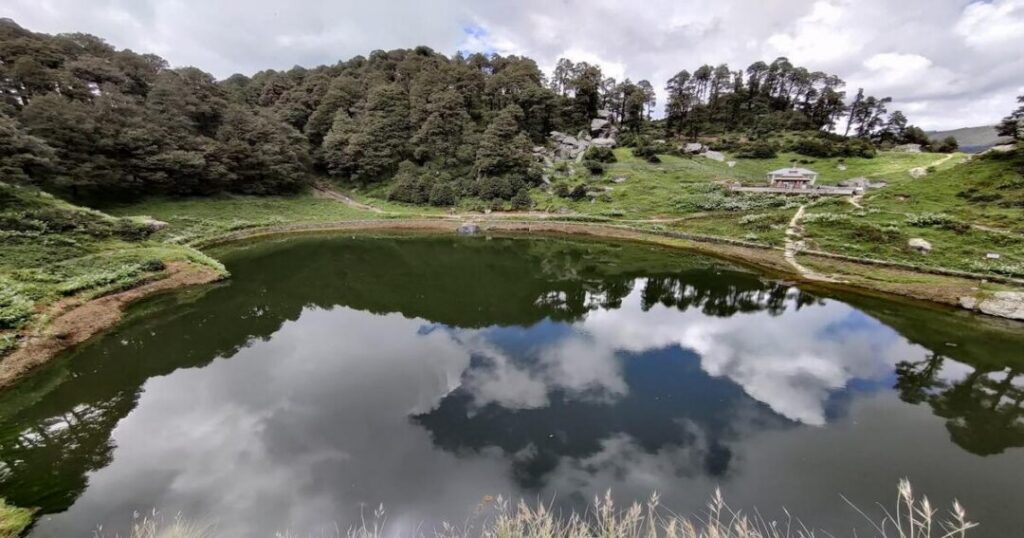
- March to November is the trekking season, with the trail closed by snow and ice for the rest of the year.
- May–June brings green forest cover and comfortable daytime temperatures, ideal for a shorter, easier hike.
- October to November offers clearer mountain views and crisper air, once the monsoon rains have passed.
How to Reach the Serolsar Lake Trek?
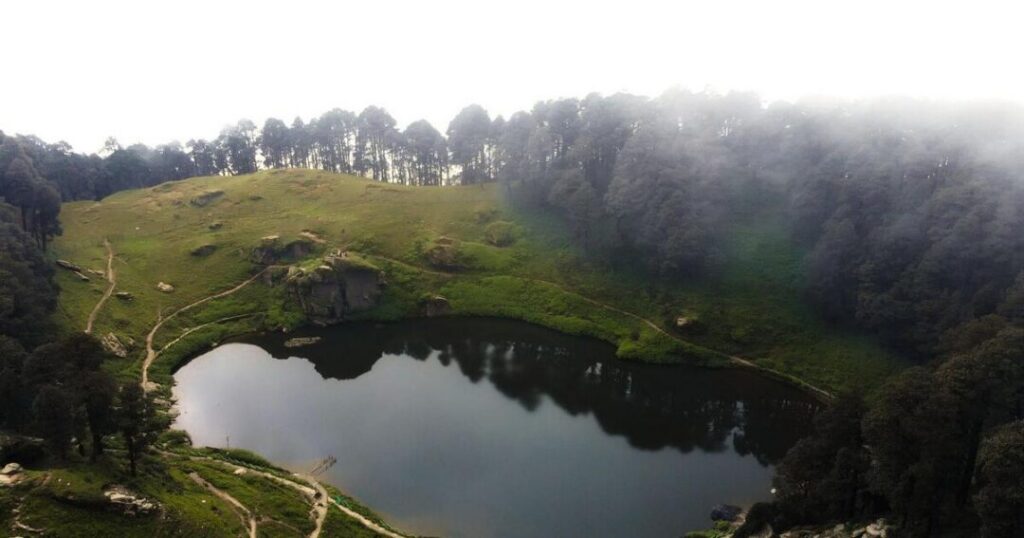
- By air: Bhuntar (Kullu-Manali) Airport is the nearest, about 90 km away—roughly a 3-hour drive to Jalori Pass.
- By rail: The narrow-gauge station at Joginder Nagar is the closest at about 120 km; Chandigarh is the nearest broad-gauge station, around 280 km away.
- By road: Jalori Pass is about 150 km from Shimla (5–6 hours via Narkanda and Ani) or 135 km from Manali (5–6 hours via Kullu, Aut, and Banjar). Expect a mix of paved and rough patches, and avoid driving after dark on the narrow mountain roads.
- From Jalori Pass itself, the trailhead to Serolsar Lake begins right at the top of the pass—no additional approach drive needed.
Also Read: Jalori Pass Trek: The Easy Himalayan Hike Guide
Conclusion: Serolsar Lake Trek
For a half-day trek that delivers dense forest, a genuine local legend, and a lake most visitors to Himachal never see, the Serolsar Lake trek is hard to beat—and it asks very little in return.
Quick takeaways:
- It’s an easy 5 km trek from Jalori Pass, taking about 3.5 hours round trip, open from March to November.
- The lake is sacred to local communities via the legend of Budhi Nagin—treat the temple and surroundings with care.
- Camping is possible but minimal—bring your own gear, or base yourself in Jibhi, Shoja, or Banjar instead.
Ready to explore? Download the Explurger app and start your journey today.
Save this guide before your Himachal trip, and pair it with a night or two in Tirthan Valley to make the most of the drive out.
FAQs About the Serolsar Lake Trek
2. How far is Serolsar Lake from Jalori Pass?
Serolsar Lake is about 5 km one-way from Jalori Pass, with the first 2 km taking roughly 1.5 hours through oak and pine forest and the remaining 3.3 km taking about 2 hours. The trailhead starts directly at the top of the pass, so no additional approach drive is needed before beginning the hike.
3. Is camping allowed at Serolsar Lake?
Camping near Serolsar Lake is generally possible but limited, since there are no hotels or guesthouses at the lake itself, only forest rest houses back at Jalori Pass. Anyone camping needs to bring their own equipment and follow eco-friendly practices, given the lake's sacred status and the surrounding forest's largely undisturbed condition.
4. What is the legend behind Serolsar Lake?
Local legend holds that the goddess Budhi Nagin, deity of snakes and ghee and mother of all nag deities, is submerged in Serolsar Lake and protects the surrounding region. A small temple dedicated to her sits on the lake's northern shore, and villagers still perform weekly parikrama with offerings of ghee and oil as part of this living tradition.
5. When is the best time to trek to Serolsar Lake?
The Serolsar Lake trek is open from March to November, with the trail closed by snow and ice the rest of the year. May-June offers green forest cover and comfortable temperatures for an easier hike, while October-November brings clearer skies and crisper air once the monsoon season has passed.
6. How do I reach Jalori Pass for the Serolsar Lake trek?
Jalori Pass is about 150 km from Shimla (5-6 hours via Narkanda and Ani) or 135 km from Manali (5-6 hours via Kullu, Aut, and Banjar), with Bhuntar Airport the nearest air link at roughly 90 km away. The roads involve a mix of paved and rough mountain sections, so arriving before dark is strongly recommended.