
1,656 Total Views
If Himachal Pradesh makes you think of crowded Mall Roads, busy cafés and packed viewpoints, Jibhi offers a very different version of the mountains.
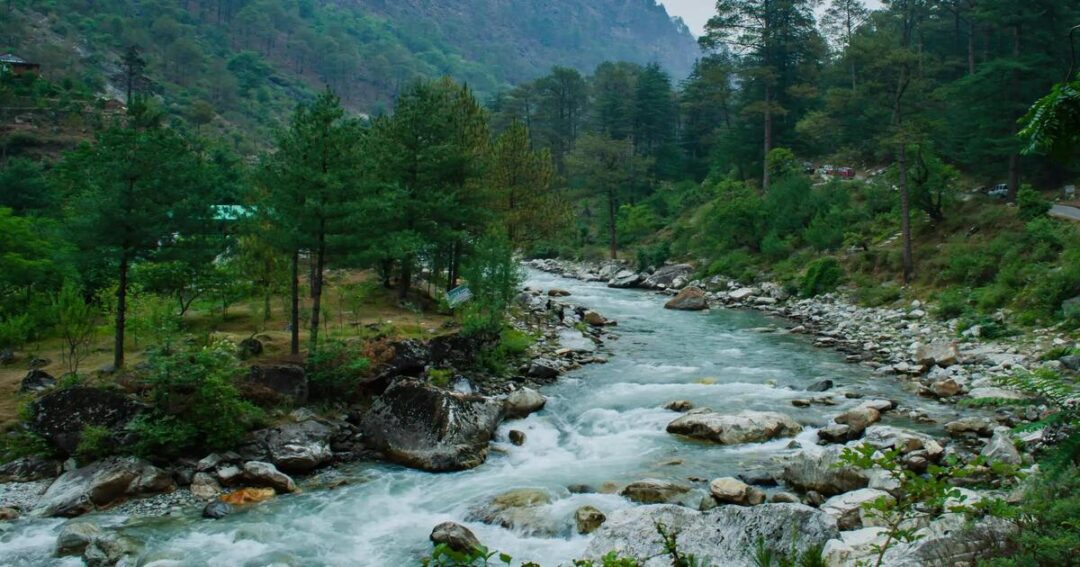
Tucked away in the Banjar Valley of Himachal Pradesh, Jibhi is a small mountain settlement surrounded by pine and deodar forests, apple orchards, streams and traditional wooden houses. It is less about ticking off attractions and more about slowing down, walking through forests, sitting beside a river and waking up to mountain views. Jibhi is ideal for travellers looking for a quieter Himalayan escape, with waterfalls, forest walks, village experiences, temples and treks within easy reach. Its biggest attraction is not a single landmark but the slower pace of life, natural surroundings and access to the wider Banjar and Tirthan Valley region.
Unlike more commercialised Himachal destinations, Jibhi retains a distinctly village-like character. Wooden homes, narrow roads, forested slopes and the sound of mountain streams give it an intimate feel.
Jibhi also works as a base for exploring some of the region’s most rewarding sights, including Jalori Pass, Serolsar Lake, Raghupur Fort, Chehni Kothi and Shringa Rishi Temple.
If you are looking for things to do in Jibhi away from the usual tourist circuit, Jibhi deserves a place on your list.
Best Things to Do in Jibhi
The best things to do in Jibhi include visiting Jibhi Waterfall, exploring Chehni Kothi, hiking around Jalori Pass, trekking to Serolsar Lake and Raghupur Fort, visiting Shringa Rishi Temple and simply enjoying the forests and villages around the valley.
Here are the experiences worth adding to your itinerary.
1. Visit Jibhi Waterfall
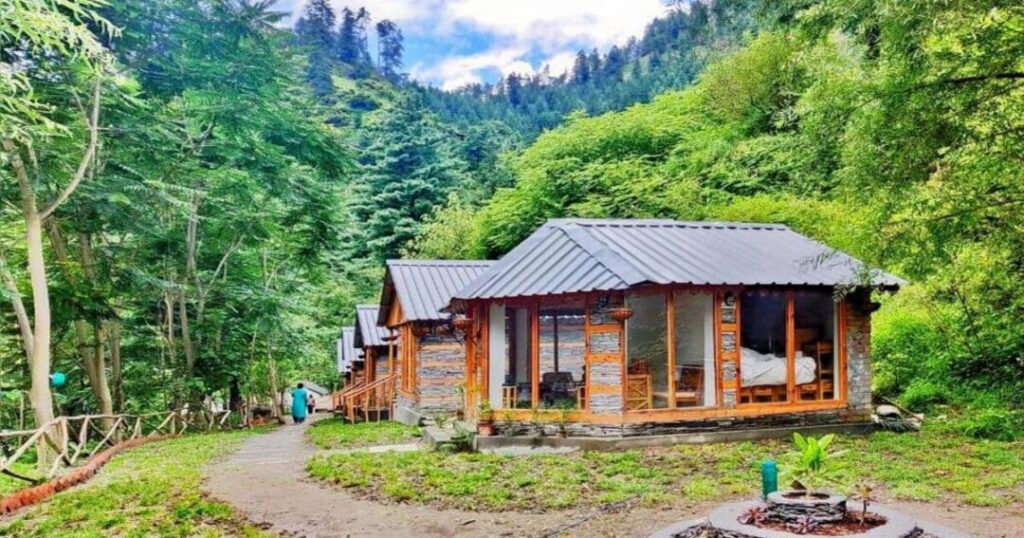
Jibhi Waterfall is one of the easiest attractions to reach and a natural introduction to the valley.
A short walk from the village leads through greenery to the cascading waterfall, where water tumbles between moss-covered rocks and dense vegetation. It is especially atmospheric during the wetter months, when the surrounding landscape turns intensely green.
You don’t need to plan an entire day around it. Visit early in the morning, when the area is quieter, or combine it with a relaxed walk around Jibhi village.
Best for: Nature walks, photography and a relaxed morning.
2. Explore Chehni Kothi
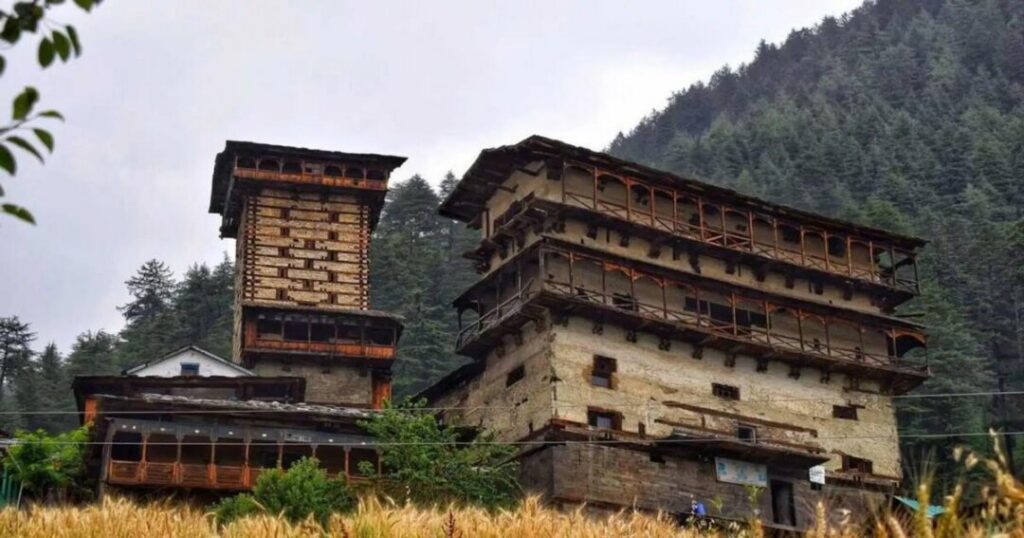
One of the most fascinating Himachal attractions near Jibhi, Chehni Kothi showcases the traditional architecture of the western Himalayas.
The historic tower is built using stone and timber, reflecting the distinctive architectural techniques used in the mountains. Its tall structure, forest setting and old-world character make the journey as interesting as the destination itself.
The route involves an uphill walk, so comfortable shoes are recommended.
Best for: History, architecture, photography and short hikes.
3. Drive to Jalori Pass
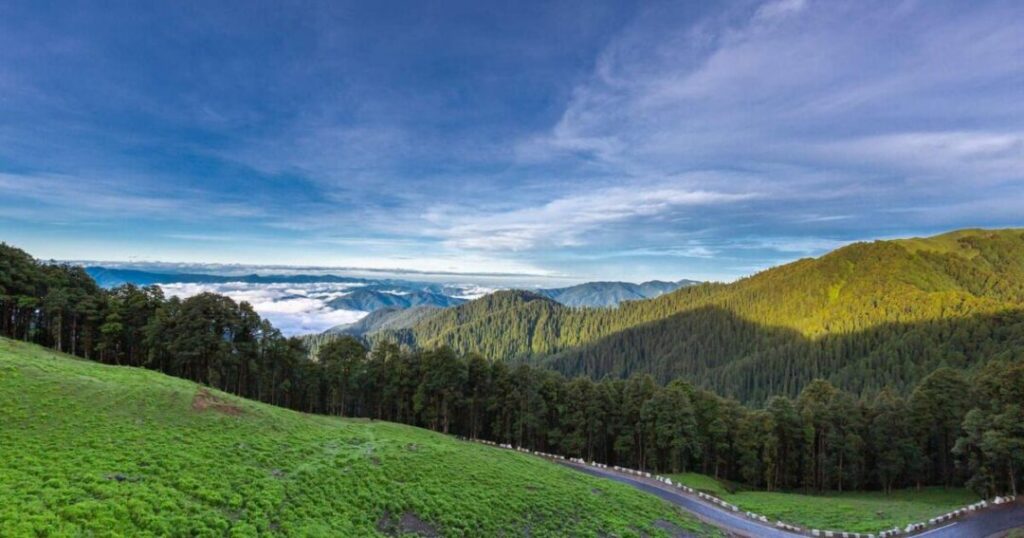
If you are searching for the best places to go in Himachal around Jibhi, put Jalori Pass near the top of the list.
Located at around 3,120 metres, Jalori Pass is the gateway to some of the area’s most popular hiking routes, including the trails to Serolsar Lake and Raghupur Fort. The landscape changes dramatically as you climb, with dense forests giving way to open mountain views.
The pass is also a good place to pause for tea or a simple meal before beginning a trek.
Important: Road and pass conditions can change significantly with snowfall, rain and other weather conditions, so check local conditions before travelling.
Best for: Mountain views, road trips, trekking and photography.
4. Trek to Serolsar Lake
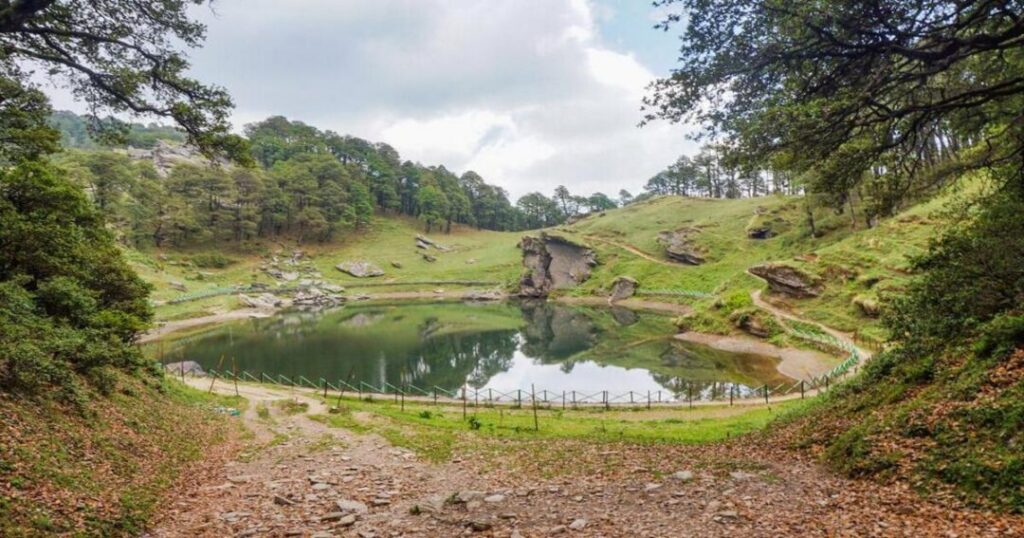
Serolsar Lake is one of the most rewarding excursions from Jibhi.
The trail begins at Jalori Pass and winds through forest before reaching the high-altitude lake. The lake is considered sacred and is associated with Budhi Nagin, a local deity.
The walk is as much about the forest as the lake itself. Tall trees, quiet trails and occasional mountain views make this a peaceful Himalayan hike.
The trail is generally considered manageable for reasonably fit hikers, but remember that you are walking at high altitude.
Best for: Trekkers, nature lovers, photography and peaceful escapes.
5. Hike to Raghupur Fort
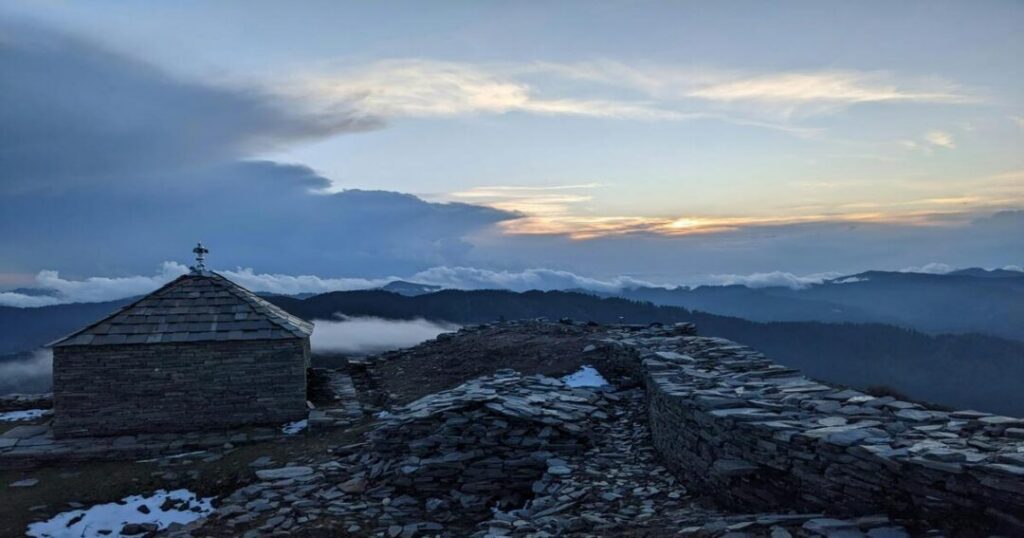
For travellers who prefer panoramic views to lakes, the hike to Raghupur Fort is another excellent option from Jalori Pass.
The remains sit on a high ridge, and the open landscape offers expansive views over the surrounding mountains and valleys. Unlike a conventional fort with grand walls and elaborate architecture, the appeal here lies in the ruins, landscape and sense of remoteness.
It is particularly beautiful when the skies are clear.
Best for: Hikers, photographers and panoramic mountain views.
6. Visit Shringa Rishi Temple
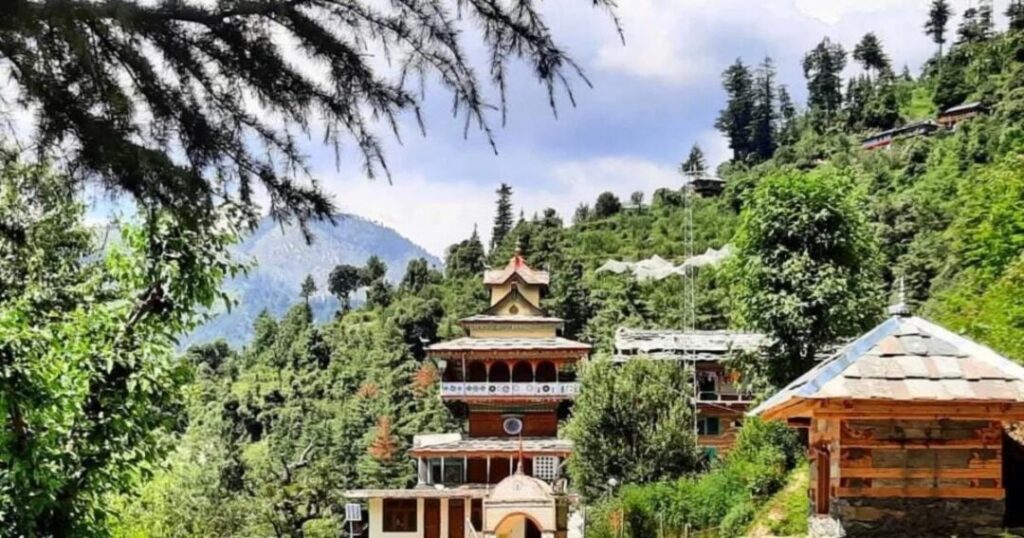
For a glimpse into the spiritual side of the valley, visit Shringa Rishi Temple.
Dedicated to Sage Shringa, the temple reflects the traditional wooden architecture and religious culture of the region. Local traditions and festivals give the surrounding villages an added cultural dimension.
A visit here also offers an opportunity to experience a quieter side of Himachal tourism, where temples remain closely connected with local communities and traditions.
Best for: Culture, architecture and travellers interested in local traditions.
7. Walk Through Jibhi’s Forests
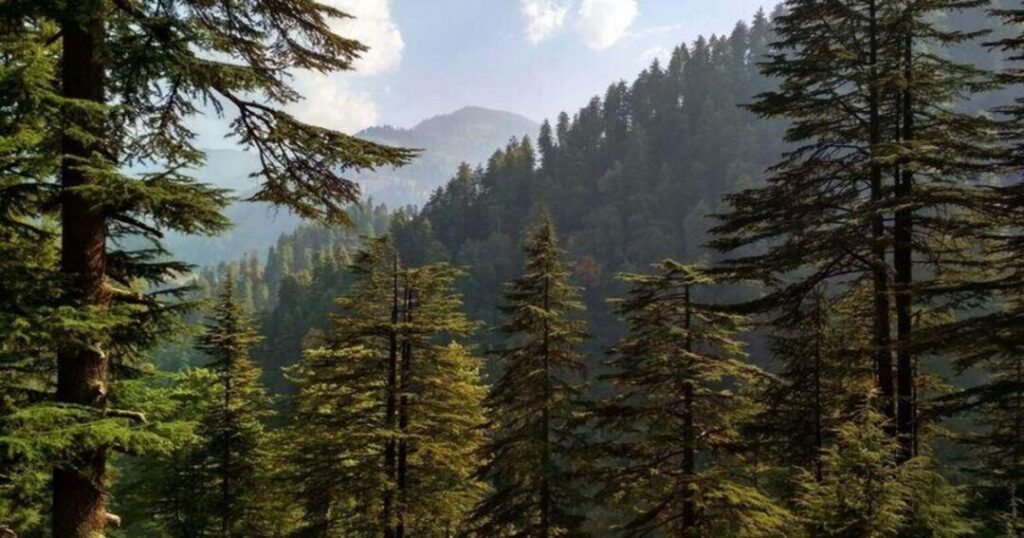
You don’t need a major trek to experience Jibhi.
Some of the best moments here come from simply walking. Follow a forest trail, wander between apple orchards, or take a slow village walk without worrying about how many places you can cover.
The surrounding pine, oak and deodar forests create a completely different experience from the crowded sightseeing routes of popular Himachal destinations.
Carry a light jacket, comfortable shoes and water, and allow yourself time to explore without a strict schedule.
Best for: Slow travel, nature lovers and photographers.
8. Explore Shoja
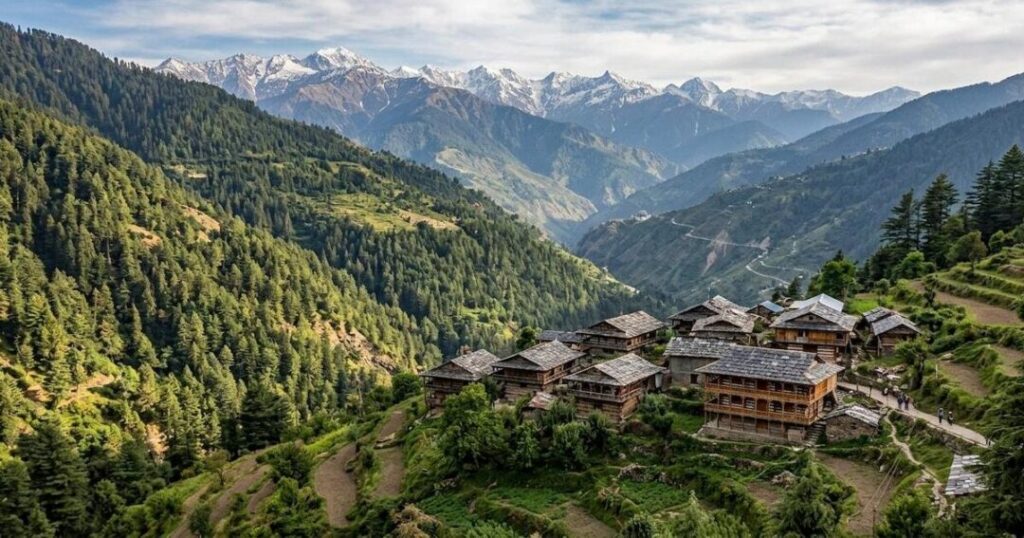
Shoja is a small mountain settlement near Jibhi and makes for an easy excursion.
The village is surrounded by forests and mountain scenery and is particularly appealing if your idea of a holiday involves quiet walks, wooden homes and long views rather than busy tourist attractions.
It can also be combined with a Jalori Pass outing, depending on your itinerary.
Best for: Slow travel, scenic stays and forest walks.
Also Read: Jalori Pass Trek: The Easy Himalayan Hike Guide
9. Experience Village Life in the Banjar Valley
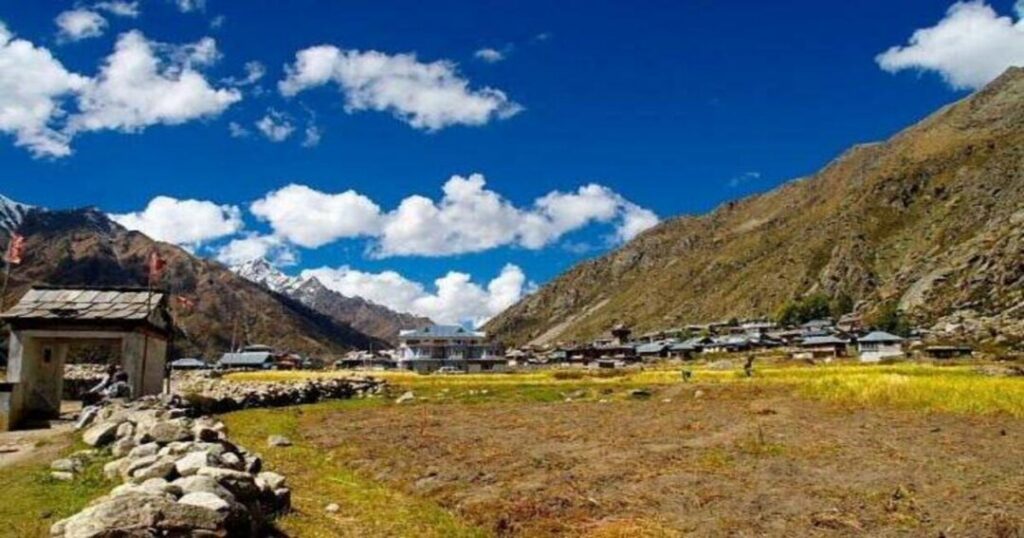
One of the biggest reasons to visit Jibhi is to experience a side of Himachal Pradesh sightseeing that isn’t built around major monuments.
Spend time observing traditional houses, agricultural fields, local temples and village routines. If you’re staying at a homestay, speak with your hosts and ask about local food, festivals and customs.
This is where Jibhi feels most different from a conventional hill-station holiday.
Best for: Cultural experiences, families and slow travellers.
10. Spend Time Beside the Tirthan River
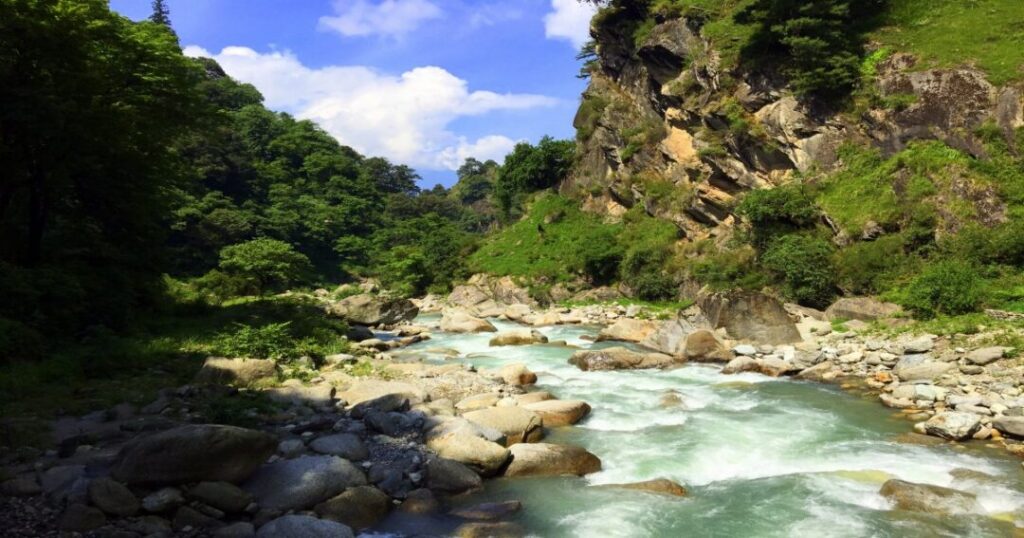
The Tirthan Valley is known for its clear mountain streams and rivers, and spending time beside the water is one of the simplest ways to experience the region.
Find a safe spot, sit with a cup of tea, read a book or simply listen to the water.
The experience is less about an activity and more about doing absolutely nothing for a while—which, in Jibhi, can be the point.
Also Read: 20 Offbeat Places to Visit in Himachal Pradesh’s Underrated & Unseen Destinations
Best Time to Visit Jibhi
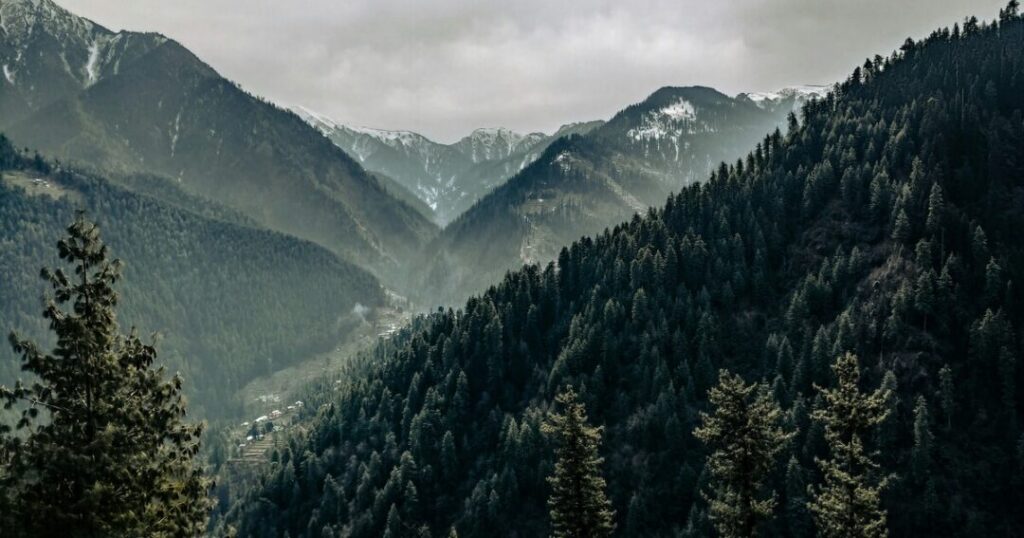
March to June and late September to November are among the most comfortable periods for visiting Jibhi, while winter attracts travellers looking for snow. July and August bring lush greenery but also heavier rain and a higher risk of landslides.
March to April
Spring brings pleasant weather and blooming orchards. The landscape begins turning green, making this a beautiful period for village walks and easy hikes.
May to June
These months are good for outdoor activities and trekking, subject to trail and road conditions. Higher areas around Jalori Pass become more accessible as snow clears.
July to August
The monsoon transforms Jibhi into a lush green landscape, but heavy rainfall can also affect mountain roads and create landslide risks.
September to November
Post-monsoon weather generally brings clearer skies and crisp mountain air. Autumn colours add another layer to the landscape, making this one of the most attractive periods for photography and trekking.
December to February
Winter brings the possibility of snow around Jibhi. However, high-altitude routes such as Jalori Pass can become inaccessible because of snowfall, so always check conditions before planning a trek or drive.
How to Reach Jibhi?
Jibhi is primarily a road-trip destination. From Delhi, the journey is roughly 500–535 km depending on the route, while Chandigarh is around 290 km away. The nearest airport is Bhuntar, and travellers arriving by rail need to continue their journey by road.
By Road
The most convenient option is to drive or take a bus towards Aut/Bhuntar, followed by a taxi or local transport towards Banjar and Jibhi.
From Delhi, the journey generally takes around 12–13 hours by road, though mountain traffic, weather and road conditions can significantly affect travel time.
By Air
The nearest airport is Bhuntar Airport, also known as Kullu-Manali Airport. From there, you need to continue by road towards Jibhi.
By Train
Jibhi does not have its own railway station. Rail travellers need to use a nearby railhead and continue by road. Jogindernagar is one of the closest options, while Chandigarh and Pathankot offer broader rail connectivity.
Where to Stay in Jibhi?
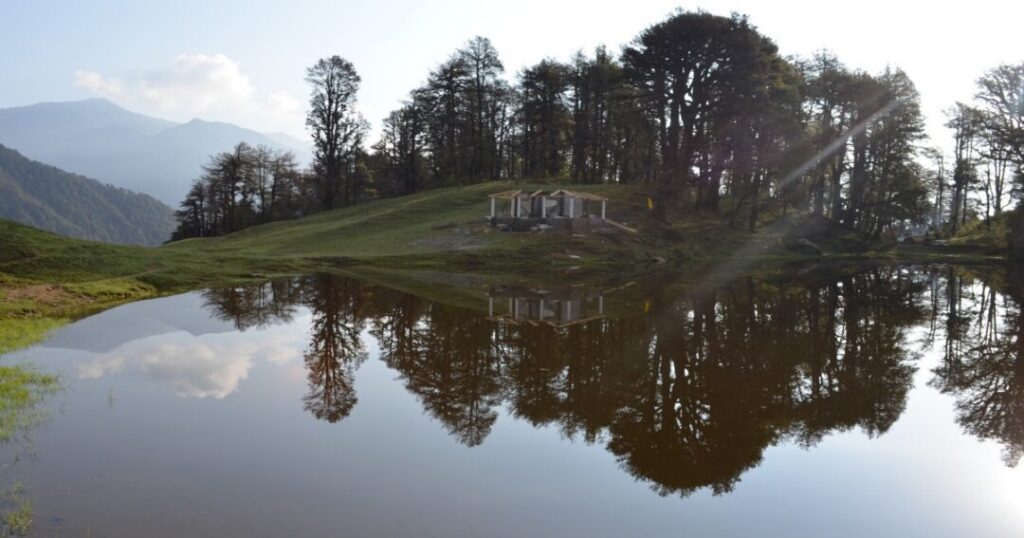
Jibhi is best experienced through homestays, cottages and small mountain properties rather than conventional large hotels. Staying locally gives you easier access to village walks and lets you experience the valley at a slower pace.
Many properties are built around the area’s natural setting, with balconies, wooden interiors and mountain views.
When choosing accommodation, consider:
- Proximity to Jibhi village
- Valley or forest views
- Heating during winter
- Hot water availability
- Power backup
- Wi-Fi, if you need to work
- Parking, if travelling by car
- Accessibility during monsoon or snowfall
For a more immersive experience, consider spending at least one night in a homestay.
Also Read: Things to Do in Chail: Explore Himachal Pradesh’s Peaceful Hill Retreat
What to Eat in Jibhi?
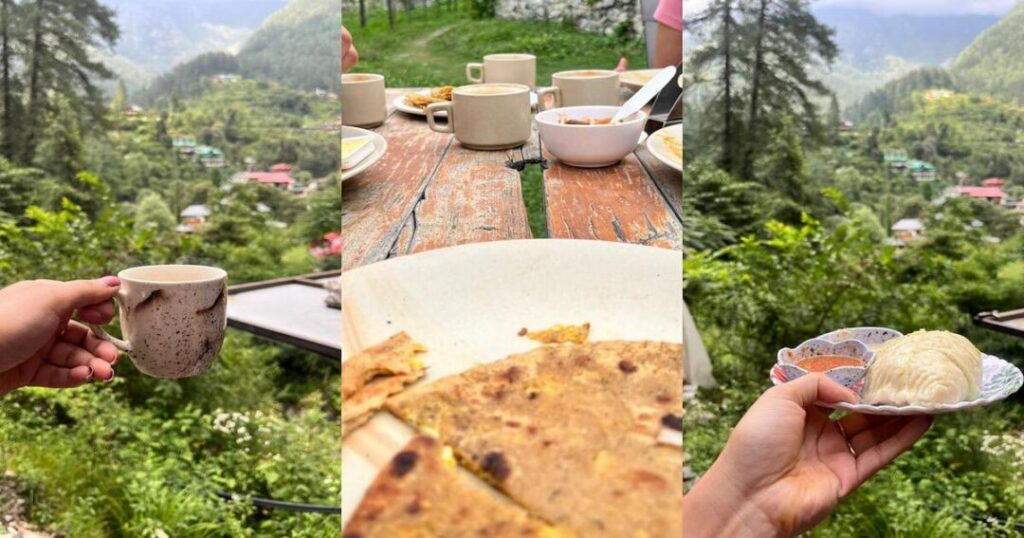
Food in Jibhi is a mix of familiar North Indian dishes, café food and traditional Himachali preparations, with local homestays often offering the most authentic regional experience.
Depending on where you stay, look out for Himachali dishes such as:
- Siddu
- Dham-style preparations
- Rajma
- Madra
- Chana
- Local breads
- Seasonal vegetables
- Trout preparations in the wider Tirthan region
Don’t overlook the simple pleasures either: hot chai, momos and a warm meal after a mountain walk can be just as satisfying.
Also Read: Scenic Himalayan Villages in India That Feel Like a Fairytale
FAQs About things to do in Jibhi
2. How many days are enough for Jibhi?
Three days are enough for a quick Jibhi trip covering the village, waterfall and one major excursion. Four to five days are better if you want to explore nearby villages and trekking routes without rushing.
3. Is Jibhi good for a weekend trip?
Yes, particularly for travellers from North India who are comfortable with a long road journey. However, the journey from Delhi is substantial, so adding an extra day can make the trip considerably more relaxed.
4. What are the best places to visit near Jibhi?
Some of the most popular places include Jalori Pass, Serolsar Lake, Raghupur Fort, Chehni Kothi, Shoja and Shringa Rishi Temple.
5. Is Jibhi good for trekking?
Yes. Jibhi provides access to several hiking routes, with the Serolsar Lake and Raghupur Fort trails from Jalori Pass among the better-known options.
6. Can you visit Jibhi in winter?
Yes, Jibhi can be visited during winter, particularly if you want a snow experience. However, snowfall can affect road access and high-altitude routes, so check current conditions before travelling.