
54 Total Views
Da Nang sits on Vietnam’s central coast between mountains to the west and the South China Sea to the east, with the Han River running through the middle of the city. It is about 764 km south of Hanoi and 964 km north of Ho Chi Minh City, which makes it a natural midpoint on a north-to-south trip. The things to do in Da Nang range from a golden footbridge held up by giant stone-style hands to a river bridge that breathes fire at weekends, a long city beach, a marble-and-limestone mountain full of caves, and a wild peninsula with a 67-meter Buddha. Since July 1, 2025, Da Nang has also absorbed the former Quang Nam province, so the city’s administrative area now stretches well beyond the coast. This guide covers the five best things to do, a culture-and-food section, day trips, a sample three-day plan, and the practical details, including what the October storm season means for a trip right now.
Best Things to Do in Da Nang
These five experiences are the ones most visitors build a Da Nang trip around. They cover the mountains, the river, the sea, and the sacred peninsula.
Ba Na Hills and the Golden Bridge
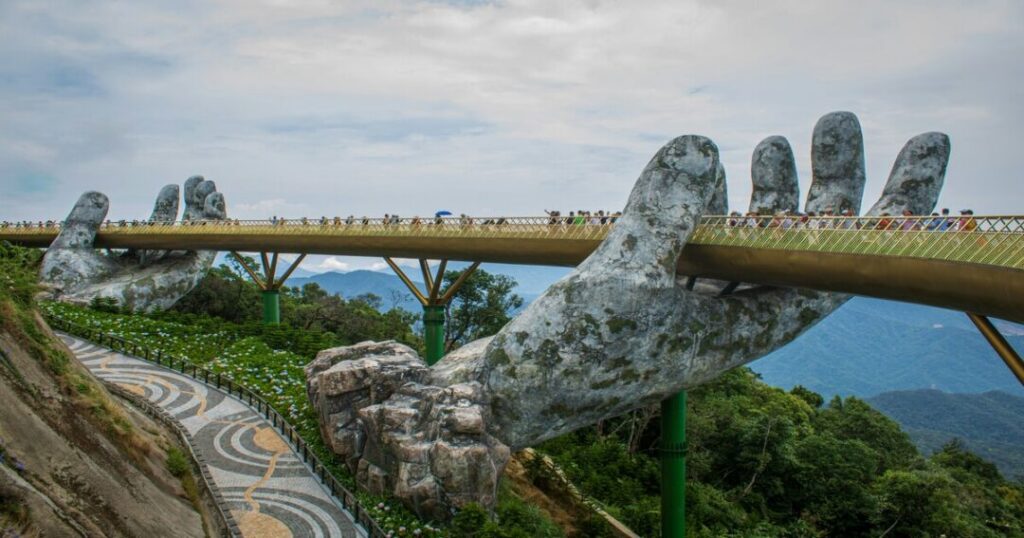
Ba Na Hills is a mountain resort in the Truong Son range, about 42 km west of central Da Nang, at an elevation reported as about 1,500 metres by Wikipedia and 1,487 metres by Rough Guides. It began as a hill station founded by French colonists in 1919, and its elevation keeps it cooler than the coast, at around 20°C on average. Most visitors arrive by the Ba Na cable car, which opened on March 29, 2013, and held the Guinness record for the longest non-stop single-track cable car at 5,801 meters. The ride takes about 20 minutes. The resort’s best-known feature is the Golden Bridge, a 150-meter pedestrian bridge that opened in June 2018 and is held up, visually, by two large hands made of fiberglass and wire mesh and styled to look like stone. It links the cable car station with the gardens. The resort also has a replica French village. Sun World, part of Sun Group, manages the site, so expect a theme-park atmosphere and crowds. Prices are not given here because they were not verified.
Also Read: Things to Do in Ho Chi Minh City: Explore Vietnam’s Vibrant South
Dragon Bridge and the Weekend Fire Show
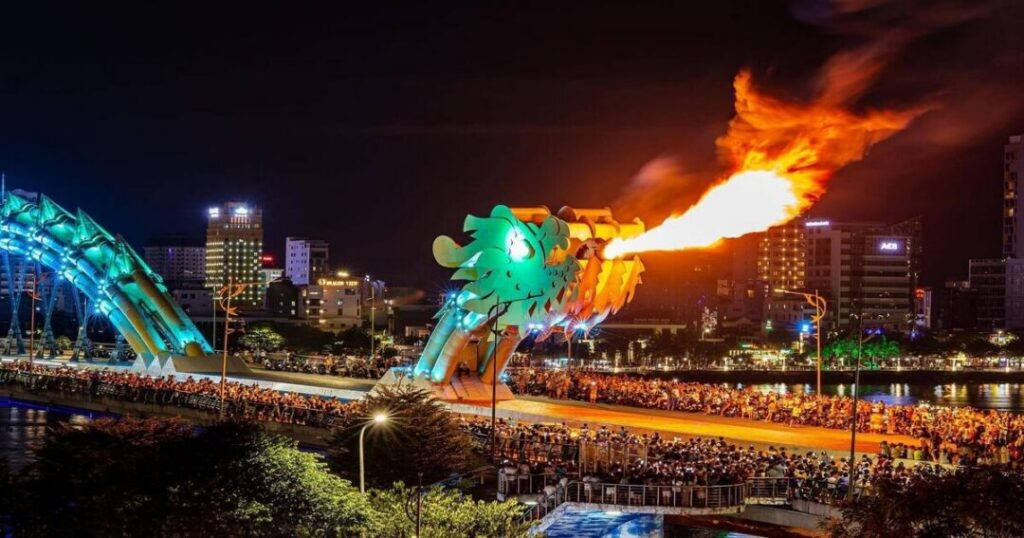
Dragon Bridge crosses the Han River at the Le Dinh Duong and Bach Dang traffic circle. It opened on March 29, 2013, is 666 meters long and carries six lanes of traffic on a deck 37.5 meters wide, shaped like a dragon. It cost nearly VND 1.5 trillion, about US$88 million. The bridge is also a showpiece: it breathes fire and water each Saturday and Sunday at 9 pm, according to Wikipedia, so time your evening around a weekend if you want to see it. The Helio Night Market is nearby, opening in the late afternoon and running until midnight. Show times can change, so confirm locally before you plan around them.
My Khe Beach
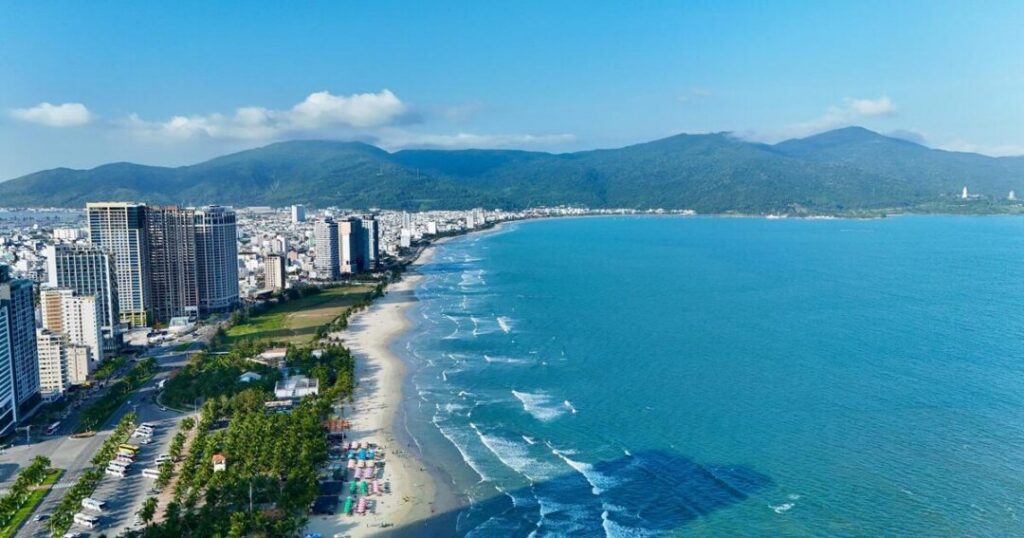
My Khe is a public beach along the eastern edge of the city, lined with resorts and used for surfing, and with Non Nuoc Beach to the south. Non Nuoc has white sand and was a rest-and-recreation destination for American troops during the Vietnam War. Early morning is when locals exercise and practice tai chi on My Khe, which makes it a good time to visit. Beaches close during storm warnings, so check conditions in the storm season before planning a swim.
Marble Mountains
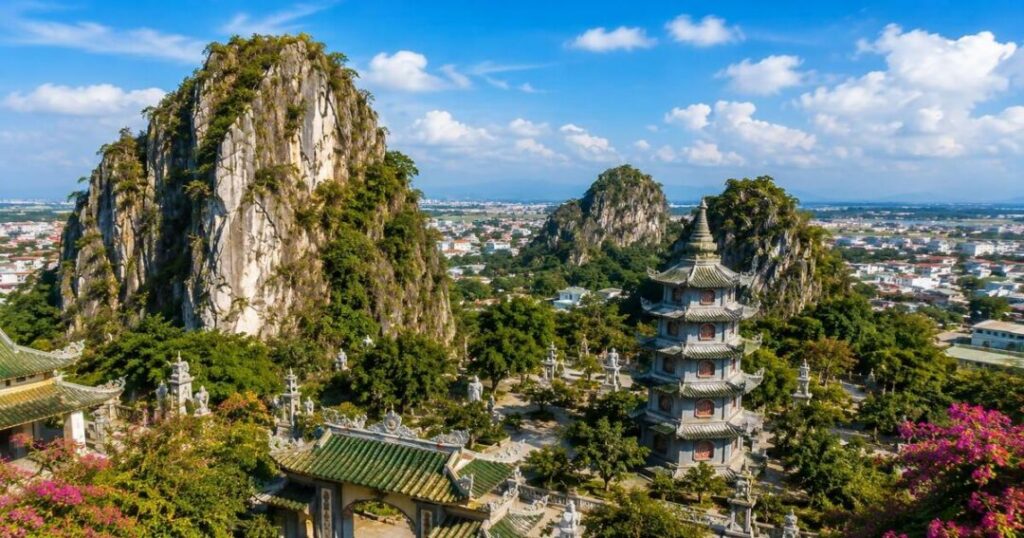
The Marble Mountains are five marble and limestone hills in Ngu Hanh Son district, south of the city. They are named after the five elements: Kim (metal), Thuy (water), Moc (wood), Hoa (fire), and Tho (earth). Thuy Son is the main hill open to visitors, with a 156-step stairway to the summit, and Rough Guides adds that an elevator is available. All of the mountains have cave entrances and tunnels, and the sanctuaries inside are both Buddhist and Hindu, with statues and reliefs carved from marble. Look for the Huyen Khong and Tang Chon caves and the Tam Thai, Tu Tam, Linh Ung, and Pho Dong pagodas. The area is known for stone sculpture, although extracting rock directly from the mountains has been banned, and stone now comes from quarries in the former Quang Nam province. The mountains received National Special Relic status on January 20, 2019.
Son Tra Peninsula and the Lady Buddha
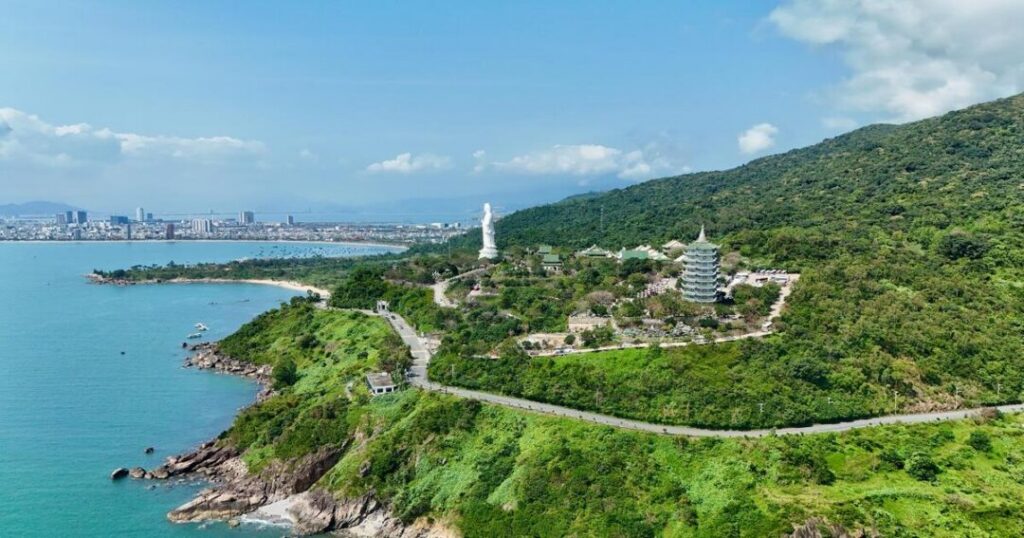
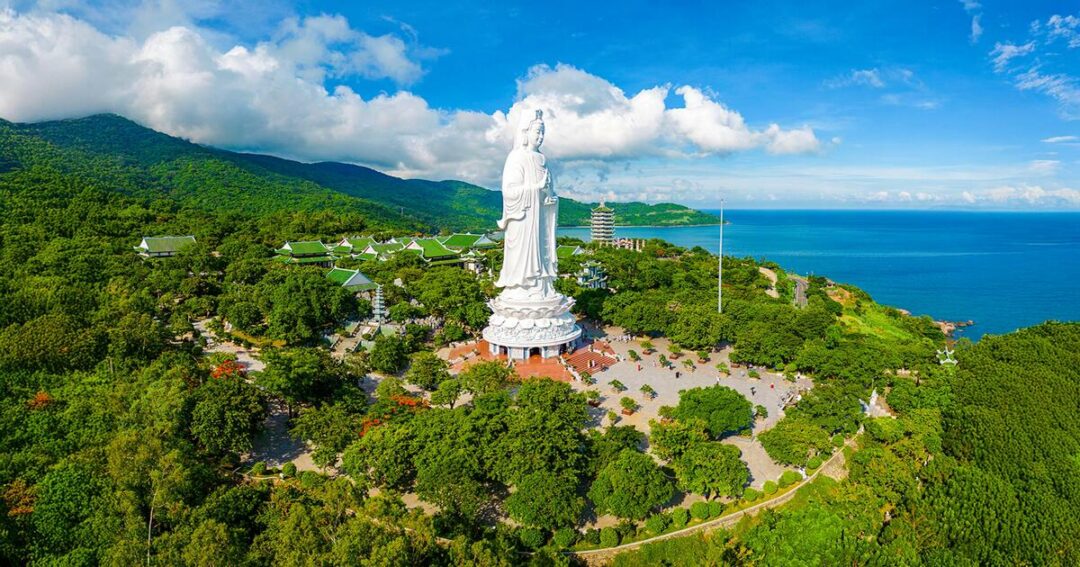
Son Tra, also called Monkey Mountain, is a forested peninsula overlooking the Bay of Da Nang. It became a nationally protected forest in 1977 and a nature reserve in 1992, covering about 25.91 sq km. It is home to the endangered red-shanked douc langur and to an endemic oak, Quercus sontraensis, that is critically endangered. The peninsula’s highest point is given as 670 meters in one place and nearly 600 meters for Ban Co. peak in another. In the Bai But area is Linh Ung Pagoda, described as the largest pagoda in Central Vietnam, and its Lady Buddha (Quan Am) statue stands 67 meters tall and was the tallest statue in Vietnam when it was completed in 2010. A French and Spanish soldiers’ cemetery from 1898 on the peninsula holds 32 graves from the 1858 to 1860 expedition. Development pressure on the peninsula is reported, so stay on marked roads and do not feed the wildlife.
Things to Do in Da Nang: Culture, Markets, and Food
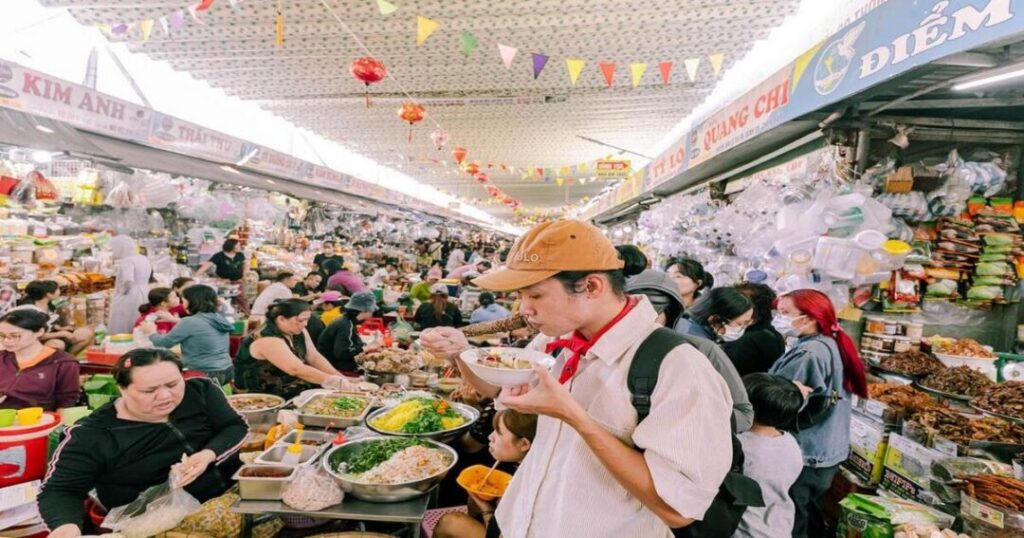
The headline sites are only half of the Da Nang attractions story. The city’s culture, markets, and food fill the gaps between the big excursions and are easy to do on a rainy day.
Also Read: Famous Vietnamese Food: The Complete Guide to Top Vietnamese Dishes & Cuisine
Museum of Cham Sculpture
The Museum of Cham Sculpture holds more than 300 sandstone sculptures from the 7th to the 15th centuries. The building dates to 1915, from the French colonial period, and most exhibits have English explanations. It is a good primer before visiting My Son, because the Cham kingdom of Champa ruled this coast for centuries, and the sculptures come from the same civilization.
Han Market and the Night Markets
Han Market, in central Da Nang, sells food on the ground floor and clothes, fabric and household goods upstairs. The Helio Night Market near Dragon Bridge opens in the late afternoon and runs until midnight, and its goods are usually priced for locals. Both are good places to see everyday city life.
Mi Quang and Local Noodles
Mi Quang is the dish most associated with the region: noodles with only a small amount of broth, typically turmeric-tinted, and served with shrimp, pork, and quail eggs, plus greens and a crispy rice cracker. Order it at a local eatery rather than a hotel restaurant for the full experience.
Things to Do in Da Nang: Day Trips Beyond the City
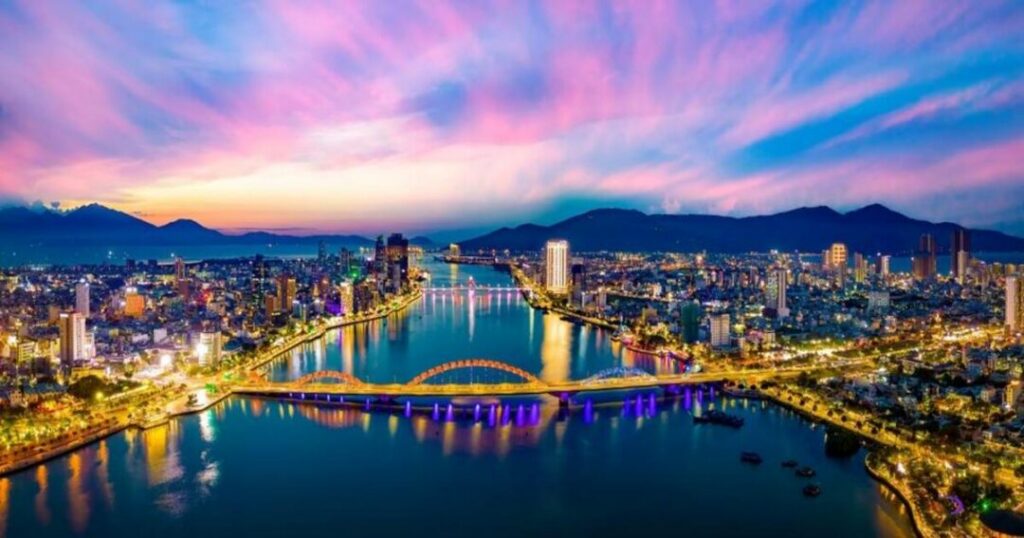
Some of the best places to visit in Da Nang lie outside the urban area, so treat these as separate day trips. Because of the 2025 merger, some of them now sit inside Da Nang’s official boundary even though they are a long drive away.
Hoi An Ancient Town
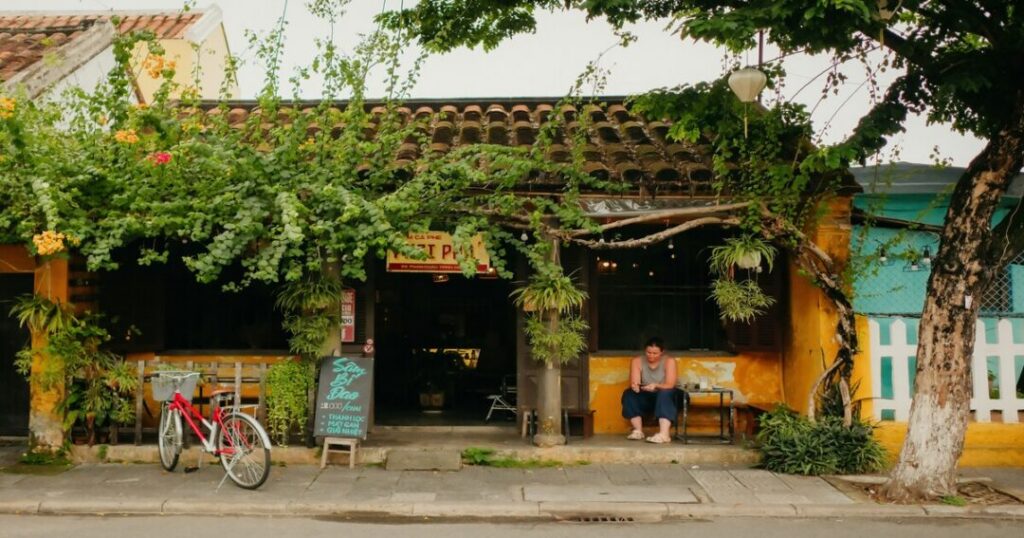
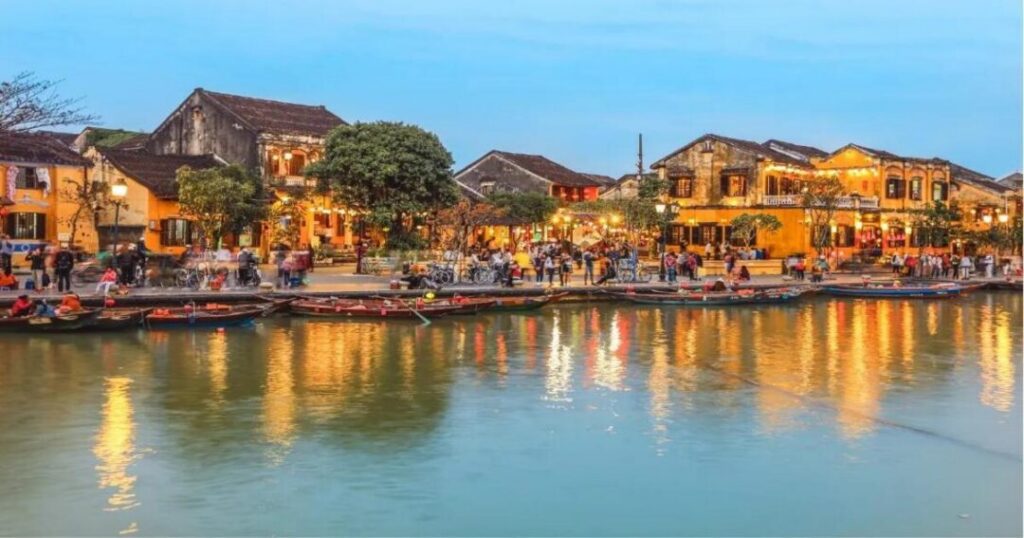
Hoi An Old Town is described as a historic port town and a UNESCO World Heritage Site. Wikipedia notes that the former Hoi An city was dissolved in 2025 and that a ward in Da Nang, formed from the Old Town quarter, now carries the name, so in official terms Hoi An is part of Da Nang today. Many travel pages still describe it as a separate city about 30 km to the south. By road it takes roughly 45 minutes to an hour by car, or about 70 to 80 minutes on the public bus, according to one operator. Hoi An floods annually in the wet season, and the Old Town can be waist-deep, so check conditions before a September-to-November visit.
My Son Sanctuary
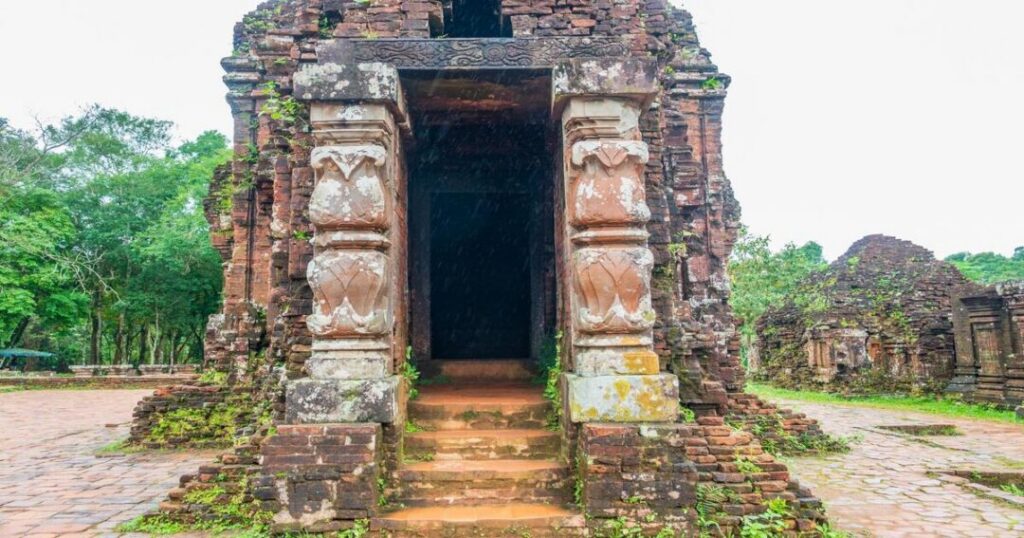
My Son is a valley of Cham Hindu temples, inscribed by UNESCO in 1999, with a core area of 142 hectares. The temples were built between the 4th and 13th centuries, according to Wikipedia, or the 4th and 14th, according to Rough Guides, mostly from red brick and dedicated mainly to Shiva. More than 70 temples and tombs survive, according to UNESCO. Most of the architecture was destroyed when US aircraft bombed the region in August 1969, and the main temple, A1, is now largely a mound of bricks. Distances differ by source: about 68 km southwest of central Da Nang, per Wikipedia, and about 60 km, per Rough Guides. Unexploded ordnance remains a danger in the surrounding area, so stay on marked paths.
Also Read: 12 Must-See Places to Visit in Vietnam for Every Traveler
Hai Van Pass
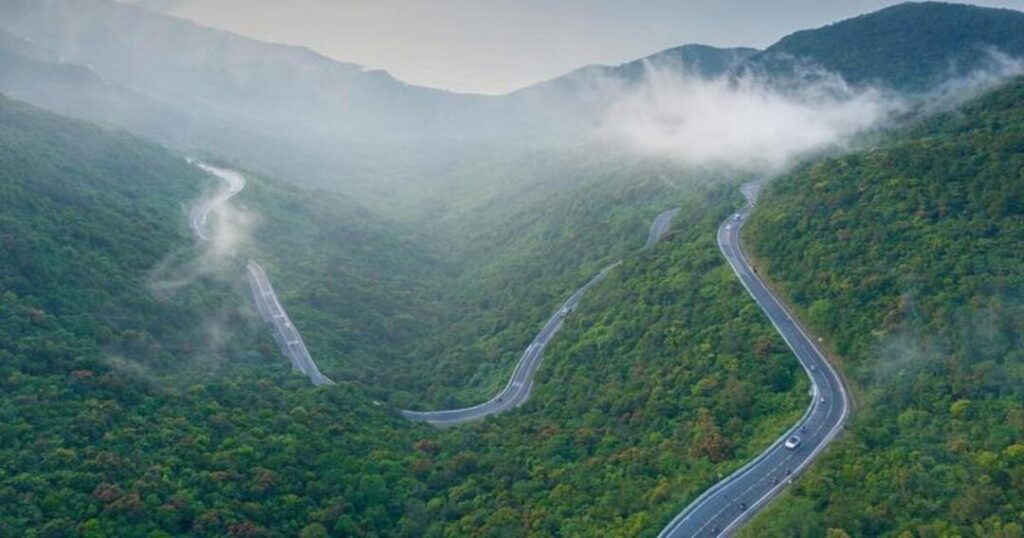
Hai Van Pass, meaning ocean cloud pass, is about 21 km of mountain road on National Route 1 on the border between Da Nang and Hue. The old road climbs to about 496 meters. From 1306 until 1471, the pass marked the boundary between the kingdoms of Champa and Dai Viet. The Hai Van Tunnel, 6.28 km long and opened in 2005, now carries the main road traffic and saves 30 to 60 minutes. Jeremy Clarkson called it a deserted ribbon of perfection and one of the best coast roads in the world in the 2008 Top Gear Vietnam Special. Viewpoints and old military bunkers sit along the route. The pass can close in storms.
Things to Do in Da Nang: A Sample Three-Day Plan
A three-day plan for things to see in Da Nang works best if you keep the mountain trip for a clear day. This plan is our own suggestion and has not been timed.
Day 1: The City and the River
Start at the Museum of Cham Sculpture, then walk through Han Market. Have mi quang for lunch. In the evening, head to Dragon Bridge and the Helio Night Market, ideally on a Saturday or Sunday for the show.
Day 2: Coast and Peninsula
Go to My Khe Beach in the early morning, then climb Thuy Son at the Marble Mountains while it is cool. In the afternoon, drive up Son Tra to the Lady Buddha at Linh Ung Pagoda.
Day 3: Ba Na Hills, or Hoi An and My Son
Spend the day at Ba Na Hills and the Golden Bridge, going early to beat crowds. If you prefer culture to theme parks, swap in Hoi An and My Son, although together they make a very long day.
Also Read: Places to Visit in Hue: A Guide to Vietnam’s Imperial City
Things to Do in Da Nang: Quick Reference
For anyone scanning the places to see in Da Nang at a glance, or for the Da Nang things to see that fit a short stay, here is the short version. Distances are approximate and come from the sources above.
- Ba Na Hills: About 42 km west. Cable car, Golden Bridge, French village.
- Dragon Bridge: In the city. Fire and water shows are on weekends at 9 pm, according to Wikipedia.
- My Khe Beach: City beach on the east coast, with Non Nuoc to the south.
- Marble Mountains: South of the city. Five hills, caves and pagodas.
- Son Tra Peninsula: Forested peninsula with the 67-metre Lady Buddha.
- Museum of Cham Sculpture: Central. More than 300 sandstone pieces.
- Hoi An: About 30 km south. Old Town.
- My Son: About 60 to 68 km southwest. Cham temples.
- Hai Van Pass: About 21 km of road toward Hue.
Things to Do in Da Nang: Best Time to Visit
Da Nang has a tropical monsoon climate. Wikipedia places the typhoon and wet season from September to December and the dry season from January to August, with average annual rainfall of about 2,205 mm that peaks from September to November. The hottest months are June to August, with mean temperatures of 28 to 30°C, and the coolest are December to February, at 18 to 23°C. This post was prepared on October 14, 2026, squarely inside the stormy window. A travel blog reported a heavy-rain alert for Da Nang and Hue on September 21 to 23, 2026, with 90 to 170 mm forecast and more than 300 mm possible in the heaviest spots, and I found no forecast for the coming weeks. A commercial guide says central Vietnam’s typhoon risk is highest from September to November, that Da Nang beaches close during storm warnings and the Hai Van Pass may close. Choose refundable bookings, keep a spare day or two in your plan, and check forecasts from Vietnam’s National Center for Hydro-Meteorological Forecasting before you travel.
How to Reach Da Nang?
Da Nang International Airport is near the city centre and is described as the third-largest international airport in Vietnam. The city also has a station on the North-South Railway, the Reunification Express, and National Highways 1 and 14B pass through it. Hue lies across the Hai Van Pass to the north. From the airport, Dragon Bridge provides the shortest road link to the main roads and to the beaches. A private car is the easiest option from the airport to Hoi An if you have luggage.
Conclusion: Things to Do in Da Nang
The best things to do in da nang mix the spectacular with the everyday: the Golden Bridge and the Lady Buddha on one side, and the Cham museum, the noodle stalls and the weekend fire show on the other. Check the weather first, put the mountain trip on the clearest day, and keep a day free for Hoi An or My Son.
Heading to central Vietnam? Use the Explurger app to plan your route and meet fellow travelers sharing a ride to Da Nang, Hoi An and Hue.
FAQs About Things to Do in Da Nang
2. When is the best time to visit Da Nang?
January to August is the dry season. September to December is the typhoon and wet season, with rainfall peaking from September to November, so check forecasts and keep bookings flexible if you travel then.
3. Is Hoi An part of Da Nang?
Administratively yes, since the July 1, 2025 merger with Quang Nam province, when the Old Town became a ward of Da Nang. It is still about 30 km from the city centre.
4. How far is Ba Na Hills from Da Nang?
About 42 km, and the cable car ride up takes about 20 minutes.
5. When is the Dragon Bridge fire show?
Wikipedia lists the fire and water show on Saturdays and Sundays at 9 pm. Confirm locally before planning around it.
6. How far is Hoi An from Da Nang?
About 30 km. A car takes roughly 45 minutes to an hour, and the public bus about 70 to 80 minutes, according to one operator.