
2,437 Total Views
Varanasi food does not follow restaurant hours. It follows the city’s own rhythm—the morning bell of the Kashi Vishwanath Temple, the rising smoke of the ghats, and the evening Ganga aarti. In Banaras, the day begins with hot kachoris fried before sunrise in large iron kadhais and ends with a carefully folded paan that the city has been making, by the same methods, for generations. Between those two moments, the food of Banaras tells the complete story of a city that is simultaneously the most ancient and the most alive in India.
Banaras food is almost entirely vegetarian—shaped by the deep Shaivite religious culture of the city, the temple traditions that permeate every neighborhood, and the specific Purvanchali flavor profile that makes everything here simultaneously more pungent, more spiced, and more generously made with ghee than anywhere else in Uttar Pradesh. The food does not try to impress. It tries to nourish, to sustain, and to remind you that some things are correct exactly as they are.
This guide covers the famous food in Varanasi—the street food, the dishes, and the sweets that make every food lover’s Banaras trip a culinary memory.
Varanasi Food: Top 10 Famous Dishes to Try
1. Kachori Sabzi — The Banarasi Morning
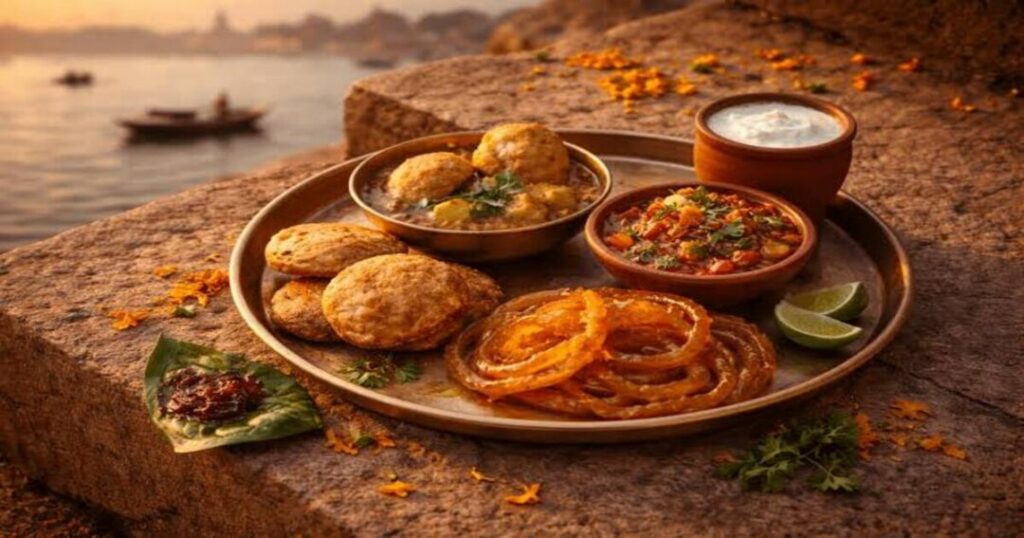
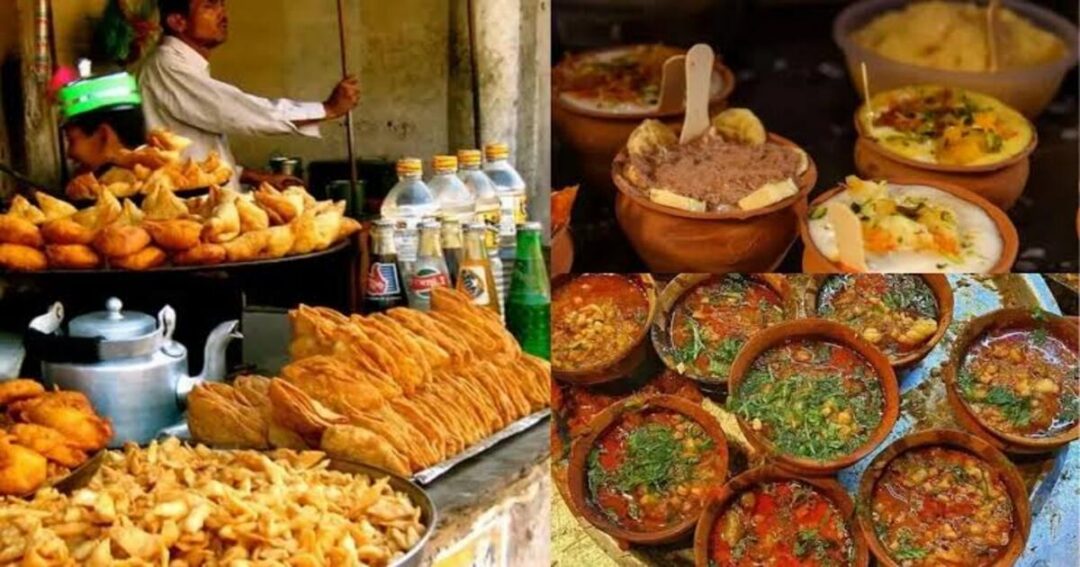
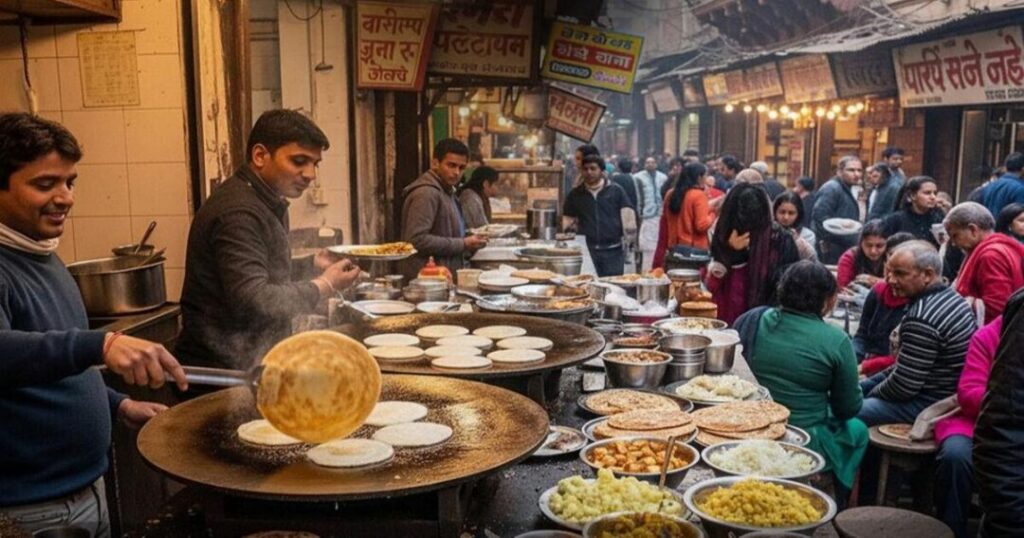
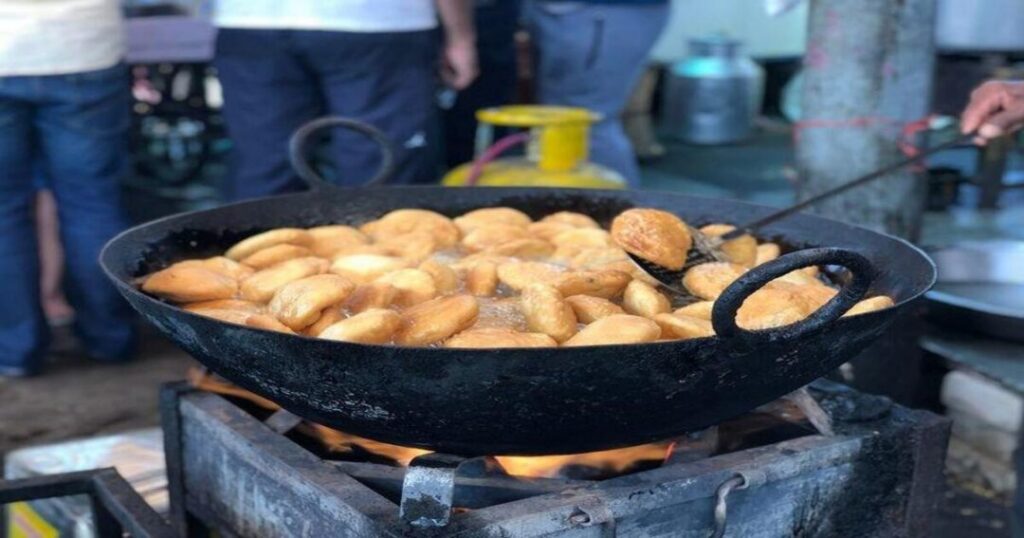
Kachori sabzi is the absolute soul of Banaras food—the breakfast that defines the city’s morning. Unlike the dry kachoris found elsewhere in North India, Varanasi offers two distinct varieties: the Badi Kachori (large, stuffed with coarsely ground spiced urad dal) and the Choti Kachori (smaller, crispier, potato-filled). Both are fried slowly in hot oil to a perfectly crisp, flaky exterior. The sabzi—a thin, intensely flavored curry made with potato and pumpkin, seasoned with asafoetida and fennel—is poured generously over the broken kachoris.
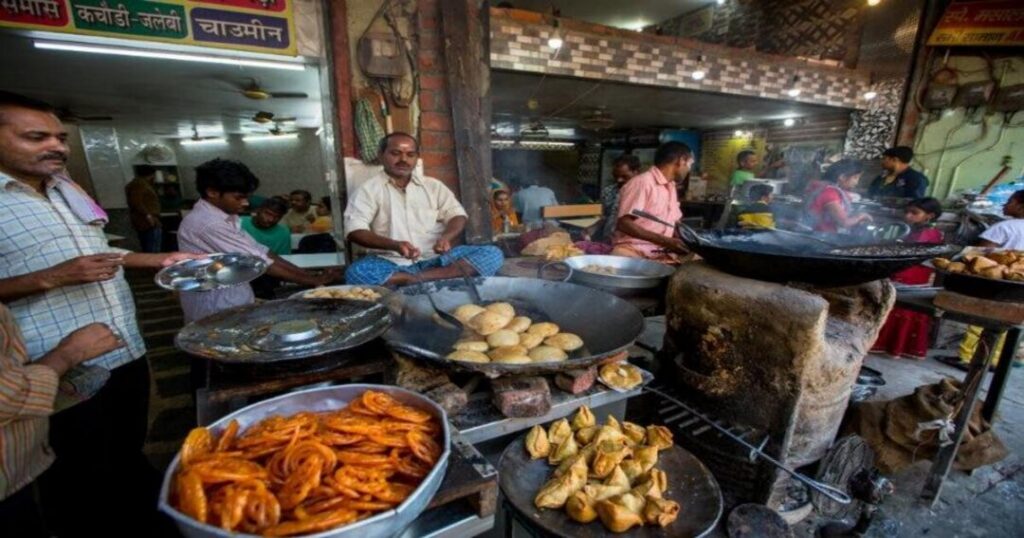
The correct Kachori Sabzi experience requires showing up between 6:30 AM and 10 AM. By late morning, the best stalls are sold out. Kachori Gali, near the Kashi Vishwanath Temple, is the most concentrated zone—the lane fills with the smell of hot oil and freshly fried dough before the sun is properly up. Many locals eat it sitting on wooden benches, plate on their laps, watching the lane begin its day.
Best paired with: hot jalebi from the same stall—the combination of savory kachori and sweet, syrupy jalebi is one of the finest breakfast pairings in all of Indian street food.
Also read: Things to Do in Varanasi: The Complete Guide to Kashi, Banaras & the Eternal City
2. Tamatar Chaat — Varanasi’s Original
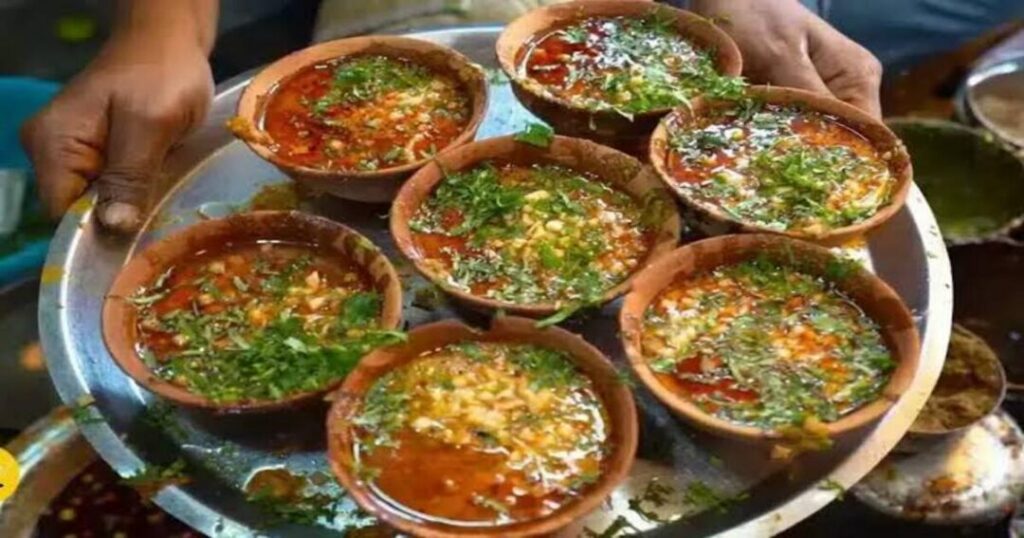
Tamatar chaat is a Varanasi original—you will not find it made this way anywhere else in India. Mashed tomatoes and boiled potatoes are combined with ginger, green chilies, garam masala, and red chili powder, heated together until intensely fragrant, and served steaming hot in a dona—a bowl made of palash (flame of the forest) leaves. The chaat is topped with crispy sev, fresh coriander, a squeeze of lemon, and a generous pour of desi ghee.
The result is simultaneously tangy (the tomatoes), fiery (the chili), rich (the ghee), and textured (the sev crunch). It is not gentle food. It is precisely the kind of thing you eat standing at a counter at 6 PM while the evening aarti drifts in from the direction of the Dashashwamedh Ghat.
When to eat: Evening—the best Tamatar Chaat stalls set up as the temperature drops and the city’s street food life intensifies.
3. Banarasi Lassi — Thick as a Meal
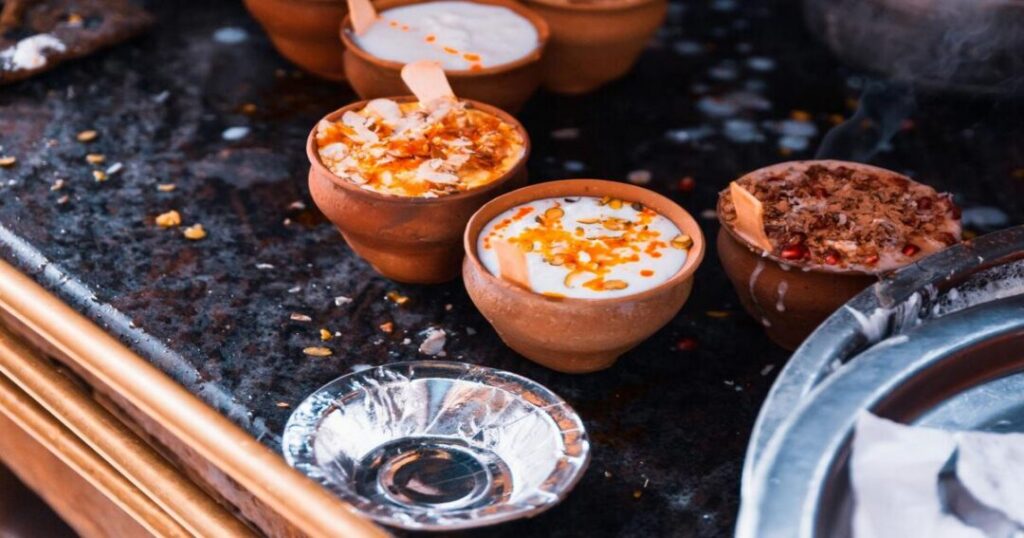
Banarasi Lassi is not a drink. It is a meal. Made from full-fat yogurt whisked to a thick, slightly tangy consistency and topped with a generous layer of fresh malai (clotted cream), chilled, and served in a clay kulhad, it is consumed with a spoon rather than sipped. The finest versions add a pour of rabri and a scattering of dry fruits.
The Banarasi Lassi is consumed at any hour—morning after the kachori, midday as a cooling measure against the Varanasi heat, or evening before the chaat walk begins. The clay kulhad is part of the experience—it imparts a faint earthen quality to the cold yogurt that a steel or plastic cup cannot replicate. Many visitors describe the first Banarasi Lassi as a converting moment: a realization that this specific preparation has no equal anywhere in North India.
4. Chena Dahi Vada — The Cooling Afternoon Dish
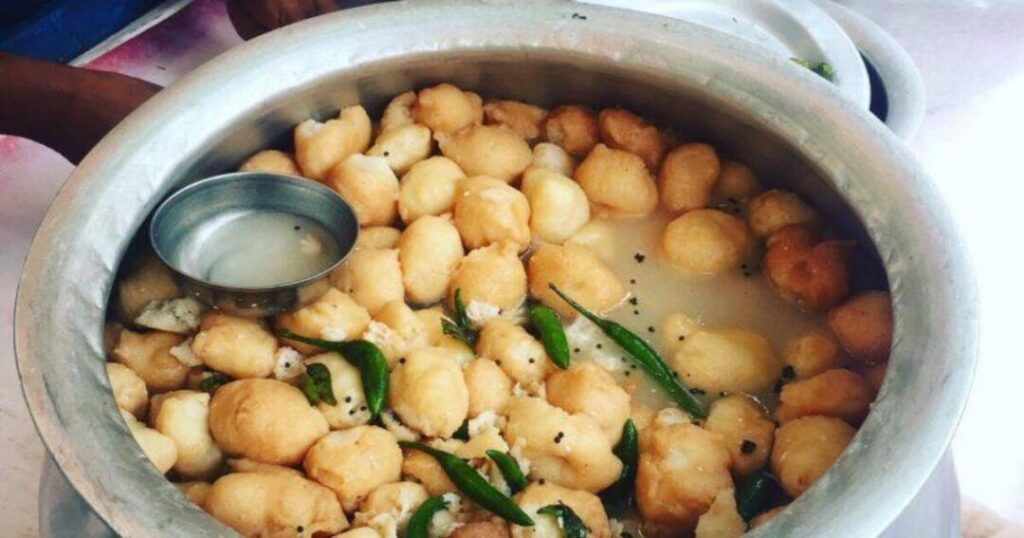
Chena Dahi Vada is Varanasi’s refined version of the standard dahi vada — but made with fresh chena (fresh paneer/chhena) rather than the standard lentil vada. The soft, delicately flavored chena dumplings are soaked in cold, sweetened yogurt and topped with tamarind chutney, green coriander chutney, and roasted cumin powder. It is lighter than the standard lentil version — almost cloud-like in texture — and perfectly calibrated for the Varanasi afternoon when the heat demands something cool and the stomach demands something substantial.
5. Baati Chokha — Bihar’s Gift to Banaras
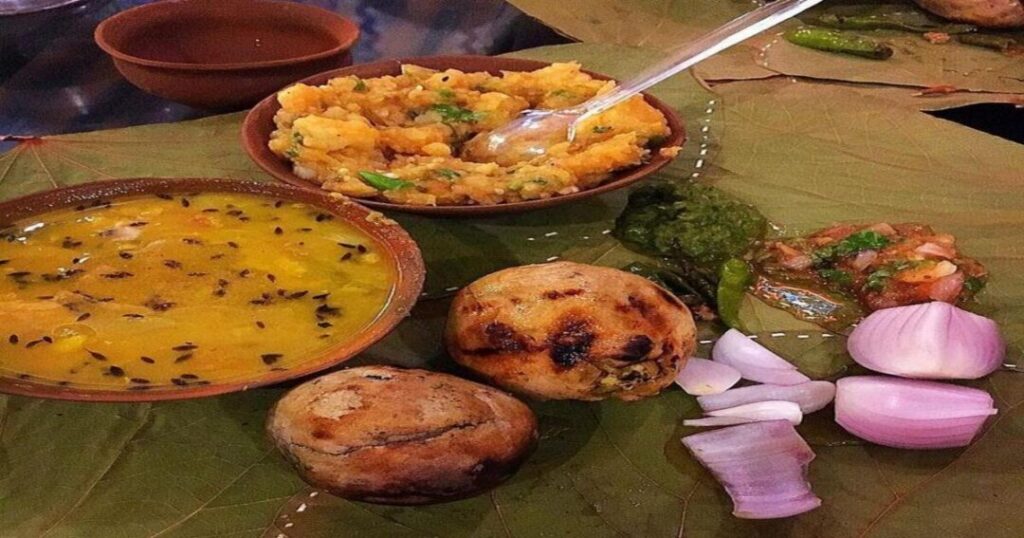
Baati Chokha, the rustic, hearty preparation from Bihar and eastern Uttar Pradesh, has found a permanent home in Banaras, where it is served at specialized stalls and restaurants as a complete meal. The baati are round wheat dough balls baked over charcoal fire until they develop a firm, slightly charred crust and a soft interior. They are cracked open, soaked in desi ghee, and served with chokha—roasted brinjal, tomatoes, and boiled potatoes mashed together with mustard oil, green chilies, and raw garlic into a smoky, intensely flavored preparation.
The dish represents the convergence of cultures at Varanasi—a city that has always absorbed the food traditions of the vast Gangetic plain that surrounds it. Baati Chokha is the taste of the river’s hinterland, brought into the city’s food vocabulary and made its own.
6. Golgappa (Pani Puri) — The Banarasi Version
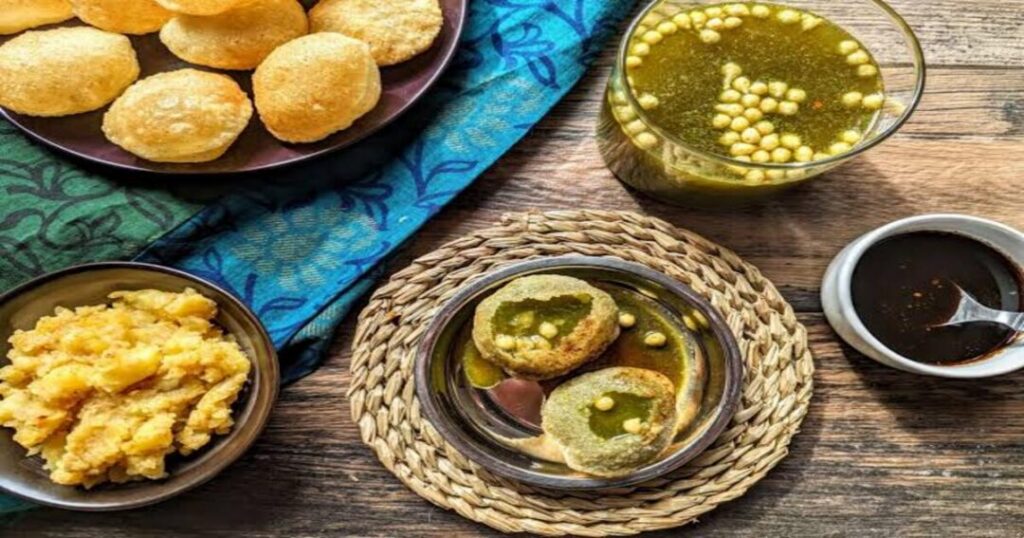
The Banarasi Golgappa is distinct from its counterparts elsewhere—the pani (flavored water) in Varanasi tends toward the more tangy and tamarind-forward, the filling is typically mashed potato with spiced boiled chickpeas, and the shells are thinner and more delicate. Served at evening street stalls across the old city—particularly near the ghats and temple lanes—the Varanasi golgappa is the city’s universally accessible street food, eaten by pilgrim and resident alike.
Also read: Masan Ki Holi 2026: Holi in Varanasi Travel Guide, Rituals & Safety Tips
7. Malai Toast—The Ghats Breakfast
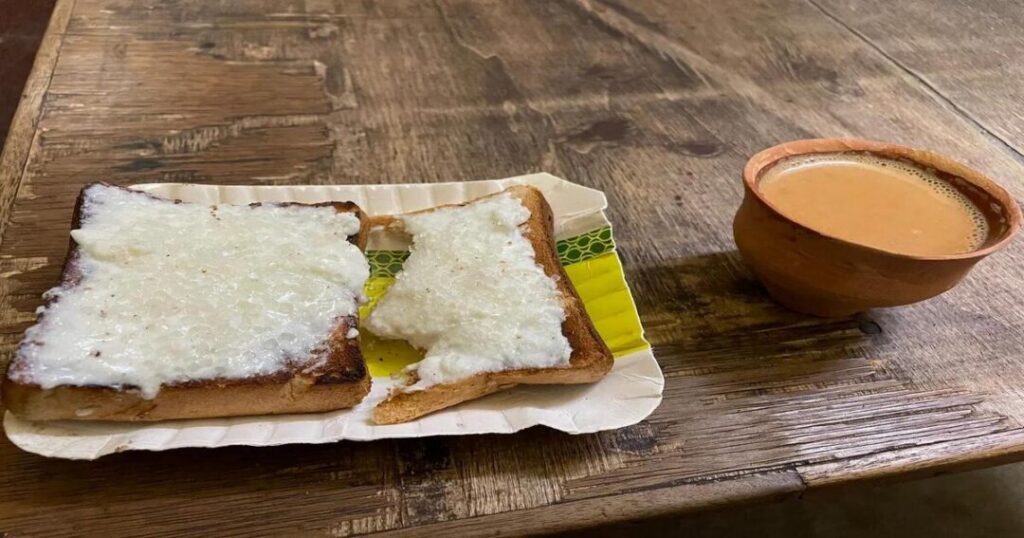
Malai Toast is one of the most uniquely Banarasi of all famous foods in Varanasi—thick, locally baked bread toasted over a slow coal fire until crisp, then topped with a generous layer of fresh malai (clotted cream) and a dusting of sugar. It is a morning preparation, found at small stalls near the ghats and temple lanes, and eaten as a lighter alternative to the more substantial kachori sabzi. The contrast of the crisp toast and the cold, rich cream is startling in the best way.
8. Thandai — The Sacred Festival Drink
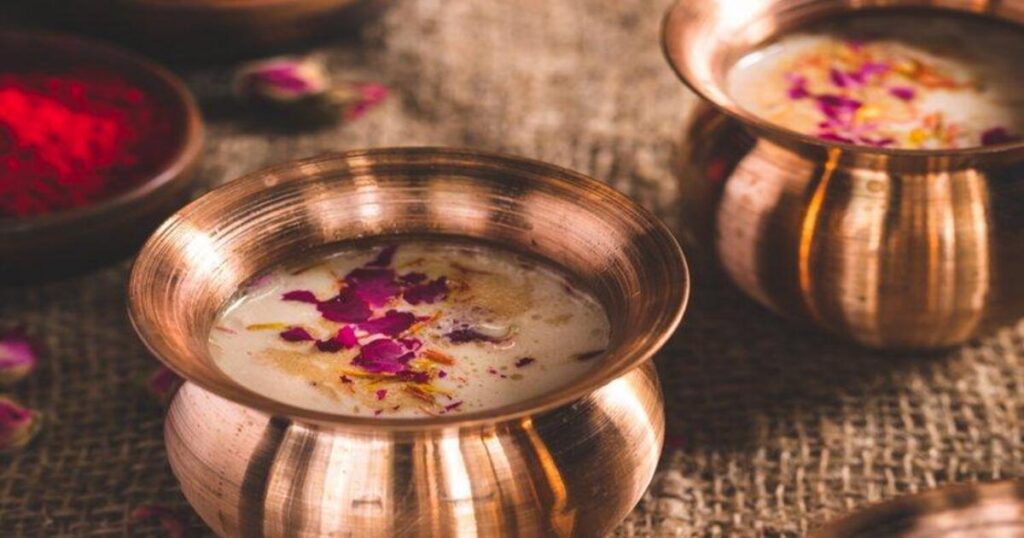
Thandai is Varanasi’s festival drink—a milk-based preparation made by soaking and grinding almonds, melon seeds, fennel seeds, black pepper, rose petals, cardamom, and saffron into a smooth paste, then blending with cold full-fat milk and sugar. The result is fragrant, thick, and cooling — a drink that has been associated with Mahashivratri and Holi in Banaras since the city has been celebrating these festivals.
During Mahashivratri and Holi, the bhang version — thandai infused with bhang (dried leaves and buds of the female cannabis plant) — is consumed as part of the devotional tradition of Bhole Baba ki Nagri, the city of Lord Shiva. The bhang thandai of Varanasi carries genuine religious and cultural significance in the Shaivite tradition.
9. Malaiyyo — The Winter Miracle
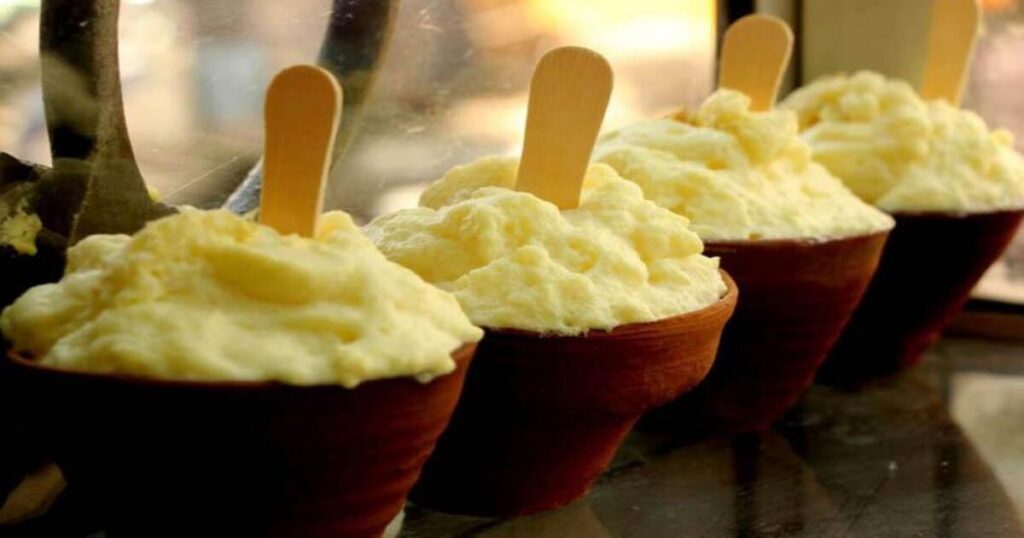
Malaiyyo is the most season-specific of all Banaras foods—a winter-only preparation available only from approximately November to February and only in the early morning hours. Made by churning full-fat milk for hours through the cold night, using the winter morning dew and the specific cold air of the Gangetic plain to create an extraordinarily light, saffron-tinged foam, malaiyyo is served at dawn in tiny earthen pots topped with pistachios and silver leaf. It dissolves on the tongue in less than a second.
The making of malaiyyo requires cold weather (it cannot be made when temperatures rise), full-fat milk, overnight effort, and the specific knowledge of how long to churn. Most malaiyyo vendors are specialists—they make only malaiyyo and nothing else for three to four months a year. Chaukhamba Gali in the old city is the most famous concentration of malaiyyo vendors.
Malaiyyo is the primary reason to visit Varanasi in winter. If you arrive between November and February and eat malaiyyo at dawn near the ghats, you will understand what all the fuss about Banarasi food is.
10. Banarasi Paan — The Closing Ceremony
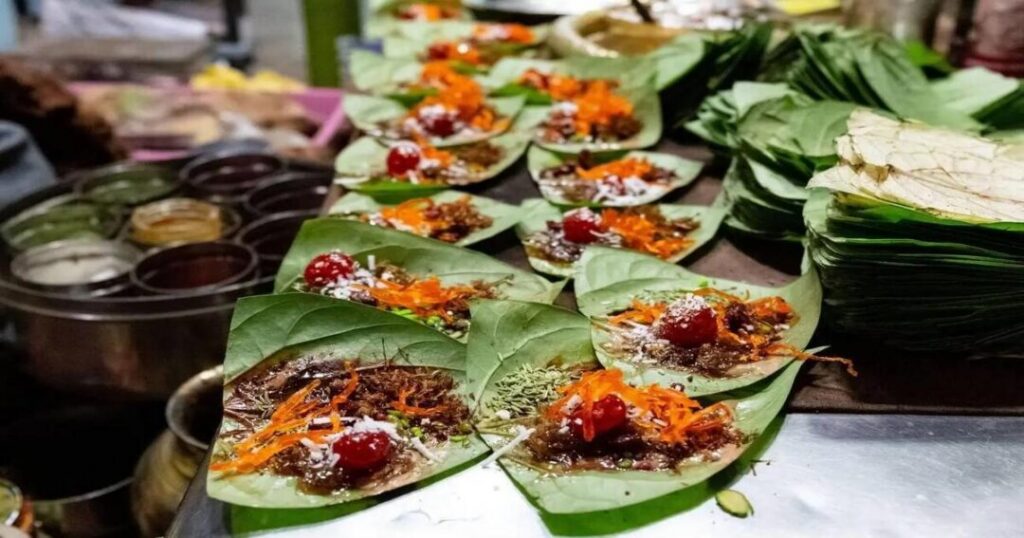
Banarasi Paan is not a digestive. It is a ritual — the closing act of every Banarasi meal, the thing you eat when you want to signal that the food is done and the conversation can begin. A fresh betel leaf is layered with slaked lime (chuna), areca nut (supari), sweet gulkand (rose petal preserve), fennel seeds (saunf), menthol, and various sweet or savory fillings depending on the variant. The leaf is folded into a cone and placed in the mouth whole.
Banarasi Paan holds its own Geographical Indication (GI) tag—a recognition that the specific flavor, the specific preparation technique, and the specific combination of ingredients constitute a protected regional specialty. The meetha (sweet) paan of Banaras is considered the finest in India, and the city’s paan makers have been practicing their craft in the same lanes for generations. It has been immortalized in Bollywood songs and described by travelers from across the centuries.
The best paan is found in small, dedicated paan shops in the Godowlia and Chowk areas — not at restaurants or tourist cafes.
Varanasi Food: Famous Sweets You Must Try
1. Malaiyyo — Winter’s Gift (Also in Top 10)
Already covered above — the most extraordinary and most seasonal of all Varanasi sweets.
2. Launglata—The Clove Sweet That Belongs to Banaras
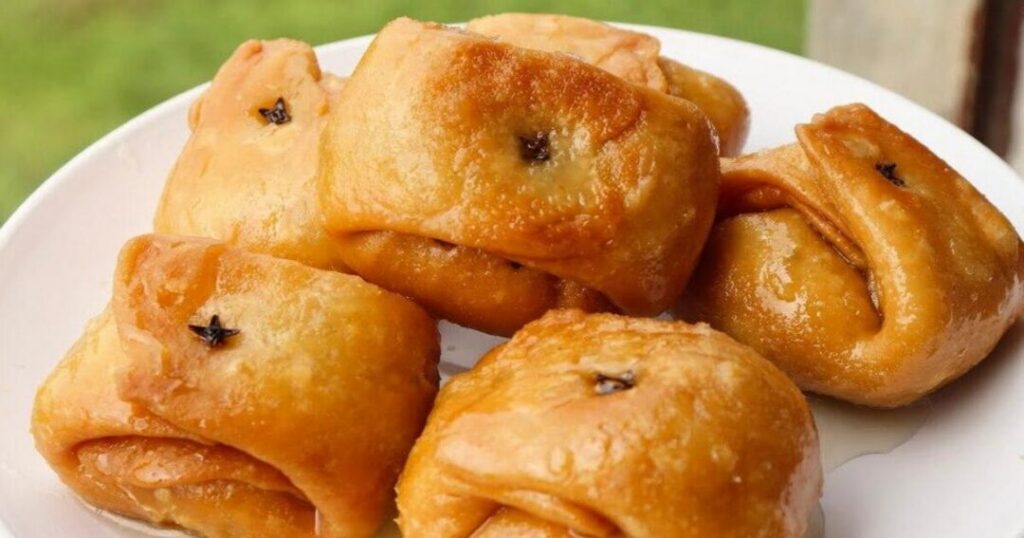
Launglata is one of the most distinctly Banarasi of all famous sweets of Varanasi—a deep-fried, flaky sweet pastry soaked in sugar syrup and studded with whole cloves (laung). The name comes directly from the clove (laung = clove, lata = creeper/vine), and the clove is not merely decorative—it infuses the syrup-soaked pastry with a warm, slightly medicinal flavor that is entirely the sweet’s own. Launglata stays fresh for a couple of days—Varanasi visitors traditionally carry it home as a gift.
3. Rabri — The Reduced Milk Classic
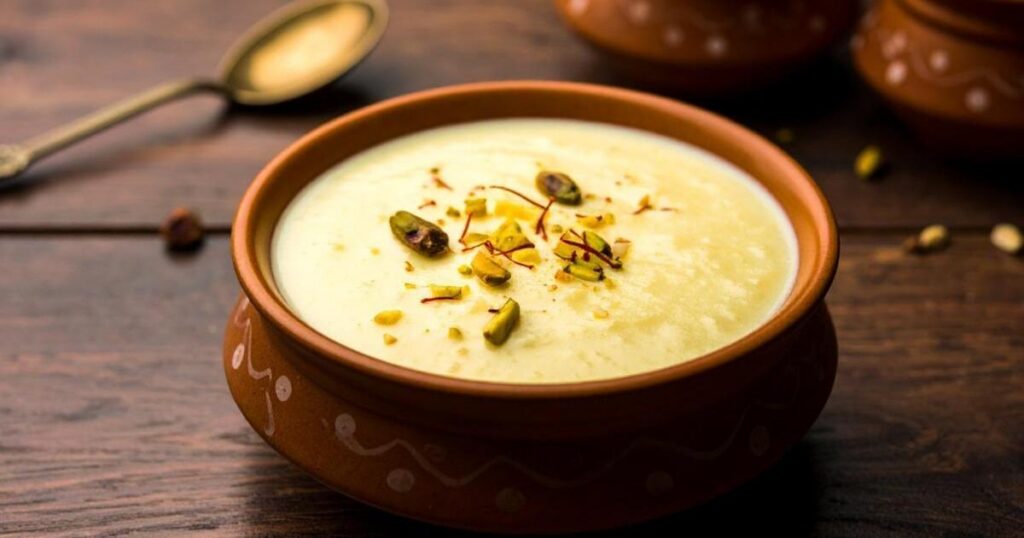
Rabri is thickened, sweetened milk—full-fat milk simmered for hours until it reduces to a dense, layered consistency and sweetened with sugar and flavored with cardamom and saffron. In Varanasi, rabri is eaten on its own, poured over jalebis for the iconic rabri-jalebi combination, spooned into lassi for extra richness, or used as a topping on malaiyyo. The rabri near the Kashi Vishwanath temple area and the Vishwanath Gali sweet shops is considered the finest in the city.
4. Jalebi — Fresh from the Kadhai
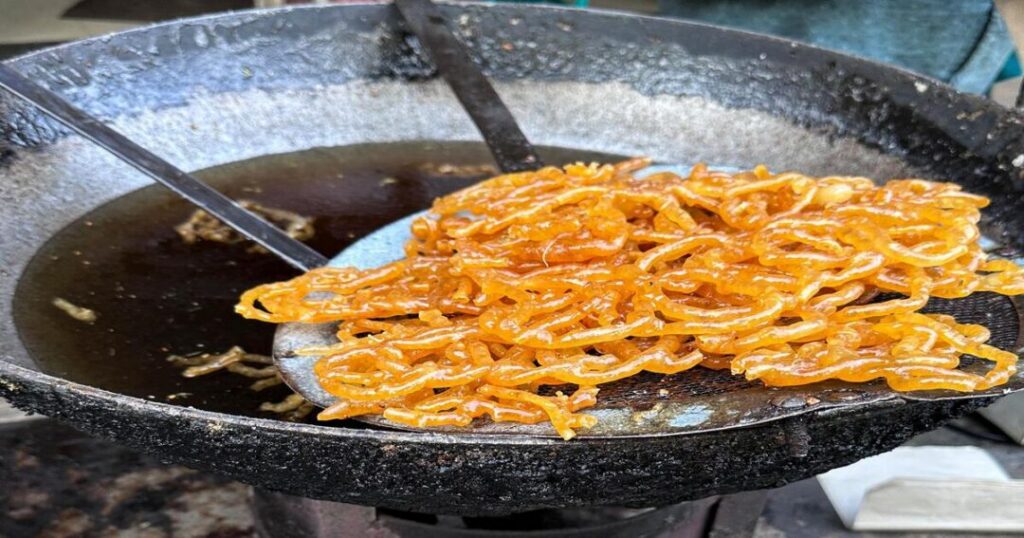
Varanasi’s jalebi—fried fresh in the early morning and eaten immediately—is the companion to the Kachori Sabzi breakfast and one of the finest versions of the preparation anywhere in Uttar Pradesh. The key is freshness: a jalebi eaten within minutes of emerging from the hot oil, soaked with sugar syrup but still slightly crisp at the edges, is an entirely different thing from the standard cold jalebi sold in most sweet shops. Morning jalebis near Kachori Gali are non-negotiable.
5. Peda — The Temple Sweet
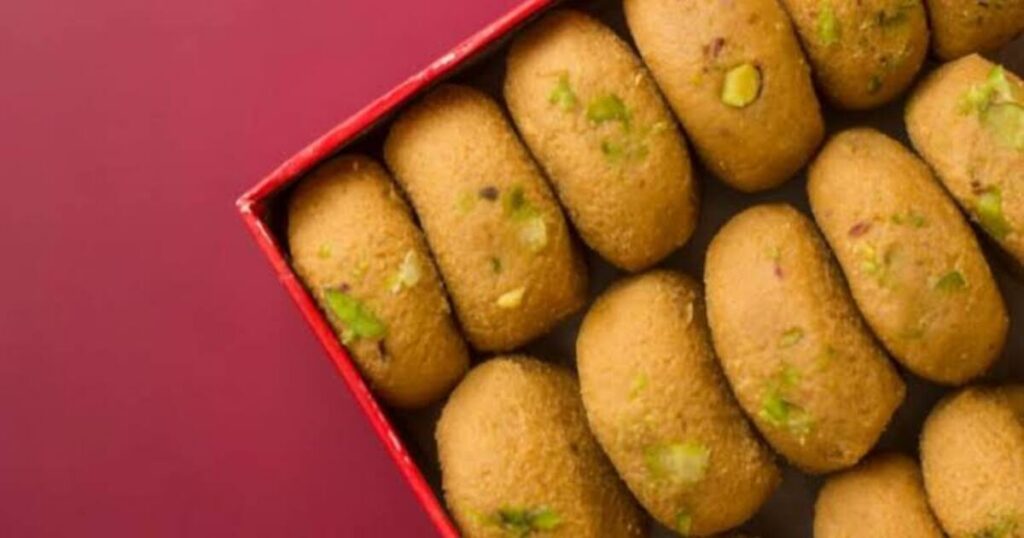
Peda—a fudge-like sweet made from reduced milk (khoya) and sugar, flavored with cardamom and saffron—is the offering sweet of the Kashi Vishwanath Temple and one of the most ubiquitously famous sweets of Varanasi. The Banarasi peda is softer and more fragrant than the Mathura variety—the saffron level is more generous and the cardamom more pronounced. Sold at sweet shops throughout the old city, particularly on Vishwanath Gali.
6. Laaiya Channa — The Snack Sweet
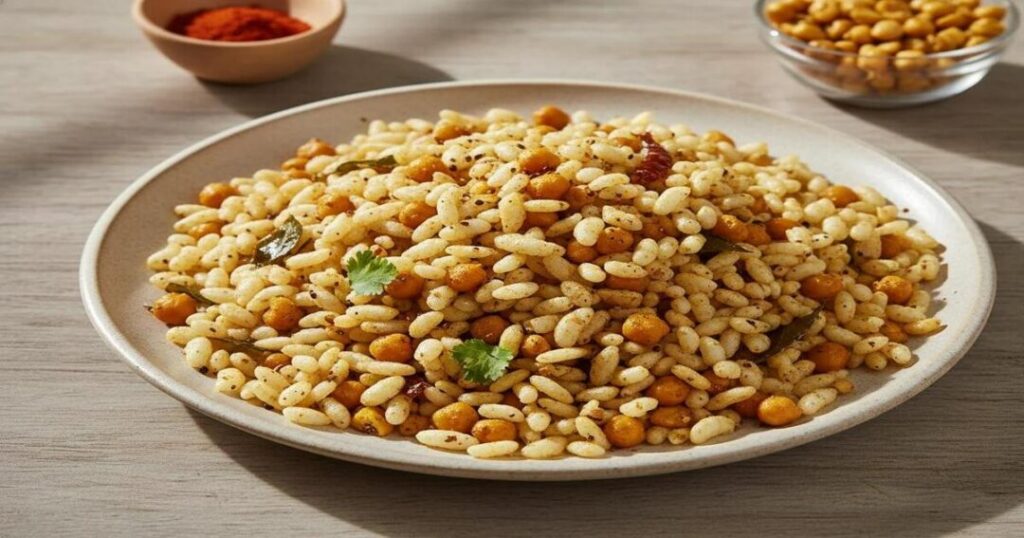
Laaiya channa, puffed rice (laaiya) mixed with spiced chickpeas (channa), flavored with lemon, chili powder, and fresh coriander, sits on the border between sweet and savory but belongs in the sweet/snack tradition of Banaras. Sold at stalls near the ghats and markets, it is the most affordable and most democratic of Varanasi’s street foods—eaten by pilgrims, children, and the simply hungry alike.
Where to Eat — The Banaras Street Food Areas
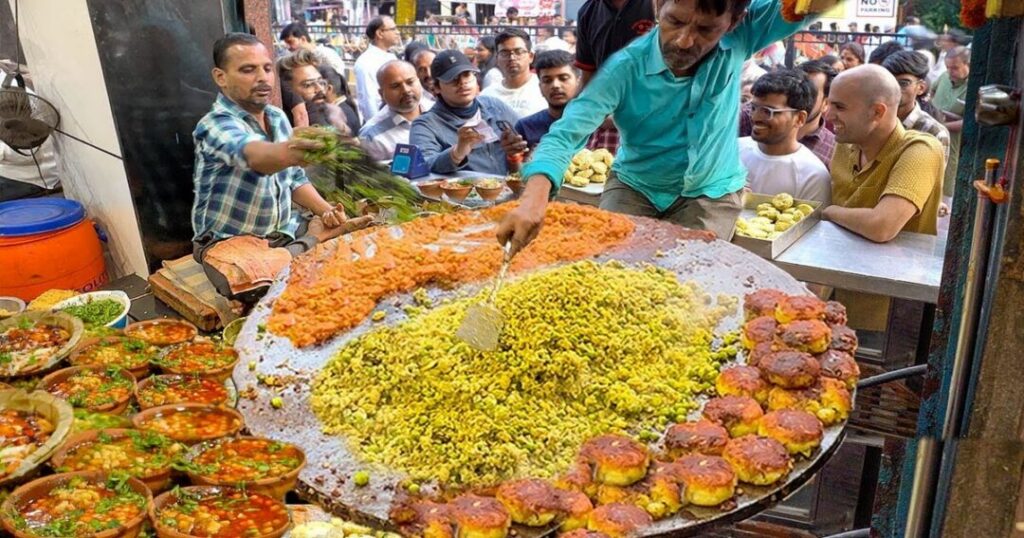
Kachori Gali: The most famous Banaras street food lane—dedicated primarily to kachori-sabzi and jalebi, open from before dawn, sold out by late morning.
Dashashwamedh Ghat area: The zone around Varanasi’s most famous ghat concentrates the largest number of chaat vendors, lassi stalls, and street food options; the evening walk here, with the aarti building behind you and the tamatar chaat stalls ahead, is one of the finest food experiences in the city.
Godowlia Chowk: The commercial heart of the old city—chaat, paan, lassi, and the full range of Banarasi street food are concentrated here; it’s also the best place for Thandai.
Vishwanath Gali: The lane leading to the Kashi Vishwanath Temple is lined with sweet shops selling peda, jalebi, rabri, and the full range of temple-associated sweets.
Chaukhamba Gali: The primary zone for malaiyyo in winter—the narrow lane fills with vendors of the saffron foam sweet from dawn until the stock runs out.
Conclusion About Varanasi Food
Varanasi food is the food of a city that has been feeding pilgrims, scholars, artists, and the simply hungry for at least three thousand years. It does not try to be modern. It does not need to be. The kachori is exactly what it has always been. The malaiyyo requires the same winter cold it always has. The paan is folded by the same hands, in the same lanes, using the same techniques that have made Banaras the gold standard of North Indian street food culture.
Quick guide to famous food in Varanasi:
- Kachori Sabzi—morning; Badi (urad dal) or Choti (potato); with sabzi and jalebi
- Tamatar Chaat—evening; Varanasi original; palash leaf bowl; fiery and tangy
- Banarasi Lassi — any time; thick malai-topped; clay kulhad; spoon required
- Chena Dahi Vada — afternoon; fresh chena dumplings in cold yogurt
- Baati Chokha — lunch/dinner; charcoal-baked wheat balls with smoky brinjal mash
- Golgappa — evening; tangy tamarind pani; potato-chickpea filling
- Malai Toast — morning; coal-toasted bread with clotted cream
- Thandai — festivals; almond-fennel-saffron milk; bhang version on Mahashivratri/Holi
- Malaiyyo — November to February only; dawn; saffron milk foam; Chaukhamba Gali
- Banarasi Paan — after every meal; GI-tagged; meetha version; Godowlia
Famous Sweets of Varanasi: Malaiyyo, Launglata, Rabri-Jalebi, Peda, Laaiya Channa
Download the Explurger app to discover what Varanasi food lovers and pilgrims actually recommend, find the best malaiyyo vendors and chaat stalls beyond the tourist circuit, and log every kachori, paan, and dawn bowl of malaiyyo on your Banaras food journey.
The kachoris are already frying. The malaiyyo is already churning through the night. Banaras is always feeding someone.
FAQs About Varanasi Food
2. What is the most famous sweet of Varanasi?
The most famous sweet of Varanasi is Malaiyyo—a winter-only preparation (November–February only) of saffron-tinged milk foam churned through cold nights and served at dawn in tiny earthen pots with pistachios and silver leaf. It dissolves on the tongue immediately. The other famous Banaras sweets include Launglata (clove-studded deep-fried flaky sweet in syrup—uniquely Banarasi), Rabri (reduced sweetened milk, eaten with jalebi), morning Jalebi (fresh from the kadhai), Peda (temple sweet from khoya with saffron and cardamom), and Banarasi Paan (GI-tagged, the post-meal ritual).
3. What is Malaiyyo?
Malaiyyo is Varanasi's most extraordinary food—a winter-only sweet available only from approximately November to February, only in the early morning hours. It is made by churning full-fat milk through the cold night using the specific cold air of the Gangetic winter to create an extraordinarily light, saffron-tinged foam. Served in tiny earthen pots topped with pistachios and silver leaf, malaiyyo dissolves instantly on the tongue. It cannot be made in warm weather — the cold is structurally necessary to the preparation. The most famous malaiyyo vendors are concentrated in Chaukhamba Gali in the old city
4. What is Tamatar Chaat?
Tamatar chaat is a Varanasi original—a chaat preparation not found in the same form anywhere else in India. Mashed tomatoes and boiled potatoes are cooked together with ginger, green chilies, garam masala, and red chili powder, then served steaming hot in a dona (bowl made from palash leaves), topped with crispy sev, fresh coriander, lemon, and desi ghee. It is tangy, fiery, rich, and entirely specific to Banaras street food culture. The best versions are found in the Godowlia and Dashashwamedh Ghat areas in the evening.
5. What is Banarasi Paan?
Banarasi Paan is the post-meal ritual of Banaras—a betel leaf (paan) filled with slaked lime (chuna), areca nut (supari), sweet gulkand (rose petal preserve), fennel seeds, menthol, and other ingredients, folded and eaten whole. It holds a Geographical Indication (GI) tag—the specific preparation of the Banarasi meetha paan is a legally protected regional specialty. It has been made in Varanasi by specialist paan makers for generations and has been immortalized in Bollywood songs. The best paan is found at dedicated paan shops in the Godowlia and Chowk areas of the old city.