
2,000 Total Views
Ukrainian food is built around a handful of ideas that show up in dish after dish: beetroot cooked low and slow, dough boiled rather than baked, and pork fat treated as seriously as any cut of meat. In 2022, UNESCO placed the culture of Ukrainian borscht cooking on its List of Intangible Cultural Heritage in Need of Urgent Safeguarding, a rare and pointed recognition that made clear this cuisine is not just a list of recipes but a living tradition worth protecting. What follows is a working guide to the dishes, meal structures, and snacks that define it.
Best Ukrainian Food You Have to Try
These four dishes come up in nearly every conversation about Ukrainian cooking, and together they cover the range from everyday comfort food to dishes reserved for holidays.
Borscht: The UNESCO-Listed Centrepiece
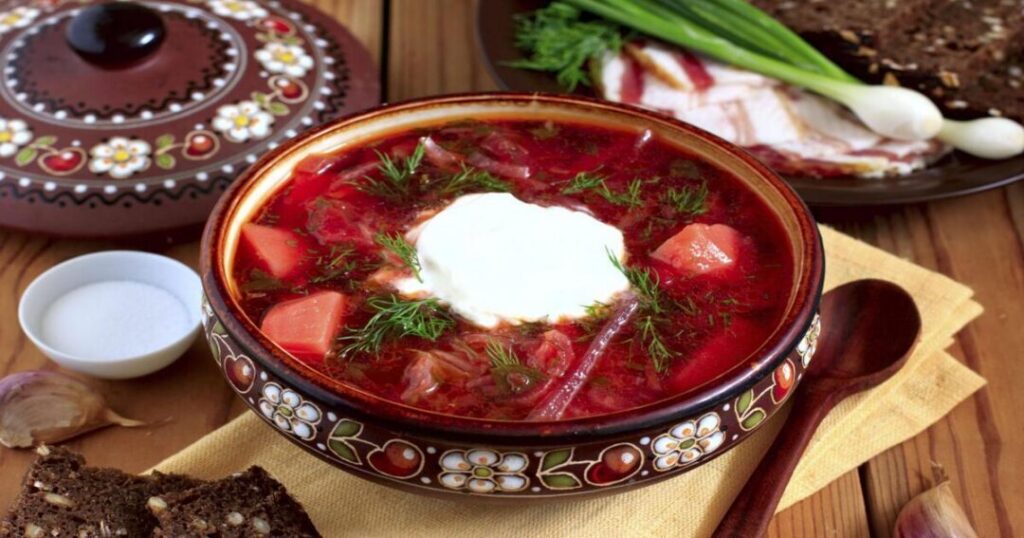
[STAT: on 1 July 2022, UNESCO inscribed the culture of Ukrainian borscht cooking on its List of Intangible Cultural Heritage in Need of Urgent Safeguarding, citing how the war had displaced the communities and disrupted the local vegetable-growing that keep the tradition alive; the dish is built on beetroot with regional variations adding mushrooms, fish, or sweet peppers — UNESCO]
- Ukraine had already added borscht to its own national heritage list in 2020, two years before fast-tracking the UNESCO application specifically because of wartime threats to the tradition.
- Borscht appears at wedding meals, food competitions, and everyday tables alike, with nearly every family and region developing its own version of the recipe.
Also Read: Street Food in London: The Best Markets, Food Streets, and a Few Landmarks Worth a Detour
Varenyky: Dumplings for Every Occasion
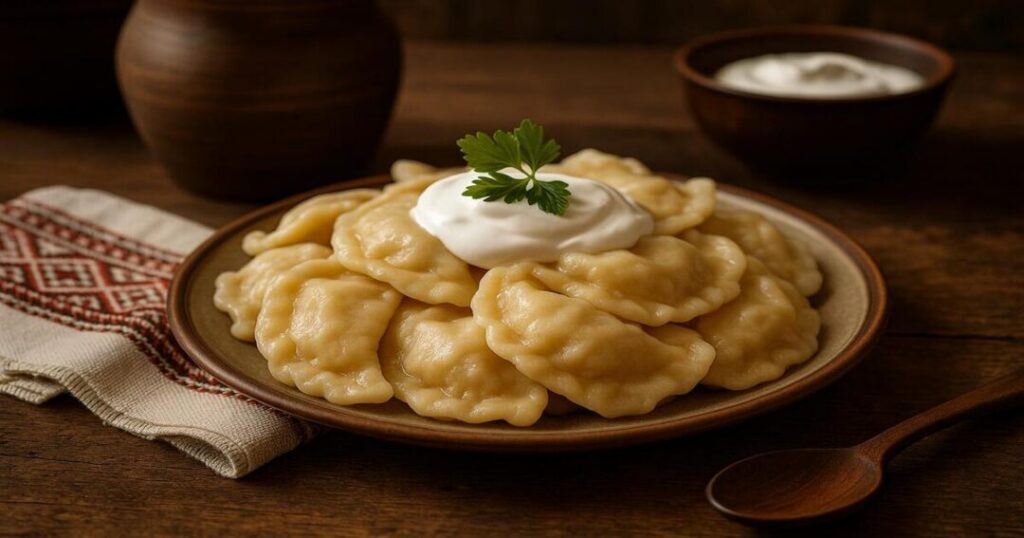
[STAT: varenyky take their name from the Ukrainian verb “varyty” (to boil), and were historically prepared for festive occasions, harvest celebrations, and religious holidays, with fillings that vary by region — potato-cheese and fruit in the west, cabbage and mushroom in central Ukraine, and meat in the south, with meatless versions traditional on Christmas Eve — Wikipedia]
- They’re traditionally served with sour cream, melted butter, fried onions, or fried salo, and sweet versions come topped with sugar.
- The dish carries ritual weight beyond the plate — farmers historically carried varenyky to the fields believing they ensured a good harvest, and the dish is prominent enough in Ukrainian folk culture to have its own monument in Cherkasy Oblast.
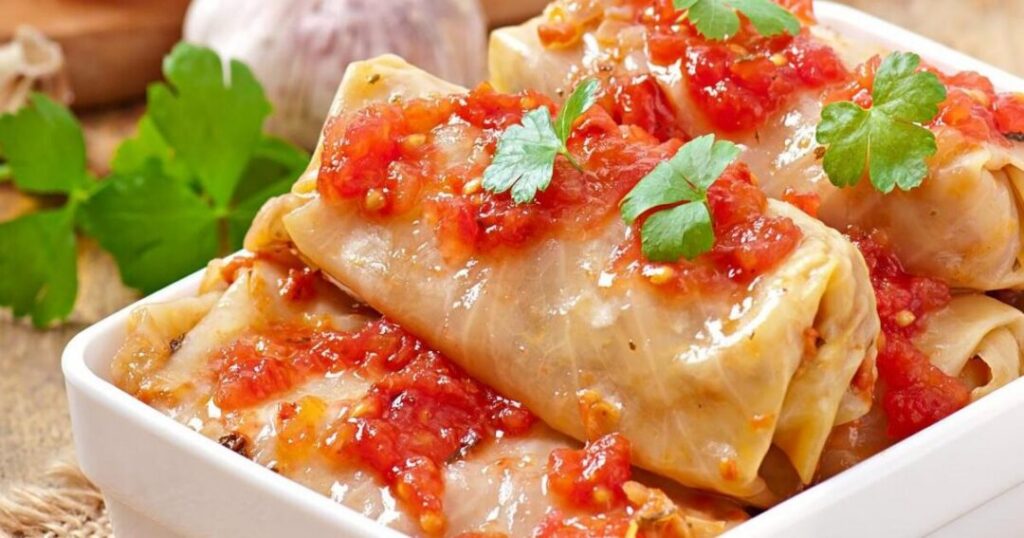
Holubtsi: Stuffed Cabbage as Cold-Weather Comfort Food
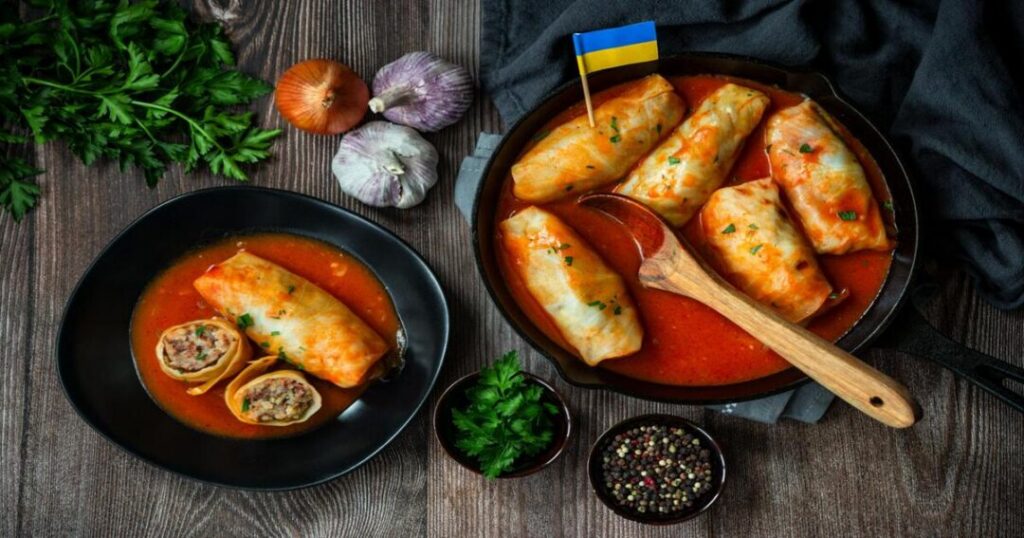
[STAT: holubtsi wraps soft cabbage leaves around a filling of ground beef, rice, mushrooms, onions, and spices, slow-cooked in a tomato-based sauce until tender, and is typically served with mashed potatoes or crusty bread to soak up the sauce — Remitly]
- It’s considered one of the most loved dishes in Ukrainian households, particularly during colder months when its slow-cooked richness works as genuine comfort food.
Salo: Cured Pork Fat Treated as a Delicacy
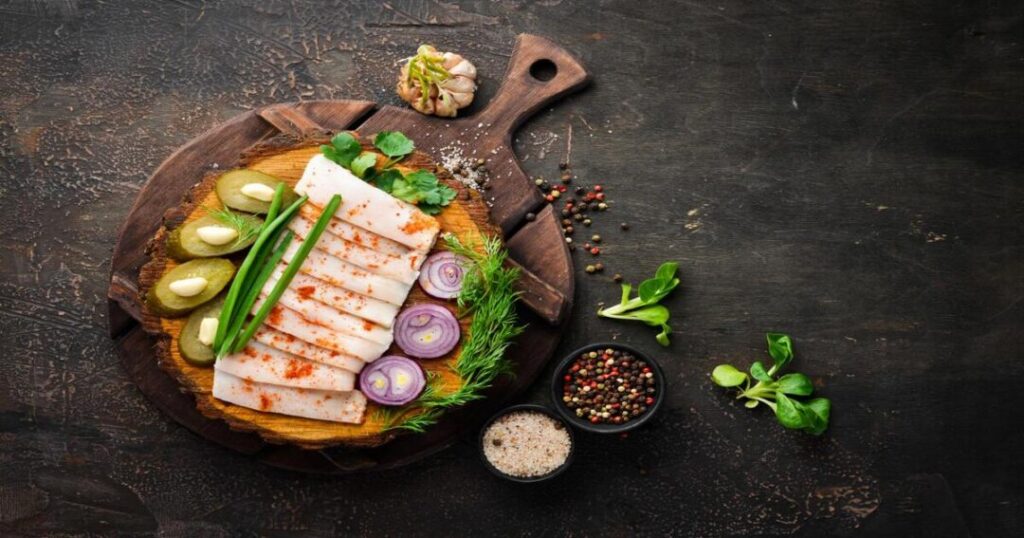
[STAT: salo is cured pork fatback or boneless pork belly, layered with dry salt and minced garlic and cured in a cool, dark place for up to a year rather than melted down like lard; it’s traditionally eaten raw, sliced thin on rye bread with a clove of garlic, and its crisped skin, called shkvarky, is used as a topping — Etnocook]
- Pig domestication in the region dates back to roughly 12,700 BCE according to archaeological evidence, and salo’s place in Ukrainian folklore, proverbs, and songs reflects just how central it’s remained to the national diet since.
Also Read: Los Angeles Food: The Complete Guide to Eating in LA
Understanding Ukrainian Cuisine: Regional Dishes from Ukraine
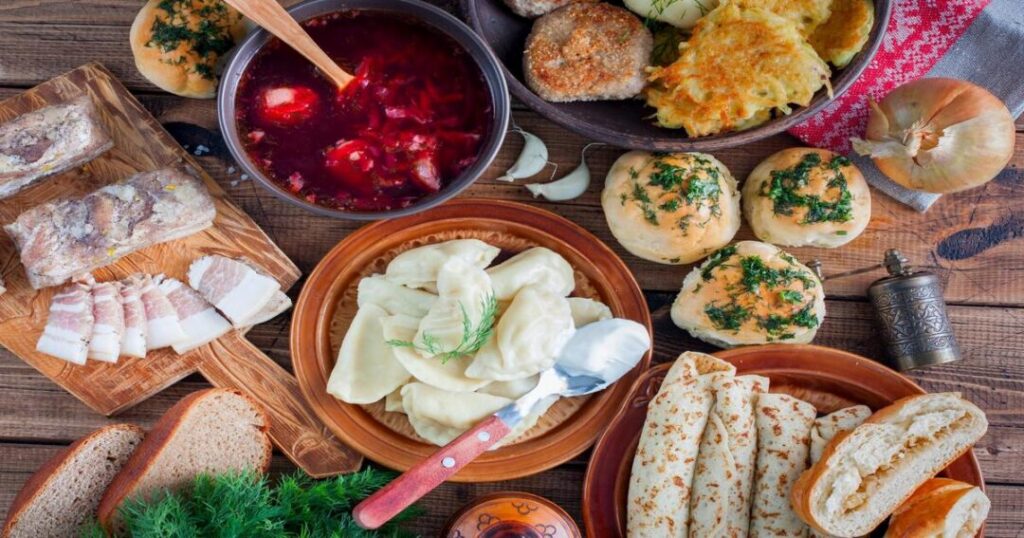
What makes Ukrainian cuisine distinct isn’t a single national dish but the way certain techniques — boiling dough, curing fat, slow-cooking vegetables — repeat across very different regional ingredients. Deruny, grated potato pancakes fried until golden and served with sour cream, applesauce, or dill, show up across the country as a snack, side, or main course depending on the region and the occasion. These dishes from Ukraine tend to share the same underlying logic: hearty, built from whatever the local land and climate produce well, and designed to keep people fed through long winters.
What a Typical Ukraine Meal Looks Like?
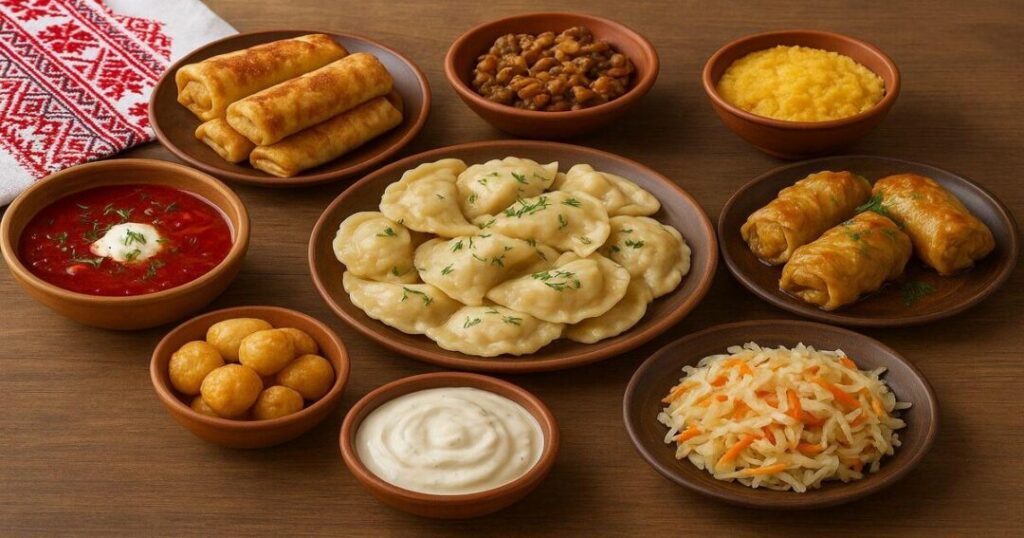
A standard Ukraine meal usually follows a familiar three-part structure: a soup course, most often borscht, followed by a main dish built around meat, potatoes, or dumplings, and finished with a sweet course or a glass of kompot, a lightly sweetened fruit drink made by simmering fresh or dried fruit in water. Meals in Ukraine are also built around bread in a way that’s easy to underestimate from the outside — rye and wheat loaves accompany nearly every course, and salo-topped rye bread often functions as its own mini-course rather than a side note.
Popular Ukrainian Snacks
[STAT: roasted, salted sunflower and pumpkin seeds are among the most common everyday Ukrainian snacks, alongside halva, a confection made from crushed sesame or sunflower seeds bound with honey or sugar and sold in chocolate and vanilla varieties — Girl Meets Food]
- Ukraine’s relationship with sunflowers goes well beyond snacking — the country accounted for roughly 54.4% of the world’s sunflower seed oil exports in 2020, a scale that helps explain why sunflower seeds are such a default snack nationwide.
- Kyiv cake, invented on 6 December 1956 at the Karl Marx Confectionery Factory, layers meringue studded with hazelnuts under chocolate glaze and buttercream, and earned official trademark protection in Ukraine in 2017 as a recognised symbol of the capital.
- Pampushky, small yeast rolls served either savoury with garlic and dill alongside borscht or sweet and doughnut-like, round out the everyday snack lineup alongside deruny served on their own.
Also Read: Bahamian Food: The Complete Guide to Bahamas Cuisine, Dishes & Recipes
Where to Find Ukrainian Snacks Online?
For readers outside Ukraine looking for Ukrainian snacks online, the easiest starting points are sunflower seed halva, chocolate-glazed seed bars, and Kyiv-cake-style confections, all of which are shelf-stable enough to ship internationally and widely stocked by Eastern European grocery importers and diaspora-run specialty shops. Because packaging, ingredient lists, and shipping options vary significantly between sellers, it’s worth checking freshness dates and reviews carefully rather than assuming every listing sources its halva or seed snacks the same way.
Conclusion: Ukrainian Food
Between UNESCO-recognised borscht, dumplings carried to the fields for good luck, pork fat cured for months at a time, and a chocolate cake invented in a Kyiv factory in 1956, Ukrainian food tells a genuinely layered story about how a country eats through its harshest seasons and its biggest celebrations alike. Whether you’re cooking your first pot of borscht or just looking for a bag of sunflower halva to try, these dishes reward the same patience that went into making them.
Curious to taste more of the world one dish at a time? Download the Explurger app and keep exploring global food culture.
FAQs About Ukrainian Food
2. What makes Ukrainian cuisine different from other Eastern European food?
Ukrainian cuisine leans heavily on techniques like boiling dough (as in varenyky) and slow-curing fat (as in salo) rather than relying on a single defining ingredient. Regional variation is also a defining feature — dishes like varenyky and deruny change filling, preparation, and even name depending on which part of the country you're in.
3. What are traditional dishes from Ukraine besides borscht?
Beyond borscht, key dishes from Ukraine include varenyky (boiled dumplings with fillings ranging from potato-cheese to fruit), holubtsi (stuffed cabbage rolls in tomato sauce), salo (cured pork fat), and deruny (fried potato pancakes), each tied to different regions and occasions.
4. What does a typical Ukraine meal look like?
A typical Ukraine meal usually opens with a soup course, most often borscht, moves to a main dish built around meat, potatoes, or dumplings, and closes with something sweet or a glass of kompot, a fruit-based drink. Rye or wheat bread, often paired with salo, accompanies most courses.
5. What are popular Ukrainian snacks?
Popular Ukrainian snacks include roasted sunflower and pumpkin seeds, halva made from crushed sesame or sunflower seeds bound with honey, pampushky rolls, and Kyiv cake, a hazelnut meringue cake invented in 1956 that's become a symbol of the capital.
6. Can I buy Ukrainian snacks online?
Yes — sunflower seed halva, chocolate-glazed seed bars, and Kyiv-cake-style confections are the most commonly available Ukrainian snacks online, typically sold through Eastern European grocery importers and diaspora-run specialty shops. Checking freshness dates and seller reviews is worthwhile given how much sourcing varies between listings.