
667 Total Views
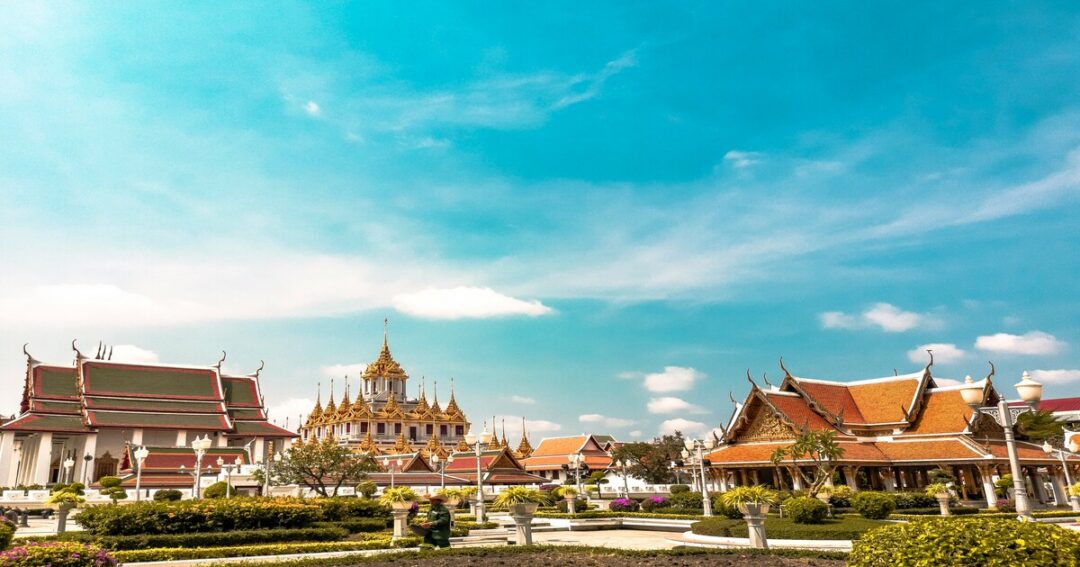
Bangkok doesn’t ease you in. It hits you immediately—the temples, the traffic, the street food smoke, the canal boats cutting through the waterways while a golden spire catches the light somewhere behind a shopping mall. Most first-timers have a list. Most lists are the same five names. If you’re planning a trip and want things to do in Bangkok, Thailand, that go beyond the glossy surface, this guide breaks it down by experience type—temples and heritage, markets and food, nature and offbeat spots, and day trips—so you can build an actual itinerary instead of just ticking boxes.
Things to Do in Bangkok Thailand — Temples, Palaces & Cultural Landmarks
Bangkok has over 400 Buddhist temples. Most visitors see three. Here are the ones worth your time and what actually makes each worth visiting.
Wat Phra Kaew and the Grand Palace
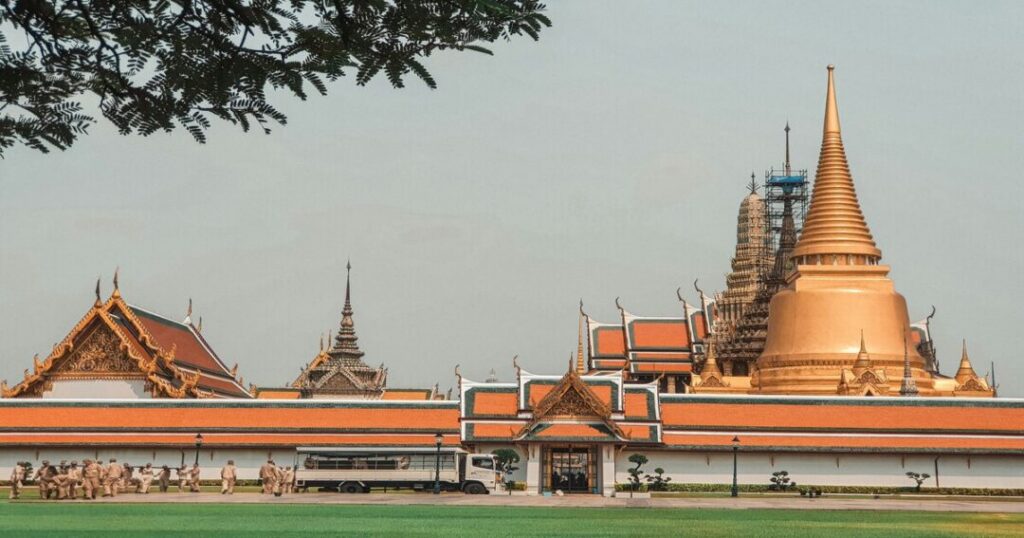
The Grand Palace complex, built in 1782, remains the most visited site in Bangkok — and with good reason. The Temple of the Emerald Buddha (Wat Phra Kaew) sits within the palace grounds and houses a small but deeply venerated jade Buddha image, dressed in gold seasonal robes changed three times a year by the Thai king. The palace architecture is a concentrated showcase of Rattanakosin-era craftsmanship—gilded spires, mother-of-pearl inlay, and mural-covered galleries telling the story of the Ramakien (Thai version of the Ramayana).
- Entry: Paid; dress modestly (shoulders and knees covered — sarongs available at the gate)
- Best time: Early morning to beat the crowds and the heat
- Time needed: 2–3 hours minimum
Also read: Places to Visit in Bangkok: The Complete Guide Beyond the Grand Palace
Wat Pho — Bangkok’s Oldest and Largest Temple
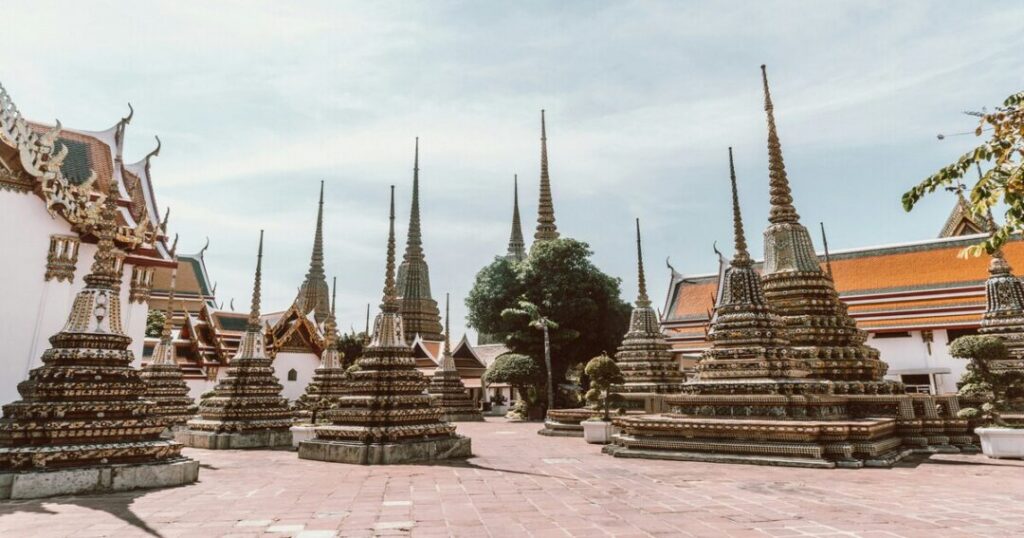
Wat Pho predates the Grand Palace and is home to the famous Reclining Buddha—46 meters long and 15 meters high, covered in gold leaf, with mother-of-pearl-inlaid feet depicting the 108 auspicious characteristics of the Buddha. Wat Pho is also considered the birthplace of traditional Thai massage; the temple complex houses a certified massage school that has been operating for centuries.
- Don’t miss the courtyard of smaller chedis (stupas)—91 in total, each containing ashes of Thai royalty
- The massage pavilions within the temple complex are legitimate and reasonably priced
Wat Arun — The Temple of Dawn
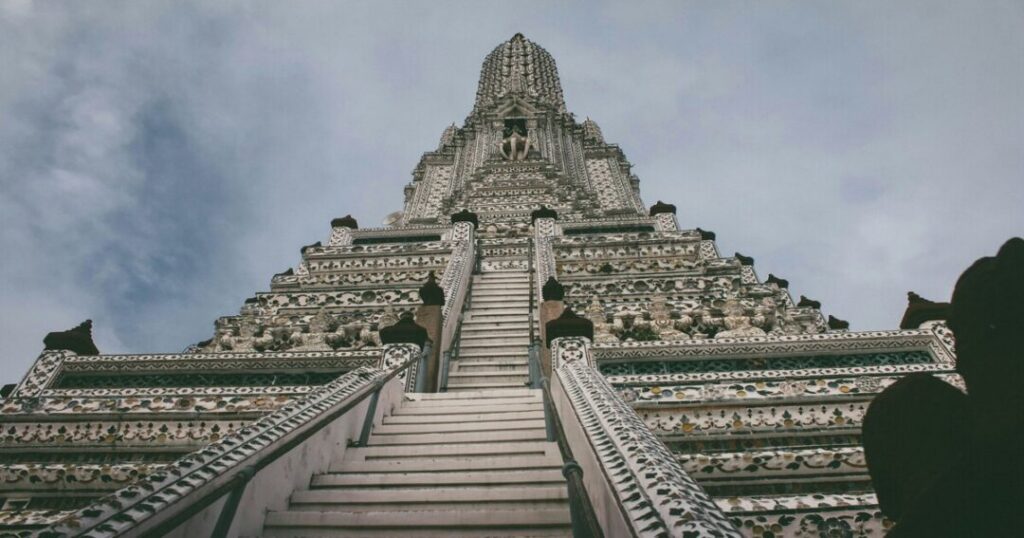
Wat Arun stands on the Thonburi bank of the Chao Phraya River and is best seen from the opposite bank at sunrise or at dusk when the porcelain-encrusted spires catch the light. The central prang (tower) rises to about 70 meters and can be climbed—the view over the river and Bangkok’s skyline is worth the steep steps. Cross from the Tha Tien Pier for a few baht; it’s one of the best short river rides in the city.
Jim Thompson House
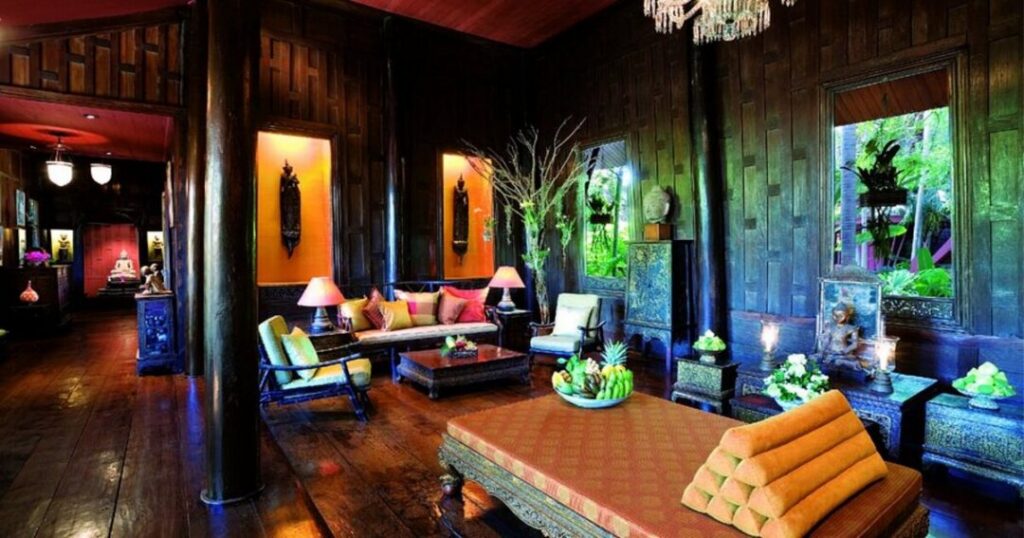
For a break from temple fatigue, the Jim Thompson House offers something rarer: a beautifully preserved cluster of traditional Thai houses converted into a museum by the American businessman who revived the Thai silk industry after World War II. Thompson disappeared mysteriously in the Cameron Highlands of Malaysia in 1967; his house, art collection, and story remain. The guided tour is genuinely good.
Things to Do in Bangkok, Thailand for Food Lovers — Markets, Street Food & Local Flavours
Bangkok’s food culture is one of the most layered in Southeast Asia. These are the places that earn it that reputation.
Chatuchak Weekend Market
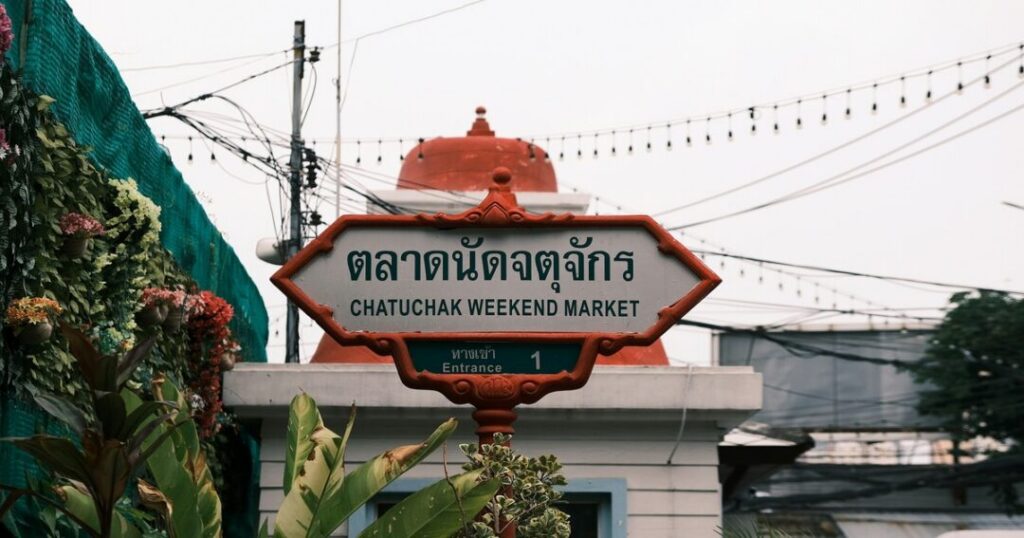
One of the largest markets in the world, Chatuchak covers over 27 acres and has approximately 15,000 stalls across 27 sections. It runs on Saturdays and Sundays. Beyond the clothing and handicrafts, the food section is excellent — grilled meats, coconut ice cream, fresh sugarcane juice, and Thai street snacks in quantities that will outlast your appetite. Arrive early; by midday in summer it becomes genuinely uncomfortable.
- Location: Mo Chit BTS / Chatuchak Park MRT
- Hours: Saturday–Sunday, approximately 9 AM – 6 PM
Yaowarat — Bangkok’s Chinatown
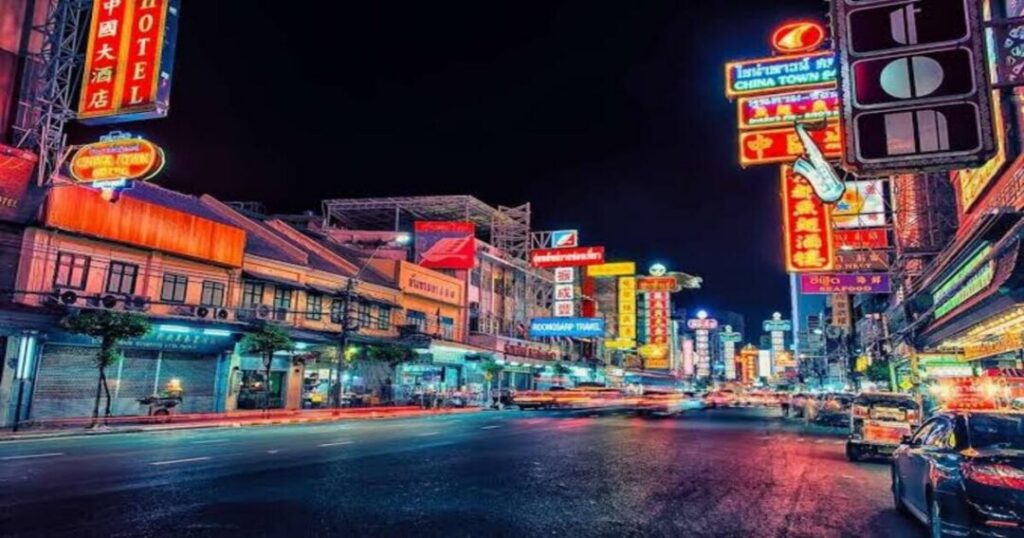
Yaowarat Road is Bangkok’s Chinatown and one of its most atmospheric streets after dark. The gold shops, the temple shrines mid-block, and the street food vendors who set up from around 6 PM onward make this a reliable evening stop. Roast duck, dim sum, fresh seafood, and mango sticky rice from roadside carts. The area around Wat Traimit (Temple of the Golden Buddha) is worth seeing during the day as well—the solid gold Buddha image here weighs approximately 5.5 tonnes.
Also read: Bali vs Thailand: Which Is Better for Friend Groups & Adventure Travellers in 2026?
Or Tor Kor Market
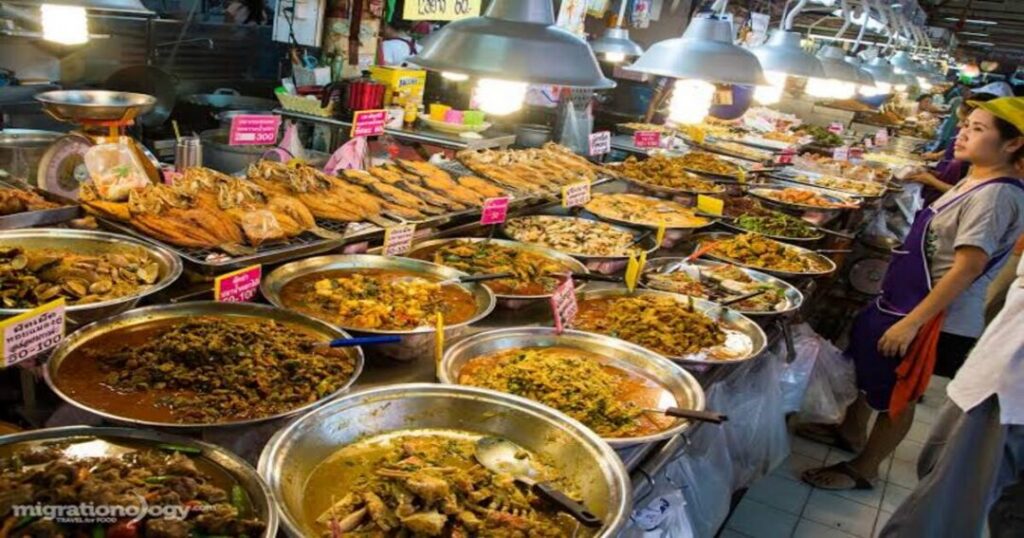
Less chaotic than Chatuchak and considerably more upscale, Or Tor Kor is Bangkok’s premium fresh produce market—the best place to find high-quality tropical fruit, prepared Thai food, and artisanal local products. It’s a short walk from Chatuchak and makes a good pairing. Not a tourist market; mostly locals doing serious grocery shopping.
Khao San Road and Banglamphu
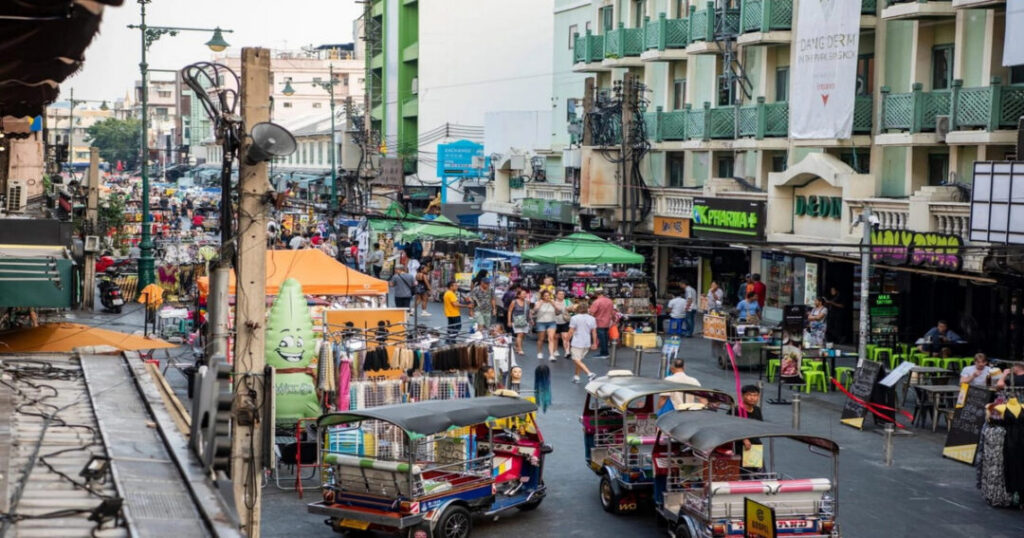
Khao San Road is what it is—a traveler’s street with hostels, pad thai, and more Chang beer than you asked for. It’s worth walking through once, particularly in the evening when it gets lively, but the more interesting area is the surrounding Banglamphu neighborhood: old shophouses, canal-side coffee spots, and the Democracy Monument a few minutes’ walk away.
Things to Do in Bangkok, Thailand — Riverside, Parks & Places to Relax
Bangkok is dense. These spots offer space, water, and a different pace.
Chao Phraya River and the Chao Phraya Express Boat
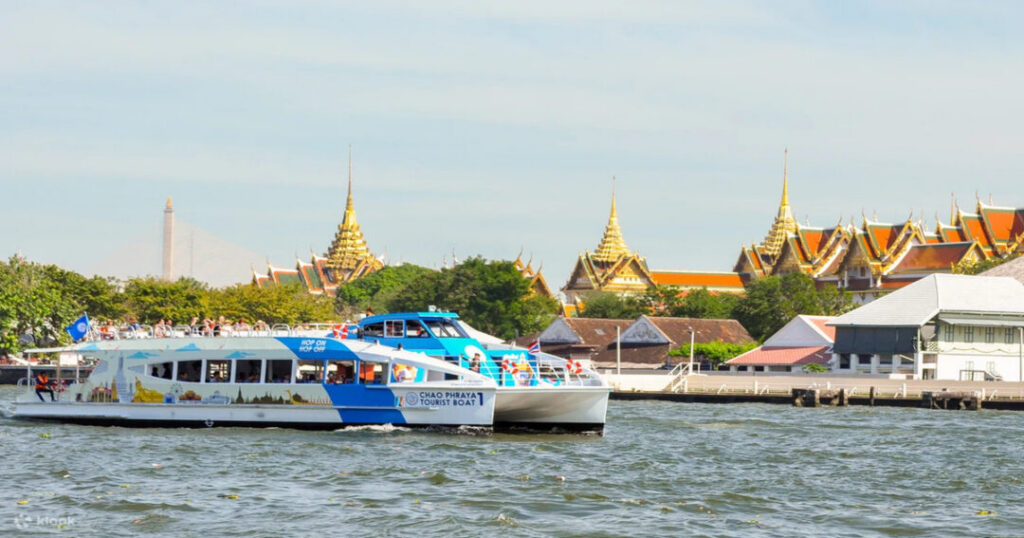
The Chao Phraya River is the city’s spine, and the express boat is one of the most functional and atmospheric ways to move through Bangkok. The Orange Flag line covers most major tourist stops — Wat Pho, Wat Arun, the Grand Palace, and the flower market at Pak Khlong Talat — for a flat fare. Taking the boat instead of a taxi for the riverside stretch saves time and money and provides continuous good views.
Lumphini Park
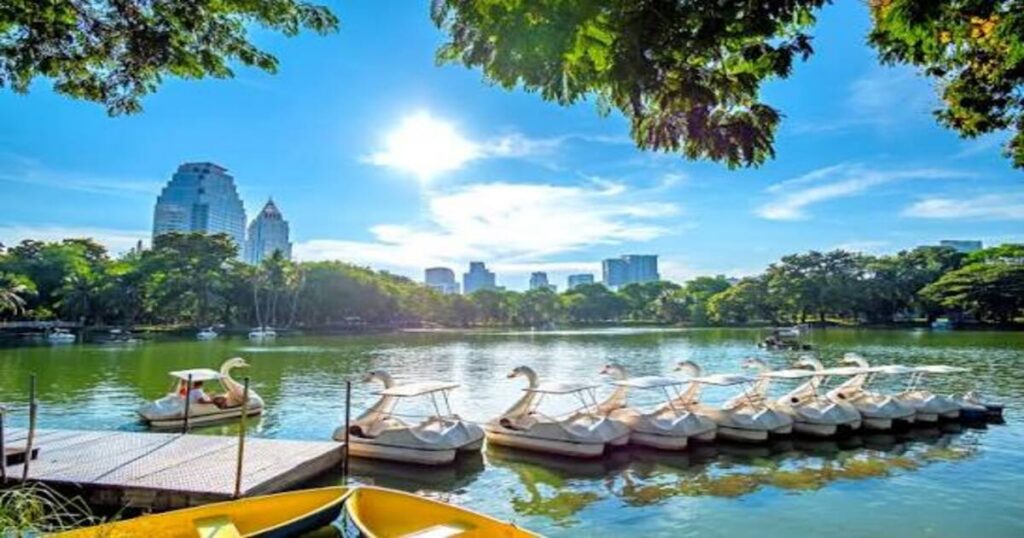
Bangkok’s equivalent of Central Park — 57 hectares of greenery in the middle of the Silom and Sukhumvit districts. In the early mornings, Lumphini is full of Thais doing tai chi, jogging, and rowing on the lake. Monitor lizards (large ones, up to 2 meters) wander the park openly. It’s a legitimate wildlife encounter without leaving the city. The park is best visited before 9 AM or after 5 PM.
Damnoen Saduak Floating Market
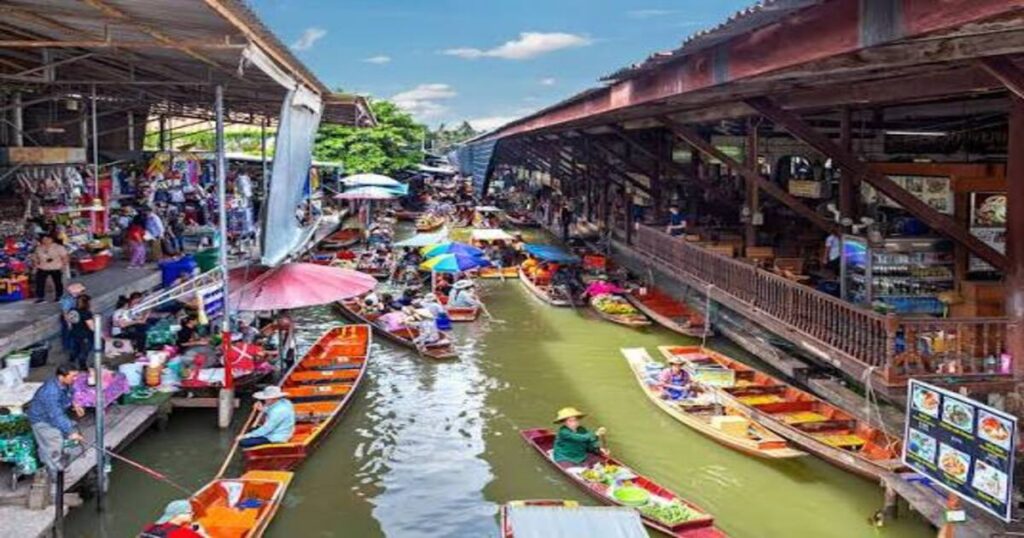
About 100 km southwest of Bangkok, Damnoen Saduak is Thailand’s most photographed floating market—vendors in wooden boats sell tropical fruit, pad thai, and coconut-based sweets on a network of canals. It is touristy, and it’s worth knowing that going in. The imagery is real even if the experience is staged for visitors. Go early (by 7 AM) if you want to see actual commerce rather than a photo set. Ampawa Floating Market, further from Bangkok, is a quieter and more authentic alternative if you have flexibility.
Beyond the Skyline: Things to Do in Bangkok, Thailand for Art & Culture Lovers
Bangkok has a growing contemporary art and design scene alongside its heritage sites.
MOCA Bangkok (Museum of Contemporary Art)
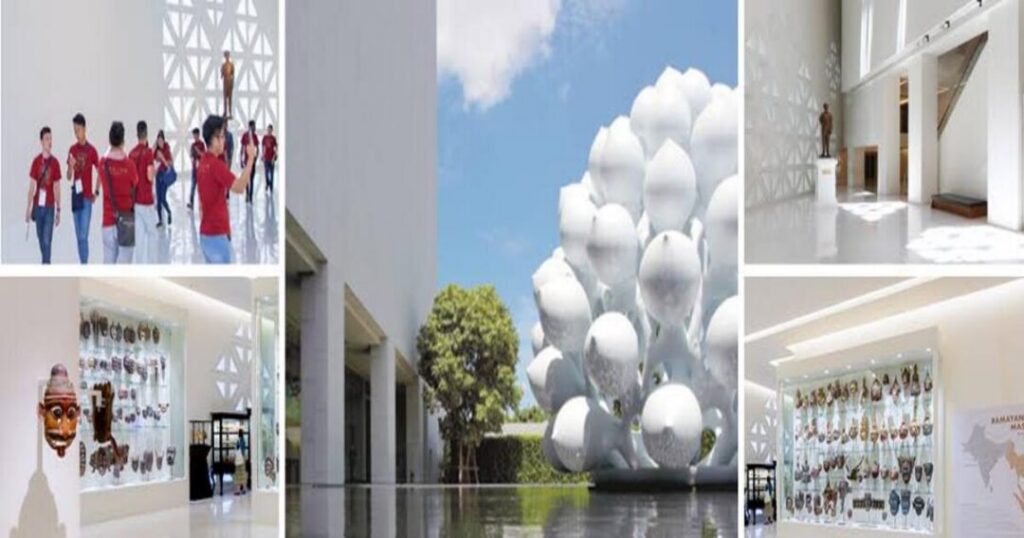
MOCA Bangkok houses an extensive collection of modern Thai art — over 800 works across five floors, assembled by businessman Boonchai Bencharongkul. The building itself is striking. It sits outside the city center (near Don Mueang Airport) and is less visited than it deserves to be, which means you’ll have space to actually look at things.
Bangkok Art and Culture Centre (BACC)
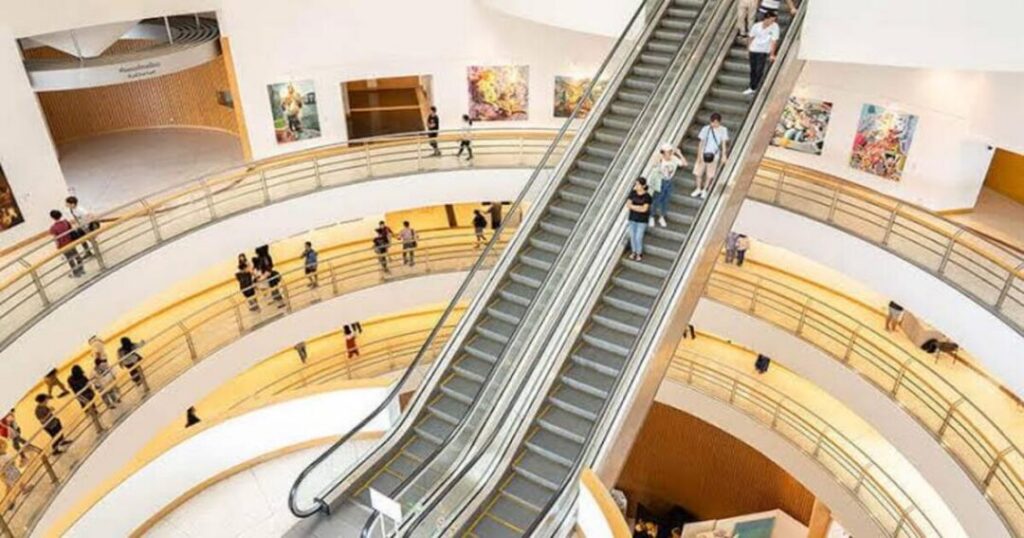
Located at the Siam BTS intersection, the BACC is a public art space spread across 11 floors with rotating exhibitions, permanent collections of Thai contemporary art, and independent galleries, music venues, and design shops. Entry to most galleries is free. A reliable option on a hot afternoon when temples are exhausting.
Also read: 10 Unique Things to Buy in Thailand Most Travelers Miss (2026 Guide)
Sampeng Lane and the Old Trading Quarters
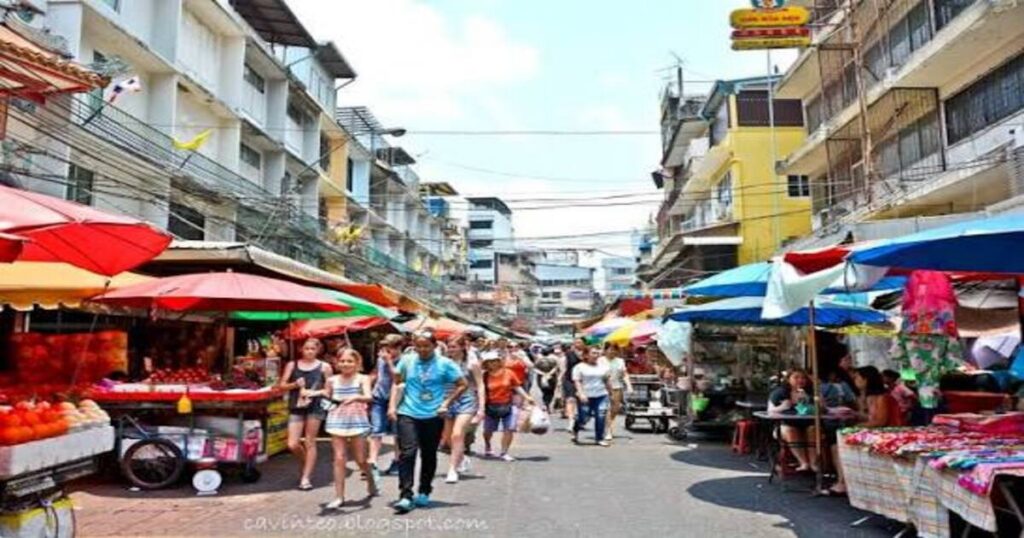
Sampeng Lane (Soi Wanit 1) is a narrow wholesale lane in the old Chinese trading quarter—fabric, accessories, toys, stationery, and goods sold by the dozen and the gross. It connects Chinatown to the Pak Khlong Talat flower market and is best walked from east to west in the morning. The surrounding streets (Pahurat for Indian textiles, Talat Noi for old shophouses) make this one of the most historically textured walks in the city.
Offbeat Things to Do in Bangkok, Thailand Most Visitors Skip
These spots don’t appear on standard itineraries, which is precisely the argument for including them.
Wat Suthat and the Giant Swing
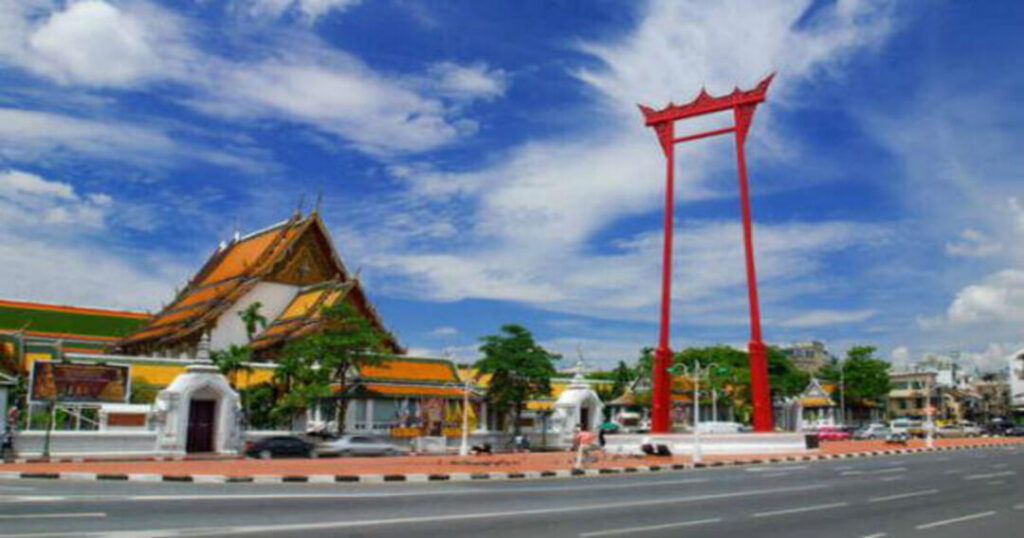
Wat Suthat, one of Bangkok’s royal temples, houses one of the largest Phra Buddha Shakyamuni images in Thailand and contains some of the finest Jataka murals in the country. Outside stands the Giant Swing (Sao Ching Cha)—a large red ceremonial structure used in a Brahmin festival that was discontinued in 1935 due to fatalities. The area around Wat Suthat (Bamrung Mueang Road) is also Bangkok’s main street for Buddhist religious supplies—monks’ robes, altar accessories, and Buddha images sold at street level.
Thonburi Canals — Klong Bangkok Noi and Klong Bangkok Yai
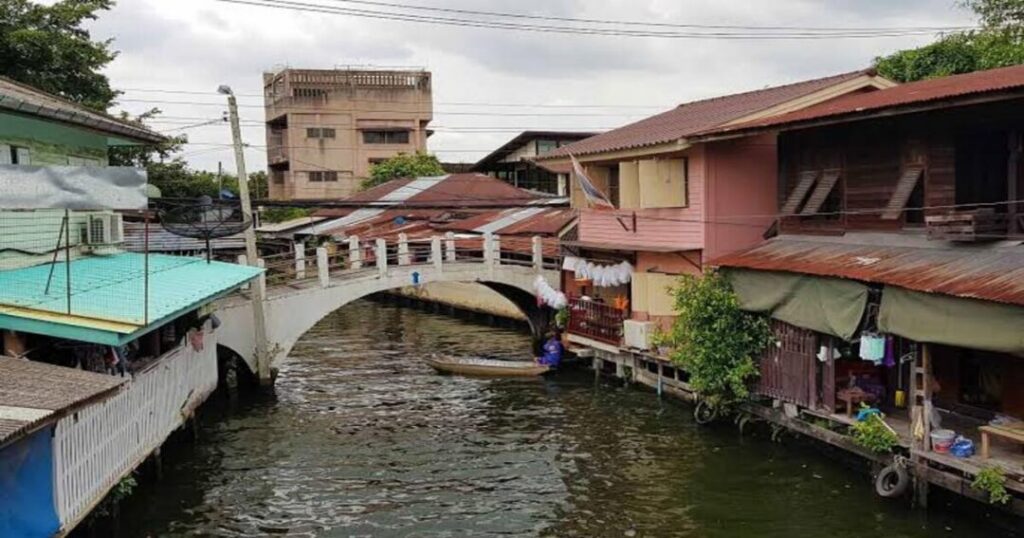
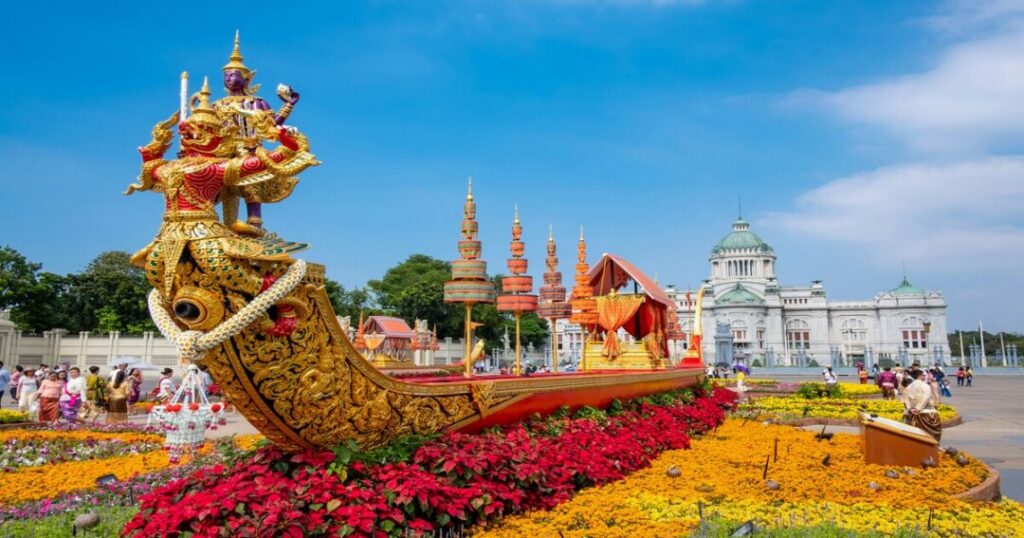
While most visitors cross the river only to visit Wat Arun, the Thonburi side has an entire network of canals (klongs) with communities that have existed for centuries. A long-tail boat tour through the smaller canals passes wooden houses on stilts, orchid farms, temples, and the Royal Barge National Museum—where the ceremonial barges used in royal processions are stored. The Royal Barges are among the most impressive examples of Thai craftsmanship in the country and receive relatively few visitors.
Pak Khlong Talat — The Flower Market
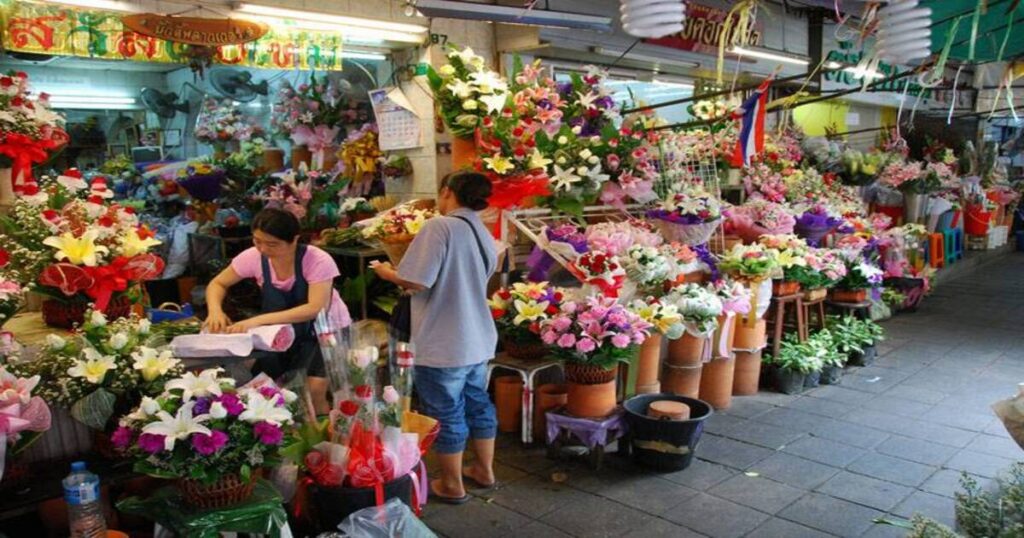
Bangkok’s wholesale flower market operates 24 hours and is most vivid between midnight and 5 AM when deliveries arrive from across Thailand. Mountains of marigolds, jasmine garlands, lotus, and cut orchids. It’s visually extraordinary and costs nothing to walk through. The market is near Saphan Phut pier on the Chao Phraya.
Also read: Beach Festivals Around the World: 10 That Deserve a Spot on Your Bucket List
Best Time to Enjoy Things to Do in Bangkok, Thailand
| Season | Months | Conditions |
| Cool & Dry | November – February | Best overall; 20°C–32°C; low humidity; peak tourist season |
| Hot Season | March – May | Very hot (35°C+); Songkran (Thai New Year water festival) in April |
| Wet Season | June – October | Heavy monsoon rains; afternoon downpours; fewer crowds; lower hotel rates |
Best months overall: November to February. For Songkran, plan specifically for April 13–15—the festival is genuinely spectacular, but Bangkok gets extremely crowded. Avoid May: It’s the hottest month with no corresponding festival upside.
Also read:
How to Reach Bangkok?
By Air
Bangkok has two international airports. Suvarnabhumi Airport (BKK) handles most international traffic and is connected to central Bangkok by the Airport Rail Link (45 minutes to Phaya Thai station). Don Mueang Airport (DMK) handles budget airlines and some regional routes, connected by bus and taxi.
By Train
Thailand’s rail network connects Bangkok’s Hua Lamphong station (being transitioned to Bang Sue Grand Station, now the main hub) to Chiang Mai, Ayutthaya, and southern destinations, including the Malaysian border. Trains from Kuala Lumpur and Singapore also terminate in Bangkok.
By Road
Buses from Chiang Mai (approximately 9–10 hours), Phuket (approximately 12–14 hours), and Pattaya (approximately 2 hours) arrive at Bangkok’s Mo Chit (Northern) or Ekamai (Eastern) terminals. Intercity buses in Thailand are generally reliable and air-conditioned.
Getting Around Bangkok
- BTS Skytrain and MRT: Cover most tourist and shopping areas; clean, fast, affordable
- Chao Phraya Express Boat: Riverside attractions
- Grab (ride-hailing): Most reliable for non-metered, transparent pricing
- Tuk-tuks: Atmospheric but negotiate the fare firmly before getting in
Conclusion About Things to do in Bangkok, Thailand
Bangkok rewards the curious and punishes the itinerary-obsessed. The things to do in Bangkok, Thailand, span a genuinely wide range—18th-century royal temples, canal communities that predate the city’s road network, some of Southeast Asia’s best street food, and a contemporary art scene that most visitors walk past entirely. The city is large, layered, and best understood in thematic chunks rather than a GPS-optimized point-to-point circuit.
Download the Explurger app to track the Bangkok spots you’ve visited, see what other travellers are exploring across Thailand, and build a trip log that goes beyond photos.
Give Bangkok at least three nights, get on the river early, and save one evening for Yaowarat—it won’t disappoint.
FAQs About Things to do in Bangkok, Thailand
2. How many days do you need to see Bangkok properly?
Three to four days covers the major temples, markets, and food scene and allows for one day trip (Ayutthaya or Damnoen Saduak). Five to six days gives you space for the Thonburi canals, contemporary art spaces, and a slower pace. Bangkok is large and dense — shorter trips leave significant gaps.
3. Is Bangkok safe for solo travellers?
Yes, Bangkok is generally safe for solo travelers, including solo women. Standard urban precautions apply: use metered taxis or Grab, avoid poorly lit side streets late at night, and be aware of the common tuk-tuk scam (driver offers a tour and detours to gem shops or tailor shops with commission arrangements). The tourist police helpline is 1155.
4. What is the best time to visit Bangkok?
November through February is the most comfortable period — cooler temperatures, lower humidity, and clear skies. April brings Songkran (Thai New Year), which is festive but crowded. The wet season (June–October) brings afternoon rains but also fewer tourists and better hotel rates.
5. What are the top Bangkok tourist spots that are free to enter?
Lumphini Park, the Chao Phraya riverfront, Pak Khlong Talat flower market, Sampeng Lane, most of the BACC galleries, and the exteriors of most temples are free. Wat Pho and the Grand Palace have entry fees; most other temples request a small donation rather than a fixed charge.
6. Can Bangkok be done as a day trip from another city in Thailand?
Technically yes, from Pattaya (about 2 hours) or Ayutthaya (about 1.5 hours by train). From Chiang Mai or Phuket, the travel time makes a day trip impractical — a minimum of two nights in Bangkok is recommended to make the journey worthwhile.