
178 Total Views
India is home to an incredible variety of landscapes, from the snow-covered Himalayas and lush rainforests to vast deserts and coastal wetlands. Among its greatest natural treasures are its national parks, which protect some of the world’s richest biodiversity and offer unforgettable wildlife experiences. Whether you’re hoping to spot the majestic Bengal tiger, the elusive snow leopard, or the one-horned rhinoceros, India’s protected forests have something for every nature lover.
The largest national parks in India are not just vast stretches of wilderness—they are thriving ecosystems that safeguard endangered species, ancient forests, rivers, and unique habitats. If you’re planning a wildlife adventure, here’s a guide to the 10 biggest national parks in India, along with their highlights and the best time to visit.
Largest National Parks in India
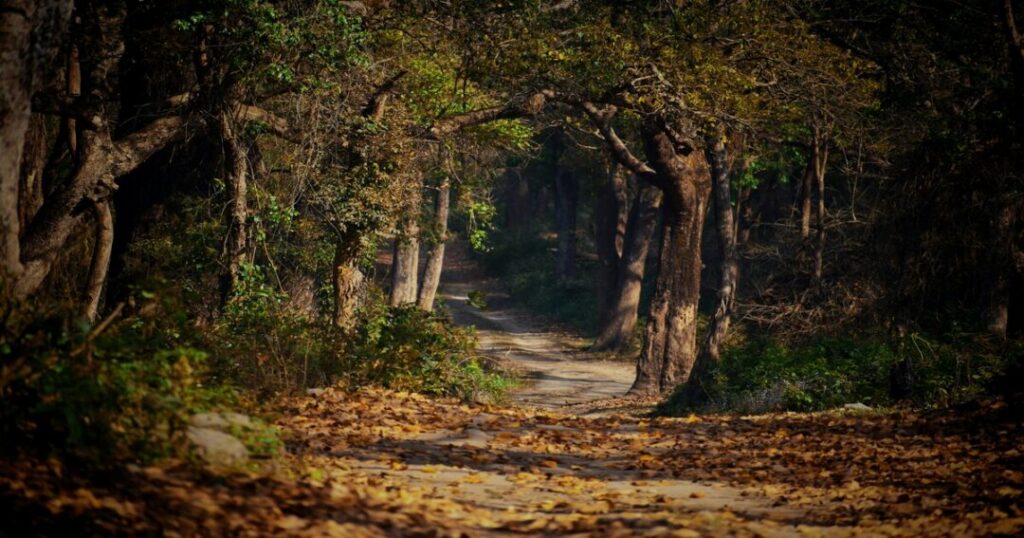
The Jim Corbett National Park in Uttarakhand was India’s first national park, established in 1936 as Hailey National Park. It later became the country’s first tiger reserve under Project Tiger and remains one of India’s most iconic wildlife destinations.
1. Hemis National Park, Ladakh

Covering approximately 4,400 sq. km, Hemis National Park is the largest national park in India. Located in the cold desert region of Ladakh, it is famous for its rugged mountains, dramatic landscapes, and rare wildlife.
The park is one of the best places in the world to spot the elusive snow leopard. Other animals found here include Himalayan blue sheep, Tibetan wolves, Asiatic ibex, and golden eagles.
Highlights: Snow leopard tracking, high-altitude trekking, stunning Himalayan landscapes
Best Time to Visit: May to September (wildlife) and February–March for snow leopard expeditions.
Also read: Top Endangered Animals That You Can See in Indian National Parks
2. Desert National Park, Rajasthan
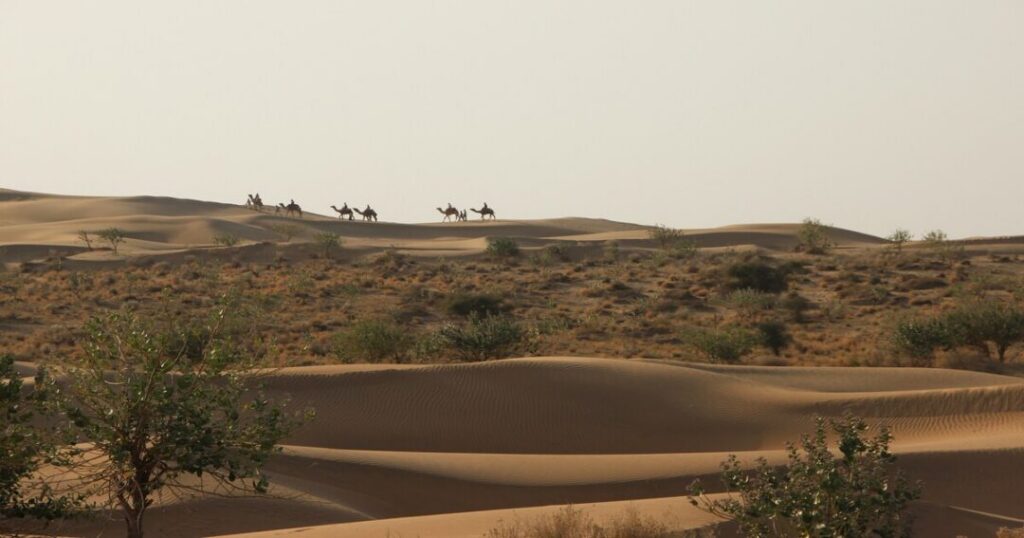
Spread across nearly 3,162 sq. km, Desert National Park showcases the beauty of the Thar Desert. Rolling dunes, rocky outcrops, salt lakes, and desert vegetation create a unique ecosystem unlike anywhere else in India.
The park is renowned for the critically endangered Great Indian Bustard, one of the rarest birds in the world.
Highlights: Dunes, desert safaris, birdwatching
Best Time to Visit: October to March.
3. Gangotri National Park, Uttarakhand
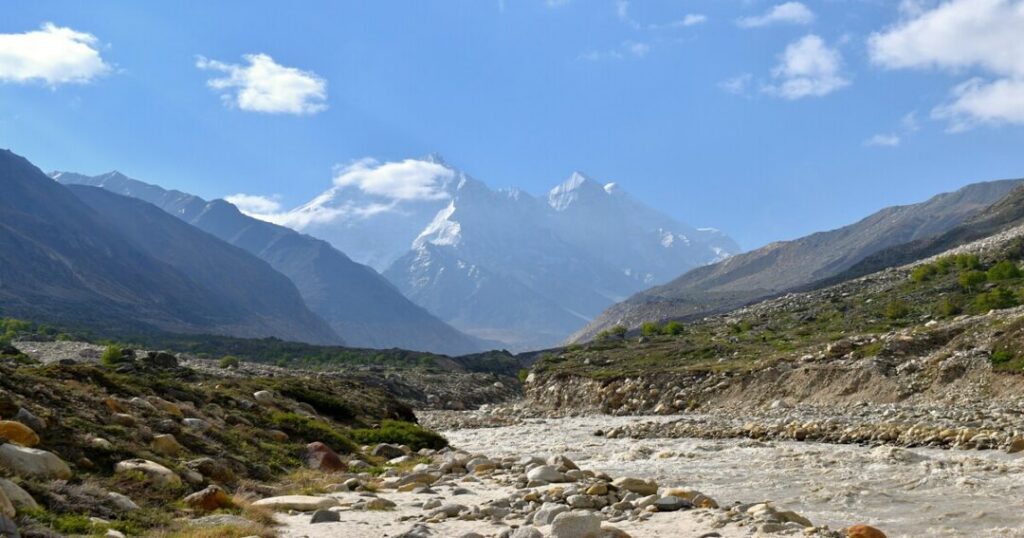
Situated in the Garhwal Himalayas, Gangotri National Park covers around 2,390 sq. km. The park is known for its glaciers, alpine meadows, snow-covered peaks, and pristine rivers.
Wildlife enthusiasts may spot snow leopards, Himalayan black bears, musk deer, and bharal.
Highlights: Gaumukh Glacier, trekking, Himalayan wildlife
Best Time to Visit: April to October.
4. Namdapha National Park, Arunachal Pradesh
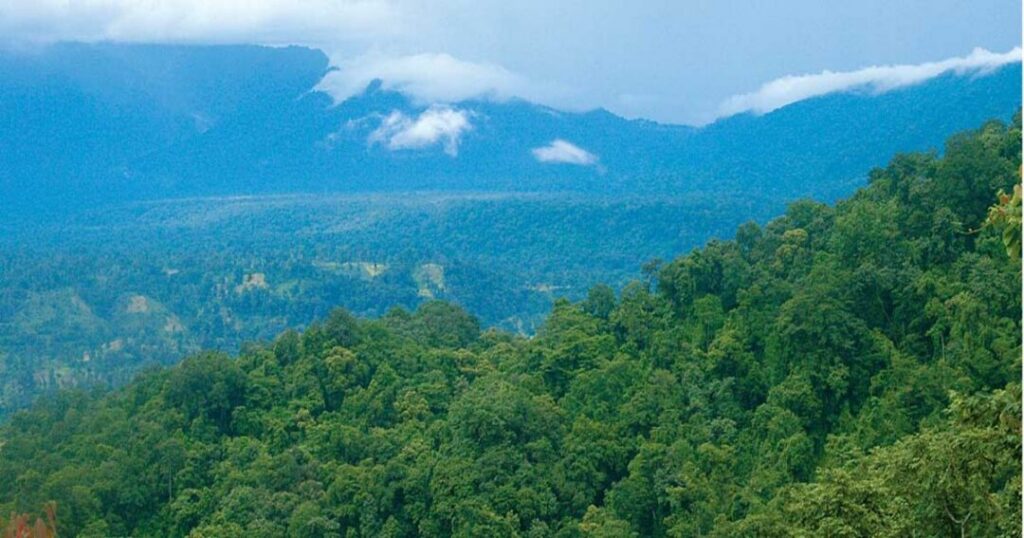
One of India’s richest biodiversity hotspots, Namdapha National Park spans around 1,985 sq. km. Dense tropical forests gradually rise into alpine meadows, creating habitats for an astonishing range of wildlife.
The park is among the few places in the world where four species of big cats—tiger, leopard, clouded leopard, and snow leopard—are believed to exist within the same protected area.
Highlights: Rainforests, rare wildlife, birdwatching
Best Time to Visit: November to April.
5. Khangchendzonga National Park, Sikkim
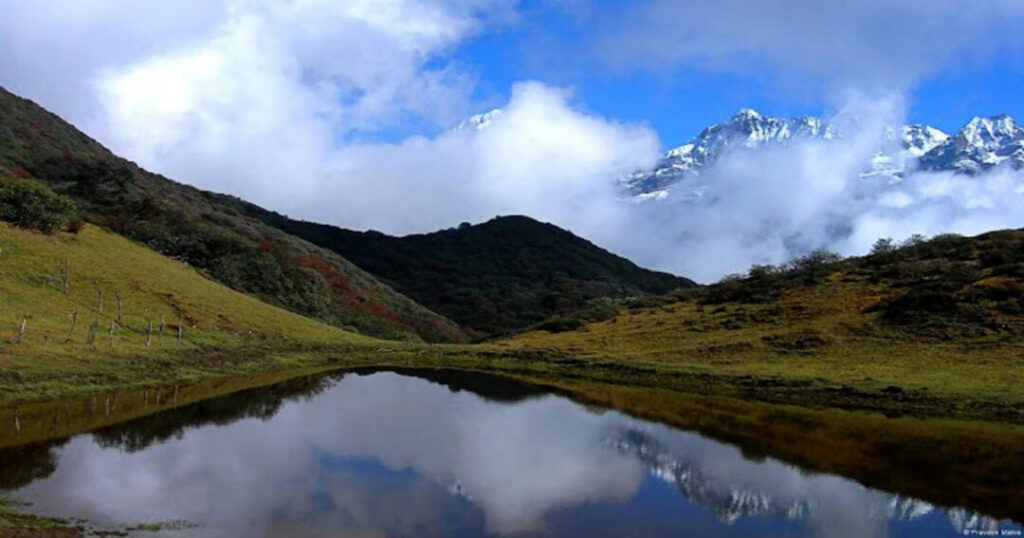
A UNESCO World Heritage Site, Khangchendzonga National Park covers approximately 1,784 sq. km and surrounds India’s highest mountain, Mount Kanchenjunga.
The park features glaciers, alpine lakes, forests, and sacred landscapes that hold cultural significance for local communities.
Highlights: Kanchenjunga views, alpine lakes, red pandas
Best Time to Visit: March to May and September to November.
6. Guru Ghasidas (Sanjay) National Park, Chhattisgarh
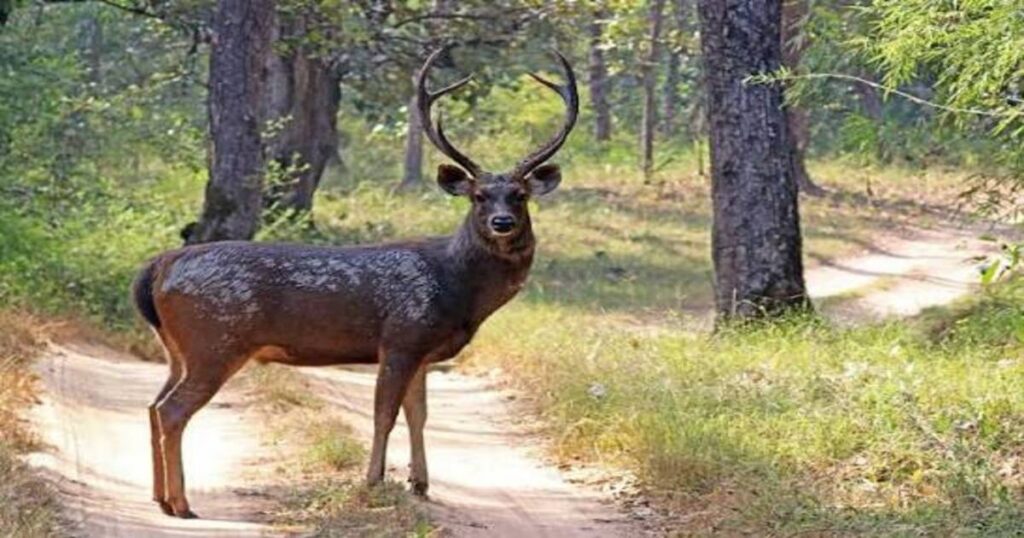
Located in northern Chhattisgarh, Guru Ghasidas National Park stretches across around 1,441 sq. km. Once part of the Sanjay National Park, it is now an important tiger habitat with dense forests and rich biodiversity.
Visitors may encounter leopards, sloth bears, wild dogs, deer, and numerous bird species.
Best Time to Visit: November to June.
Also read: National Parks Near Delhi: 7 Best Wildlife Escapes Within 300 Km
7. Jim Corbett National Park, Uttarakhand
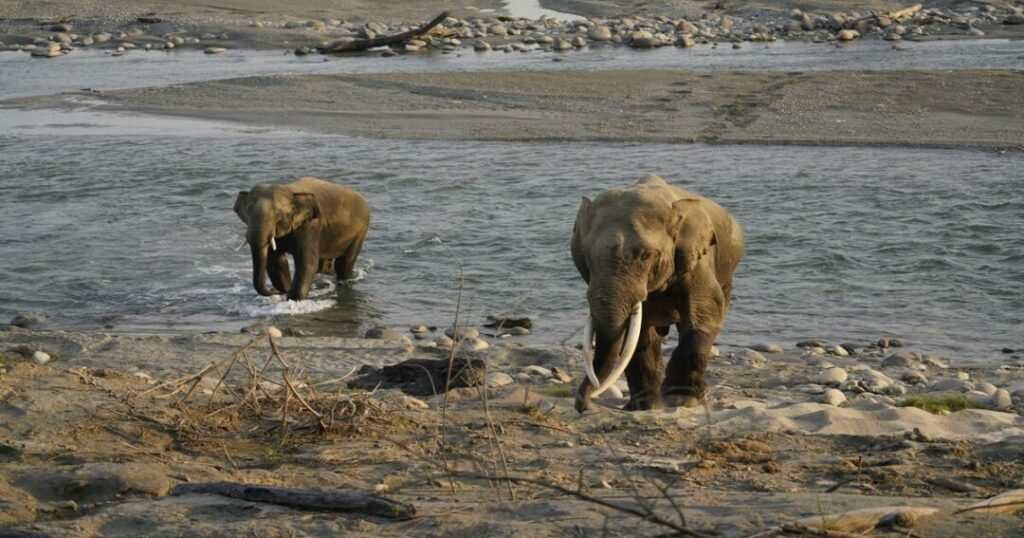
India’s oldest national park, established in 1936, covers about 1,318 sq. km under the Corbett Tiger Reserve.
It is one of the country’s premier tiger destinations and is famous for jeep safaris, river ecosystems, and diverse wildlife.
Highlights: Bengal tigers, elephants, crocodiles, birdwatching
Best Time to Visit: November to June.
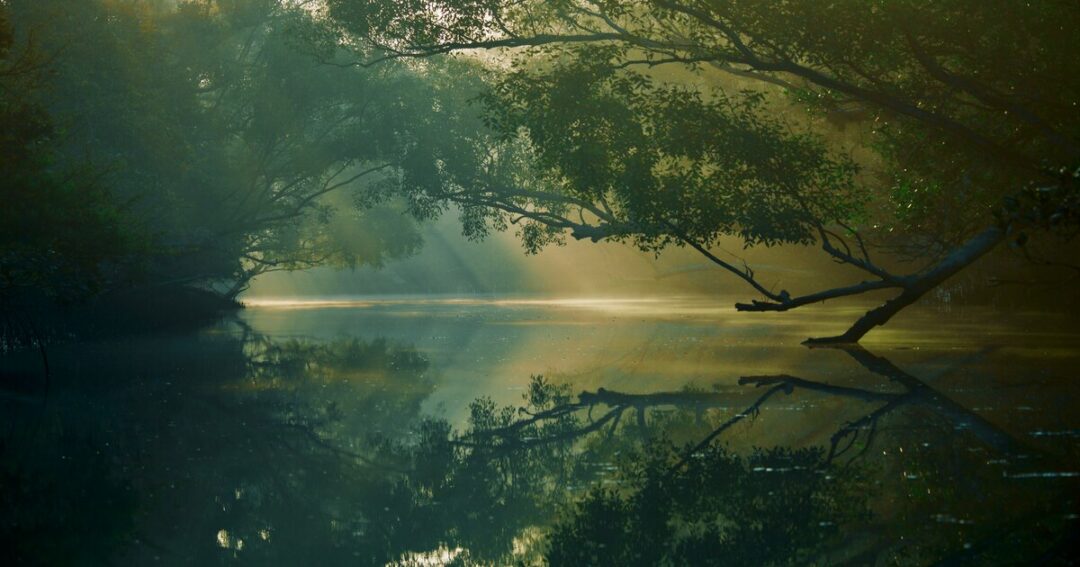
8. Sundarbans National Park, West Bengal
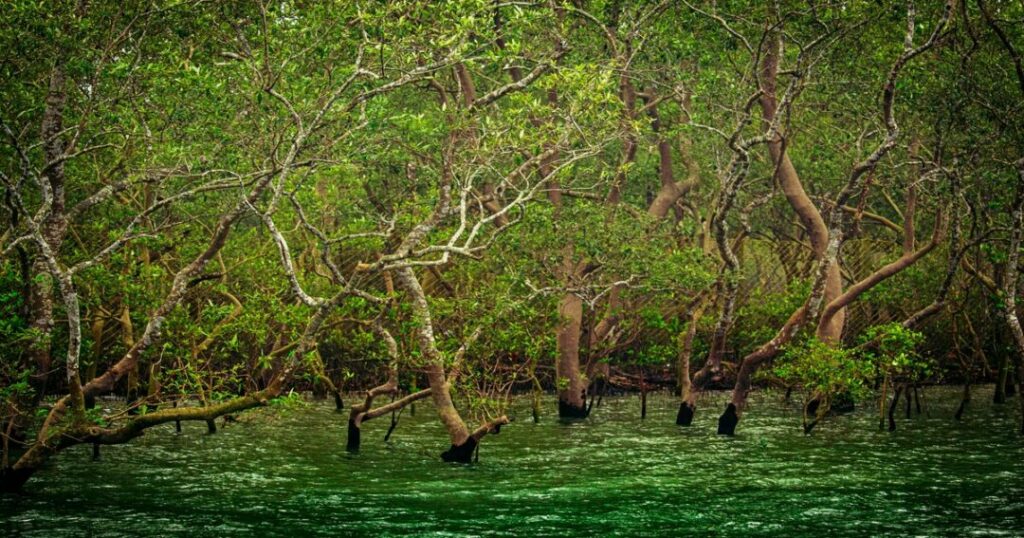
Covering approximately 1,330 sq. km, Sundarbans National Park is the world’s largest mangrove forest and a UNESCO World Heritage Site.
The park is home to the famous Royal Bengal Tiger, which has adapted to life in tidal mangrove forests.
Highlights: Boat safaris, mangrove forests, crocodiles, birdlife
Best Time to Visit: October to March.
9. Indravati National Park, Chhattisgarh
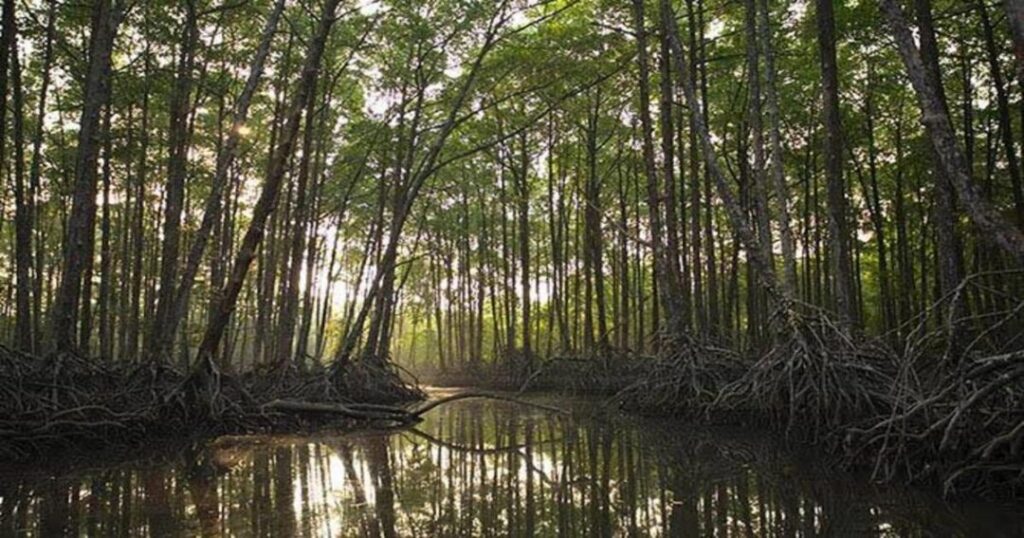
Spread over nearly 1,258 sq. km, Indravati National Park is one of central India’s most important wildlife habitats.
It is known for its tiger population, wild buffalo, leopards, gaur, and diverse birdlife. The Indravati River adds to the park’s scenic beauty.
Best Time to Visit: November to March.
10. Papikonda National Park, Andhra Pradesh
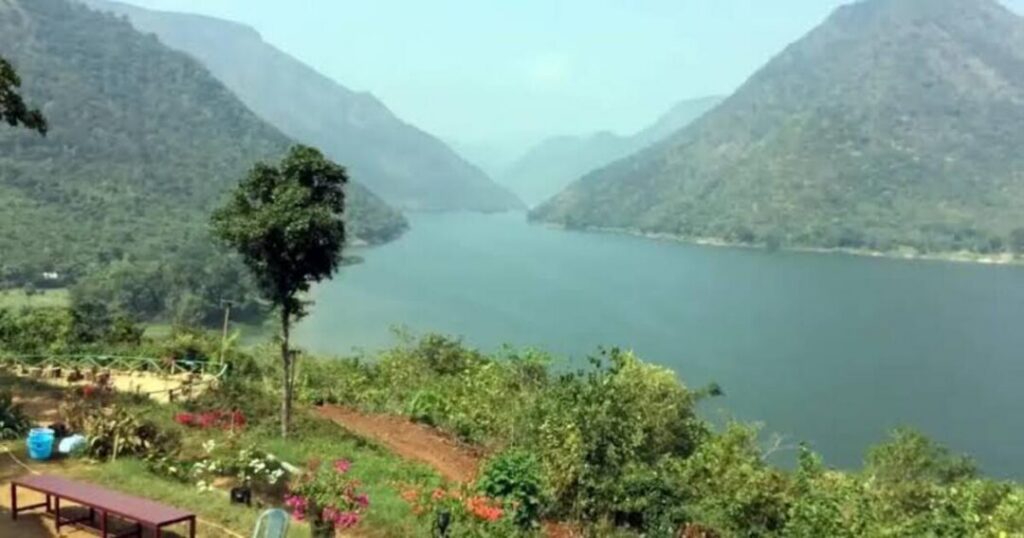
Located along the Godavari River, Papikonda National Park covers around 1,013 sq. km. The park is known for its picturesque hills, dense forests, waterfalls, and tribal villages.
Wildlife includes leopards, barking deer, giant squirrels, and several species of reptiles and birds.
Highlights: River cruises, forest trekking, eco-tourism
Best Time to Visit: October to March.
Also read: UNESCO’s Newest Geoparks: Remarkable New Sites Added to the Global Network
How Many National Parks Are There in India? Largest National Parks in India
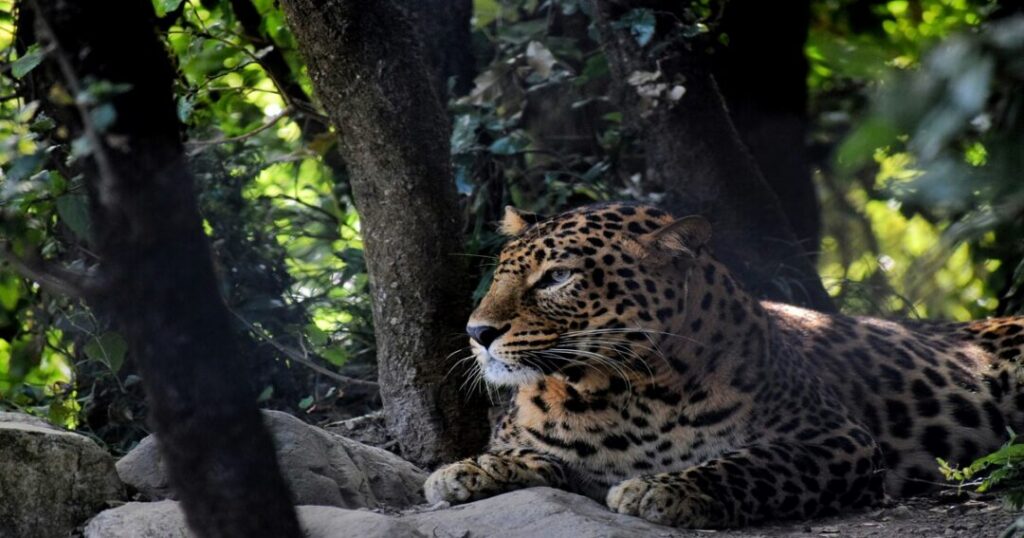
As of 2026, there are 106 national parks in India, collectively covering around 1.35% of the country’s geographical area. These parks play a vital role in conserving India’s incredible biodiversity and protecting endangered species.
Tips for Visiting National Parks
- Book safari permits well in advance, especially during peak season.
- Wear comfortable clothing in earthy colors.
- Carry binoculars and a camera for wildlife photography.
- Maintain silence during safaris to avoid disturbing animals.
- Follow your guide’s instructions and never feed wildlife.
- Avoid littering and help preserve these fragile ecosystems.
Final Thoughts About Largest National Parks in India
India’s national parks offer far more than wildlife sightings—they are living landscapes that preserve the country’s natural heritage, cultural traditions, and ecological diversity. From the icy mountains of Hemis National Park to the mangrove forests of Sundarbans and the golden dunes of the Thar Desert, every destination promises a unique adventure.
Whether you’re an avid wildlife photographer, an adventure seeker, or someone who simply enjoys spending time in nature, these largest national parks in India deserve a place on your travel bucket list. Plan responsibly, respect the environment, and experience the incredible biodiversity that makes India one of the world’s greatest wildlife destinations.
Ready to explore India’s wild side? Download the Explurger Social Travel App to discover national parks, plan your next wildlife getaway, connect with fellow travelers, and share your unforgettable adventures with a global travel community.
FAQs About Largest National Parks in India
2. How many national parks are there in India?
India currently has 106 national parks.
3. Which is the biggest national park in India?
Hemis National Park is the biggest national park in India by area.
4. What is the first national park in India?
Jim Corbett National Park, established in 1936, is India's first national park.
5. Which national park is famous for tigers?
Jim Corbett, Sundarbans, Bandhavgarh, Ranthambore, Kanha, and Tadoba are among India's best tiger reserves.