

643 Total Views
India is home to nearly 8% of the world’s recorded biodiversity, making it one of the most wildlife-rich countries on the planet. From the Himalayan mountains to tropical rainforests and vast grasslands, the country’s landscapes support an extraordinary variety of species. However, many of these animals face increasing threats from habitat loss, climate change, poaching, pollution, and human-wildlife conflict.
Today, India’s national parks and wildlife reserves play a crucial role in protecting some of the world’s most endangered species. For wildlife enthusiasts, visiting these parks offers a rare opportunity to witness these remarkable creatures in their natural habitats while supporting conservation efforts.
Endangered animals still found in India’s national parks.
1. Bengal Tiger
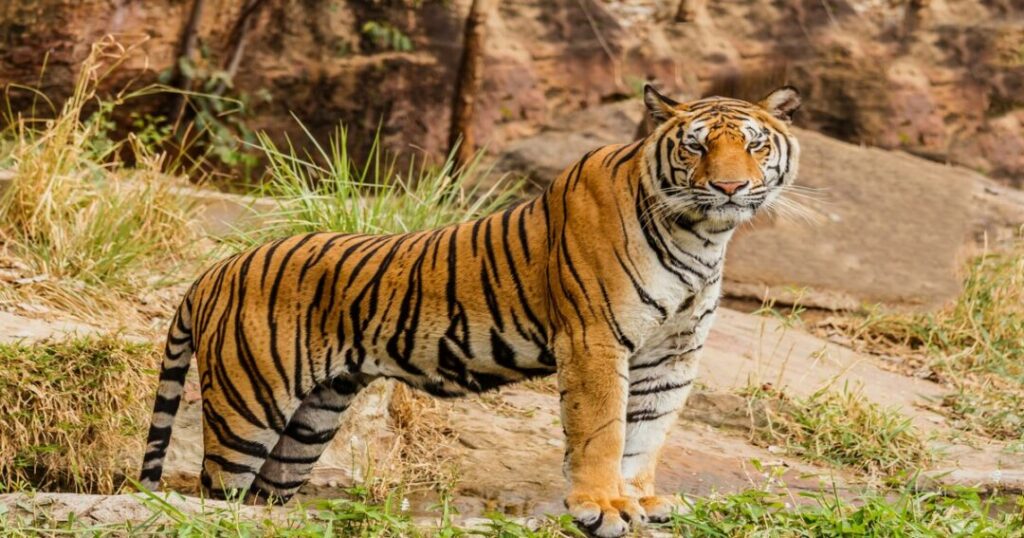
The Bengal Tiger is perhaps the most iconic wildlife species in India. Once facing a severe population decline due to hunting and habitat destruction, the tiger has become one of the country’s biggest conservation success stories.
India now hosts the majority of the world’s wild tiger population, thanks to decades of protection and habitat restoration efforts.
Best Places to See Bengal Tigers
- Ranthambore National Park
- Bandhavgarh National Park
- Jim Corbett National Park
- Kanha National Park
2. Asiatic Lion
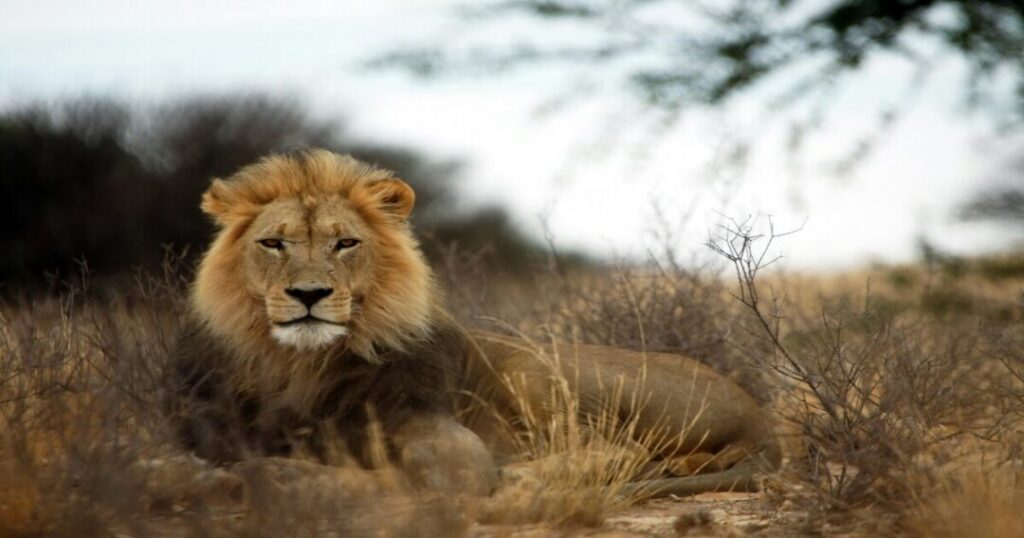
The Asiatic Lion is one of the rarest big cats in the world. Unlike its African relatives, this species survives only in India.
Conservation efforts have helped the population recover significantly, making it one of the world’s most inspiring wildlife recovery stories.
Best Place to See Asiatic Lions
- Gir National Park
3. Indian Elephant
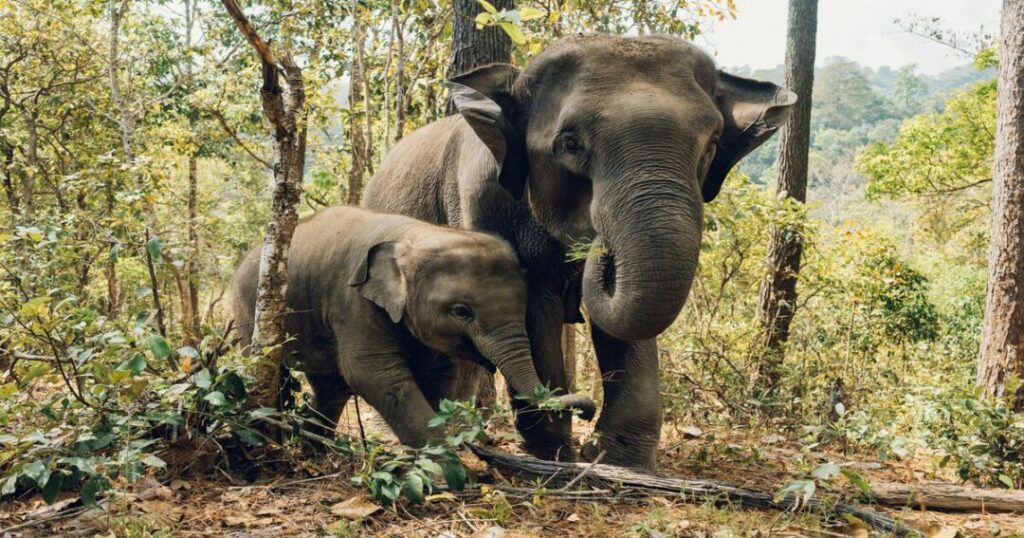
The Indian Elephant is classified as an endangered species due to habitat fragmentation and increasing human-animal conflict.
Known for their intelligence and strong social bonds, elephants play a vital role in maintaining healthy forest ecosystems.
Best Places to See Indian Elephants
- Periyar National Park
- Kaziranga National Park
- Nagarhole National Park
Also Read: UNESCO’s Newest Geoparks: Remarkable New Sites Added to the Global Network
4. Greater One-Horned Rhinoceros
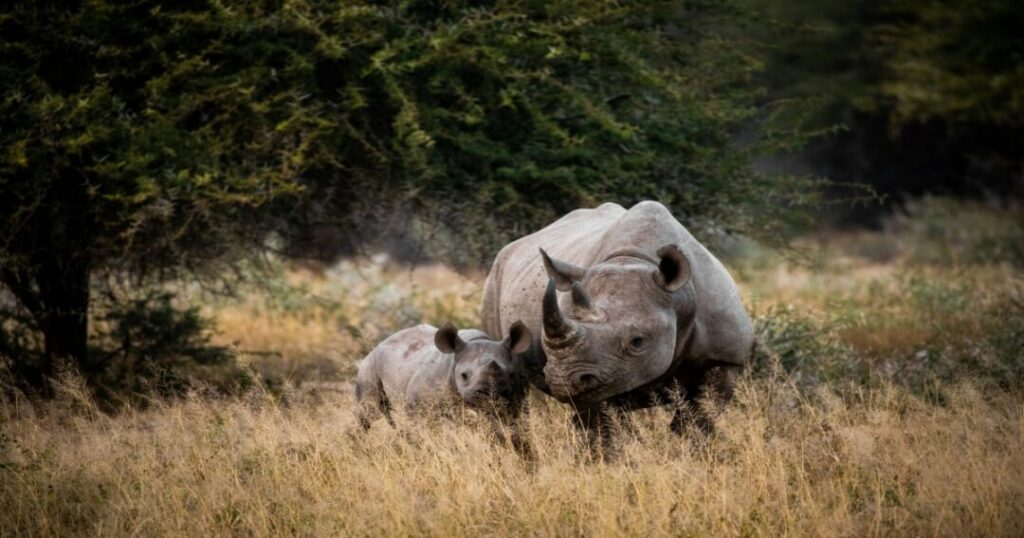
The Greater One-Horned Rhinoceros was once on the brink of extinction. Today, thanks to strict conservation measures, India is home to the largest population of this remarkable species.
These massive herbivores are among the most sought-after wildlife sightings in Northeast India.
Best Places to See One-Horned Rhinos
- Kaziranga National Park
- Orang National Park
- Pobitora Wildlife Sanctuary
5. Snow Leopard
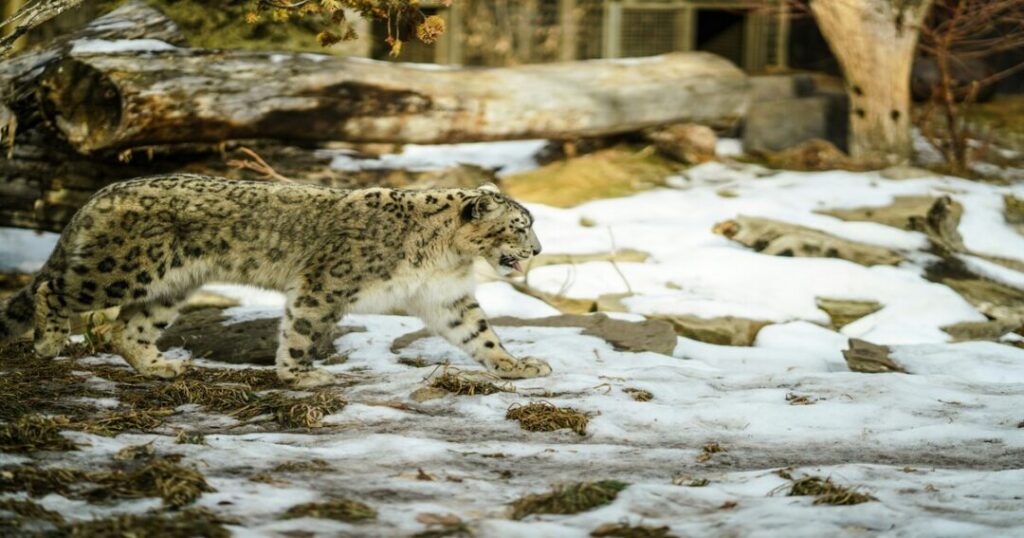
Often called the “Ghost of the Himalayas,” the Snow Leopard is one of the world’s most elusive predators.
Its remote mountain habitat and naturally shy behavior make sightings incredibly special for wildlife enthusiasts and photographers.
Best Places to See Snow Leopards
- Hemis National Park
- Pin Valley National Park
6. Red Panda
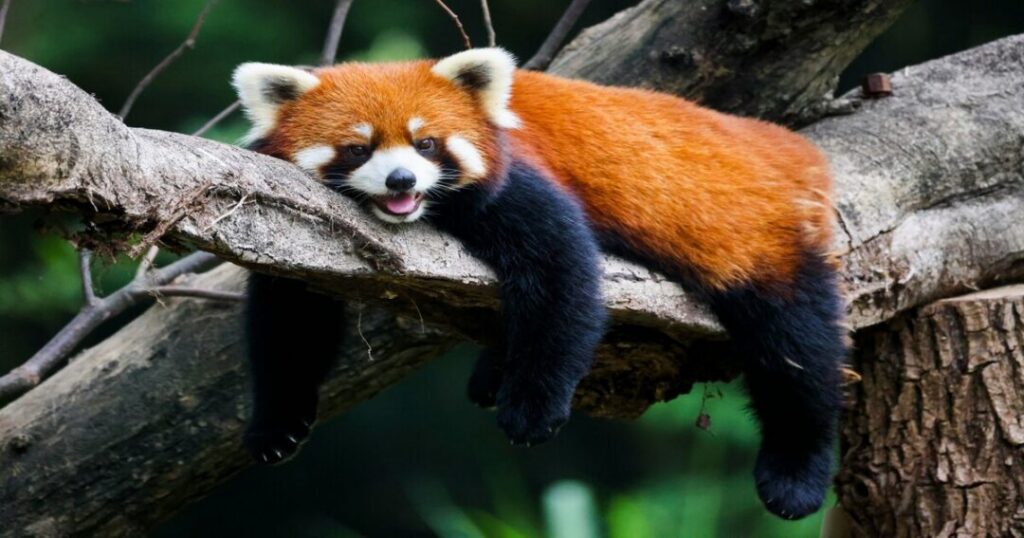
With its reddish fur, bushy tail, and playful appearance, the Red Panda is one of the most charming endangered animals found in India.
The species inhabits the temperate forests of the Eastern Himalayas and faces threats from habitat degradation and climate change.
Best Places to See Red Pandas
- Khangchendzonga National Park
- Singalila National Park
7. Lion-Tailed Macaque
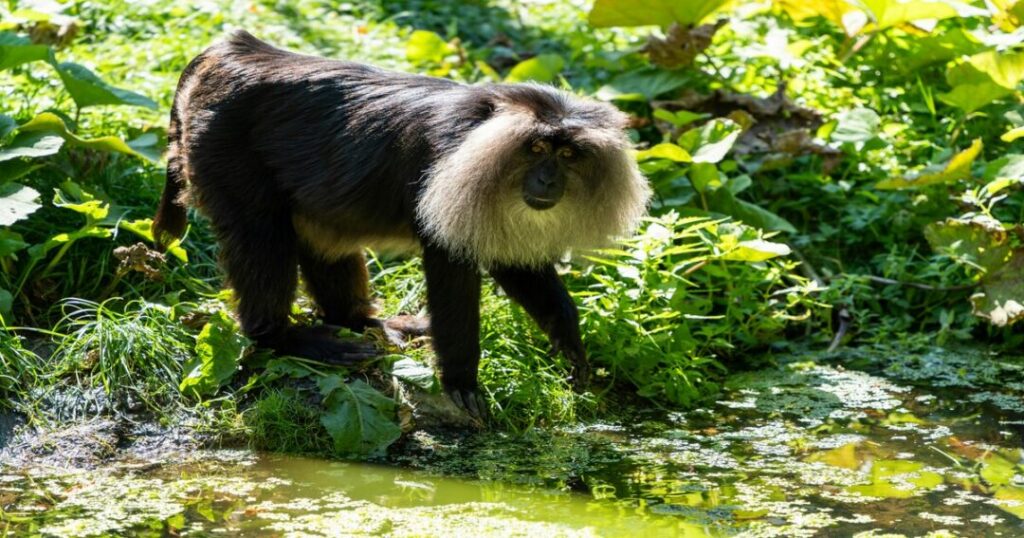
Endemic to the Western Ghats, the Lion-Tailed Macaque is among the most unique primates in the world.
Its limited habitat and declining population have made it one of India’s highly endangered species.
Best Places to See Lion-Tailed Macaques
- Silent Valley National Park
- Anamalai Tiger Reserve
8. Nilgiri Tahr
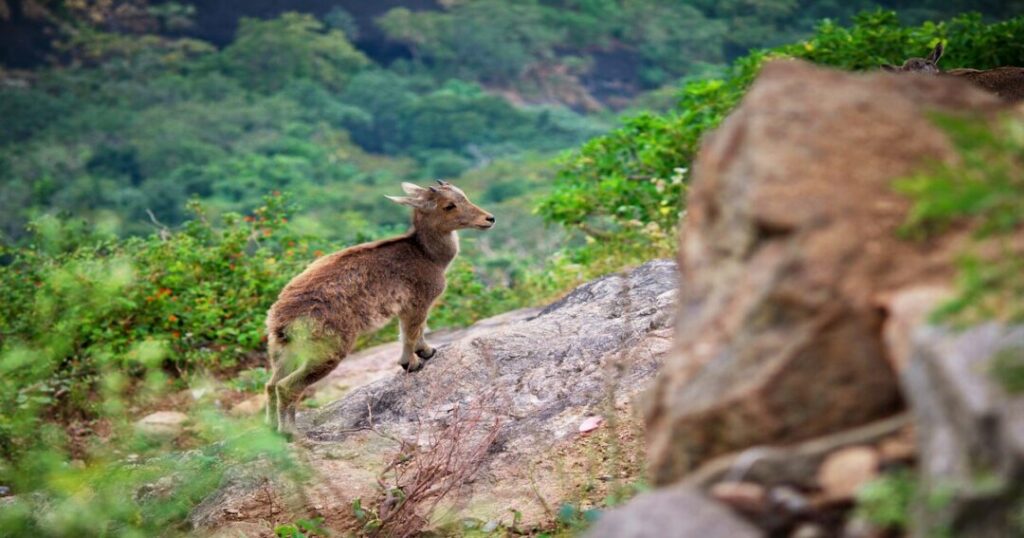
The Nilgiri Tahr is a rare mountain ungulate found only in the Western Ghats.
Adapted to steep cliffs and high-altitude grasslands, it is one of South India’s most distinctive wildlife species.
Best Place to See Nilgiri Tahr
- Eravikulam National Park
9. Hangul (Kashmir Stag)
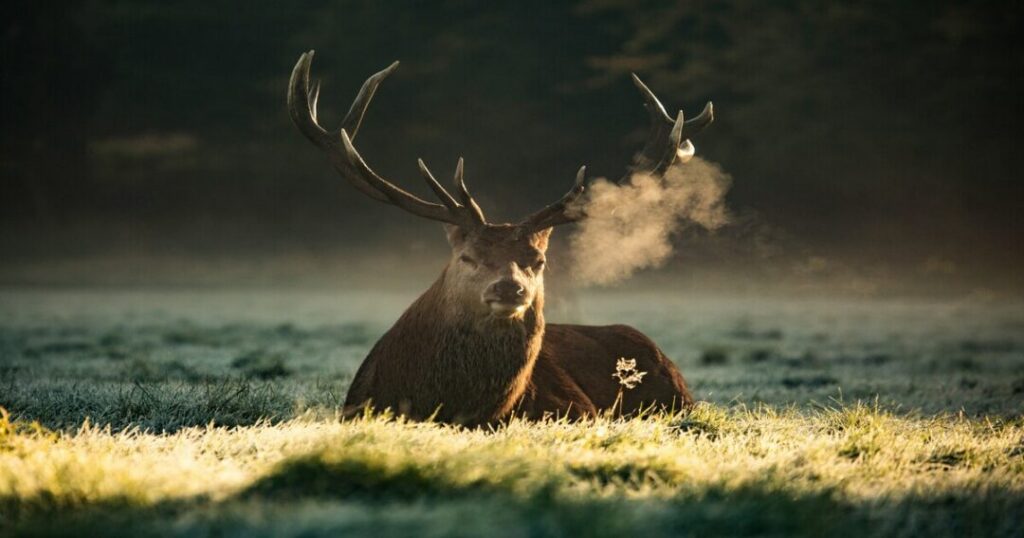
The Hangul is India’s only surviving species of red deer and is found primarily in Kashmir.
Due to habitat loss and population decline, it remains one of the country’s most threatened mammals.
Best Place to See Hangul
- Dachigam National Park
Also Read: Places to Visit in Dehradun: 18 Best Experiences Beyond the Usual Tourist Circuit
10. Ganges River Dolphin
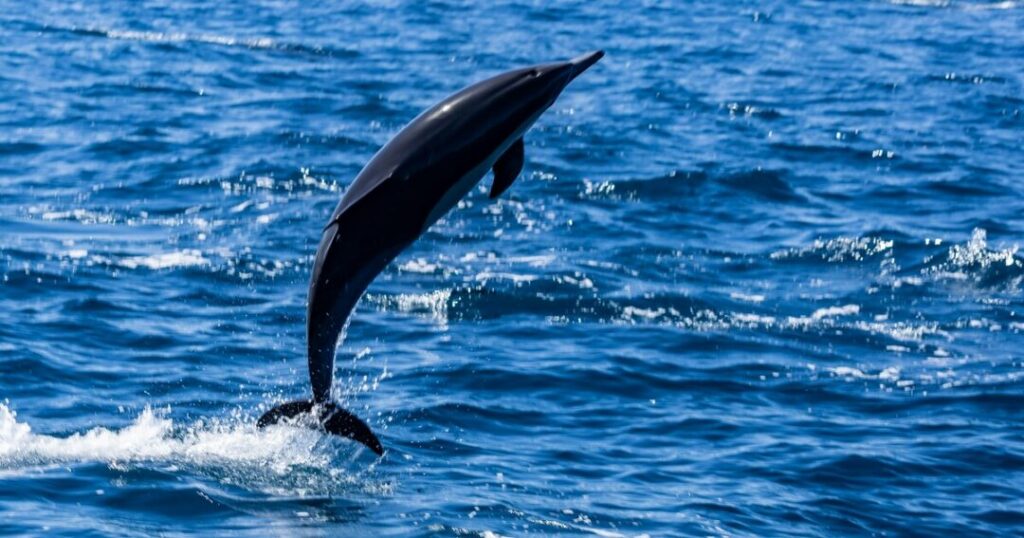
The Ganges River Dolphin is India’s national aquatic animal and one of the most endangered freshwater dolphin species in the world.
Its presence is considered an indicator of a healthy river ecosystem.
Best Place to See Ganges River Dolphins
- Vikramshila Gangetic Dolphin Sanctuary
Critically Endangered Species Worth Knowing
While the animals above can still be seen in select national parks, several other critically endangered species continue to face an uncertain future.
These include:
- Great Indian Bustard
- Gharial
- White-rumped Vulture
- Pygmy Hog
Their survival depends heavily on continued conservation efforts and habitat protection.
Why National Parks Are Essential for Conservation
National parks are more than tourist attractions. They serve as safe havens where endangered species can breed, feed, and thrive without the pressures of urban development and poaching.
India’s wildlife conservation programs have helped several endangered animals recover from dangerously low population numbers. The success stories of tigers, rhinos, and Asiatic lions demonstrate how effective conservation can reverse decades of decline.
Wildlife Travel Tips
To enjoy a responsible wildlife experience:
- Follow all park regulations.
- Keep a respectful distance from animals.
- Avoid loud noises.
- Never feed wildlife.
- Choose certified eco-tourism operators.
- Carry binoculars for better wildlife viewing.
- Respect natural habitats and leave no trace.
Final Thoughts About Endangered Animals
India’s national parks offer some of the most extraordinary wildlife experiences anywhere in the world. Whether it’s tracking a Bengal Tiger through dense forests, spotting a Snow Leopard in the Himalayas, or watching a rhino graze in Assam’s grasslands, these encounters create lasting memories.
More importantly, they remind us of the importance of protecting endangered animals and preserving the ecosystems they call home. Every visit to a national park contributes to conservation efforts and helps ensure that future generations can continue to experience these incredible species in the wild.
FAQs About Endangered Animals
2. What are some endangered animals examples found in India?
Examples include the Bengal Tiger, Asiatic Lion, Indian Elephant, Snow Leopard, Red Panda, and Ganges River Dolphin.
3. Which is the most endangered species in India?
The Great Indian Bustard is considered one of the most critically endangered species in India.
4. Where can tourists see endangered animals in India?
Many endangered species can be spotted in national parks such as Ranthambore, Gir, Kaziranga, Hemis, Periyar, and Bandhavgarh.
5. What are the top 10 endangered animals in India?
The Bengal Tiger, Asiatic Lion, Indian Elephant, One-Horned Rhinoceros, Snow Leopard, Red Panda, Lion-Tailed Macaque, Nilgiri Tahr, Hangul, and Ganges River Dolphin are among the most notable.
6. Are there endangered sea animals in India?
Yes. India is home to endangered sea animals such as Dugongs, Whale Sharks, Olive Ridley Sea Turtles, and Hawksbill Turtles.