
302 Total Views
There are hill stations that everyone knows and hill stations that people discover by accident—or by making a conscious effort to escape the crowds. Things to do in Chakrata go far beyond simply enjoying the cool mountain air. This former British cantonment town, perched at 2,118 meters (6,949 feet) in Uttarakhand’s Dehradun district, lies about 90–98 km from Dehradun and is surrounded by some of the finest deodar, pine, and oak forests in the Western Himalayas. With far fewer visitors than Mussoorie or Nainital, Chakrata offers a peaceful retreat filled with scenic viewpoints, waterfalls, forest trails, and outdoor adventures.
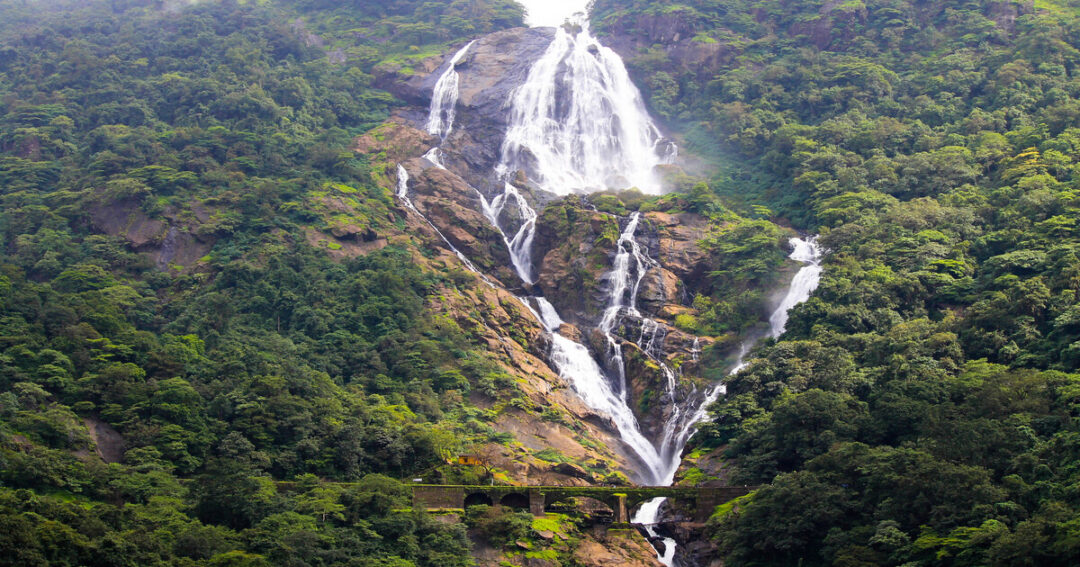
The Chakrata places to visit include some of the finest natural attractions in Uttarakhand—including Tiger Falls, which Wikipedia describes as the highest direct waterfall in India at 312 feet—plus a network of forest trails, Himalayan viewpoints, ancient limestone caves, and the living cultural traditions of the Jaunsari tribal community, who have inhabited these hills for centuries. This guide covers the top things to do and Chakrata sightseeing places for every kind of traveler.
Top 10 Things to Do in Chakrata in 2026
1. Tiger Falls — The Highest Direct Waterfall in India
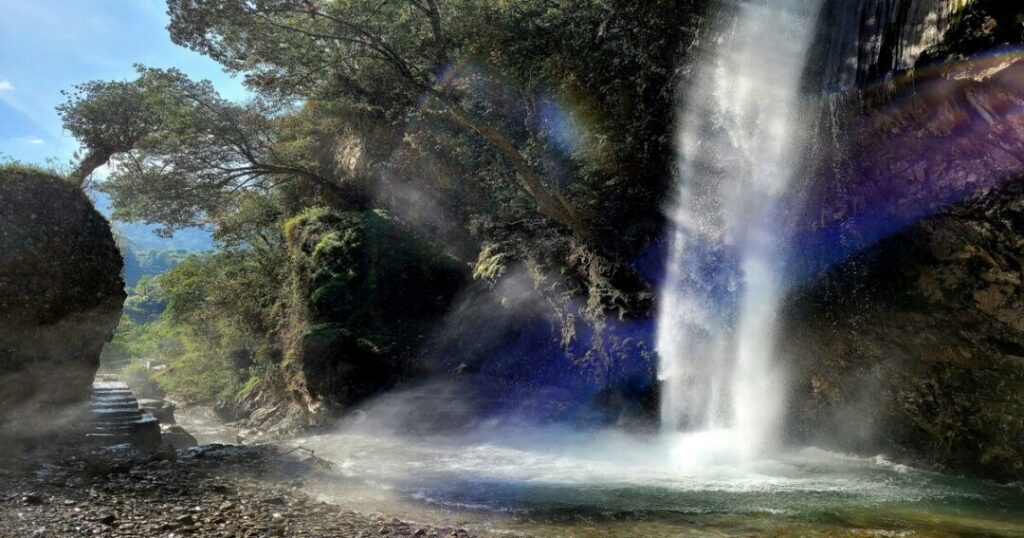
Distance from Chakrata: ~20 km | Trek: ~5 km one way through forest
Tiger Falls is the primary reason most visitors make the journey to Chakrata — and it delivers. At 312 feet (approximately 95 meters), it is considered the highest direct waterfall in India—the water falls in a single unbroken column from a cliff face into a turquoise pool at the base, surrounded by dense rhododendron and oak forest. The name reportedly comes from the roar of the water, which is audible from a considerable distance before the falls come into view.
Getting there is part of the experience: a 5 km trek from the nearest road point through forest trails, passing through small Jaunsari hamlets with traditional terrace farming on the hillsides. The pool at the base is swimmable outside the monsoon season—the water is cold and extraordinarily clear. Tiger Falls is one of the finest places to visit in Chakrata and should not be missed on any visit.
- Best time: April to June; September to November
- Note: Carry spare clothes if planning to enter the pool; the trail is slippery after rain
2. Chilmiri Neck — The Finest Viewpoint in Chakrata
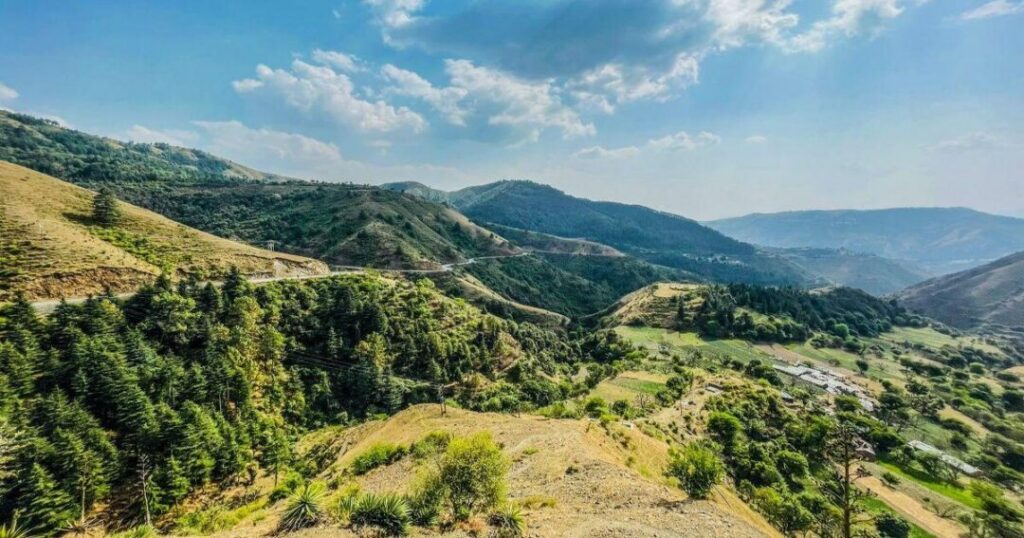
Distance from Chakrata: ~3–5 km (easy drive or walk from town—sources vary)
Chilmiri Neck is the highest point in the Chakrata cantonment area—a viewpoint at over 2,700 meters that provides a 360-degree panorama of the Himalayan ranges, including Swargarohini, Bandarpunch, and, on clear days, the peaks of the Gangotri range. Approximately 3–5 km from the main Chakrata market, it is accessible by vehicle or on foot and is the standard sunrise and sunset destination for visitors.
The best time to be at Chilmiri Neck is in the early morning—when the mist sits in the valley below and the snow-covered peaks appear sharp against the sky—or at sunset when the light catches the Himalayan ridge line. In winter, the viewpoint is snow-covered, and the panorama takes on a different, more dramatic character.
Related Reads: Delhi Weekend Getaway: 10 Quiet Places Near Delhi for Short and Long Breaks
3. Deoban — God’s Own Forest
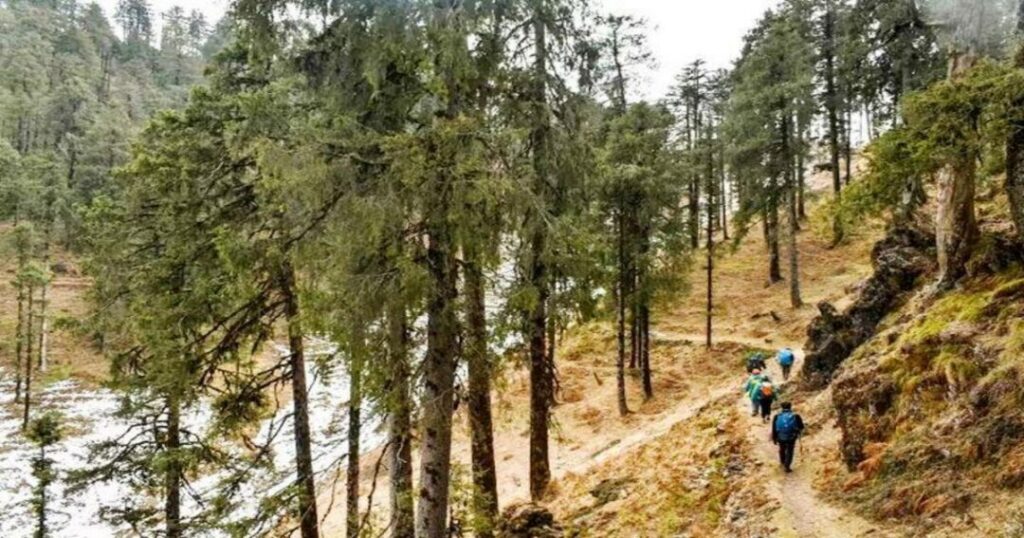
Distance from Chakrata: ~13 km | Altitude: ~2,200 m
Deoban, literally “God’s own forest” (Deo = God, Ban = forest), is a dense deodar forest area approximately 13 km from Chakrata that offers panoramic Himalayan views, including Nanda Devi, Swargarohini, and Bandarpunch. The forest is one of the finest birding destinations in the Chakrata region—the Himalayan Monal (state bird of Uttarakhand), Khalij pheasant, and numerous Himalayan species have been recorded here.
Deoban is also one of the finest Chakrata places to visit for photographers—the combination of old-growth deodar forest, mountain panorama, and the specific quality of light in the Western Himalayan foothills is extraordinary in the early morning. The forest is accessible by road from Chakrata and requires no trekking for the main viewpoint, though trails through the forest extend significantly.
4. Budher Caves (Miola Caves) — Chakrata’s Underground Wonder
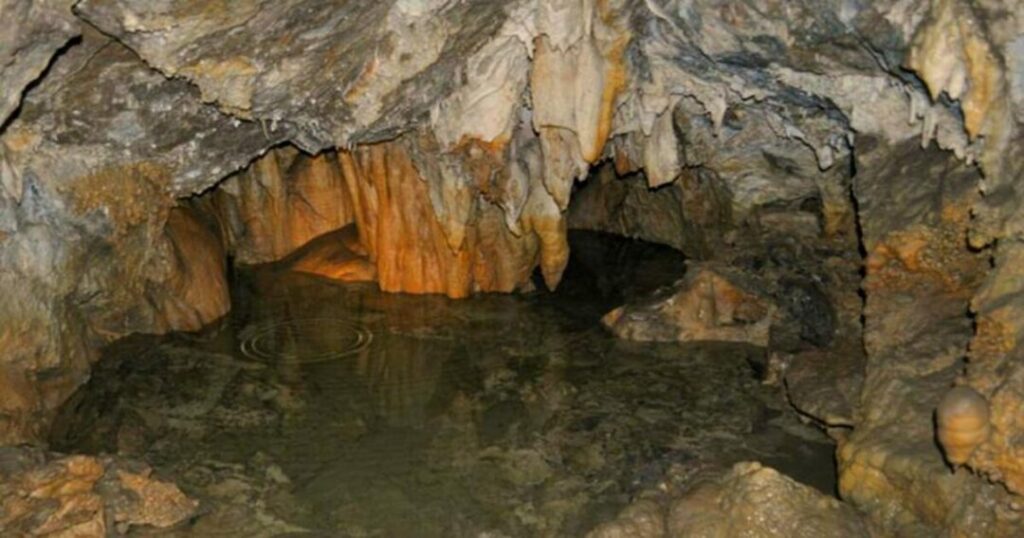
Distance from Chakrata: ~30 km | Trek: 2–3 km approach
Budher Caves, also known as Miola Caves, named after the German traveler who explored them in the 19th century, are ancient limestone cave formations in the Chakrata forest reserve, approached through a trek through pine and meadow landscapes. The caves extend into the hillside and can be explored to a depth of 3–4 meters; the larger passages open into chambers with stalactite and stalagmite formations.
The trek to Budher Caves passes through the Moila Bugyal (meadow)—a high-altitude grassland covered in snow in January–February and green in summer, with excellent Himalayan views and an ancient Shiva temple at its peak. The caves and the meadow are best combined in a single day trip. Local legend holds that the Pandavas of the Mahabharata created these caves during their exile.
5. Kanasar — The Deodar Cathedral
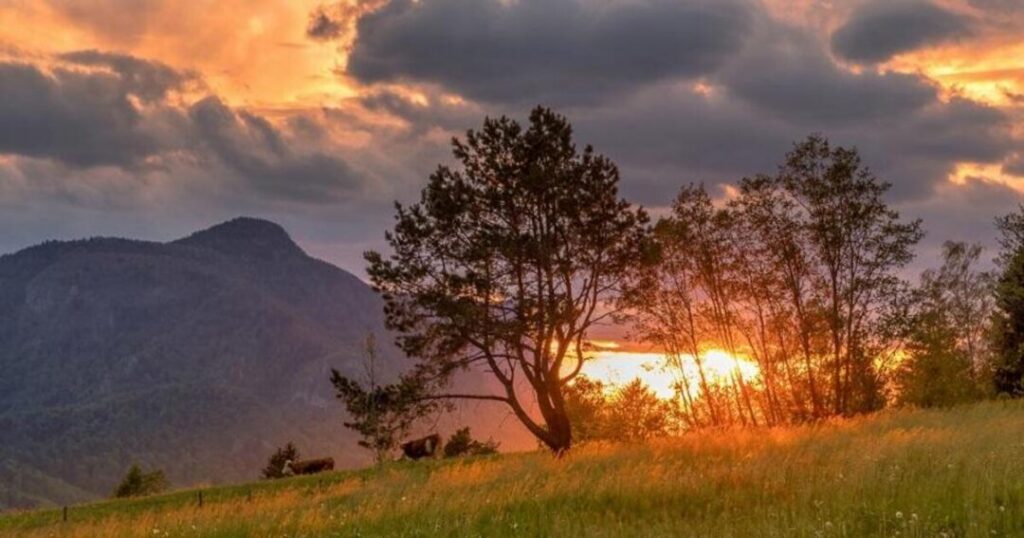
Distance from Chakrata: ~26 km
Kanasar is a small settlement in the Chakrata forest division surrounded by one of the finest stands of old-growth deodar cedar in the Western Himalayas—trees that are centuries old, their trunks massive, their canopy so dense that midday sunlight barely reaches the forest floor. The forest department maintains a rest house here, and the area is one of the finest camping destinations in the Chakrata region.
Kanasar is also used as a base for deeper forest treks and is one of the finest bird habitats in the area. The specific quality of deodar forest at this scale—genuinely old, genuinely quiet, genuinely undisturbed—is one of the best places to visit in Chakrata for anyone who has come to Chakrata for the forest rather than the viewpoints.
6. Mundali — Snow Sports & Winter Trekking
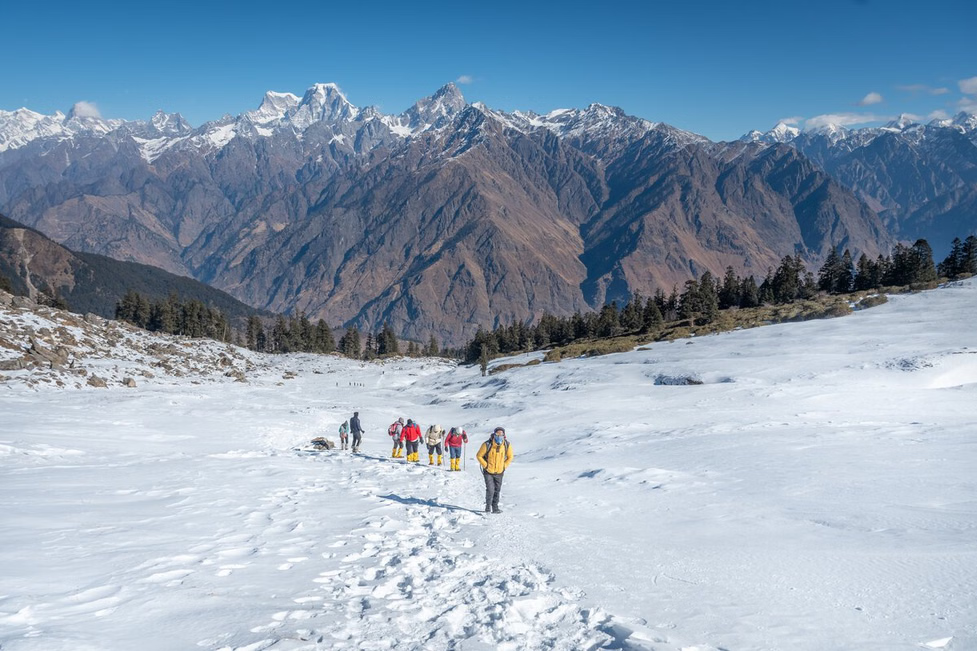
Distance from Chakrata: ~36 km | Altitude: ~2,776 m
Mundali, a high-altitude meadow at 2,776 meters (9,000 ft), is the premier Chakrata thing to do destination in winter, when the meadow receives significant snowfall and is used for skiing, snowboarding, and snow trekking. The Garhwal Mandal Vikas Nigam (GMVN) has developed basic skiing infrastructure here; the meadow also offers outstanding Himalayan views in any season.
In summer, Mundali is a rolling green grassland—the skiing slopes become trekking trails, and the valley views remain. The drive from Chakrata to Mundali through the deodar forest is one of the finest in the region.
7. Kimona Falls — The Easy Waterfall
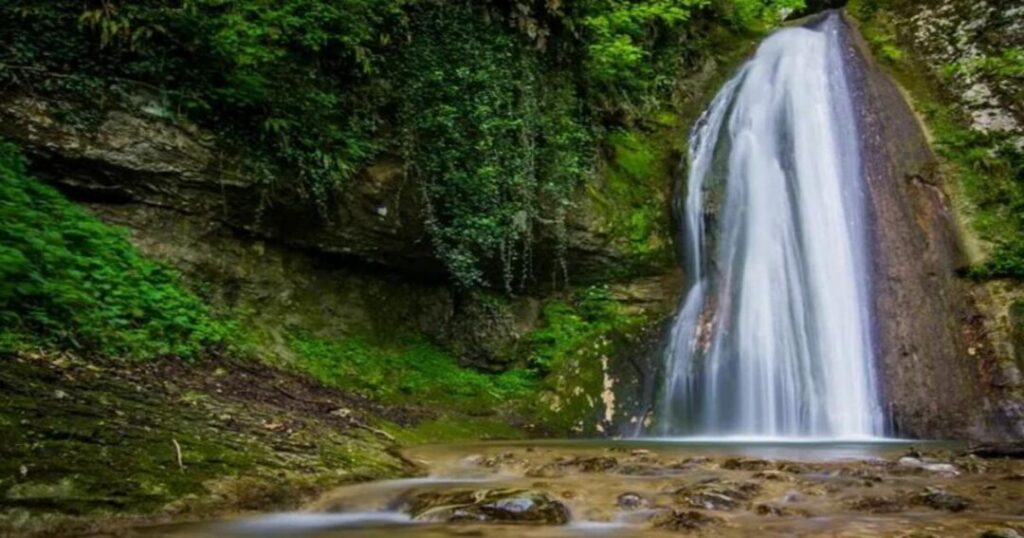
Distance from Chakrata: ~2 km (short walk from town)
Kimona Falls, a smaller waterfall approximately 2 km from Chakrata town, is the most accessible waterfall near Chakrata, requiring only a short walk rather than a multi-hour trek. It does not have Tiger Falls’ drama or scale but makes up for it with accessibility and the serene forest pool at its base. A good option for those who want a waterfall experience without the full Tiger Falls commitment.
Related Reads: Top 10 Best Offbeat Places in Uttarakhand for a Seasoned Traveler
8. Ram Tal Garden — The Town’s Green Heart
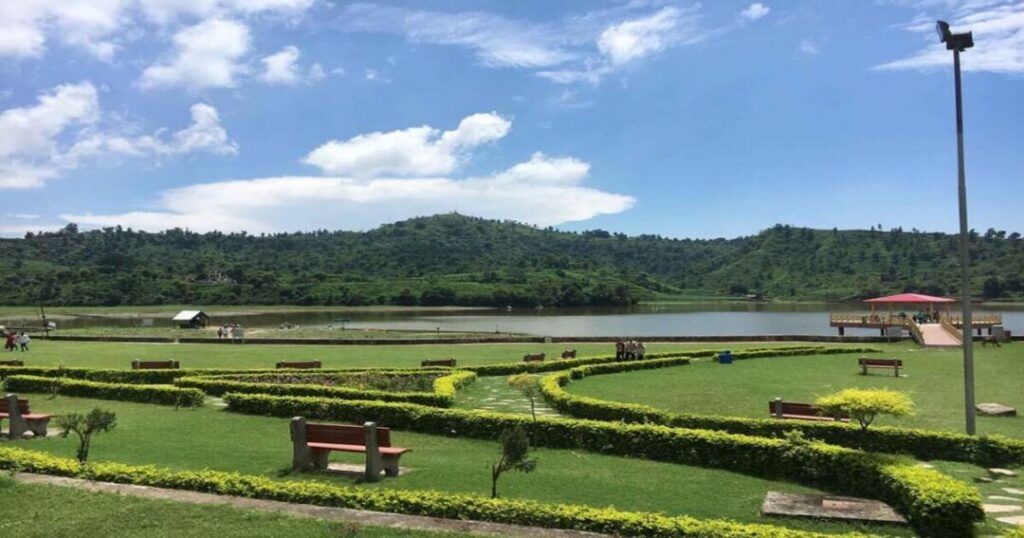
Location: Chakrata town centre
Ram Tal Garden, a garden and pond in the heart of Chakrata town, is the most tranquil of all Chakrata sightseeing options within the town itself. The pond, the surrounding green, and the mountain backdrop make it one of the finest sitting spots in Chakrata for anyone who wants to simply be in the hills without hiking anywhere.
9. Lakhamandal Temple — Ancient Shiva Shrine
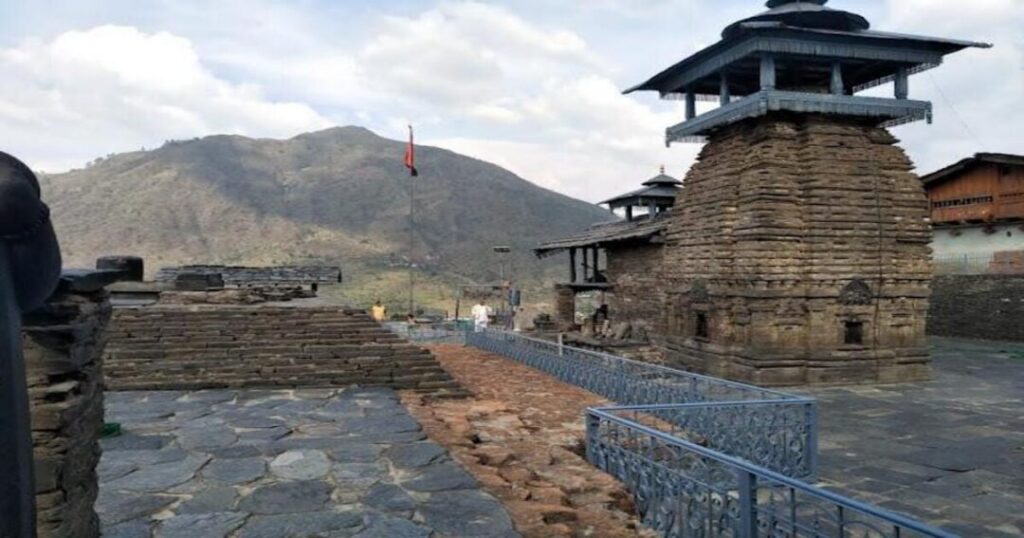
Distance from Chakrata: ~70–100 km toward Barkot (GMVN official: 100 km; most travel accounts: 70 km—distance varies by route)
Lakhamandal is an ancient Hindu temple complex dedicated to Lord Shiva, located approximately 70–100 km from Chakrata on the way to Barkot (GMVN official: 100 km; most traveler accounts: ~70 km—distance varies by route). The temple complex contains numerous ancient Shivalingas, sculptures, and artifacts and is deeply connected to the Mahabharata—according to local tradition, the Kauravas built a house of lac (laksha) here to trap the Pandavas. One of the most historically significant places to see in the Chakrata district for those interested in ancient temple architecture and Mahabharata geography.
10. Chakrata Cantonment & Old Town — Colonial Heritage Walk
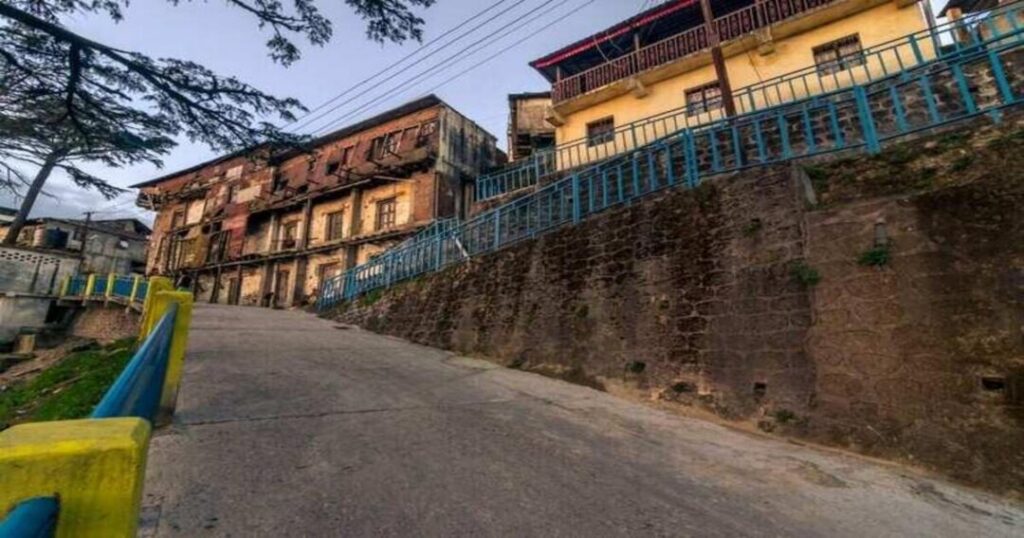
Location: Chakrata town
Chakrata was established in 1866 by the British Indian Army as a military cantonment—its strategic position overlooking the Yamuna and Tons river valleys made it a prime vantage point. Unlike most hill stations, Chakrata was never heavily commercialized during the colonial era; it retained its military character. The result is a town that still has colonial-era wooden buildings, stone structures, and the quietness of a garrison town that never became a tourist town.
Walking the main market—noticing the old wooden shop fronts, the army presence, and the specific character of a cantonment hill station—is one of the most distinctive things to do in Chakrata for anyone interested in the intersection of colonial and contemporary Indian hill life.
Related Reads: Places to Visit in Uttarakhand: 12 Stunning Destinations for Every Traveller
Jaunsari Tribal Culture — Chakrata’s Living Heritage
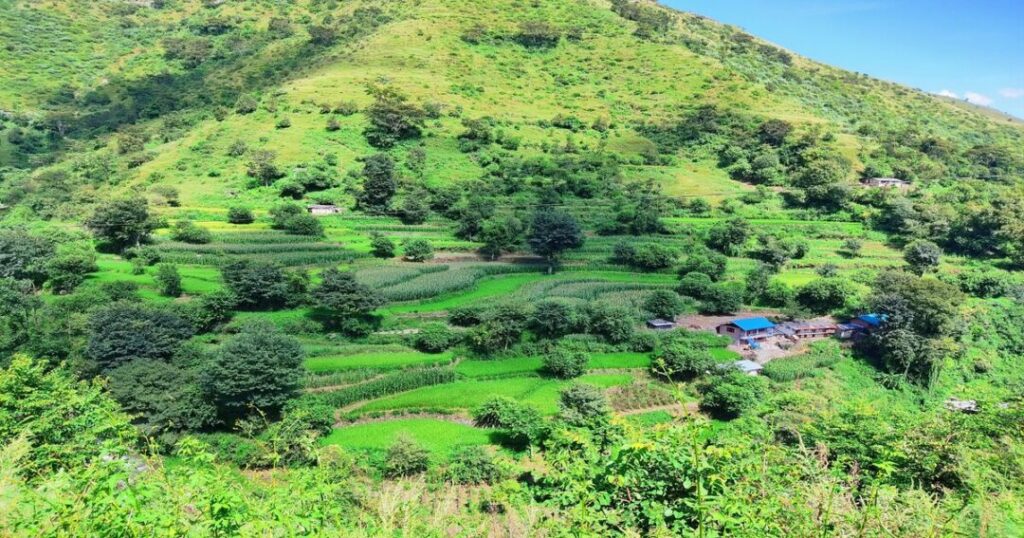
The hills around Chakrata are the ancestral homeland of the Jaunsari people, a tribal community whose culture, language, dress, and traditions represent one of the most distinctive cultural identities in the Western Himalayas. The Jaunsaris inhabit the Jaunsar-Bawar region (a subdivision of the Dehradun district) and maintain living traditions, including:
- Polyandry: The Jaunsari community traditionally practiced fraternal polyandry (a woman marrying brothers from the same family)—a practice connected in local tradition to the Pandava brothers of the Mahabharata, who are considered ancestors of the Jaunsari people
- Traditional dress: Women wear distinctive ghagra skirts, silver jewellery, and headdresses; the traditional dress is worn at festivals and in daily life in the older villages
- Pahari music and dance: The Holi and Bissu festivals of the Jaunsari calendar involve distinctive music and dance traditions specific to this community
- Terrace farming: The hillside terraces visible on the approach to Tiger Falls and throughout the Jaunsar valley represent a specific agricultural tradition adapted to the steep Himalayan terrain
Visitors to Chakrata who take the Tiger Falls trek pass through Jaunsari villages—these interactions are among the most distinctive Chakrata visiting place experiences available.
Permits & Access — What to Know Before You Go
Chakrata is a cantonment area—entry requires a permit for the inner cantonment zone. Indian nationals can obtain day permits at the cantonment entry checkpost; no advance booking is typically required for Indian citizens on standard visits. The permit process is straightforward.
Foreign nationals: Chakrata has restricted access for foreign nationals due to its proximity to sensitive military establishments. Foreign visitors should verify current permit requirements with the district administration or Uttarakhand tourism authority before planning a visit.
Inner Line Permit: Certain areas beyond Chakrata toward the border regions require additional permits — verify with local authorities.
Things to Do in Chakrata: Best Time to Visit
| Season | Conditions | Best For |
| March to June | Pleasant (15–25°C); forest green; Tiger Falls full; rhododendron bloom in April | ✅ Best overall for sightseeing and trekking |
| July to September | Monsoon, lush green, roads can be affected by landslides, and Tiger Falls most dramatic | ⚠️ Beautiful, but check road conditions before traveling. |
| October to November | Post-monsoon clarity; excellent Himalayan views; comfortable temperatures | ✅ Best for panoramic views |
| December to February | Snow at Mundali and Chilmiri, temperatures sub-zero temperatures, magical winter landscape | ✅ Best for snow — arrive well-prepared |
How to Reach Chakrata
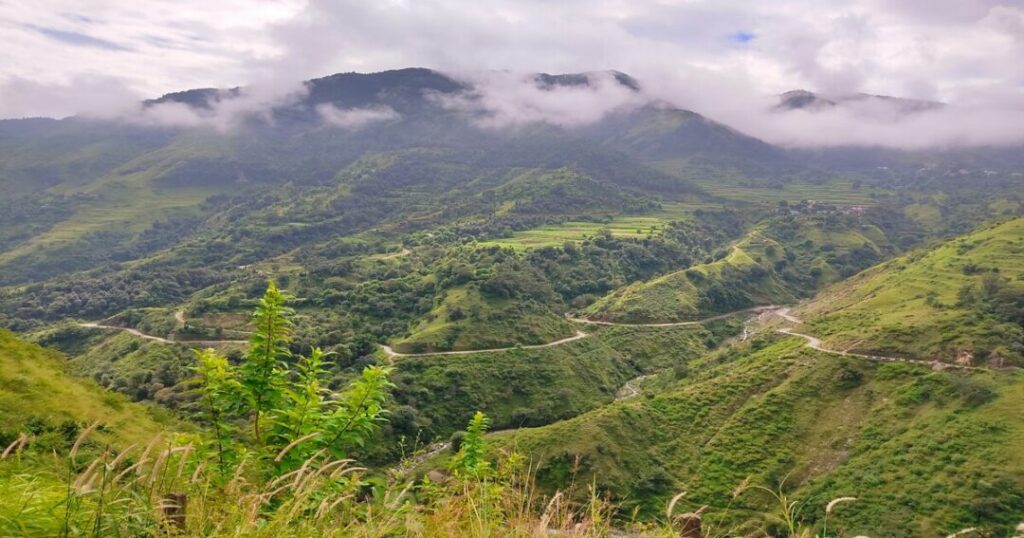
- From Dehradun (~90–98 km | 3–3.5 hours): The standard approach is the road via Vikasnagar (fully paved; the final 45 km is a mountain road). Last fuel pump at Vikasnagar — fill up before the final ascent. The last reliable ATM is also at Vikasnagar.
- From Delhi (~350 km | 7–8 hours): Via NH58 toward Dehradun, then Vikasnagar
- By train: Nearest railway station is Dehradun (~90 km); shared taxis and private vehicles connect to Chakrata
- By air: Jolly Grant Airport, Dehradun (~114 km from Chakrata)
- Own vehicle strongly recommended: Public transport to Chakrata exists (buses from Dehradun via Vikasnagar), but local transport within Chakrata is extremely limited—no on-call taxis, no autorickshaws, no bike rentals available in town
Conclusion About Things to Do in Chakrata
Chakrata is the Uttarakhand hill station that rewards the traveler who seeks it out rather than stumbling onto it. The Tiger Falls trek. The morning panorama from Chilmiri Neck. The old deodar forest at Kanasar. The Jaunsari villages on the approach trails. The specific quietness of a hill station that never became a tourist town. These are the things to do in Chakrata that make it worth the 90 km journey from Dehradun.
Quick guide to Chakrata sightseeing places:
- Tiger Falls — 312 ft; highest direct waterfall in India; 20 km; 5 km trek
- Chilmiri Neck — 3 km; 2,700+ m; 360° Himalayan panorama; sunrise/sunset
- Deoban — 13 km; God’s own forest; Nanda Devi views; Himalayan Monal
- Budher Caves / Moila Bugyal — 30 km; limestone caves; high-altitude meadow
- Kanasar — 26 km; ancient deodar forest; camping base
- Mundali — 36 km; 2,776 m; skiing in winter; meadow views
- Kimona Falls — 2 km; easy walk; forest pool
- Ram Tal Garden—town centre; peaceful pond and green
- Lakhamandal Temple — ~70–100 km; ancient Shiva complex; Mahabharata connection
- Chakrata Cantonment — 1866 British establishment; colonial wooden buildings
Bonus: Moila Top/Moila Bugyal, Tons River Valley Views, Ramsisgarh Viewpoint
Download Nivu AI: A Complete Guide to the Explurger App to explore trusted travel recommendations, discover the best places to stay in Chakrata, and easily plan your itinerary. From hidden waterfall trails and lush deodar forests to breathtaking Himalayan viewpoints, the app helps you make the most of every trip.
The Tiger Falls are already roaring in the forest. The deodar trees at Kanasar are already old. Chakrata has been waiting quietly all along.
FAQs About Things to Do in Chakrata
2. What is Tiger Falls Chakrata?
Tiger Falls near Chakrata is considered the highest direct waterfall in India—a single-column drop of 312 feet (approximately 95 meters) into a turquoise pool, surrounded by rhododendron and oak forest. It is located approximately 20 km from Chakrata and 98 km from Dehradun, accessible by a 5 km trek through forest from the nearest road point. The pool at the base is swimmable outside monsoon season. Tiger Falls is the most famous of all Chakrata sightseeing places and the primary reason most visitors make the journey to this otherwise quiet hill station.
3. How to reach Chakrata from Dehradun?
Chakrata is approximately 90–98 km from Dehradun—about 3–3.5 hours by road via Vikasnagar. The road is fully paved; the final 45 km from Vikasnagar is a mountain road ascending to 2,118 m. Fill up fuel at Vikasnagar (the last reliable petrol pump before Chakrata) and withdraw cash (the last reliable ATM is also at Vikasnagar—Chakrata has only one or two ATMs that are unreliable). The nearest railway station is Dehradun; the nearest airport is Jolly Grant Airport Dehradun (~114 km). An own vehicle is strongly recommended—local transport within Chakrata is very limited.
4. Do you need a permit to visit Chakrata?
Yes, Chakrata is a cantonment area and requires a permit for the inner cantonment zone. Indian nationals can obtain day permits at the cantonment entry checkpost; no advance booking is typically required. Foreign nationals have restricted access due to Chakrata's proximity to sensitive military establishments—foreign visitors should verify current requirements with the district administration before planning a visit. Certain areas beyond Chakrata, toward border regions, require additional Inner Line Permits.
5. What is Chakrata famous for?
Chakrata is famous for: 1. Tiger Falls—considered the highest direct waterfall in India (312 ft), 2. Its position as one of Uttarakhand's least commercialised hill stations—an offbeat alternative to Mussoorie and Nainital, 3. Dense deodar, oak, and pine forests (Deoban, Kanasar), 4. Himalayan panoramas from Chilmiri Neck (Swargarohini, Bandarpunch, Nanda Devi visible), 5. Jaunsari tribal culture—the ancestral homeland of the Jaunsari people with distinctive traditions, music, and dress. 6. Winter snow at Mundali (~36 km); 7. Its character as a 19th-century British cantonment (established 1866) that was never heavily commercialized.