
417 Total Views
Cherrapunji — officially renamed Sohra but known worldwide by its colonial name — is the kind of place that earns its reputation immediately. The moment you arrive on the plateau and look out over the edge into the Bangladesh plains 1,500 meters below, with clouds moving through the valley at eye level and waterfalls visible in every direction, you understand why this place was once recorded as the wettest on Earth. The highest recorded rainfall in a 12-month period anywhere on Earth — 26,461 mm between August 1860 and July 1861 — was recorded here. Cherrapunji holds both the all-time annual and monthly rainfall records; nearby Mawsynram (16 km away) currently holds the title of the world’s wettest place by average annual rainfall. On some monsoon days, it rains continuously for 24 hours. The moisture has shaped everything: the landscape, the waterfalls, the caves, and most extraordinarily, the living bridges—structures of trained tree roots that the Khasi people have been growing for generations.
Located approximately 54 km from Shillong and about 166 km from Guwahati, Cherrapunji is one of the most visited natural destinations in Northeast India. The things to do in Cherrapunji span some of the finest waterfalls on the subcontinent, some of its most extraordinary caves, and a trekking experience—the Nongriat living root bridge—that is genuinely unlike anything else in India.
Top 10 Things to Do in Cherrapunji in 2026
1. Nohkalikai Falls — India’s Tallest Plunge Waterfall
Nohkalikai Falls is the most spectacular of all places to visit in Cherrapunji — and one of the most dramatic waterfalls in the world. At 340 meters (1,115 feet), it is the tallest plunge waterfall in India: the water falls in a single unbroken column from the edge of the Cherrapunji plateau into a pool at the base that changes color with the season—turquoise blue in winter, an unusual emerald green in summer.
The name means “Leap of Ka Likai” in Khasi—a reference to the tragic legend of Likai, a woman who discovered her second husband had murdered her infant daughter and leapt from this cliff in grief and madness. The falls are named as a permanent reminder of that story. The plunge pool at the base is surrounded by red-orange sandstone and green forest; mist rises from it constantly during high-flow season.
Viewing options: The primary viewpoint is at the cliff edge — a short walk from the car park — looking down at the full 340 m drop. A steep staircase descends toward the base (opened 2005) but does not reach all the way down. The full approach to the base requires a separate multi-hour trek.
- Best time: June to September (monsoon) for maximum flow and drama; October to November for flow with better visibility
- Distance from Cherrapunji town: ~5–7 km
2. Double Decker Living Root Bridge — Nongriat
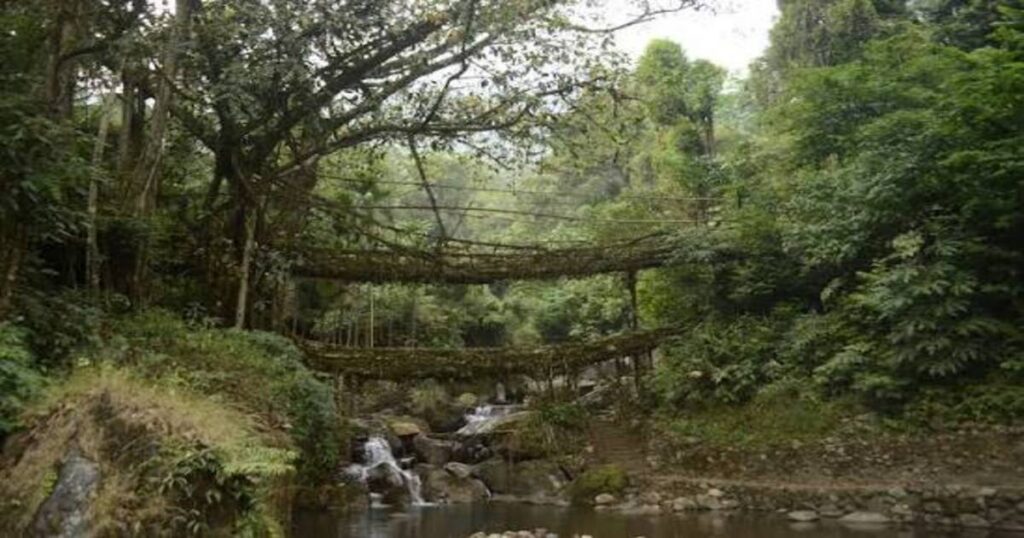
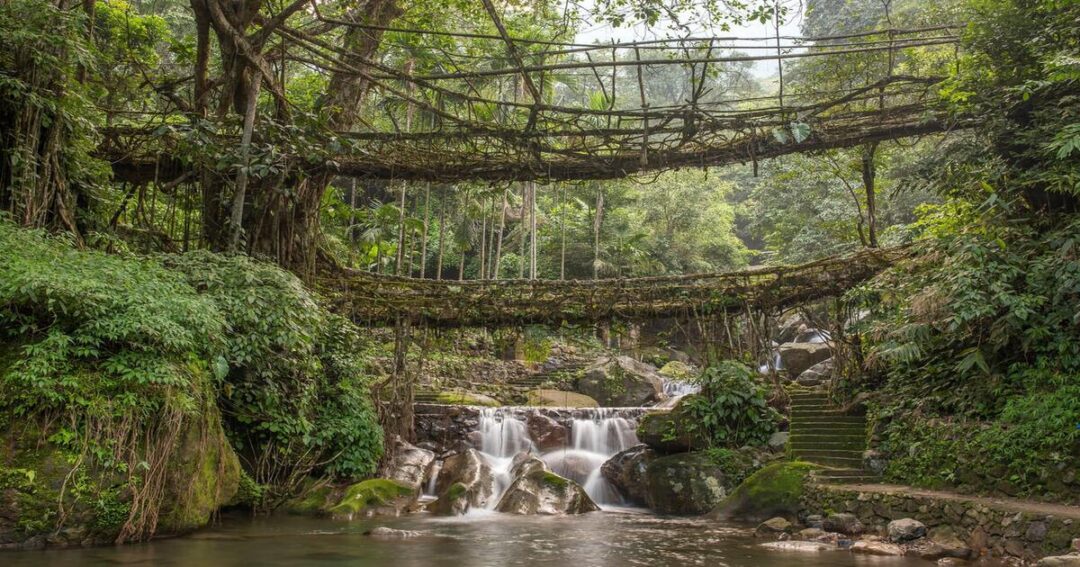
The Double Decker Living Root Bridge near Nongriat Village is the most extraordinary thing to do in Cherrapunji—and one of the most extraordinary things to do anywhere in India. The Khasi people of the East Khasi Hills have been training the aerial roots of rubber fig trees (Ficus elastica) across streams and gorges for generations, creating bridges that are alive, self-repairing, and that grow stronger over time rather than weaker. The double-decker version near Nongriat is the most famous — two bridges stacked vertically, each grown entirely from tree roots, each capable of bearing the weight of 50 or more people.
The trek: The living root bridges are located in Nongriat village, reached by a descent of approximately 3,500 steps from Tyrna village (the road head, ~4–5 km from Cherrapunji). The descent takes approximately 45 minutes to 1 hour; the ascent on the return takes 1.5–2 hours. The total round trip is approximately 4–5 hours. The trail passes through dense subtropical forest with multiple stream crossings via smaller root bridges en route.
What makes it unmissable: The bridge is genuinely alive—the roots are still growing, still thickening, still extending. The surrounding forest (thick, dripping, green) and the stream below the bridge create one of the most atmospheric natural settings in Meghalaya.
- Difficulty: Moderate—3,500 steps each way; significant return climb; avoid in heavy rain
- Overnight option: Basic homestays in Nongriat village allow an early morning visit before the day-trip crowds arrive
Explore More of India: Discover the Best Places to Visit in India this Monsoon Season in July
3. Mawsmai Cave — Cherrapunji’s Most Accessible Cave
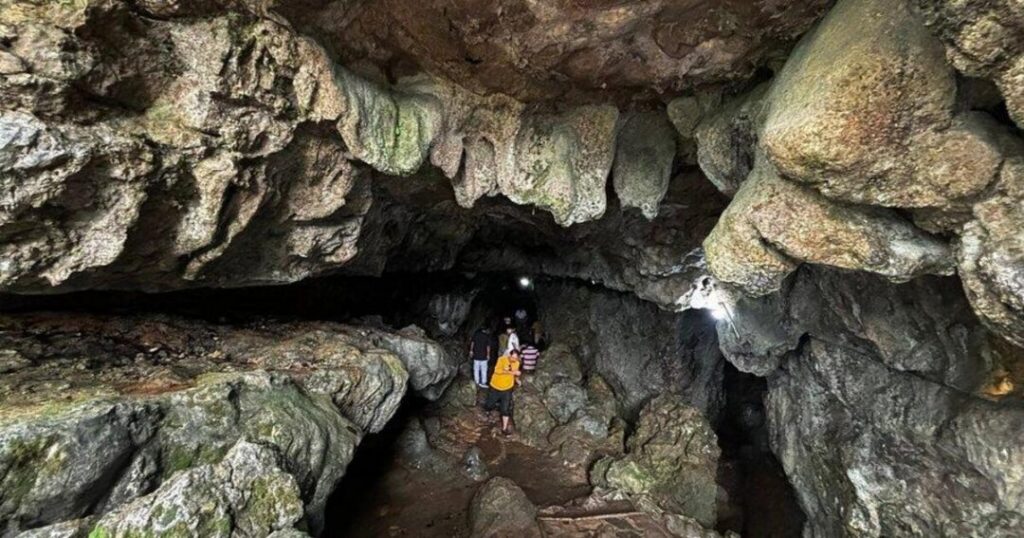
Mawsmai Cave is the most visited and most accessible cave in Cherrapunji—a 150-meter-long illuminated limestone cave with stalactites, stalagmites, and narrow passages that require some crouching. Unlike Arwah Cave (which is darker and longer), Mawsmai is fully lit, has a clearly marked path, and is suitable for visitors of all fitness levels, including children.
The cave’s interior is a geological record of the same extraordinary rainfall that defines Cherrapunji—the limestone formations are the product of millions of years of water chemistry, the same water that now forms Nohkalikai and the Seven Sisters. Some passages are very narrow—a squeeze for larger visitors—but the cave is short enough (exit is approximately 15–20 minutes from entry) to be completed without difficulty.
- Distance from Cherrapunji: ~6 km toward Shillong
- Duration: 20–30 minutes
4. Seven Sisters Falls (Nohsngithiang Falls) — The Monsoon Spectacle
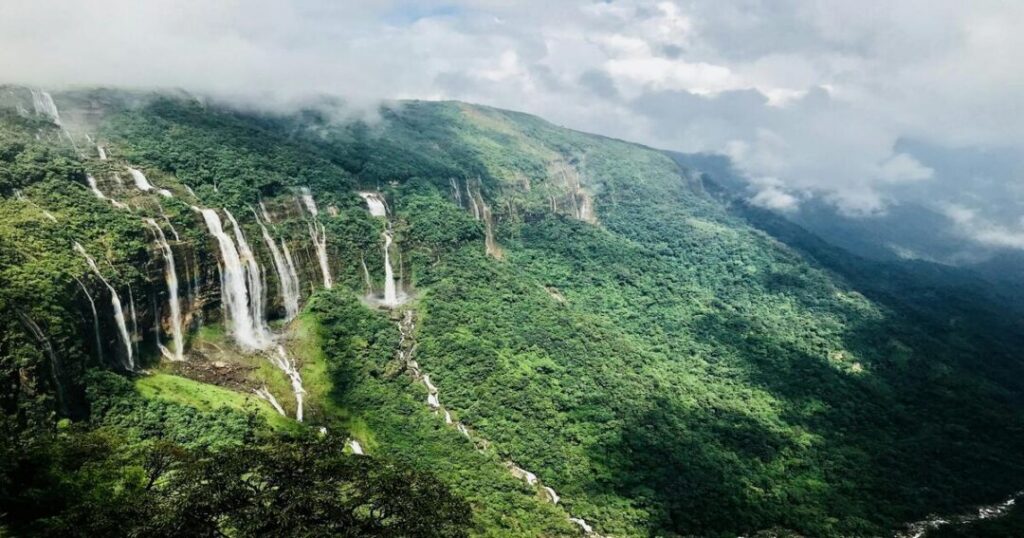
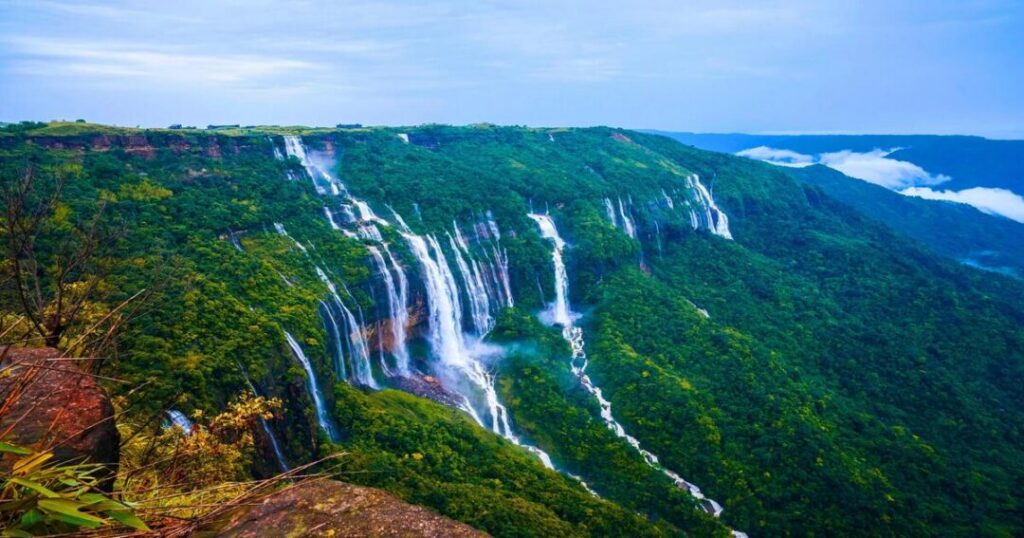
Seven Sisters Falls—also called Nohsngithiang Falls—is a spectacular multi-tiered waterfall approximately 315 meters high, consisting of seven separate streams that fall parallel to each other from the edge of the Cherrapunji plateau. The name “Seven Sisters” refers both to the seven streams and to the seven sister states of Northeast India. The falls are best seen from the viewpoint on the Cherrapunji–Shillong road near Mawsmai.
The critical detail: Seven Sisters Falls is almost invisible in the dry season (November to March) when the streams reduce to trickles. During the monsoon (June to September), the seven streams run full and the combined fall is one of the finest sights in Meghalaya—and one of the finest places to visit in Cherrapunji for those visiting in the right season.
5. Dainthlen Falls — Falls with a Legend
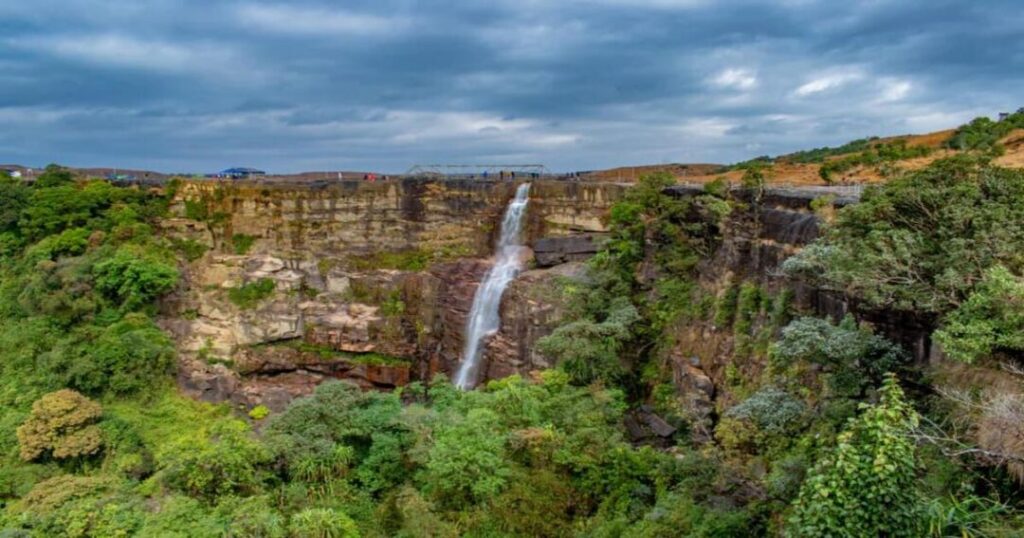
Dainthlen Falls—approximately 10 km from Cherrapunji town—is a wide, stepped waterfall with a specific Khasi legend attached: according to tradition, this is where the Khasi people killed a giant snake (Thlen) that had been terrorizing the community for generations. The name Dainthlen derives from this legend. The falls are less dramatic than Nohkalikai in height but are wider and more accessible — a good waterfall stop that can be combined with other Cherrapunji sights.
6. Arwah Cave — The Fossil Cave
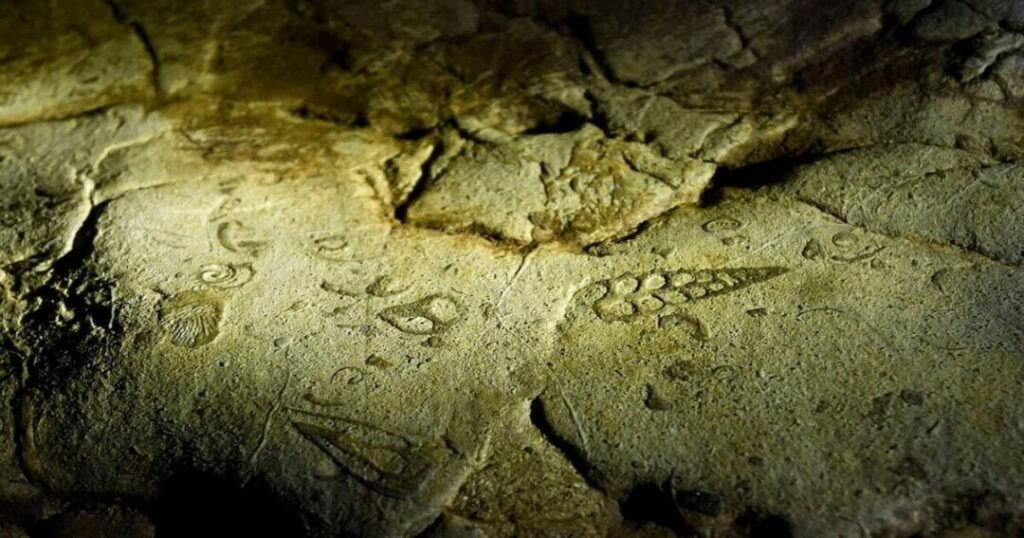
Arwah Cave (also written Arwa Cave), approximately 2 km from Mawsmai Cave, is longer, darker, and more adventurous than Mawsmai: a cave containing fossil remains embedded in the limestone walls, visible to the naked eye. The fossils are marine organisms—evidence that this entire limestone plateau was once an ancient seabed. Arwah Cave is less well-lit than Mawsmai, and the passages are narrower and more uneven—a torch is necessary beyond the first section, and a guide is strongly recommended.
- Duration: 45–60 minutes with a guide
- Best for: Those who want a more immersive cave experience than Mawsmai offers
7. Eco Park & Bangladesh Viewpoint — The View Into Two Countries
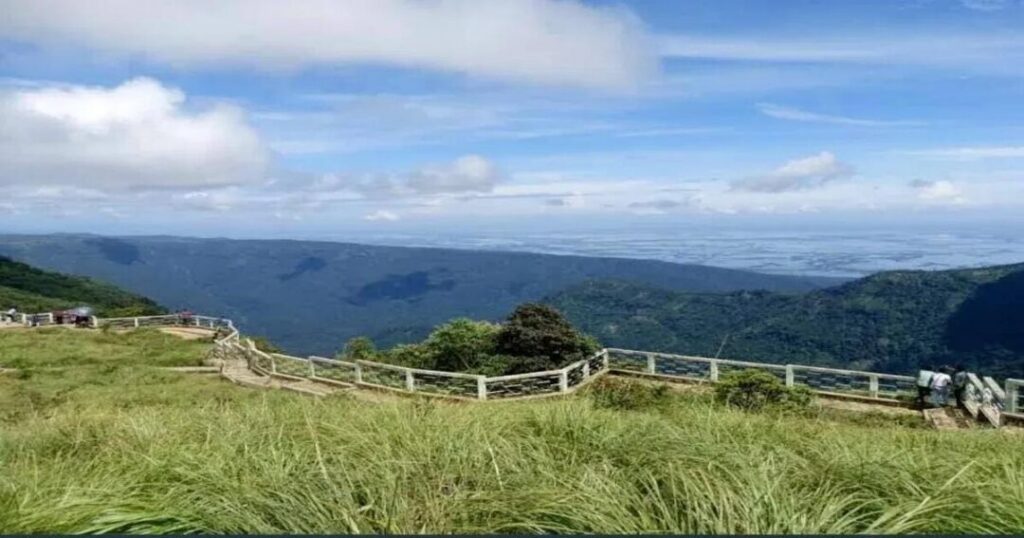
Eco Park at the edge of the Cherrapunji plateau contains the finest Bangladesh viewpoint in the region — a panoramic view across the Meghalaya escarpment into the plains of Bangladesh below. On clear days (most common in October to November), the Bangladesh plains are visible stretching to the horizon, with the Surma River winding through them. The Seven Sisters Falls viewpoint is also within Eco Park, and the park contains walking paths through the plateau landscape.
- Entry: State government entry fee applies
- Best time: October to November for clearest visibility
Explore More of India: Best Monsoon Destinations in India: 11 Underrated Picks for Adventure Travellers
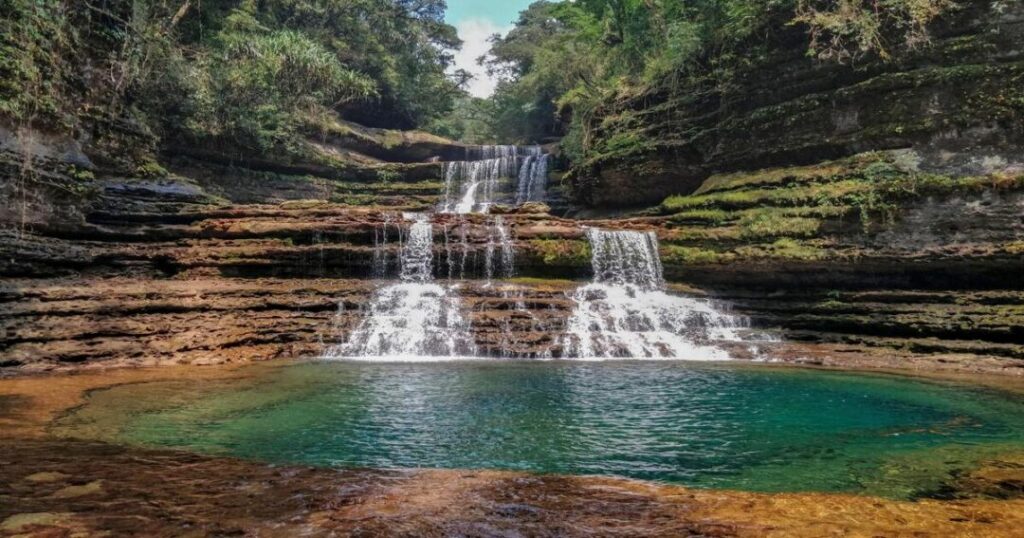
Wei Sawdong Falls—a three-tiered waterfall accessible by a short trek from the road—and Wakaba Falls are less-visited alternatives to Nohkalikai and Seven Sisters that offer more intimate waterfall experiences without the crowds. Wei Sawdong involves a ~30-minute trek down and features three tiers and a swimmable pool at the base. Both are accessible from the Cherrapunji–Nongriat road.
9. Mawkdok Dympep Valley Viewpoint — The Drive with a View
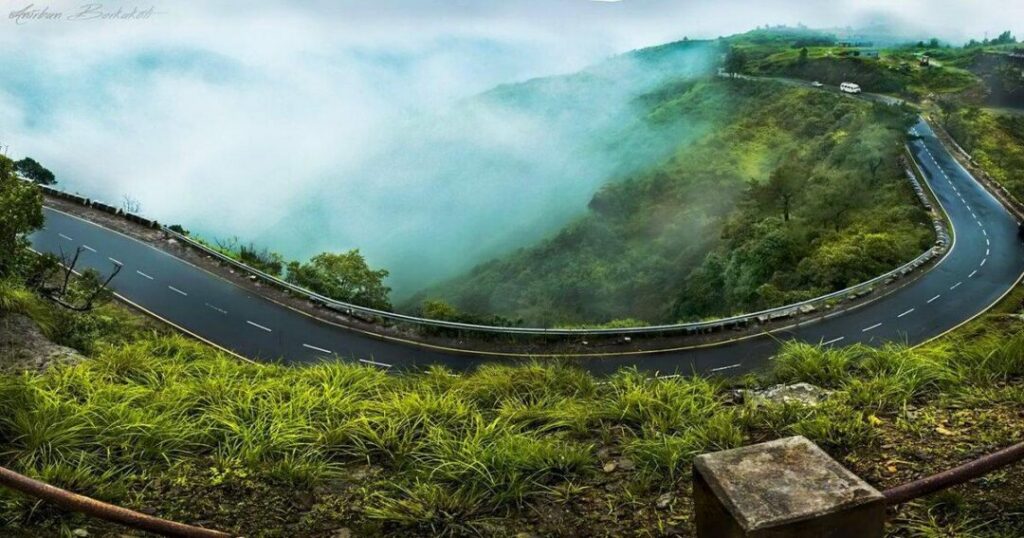
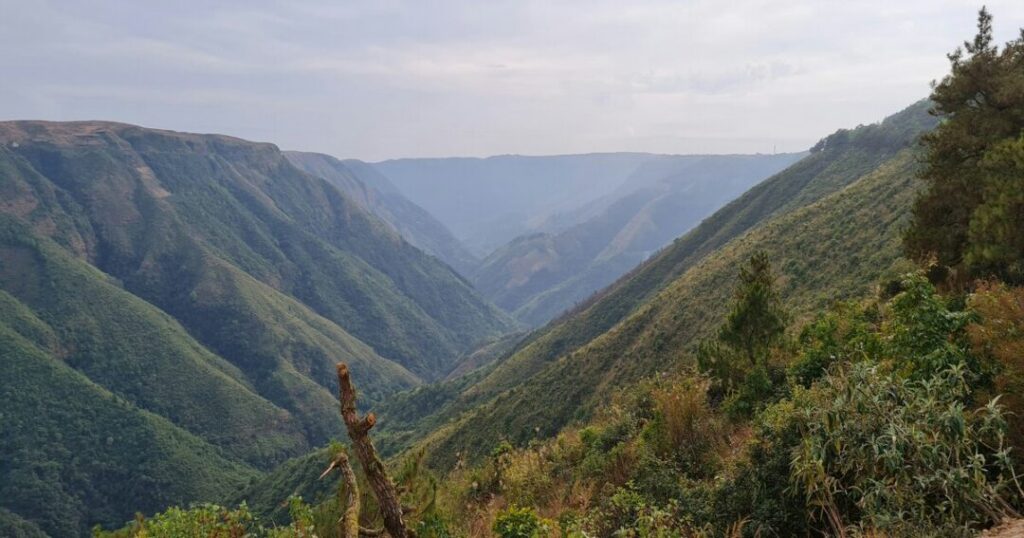
The Mawkdok Dympep Valley viewpoint on the Shillong–Cherrapunji highway is where most visitors get their first visual introduction to Cherrapunji’s landscape—a sweeping view of a deep green valley that drops away from the plateau edge, with clouds moving through the gorge below. The viewpoint is a roadside stop approximately 25 km from Cherrapunji toward Shillong and is one of the finest drives in Meghalaya. A zip line operates from the viewpoint for those who want the view at speed.
10. Khasi Cultural Walk — Villages, Traditions & Jingkieng Jri
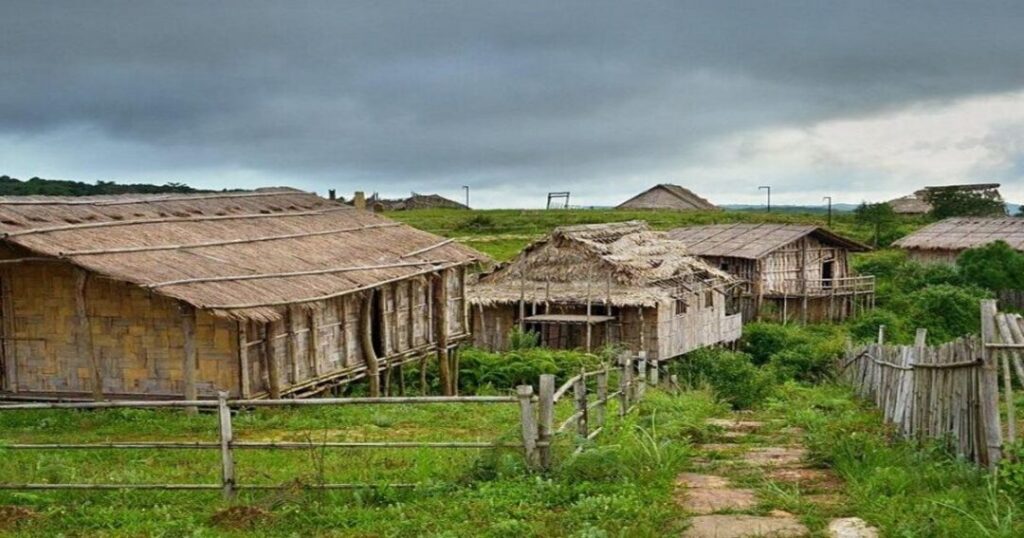
The Khasi people who inhabit the Cherrapunji region have a cultural tradition that is as extraordinary as the landscape. The Jingkieng Jri—the living root bridge tradition—is not merely an engineering feat but a form of intergenerational knowledge: each root bridge was started by one generation and completed by the next, typically taking approximately 25 years to become fully functional (some sources cite 15–30 years).
Walking through the villages between Tyrna and Nongriat—the same route as the Double Decker trek—provides the most direct encounter with contemporary Khasi life: the stone stairways, the bamboo-roofed houses, the community nongkynmaw (shared spaces), and the specific matrilineal social structure (children take the mother’s clan name; the youngest daughter inherits the family home) that distinguishes Khasi culture from all other communities in India.
Explore More of India: Seven Sisters Falls In Meghalaya: Complete Guide To Nohsngithiang Falls
Things to Do in Cherrapunji in 1 Day — The Ideal Itinerary
For visitors on a day trip from Shillong (the most common scenario), here is the most efficient Cherrapunji 1-day itinerary:
7:00 AM — Depart Shillong
- The drive from Shillong to Cherrapunji (~54 km) takes approximately 1.5–2 hours by road; depart early to maximise the day
8:30–9:00 AM — Mawkdok Dympep Valley Viewpoint
- Stop on the drive for the first Cherrapunji valley view (15–20 minutes)
9:30 AM — Nohkalikai Falls
- Arrive before the mid-morning crowds; the cliff-edge viewpoint takes 30–45 minutes; add 1–1.5 hours if descending the stairs toward the base
11:00 AM — Seven Sisters Falls / Eco Park
- Drive to the Eco Park and Seven Sisters viewpoint (~20 minutes from Nohkalikai); the Bangladesh viewpoint is within the same park (45–60 minutes)
12:00 PM — Mawsmai Cave
- 20–30 minutes inside the cave; the car park has basic food stalls for lunch
1:00 PM — Lunch near Mawsmai
- Local dhabas near the cave serve rice, dal, pork preparations, and Khasi-style steamed preparations
2:00 PM — Dainthlen Falls
- 20–30 minutes; a wider, flatter waterfall with the Khasi snake legend—good contrast to Nohkalikai
3:00 PM — Wei Sawdong Falls (optional)
- 30-minute trek each way if time permits; otherwise, begin return to Shillong
4:30–5:00 PM — Begin return to Shillong
- Arrive back in Shillong by approximately 6:00–7:00 PM
Note: The Double Decker Living Root Bridge trek (Nongriat) is NOT feasible in a 1-day itinerary from Shillong — it requires a minimum half-day on its own and is best done as an overnight from Nongriat or as a dedicated day trip with an early start specifically planned for the trek.
Khasi Culture & Local Food
Jadoh: The defining Khasi meal—red rice cooked with pork in a one-pot preparation similar to a rice-and-meat pilaf, flavored with ginger, turmeric, and black sesame. The definitive local food experience in any Cherrapunji dhaba.
Doh Snam (Pork Blood Curry): A Khasi delicacy of pork cooked in its own blood with ginger and onion—intensely flavored and very specifically Khasi.
Minil Sohphie (Fermented Soybean): A fermented soybean preparation used as a condiment and flavoring across Khasi cooking—pungent and deeply savory.
Kwai (Betel Nut): The Khasi equivalent of the Banarasi paan—betel nut (kwai) with betel leaf and lime is offered as a gesture of welcome and friendship across Khasi communities; accepting it is considered a mark of respect.
Tungrymbai: Fermented black soybean preparation with strong flavor—one of the most distinctive Khasi ingredients.
Explore More of India: 10 Rain-Kissed Escapes: The Best Places to Visit in India in Monsoon (2026 Edition)
Best Time to Visit Cherrapunji
| Season | Conditions | Best For |
| June to September (Monsoon) | Rainfall is constant and extraordinary; all falls at maximum volume, mist and cloud; roads slippery | ✅ Best for waterfalls at full power; experience the rain |
| October to November | Post-monsoon; waterfalls still strong, skies are clearer, and the Bangladesh viewpoint at its finest | ✅ Best overall — falls + visibility |
| December to February | Dry season, rainfall reduces significantly, cold. Nohkalikai barely trickles; some caves more accessible | ⚠️ Not recommended for waterfall visits; some caves more accessible |
| March to May | Pre-monsoon; transitional; some flow; good for trekking | ✅ Good for root bridge trek; moderate crowds |
How to Reach Cherrapunji?
- From Shillong (~54 km | 1.5–2 hours): The standard approach; well-maintained road via Mawkdok Dympep Valley; shared taxis and private vehicles available from Shillong’s Police Bazar
- From Guwahati (~166 km | 4–5 hours): Via Shillong; most visitors stop in Shillong before proceeding to Cherrapunji
- Nearest airport: Lokpriya Gopinath Bordoloi International Airport, Guwahati (~166 km)
- Nearest railway station: Guwahati (~166 km); no railway in Meghalaya
Final Thoughts on Things to Do in Cherrapunji
Cherrapunji is the kind of place that justifies the journey to Northeast India on its own. The tallest plunge waterfall in the country. Caves formed by millions of years of the same extraordinary rainfall. Living bridges that have been growing for generations. A plateau at 1,500 meters with clouds moving through the valley below you and Bangladesh visible on the horizon. These are the things to do in Cherrapunji that stay with you.
Quick guide to places to visit in Cherrapunji:
- Nohkalikai Falls — 340 m; India’s tallest plunge waterfall; turquoise/green pool
- Double Decker Living Root Bridge—Nongriat; 3,500 steps; 4–5 hours return
- Mawsmai Cave — 150 m; illuminated; all-ages; 20–30 minutes
- Seven Sisters Falls — 315 m; 7 parallel streams; best in monsoon
- Dainthlen Falls — 10 km; Khasi snake legend; wide waterfall
- Arwah Cave — fossil limestone; darker; guide recommended
- Eco Park & Bangladesh Viewpoint — plateau edge; panoramic view
- Wei Sawdong Falls — 3-tiered; swimmable; 30-min trek
- Mawkdok Dympep Valley—finest roadside viewpoint on Shillong–Cherrapunji drive
- Nongriat Cultural Walk — Khasi matrilineal village life; root bridge tradition
Download the Explurger app to discover what Meghalaya travelers actually recommend for Cherrapunji, find the best root bridge homestays and cave guides, and log every waterfall view, cave fossil, and living root bridge step on your Cherrapunji journey.
The clouds are already moving through the valley. Nohkalikai is already falling. Cherrapunji is always already wet.
FAQs About Things to Do in Cherrapunji
2. What can you do in Cherrapunji in 1 day?
The best things to do in Cherrapunji in 1 day from Shillong: depart Shillong by 7 AM; stop at Mawkdok Dympep Valley viewpoint on the way; arrive at Nohkalikai Falls by 9:30 AM (1–1.5 hours); proceed to Seven Sisters Falls / Eco Park, including Bangladesh viewpoint (45–60 minutes); visit Mawsmai Cave after lunch (20–30 minutes); see Dainthlen Falls (20–30 minutes); and return to Shillong by evening. Note: The Double Decker Living Root Bridge trek is NOT feasible in a 1-day itinerary — it requires a dedicated half-day minimum and is best done as an overnight at Nongriat.
3. What is the best time to visit Cherrapunji?
October to November is the best time to visit Cherrapunji—the post-monsoon period when all waterfalls are still running strongly from the season's rainfall, the skies are clearer for the Bangladesh viewpoint panorama, and the trek to the Double Decker Root Bridge is at its most accessible. The monsoon (June to September) is the most dramatic time for waterfalls, but visibility is often poor, and the root bridge trek can be dangerous in heavy rain. Avoid December to February for waterfall visits—Nohkalikai drops to a trickle in the dry season.
4. What is the Double Decker Living Root Bridge?
The Double Decker Living Root Bridge is a unique natural structure near Nongriat Village—two bridges stacked vertically, each grown over generations by training the aerial roots of rubber fig trees (Ficus elastica) across a stream. It is one of the most extraordinary natural engineering achievements in India, entirely biological and self-sustaining—the bridges grow stronger over time rather than weaker. Access requires a descent of approximately 3,500 steps from Tyrna village (4–5 hours round trip)—this is one of the finest trekking experiences in Meghalaya. Basic homestays in Nongriat village allow overnight stays.
5. Is Cherrapunji suitable for adventure lovers?
Yes. Cherrapunji is a paradise for adventure enthusiasts, offering trekking, cave exploration, ziplining, camping, and nature walks through lush forests and living root bridges.
6. What is the best time to enjoy things to do in Cherrapunji?
The best time to experience the things to do in Cherrapunji is from October to May, when the weather is pleasant and outdoor activities like trekking and sightseeing are easier. The monsoon season (June to September) offers spectacular waterfalls but can make trails slippery.