
430 Total Views
The festivals in Australia worth planning a trip around span a genuinely wide range — a light-and-ideas festival that turns Sydney Harbour into an art installation, a folk festival that’s grown from 900 attendees to over 100,000, and an alternative-lifestyle gathering older than most attendees’ parents. Here are 9 worth knowing about, spread across the country’s major states and seasons.
Top Festivals in Australia in 2026
1. Vivid Sydney
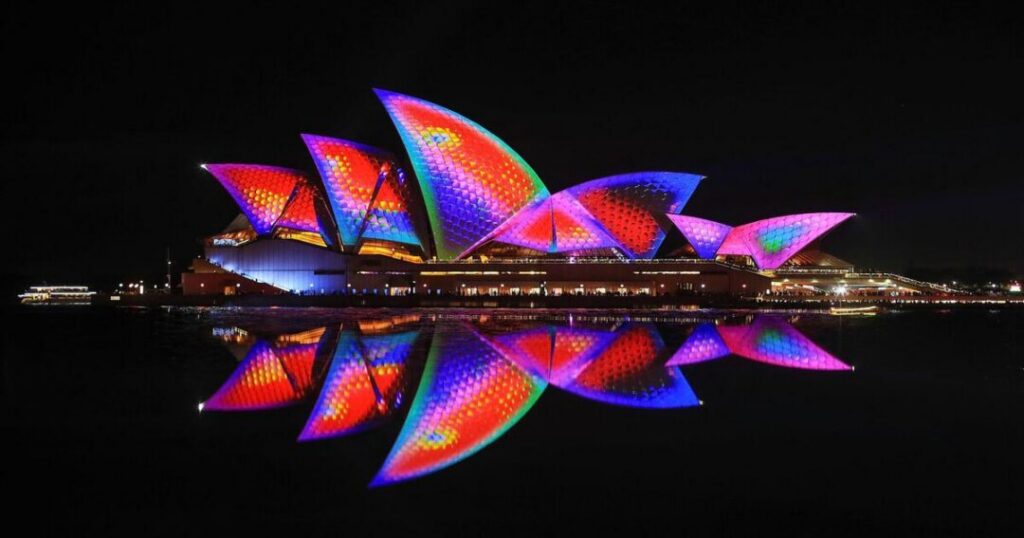
Started in 2009 to promote Sydney as a global creative hub, Vivid runs 23 nights every year between late May and mid-June, combining large-scale light projections across the harbour with music (Vivid LIVE at the Opera House), talks and panels (Vivid Minds, renamed from Vivid Ideas in 2026), and food pop-ups added in 2023. It’s now considered the largest festival of its kind in the Southern Hemisphere.
2. Byron Bay Bluesfest
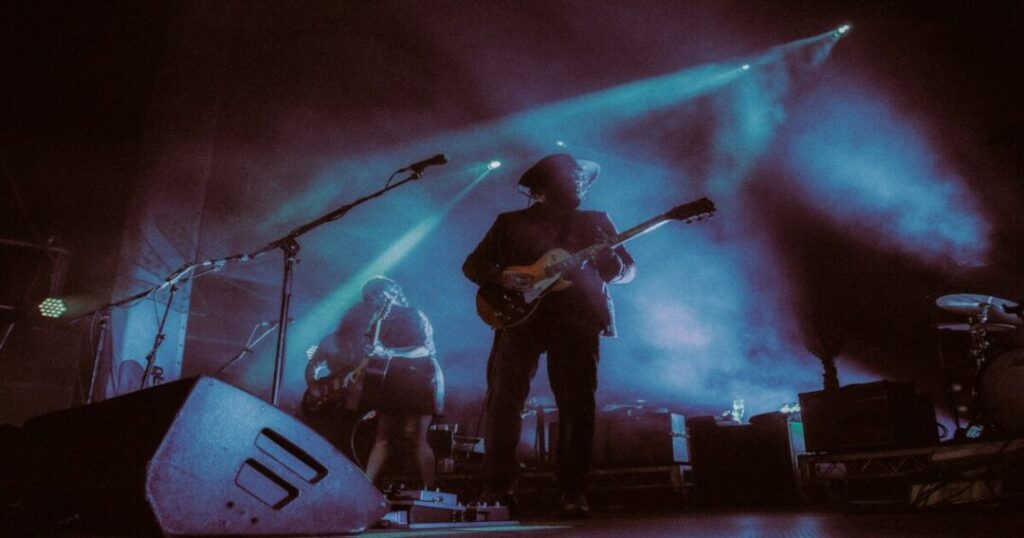
Founded in 1990 by Dan Doepel and Kevin Oxford as a four-day blues event drawing around 6,000 people, Bluesfest expanded its genre range under Peter Noble from 1994 onward and now runs over the Easter long weekend at Tyagarah Tea Tree Farm, with capacity for 100,000-plus attendees and 6,000 campers.
3. Adelaide Fringe
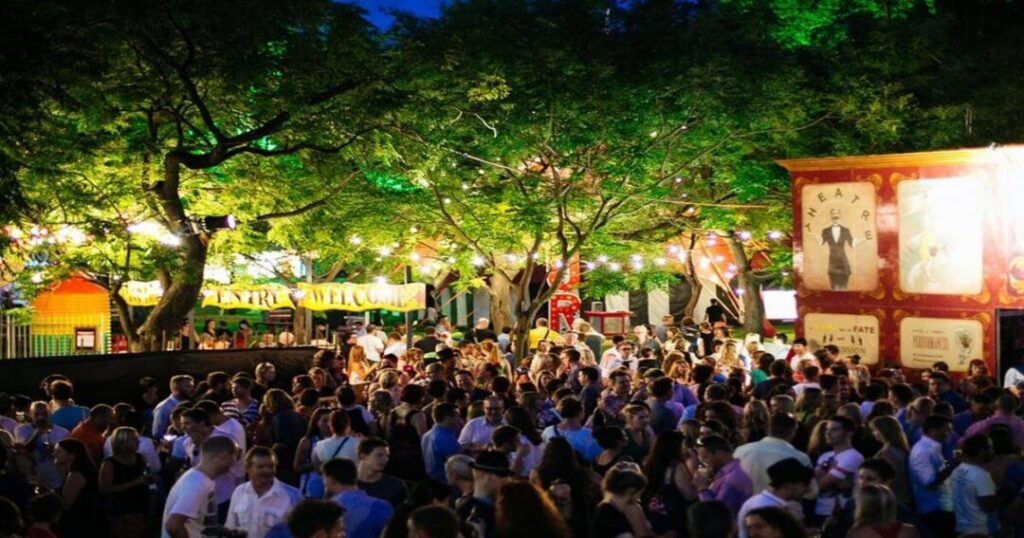
Starting as a biennial showcase in 1960 and going fully annual by 2006, Adelaide Fringe is now the world’s second-largest annual arts festival after Edinburgh’s, and the largest in the Southern Hemisphere. Running every February and March, it hosts over 1,200 events and became the first Australian festival to sell a million tickets in 2023.
4. Woodford Folk Festival
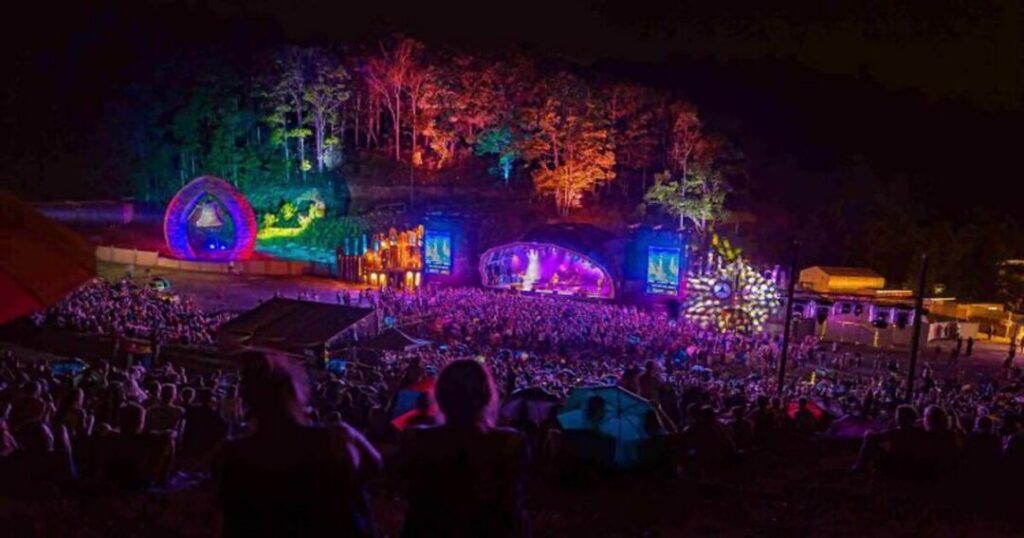
First held in 1987 at Maleny Showgrounds with about 900 attendees, Woodford outgrew that site within eight years and relocated to a 240-acre purpose-built property in Woodford, Queensland, in 1994. It now draws roughly 125,000 people over six days spanning December 27 to January 1, making it one of the biggest cultural events of its kind in the country.
Also Read: Australian Music Festivals: The Complete Guide to Live Music Across the Country
5. Sydney Gay and Lesbian Mardi Gras
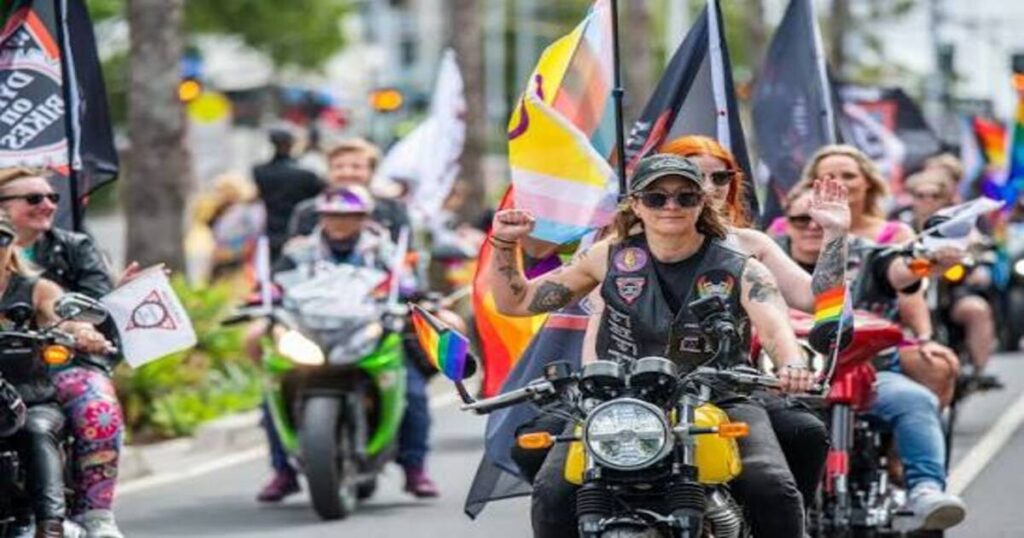
The first Mardi Gras parade, on 24 June 1978, was part of an International Gay Solidarity Day march that ended with 53 arrests after police blocked the route — an event now remembered through the “78ers” who took part. What began as a protest has become one of the world’s largest pride celebrations, held annually in Sydney.
6. Moomba
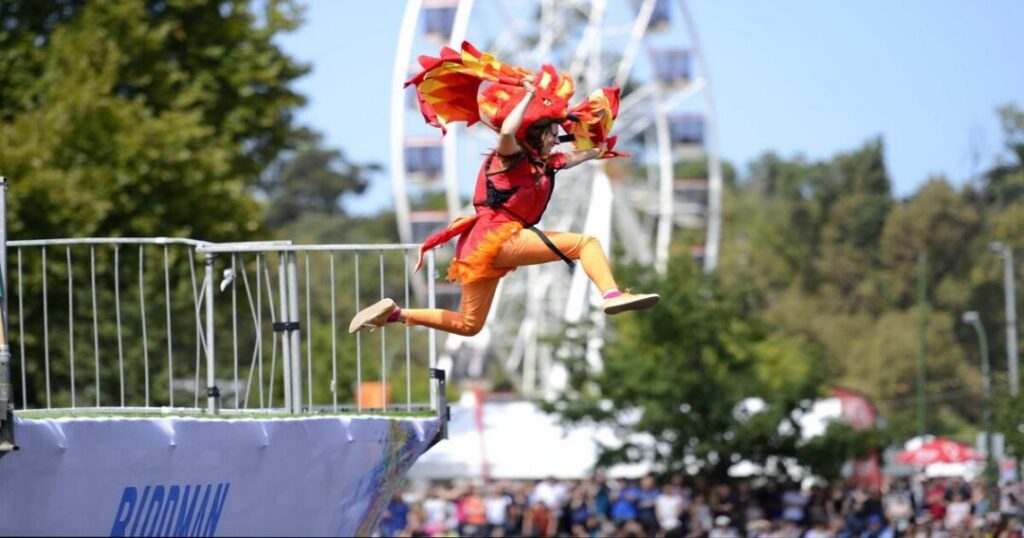
Australia’s largest free community festival, Moomba traces back to Melbourne’s 1951 Federation celebrations, with the modern festival launched in 1955 — a 15-day event opened by Governor Sir Dallas Brooks featuring fireworks, a parade, and a Henley rowing regatta. Bill Onus, former president of the Australian Aborigines League, proposed the name, popularly translated as “let’s get together and have fun.” It now runs over the Labour Day long weekend in March.
7. Confest
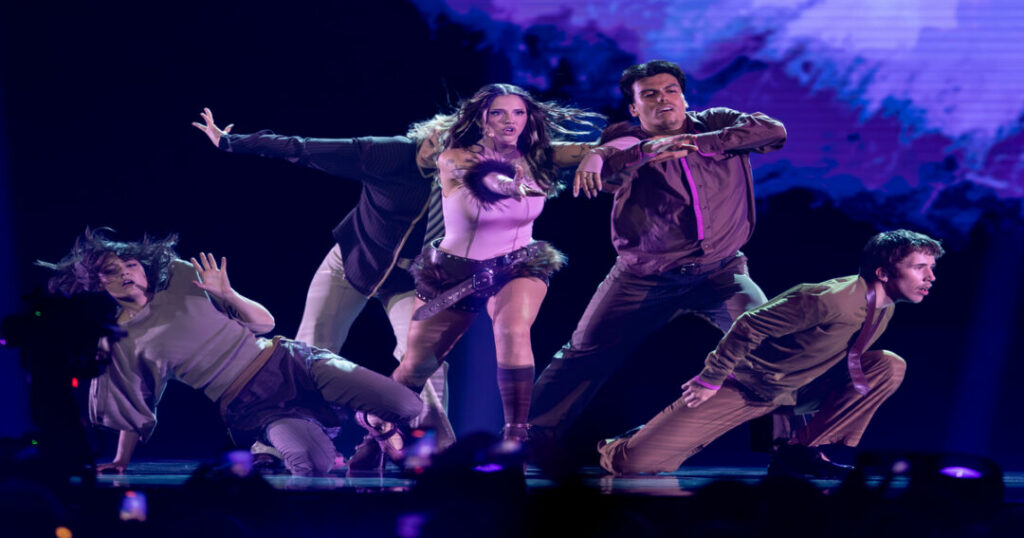
Conceived in 1976 by former Deputy PM Jim Cairns as “A Shaping of Alternatives,” Confest is Australia’s longest-running alternative-lifestyle gathering, run almost continuously since its first edition by the volunteer-based Down To Earth Co-op. It marked its 50th anniversary in 2026, drawing around 7,000 participants to a 5-day, no-money, volunteer-run event over the Easter long weekend.
8. Knockout Outdoor
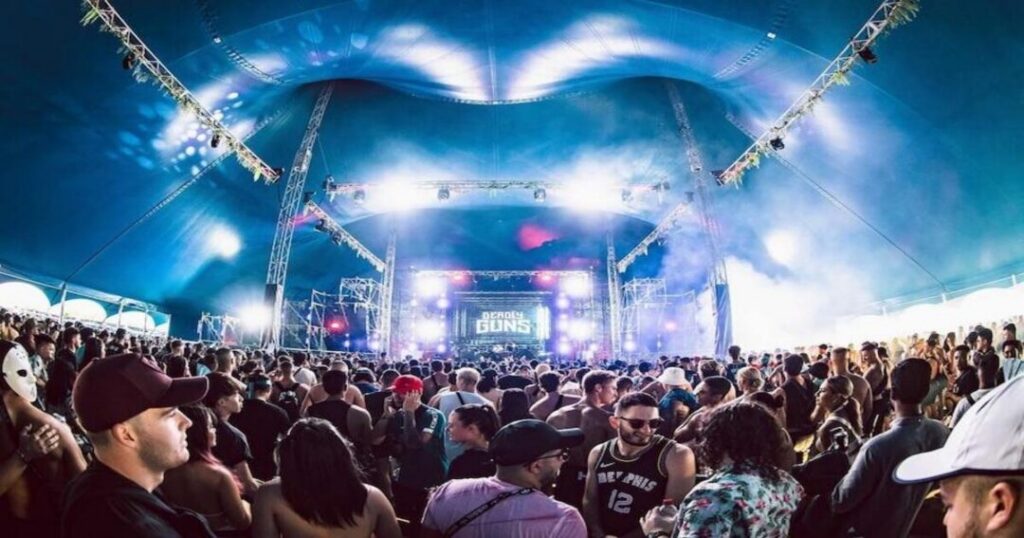
Despite the name, this is a hard dance and hardstyle music festival, not hip-hop — one of the biggest of its kind in the Southern Hemisphere, run by HSU Events in Sydney (recent editions at ENGIE Stadium) each October, with 40-plus DJs across multiple stages and crowds around 60,000.
Also Read: Explore Australia: Your Next Long Holiday Plan For Beaches, Cities & Road Trips
9. Splendour in the Grass
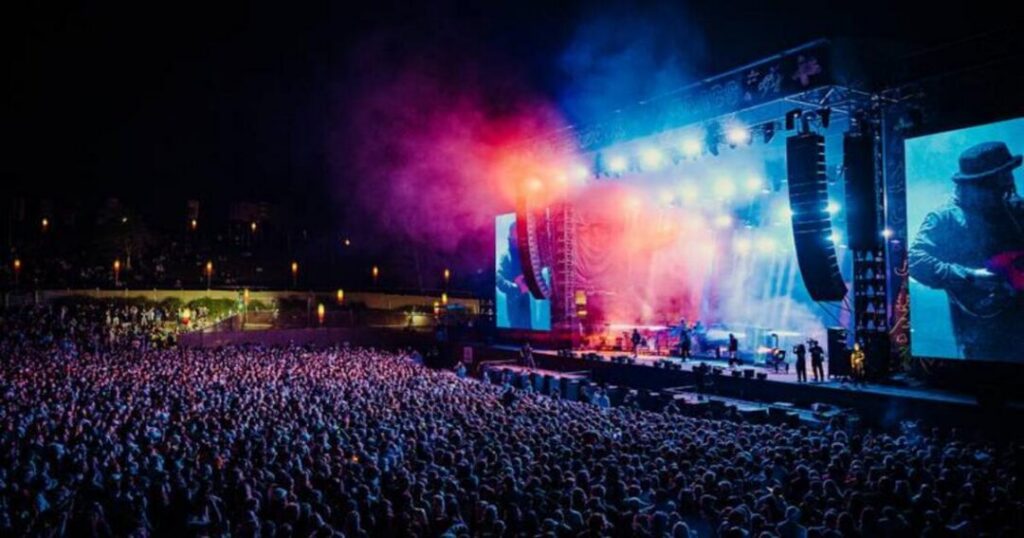
Founded in 2001 by Jessica Ducrou and Paul Piticco, Splendour became one of Australia’s flagship music festivals over two decades, moving between Byron Bay, Woodford, and its longtime Yelgun, NSW home. Worth knowing upfront: Splendour did not return in 2025, and no future editions have been announced as of this writing — check current status directly before planning around it, since its future is genuinely uncertain rather than simply “on a break.”
Also Read: 10 Oldest Forests in the World: Exploring Earth’s Ancient Forests
What is the Best Time to Visit for Australian Festivals?
Spring (September-November) and autumn (March-May) are generally the most comfortable windows for travel, with October standing out as a strong all-round month. That said, festival timing varies deliberately by climate: Adelaide Fringe and Moomba land in Australia’s late-summer-to-autumn window, Bluesfest and Confest both use the Easter long weekend, Vivid runs deep into Sydney’s cooler months (late May-June), and Woodford spans the New Year itself. If you’re chasing snow-adjacent scenery instead of festivals, June-August is Australia’s alpine winter; if it’s tropical warmth, the northern Wet Season (November-May) brings box jellyfish warnings worth taking seriously for any beach plans.
How to Reach Australia?
All non-citizens need a visa, with most tourists eligible for the online Electronic Travel Authority (ETA) or eVisitor (subclass 651), depending on passport. Sydney, Melbourne, Brisbane, and Adelaide all have major international airports feeding directly into this list’s festival cities, though Byron Bay and Woodford both require an additional regional connection or drive from the nearest capital.
Also Read: Dragon Boat Festival: 7 Best Dragon Boat Races to Experience Around the World
Conclusion About Festivals in Australia
Between a light festival that transforms Sydney Harbour, a folk gathering that’s grown into six-figure attendance, and a protest march that became a global pride celebration, the festivals in Australia cover a genuinely broad slice of the country’s culture. Just be aware that festival lineups shift year to year — Splendour in the Grass being the clearest current example — so treat any specific date you find online as a starting point to verify, not a confirmed booking.
FAQs About Festivals in Australia
2. What is Confest Australia, and is it open to everyone?
Confest is a volunteer-run, no-money alternative-lifestyle gathering held over the Easter long weekend, open to the public and built entirely around participation rather than spectating — it's less a music festival and more a temporary community built from scratch each year.
3. Are there confirmed Australia music festivals 2026 dates I should know about
Vivid Sydney and Adelaide Fringe, run on fixed annual windows (late May-June and February-March respectively) that are reliable to plan around; others, including Splendour in the Grass, don't have confirmed dates at all right now, so always verify directly with the official festival site closer to your travel dates.
4. Is Knockout Australia Festival a hip-hop event?
No — despite what the name might suggest, Knockout Outdoor is a hardstyle and hard dance electronic music festival, one of the largest of its kind in the Southern Hemisphere, not a hip-hop festival.
5. What is Moomba Australia Festival known for?
Moomba is Melbourne's largest free community festival, running since 1955 over the Labour Day long weekend in March, historically featuring parades, fireworks, and a Henley rowing regatta, with past attendance as high as 1.7 million in a single year.
6. Is there a reliable Australia festival calendar I can check for exact dates each year?
Given how much festival scheduling shifts year to year — and how at least one major festival on this list currently has no confirmed future date — your best bet is checking each festival's official website directly each year rather than relying on any single static calendar.