
686 Total Views
Some forests are more than just collections of trees—they are living museums that have witnessed the rise and fall of civilisations, survived ice ages, and nurtured countless species for millions of years. Walking through an oldest forest feels like stepping back in time, where towering trees, moss-covered trails, and pristine ecosystems tell stories that predate human history.
These ancient forests are among the planet’s greatest natural treasures. From the lush, oldest rainforest in Asia to the untouched woodlands of Europe and the biodiversity-rich, oldest forest in India, these remarkable landscapes continue to support rare wildlife while offering travelers unforgettable experiences.
Exploring the 10 Oldest Forests in the World
1. Daintree Rainforest, Australia
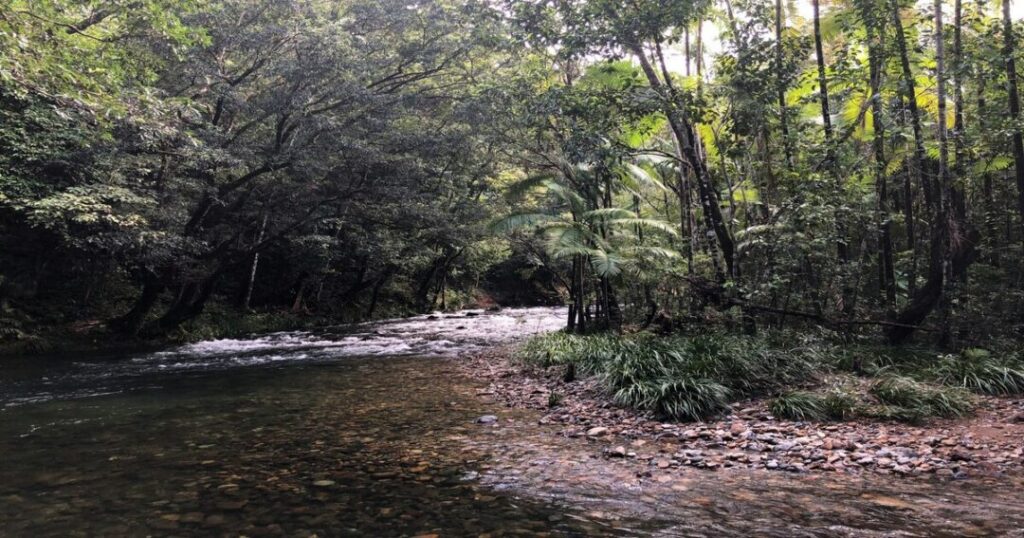
One of the oldest continuously surviving tropical rainforests on Earth, the Daintree Rainforest is estimated to be around 180 million years old—making it older than the Amazon.
Walking beneath its dense canopy feels like entering the age of dinosaurs. Giant ferns, ancient flowering plants, and crystal-clear streams create a landscape unlike anywhere else. The rainforest is also home to rare wildlife, including the endangered Southern Cassowary and tree kangaroos.
Highlights
- Estimated age: 180 million years
- UNESCO World Heritage Site
- Rich biodiversity
- Ancient plant species
2. Yakushima Forest, Japan
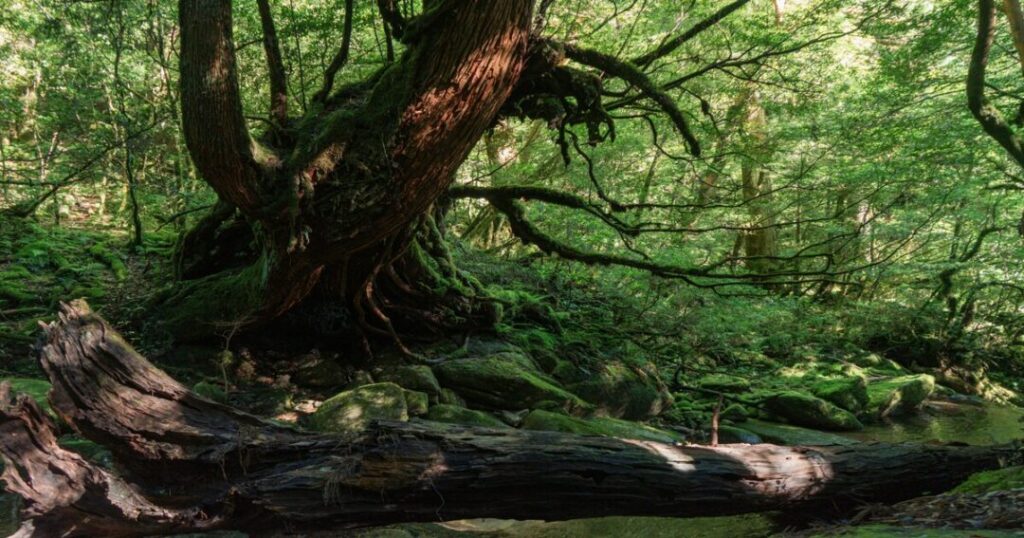
Located on Yakushima Island, this magical forest inspired the landscapes seen in Studio Ghibli’s Princess Mononoke.
Its moss-covered trails, misty atmosphere, and cedar trees—some over 2,000 years old—create an almost mythical experience. The famous Jomon Sugi cedar is believed to be several thousand years old.
Highlights
- Ancient cedar forests
- UNESCO World Heritage Site
- Scenic hiking trails
- Rich biodiversity
Estimated Age: The forest ecosystem is millions of years old, while its oldest cedar trees are estimated to be between 2,000 and 7,000 years old.
3. Białowieża Forest, Poland & Belarus
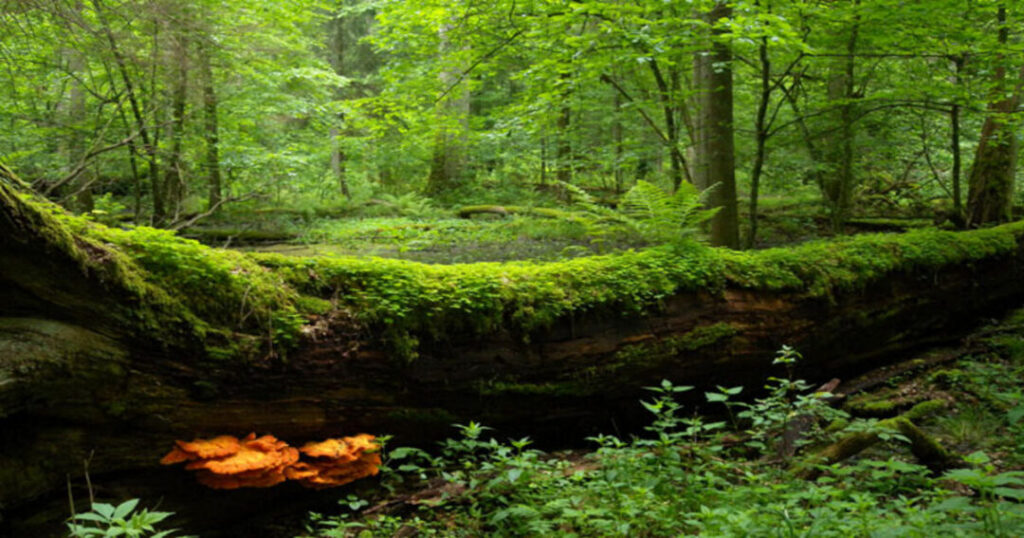
Widely regarded as the oldest forest in Europe, Białowieża Forest is one of the continent’s last remaining primeval forests.
Unlike many European woodlands, this forest has never been extensively logged, allowing nature to evolve uninterrupted for thousands of years. It is also the last refuge of the European bison.
Highlights
- Old-growth woodland
- European bison habitat
- UNESCO-listed
- Primeval ecosystem
Estimated Age: The forest has existed for over 8,000 years since the last Ice Age, with some individual oak trees over 600 years old.
4. Sinharaja Forest Reserve, Sri Lanka
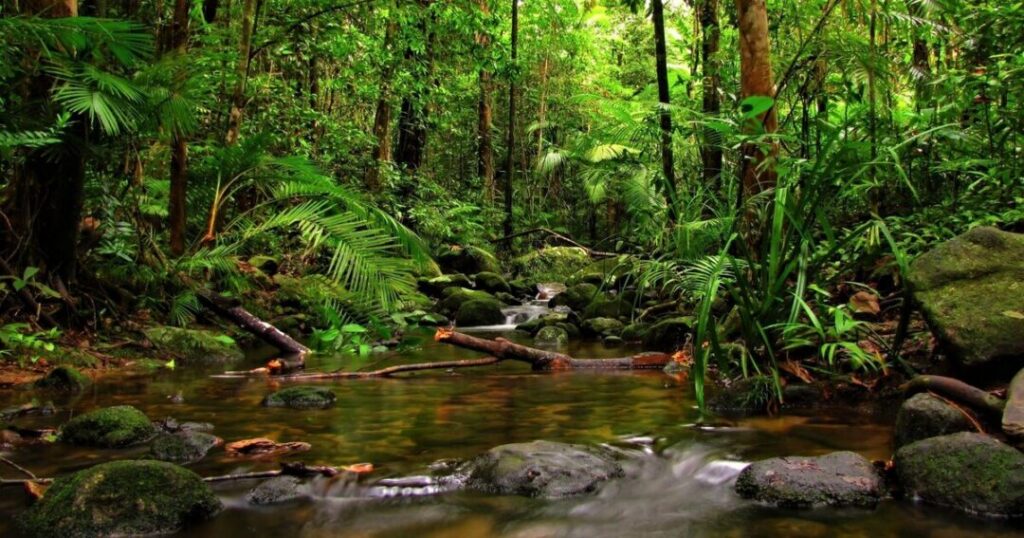
Sinharaja is one of South Asia’s last remaining primary tropical rainforests.
The forest shelters hundreds of endemic birds, reptiles, butterflies, and mammals found nowhere else on Earth. Its dense canopy and untouched wilderness make it one of the region’s most important biodiversity hotspots.
Estimated Age: Approximately 60–70 million years old.
5. Taman Negara, Malaysia
Estimated to be over 130 million years old, Taman Negara is often considered the oldest rainforest in Asia.
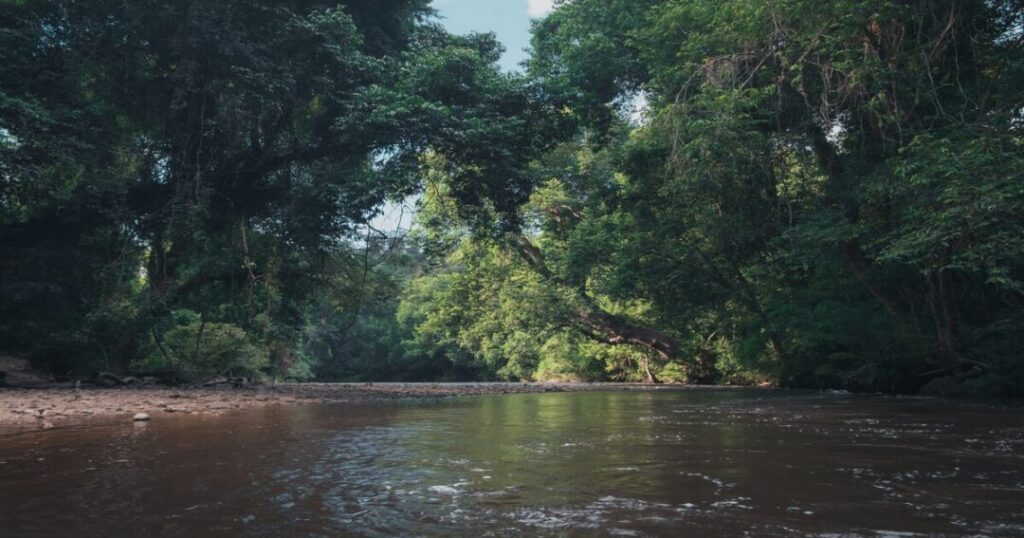
Unlike many tropical forests, it escaped the Ice Age, allowing countless ancient species to survive. Visitors can walk across one of the world’s longest canopy walkways while spotting elephants, tapirs, hornbills, and even the elusive Malayan tiger.
Highlights
- 130 million years old
- Canopy walkway
- Wildlife safaris
- River cruises
Also Read: Natural Geographical Wonders in India: A Traveler’s Guide to the Earth’s Oldest Secrets
6. Valdivian Temperate Rainforest, Chile & Argentina
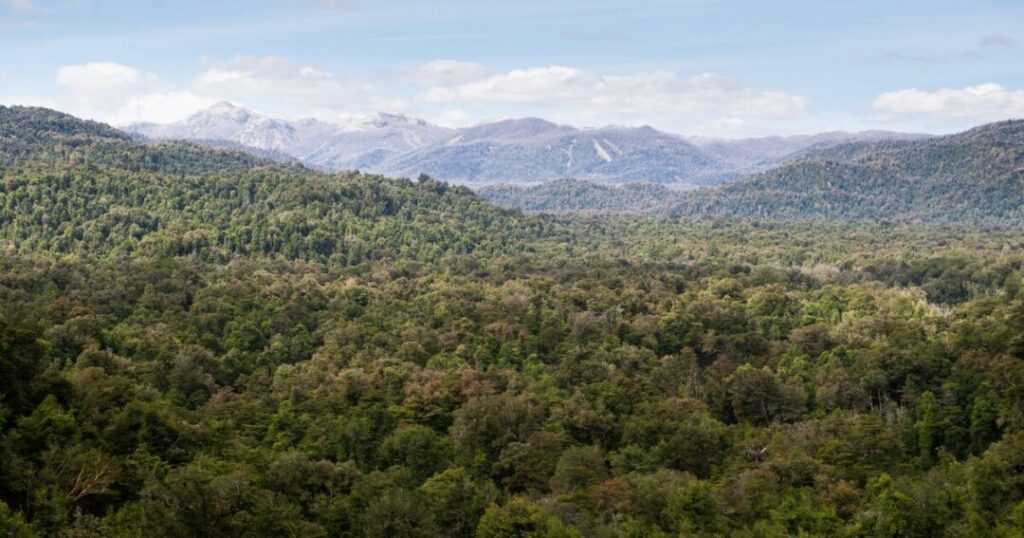
Stretching across southern Chile and Argentina, this ancient rainforest has existed for millions of years.
Its towering Alerce trees, often called South America’s giant redwoods, can live for more than 3,000 years.
Estimated Age: The rainforest ecosystem is around 150 million years old, while some Alerce trees exceed 3,500 years in age.
7. Kakamega Forest, Kenya
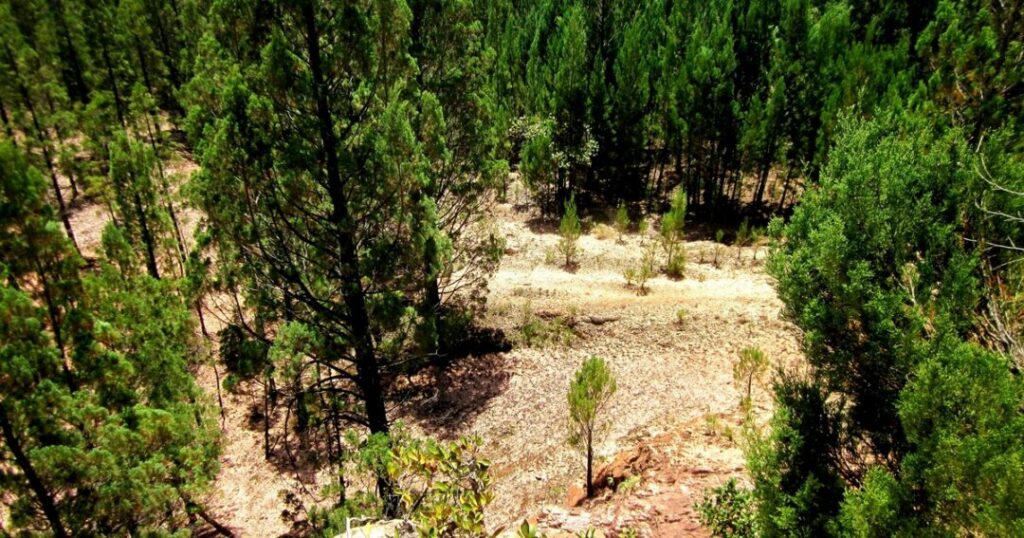
Kakamega Forest is the last surviving fragment of the once-vast Guineo-Congolian rainforest that covered much of Central Africa.
Today, it remains a biodiversity hotspot with hundreds of bird species, butterflies, and rare primates.
Estimated Age: Approximately 20–30 million years old.
8. Borneo Rainforest (Malaysia, Indonesia & Brunei)
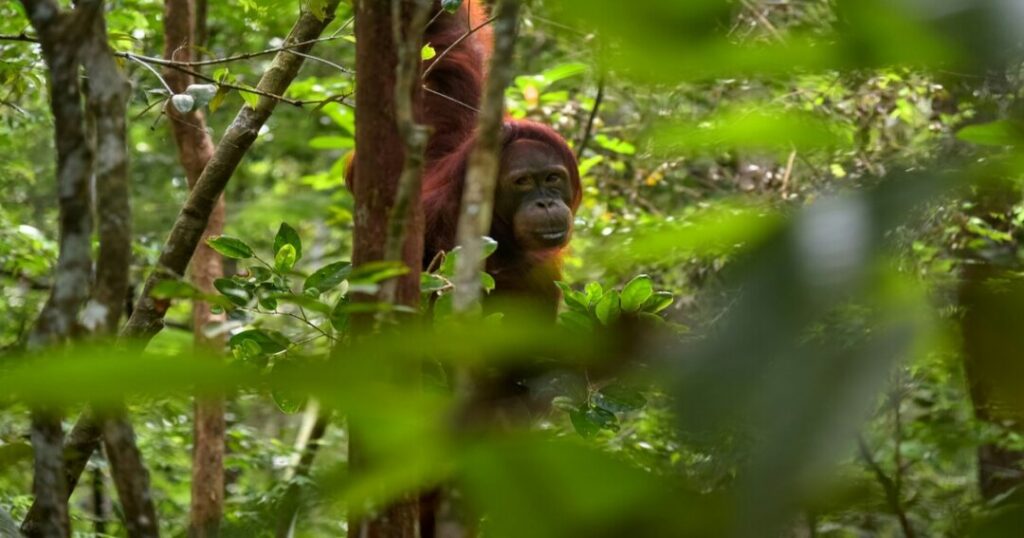
The Borneo Rainforest is estimated to be over 140 million years old, making it one of the oldest forests in Asia.
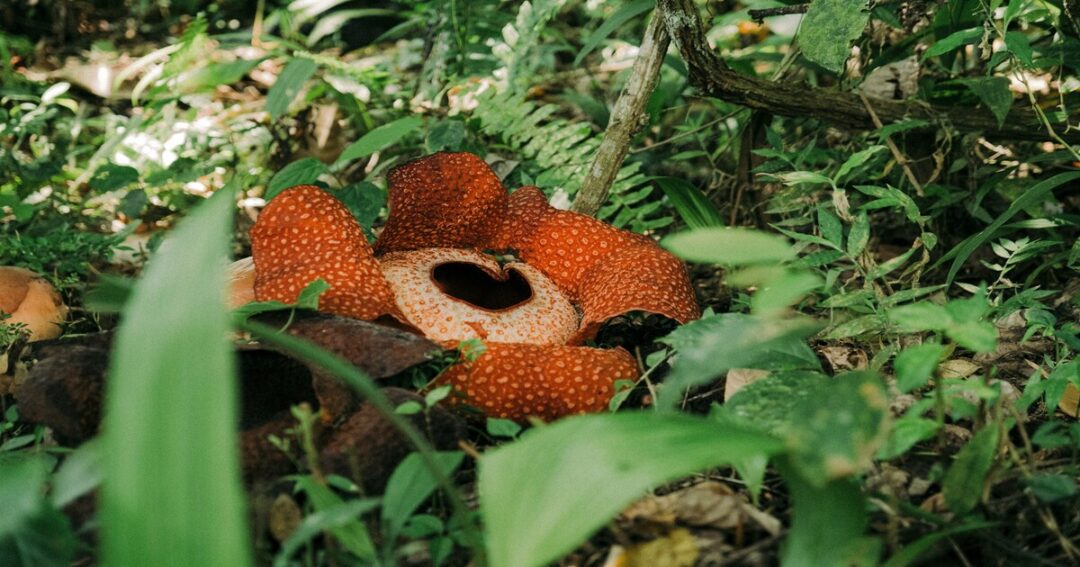
This ancient ecosystem is famous for orangutans, pygmy elephants, clouded leopards, and the world’s largest flower, Rafflesia.
Its incredible biodiversity makes it one of the planet’s most important conservation areas.
9. Amazon Rainforest, South America
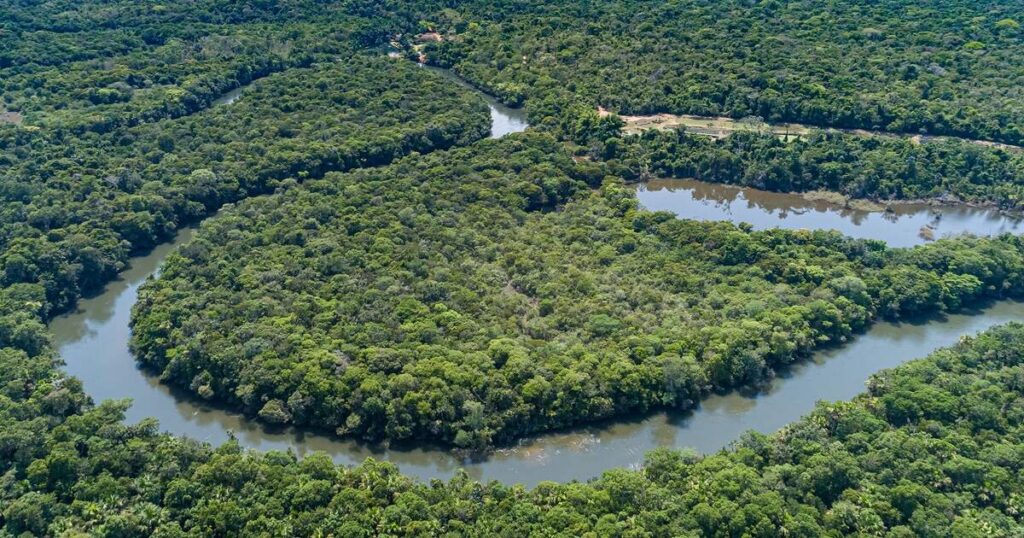
Although younger than the Daintree, the Amazon remains the world’s largest tropical rainforest.
Covering nine countries, it contains approximately 10% of all known species and produces around 20% of the world’s oxygen through its vast ecosystems.
Estimated Age: Approximately 55 million years old.
10. Namdapha National Park, India
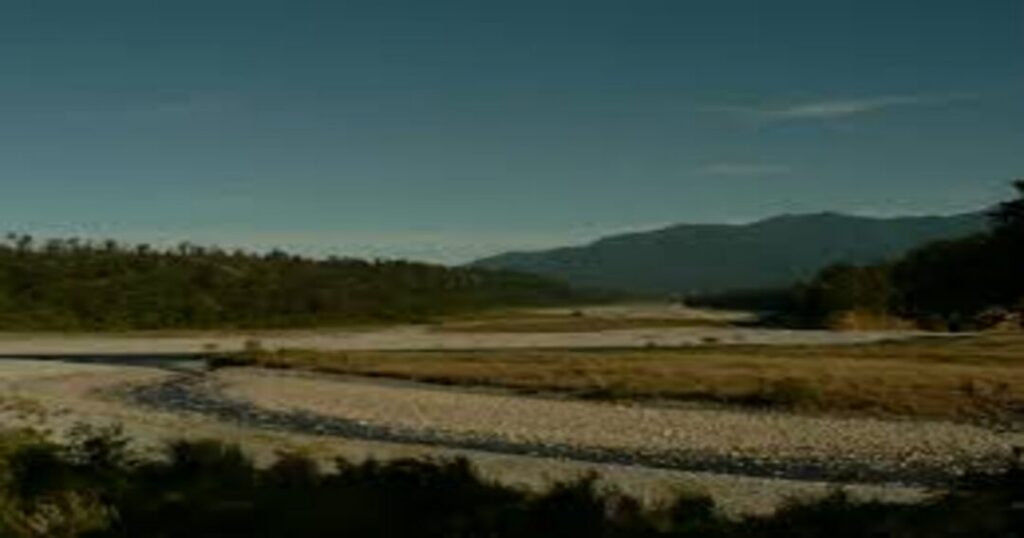
Among the finest examples of the oldest forest in India, Namdapha National Park in Arunachal Pradesh protects one of the country’s oldest and most pristine forest ecosystems.
The park stretches from tropical rainforests to alpine meadows and supports incredible wildlife, including snow leopards, clouded leopards, red pandas, and the elusive tiger.
Its diverse habitats and ancient forests make it one of India’s greatest natural treasures.
Estimated Age: The rainforest ecosystem is estimated to be over 60 million years old.
Also Read: National Parks Near Delhi: 7 Best Wildlife Escapes Within 300 Km
Which Is the Oldest Forest in the World?
While scientists continue to study ancient ecosystems, the Daintree Rainforest in Australia is widely recognized as the oldest continuously surviving tropical rainforest, dating back around 180 million years.
The Oldest Forest in India
India is home to several ancient forests, but Namdapha National Park in Arunachal Pradesh stands out as one of the country’s oldest and most ecologically significant forest ecosystems. The park’s remarkable altitudinal range supports tropical rainforests, temperate forests, and alpine vegetation, making it one of the most biodiverse protected areas in the country.
Other notable ancient forests in India include:
- Silent Valley National Park, Kerala
- Great Himalayan National Park, Himachal Pradesh
- Western Ghats evergreen forests
- Dehing Patkai National Park, Assam
The Oldest Forest in Europe
The Białowieża Forest is widely regarded as the oldest forest in Europe. Straddling the border of Poland and Belarus, it preserves one of the last remaining primeval forests on the continent. Home to centuries-old oak, ash, and spruce trees, it also shelters Europe’s largest population of wild bison.
The Oldest Forest in Asia
Asia is home to several remarkably ancient forests, but two stand out for their age and ecological importance:
- Taman Negara, Malaysia – Often recognized as the oldest rainforest in Asia, estimated to be over 130 million years old.
- Borneo Rainforest – One of the oldest forests in Asia, believed to have existed for around 140 million years, and renowned for its extraordinary biodiversity.
Why Protect Ancient Forests?
These forests are among Earth’s most valuable ecosystems. They:
- Store massive amounts of carbon.
- Protect endangered wildlife.
- Regulate regional climates.
- Preserve ancient plant species.
- Support Indigenous communities.
- Safeguard freshwater resources.
- Promote scientific research and ecotourism.
Protecting ancient forests is essential not only for biodiversity but also for combating climate change and ensuring future generations can experience these irreplaceable landscapes.
Also Read: Places to Visit in Mysore: The Complete Guide to Mysore Karnataka’s Best Experiences
Travel Tips for Visiting Ancient Forests
- Stay on designated trails to protect fragile ecosystems.
- Avoid littering and carry reusable water bottles.
- Wear comfortable hiking shoes and weather-appropriate clothing.
- Carry insect repellent in tropical forests.
- Hire certified local guides for deeper insights.
- Respect wildlife by observing from a safe distance.
- Avoid removing plants, rocks, or natural souvenirs.
- Visit during early mornings for the best wildlife sightings.
Discover the World’s Oldest Natural Wonders
Standing beneath towering trees that have witnessed millions of years of Earth’s history is an experience unlike any other. From the prehistoric landscapes of the Daintree Rainforest and the primeval beauty of Europe’s oldest woodlands to the biodiversity-rich forests of Asia and India, these ancient ecosystems remind us of the incredible resilience and diversity of nature.
Whether you’re a wildlife enthusiast, an avid trekker, or simply someone who appreciates the beauty of untouched landscapes, exploring these ancient forests offers a journey through time. As you plan your next adventure, consider adding one of these remarkable destinations to your bucket list—and remember that protecting these priceless natural treasures is just as important as experiencing them.
FAQs About Oldest Forests in the World
2. Which is the oldest forest in India?
Namdapha National Park in Arunachal Pradesh is regarded as one of the oldest forest ecosystems in India, alongside the ancient evergreen forests of the Western Ghats.
3. What is the oldest forest in Europe?
Białowieża Forest, shared by Poland and Belarus, is considered Europe's oldest surviving primeval forest.
4. Which is the oldest rainforest in Asia?
Taman Negara in Malaysia is widely recognized as the oldest rainforest in Asia, with an estimated age of over 130 million years.
5. What is the oldest forest in Asia?
The Borneo Rainforest and Taman Negara are among the oldest forest ecosystems in Asia, both renowned for their exceptional biodiversity and ancient origins.
6. Why are ancient forests important?
Ancient forests store carbon, regulate the climate, support endangered wildlife, preserve biodiversity, and provide valuable resources for scientific research and local communities.