
322 Total Views
Places to visit in Alibaug almost always start with “the beach town near Mumbai,” but that undersells what’s actually here — a sea fort you can only reach by correctly timing the tide, five distinct beach villages that get lumped together under one name despite having genuinely different characters, and a 700-step climb to a hilltop Shiva temple most visitors never hear about. This guide covers Alibaug properly, beach by beach and sight by sight, plus the Mumbai ferry route that makes this such a popular escape in the first place.
Save the spots that stand out to your Explurger Bucket List as you plan.
Top Places to Visit in Alibaug in 2026
Kolaba Fort: Alibaug’s Sea Fort You Can Walk To (Sometimes)
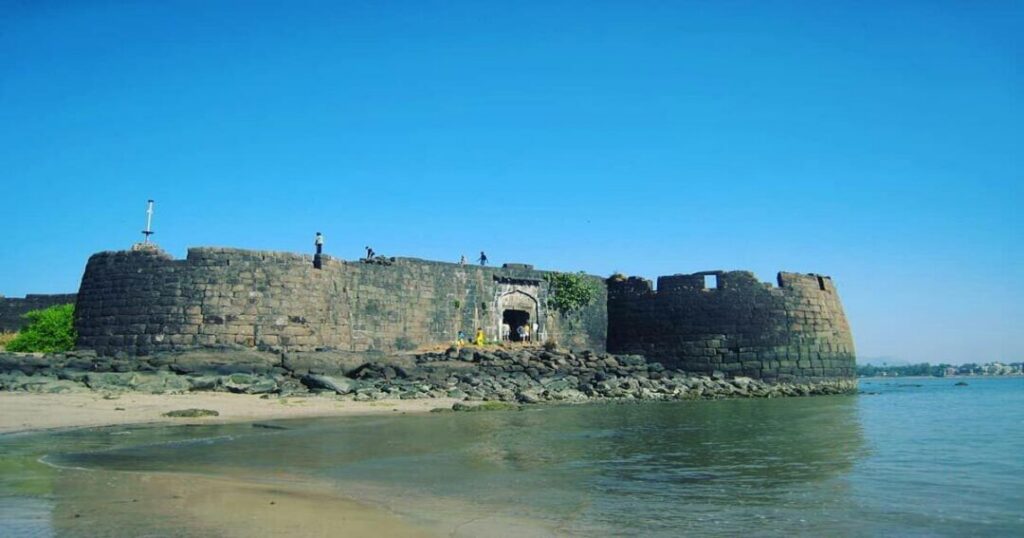
Kolaba Fort is Alibaug’s most distinctive sight and also its most easily mistimed. Sitting roughly 2 km offshore from Alibaug beach, the fort becomes walkable on foot for a stretch of about 1–2 km only during low tide — and turns into an island reachable exclusively by boat the rest of the time. [STAT: The low-tide window at Kolaba Fort can stretch up to 5 hours, giving visitors a genuine buffer to walk out, explore, and return before the tide turns.]
This isn’t a minor detail to skim past — always check the local tide chart before planning your visit, since arriving at the wrong time means either paying for a motorboat crossing or missing the walk entirely (arguably the more memorable way to experience the fort). Winter months, October through March, offer the calmest seas and most predictable tide patterns for this. Once inside, entry costs a nominal ₹25, and most visitors spend around an hour exploring the fort’s walls and old structures. Horse carts are also available along the beach if you’d rather not walk the full stretch yourself.
Nagaon Beach: Alibaug’s Water Sports Hub
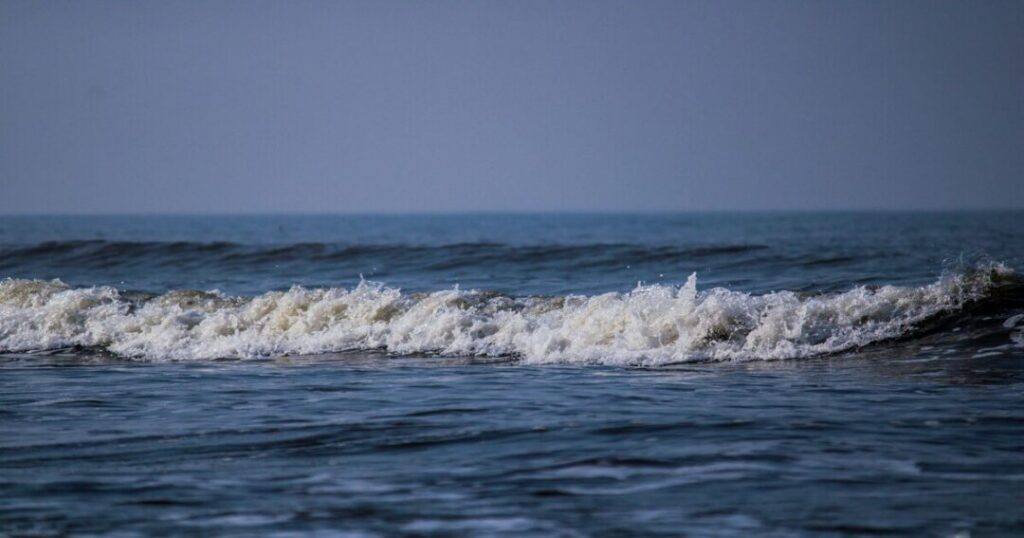
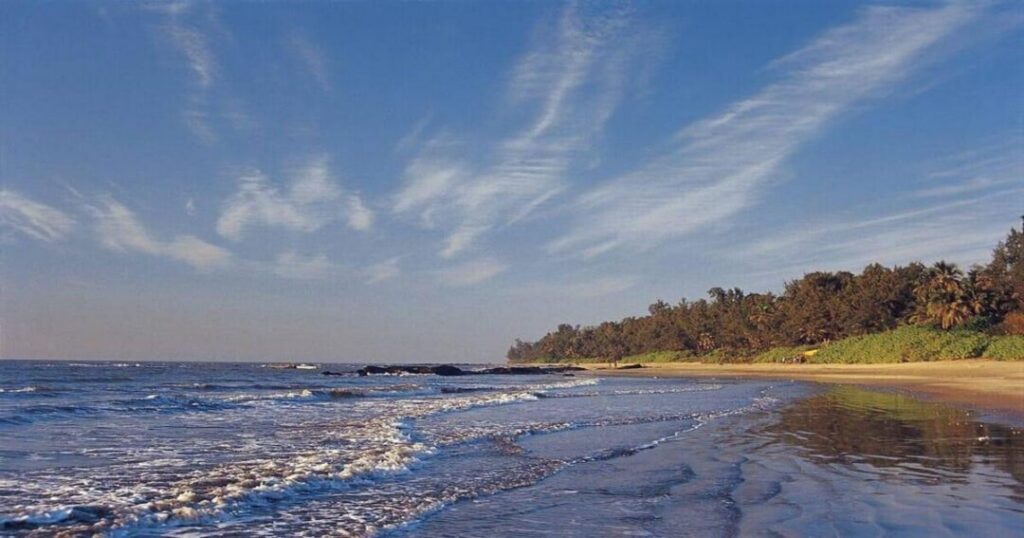
Nagaon is where most of Alibaug’s water sports activity concentrates, with the highest number of water sport operators of any beach in the area. The beach itself stretches about 3 km, lined with casuarina trees that give it a noticeably more shaded, relaxed feel than a fully open stretch of sand, with a fine mix of white and black sand underfoot. Compared to the busier main Alibaug beach and nearby Kashid, Nagaon still manages to feel quieter and more secluded despite the activity level.
Also read: Things to Do in Alibaug: The Complete Guide to Konkan’s Favourite Coastal Escape
Akshi Beach: Mangroves and Quiet Sand
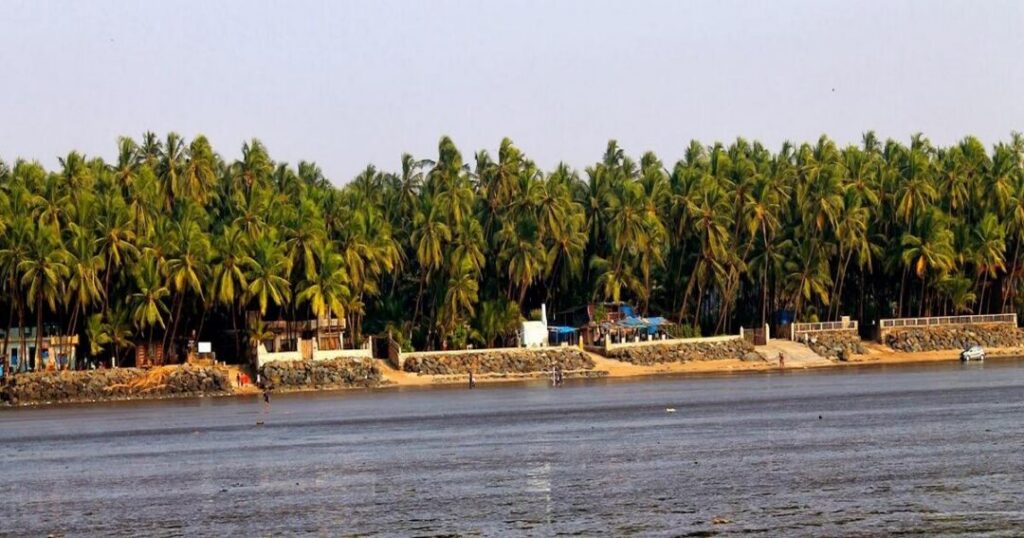
Tucked between the main Alibaug beach and the equally quiet Varsoli, Akshi Beach runs about 2 km and stays noticeably less developed than its neighbors—minimal tourist infrastructure, with suru trees lining the sand instead of beach shacks. What makes Akshi genuinely distinctive is its ecosystem: mangrove forests and tidal pools along the shoreline support real marine life, making it as much a spot for a slower nature walk as a swim.
Kihim Beach: Where Biodiversity Takes Over
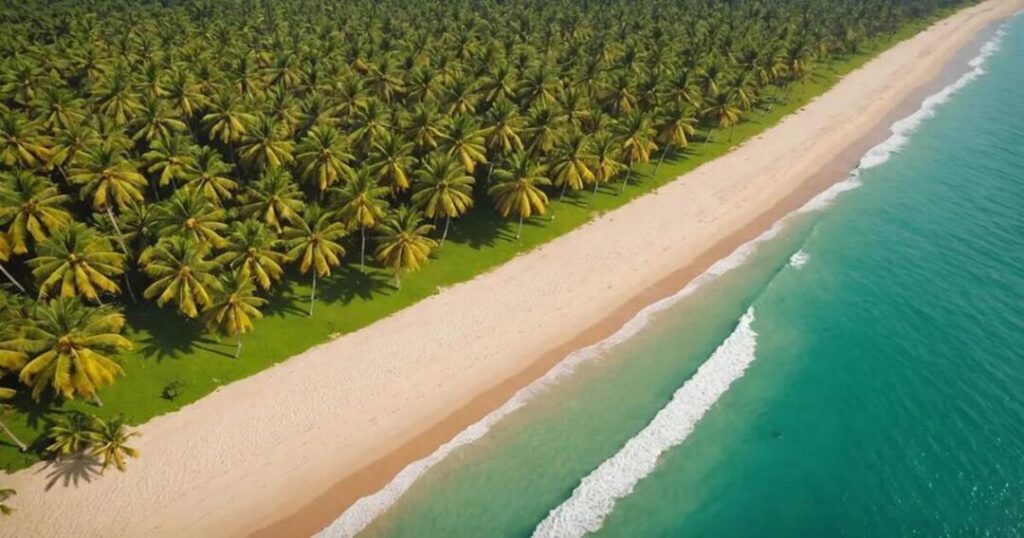
Kihim Beach trades typical beach-day activity for something quieter and more specific: it’s known specifically for its biodiversity, with visitors regularly spotting rare butterflies and bird species along its shoreline and the wooded areas backing onto the sand. If your idea of a good beach day includes actually noticing what’s living around you rather than just the water, Kihim rewards that kind of attention more than the busier beaches nearby.
Varsoli Beach: The Cleanest, Quietest Stretch
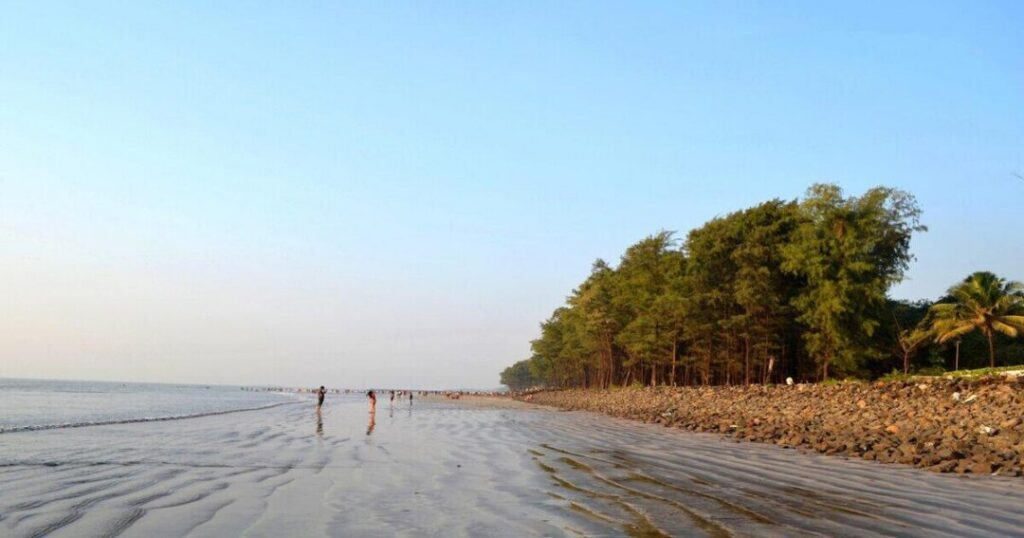
Varsoli has a reputation as the cleanest beach in Alibaug, and unlike several of its neighbors, it stays genuinely uncrowded even during peak season. Its setting—clear views of surrounding hills and forts from the sand—makes it a popular spot for camping, offering a kind of peace that’s increasingly hard to find on Alibaug’s more developed beaches.
Mandwa Beach: Where the Mumbai Ferry Lands
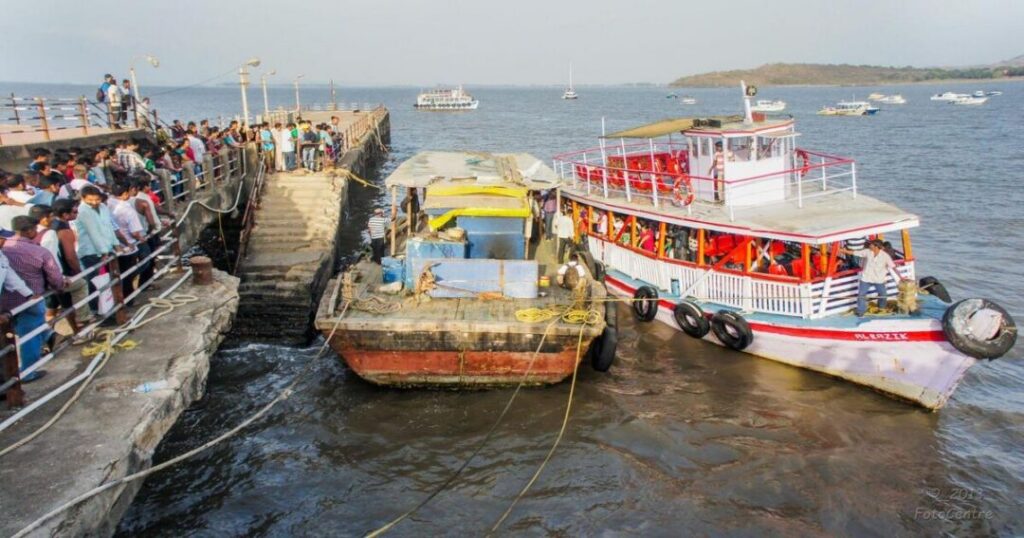
Mandwa Beach carries an outsized role in Alibaug’s identity simply because of geography: it’s where the Mumbai ferry docks, making it the first — and sometimes only — beach many day-trippers actually see. That’s not a downside, though. Mandwa runs a genuinely long list of water sports, including parasailing, jet-skiing, banana boat rides, and sea kayaking, making it a natural first (or last) stop for visitors arriving without their own transport already arranged from the jetty.
Also read: Places to Visit in Mahabaleshwar: Explore Maharashtra’s Scenic Mountain Retreat
Kankeshwar Temple: A 700-Step Climb to a Hilltop Shiva Shrine
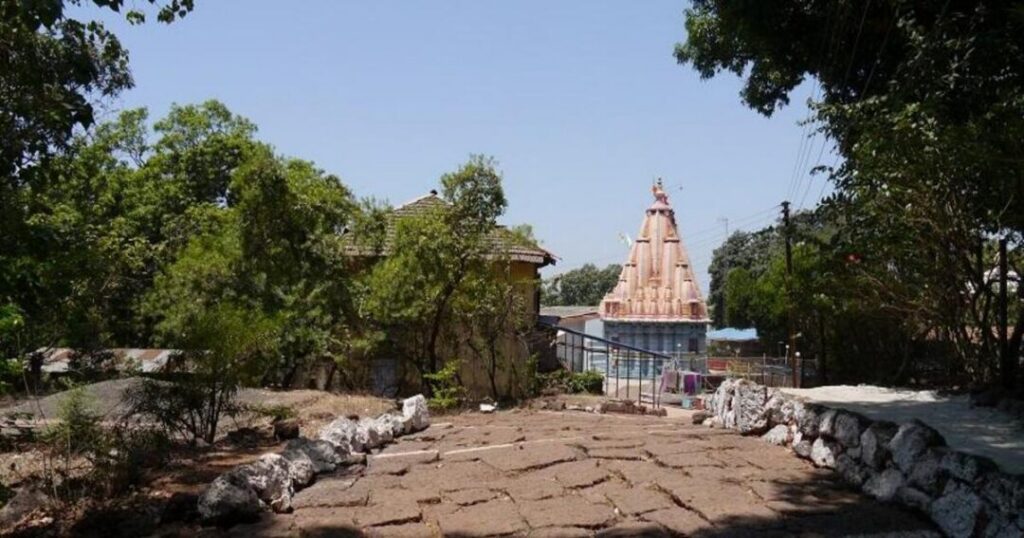
Roughly 13 km northeast of Alibaug, Kankeshwar Temple sits atop a 900-foot hill, and reaching it means climbing approximately 700 steps — a genuinely different kind of Alibaug excursion compared to a beach day. The Shiva temple at the summit is well known locally, and the climb itself, while demanding, rewards you with sweeping views over the surrounding countryside. Two routes lead up: via Paftarpada village off the Pen-Alibag road or via Zirad village, both eventually converging on the same staircase to the top.
Birla Temple: A Marble Shrine Near Salav Village
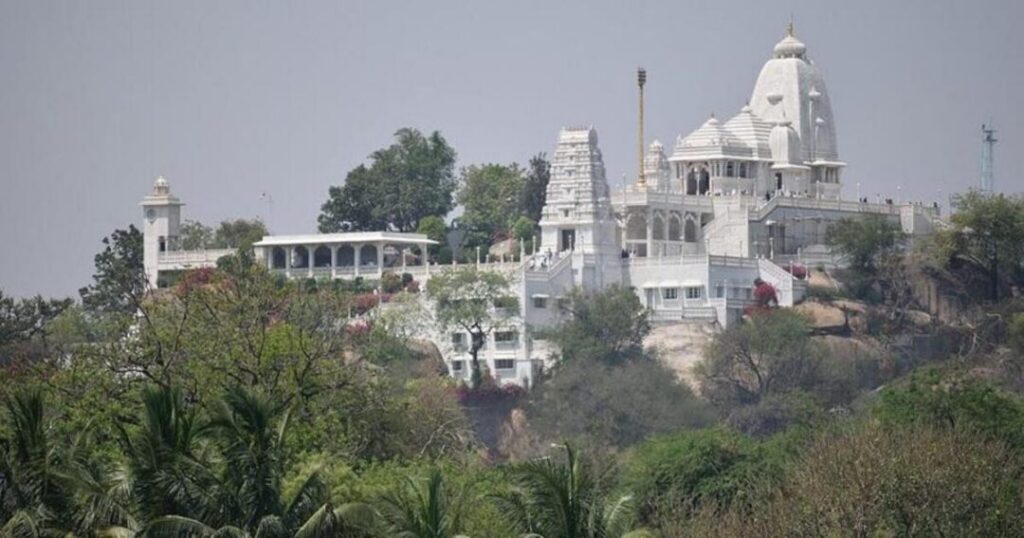
About 20 km from Alibaug on the Alibaug–Roha route, past Revdanda, Birla Temple (also known as Vikram Vinayak Temple) sits on a hilltop near Salav village. Built and maintained by the Birla industrial group, its pure white marble construction and prominent dome are visible from a great distance, standing out sharply against the surrounding green hills. The temple keeps specific visiting hours — 6:00 AM to 11:30 AM and again from 4:30 PM to 9:00 PM — so plan around that window rather than assuming all-day access.
Phansad Wildlife Sanctuary: Alibaug’s Birdwatching Escape
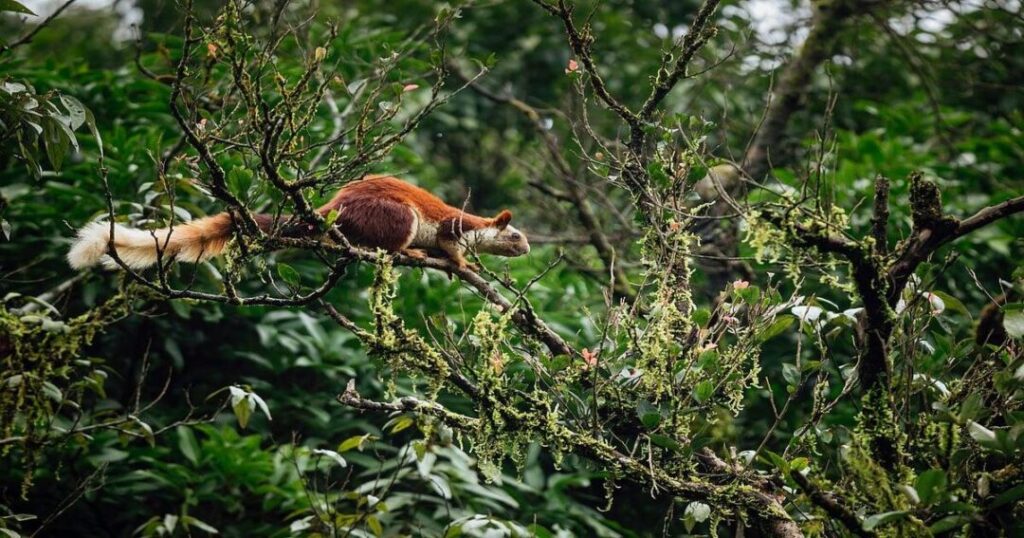
For a change of pace from beaches and temples, Phansad Wildlife Sanctuary sits about 50 km from Alibaug and offers genuinely rewarding birdwatching, particularly between November and March when conditions are most pleasant and bird activity peaks. The sanctuary operates daily from 6:00 AM to 6:00 PM, and while it requires a longer drive than most other stops on this list, it’s a worthwhile addition if you’re extending your Alibaug trip beyond a single beach-and-fort visit.
How to Reach Places to Visit in Alibaug?
Getting to Alibaug is almost part of the experience, and the Mumbai ferry route in particular deserves real attention rather than a passing mention.
By ferry: Three catamaran operators — PNP, Maldar, and Ajanta — run more than 25 daily departures between Mumbai’s Gateway of India and Mandwa Jetty, operating roughly from 6:00 AM to 6:00 PM with departures approximately every hour. The crossing takes about an hour and starts from around ₹185 per person, making it comfortably the fastest way to reach Alibaug from South Mumbai. [STAT: More than 25 daily catamaran departures run between Gateway of India and Mandwa Jetty, operating from roughly 6 AM to 6 PM with crossings taking about an hour.] Worth noting: this ferry service doesn’t run during rain or genuinely rough weather, so it’s not a guaranteed option if you’re traveling during monsoon season.
By RoRo (vehicle ferry): If you want to bring your own car, bike, or even a pet, the M2M RoRo ferry runs between Ferry Wharf (Bhaucha Dhakka) in Mumbai and Mandwa Jetty, also taking about an hour, priced from roughly ₹300 per person plus ₹800 per car. These Ro-Pax vessels can carry up to 500 passengers and 150 vehicles per crossing, making it a genuinely practical option if you’d rather have your own wheels once you land rather than relying on local taxis.
By road: Driving from Mumbai covers about 100 km via NH66, typically taking 3–4 hours depending on traffic. From Pune, the drive runs about 143 km via NH166 and the scenic Tamhini Ghat route, a genuinely enjoyable drive in its own right if you’re not in a rush.
Also read: Places to Visit in Aurangabad: Ajanta Caves, Ellora Caves & More
Best Time for Places to Visit in Alibaug
October through March is Alibaug’s best window, with November through February widely considered the sweet spot — pleasant, lower-humidity weather with temperatures ranging roughly between 17°C and 30°C, ideal for beach time, the Kolaba Fort walk, and the Kankeshwar climb alike. Summer gets noticeably hot and humid, and monsoon season (roughly June through September) brings both rough seas, which disrupt the ferry service, and unpredictable conditions for the fort’s tide-dependent access.
Trying to figure out how to sequence Alibaug’s beaches, the fort, and the inland temples into your available time? NIVU AI inside the Explurger app can help you build a realistic plan based on how much time you actually have, rather than trying to force everything into one rushed day.
Conclusion: Places to Visit in Alibaug
Alibaug rewards travelers who look past the “Mumbai beach town” label—a tide-timed fort walk, five genuinely distinct beaches, and inland stops most day-trippers skip entirely. Save the places to visit in Alibaug that fit your plans to your Explurger Bucket List, and once you’ve made the trip, log it as an Explurge-in — your Automatic Travelogue will keep it mapped alongside every other coastal getaway you’ve taken. Plan your Alibaug trip with Explurger App, tides and ferries included.
FAQs About Places to Visit in Alibaug
2. When can I walk to Kolaba Fort?
Only during low tide, when a roughly 1-2 km stretch of seabed becomes walkable from Alibaug beach, with the low-tide window sometimes stretching up to 5 hours. During high tide, the fort becomes an island reachable only by a hired motorboat. Always check the tide chart before planning your visit rather than assuming you can walk out on arrival.
3. Which Alibaug beach is best for water sports?
Nagaon Beach has the highest concentration of water sport operators in the area, while Mandwa Beach, right where the Mumbai ferry docks, also offers a long list of activities including parasailing, jet-skiing, banana boat rides, and sea kayaking. Both are considerably more activity-focused than the quieter Akshi, Kihim, and Varsoli beaches.
4. Which Alibaug beach is quietest?
Varsoli Beach has a reputation as the cleanest and least crowded beach in the area, popular for camping thanks to its views of surrounding hills and forts. Akshi Beach, with its mangrove forests and minimal tourist infrastructure, is a close second for travelers seeking a quieter experience.
5. How do I get from Mumbai to Alibaug by ferry?
Three catamaran operators run over 25 daily departures between Gateway of India and Mandwa Jetty, roughly every hour from 6 AM to 6 PM, with the crossing taking about an hour and starting from around ₹185 per person. If you need to bring a vehicle, the M2M RoRo ferry runs from Ferry Wharf (Bhaucha Dhakka) instead, priced from roughly ₹300 per person plus ₹800 per car. Neither service runs during rain or rough weather.
6. How difficult is the climb to Kankeshwar Temple?
It involves climbing approximately 700 steps up a 900-foot hill, making it a genuinely demanding climb compared to Alibaug's other, more casual sights. The views from the top and the temple itself make it a worthwhile addition if you're looking for something beyond beaches and forts.
7. What are the visiting hours for Birla Temple in Alibaug?
Birla Temple, about 20km from Alibaug near Salav village, is open from 6:00 AM to 11:30 AM and again from 4:30 PM to 9:00 PM. It's not accessible all day, so plan your visit around this specific window.
8. What is the best time of year to visit Alibaug?
October through March offers the best conditions, with November to February as the ideal stretch, temperatures between 17°C and 30°C, and calm seas that make the Kolaba Fort tide walk and the Mumbai ferry crossing more predictable. Monsoon season brings rough seas that can disrupt both.