
184 Total Views
The festivals in india calendar is less a single list than several overlapping ones — Hindu lunar-calendar festivals like Diwali and Holi, Islamic lunar-calendar observances like Eid-ul-Fitr, a Sikh harvest-and-faith festival in Baisakhi, region-specific celebrations like Onam and Pongal, and three entirely secular National Festivals that exist outside any religious calendar altogether. Very few countries pack this much genuine variety into one national festival calendar. This guide walks through the most famous festivals, explains what actually makes a festival “national” in the Indian constitutional sense, and rounds up a quick-reference list covering the rest.
Top Famous Festivals in India in 2026
These eight festivals are the ones most likely to come up in any list of India’s biggest celebrations, spanning Hinduism, Islam, Christianity, and regional harvest traditions.
Diwali
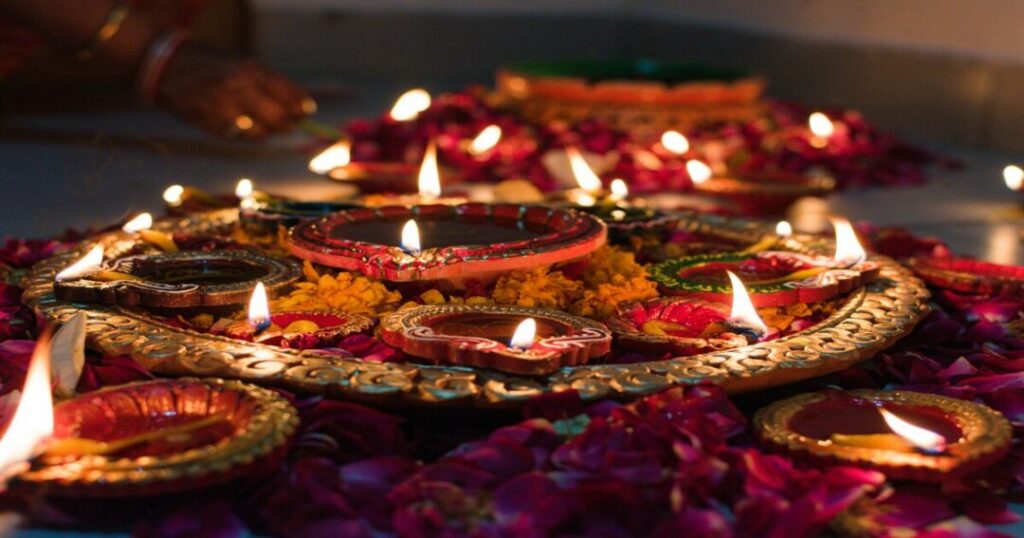
[STAT: Diwali is a five-day Hindu festival falling during the lunar months of Ashvina and Karttika (October-November), with the name derived from the Sanskrit for “row of lights” lit on the new moon night; in North India it’s widely tied to the legend of Rama’s return to Ayodhya after 14 years of exile — Britannica]
- Each of the five days carries its own significance in most North Indian traditions — Dhanteras, Naraka Chaturdashi, the main Lakshmi Puja night, Govardhan Puja, and Bhai Dooj — though regional variations exist across the country and among Jain and Sikh communities who mark the same days differently.
Holi
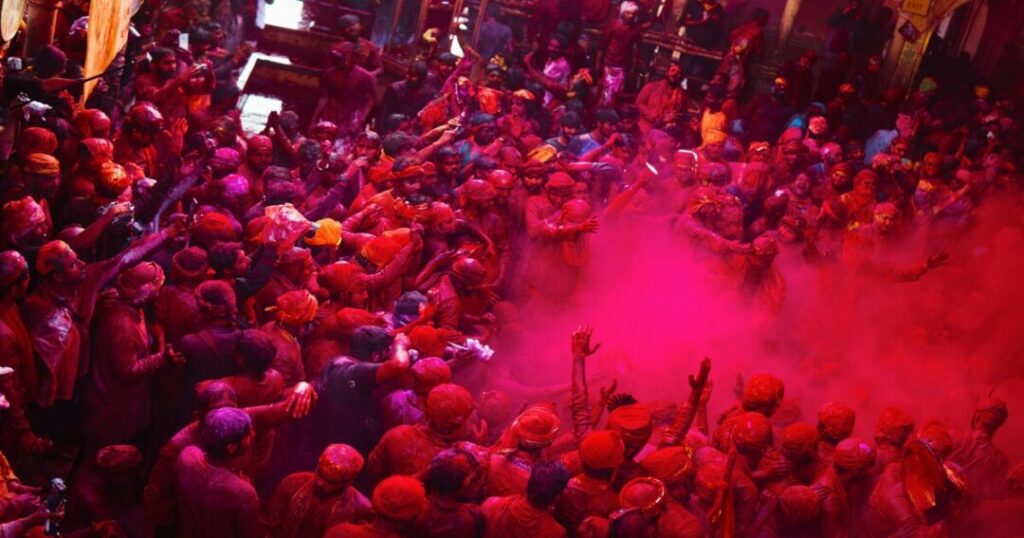
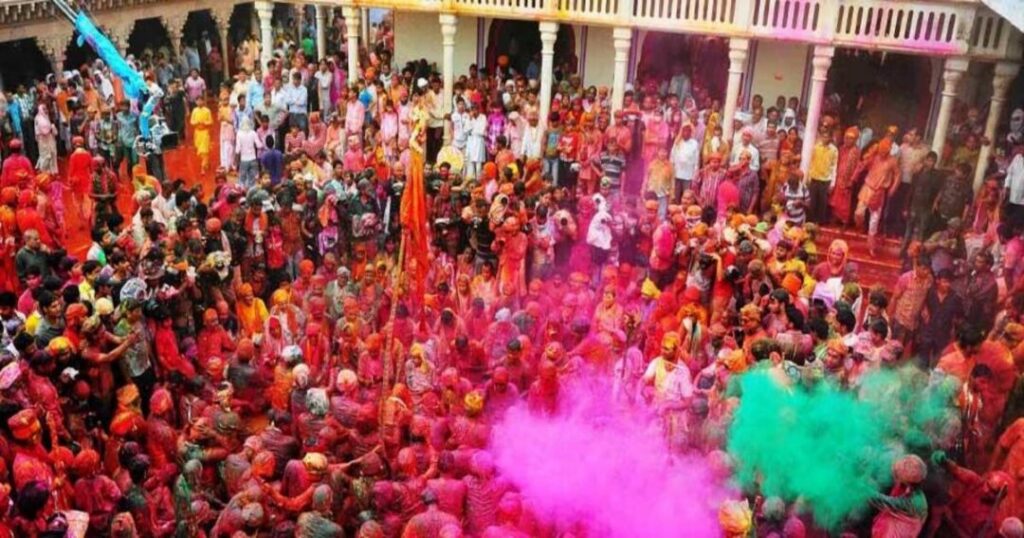
[STAT: Holi’s Braj region (Mathura-Vrindavan-Barsana) hosts some of the most elaborate celebrations in the country, spread across multiple named variations — including Lathmar Holi in Barsana, where women ceremonially strike men with sticks — tied to Krishna-Radha folklore, while Holika Dahan (a bonfire lit the night before, commemorating the legend of Holika and Prahlad) marks the transition into the main day of color-throwing — srimandir.com / holidify.com]
Eid-ul-Fitr
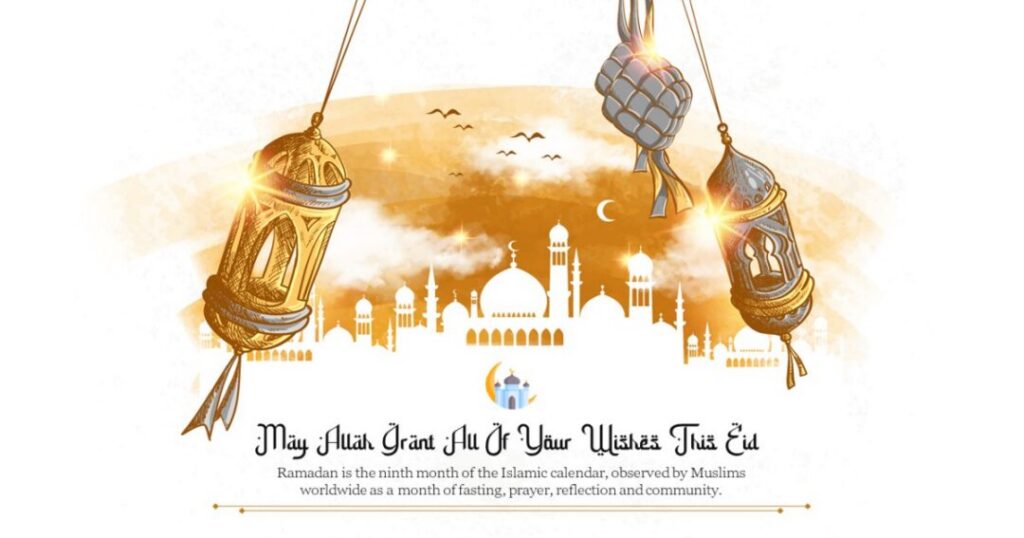
Eid-ul-Fitr marks the end of Ramadan, the Islamic month of fasting, and its date shifts each year since it depends on the sighting of the new crescent moon rather than a fixed calendar date. The day begins with special congregational prayers and traditionally includes Zakat al-Fitr — a charitable donation made before the Eid prayer specifically to ensure less fortunate community members can also celebrate.
Durga Puja
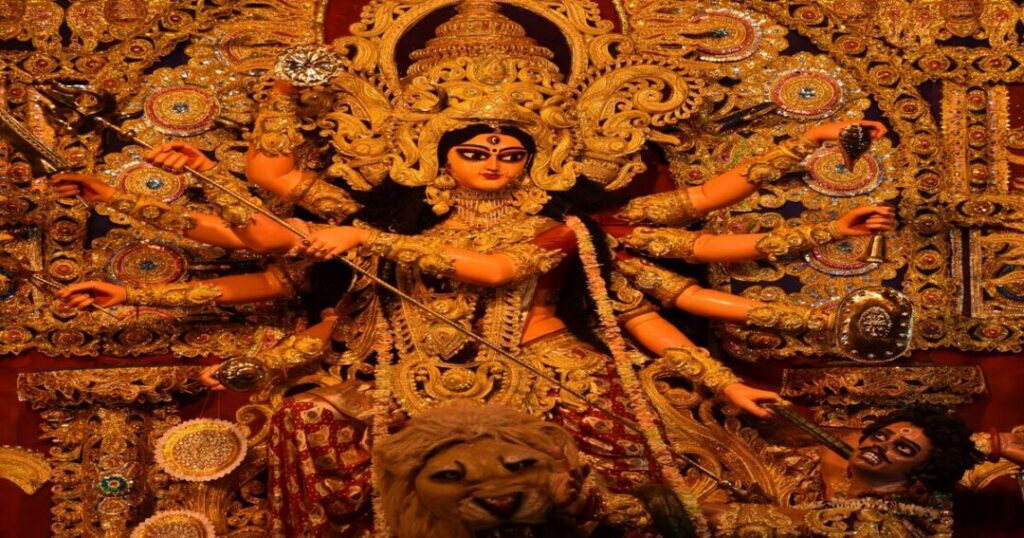
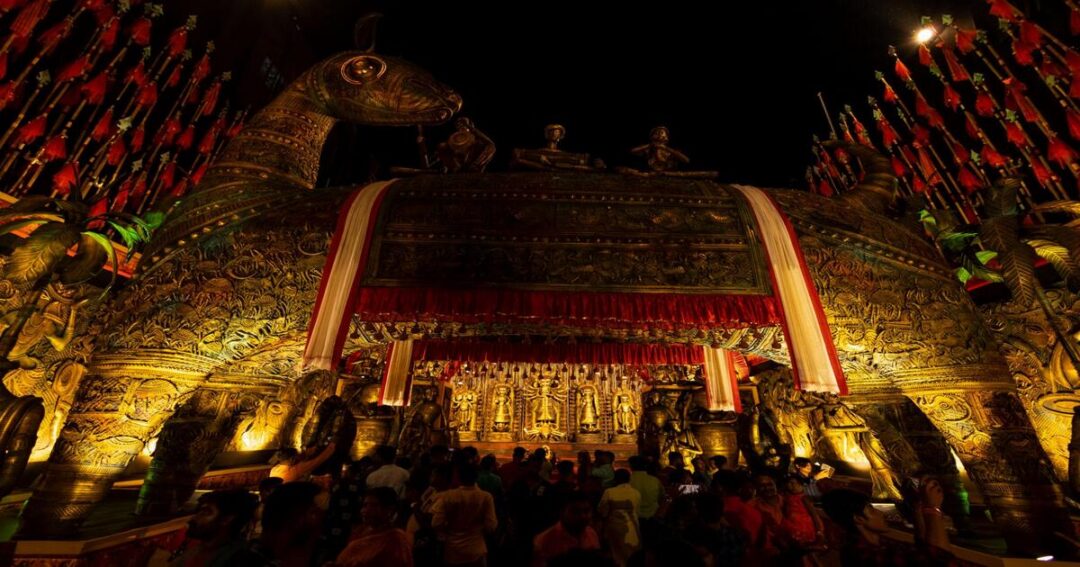
[STAT: Durga Puja in Kolkata was inscribed on UNESCO’s Representative List of the Intangible Cultural Heritage of Humanity on 15 December 2021 — the 16th session of the Intergovernmental Committee — bringing India’s total inscribed elements to 14; the ten-day festival centers on elaborately sculpted clay idols of the goddess Durga displayed in community pavilions (pandals), and while rooted in West Bengal, it’s celebrated by the Bengali diaspora in major cities worldwide — UNESCO]
Christmas
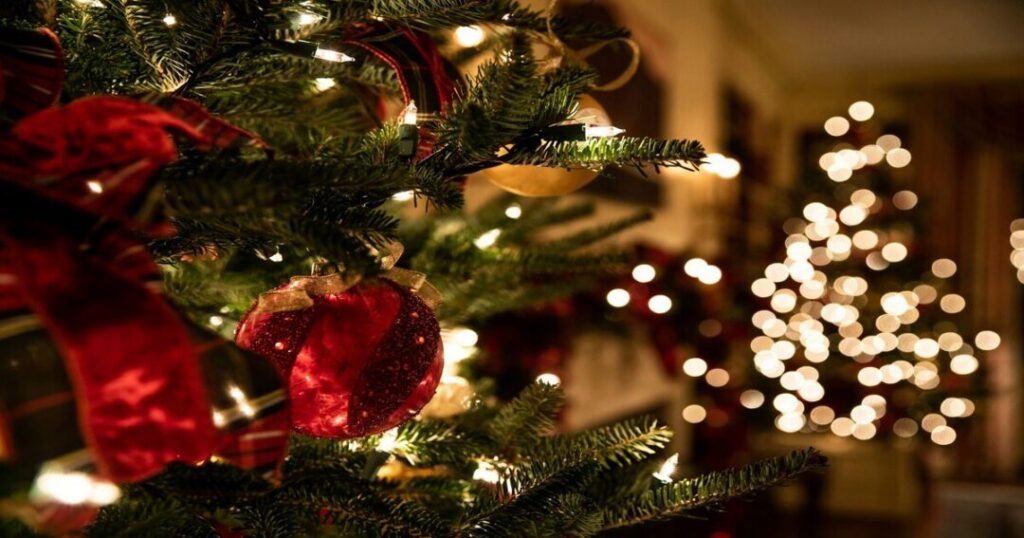
Christmas is a gazetted national holiday in India and is celebrated widely well beyond the country’s Christian population, particularly in Goa, Kerala, and the Northeastern states, which have some of India’s largest Christian communities — Goa’s Christmas Eve Midnight Mass and Kerala’s church-centered celebrations are both well-known draws for domestic travelers.
Onam
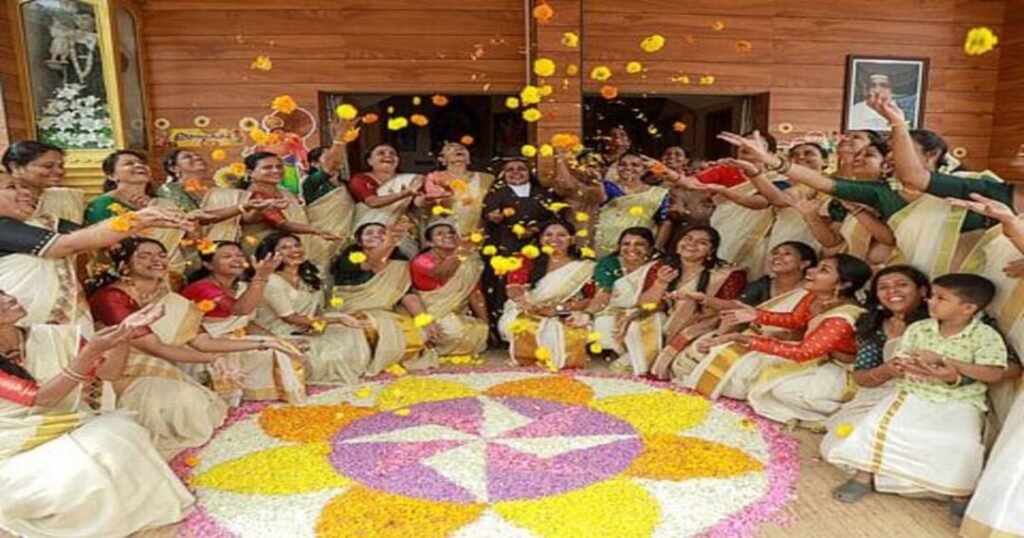
[STAT: Onam is a 10-day Hindu festival celebrated in Kerala during the Malayali month of Chingam (August-September), built around the legend of King Mahabali’s defeat by Vishnu’s dwarf avatar Vamana; Vallam Kali snake boat races on Kerala’s backwaters are among its most distinctive traditions — Britannica]
Baisakhi
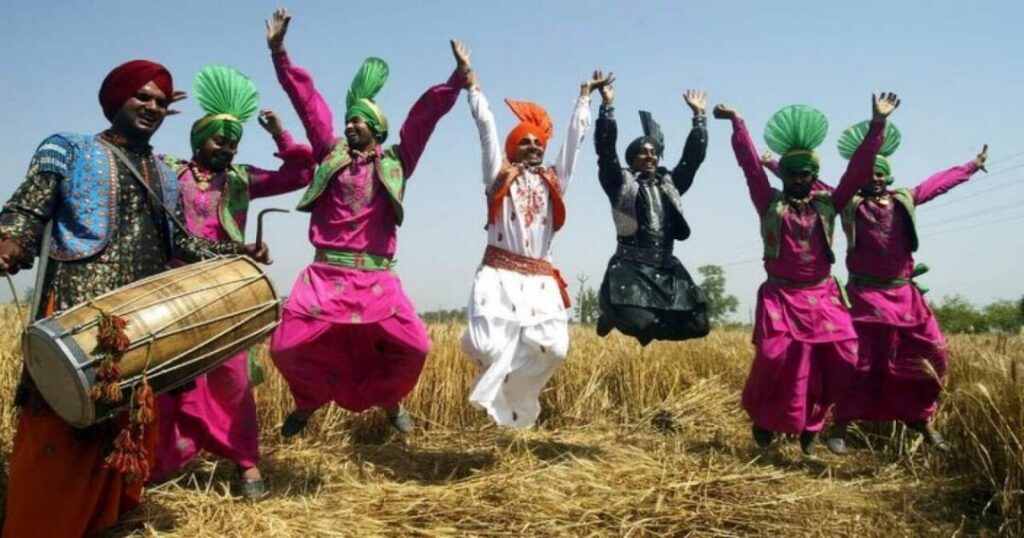
[STAT: Baisakhi falls on the first day of the Vaishakha month (13 or 14 April) and serves a double purpose — a spring harvest festival across North India and, in Sikhism specifically, the anniversary of the Khalsa Panth’s founding by Guru Gobind Singh in 1699; Punjab’s celebrations are built around bhangra performances, traditionally danced in the wheat fields at harvest time — Britannica]
The Mid-January Harvest Festival, Under Many Names
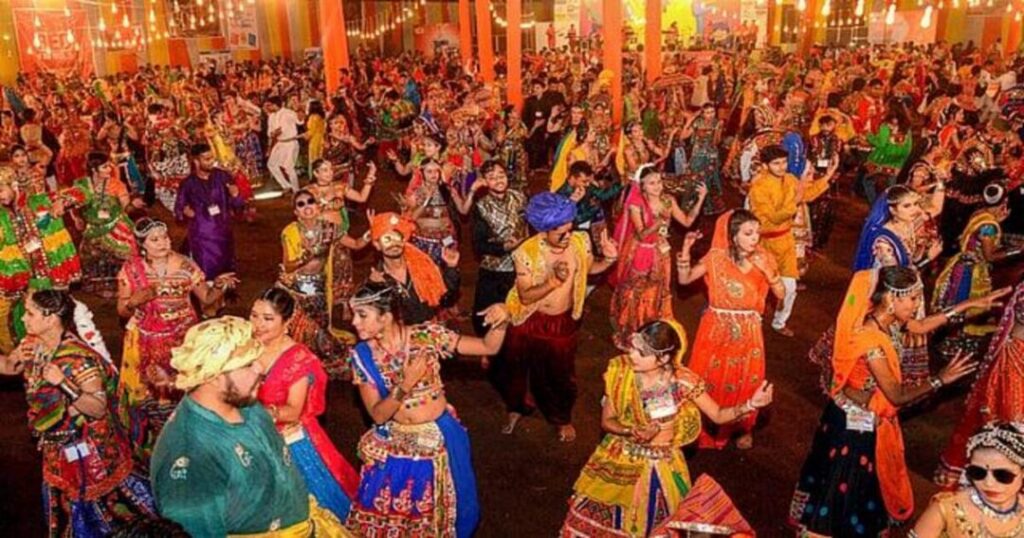
[STAT: the same mid-January harvest festival is celebrated under different regional names across India — Lohri in Punjab, Haryana, Himachal Pradesh, and Jammu & Kashmir (bonfires honoring Surya and Agni); Makar Sankranti across North and Central India (marking the sun’s move into Capricorn, celebrated with kite-flying and holy river dips); and Pongal in Tamil Nadu (a four-day festival named for the tradition of boiling rice until it overflows the pot) — hinduamerican.org]
Also Read: Ganpati Festival in Mumbai: History, Pandals and Traditions
National Festival of India: Republic Day, Independence Day, and Gandhi Jayanti
Unlike Diwali or Eid, the national festival of india isn’t a matter of popular consensus — it’s a specific, government-recognized category, and India officially has three of them.
- Republic Day (26 January) commemorates the Indian Constitution coming into effect in 1950, marked nationally by the Republic Day Parade in New Delhi.
- Independence Day (15 August) marks India’s independence from British rule in 1947, observed with flag-hoisting ceremonies nationwide, most prominently at the Red Fort.
- Gandhi Jayanti (2 October) honors Mahatma Gandhi’s birth anniversary and is also observed internationally as the UN’s International Day of Non-Violence.
What separates these three from every other festival on this list is that they’re explicitly secular and government-declared — observed as public holidays in every state and union territory regardless of religion, with no specific religious or caste organization attached to them, unlike Diwali, Eid, or Christmas, which are rooted in individual faith traditions.
Also Read: Festivals in Gujarat: 5 Celebrations Worth Timing Your Trip Around
All Festivals of India: A Quick Calendar Reference
Trying to track all festival of india in one place is a genuinely large undertaking — India’s full festival calendar runs into the hundreds once every regional and local celebration is counted. Here’s a working snapshot organized roughly by when each falls in the year, covering the festivals above plus a few more:
- January — Makar Sankranti / Lohri / Pongal / Bhogali Bihu (regional harvest festivals, mid-January)
- January — Republic Day (26th, National Festival)
- March — Holi (spring, date varies by lunar calendar)
- March/April — Eid-ul-Fitr (date depends on moon sighting, shifts roughly 10-11 days earlier each Gregorian year)
- April — Baisakhi (13th or 14th, Punjab harvest and Sikh new year)
- August — Independence Day (15th, National Festival), Raksha Bandhan, Janmashtami
- August/September — Onam (Kerala, 10 days), Ganesh Chaturthi
- September/October — Navratri and Dussehra (nine nights of Durga worship culminating in Vijay Dashami)
- October — Gandhi Jayanti (2nd, National Festival), Durga Puja (Bengal, UNESCO-recognized)
- October/November — Diwali (five days), Bhai Dooj
- December — Christmas (25th)
This snapshot leans on major national and widely-covered regional festivals; a genuinely complete state-by-state list would run considerably longer and is worth treating as a living document rather than a fixed one, since exact lunar-calendar dates shift every year.
Also Read: Festivals in Goa: The Carnival, Konkani, and Colonial Calendar Behind the Parties
Festivals Celebrated in India Across Religions and Regions
What makes a festival celebrated in india distinct from a festival almost anywhere else is how many religious calendars operate side by side in the same national holiday list. Hindu festivals (Diwali, Holi, Navratri, Onam) follow lunar or solar Hindu calendars that shift date every year; Islamic festivals (Eid-ul-Fitr, Eid-ul-Adha) follow the lunar Islamic calendar and can fall in any season over a roughly 33-year cycle; Christian festivals (Christmas, Good Friday) follow the fixed or lunar-linked Western calendar; and Sikh festivals (Baisakhi, Guru Nanak Jayanti) follow their own solar and lunar dates respectively. Add in the three fixed-date secular National Festivals, and India’s public holiday calendar ends up drawing from at least five separate dating systems in the same twelve months.
Conclusion: Making Sense of India’s Festival Calendar
Between Diwali’s five days of lights, Durga Puja’s UNESCO-recognized ten days in Kolkata, Onam’s Vallam Kali boat races, and the three secular National Festivals that exist entirely outside any religious calendar, the festivals in india calendar rewards a bit of homework before you travel — timing a trip around one specific celebration, rather than hoping to catch “festival season” in general, is what actually gets you the parades, pandals, or lantern-lit ghats you’re picturing.
Ready to plan a trip around one of India’s festivals? Download the Explurger app and start building your itinerary today.
FAQs About the Festivals in India
2. What is the most famous festival in India?
Diwali is generally considered India's most widely celebrated festival, observed as a five-day celebration across most of the country and among the Indian diaspora worldwide, though Holi, Eid-ul-Fitr, and Durga Puja are close behind in scale and recognition.
3. What is the difference between a national festival and a religious festival in India?
National festivals (Republic Day, Independence Day, Gandhi Jayanti) are secular, government-declared observances with no religious affiliation, celebrated by all citizens regardless of faith. Religious festivals like Diwali, Eid, and Christmas are rooted in specific faith traditions and their dates typically follow that religion's own calendar.
4. Which Indian festival has UNESCO recognition?
Durga Puja in Kolkata was inscribed on UNESCO's Representative List of the Intangible Cultural Heritage of Humanity in December 2021, recognizing the ten-day festival's community pandals, clay-idol craftsmanship, and associated folk arts traditions.
5. What is Onam and where is it celebrated?
Onam is a ten-day Hindu festival celebrated primarily in Kerala during the Malayali month of Chingam (August-September), commemorating the legend of King Mahabali and featuring Vallam Kali snake boat races as one of its signature traditions.
6. Why does Eid-ul-Fitr fall on a different date every year?
Eid-ul-Fitr follows the Islamic lunar calendar and its exact date depends on the sighting of the new crescent moon marking the end of Ramadan, which is why the date shifts by roughly 10-11 days earlier each year relative to the Gregorian calendar.