
58 Total Views
With over 17,000 islands, 700-plus languages, and religious traditions spanning Islam, Hinduism, Buddhism, and Christianity, festivals in Indonesia cover a wider range than almost any other country’s calendar. The world’s largest Muslim population celebrates Eid al-Fitr on a scale few countries can match, Bali runs on its own 210-day ceremonial calendar entirely separate from the Gregorian one, and the Toraja highlands of Sulawesi hold funeral ceremonies elaborate enough to be considered festivals in their own right. This guide walks through the most famous of them, addresses a couple of common search questions head-on, and rounds up Bali’s packed festival calendar specifically.
Famous Festivals in Indonesia
These eight events are the ones most likely to come up in any serious list of Indonesia’s biggest celebrations, spanning Islam, Balinese Hinduism, Buddhism, Christianity, and the animist-influenced traditions of Sulawesi.
Eid al-Fitr (Lebaran)
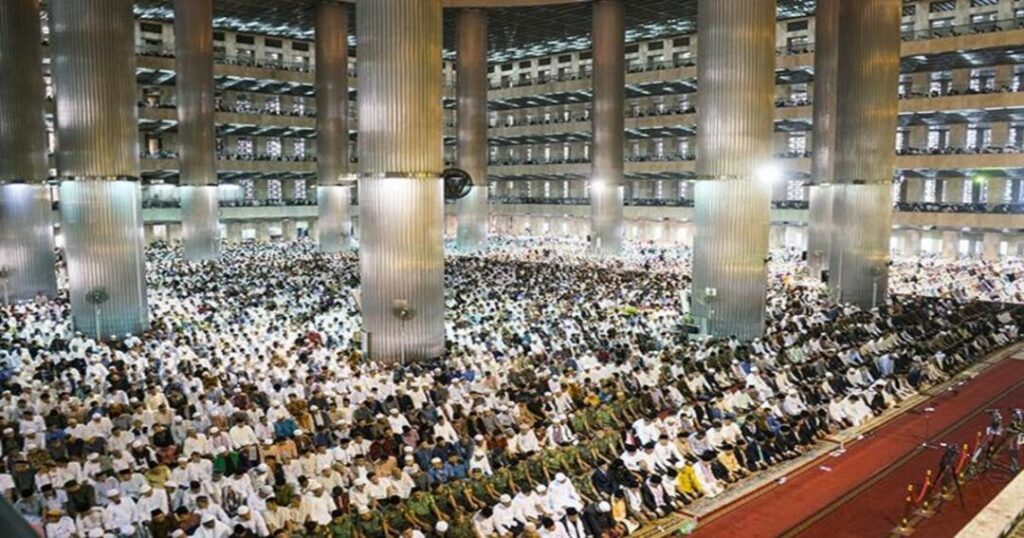
Eid al-Fitr, locally called Lebaran or Hari Raya Idul Fitri, marks the end of Ramadan and is Indonesia’s largest annual celebration by sheer participation, driven by the world’s largest Muslim population. It’s centered on mudik, a mass homecoming migration in which tens of millions of Indonesians travel from cities back to their home villages in the days before the holiday.
- Traditions include halal bihalal (asking forgiveness from family and neighbors), wearing new clothes for morning prayers, and giving THR — a holiday bonus or allowance, especially to children.
Nyepi, the Day of Silence
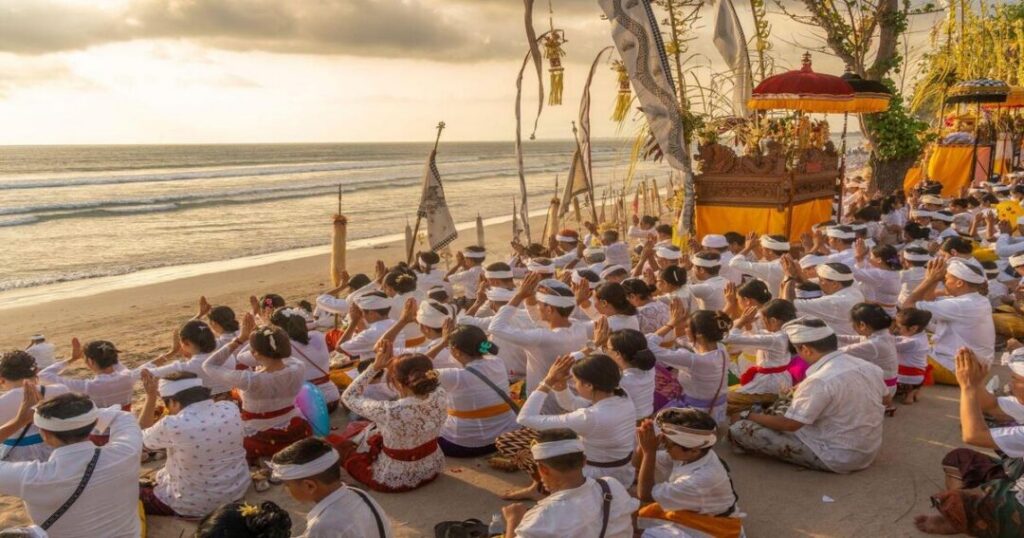
Nyepi is Bali’s Hindu New Year, observed as a full 24-hour island-wide curfew with four strict prohibitions — no fire or light, no entertainment, no work, and no travel outside one’s residence — enforced by community security officers called Pecalang. The evening before, communities parade towering bamboo-and-papier-mâché effigies called Ogoh-ogoh representing evil spirits, then burn them to symbolize purging negativity.
Galungan and Kuningan
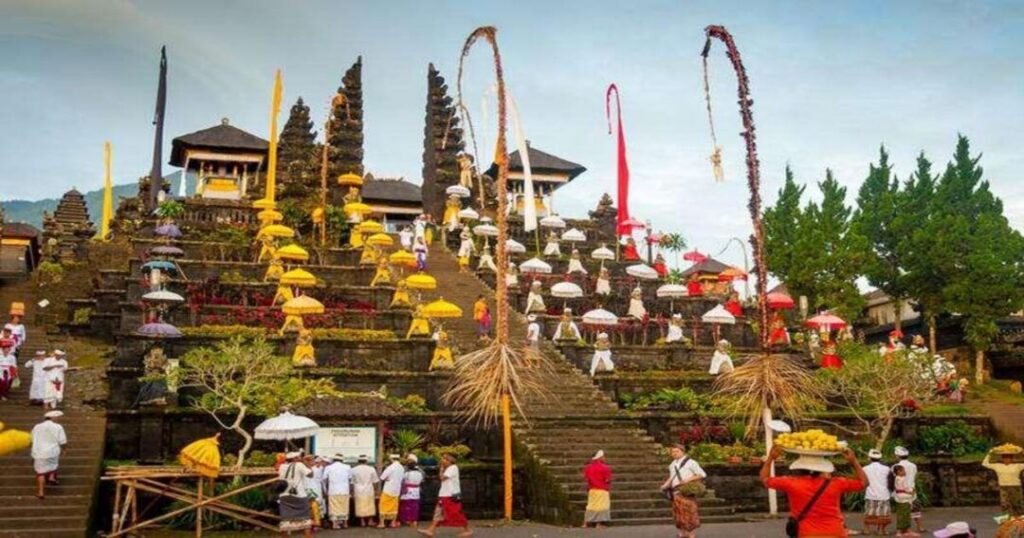
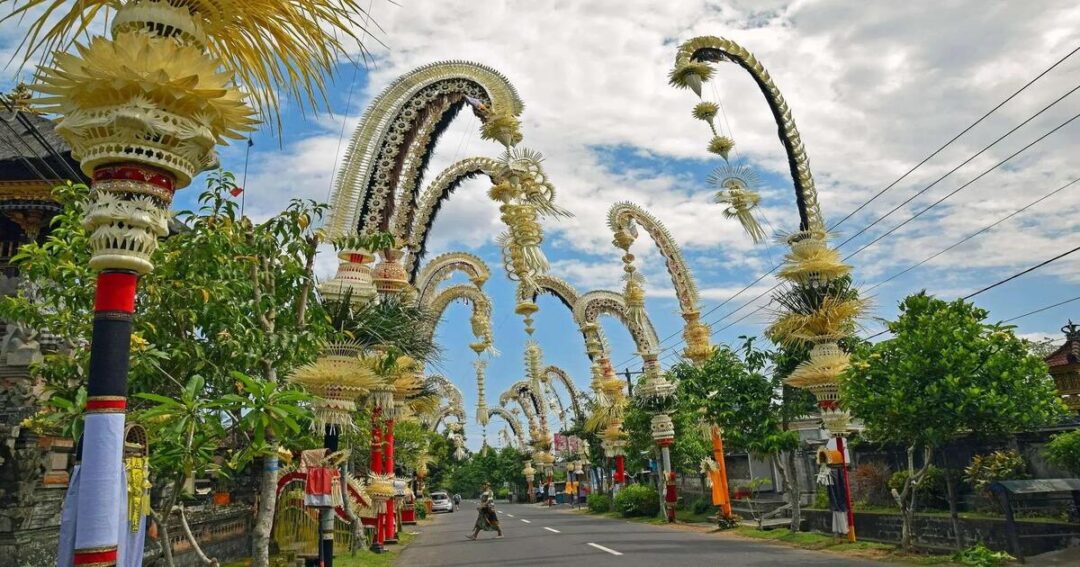
Galungan and Kuningan are Balinese Hindu observances marking the visit of ancestral spirits to earth (Galungan) and their return to heaven ten days later (Kuningan). Both follow the 210-day Pawukon calendar rather than the Gregorian one, so they occur roughly twice a year, and Galungan is marked by penjor — tall bamboo poles hung with offerings — lining the roadsides across Bali.
Waisak (Vesak) at Borobudur
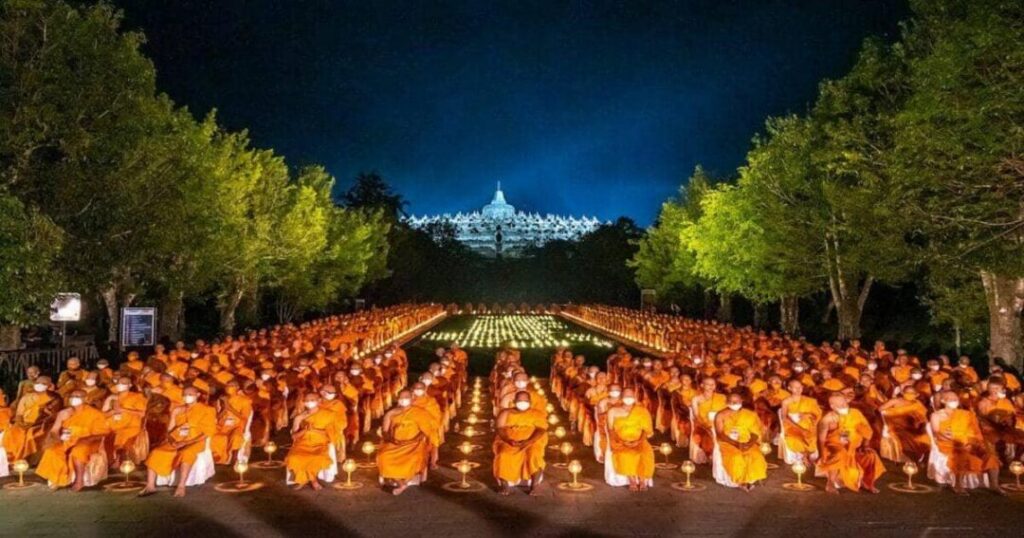
Waisak commemorates the birth, enlightenment, and death of the Buddha simultaneously, and Indonesia’s main observance takes place at Borobudur Temple in Central Java, where thousands of monks perform a circumambulation ritual called Pradaksina around the temple. A separately organized lantern release has become a popular modern addition to the evening program at Borobudur in recent years.
Bali Arts Festival
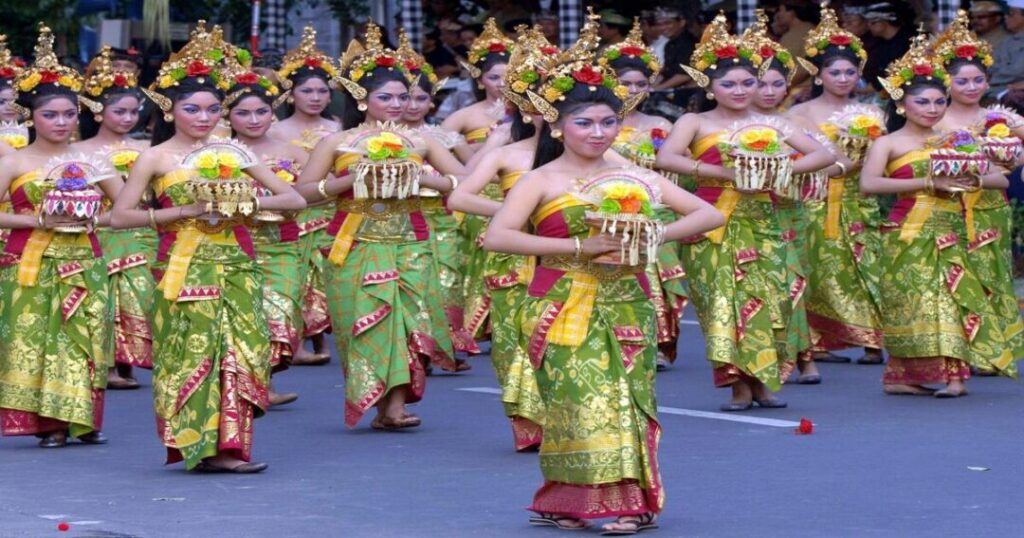
The Bali Arts Festival (Pesta Kesenian Bali) was established in 1979 under Governor Ida Bagus Mantra and is Indonesia’s longest-running arts festival, now running for roughly a month each year starting in June, with an opening parade at the Bajra Sandhi Monument followed by a month of performances, competitions, and exhibitions at Denpasar’s Taman Werdhi Budaya Art Centre.
Rambu Solo, the Toraja Funeral Ceremony
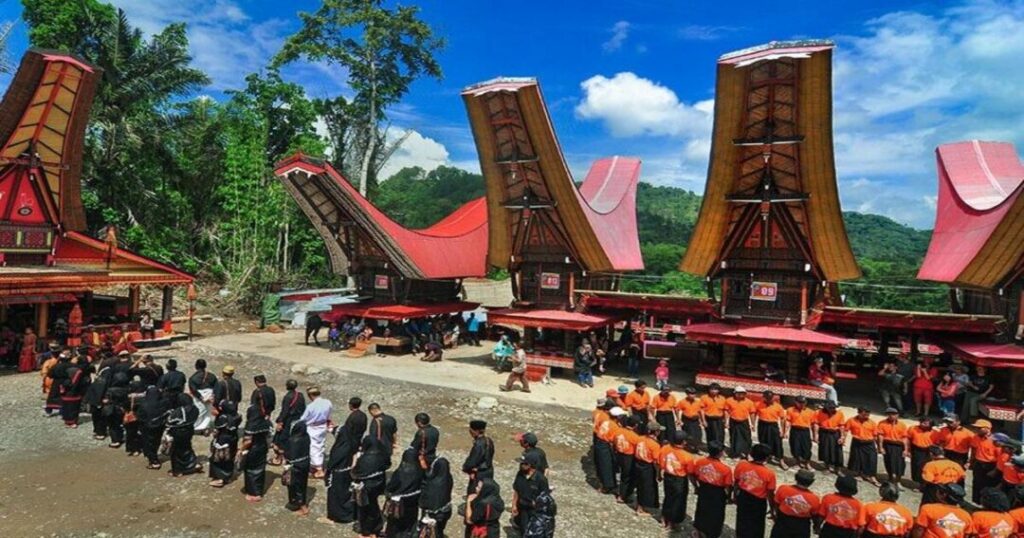
Rambu Solo is the elaborate funeral tradition of the Toraja people of South Sulawesi, rooted in the ancestral belief system Aluk To Dolo. Ceremonies can involve sacrificing dozens or even hundreds of water buffalo, with the meat distributed among family, friends, and spectators, and Toraja communities have opened these events to outside visitors as a way of sharing the tradition.
Christmas
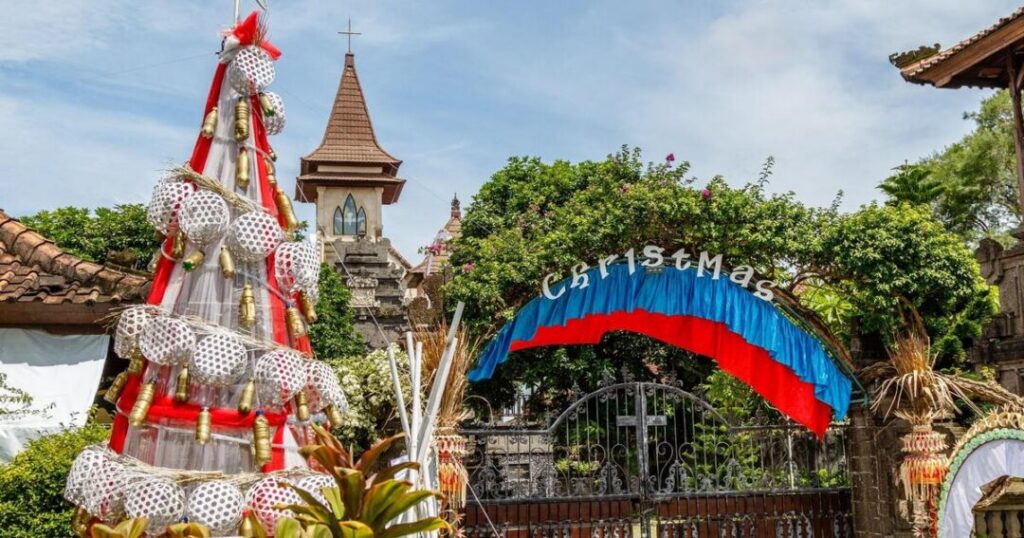
Christmas is a national public holiday in Indonesia, celebrated by the country’s Christian minority, concentrated especially in North Sumatra, Papua, East Nusa Tenggara, and parts of North Sulawesi — communities where Christian populations run well above the national average.
Holi in Indonesia
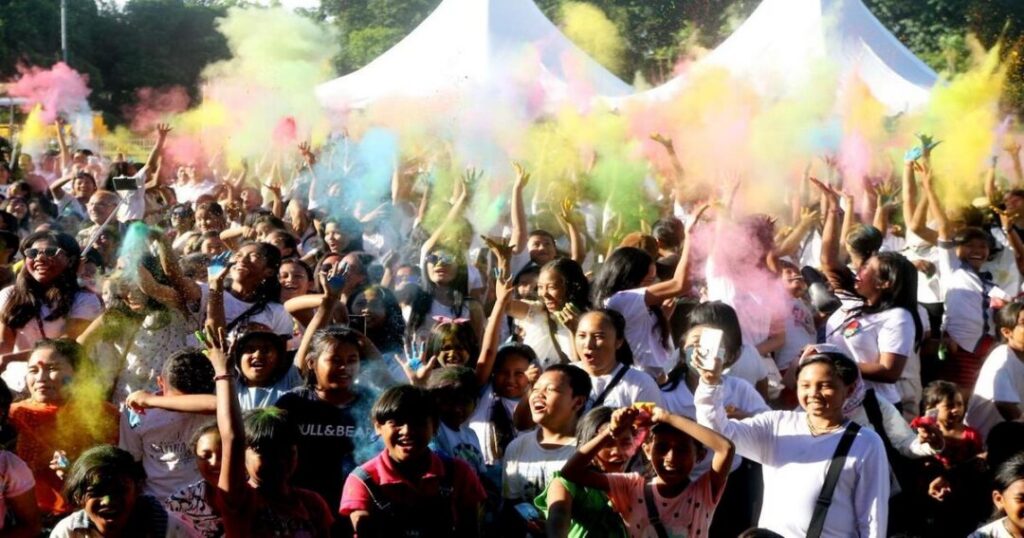
Holi, the festival of colors, is genuinely celebrated in Indonesia — in March 2025, public color-throwing events were held at Gambir Expo in Jakarta and in Medan, North Sumatra, drawing general public participation beyond just the Hindu community.
If you’ve searched “festival holi di indonesia,” here’s the honest picture: it’s a real, growing annual event in a handful of cities, but it isn’t part of Bali’s indigenous Hindu-Balinese festival calendar, which follows its own Pawukon traditions (Nyepi, Galungan, Kuningan) and doesn’t traditionally include Holi at all — the Jakarta and Medan events are better understood as modern, diaspora-linked cultural festivals than ancient regional custom.
Also Read: 10 Budget International Trips from India Under ₹50,000
What Is the Most Famous Festival in Indonesia?
There’s no single official answer to what the most famous festival in indonesia actually is — it genuinely depends on which lens you use, and being upfront about that split is more useful than forcing a single pick.
- By sheer scale and participation, Eid al-Fitr wins by a wide margin — it’s the biggest celebration for the largest religious group in the country, involving one of the largest annual human migrations on Earth.
- By international name recognition and cultural distinctiveness, Nyepi is usually the answer — an entire island going dark and silent for 24 hours is unlike almost anything else in world tourism, and it’s the festival most frequently featured in international travel media.
If you’re asking which one to plan a trip around, the honest answer is: it depends on whether you want to witness Indonesia’s largest celebration in scale, or its most singular one in concept.
Also Read: Top 10 Cheapest Countries to Visit From India (2026 Budget Guide)
Bali Indonesia Festival Highlights
Because Bali runs largely on its own 210-day ceremonial calendar, a bali indonesia festival trip needs separate planning from the rest of the country — here’s the compact version.
- Nyepi (Day of Silence) — March or April by the Gregorian calendar, island-wide 24-hour curfew, preceded by the Ogoh-ogoh parade.
- Galungan and Kuningan — twice a year per the 210-day Pawukon calendar, marked by penjor bamboo poles along every roadside.
- Bali Arts Festival (Pesta Kesenian Bali) — roughly a month starting in June, centered on Denpasar’s Taman Werdhi Budaya Art Centre.
- Melasti — a purification ceremony held at the coast in the days before Nyepi, when villages carry sacred temple effigies down to the sea.
Because Galungan, Kuningan, and Nyepi follow different calendars than the Gregorian one, exact dates shift every year — worth checking a current Balinese calendar before booking a trip around any specific one.
Also Read: Indonesian Food: Exploring the Rich Flavors of the World’s Largest Archipelago
Conclusion: Indonesia’s Festival Calendar Rewards Some Planning
Between Lebaran’s nationwide homecoming, Bali’s silent New Year, and Toraja’s buffalo-sacrifice funerals, the festivals in indonesia calendar reflects just how much religious and cultural variety the archipelago actually holds. Picking one region and one celebration to build a trip around — rather than hoping to catch “festival season” broadly — is what actually gets you the parades, processions, or silence you’re picturing.
Ready to plan a trip around one of Indonesia’s festivals? Download the Explurger app and start building your itinerary today.
FAQs About festivals in Indonesia
2. What happens during Nyepi, Bali's Day of Silence?
For 24 hours, the entire island observes a curfew with no fire or light, no entertainment, no work, and no travel outside the home — enforced by community officers called Pecalang. The evening before, communities parade and then burn towering effigies called Ogoh-ogoh.
3. Is Holi celebrated in Indonesia?
Yes, in a limited but real way — public color-throwing events have been held in Jakarta and Medan in recent years. It isn't part of Bali's traditional Hindu-Balinese festival calendar, though, which follows its own Pawukon-calendar traditions like Nyepi and Galungan instead.
4. What is Galungan and when does it happen?
Galungan is a Balinese Hindu holiday marking the visit of ancestral spirits to earth, followed ten days later by Kuningan, when the spirits return. Both follow the 210-day Pawukon calendar, so they occur roughly twice each Gregorian year rather than on fixed dates.
5. What is Waisak and where is it celebrated in Indonesia?
Waisak (Vesak) commemorates the Buddha's birth, enlightenment, and death simultaneously. Indonesia's main observance takes place at Borobudur Temple in Central Java, where thousands of monks perform a circumambulation ritual, with a lantern release added to the evening program in recent years.
6. What is the Toraja funeral ceremony Rambu Solo?
Rambu Solo is the elaborate funeral tradition of the Toraja people of South Sulawesi, rooted in the ancestral belief system Aluk To Dolo. Ceremonies can involve sacrificing dozens of water buffalo and are open to outside visitors as spectators.