
984 Total Views
There is a particular kind of silence in Jim Corbett. India’s oldest national park is far more than a place to chase a tiger sighting. From early-morning jeep safaris and newly resumed elephant safaris to waterfalls, riverside temples, birding trails and the historic home of Jim Corbett himself, there are plenty of things to do in Jim Corbett beyond the usual safari itinerary.
Whether you’re visiting with family, looking for adventure or simply want to spend a few days surrounded by the Himalayan foothills, this guide covers what to see, what to do and how to plan your Corbett escape.
Best Things to Do in Jim Corbett 2026
A Corbett trip can begin with a safari, but it doesn’t have to end there. These experiences bring together the wildlife, landscapes, history and adventure that make the region special.
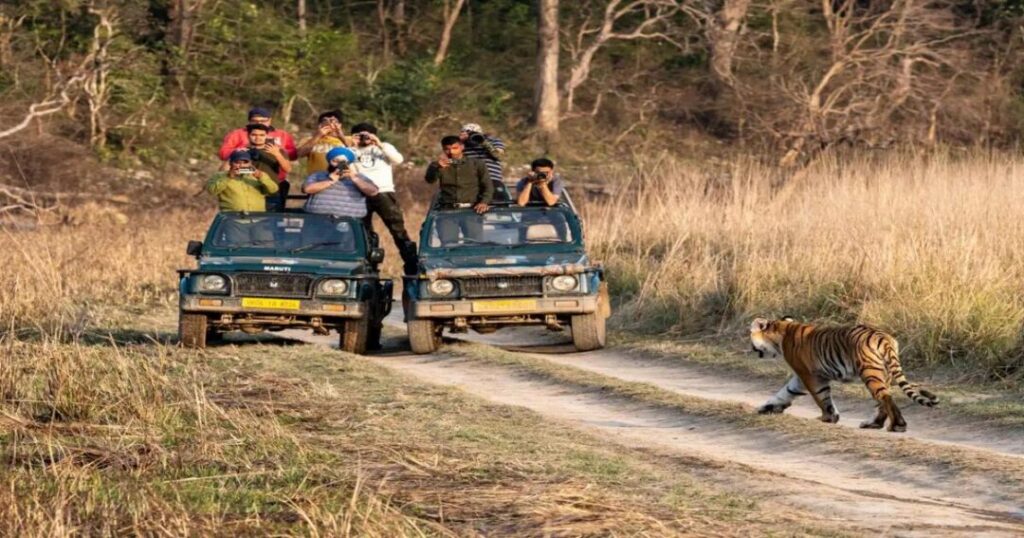
Jeep Safari Across the Park’s Zones
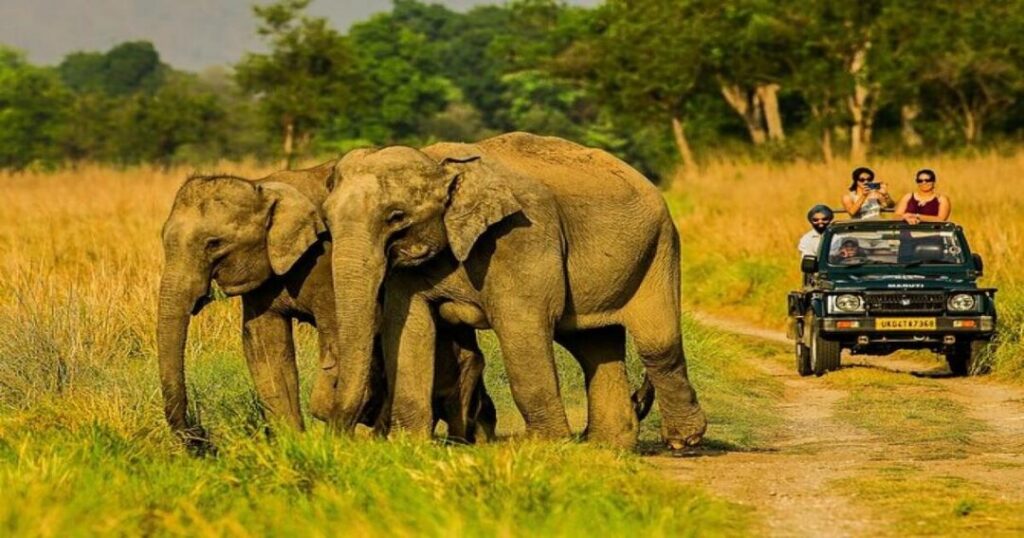
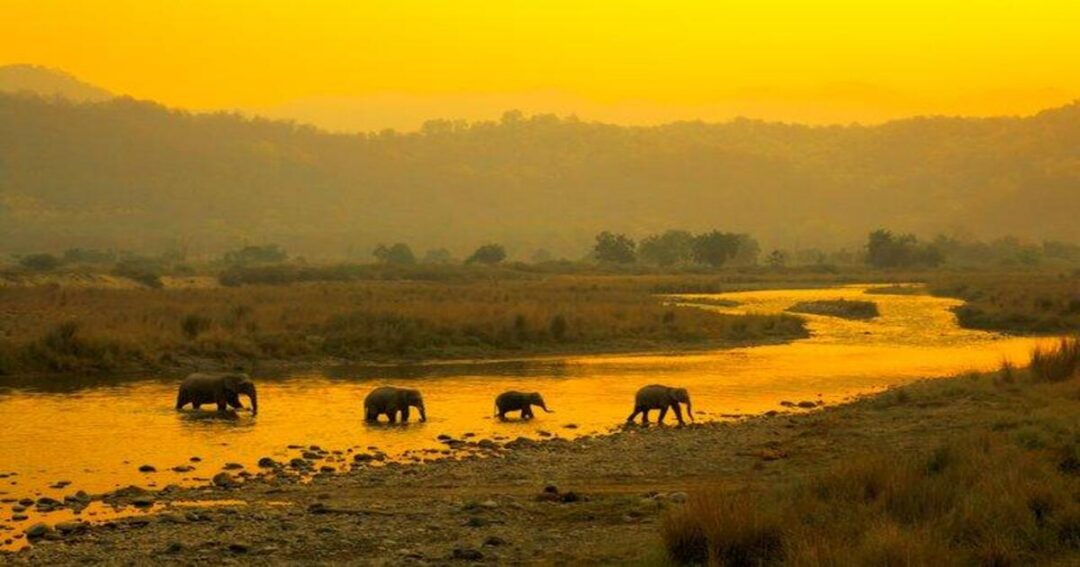
The first light of morning is often when Corbett feels most alive. As the jeep enters the forest, the air is cool and the roads are still quiet. You might see spotted deer grazing beside the track, an elephant moving through the trees or a flock of birds suddenly taking flight.
And then there is the possibility everyone is waiting for — the tiger.
Corbett is divided into several safari zones, each with its own character. Dhikala is the best-known core zone and is particularly sought after for wildlife sightings. Bijrani combines varied forest landscapes with rich wildlife, while Jhirna and Dhela offer year-round safari access. Durga Devi and Sitabani are quieter alternatives and are particularly appealing to birdwatchers and travellers who want to experience the forest at a slower pace.
The key is not to think of a safari only as a tiger hunt. Every track, alarm call and unexpected movement is part of the experience.
Elephant Safari (Recently Resumed)
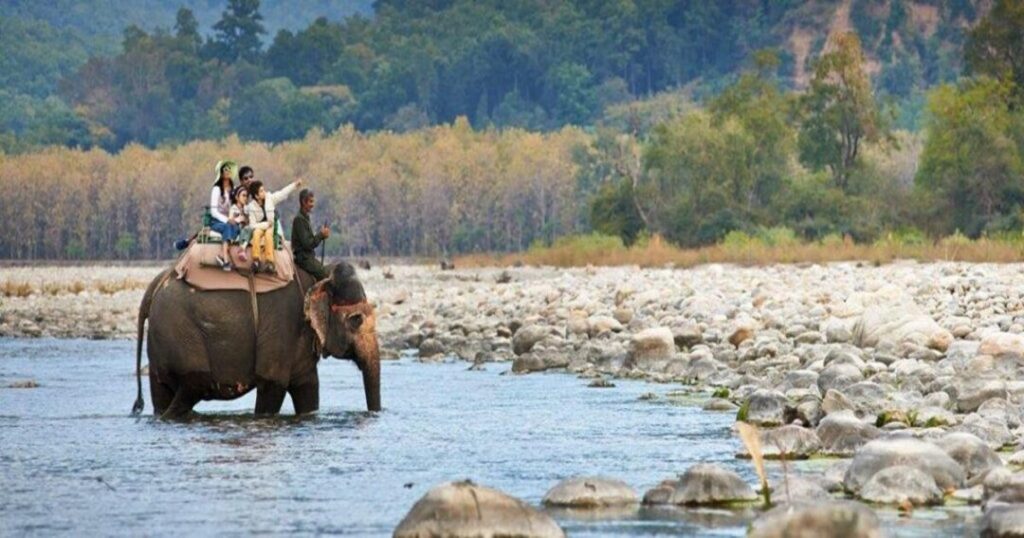
For visitors looking for a different way to experience the forest, elephant safaris have returned to Corbett after a six-year suspension.
The experience is fundamentally different from travelling through the forest in a jeep. Sitting higher above the ground and moving at a slower pace gives the forest a different rhythm, allowing travellers to observe the surrounding vegetation and wildlife more closely.
Elephant safaris resumed in the Dhikala and Bijrani zones in December 2025, with morning and evening shifts. Because this is a recent policy change, travellers should confirm current availability, timings and booking rules directly with the park before planning their trip around an elephant safari.
Corbett Falls
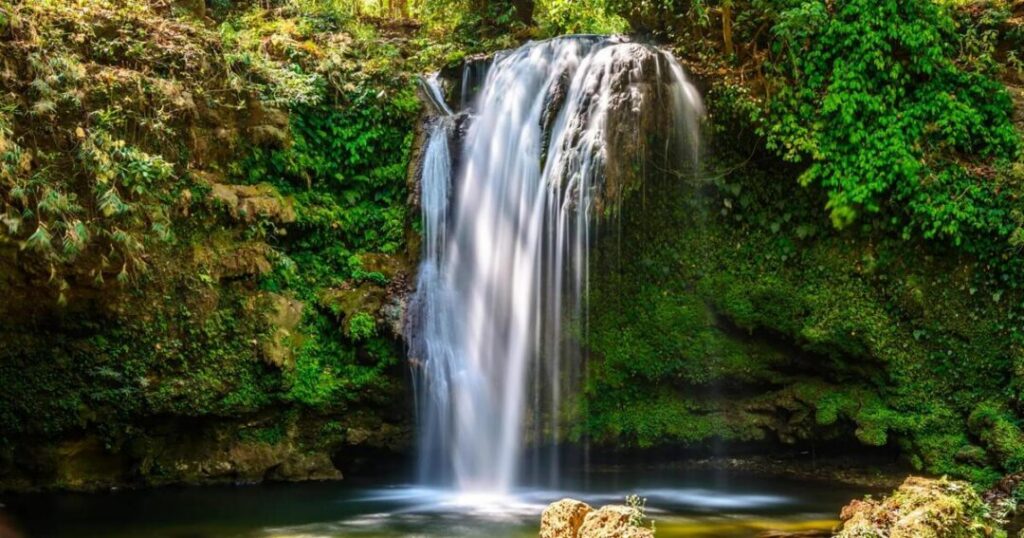
Leave the safari tracks behind and follow the road towards Kaladhungi, and the landscape gradually changes. Dense forest surrounds the route before the sound of falling water announces that Corbett Falls is nearby.
The approximately 20-metre waterfall sits amid thick forest and makes an easy nature escape from the safari circuit. The walk through the greenery is part of the experience, with birds and forest sounds replacing the rumble of safari vehicles.
Swimming is no longer permitted here, but the setting makes Corbett Falls a popular stop for nature lovers, photographers and travellers looking for a quieter afternoon.
Garjiya Devi Temple
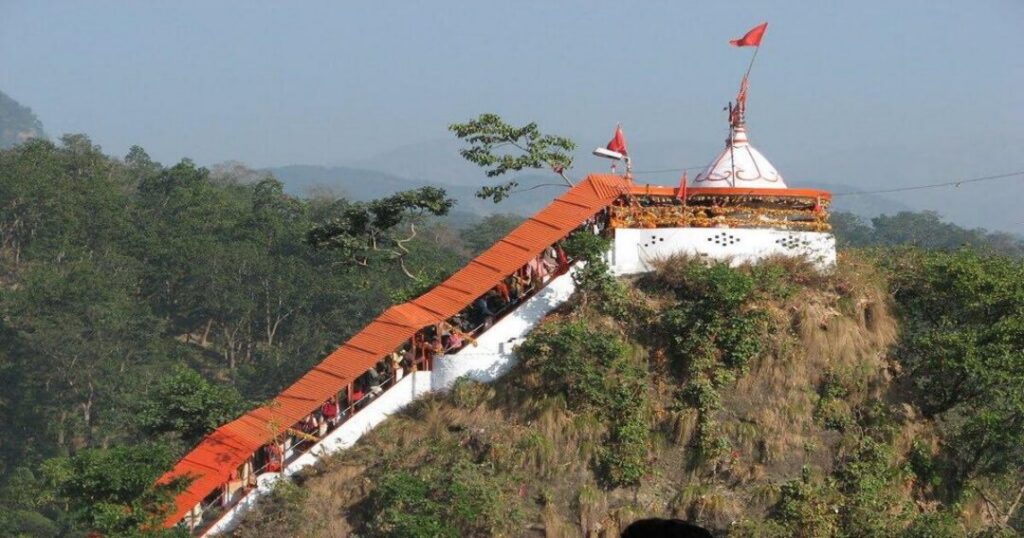
Few sights around Corbett are as instantly recognisable as Garjiya Devi Temple.
The temple stands dramatically on a rocky island in the Kosi River, reached by a bridge that leads visitors towards the shrine. During the monsoon and winter months, the surrounding river landscape can look particularly striking, with the water flowing around the temple rock and forested hills forming the backdrop.
For pilgrims, it is an important spiritual destination. For travellers, it offers one of the region’s most memorable riverside settings.
Visit around sunset and the atmosphere changes again, as the fading light settles over the Kosi.
Corbett Museum at Kaladhungi
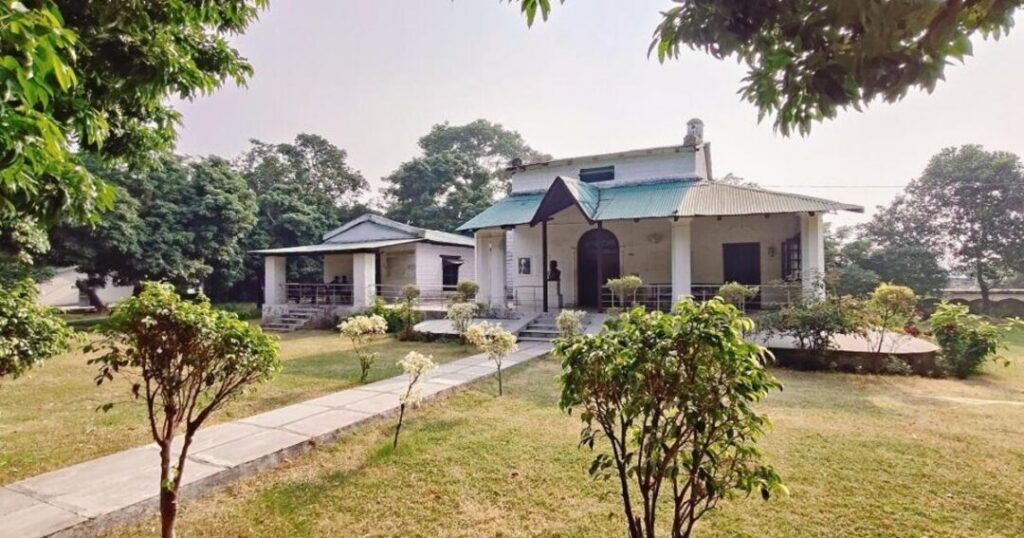
Before Corbett became synonymous with tiger safaris, there was Jim Corbett himself — a hunter, storyteller and later an important voice for wildlife conservation.
His former winter home, Arundel, at Kaladhungi has been preserved as the Corbett Museum. Inside are photographs, personal belongings, manuscripts, sketches and other objects connected to his life.
Walking through the old house adds another dimension to a Corbett trip. Instead of simply visiting a national park named after a famous figure, travellers get a glimpse into the person behind the name and the changing relationship between humans and wildlife in the region.
Bird Watching
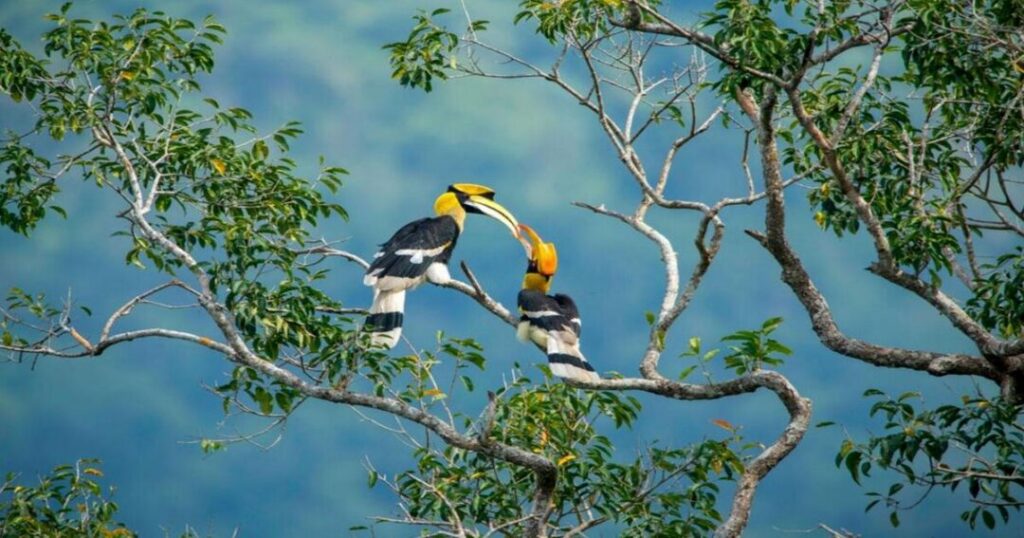
Look away from the ground for a moment and Corbett reveals another world.
A safari vehicle may stop because someone has spotted a tiger, but birdwatchers can spend just as much time waiting patiently for a flash of colour in the canopy or listening for a call from somewhere deep inside the forest.
Corbett is home to a remarkable variety of birdlife, and areas such as Sitabani and Durga Devi are especially popular with birders. The quieter surroundings and varied terrain make these areas rewarding for travellers who are interested in birds, photography and the smaller details of the forest.
For many visitors, bird watching becomes the unexpected highlight of a Corbett trip.
River Rafting on the Kosi and Ramganga
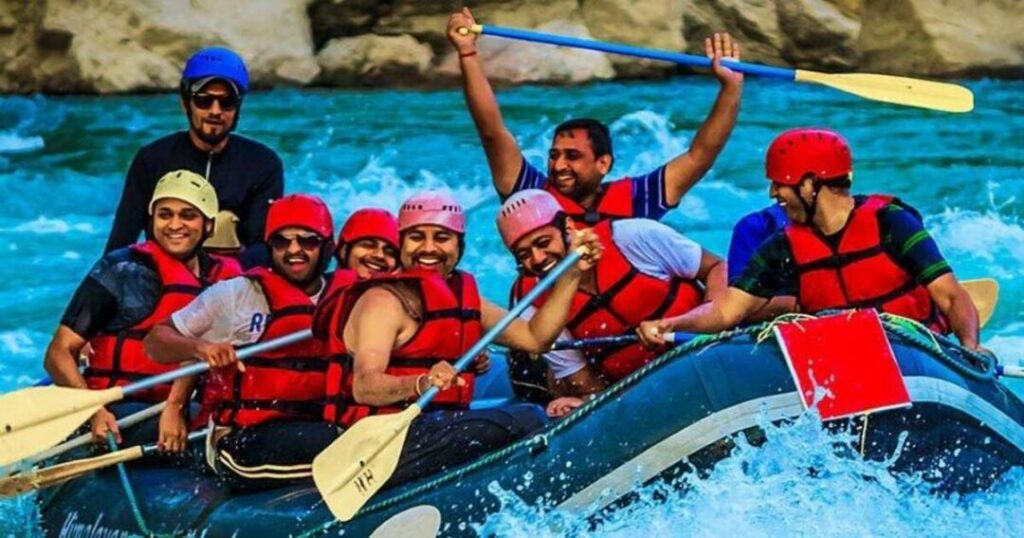
Corbett’s rivers bring another kind of adventure.
Away from the quiet of the forest, the Kosi and Ramganga offer opportunities for rafting, with stretches of Grade I-II rapids generally suited to beginners and families. Adventure camps around the park combine rafting with activities such as rappelling, river crossings and camping.
It is a completely different side of the destination — one where the focus shifts from spotting wildlife to getting out on the water and experiencing the landscape from another angle.
Nature Walks in the Buffer Zones
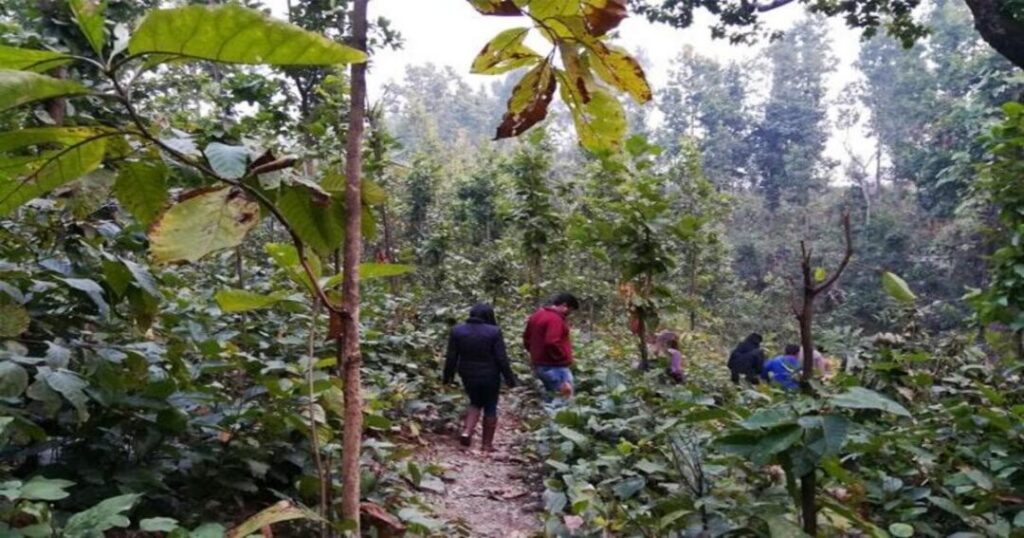
A jeep can take you deep into the forest, but walking makes you notice things differently.
On a guided nature walk in the buffer zones, the pace slows down. Instead of covering kilometres in search of wildlife, you begin noticing tracks in the soil, insects moving through leaves, medicinal plants and the calls of birds overhead.
With trained naturalists guiding the walk, these experiences are less about ticking animals off a list and more about understanding how the forest works.
Adventure Activities in Jim Corbett
For travellers who want more than wildlife watching, the area around Corbett has developed a lively adventure circuit.
Near the Kosi River, adventure camps offer activities ranging from rappelling and river crossings to Burma bridges and rock climbing. Mountain biking and camping can also be combined with village visits and forest exploration.
Some of the popular adventure activities in Jim Corbett include:
• Rappelling and bridge slithering — controlled descents and rope-based activities conducted by trained instructors.
• River crossing and Burma bridge — rope-based challenges that add a little adrenaline to a forest stay.
• Rock climbing — generally best attempted during drier months with qualified instructors.
• Angling for Mahseer — permitted in designated stretches outside the core safari areas, subject to applicable rules and permits.
• Mountain biking — a slower way to explore the foothills, villages and surrounding countryside.
Most outdoor activities are seasonal, with monsoon conditions affecting river activities and forest trails. Always check current operating conditions before booking.
Things to Do in Jim Corbett in December
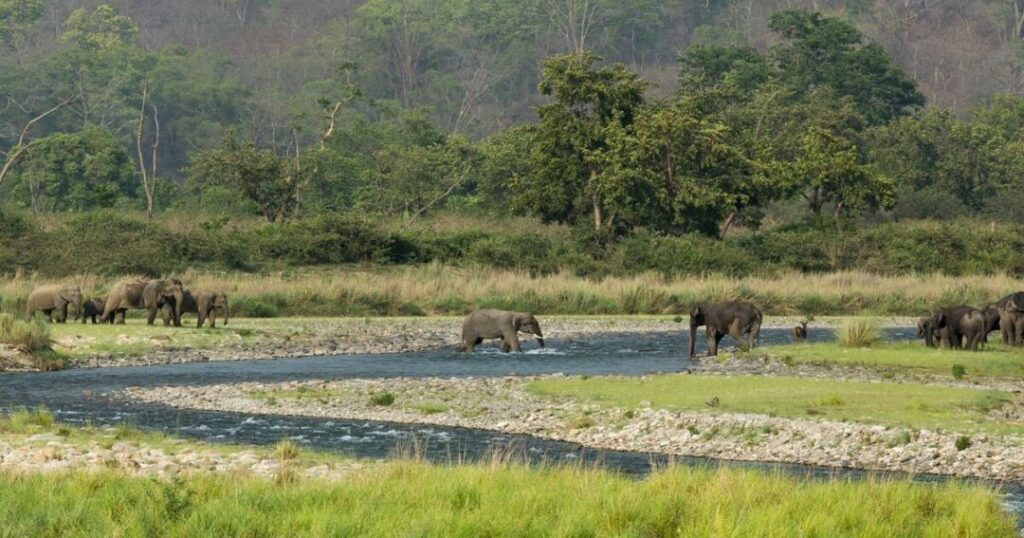
December arrives quietly in Corbett.
The mornings can be cold enough to make you pull your jacket tighter as the safari jeep starts moving, but once the sun rises above the forest, the landscape becomes bright and inviting.
It is also a good period for combining different experiences.
• Go on a wildlife safari: Major safari zones are generally accessible during the winter season, subject to current park rules and weather conditions.
• Try bird watching: Winter brings migratory birds alongside Corbett’s resident species, making the cooler months particularly rewarding for birders.
• Explore the adventure circuit: Rafting and other outdoor activities may operate during the season, depending on river and weather conditions.
• Visit Corbett Falls and Garjiya Devi Temple: Cooler daytime temperatures make it easier to add these attractions to a safari-focused itinerary.
• Prepare for cold mornings: Early safaris can be surprisingly chilly, so warm layers are essential.
Things to Do in Jim Corbett with Family
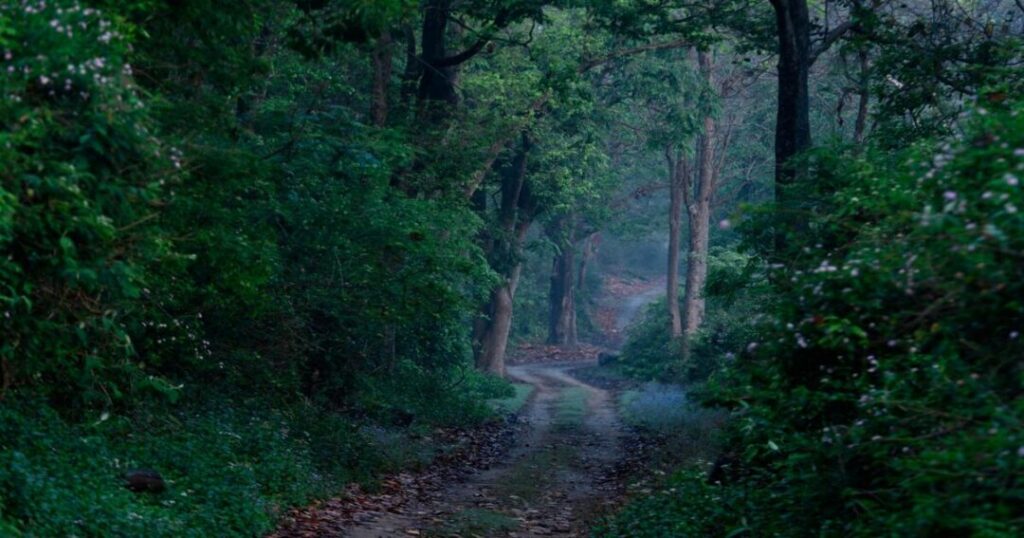
For families, Corbett can be more than a wildlife holiday. It can become a small adventure in itself.
Children may wake up before sunrise for their first safari, watch deer disappear into the forest, hear unfamiliar bird calls and later spend the afternoon beside a waterfall or exploring the history of Jim Corbett at Kaladhungi.
Jhirna and Dhela can be considered for families looking for a different safari experience, while Corbett Falls and Garjiya Devi Temple make relatively easy additions to the itinerary.
The Corbett Museum can also turn the trip into a history lesson without feeling like one — particularly for children fascinated by wildlife, forests and stories of the past.
Also Read: Top Endangered Animals That You Can See in Indian National Parks
Things to Do in Jim Corbett Other Than Safari
Not every Corbett morning needs to begin inside a safari jeep.
Spend one day following the sound of water at Corbett Falls. Visit Garjiya Devi Temple and watch the Kosi flow around the rocky shrine. Drive towards Kaladhungi and step into Jim Corbett’s former home. Or swap the forest road for the river with a rafting session.
Birdwatching, nature walks, camping and adventure activities offer even more ways to experience the region.
The advantage of planning Corbett this way is that the trip doesn’t depend entirely on whether a tiger decides to cross your path.
Top 5 Places to Visit in Jim Corbett
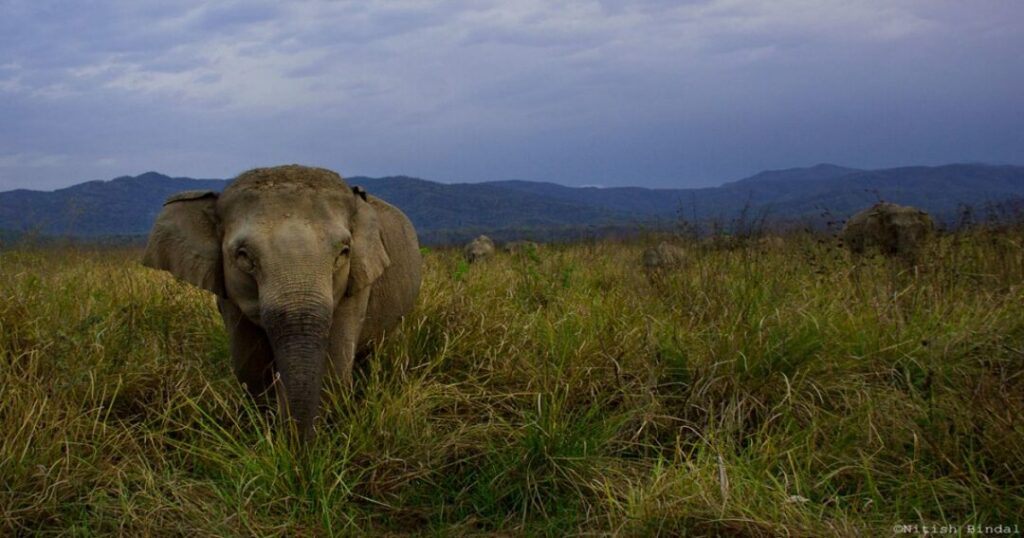
If you’re short on time, this is the tightest version of the list.
- 1. Dhikala Zone — the core safari zone and the single best shot at a tiger sighting.
- 2. Corbett Falls — the park’s most popular non-safari stop, especially for a break between safari days.
- 3. Garjiya Devi Temple — a five-minute visit that’s worth it for the river setting alone.
- 4. Corbett Museum, Kaladhungi — the most efficient way to actually understand who the park is named after.
- 5. Sitabani buffer zone — the pick for travelers who want birdlife and quiet over another crowded jeep convoy.
Also Read: List of Adventure Activities in India: 20 Bucket List Ideas
What is the Best Time to Visit Jim Corbett?
There is no single perfect month for Corbett; the experience changes with the seasons.
The core safari season generally runs from mid-November through mid-June, while several areas close or operate differently during the monsoon. The dry months can improve the chances of spotting wildlife around shrinking water sources, but they also bring considerably higher temperatures.
November to February offers cooler conditions, making early-morning safaris more comfortable with the right layers. December and January are particularly appealing for travellers who want to combine wildlife watching with birding and outdoor sightseeing.
Before travelling, check the latest zone opening dates and safari rules because these can change with official notifications and seasonal conditions.
How to Reach Jim Corbett?
Most Corbett journeys begin in Ramnagar.
The town is the main gateway to the reserve and has its own railway station, making it convenient for travellers arriving by train from Delhi and other northern Indian cities.
By road, Corbett is roughly 240 km from Delhi and usually takes around five to six hours depending on traffic and road conditions. The route passes through Moradabad and Kashipur.
For travellers arriving by air, Pantnagar is the nearest airport, followed by a road journey to the Corbett region. Once you’re there, however, the journey becomes less about kilometres and more about what you notice along the way — a troop of langurs beside the road, a peacock calling from the forest or the first glimpse of the Kosi River.
Also Read: 10 Largest National Parks in India: Explore the Biggest Wildlife Sanctuaries
Planning Your Jim Corbett Trip
A good Corbett itinerary leaves room for the unexpected.
Start with a safari, because the possibility of seeing a tiger is undeniably part of the attraction. But don’t stop there. Give yourself time to hear the forest on a nature walk, watch birds moving through the canopy, stand beside Corbett Falls or sit quietly near the Kosi at Garjiya.
And if you have time, visit Kaladhungi and walk through the old home of Jim Corbett himself.
Because the best memories of Corbett are not always the ones you planned for. Sometimes they are the sudden alarm call that stops a jeep in its tracks. Sometimes it is a river glowing in the evening light. And sometimes it is simply the feeling of being surrounded by a forest that has been telling its own story for generations.
Ready to plan your Jim Corbett escape? Download the Explurger app and start building your itinerary today.
FAQs About Things to Do in Jim Corbett
2. What can you do in Jim Corbett besides the safari?
You can visit Corbett Falls, Garjiya Devi Temple and the Corbett Museum at Kaladhungi, along with exploring birding trails, nature walks, rafting and adventure activities around the Kosi River.
3. Which Jim Corbett safari zone is best for families?
Jhirna and Dhela can be considered by families looking for accessible safari experiences, although the best choice depends on the season, availability and the type of wildlife experience you want.
4. Are elephant safaris available in Jim Corbett?
Elephant safaris resumed in the Dhikala and Bijrani zones in December 2025 after a six-year suspension. Since this is a recent development, travellers should confirm current availability and booking rules directly with the park before travelling.
5. What is there to do in Jim Corbett in December?
December is a good month for combining safaris, bird watching, sightseeing and outdoor activities. The weather is cooler, although early mornings can be cold.
6. How do you reach Jim Corbett from Delhi?
Ramnagar is the main gateway. By road, Corbett is roughly 240 km from Delhi. Ramnagar railway station provides rail access, while Pantnagar is the nearest airport.