
1,801 Total Views
Kashmir has no shortage of alpine lakes, but few pairs get the kind of reputation Tarsar and Marsar have earned among trekkers. The Tarsar Marsar Trek is a 7-day, moderate-difficulty route through the Aru Valley that visits both lakes on a single itinerary—an almond-shaped alpine lake and its quieter twin, separated by a ridge over 4,000 meters high. This guide covers the full day-by-day itinerary, what the lakes themselves are actually like, cost and difficulty details, and the practical planning questions—best season and how to reach the base camp.
Complete Tarsar Marsar Trek Itinerary
Most operators run this Tarsar-Marsar Lake trek as a 7-day, 6-night itinerary covering roughly 46-48 km, starting and ending at Aru village near Pahalgam. Here’s the standard day-by-day breakdown.
Day 1: Srinagar to Aru
The trek begins with a drive from Srinagar to Aru village, the trailhead for Tarsar Marsar as well as several other well-known Kashmir treks. The drive runs through Pahalgam and takes roughly 3-4 hours depending on the exact route, arriving at Aru’s base elevation of around 2,400m for acclimatization and an overnight stay before trekking begins.
Also Read: Kashmir Great Lakes Trek: The Most Beautiful Trek in India
Day 2: Aru to Lidderwat
A gentle first day covering about 10km along the Lidder River, gaining roughly 400m through forest and open meadow. The terrain is easy enough to double as an acclimatization day, and Lidderwat’s wide meadow campsite is one of the more scenic stops on the route.
Day 3: Lidderwat to Shekwas
A shorter but steeper day, around 6km with roughly 580m of elevation gain, climbing through woodland and past seasonal Gujjar shepherd settlements. This is typically where the trail starts to feel more like a proper mountain trek rather than a valley walk.
Day 4: Shekwas to Tarsar Lake
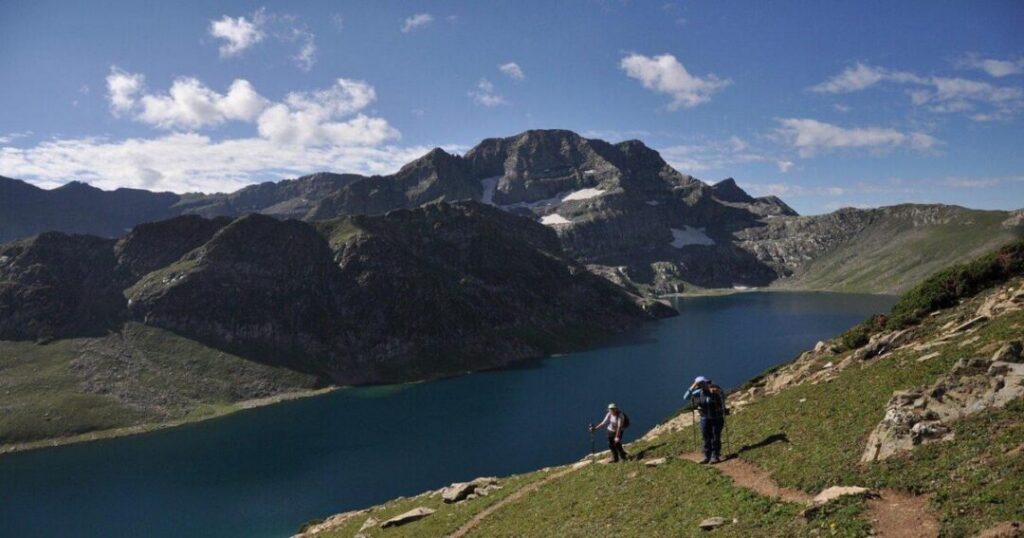
A relatively short 4-5 km day that delivers the trip’s first big payoff—the almond-shaped Tarsar Lake, sitting at roughly 3,795 m. Most itineraries build in extra time here, since the lakeside campsite is one of the most photographed spots on the entire route.
Day 5: Tarsar to Sundarsar via Tarsar Pass
The most physically demanding day on the route—a steep initial climb over Tarsar Pass, crossing the ridge that separates Tarsar from its twin lake, before descending to camp near Sundarsar. This is also where the trek reaches its highest point, somewhere between 4,000m and 4,100m depending on the exact route taken.
Day 6: Marsar Lake and Descent Toward Homwas or Lidderwat
A side trip to Marsar Lake itself—quieter and less visited than Tarsar, with a moodier, more dramatic setting—followed by a long descent of 11-15 km back toward lower elevation, depending on which operator’s itinerary you’re following.
Also Read: Serolsar Lake Trek: An Easy Himalayan Hike from Jalori Pass
Day 7: Return to Aru and Drive to Srinagar
The final trekking day covers the remaining distance back to Aru, followed by the drive back to Srinagar to close out the trip. Most groups plan for the return drive to take another 3-4 hours.
Tarsar Marsar Trek: Kashmir’s Twin Alpine Lakes
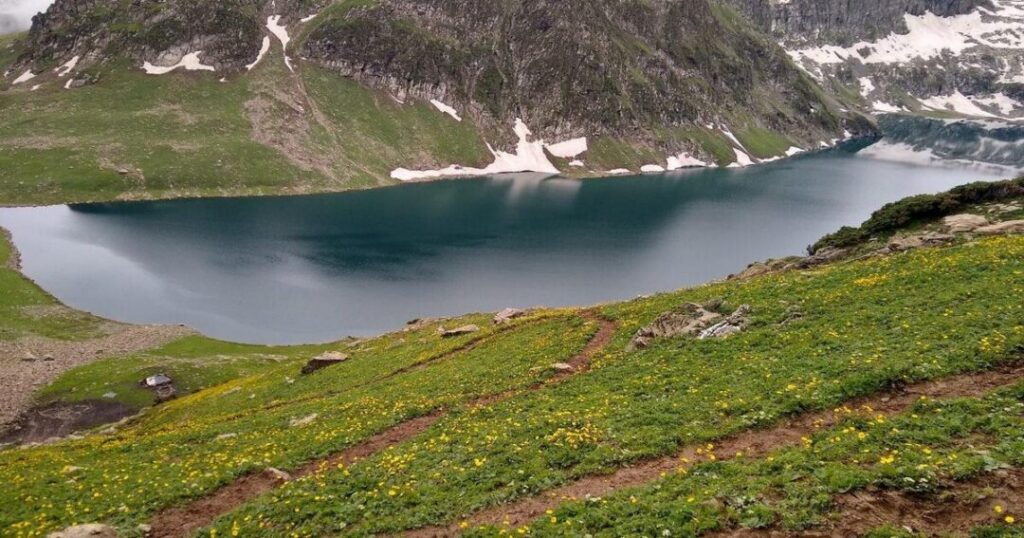
Beyond the trek itself, Tarsar Marsar refers to two genuinely distinct alpine lakes that happen to sit almost back-to-back across a single ridge.
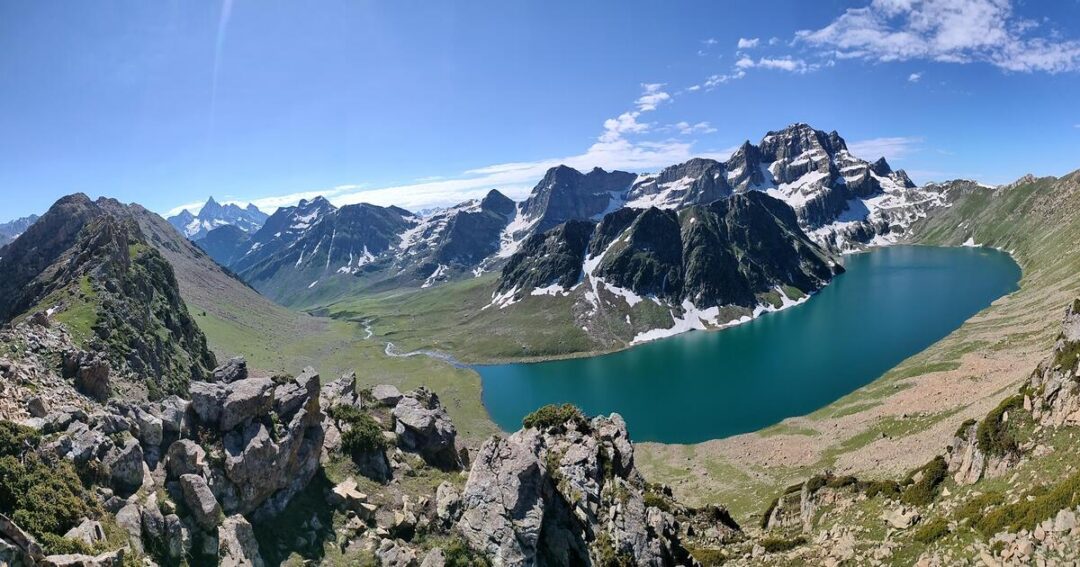
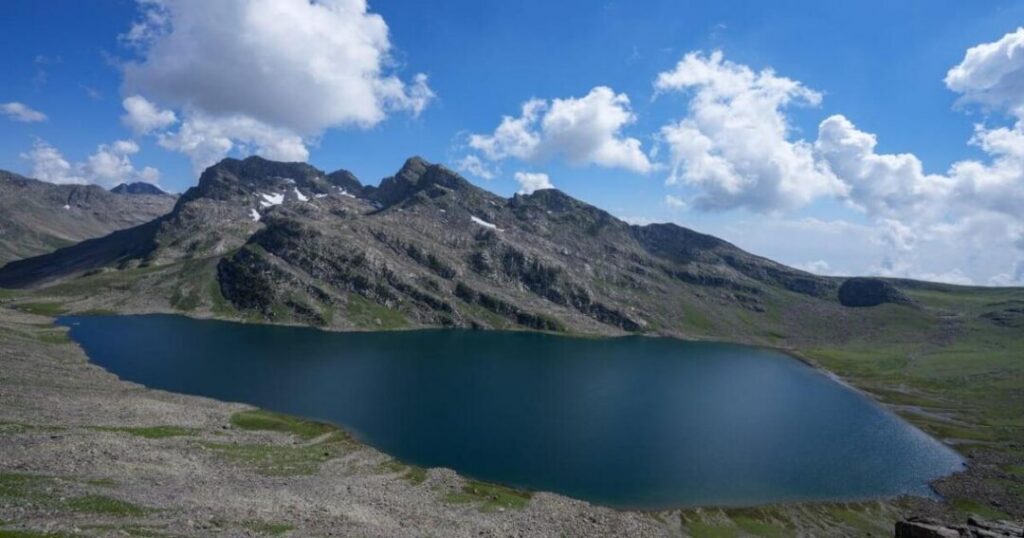
- Tarsar Lake is almond-shaped, about 2 km long and 0.8 km wide, sitting at roughly 3,795 m—an oligotrophic (nutrient-poor, exceptionally clear) alpine lake surrounded by wildflower meadows of geum, blue poppy, potentilla, and gentian.
- Marsar Lake sits on the other side of a ridge that climbs past 4,000m, and its outflow — the Daghwan Nallah stream — eventually feeds into Srinagar’s Dal Lake, making it hydrologically connected to one of Kashmir’s most famous landmarks.
- Both lakes freeze over from December through March and are really only accessible by trek from June through mid-September, which is why the whole route effectively has a single trekking season.
The pairing has poetic roots, too—16th-century Kashmiri ruler Yusuf Shah Chak referenced the two lakes together in verse as “the two tresses of the comely beloved,” and they’re still commonly called the “twin sisters” in Kashmir today. The surrounding valley is also home to Kashmir stag, ibex, musk deer, and occasionally snow leopards and Himalayan brown bears, alongside migratory bar-headed geese passing through in season.
Tarsar Marsar Trek Cost and How to Book?
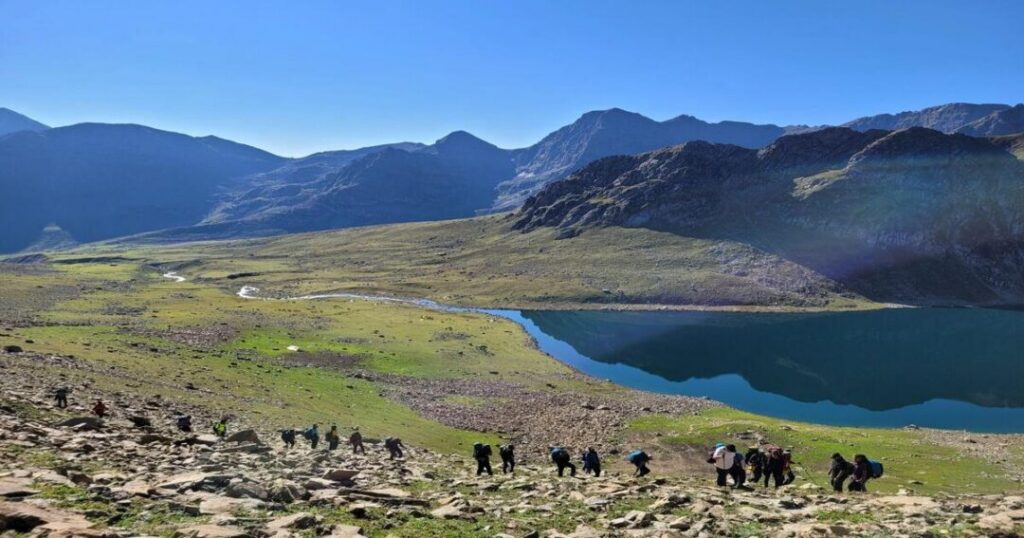
Guided trek pricing for this route typically falls between ₹16,000 and ₹18,500 for the standard 7-day package, though exact pricing varies by operator, season, and group size, and it doesn’t always include Srinagar-Aru transport.
If you’ve searched “indiahikes tarsar marsar” or “tarsar marsar indiahikes,” that’s because Indiahikes is one of the most widely booked and referenced operators for this specific route—known for detailed pre-trek documentation, safety protocols, and a no-plastic “Green Trails” policy on their treks. They’re far from the only credible option, though: established operators like Bikat Adventures also run well-documented versions of the same itinerary at broadly similar price points, so it’s worth comparing a couple of operators’ exact inclusions (transport, permits, group size) rather than booking on brand recognition alone.
- What’s usually included: guide and porter/pony support, camping equipment, meals from Aru onward, and permits.
- What’s usually extra: Srinagar-Aru transport (sometimes bundled, sometimes not), personal trekking gear, and travel insurance.
Also Read: Prashar Lake Trek: Distance, Route, and When to Go
Tarsar Marsar Kashmir Trek: Difficulty, Height, and Fitness Prep
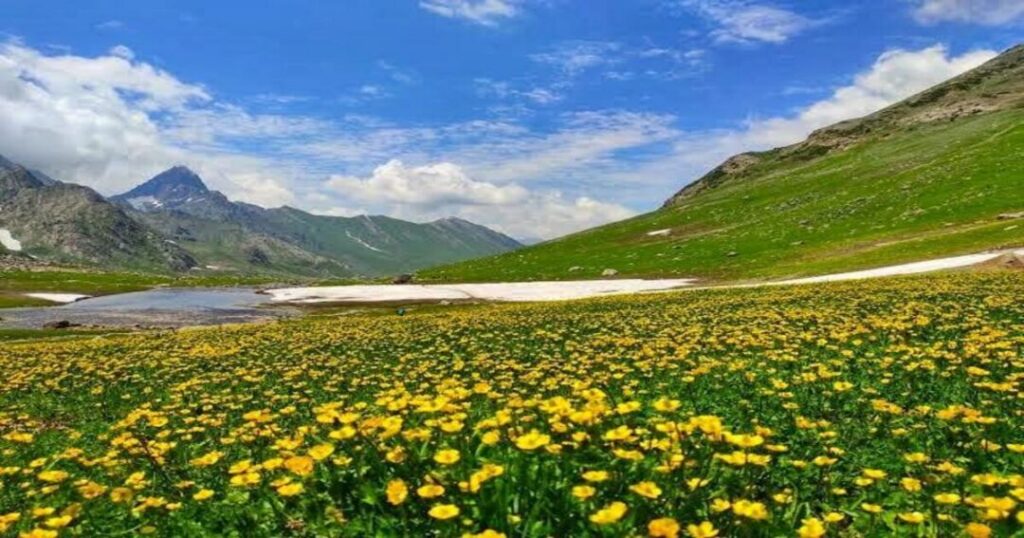
As a Tarsar-Marsar-Kashmir trek, this route is consistently rated moderate—approachable for a trekker with at least one prior Himalayan trek under their belt, but not a genuine beginner route given the altitude and the Tarsar Pass crossing.
- Tarsar Marsar Trek height: the route tops out between roughly 4,000 m and 4,100 m (about 13,100-13,500 ft) at its highest point near the Tarsar Pass crossing on Day 5—high enough that basic altitude-sickness precautions (gradual ascent, hydration, and a rest/acclimatization day) genuinely matter.
- Fitness prep: most operators recommend being able to jog 4- 5 km in around 30- 35 minutes and having completed at least one moderate Himalayan trek previously, given the sustained daily distances and the steep Day 3 and Day 5 climbs.
- Group size and pony support: most operators cap group sizes for trail sustainability and offer optional pony or porter support for personal gear, which is worth booking in advance during peak season.
Best Time for the Tarsar Marsar Trek
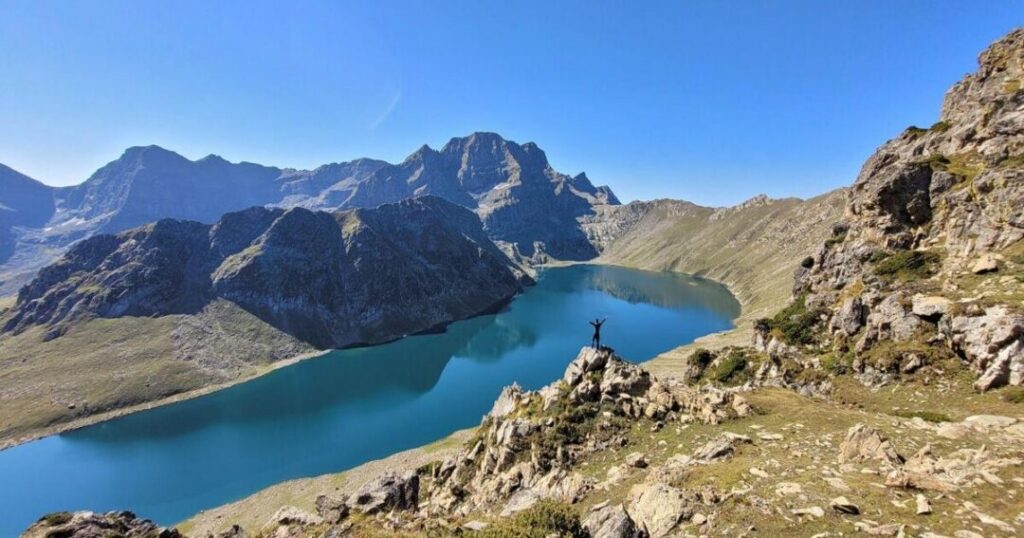
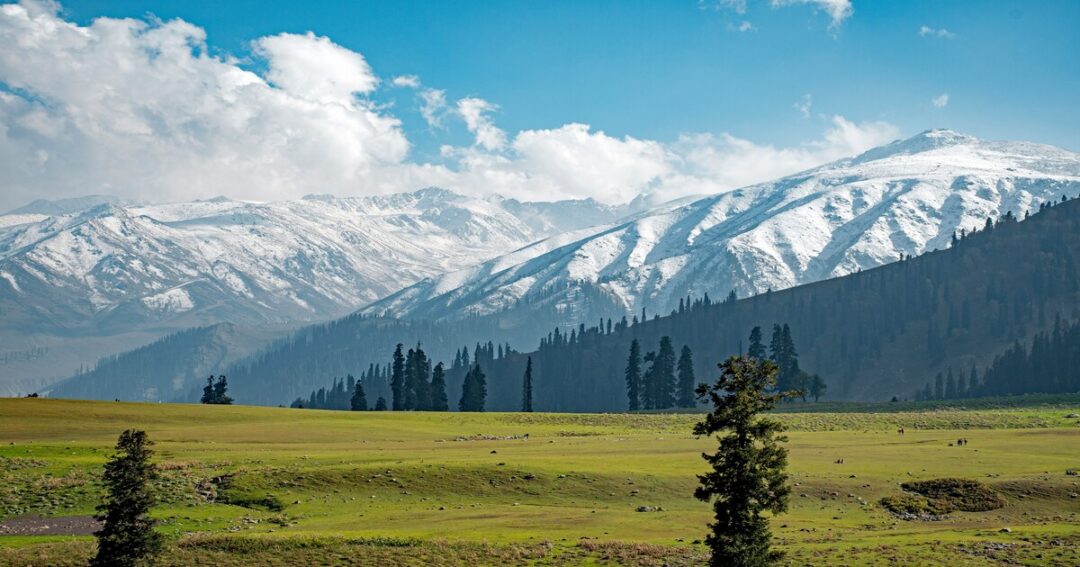
July through September is the recommended window, and each month has a genuinely different character. July comes right after the snow melts, with patches still lingering near Tarsar Lake and everything feeling fresh rather than fully bloomed. August is peak wildflower season, when the meadows along the route are at their greenest and most colorful. September brings the clearest skies of the three, with the grass starting to brown but conditions ideal for stargazing and photography. Outside this window, snow cover makes the route significantly more difficult and, at points, impassable.
Also Read: Roopkund Trek: Route, Cost, Height & Skeleton Lake Mystery
How to Reach the Tarsar Marsar Trek Base Camp?
The trek starts and ends at Aru village, about 12 km from Pahalgam and roughly 90-112 km from Srinagar depending on the exact route taken—most operators budget 3-4 hours for the drive. Srinagar’s airport is the nearest major airport, well connected to major Indian cities, and almost every operator arranges the Srinagar-Aru transfer as part of the package or as an optional add-on, so independent travel to the trailhead is rarely necessary.
Conclusion: Planning Your Tarsar Marsar Trek
Between the almond-shaped clarity of Tarsar, the quieter drama of Marsar, and a trail that crosses a 4,000 m ridge to connect them, the Tarsar-Marsar trek earns its reputation as one of Kashmir’s best moderate treks. Book within the July-September window, compare a couple of operators on inclusions rather than just price, and budget a full week—the twin lakes are worth the extra days rather than rushing the route.
Ready to plan your Kashmir trekking trip? Download the Explurger app and start building your itinerary today.
FAQs About Tarsar Marsar Trek
2. What is the maximum altitude of the Tarsar Marsar trek?
The trek's highest point is between roughly 4,000m and 4,100m (about 13,100-13,500ft), reached near the Tarsar Pass crossing between the two lakes on Day 5 of most itineraries.
3. How much does the Tarsar Marsar trek cost?
Guided packages typically range from ₹16,000 to ₹18,500 for the standard 7-day trek, though pricing varies by operator, season, and whether Srinagar-Aru transport is included.
4. Is Tarsar Marsar a difficult trek?
It's rated moderate — manageable for a trekker with at least one prior Himalayan trek, but the altitude and the steep Tarsar Pass crossing make it unsuitable for complete beginners.
5. Does Indiahikes run the Tarsar Marsar trek?
Yes — Indiahikes is one of the most widely booked and referenced operators for this route, known for detailed itinerary documentation and safety protocols, though several other established operators run comparable versions of the same trek.
6. What is the best time to do the Tarsar Marsar trek?
July through September is the recommended window. July has lingering snow patches, August brings peak wildflower bloom, and September offers the clearest skies for photography and stargazing.