

1,335 Total Views
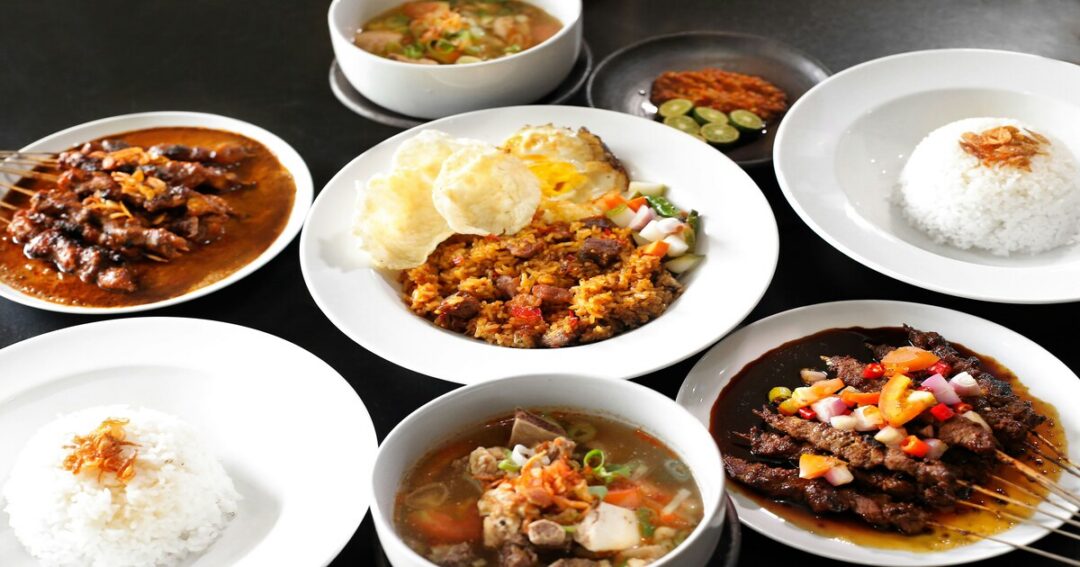
Few countries can rival the culinary diversity found in Indonesia. Spread across more than 17,000 islands and home to hundreds of ethnic communities, the country offers an astonishing variety of flavors, ingredients, and cooking traditions. From fragrant rice dishes and fiery sambals to slow-cooked curries and fresh seafood, Indonesian food reflects centuries of history, trade, and cultural exchange.
The cuisine of Indonesia is often described as one of the most diverse in the world. Influences from India, China, the Middle East, and Europe have blended with indigenous traditions to create a food culture that is both deeply rooted and constantly evolving. Every island, city, and community contributes something unique to the nation’s culinary identity.
Whether you’re a traveler planning a trip to Bali, a foodie exploring global cuisines, or simply curious about Southeast Asian gastronomy, Indonesian food offers an unforgettable journey through taste, culture, and tradition.
What Makes Indonesian Food Unique?
One of the defining characteristics of Indonesian food is its regional diversity. Unlike many countries where a handful of dishes dominate the national cuisine, Indonesia’s culinary landscape changes dramatically from one island to another.
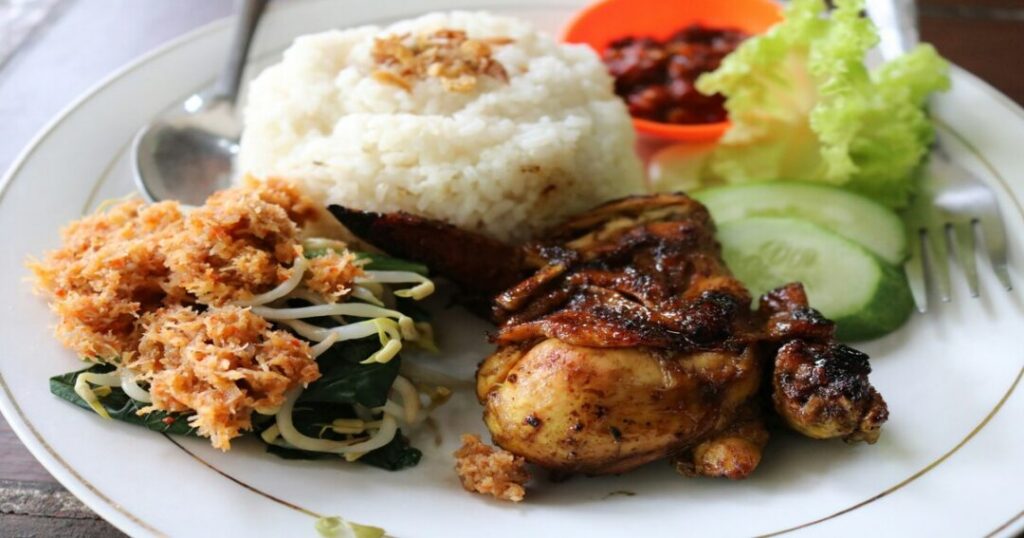
Rice remains the staple food throughout much of the country, but the dishes served alongside it vary widely. Coconut milk, lemongrass, galangal, turmeric, candlenuts, peanuts, tamarind, and fresh chilies are commonly used ingredients. These elements combine to create meals that balance sweet, spicy, savory, sour, and umami flavors.
Another defining feature of Indonesian food is the use of sambal. This chili-based condiment appears in countless variations across the archipelago and is considered an essential part of daily meals. For many Indonesians, no meal feels complete without a spoonful of sambal on the side.
The Influence of the Historic Spice Trade
Indonesia’s culinary heritage is closely connected to its role in the global spice trade. The Maluku Islands, historically known as the Spice Islands, were once the world’s primary source of cloves and nutmeg.
For centuries, traders from India, China, Arabia, and Europe traveled through the region seeking these valuable spices. Along with goods, they brought cooking techniques, ingredients, and culinary traditions that gradually became part of the cuisine of Indonesia.
Indian influences can be seen in curry-like dishes and spice blends. Chinese communities introduced noodles, dumplings, and stir-frying techniques. Arab traders contributed aromatic spices and meat preparations, while European colonial powers left their mark through baking traditions and fusion recipes.
The result is Indonesian food that feels familiar in some ways yet entirely unique in others.
Also read: Turkish Foods: A Region-by-Region Journey Through One of the World’s Greatest Cuisines
Nasi Goreng: Indonesia’s Culinary Icon
Among all forms of Indonesian food, few dishes are as widely recognized as Nasi Goreng.
This beloved fried rice dish is prepared using cooked rice stir-fried with sweet soy sauce, garlic, shallots, vegetables, eggs, and various proteins such as chicken, seafood, or beef. It is typically served with crispy crackers, pickles, and a fried egg.
The secret behind its popularity lies in its simplicity and versatility. Every region, restaurant, and household has its own interpretation of Nasi Goreng, making it one of the most adaptable dishes in the country.
Today, Nasi Goreng is considered one of Indonesia’s national dishes and remains among the most popular examples of authentic Indonesian food.
Rendang: A Masterpiece of Indonesian Cooking
Originating from the Minangkabau people of West Sumatra, Rendang is often regarded as one of the world’s greatest meat dishes.
Beef is slowly simmered in coconut milk and a rich mixture of spices, including ginger, galangal, turmeric, garlic, and chilies. The cooking process can take several hours, allowing the flavors to intensify while the sauce gradually reduces.
The result is tender, deeply flavorful meat that showcases the complexity of the cuisine of Indonesia. Many culinary experts consider rendang the best Indonesian dish because of its rich history, cultural significance, and extraordinary depth of flavor.
Satay: Indonesia’s Most Famous Street Food
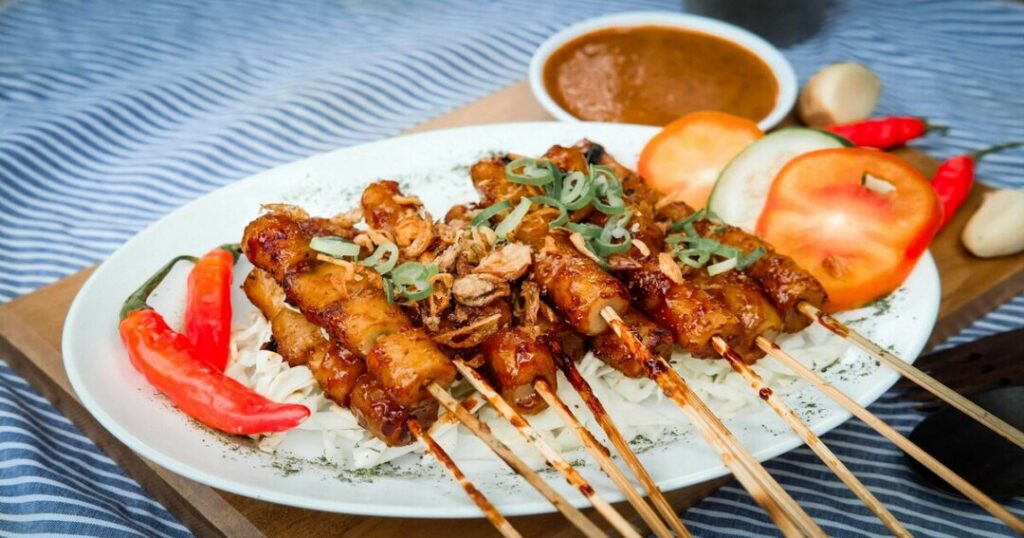
Satay, known locally as sate, is one of the most recognizable forms of Indonesian food around the world.
The dish consists of skewered meat grilled over charcoal and served with a variety of sauces. While chicken satay is the most common, beef, lamb, goat, and seafood versions are also popular.
Indonesia is home to dozens of regional satay varieties. Some are served with peanut sauce, while others feature sweet soy sauce or spicy sambal-based accompaniments.
Among all classic Indonesian dishes, satay remains one of the most accessible and widely loved.
Also read: Bhutanese Food: The Complete Guide to Authentic Bhutan Cuisine, Dishes & Traditions
Indonesian Noodles and Chinese Influences
The popularity of Indonesian noodles reflects the strong influence of Chinese communities throughout Indonesian history.
Some of the most popular noodle dishes include:
- Mie Goreng (fried noodles)
- Mie Ayam (chicken noodles)
- Bakmi Jawa (Javanese noodles)
- Seafood noodle soups
- Spicy stir-fried noodle dishes
Unlike many East Asian noodle preparations, Indonesian noodles often feature sweet soy sauce, sambal, and local spices that create distinctly Indonesian flavor profiles.
For visitors looking to experience authentic indo food, noodle dishes provide an excellent starting point.
Gado-Gado: Indonesia’s Iconic Salad
Gado-Gado is frequently described as Indonesia’s national salad, though it is far more substantial than most salads found elsewhere.
The dish combines boiled vegetables, tofu, tempeh, eggs, and rice cakes, all covered in a rich peanut sauce. The result is a meal that is both nutritious and satisfying.
Gado-Gado highlights another important aspect of Indonesian food: the ability to transform simple ingredients into complex and memorable dishes.
Soto: The Soul of Indonesian Comfort Food
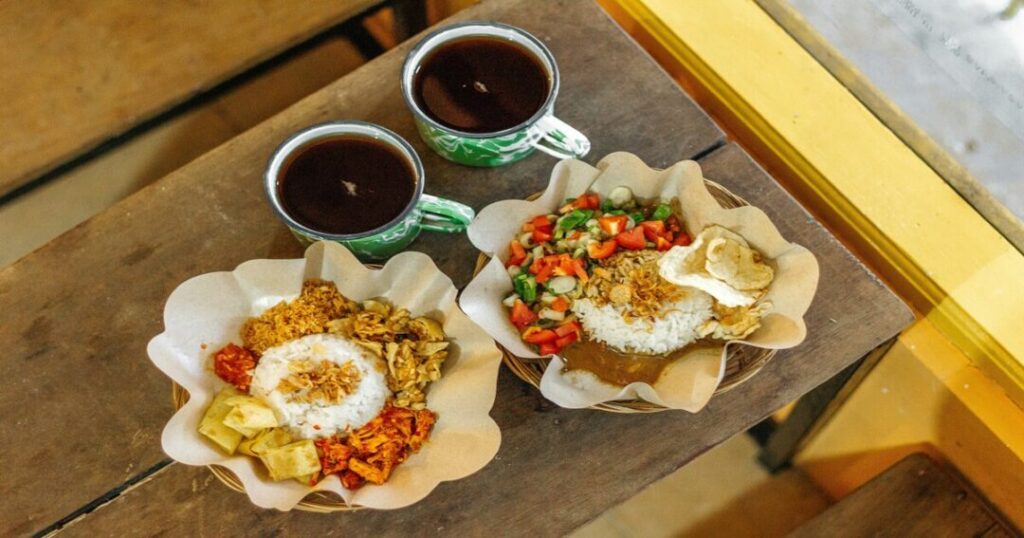
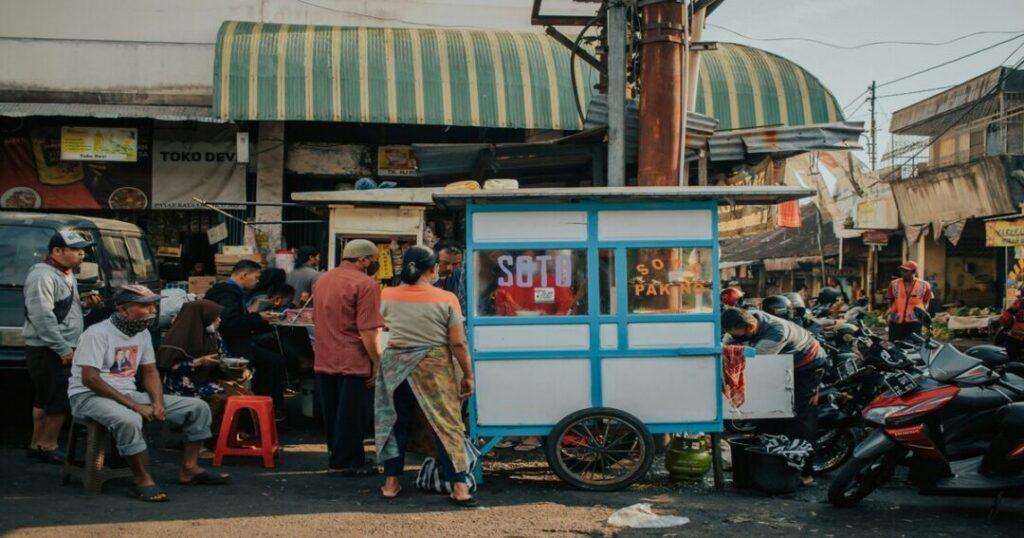
“Soto” refers to a broad family of traditional soups found throughout Indonesia.
Different regions have developed their own distinctive versions. Soto Ayam uses chicken and turmeric-based broth, while Soto Betawi from Jakarta incorporates coconut milk and beef.
Because nearly every region has its own variation, Soto provides a fascinating window into the diversity of the cuisine of Indonesia.
Also read: Canadian Food: The Complete Guide to Canadian Cuisine, Dishes & Regional Food Culture
Tempeh: Indonesia’s Global Culinary Gift
Long before plant-based diets became mainstream, Indonesians were enjoying tempeh as a protein-rich staple food.
Made from fermented soybeans, tempeh originated on the island of Java and has become one of Indonesia’s most influential culinary exports. It is commonly fried, grilled, stir-fried, or added to curries.
Today, tempeh appears on menus worldwide, introducing more people to the broader traditions of Indonesian food.
Regional Food Specialties Across Indonesia
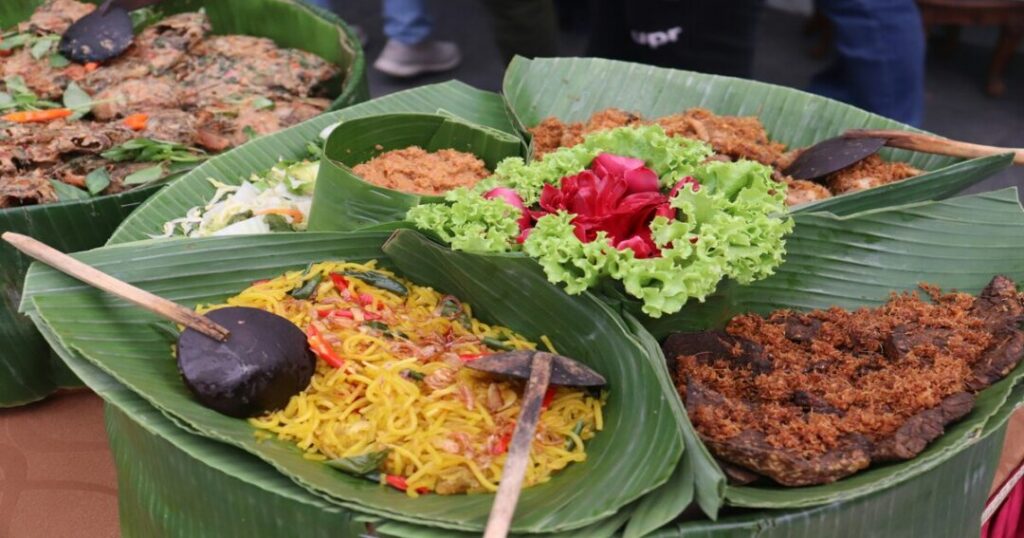
Sumatra
Sumatran cuisine is known for bold spices, rich curries, and coconut-based dishes. Rendang and Gulai are among the region’s most celebrated creations.
Java
Javanese cuisine often incorporates sweet soy sauce and palm sugar. Many iconic examples of indo food, including Nasi Goreng and Gudeg, originated here.
Bali
Balinese cooking emphasizes fresh herbs, seafood, roasted meats, and aromatic spice pastes. Traditional Balinese dishes often reflect the island’s unique cultural heritage.
Sulawesi
Sulawesi is known for spicy seafood dishes and grilled preparations that highlight local ingredients and bold seasonings.
These regional differences are what make Indonesian food one of the world’s most diverse culinary traditions.
Also read: Dubai Street Food: The Complete Guide to the City’s Most Authentic Bites
What Makes Indonesian Street Food Special in 2026?
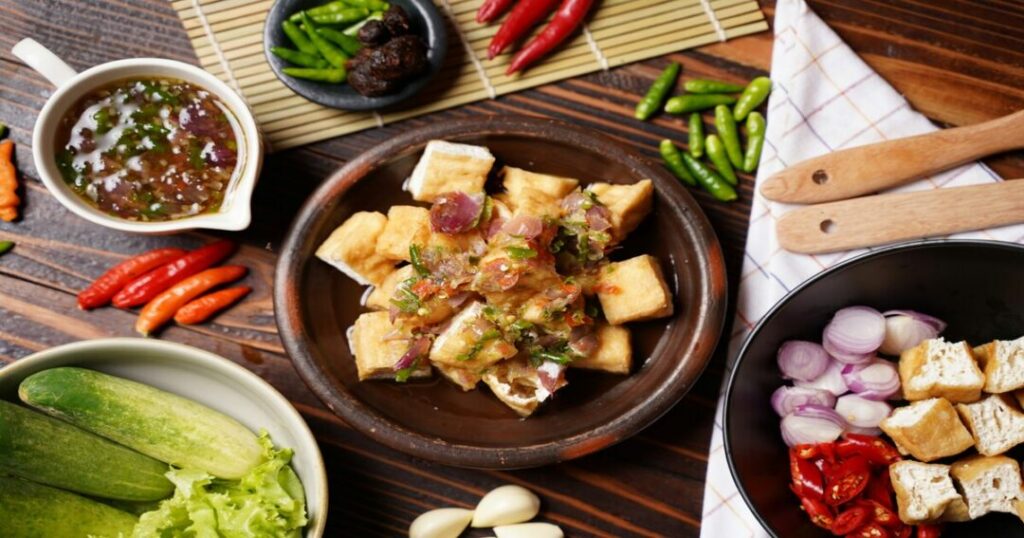
Street food plays an essential role in daily life across Indonesia.
From bustling city markets to roadside stalls, vendors prepare fresh meals throughout the day. Popular options include:
- Satay
- Mie Goreng
- Bakso
- Martabak
- Siomay
- Nasi Uduk
For travelers, sampling street food is often the most authentic way to experience Indonesian food and connect with local culture.
What Are the Must-Try Indonesian Desserts in 2026?
While savory dishes dominate discussions about Indonesian food, the country’s desserts deserve equal attention.
Some popular sweet treats include:
- Klepon
- Es Cendol
- Pisang Goreng
- Lapis Legit
- Bubur Ketan Hitam
These desserts highlight Indonesia’s creative use of coconut, palm sugar, rice flour, and tropical fruits.
Also read: Greek Food: The Complete Guide to Greek Cuisine, Dishes & the Mediterranean Table
Why Indonesian Food Is Becoming More Popular Worldwide
Global interest in Indonesian food has grown significantly over the past decade. International food festivals, travel shows, and social media have introduced more people to Indonesia’s remarkable culinary traditions.
Restaurants specializing in the best Indonesian cuisine are opening across major cities worldwide. Dishes such as Rendang, Nasi Goreng, and Satay are increasingly recognized as some of Southeast Asia’s greatest culinary contributions.
Food enthusiasts searching for the best Indonesian food often discover a cuisine that combines diversity, history, and bold flavors unlike anywhere else in the world.
Conclusion about Indonesian Food
From smoky satay and fragrant fried rice to spicy soups and rich curries, Indonesian food offers an extraordinary culinary experience. Influenced by centuries of trade, shaped by diverse cultures, and enriched by local ingredients, it represents one of the world’s most fascinating food traditions.
Whether you’re trying Indonesian noodles, sampling regional specialties, or exploring classic Indonesian dishes, every meal reveals another layer of the country’s cultural heritage. The cuisine of Indonesia is not just about eating; it is about understanding the people, history, and traditions that have shaped one of Asia’s most vibrant culinary landscapes.
If you’re looking for the best Indonesian cuisine, there’s no better place to begin than with the incredible variety of Indonesian food found across this remarkable archipelago.
FAQs about Indonesian Food
2. What makes Indonesian food unique?
Indonesian food is known for its rich use of spices, fresh herbs, coconut milk, and sambal. The cuisine combines indigenous traditions with influences from Chinese, Indian, Middle Eastern, and European cultures, resulting in a diverse range of flavors and cooking styles.
3. Are Indonesian noodles different from Chinese noodles?
Yes. While Indonesian noodles were influenced by Chinese culinary traditions, they are typically prepared with local ingredients and seasonings such as sweet soy sauce, sambal, garlic, and Indonesian spice blends, giving them a distinct flavor profile.
4. Is Indonesian food spicy?
Many Indonesian dishes feature chili-based condiments like sambal, making them spicy. However, not all Indonesian food is hot. Dishes such as Gado-Gado, Nasi Goreng, and certain Soto varieties can be mild and suitable for different spice preferences.
5. What are some must-try classic Indonesian dishes?
Some of the most famous classic Indonesian dishes include Nasi Goreng, Rendang, Satay, Gado-Gado, Soto, Bakso, Gudeg, and Mie Goreng. These dishes showcase the diversity and rich culinary heritage of Indonesia.