
67 Total Views
Nepal packs an outsized amount of heritage into a small country — Buddha’s birthplace, the world’s highest mountain, one of Asia’s last strongholds of the greater one-horned rhino, and a valley of medieval brick-and-timber cities all sit within its borders. Officially, UNESCO recognizes exactly four world heritage site of nepal listings, though the way that number gets counted online varies more than you’d expect. This guide covers all four official sites, works through the genuinely useful heritage places that haven’t made the UNESCO list yet, clears up where the popular “top 10” framing actually comes from, and takes a closer look at both Nepal’s historical heritage and its three famous Durbar Squares.
World Heritage Sites of Nepal To Explore in 2026
These four are Nepal’s only UNESCO-inscribed World Heritage Sites — two cultural, two natural.
1. Kathmandu Valley
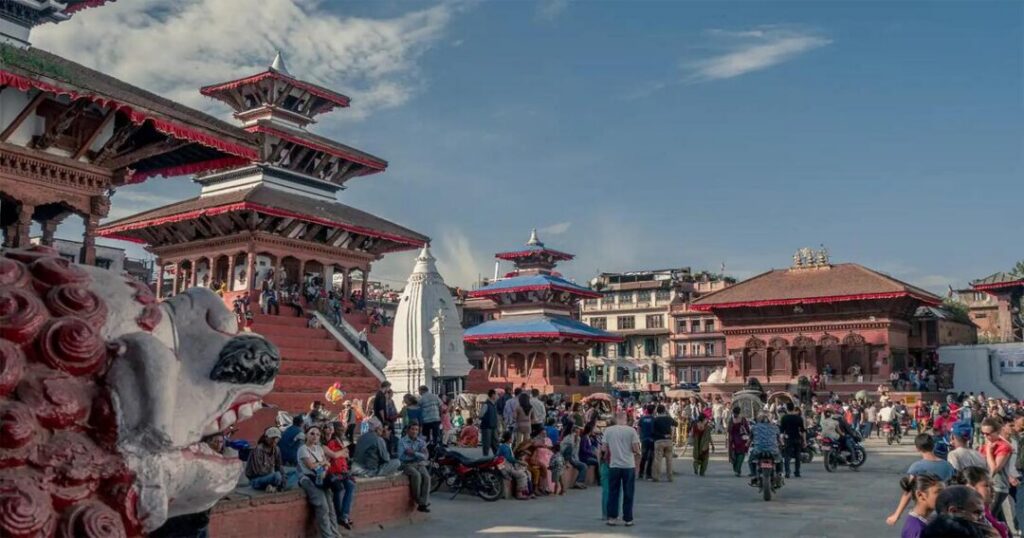
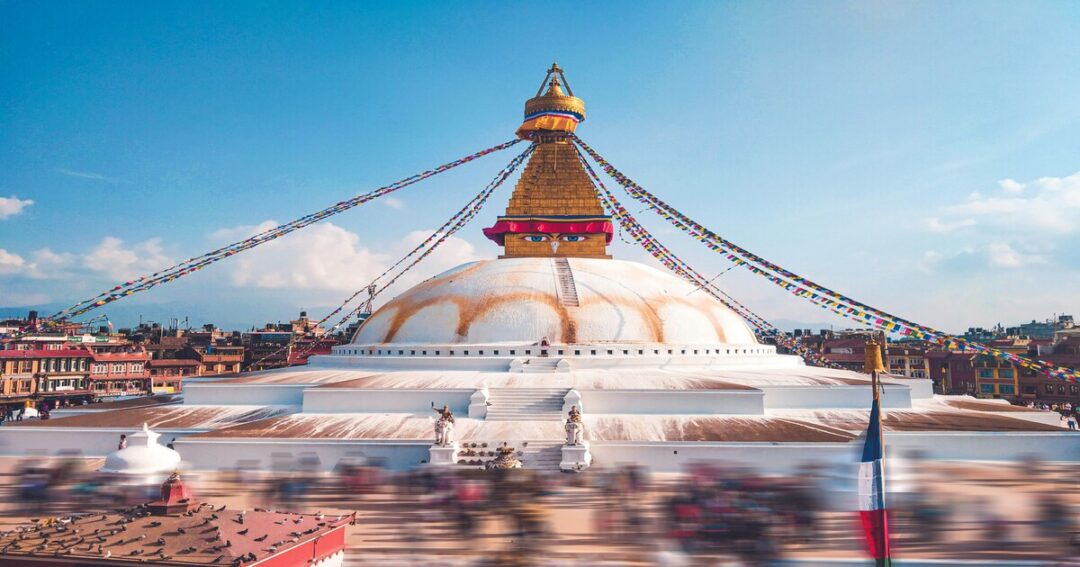
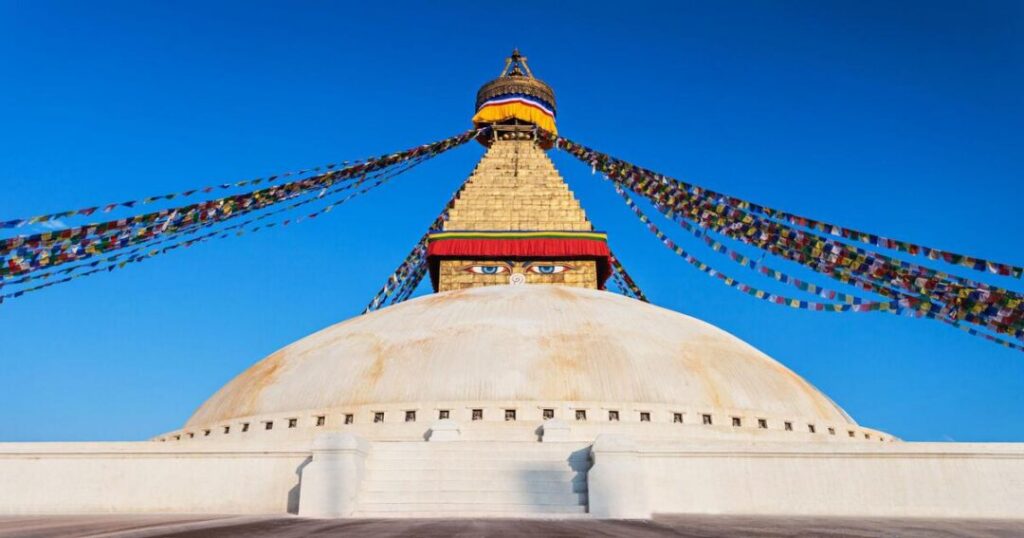
Inscribed in 1979, the Kathmandu Valley is Nepal’s most complex World Heritage Site because it isn’t one location but seven separate monument zones: the Durbar Squares of Kathmandu (Hanuman Dhoka), Patan, and Bhaktapur, the Buddhist stupas of Swayambhunath and Boudhanath, and the Hindu temple complexes of Pashupatinath and Changu Narayan. Together they showcase the full range of Newar architectural craftsmanship in brick, timber, stone, and bronze, dating mostly from between 1500 and 1800 AD, and reflecting a genuinely unique fusion of Hindu, Buddhist, and animist traditions layered on top of each other. The site’s condition was serious enough that it spent 2003 to 2007 on UNESCO’s List of World Heritage in Danger before being removed once conservation work brought it back up to standard.
2. Lumbini
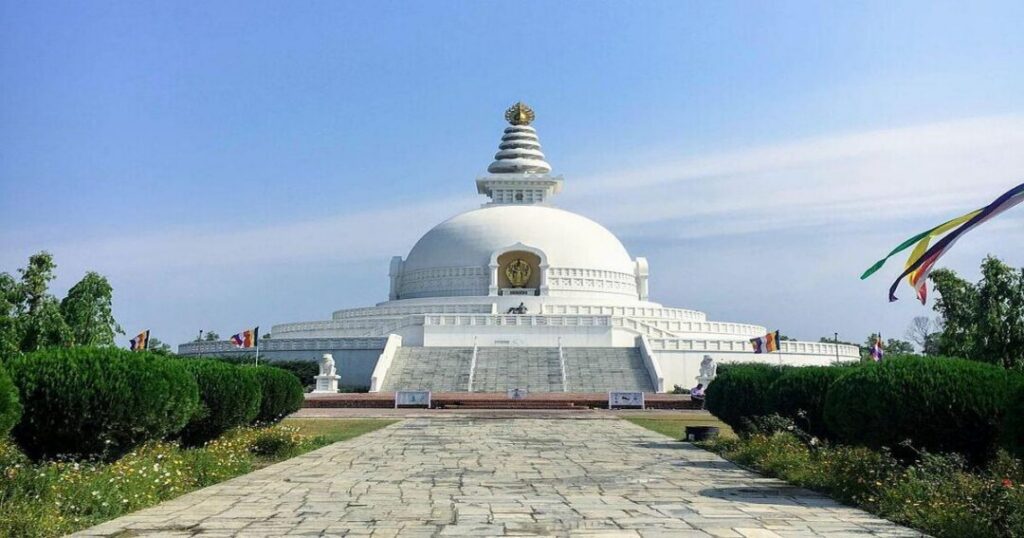
Inscribed in 1997, Lumbini is revered as the birthplace of Siddhartha Gautama, the Buddha, traditionally dated to 623 BC. Its centerpiece is the Maya Devi Temple, which contains archaeological layers going back to the 3rd century BC and marks the exact spot associated with the birth, alongside the Ashoka Pillar — erected by the Indian emperor Ashoka during his own pilgrimage there, with an inscription dating to 249 BC that helped confirm the site’s identity. It remains one of the most important living pilgrimage destinations for Buddhists worldwide, not simply a preserved ruin.
3. Sagarmatha National Park
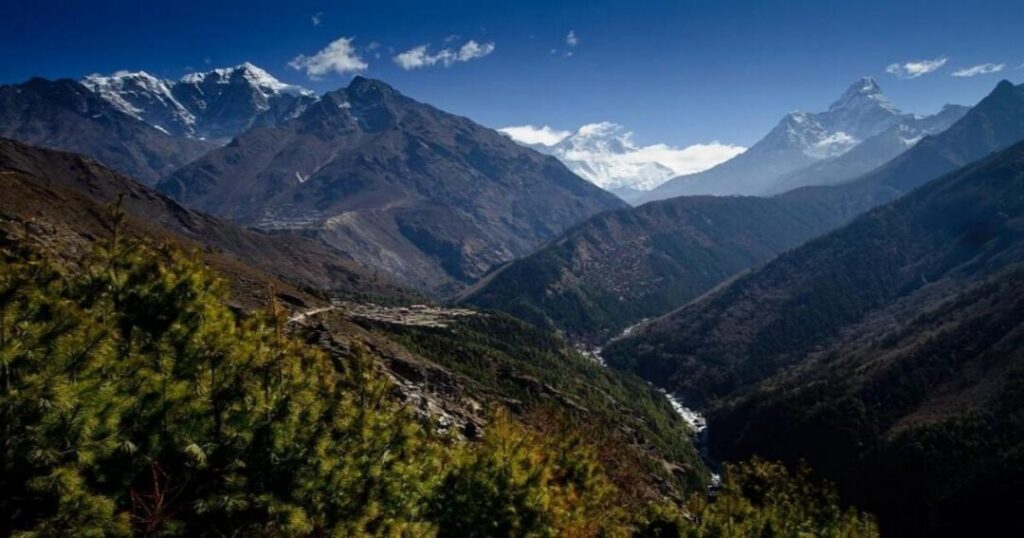
Established in 1976 and inscribed by UNESCO in 1979 — Nepal’s first natural site to receive the designation — Sagarmatha National Park covers 1,148 square kilometres of the Himalayas, including Mount Everest itself at 8,848 metres. Around 3,500 Sherpa people live within and around the park in villages along the main trekking trails, a culture that’s been shaped considerably by tourism since it began in the early 1960s. Beyond the mountain itself, the park supports genuine biodiversity across its elevation range, from snow leopards above 3,500 metres to over 1,000 recorded plant species and 208 bird species.
4. Chitwan National Park
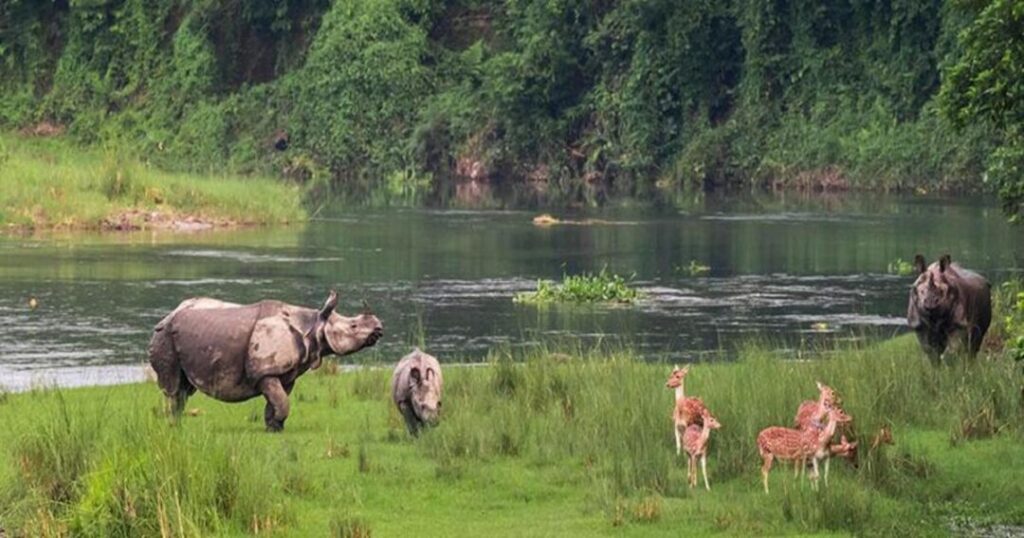
Established in 1973 and UNESCO-inscribed in 1984, Chitwan National Park protects 952.6 square kilometres of subtropical lowland in Nepal’s Terai region — a sharp contrast to Sagarmatha’s high-altitude setting. It holds the largest population of Indian (greater one-horned) rhinoceros in Nepal, accounting for the vast majority of the country’s roughly 645 rhinos as of the most recent counts, alongside a genuinely recovering Bengal tiger population that’s grown substantially since the park’s founding. It’s Nepal’s answer to a classic African-style wildlife park, run instead on jeep and canoe safaris through Terai grassland and riverine forest.
Heritage Places in Nepal Beyond the UNESCO List
Not every significant heritage places in nepal has made it onto UNESCO’s inscribed list yet — the country currently has 15 sites on UNESCO’s Tentative List, essentially a waiting room for future World Heritage status, and several of them are genuinely worth visiting in their own right.
- Gorkha Durbar: The hilltop palace from which Prithvi Narayan Shah launched the campaign that unified Nepal in the 18th century — as much a pilgrimage site of national identity as an architectural one.
- Lo Manthang: The walled former capital of the Kingdom of Upper Mustang, a Tibetan Buddhist enclave whose isolation only lifted to independent trekkers in the 1990s, still one of the least-visited historic towns in the Himalayas.
- Panauti: A well-preserved Newar town near Kathmandu Valley with a temple architecture style similar to the Durbar Squares but with a fraction of the visitors, often described as what Bhaktapur looked like before tourism.
- Janaki Mandir (Janakpur): A striking white Hindu temple in Nepal’s southern Terai plains, associated with the goddess Sita and drawing pilgrims independently of the main Kathmandu Valley circuit.
- Tansen: A hillside Newar-influenced town in western Nepal, known for its palace ruins and traditional Dhaka cloth weaving rather than any single monument.
Top 10 UNESCO World Heritage Sites in Nepal: Setting the Record Straight
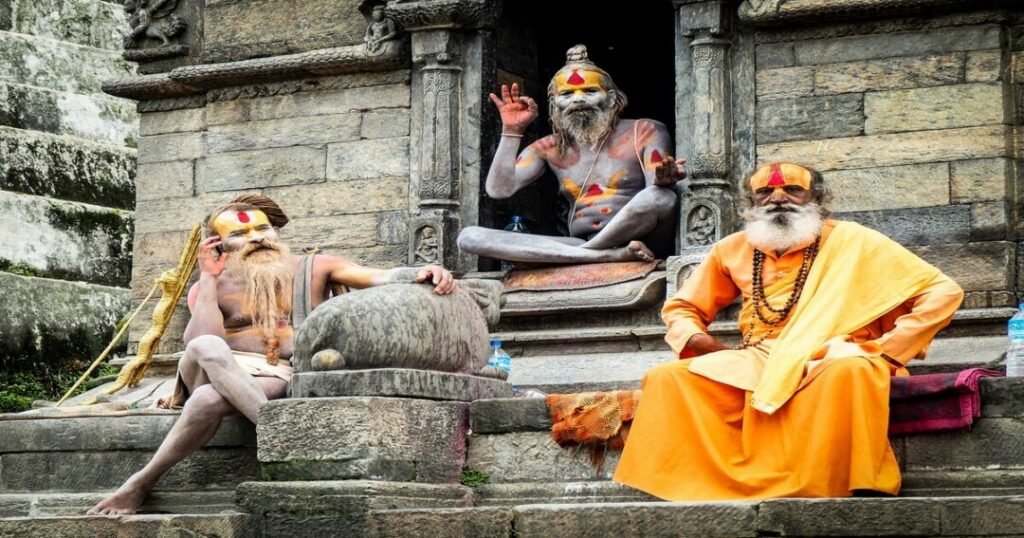
A lot of travel content promises a top 10 unesco world heritage sites in nepal list, and it’s worth being direct about this: UNESCO has officially inscribed exactly four World Heritage Sites in Nepal, not ten. The “top 10” framing almost certainly comes from a specific counting trick — the Kathmandu Valley is one single UNESCO inscription, but it’s made up of seven distinct monument zones (the three Durbar Squares, Swayambhunath, Boudhanath, Pashupatinath, and Changu Narayan). Count those seven zones individually instead of as one site, add Lumbini, Sagarmatha, and Chitwan, and you land on ten— which is a reasonable way to organize a sightseeing list, just not an accurate description of how many UNESCO World Heritage Sites Nepal actually holds. If you’re planning a trip around “the 10 heritage sites,” this is effectively that list; if you’re citing an official UNESCO figure, the accurate number is four.
Also Read: Famous Nepalese Food: Discovering the Flavors That Define Nepal
Historical Heritage of Nepal
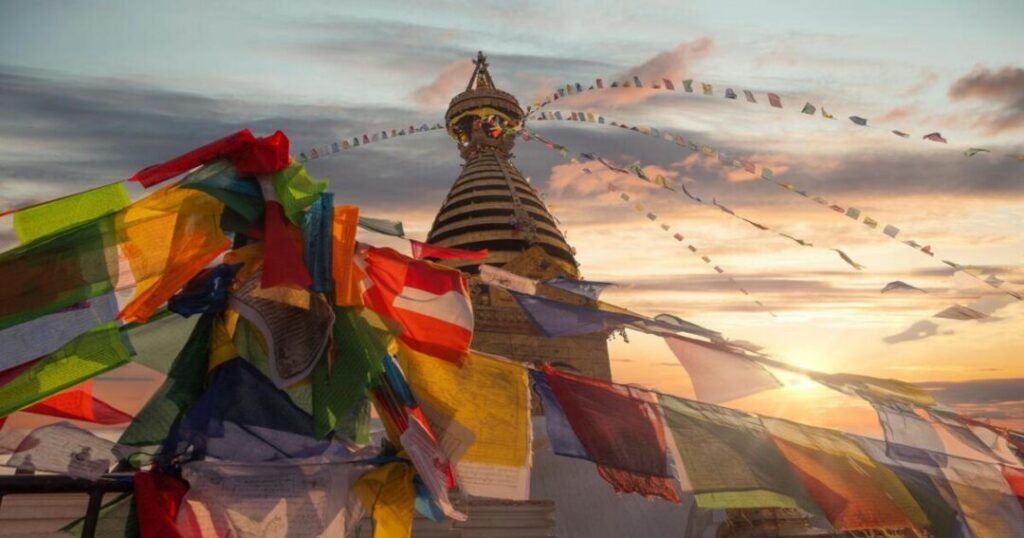
The historical heritage of nepal is inseparable from the Newar civilization that built most of the Kathmandu Valley’s surviving monuments, largely between 1500 and 1800 AD under the Malla kings, whose rival city-states of Kathmandu, Patan, and Bhaktapur each competed to build ever more elaborate palace squares — which is a large part of why all three Durbar Squares still exist as distinct architectural showcases rather than one unified complex. That heritage took a severe hit in the April 2015 earthquake, which caused roughly 80% of the historic structures in both Kathmandu and Bhaktapur Durbar Squares to collapse or sustain serious damage, along with half the temples in Patan Durbar Square and worrying structural cracks at Swayambhunath. UNESCO and Nepali conservation teams have spent the years since assessing, documenting, and rebuilding using surviving architectural records, meaning much of what visitors see in the Kathmandu Valley today is a mix of monuments that survived intact and painstakingly reconstructed ones — a living, ongoing restoration rather than a finished museum piece.
Also Read: 10 Himalayan Treks in Nepal That Will Completely Change How You See the Mountains
Durbar Square in Nepal
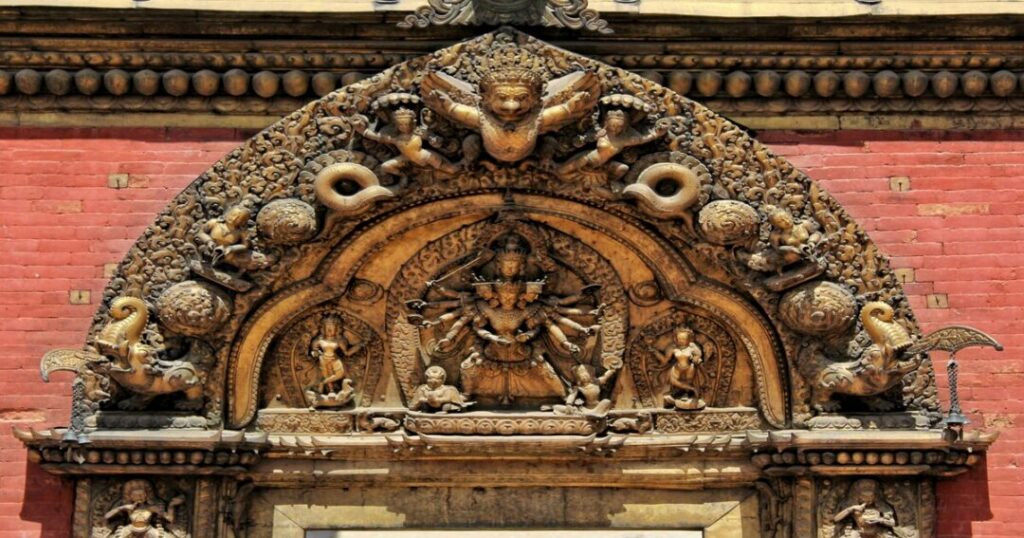
The phrase durbar square in nepal actually refers to three separate royal palace squares, one each in Kathmandu, Patan, and Bhaktapur — all three are part of the single Kathmandu Valley UNESCO listing, but each has a genuinely distinct character.
- Kathmandu Durbar Square (Hanuman Dhoka): The former royal palace complex of the Malla and later Shah kings, named for the Hanuman statue guarding its entrance, and historically the site where Nepali kings were crowned.
- Patan Durbar Square: Widely considered the most architecturally refined of the three, packed densely with temples and the ornate Krishna Mandir, reflecting Patan’s reputation as the valley’s historic center of fine metalwork and craftsmanship.
- Bhaktapur Durbar Square: The best-preserved of the three overall, thanks partly to a long-running German-funded conservation project that predated the 2015 earthquake, centered on the 55-Window Palace and the towering Nyatapola Temple.
Also Read: 12 Best Tourist Places to Visit in Nepal for Every Kind of Traveler
Conclusion: Four Sites, a Much Longer Story
Whichever way you count them, the World Heritage Site of Nepal list covers an unusual range for four entries — a religious birthplace, the world’s highest mountain, a rhino stronghold, and an entire valley of rival medieval city-states. Building in time for the tentative-list towns and understanding what’s original versus rebuilt after 2015 will get you a genuinely richer trip than just ticking off the official four.
Planning a Nepal heritage trip? Let the Explurger app help you sequence the Kathmandu Valley, Lumbini, and the national parks around each other.
FAQs About World Heritage Sites in Nepal
2. What are the seven monument zones of the Kathmandu Valley?
The Durbar Squares of Kathmandu, Patan, and Bhaktapur, the Buddhist stupas of Swayambhunath and Boudhanath, and the Hindu temple complexes of Pashupatinath and Changu Narayan.
3. Is Lumbini the birthplace of Buddha?
Yes — Lumbini is traditionally recognized as Buddha's birthplace around 623 BC, centered on the Maya Devi Temple and the Ashoka Pillar, which dates to 249 BC and helped confirm the site's identity.
4. How did the 2015 earthquake affect Nepal's heritage sites?
Severely — roughly 80% of the historic structures in Kathmandu and Bhaktapur Durbar Squares collapsed or were seriously damaged, along with half of Patan Durbar Square's temples, and restoration using pre-existing architectural documentation has continued for years since.
5. Which Durbar Square is best preserved?
Bhaktapur Durbar Square is generally considered the best preserved of the three, partly due to a long-running German-funded conservation project that predated the 2015 earthquake.
6. What is Sagarmatha National Park known for?
It's Nepal's first natural UNESCO World Heritage Site, established in 1976 and inscribed in 1979, encompassing Mount Everest and home to around 3,500 Sherpa residents alongside snow leopards and other high-altitude wildlife.