
46 Total Views
Kazakhstan’s calendar layers three distinct histories on top of each other — a nomadic Turkic and Persian past that gave the country its spring New Year, an Islamic calendar that governs its religious holidays, and a Soviet-then-independent era that produced everything from military parades to a revived pop song contest. The festivals in kazakhstan that matter most to visitors and locals alike span all three. This guide covers the country’s biggest celebrations, takes a closer look at its music festival scene, and closes with the exact 2026 dates and a comparison to neighboring Kyrgyzstan’s own festival calendar.
Best Festivals in Kazakhstan
These five give the clearest picture of what Kazakhstan actually celebrates across a calendar year.
1. Nauryz
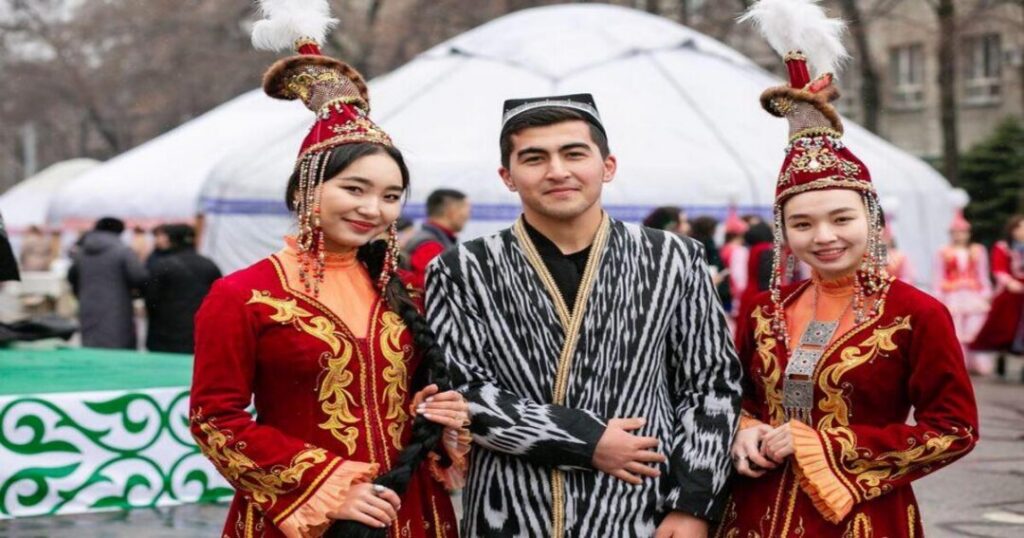
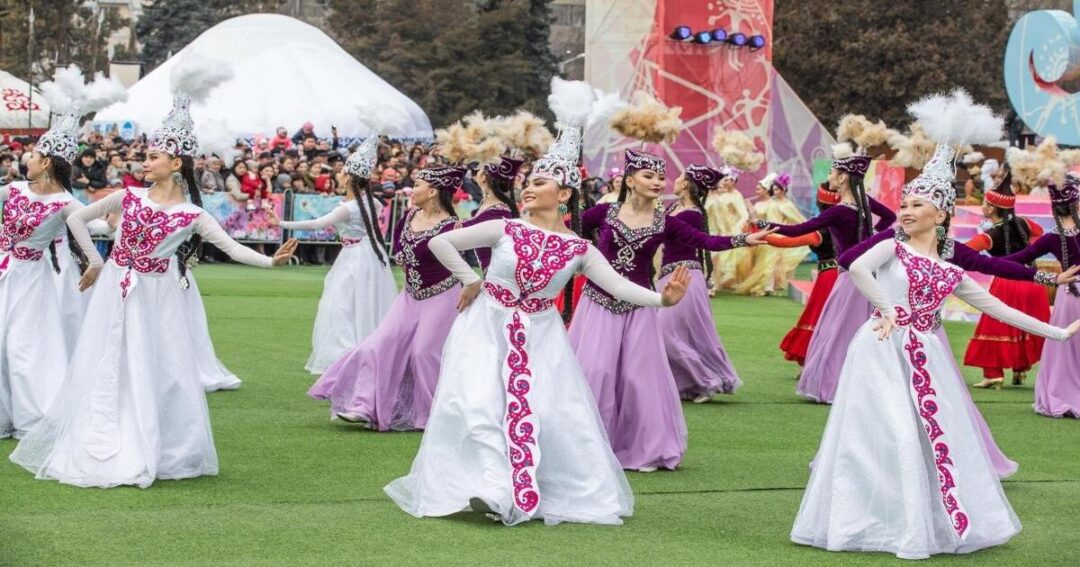
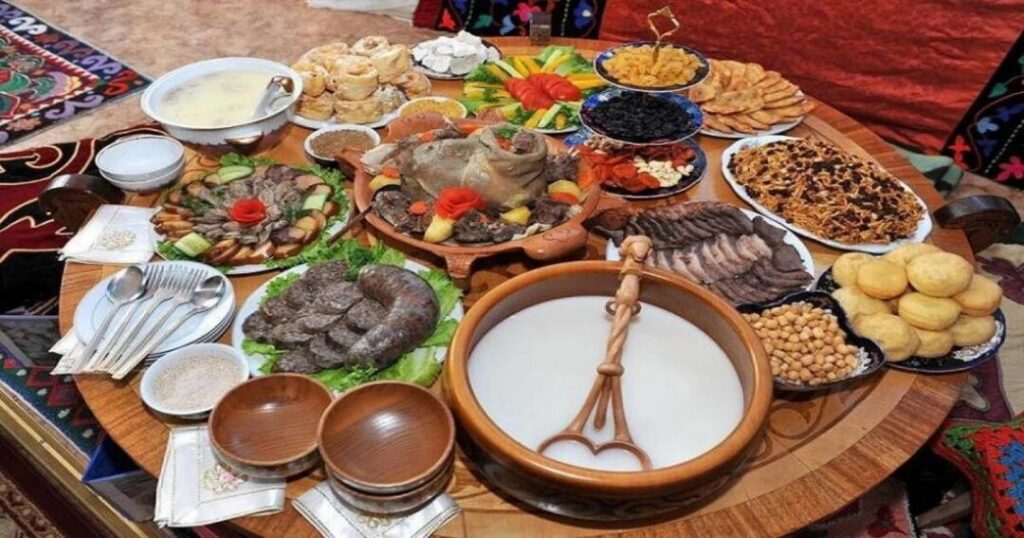
Nauryz is Kazakhstan’s spring New Year, falling on the vernal equinox around March 21-22 and rooted in Zoroastrian tradition that reached Central Asia roughly 1,500 years ago. Families clean their homes, wear new clothes, and share Nauryz kozhe, a seven-ingredient dish symbolizing virtues like strength and wisdom, alongside traditional games such as horse racing and wrestling. It’s Kazakhstan’s most widely celebrated holiday by far — more on its history and revival below.
2. Kurban Ait
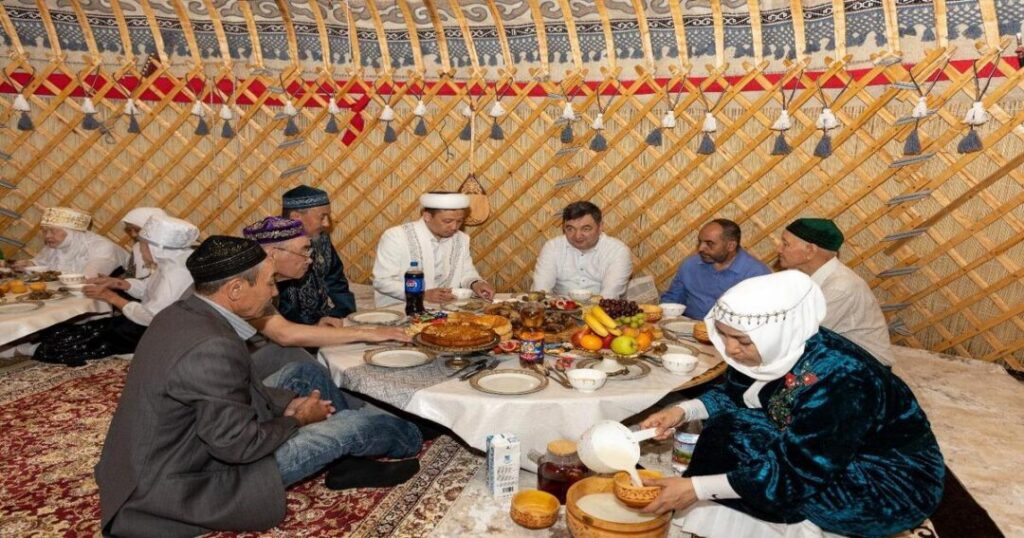
Kurban Ait, known internationally as Eid al-Adha, is Kazakhstan’s major Islamic festival, observed as a national holiday that follows the lunar Islamic calendar rather than a fixed date each year. Families who can afford it traditionally sacrifice livestock and distribute the meat to relatives, neighbors, and those in need, and the day includes prayers, family visits, and shared meals.
3. Capital City Day
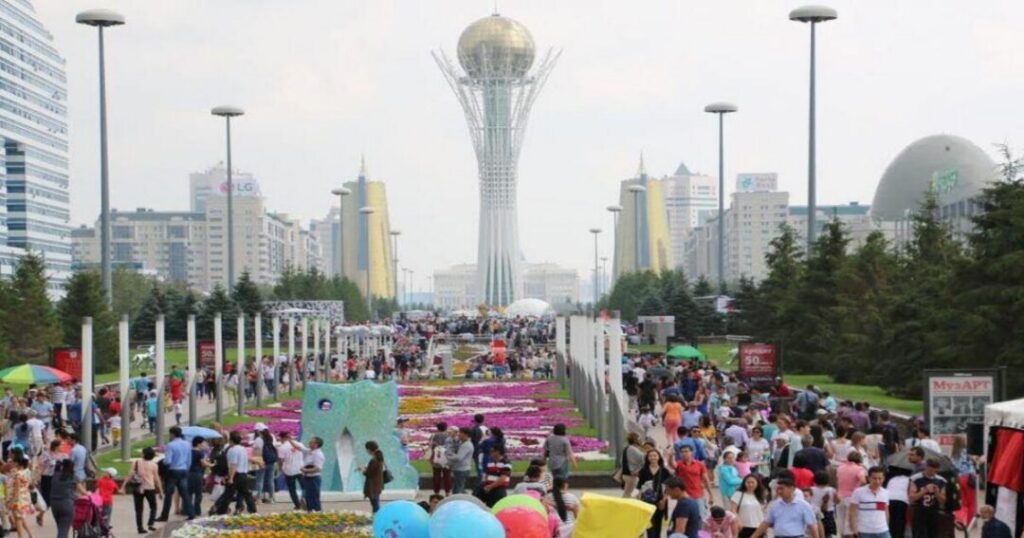
Celebrated every July 6, Capital City Day marks the anniversary of the 1994 proposal to relocate Kazakhstan’s capital, a move that eventually produced the city now known as Astana. Established as an official holiday in 2009, the day features fireworks over the Yessil River embankment and two recurring festivals: the Astana Samaly International Festival of brass bands, running since 2009, and the Eskeri Kernei military tattoo, held annually since 2012.
4. Independence Day
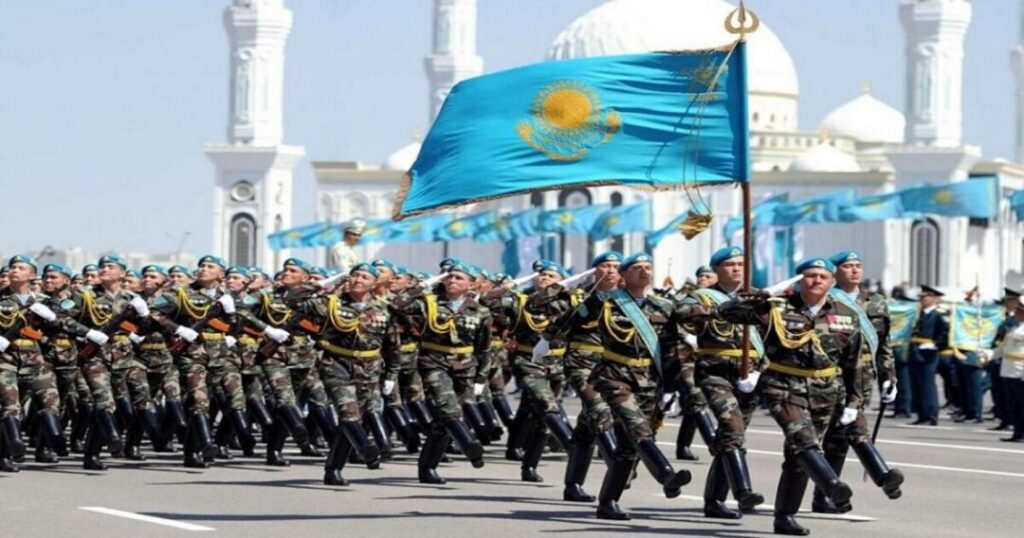
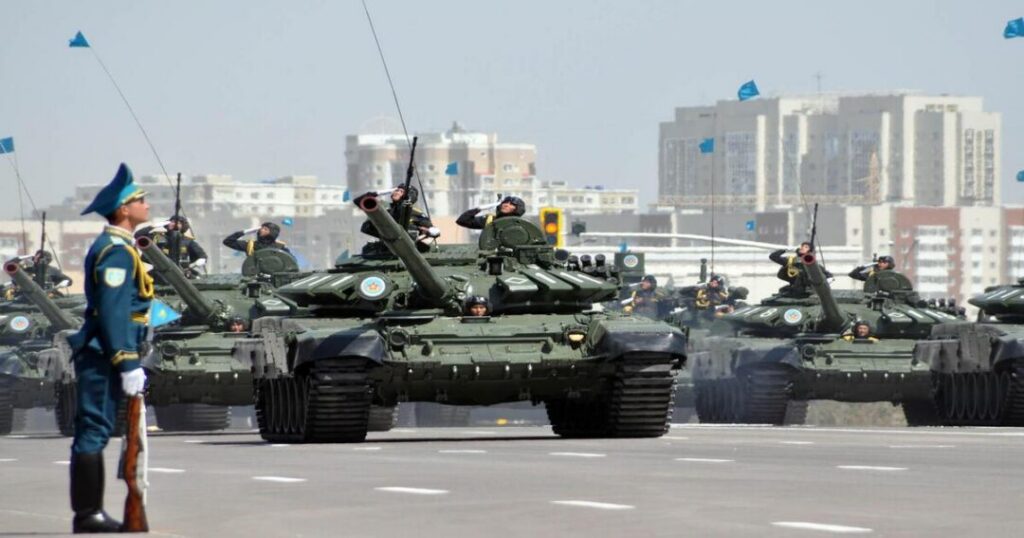
December 16 marks Kazakhstan’s 1991 declaration of independence from the Soviet Union, the last of the former Soviet republics to do so. The day combines fireworks, concerts, and parades — the first military parade was held on Almaty’s Republic Square in 1996 — with more intimate touches like yurts set up in villages serving local delicacies, and formal ceremonies where the President awards state honors to distinguished citizens.
5. The Spirit of Tengri
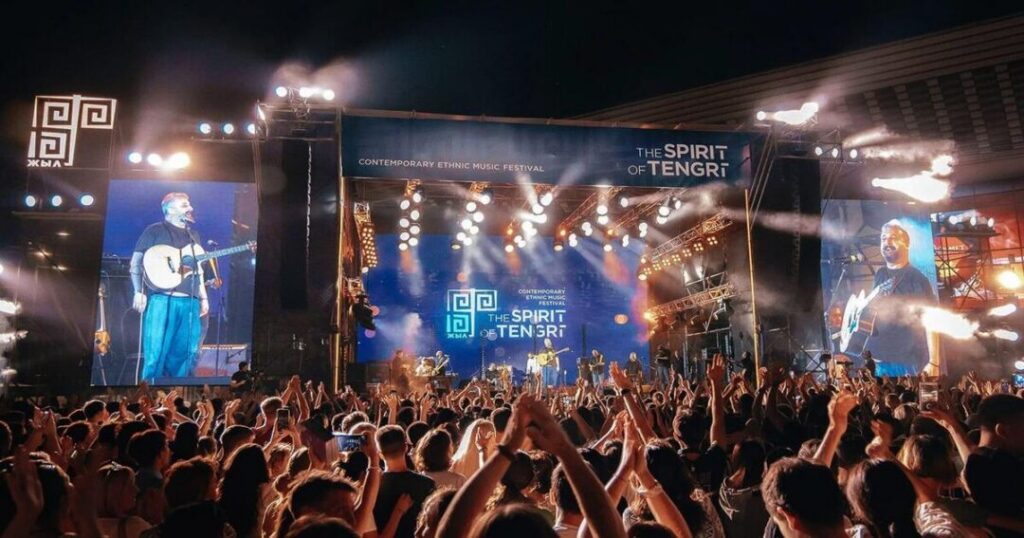
Held in Almaty, The Spirit of Tengri bills itself as the biggest contemporary ethnic music festival in Central Asia, blending traditional instrumentation and folk melodies with modern genres. Its stated mission centers on preserving traditions and historical heritage while encouraging “creative rethinking” of ethnic music for new audiences, drawing performers and crowds from across the region each year.
Kazakhstan Music Festival: The Return of Voice of Asia
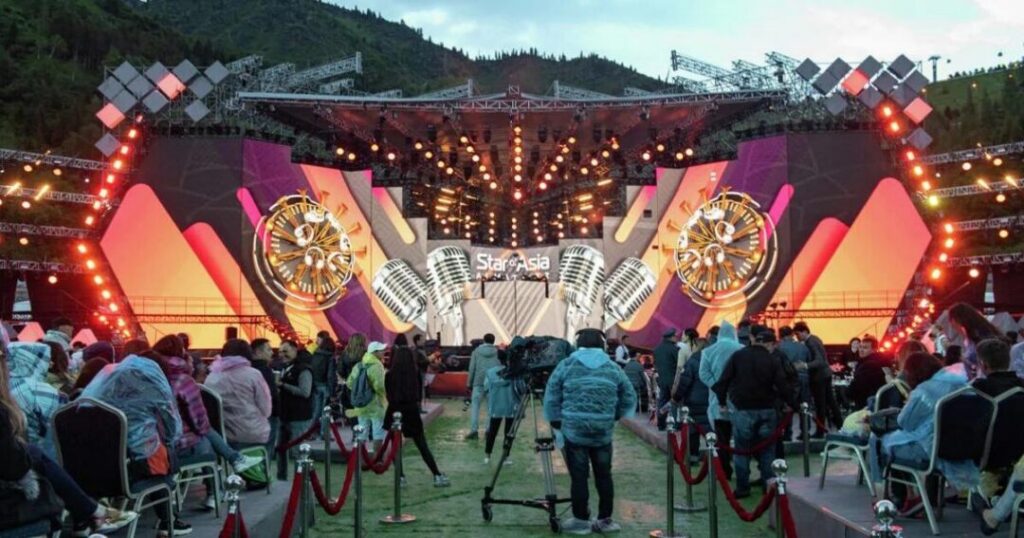
Beyond The Spirit of Tengri, the other major Kazakhstan music festival worth knowing has a genuinely dramatic backstory. Voice of Asia — Golos Azii in Russian — launched in Almaty in 1990, combining international concert performances with a vocal competition, and was staged for years at the Medeu open-air skating rink in the mountains just outside the city. Its stage hosted names like Gloria Gaynor, Boney M., Patricia Kaas, and Alla Pugacheva, with grand-prize winners crowned annually from 1990 through 2004, drawn from as far afield as Romania, Indonesia, the Philippines, and Malaysia.
The festival went dark in 2005 after running short of funding, and stayed inactive for close to two decades. It returned in 2023, and by 2024 was drawing genuinely current headliners — Jason Derulo performed his first solo concert in Almaty as part of that year’s lineup. Between Voice of Asia’s international pop pedigree and The Spirit of Tengri’s ethnic-music focus, Kazakhstan’s music festival scene now covers a surprisingly wide range for a single country.
Nauryz Festival in Kazakhstan: A Tradition Reborn
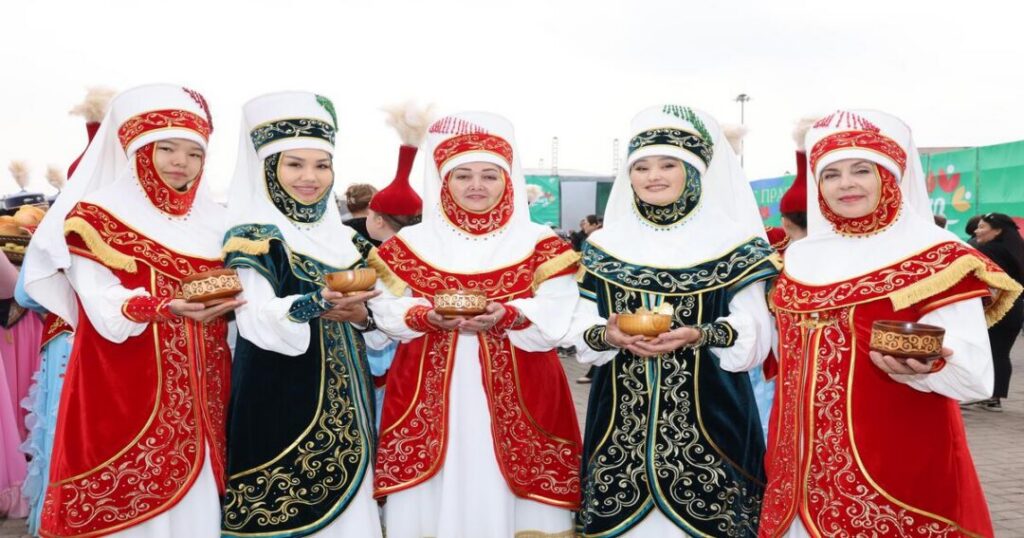
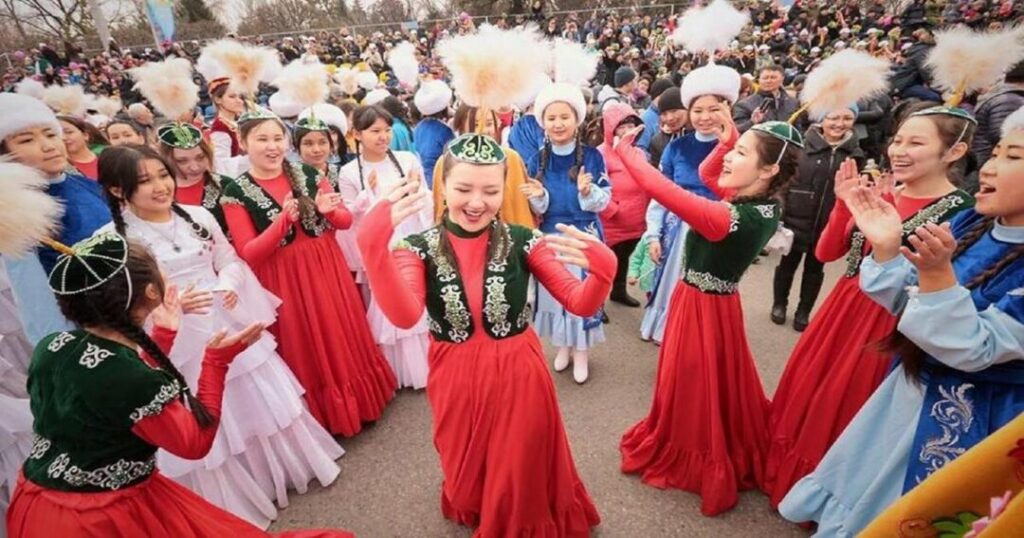
The Nauryz Festival Kazakhstan story is as much about survival as celebration. Soviet authorities banned Nauryz outright in 1926 as part of a broader campaign against traditional and religious practices, and the ban held for over 60 years — though many families kept marking the day quietly at home. The public revival began during the perestroika era: the first modern celebration took place in Almaty’s Gorky Park in 1988, expanding to other regions the following year.
Kazakhstan officially designated March 22 as Nauryz Day in 1991, added it to the state holidays list in 2001, and extended it to a three-day celebration in 2009. In 2010, the United Nations recognized March 21 as the International Day of Nauryz, and Kazakhstan’s government has since floated expanding the surrounding cultural period even further. What was once suppressed for two generations is now marked with large public festivals, concerts, traditional games, and — every year — a fresh pot of Nauryz kozhe shared across the country.
More Kazakhstan Festivals: Quick Reference
For anyone looking for a broader, festivals in kazakhstan wikipedia-style rundown, these round out the national holiday calendar beyond the festivals already covered:
- Constitution Day: Marked on March 15, commemorating the adoption of Kazakhstan’s constitution, with concerts, parades, fireworks, and educational events held nationwide.
- Defender of the Fatherland Day: Held on May 7, honoring the founding of Kazakhstan’s Armed Forces in 1992 with military parades, ceremonies, and — culturally — a day treated as the country’s counterpart to International Women’s Day.
- Republic Day: Observed on October 25, marking the Kazakh SSR’s 1990 declaration of sovereignty from the Soviet Union, a step that preceded full independence the following year.
Also Read: e-Visa for Indians: Your Complete Guide to Visa-Free, Visa on Arrival & e-Visa Travel
Kazakhstan Festivals 2026: Key Dates
For anyone planning around Kazakhstan festivals 2026, here’s the calendar as it currently stands:
- Nauryz: March 21-25, 2026 (the standard three-day holiday extended because March 21 falls on a Saturday).
- Constitution Day: March 15, 2026.
- Defender of the Fatherland Day: May 7, 2026.
- Kurban Ait: Expected Wednesday, May 27, 2026, though this can shift by a day depending on official moon sighting.
- Capital City Day: July 6, 2026.
- Republic Day: October 25, 2026.
- Independence Day: December 16, 2026.
Also Read: Things to Do in Azerbaijan: 10 Incredible Experiences That Should Be on Every Traveler’s Bucket List
Festivals in Kyrgyzstan: How They Differ from Kazakhstan’s?
A search for festivals in kyrgyzstan isn’t really a Kazakhstan question at all — Kyrgyzstan is a separate, neighboring Central Asian country with its own festival calendar, though the two share more common ground than most outsiders expect. Kyrgyzstan celebrates its own version of the spring equinox New Year, called Nooruz there, on essentially the same date and with many of the same nomadic-heritage traditions as Kazakhstan’s Nauryz.
Where Kyrgyzstan stands apart is the World Nomad Games, a celebration of nomadic sport and culture — wrestling, archery, horse racing, eagle hunting, and kok-boru (a mounted contest for a goat carcass) — that originated in Kyrgyzstan in 2014 and is typically staged around Issyk-Kul Lake, in Cholpon-Ata and the Kyrchyn Gorge. The Games have traveled since — Turkey hosted in 2022 and Kazakhstan itself hosted the 2024 edition — but they return to their birthplace in 2026, with an opening ceremony in Bishkek on August 31 followed by the main competitions from September 1-6, drawing close to 2,500 athletes from roughly 90 countries. It’s a useful reminder that Kazakhstan and Kyrgyzstan’s festival calendars overlap in spirit even when the specific events belong to one country or the other.
Also Read: Things to Do in Almaty: The Complete Guide to Kazakhstan’s Mountain City
Conclusion: A Calendar Built From Three Histories
Between Nauryz’s slow-motion revival, a Soviet-holdover Independence Day, and a pop festival that vanished for eighteen years before roaring back, the Festivals in Kazakhstan reward anyone who looks past the obvious tourist calendar. Time a trip around Nauryz or Voice of Asia specifically, and Kazakhstan’s festival scene turns out to be considerably livelier than its reputation suggests.
Planning a trip around Kazakhstan’s festival calendar? Let the Explurger app help you time it around Nauryz, Voice of Asia, or whichever celebration you don’t want to miss.
FAQs About Festivals in Kazakhstan
2. What is the Nauryz festival in Kazakhstan?
Nauryz is Kazakhstan's spring New Year, held around the vernal equinox on March 21-22 and rooted in over 1,500 years of Zoroastrian and Central Asian tradition, marked with new clothes, traditional games, and a shared dish called Nauryz kozhe.
3. Is there a Kazakhstan music festival?
Yes — The Spirit of Tengri, Central Asia's largest contemporary ethnic music festival, and Voice of Asia (Golos Azii), a revived international pop song contest first launched in 1990, are the country's two major music festivals.
4. What happened to the Voice of Asia festival?
It ran annually in Almaty from 1990 to 2004, went on hiatus in 2005 due to funding shortfalls, and returned in 2023, drawing international headliners like Jason Derulo by 2024.
5. Was Nauryz ever banned in Kazakhstan?
Yes — Soviet authorities banned it in 1926, and it wasn't publicly revived until 1988, with official recognition as a national holiday following in 1991.
6. How are festivals in Kyrgyzstan different from Kazakhstan's?
Kyrgyzstan celebrates its own version of the spring New Year, called Nooruz, much like Kazakhstan's Nauryz, but its signature event is the World Nomad Games, a nomadic sports and culture festival that originated in Kyrgyzstan in 2014 and returns there in 2026 after Kazakhstan hosted the 2024 edition.