
852 Total Views
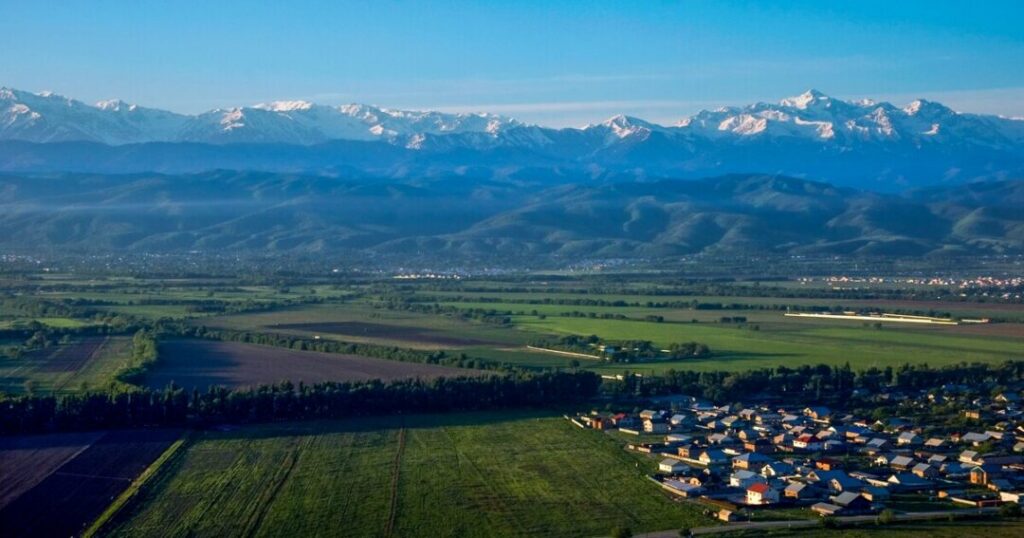
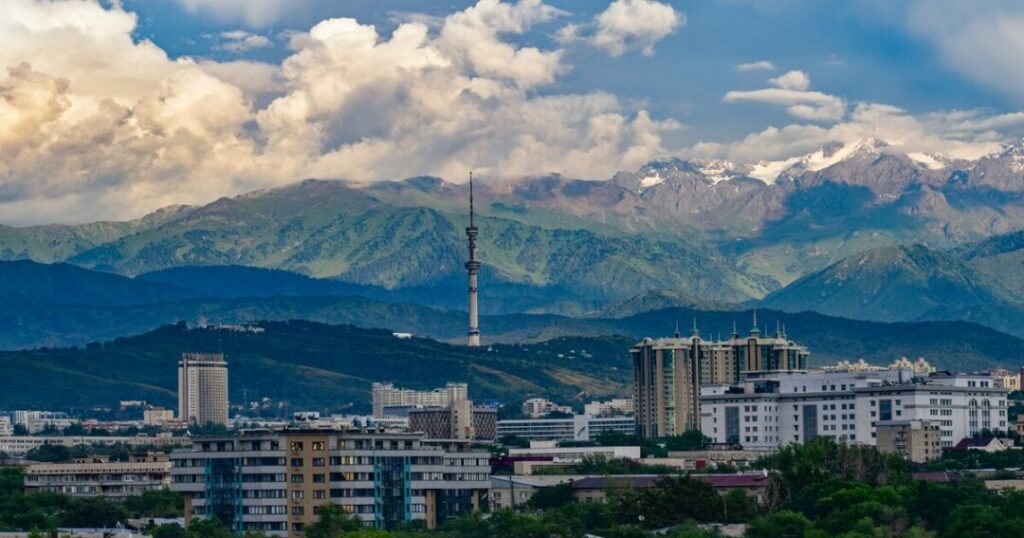
Most people land in Almaty expecting a grey, post-Soviet city in the middle of a steppe. What they find instead is a city of approximately 2.35 million people backed by snowcapped Tian Shan peaks, filled with specialty coffee shops and Georgian restaurants, where a 20-minute taxi ride takes you from a contemporary art gallery to a ski resort. Almaty — whose very name derives from Almatau, meaning “mountain of apples” in Kazakh, the region being widely believed to be the ancestral home of the cultivated apple — was Kazakhstan’s capital until 1997, when the government relocated to the newly built Astana in the north. It remains the country’s cultural, commercial, and intellectual heart.
The things to do in Almaty are split between the city itself and the extraordinary natural landscape that surrounds it — a combination that makes it genuinely unlike any other city in Central Asia. Charyn Canyon is 220 km east. Big Almaty Lake is 30 minutes south. Shymbulak ski resort is 25 km from the city centre. You can eat Kazakh horsemeat sausage at the Green Bazaar in the morning and be standing at a glacial lake by afternoon.
Nature & Outdoors — Almaty’s Mountain Backyard
Big Almaty Lake — The Turquoise Eye in the Tian Shan
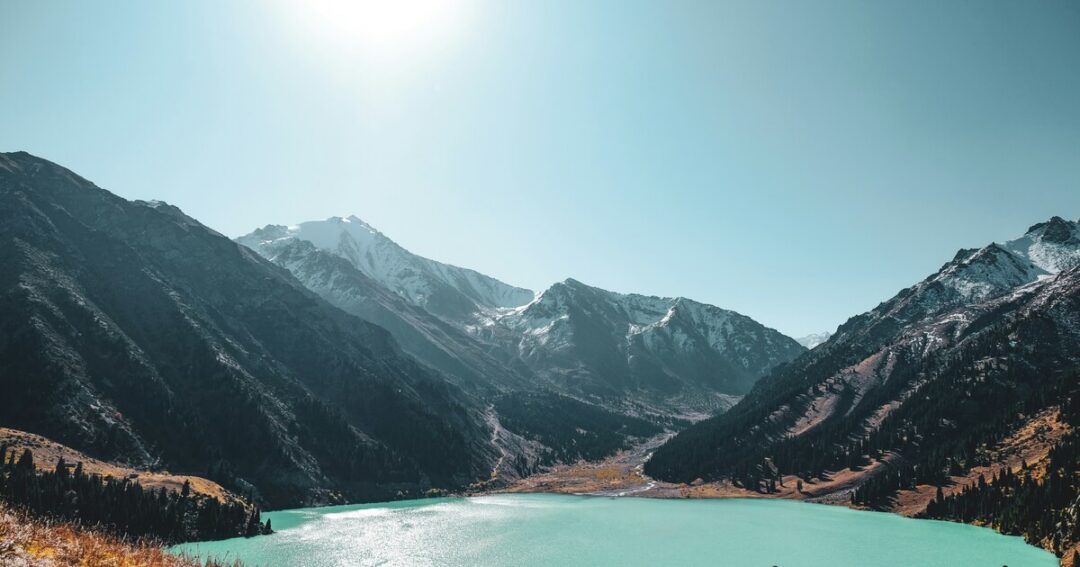
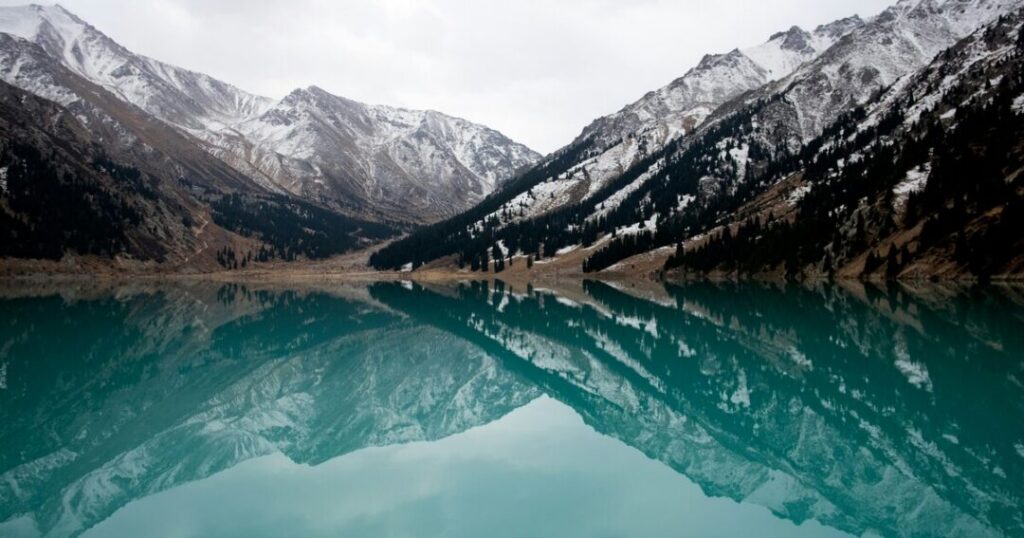
Big Almaty Lake (Bolshoye Almatinskoe Ozero) sits at approximately 2,511 metres above sea level in the Zailiysky Alatau range, approximately 28 km south of Almaty — a high-altitude glacial lake of extraordinary colour, shifting between turquoise, emerald, and deep blue depending on the season and the light. The lake is fed by glacial meltwater and precipitation; its colour comes from the suspended glacial sediment that scatters light in the blue-green spectrum.
The drive and short hike from the city make Big Almaty Lake one of the most accessible alpine experiences in Central Asia. In summer it is a hiking and photography destination; in winter the surrounding peaks are snow-covered and the approach road becomes a ski touring route. The Tian Shan Astronomical Observatory, operated by the Fesenkov Astrophysical Institute, sits above the lake at approximately 2,750 m and is occasionally open to visitors.
- A permit (pass) is required to enter the Big Almaty Lake area — arrange through official channels or a local guide service before the trip
- Best visited in June–September when the road is fully passable; the peak colour is typically May–June as snowmelt enters the lake
- Do not visit on weekends in summer — the lake is close to the city and draws large crowds; Tuesday/Wednesday mornings are far quieter
Also Read: e-Visa for Indians: Your Complete Guide to Visa-Free, Visa on Arrival & e-Visa Travel
Medeu — The Highest Skating Rink in the World
Medeu (Medeo) — an outdoor speed skating rink in the Medeu valley, approximately 15 km from Almaty city centre at 1,691 metres above sea level — is a Soviet-era construction that has hosted multiple world records. The ice surface covers approximately 10,500 square metres, making it one of the largest outdoor skating rinks in the world, and the altitude and low-mineral content of the water from the Zailiyskiy Alatau glaciers have historically made it one of the fastest skating surfaces in the world.
Medeu is the gateway to Shymbulak — a funicular (gondola) runs from Medeu up to the ski resort. The surrounding valley is beautiful year-round: summer hiking, autumn foliage, winter ice.
Shymbulak Ski Resort — Central Asia’s Best Skiing
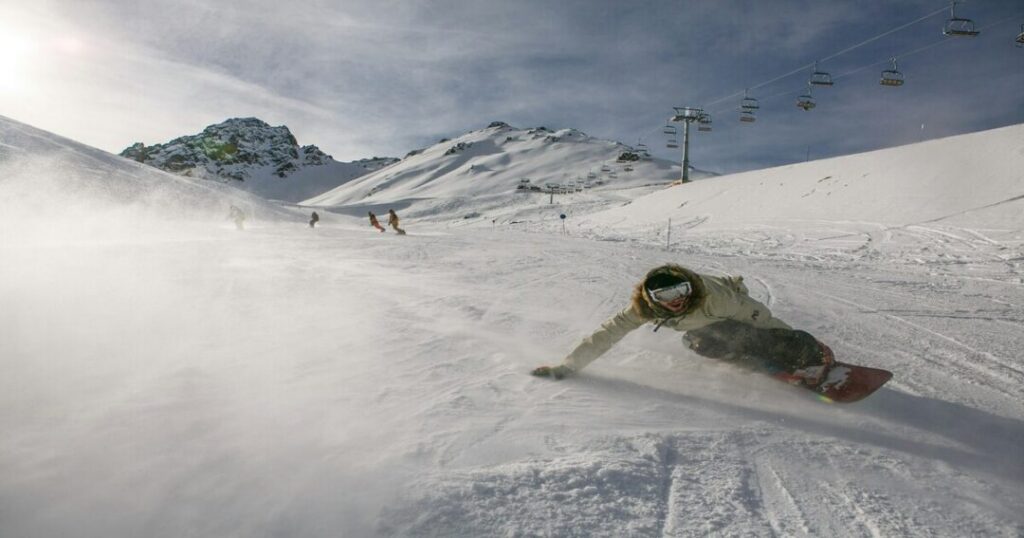
Shymbulak ski resort, approximately 25 km from the city at a base altitude of 2,260 metres and a top station at approximately 3,163 metres, is the finest ski resort in Central Asia — a genuine mountain resort with long runs, consistent powder, and the Tian Shan scenery that makes every descent extraordinary. The ski season typically runs from December to April; summer brings hiking, mountain biking, and the gondola ride for sightseeing.
The gondola system from Medeu to Shymbulak’s upper station is one of the most scenic short cable car journeys in the region — the views of the Zailiysky Alatau and the Almaty valley below are extraordinary.
Soviet Heritage & Architecture — Almaty Places to See
Panfilov Park and the Ascension Cathedral
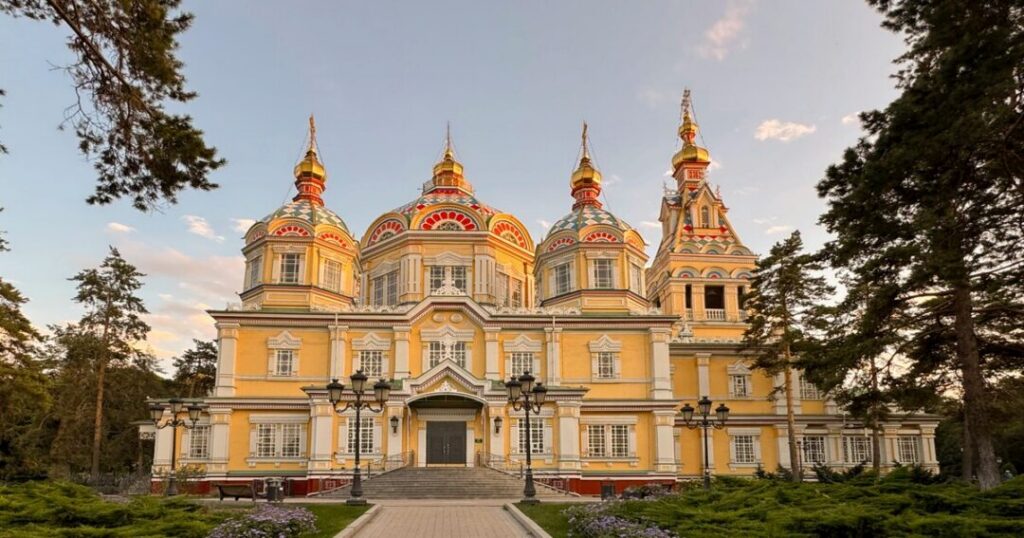
Panfilov Park (Park Imeni 28 Gvardeytsev-Panfilovtsev) is named after the 28 soldiers of the Panfilov Division who heroically died defending Moscow against German forces in November 1941 — their story, though partly mythologised, remains one of the defining wartime narratives of the Soviet Union. The park contains the Eternal Flame memorial to the 28 Panfilov Guardsmen, the Kazakh Museum of Folk Musical Instruments (housed in a wooden Russian colonial building), and most remarkably, the Ascension Cathedral (Zenkov Cathedral) — a Russian Orthodox cathedral built entirely without nails in 1907, constructed from timber in a distinctly Russian architectural style and painted in vivid yellow, green, and white. It survived the 1911 earthquake that destroyed much of the original city, leading to claims (disputed by engineers) that its all-wood construction provided seismic resilience.
- The Ascension Cathedral is one of the finest examples of Russian Orthodox wooden architecture in Central Asia
- The park is pleasant year-round — locals use it as a daily walk, and the combination of Soviet memorial, tsarist-era cathedral, and Kazakh musical instruments creates an unusually compressed display of the region’s layered history
- Entry to the park is free; the cathedral and museum have nominal entry fees
Central State Museum of the Republic of Kazakhstan
The Central State Museum on Furmanov Street is Kazakhstan’s largest and most significant museum — housing over 170,000 objects covering Kazakh history from the Bronze Age to independence. The collections include Saka burial objects (the Saka were a Scythian-related nomadic people of the Eurasian steppe), items from the Silk Road trading period, Kazakh nomadic material culture (yurts, weapons, costume, horse equipment), Soviet-era documents, and the full sweep of Kazakh ethnography and history.
The Golden Warrior (Altyn Adam) — a reconstruction of a Saka warrior buried in gold-plated armour approximately 2,500 years ago, discovered in 1969 near Issyk — is the museum’s defining exhibit and one of the finest archaeological finds in Central Asian history.
- Closed Mondays; nominal entry fee
- The Saka and pre-Islamic collections are extraordinary; the Soviet history section is dense and requires context
Republic Square and the Monument of Independence
Republic Square (Respublika Alany) is the city’s main civic plaza — a vast Soviet-scale public space dominated by the Monument of Independence (a tall column topped with a golden figure of a warrior on a snow leopard, the winged horse from Kazakh mythology). The square is ringed by government buildings in the Soviet neoclassical style and is the site of national celebrations, military parades, and public gatherings. The visual scale of the square — designed to dwarf the individual — is itself a statement about the Soviet urban planning philosophy.
Adventure — Active Things to Do in Almaty
Kok Tobe Hill — Cable Car and City Views
Kok Tobe (“Blue Hill” in Kazakh) is a 1,100-metre hill on the southeastern edge of Almaty, accessible by cable car from the city centre. The summit has a telecommunications tower (one of the city’s most recognisable landmarks), gardens, a small amusement park, and the most accessible panoramic view of Almaty with the Tian Shan peaks behind and the city spread below. The cable car ride is itself a pleasant 20-minute experience.
- Best at dusk when the Tian Shan snowfields catch the last light and the city begins to illuminate below
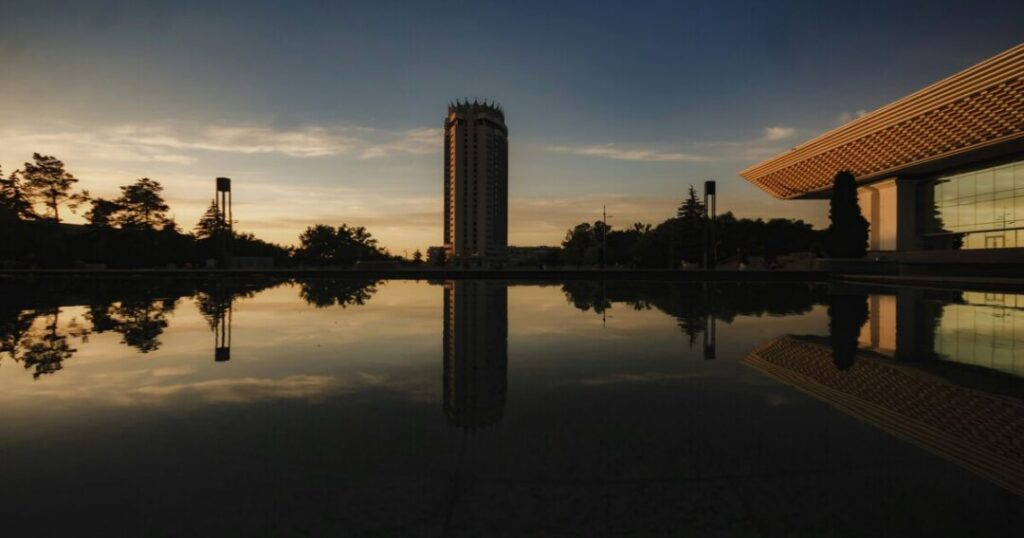
- The cable car departs from near the Hotel Kazakhstan (a Soviet-era landmark building in its own right)
Trekking in the Zailiysky Alatau
The mountain range immediately above Almaty — the Zailiysky Alatau — offers some of the most accessible high-altitude trekking in Central Asia, with trails ranging from half-day walks to multi-day routes reaching glaciers above 4,000 metres. The Turgen Gorge (approximately 75 km east of Almaty) is the most popular hiking corridor: several waterfalls, alpine meadows, and the upper valley glacier system accessible in a single day.
- The Butakovsky Gorge (within the city’s southern suburbs) is the most accessible entry point for a morning hike — trail begins less than 5 km from the city centre
- More serious trekking requires a guide and permit for the higher areas; several reputable operators in Almaty offer arranged treks
Food & Bazaars — Almaty Attractions for Food Lovers
Green Bazaar (Zelyony Bazar)
The Green Bazaar (Zelyony Bazar, officially Zentralny Bazar) is Almaty’s main covered market and one of the finest bazaars in Central Asia — an enormous covered market hall selling fresh produce, dried fruits and nuts, Kazakh dairy products (kurt, shubat, koumiss), dried horse and beef, spices, and an extraordinary range of prepared foods. The dried fruit and nut section — with mountains of apricots, figs, walnuts, pistachios, and raisins from Central Asia’s agricultural heartland — is one of the most visually extraordinary market sections anywhere in the region.
What to try at the Green Bazaar:
- Besbarmak (literally “five fingers”) — Kazakhstan’s national dish: boiled meat (horse, lamb, or beef) served over flat noodles with broth; eaten with the hands in the traditional manner
- Kurt — small balls of dried, salted fermented dairy (sheep or cow), incredibly hard, intensely sour; a nomadic trail food with a flavour that takes multiple attempts to appreciate
- Shubat — fermented camel milk; tangy, slightly carbonated, acquired taste; the nomadic equivalent of kefir
- Koumiss (kumiss) — fermented mare’s milk; mildly alcoholic, extremely sour, one of the defining flavours of the Eurasian steppe
Kazakh Cuisine Beyond the Bazaar
Beyond the bazaar, Almaty has a restaurant culture that genuinely surprises visitors — a cosmopolitan mix reflecting both Soviet-era multicultural inheritance and contemporary ambition. Georgian, Russian, Korean (Kazakhstan has a large Koryo-saram community — ethnic Koreans deported from the Soviet Far East to Central Asia by Stalin in 1937), Uzbek, and Dungan (Chinese Muslim) restaurants coexist with modern Kazakh fine dining establishments that are reinterpreting nomadic cuisine for contemporary palates.
The Arasan Banya — Bathing in Soviet Splendour
The Arasan Banya (Arasan Public Baths) — a Soviet-era public bathhouse opened in 1982, designed in the style of a grand civic institution — is one of the most underrated places to go in Almaty. Three temperature sections (Russian banya, Finnish sauna, and Eastern hammam) are housed in a building of remarkable Soviet grandeur: high ceilings, marble, mosaics, and the specific atmosphere of a public institution that has been serving Almaty’s residents for over forty years. Coming here after a day of mountain hiking is one of the finest experiences in the city.
Kok Tobe’s Little Brother — Almaty’s Street Art Scene
The Alatau and Almaly districts of central Almaty have developed an unexpectedly vibrant street art scene — murals covering entire building facades, legal walls maintained by the city, and the small galleries and creative spaces that have clustered around the art school and university districts. For a city not typically associated with contemporary art, Almaty’s street art is genuinely surprising in quality and scale.
The Apple Orchards of the Surrounding Villages
Since the region is widely considered the ancestral home of the cultivated apple (Malus sieversii — the wild apple of the Zailiysky Alatau foothills is the primary ancestor of all domesticated apples), the orchards in villages like Kaskelen and Talgar — accessible by public bus from Almaty — offer an extraordinary late-summer experience (August–September) when the wild and semi-wild apple trees are laden with fruit. This is genuinely one of the most unusual agricultural heritage experiences in the world.
Also Read: Top 10 International Destinations to Explore from India in May
Day Trips — Places to Explore Beyond the City
Charyn Canyon (~200–220 km | 3 hours)
Charyn Canyon — approximately 200–220 km east of Almaty on the Chinese border — is Kazakhstan’s most spectacular natural landmark: a canyon approximately 154 km long, 150–300 metres deep, cut through red sedimentary sandstone by the Charyn River over millions of years. The most visited section, the Valley of Castles, features towering wind-eroded rock formations that rise from the canyon floor like the ruins of medieval fortifications. The canyon is often compared to the American Grand Canyon — smaller, but in some ways more dramatic in its colour and the sharpness of its formations.
The canyon also contains a relict Sogdian ash grove — a forest of ash trees that survived the last Ice Age sheltered within the canyon’s walls, one of the rarest botanical survivors in Central Asia. The canyon is part of Charyn National Park, established in 2004.
- Best visited from April to June and September to October — summer (July–August) temperatures in the canyon can be extreme
- Overnight camping in the canyon is possible and extraordinary for stargazing
- Can be combined with Kolsai Lakes for a 2-day circuit
Kolsai Lakes and Kaindy Lake (~280 km | 4 hours)
The Kolsai Lakes — a cascade of three alpine lakes at different altitudes in the Kungei Alatau mountains near the Kyrgyz border — are among the most beautiful places to see in Almaty’s surrounding region. The lower two lakes are accessible by road; the upper lake requires a 2–3 hour hike. The surrounding forests are dense, and the mountain scenery is extraordinary.
Kaindy Lake — nearby, and equally extraordinary in a completely different way — was formed in 1911 when an earthquake triggered a large landslide that created a natural dam. The submerged spruce forest behind the dam remained standing; today, the trunks of the drowned trees emerge from the lake’s surface like the masts of ghost ships, their needles still attached below the waterline in the cold, clear water. It is one of the strangest and most beautiful geological phenomena in Central Asia.
Altyn Emel National Park (~250 km | 3.5 hours)
Altyn Emel National Park — approximately 250 km east of Almaty — is one of Kazakhstan’s most diverse ecosystems: desert, steppe, mountains, and the famous Singing Dune (Aydyn Dune) — an 80-metre-high sand dune that produces a resonating sound (described as a distant pipe organ or a low drone) when the wind conditions are right or when visitors slide down its face. The park also contains the ancient Beshtamak Petroglyphs — rock carvings dating from the Bronze Age to the Saka period — and is home to rare Central Asian wildlife including Przewalski’s horses (the only truly wild horse species), Bactrian deer, and argali sheep.
Best Time to Visit Almaty
May to September is the primary outdoor season — trails are open, mountain lakes are accessible, the apple orchards are green, and the city is at its most vibrant. June to August is warmest and busiest. September to October is arguably the finest window: the Tian Shan foliage turns gold and red, the crowds thin, and the mountain views are at their clearest after summer haze clears. December to March is ski season — Shymbulak and Medeu are at their best and Almaty’s café culture comes fully into its own in the cold.
How to Reach Almaty
- By air: Almaty International Airport (ALA) — well-connected to major Asian, European, and Middle Eastern hubs; direct flights from Istanbul, Dubai, Moscow, Beijing, Delhi, and major Central Asian cities
- From Delhi: Direct flights on several carriers, approximately 5–6 hours
- Within Almaty: Taxi (Yandex Taxi is the reliable app-based option), bus, and metro (two lines covering the central city); car hire is advisable for mountain trips
Conclusion About things to do in Almaty
Almaty is the city that keeps not fitting its reputation — not Soviet enough to be purely nostalgic, not modern enough to be purely aspirational, not a mountain resort town but with some of the best mountain access of any city in Asia. The best places to go in Almaty are spread across altitude: from the Green Bazaar at 700 metres to Big Almaty Lake at 2,511 metres to the Shymbulak upper station at over 3,000 metres — and all within a 30-kilometre radius.
Quick guide to Almaty places to see:
- City: Panfilov Park (1907 wooden cathedral, Soviet memorial), Republic Square, Central State Museum (Golden Warrior), Green Bazaar
- Mountain: Big Almaty Lake (permit required), Medeu (world’s highest outdoor rink), Shymbulak (Central Asia’s best ski resort), Kok Tobe (cable car views)
- Adventure: Zailiysky Alatau trekking, Butakovsky Gorge hike, Turgen Gorge waterfalls
- Hidden gems: Arasan Banya (Soviet public baths), wild apple orchards of Kaskelen/Talgar, Almaty street art districts
- Day trips: Charyn Canyon (220 km, Valley of Castles), Kaindy Lake ghost forest (280 km), Kolsai Lakes, Altyn Emel (Singing Dune, Przewalski’s horses)
Download the Explurger app to discover what Almaty residents and travellers recommend, find the best mountain routes and hidden spots, and log every glacial lake, canyon trail, and bowl of besbarmak on your Kazakhstan journey.
The mountains are already visible from the city. The canyon is already red in the morning light. Almaty is ready.
FAQs About things to do in Almaty
2. What are the best Almaty tourist attractions for nature lovers?
The best Almaty tourist attractions for nature: Big Almaty Lake (30 minutes south, glacial turquoise, permit required), Shymbulak and Medeu (ski resort and high-altitude skating rink, 15–25 km south), Turgen Gorge waterfalls and alpine hiking (~75 km east), Charyn Canyon (220 km east, red sandstone formations, relict ash grove), Kaindy Lake (ghost forest of drowned spruce, 280 km east), Kolsai Lakes (three-tier cascade in the Kungei Alatau), Altyn Emel National Park (Singing Dune, Przewalski's horses, petroglyphs).
3. What is Charyn Canyon?
Charyn Canyon is Kazakhstan's most spectacular natural landmark — a canyon approximately 154 km long and 150–300 metres deep, cut through red sedimentary sandstone by the Charyn River, located approximately 200–220 km east of Almaty. The most visited section is the Valley of Castles — towering wind-eroded rock formations that resemble medieval fortifications. The canyon is often compared to the American Grand Canyon. It also contains a relict Sogdian ash grove that survived the Ice Age sheltered within the canyon walls. Charyn National Park, which protects the canyon, was established in 2004.
4. What is the best time to visit Almaty?
May to September is the primary outdoor season for places to visit in Almaty — mountain lakes are accessible, trails are open, and the city is most vibrant. September–October is arguably the finest window: autumn colours in the Tian Shan, clear mountain views, and thinner crowds. December to March is ski season at Shymbulak and Medeu. May–June offers fresh spring conditions and the best colour at Big Almaty Lake as snowmelt enters.
5. Is Almaty worth visiting?
Yes — Almaty consistently surprises visitors who expect a post-Soviet backwater. It is Kazakhstan's largest city (~2.35 million), a genuinely cosmopolitan cultural centre with excellent restaurants, contemporary art, and nightlife, set against Tian Shan mountain scenery accessible within 30 minutes of the city centre. The combination of urban culture and extraordinary natural access — Big Almaty Lake, Shymbulak skiing, Charyn Canyon — makes it one of the most interesting cities in Central Asia for travellers who want both city life and mountain adventure.