
290 Total Views
Tucked into the Western Ghats of Karnataka, Agumbe is a misty, green paradise that trekkers return to again and again. Often called the “Cherrapunji of the South” for its heavy rainfall, this small village is surrounded by dense evergreen forest, waterfalls, grasslands, and some of the most rewarding sunsets in South India. If you are searching for an Agumbe trek that mixes adventure, wildlife, and views, this Agumbe trek guide gives you everything you need: the best trails, distances, ideal season, packing list, booking tips, and answers to common questions.
Why an Agumbe Trek Should Be on Your Bucket List?
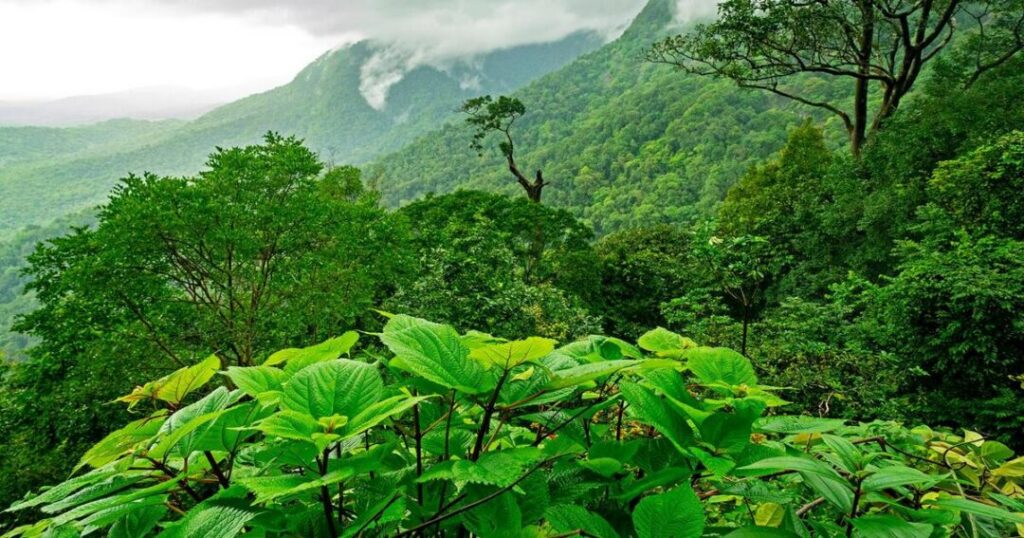
An Agumbe trek is not just a walk in the woods. It is a chance to step into one of the oldest and most biodiverse rainforests in India. Here is why it stands out:
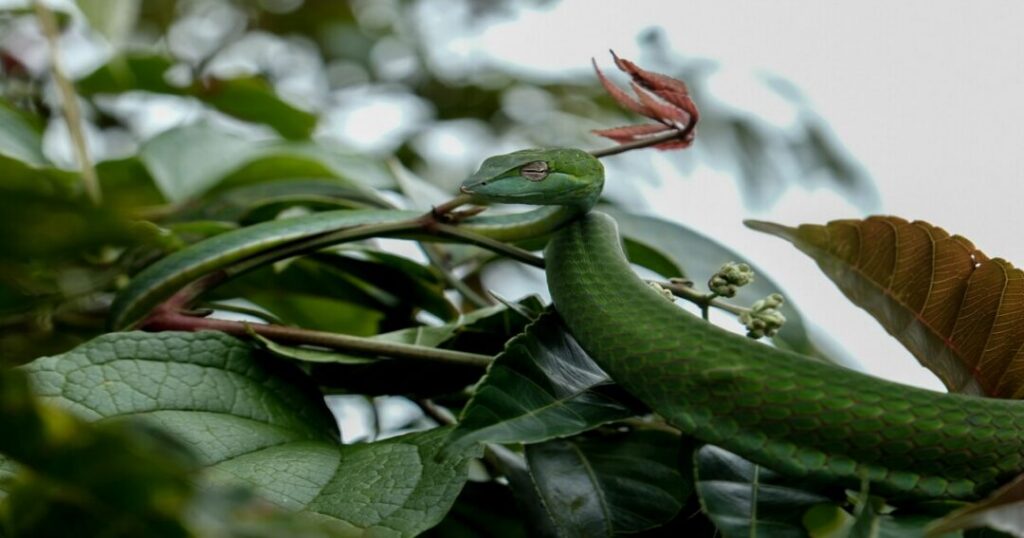
- Rich biodiversity: Agumbe is part of the Western Ghats, a UNESCO World Heritage biodiversity hotspot. It is home to king cobras, Malabar pit vipers, lion-tailed macaques, hornbills, and countless amphibians.
- Rainforest atmosphere: Thick canopy, mossy trails, and morning mist make every walk feel cinematic.
- Variety of trails: From easy waterfall walks to demanding ridge treks like Narasimha Parvatha, there is a trail for every fitness level.
- Easy access: Agumbe is reachable from Bengaluru, Mangaluru, Udupi, and Shivamogga, making it perfect for a weekend escape.
- Iconic sunsets: Agumbe Sunset Point is famous across Karnataka for its golden-hour views over the Arabian Sea on clear days.
- Cultural charm: The village is widely known as the shooting location of the classic TV series Malgudi Days.
Agumbe Trek Guide: Top Trekking Trails at a Glance
This section of our Agumbe trek guide summarizes the most popular trails so you can pick the one that suits you.
| Trail | Difficulty | Highlights | Best For |
|---|---|---|---|
| Narasimha Parvatha Trek | Moderate to Difficult | Rainforest, grasslands, panoramic summit views | Experienced and fit trekkers |
| Agumbe Circuit Trek | Moderate | Forest trails, villages, viewpoints | Groups and nature lovers |
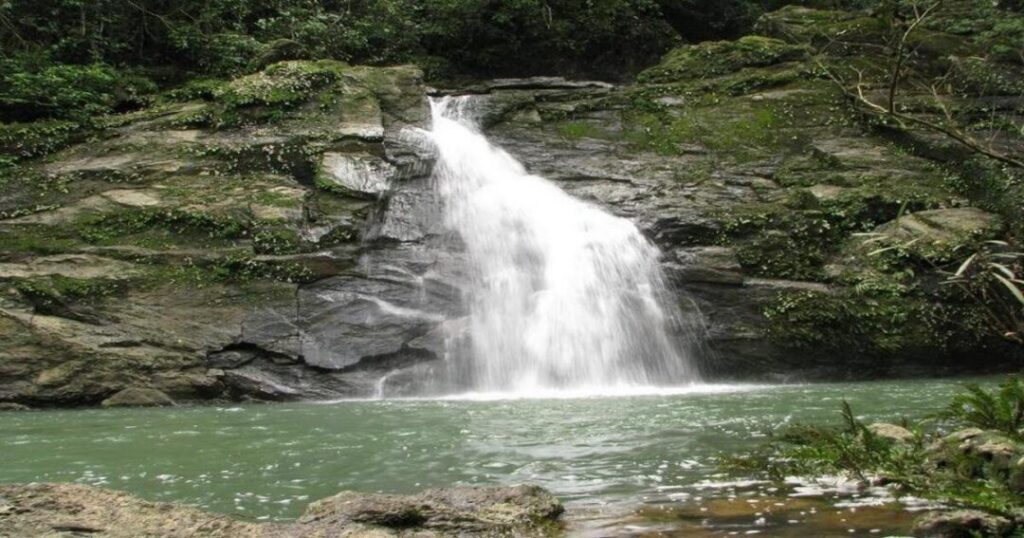
| Kudlu Teertha Falls Trek | Easy to Moderate | Waterfall, forest walk | Beginners and families |
| Barkana Falls Viewpoint | Easy | Dramatic gorge view | Photographers |
| Onake Abbi Falls Trail | Easy to Moderate | Cascading falls, greenery | Weekend trekkers |
| Jogigundi Falls Trail | Easy | Quiet falls, short walk | Relaxed day trips |
Agumbe Circuit Trek: A Multi-Trail Rainforest Experience
The Agumbe circuit trek is ideal for travellers who want more than a single peak. Circuit routes usually link several attractions around Agumbe, such as forest paths, waterfalls, viewpoints, and village trails, in one itinerary. Exact routes differ between operators, so always check the plan before booking.
What you can expect on an Agumbe circuit trek:
- Guided walks through evergreen forest and areca plantations
- Stops at waterfalls and scenic viewpoints
- Opportunities for wildlife and bird spotting
- Sunset at Agumbe Sunset Point
- Homestay or camp-style stay in some packages
Explore More: Z Point Trek: Discover Misty Trails and Breathtaking Views of the Western Ghats
Agumbe Rainforest Trek: Wildlife and Nature Experiences
An Agumbe rainforest trek is as much about what you notice as where you walk. The forest floor, tree trunks, and streams are full of life if you move slowly and listen.
Wildlife and nature you may spot:
- King cobra (rarely seen, and always from a safe distance)
- Malabar pit viper and other snakes
- Lion-tailed macaque and Nilgiri langur
- Malabar giant squirrel
- Hornbills, flycatchers, and other forest birds
- Frogs, geckos, butterflies, and giant millipedes
- Orchids, ferns, mosses, and medicinal plants
The Agumbe Rainforest Research Station, a well-known center for herpetology and conservation, has also made the region famous among nature lovers worldwide.
Agumbe Trek Distance and Duration for Popular Routes
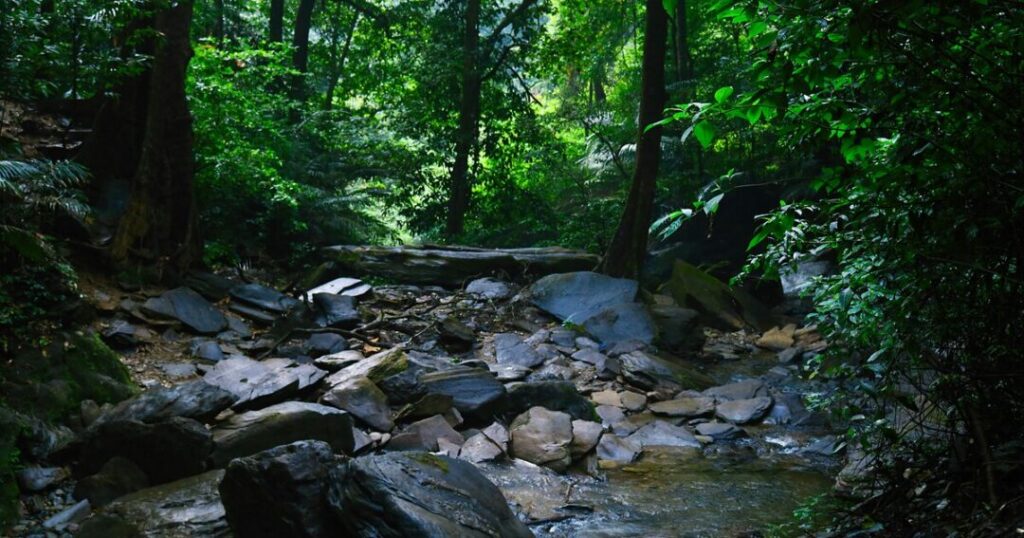
One of the most common questions about an Agumbe trek is the distance. Exact numbers change with the starting point, route, and operator, so treat the figures below as general guidance and verify with your trek organizer.
- Waterfall treks (Kudlu Teertha, Onake Abbi, Jogigundi): Short walks, typically a few kilometers, returning, taking 2 to 5 hours including rest.
- Agumbe circuit trek: Medium distance spread over one to two days, depending on the itinerary.
- Narasimha Parvatha trek: The longest and toughest option, covering a significant distance with steady ascent, usually taking most of a day or an overnight stay.
Agumbe Trekking Package: What to Look For
If you prefer not to plan everything yourself, an Agumbe trekking package can simplify the trip. Packages vary widely in price and quality, so compare carefully.
A good Agumbe trekking package usually includes:
- Forest permits and entry fees
- Experienced local trek leader or guide
- Meals (breakfast, lunch, snacks, and sometimes dinner)
- Homestay, tent, or dormitory accommodation
- Transport from a pickup point such as Bengaluru, Shivamogga, or Thirthahalli
- Basic first aid and safety support
- Travel insurance (in some packages)
Questions to ask before booking:
- Is the operator registered and experienced in Western Ghats treks?
- What is the maximum group size?
- What is the cancellation and refund policy?
- Are there extra charges for gear, camping, or permits?
Essential Packing List for Your Agumbe Trek
Packing smart makes your Agumbe trek safer and far more comfortable.
- Sturdy trekking shoes with good grip
- Leech socks or anti-leech gear (especially in wet months)
- Quick-dry clothing and a light rain jacket or poncho
- Backpack with rain cover (30 to 40 liters for day or overnight trips)
- At least 2 to 3 liters of water and electrolyte sachets
- Energy snacks such as nuts, dates, and chikki
- Torch or headlamp with spare batteries
- Personal first-aid kit and prescribed medicines
- Sunscreen, cap, and insect repellent
- Power bank and a waterproof pouch for phone and documents
- Valid ID proof for forest check-ins
Explore More: Narasimha Parvatha Trek: Two Routes, a Mandatory Permit, and an Honest Season Guide
Safety and Responsible Trekking Tips for Agumbe
The Agumbe forest is a living ecosystem, so trek responsibly.
- Trek with a guide on forest and peak trails.
- Stay on marked paths and never wander off alone.
- Do not disturb wildlife, especially snakes. Keep your distance and never try to handle them.
- Carry all your trash back. Plastic has no place in a rainforest.
- Avoid loud music and respect the quiet of the forest.
- Start early to finish before dusk and avoid fog or rain surprises.
- Check the weather before leaving and be ready to turn back if conditions worsen.
- Respect local villagers and homestay hosts.
What is the Best Time for an Agumbe Trek?
The season you choose changes your experience completely.
- October to February (best): Pleasant weather, lush greenery, fewer leeches, and clearer views.
- March to May: Warm and drier, but the forest is less green and afternoons can be hot.
- June to September (monsoon): Stunning scenery and full waterfalls, but heavy rain, slippery trails, and leeches. Some trails and permits may be restricted, so check before planning.
When checking the Agumbe trek distance, always ask about total distance, elevation gain, and expected walking hours rather than distance alone.
As of November, the post-monsoon season is just beginning, which makes the coming months an excellent time to plan your Agumbe trek.
Explore More: Best Treks in Karnataka for Adventure & Mountain Views
How to Reach Agumbe for Your Trek?
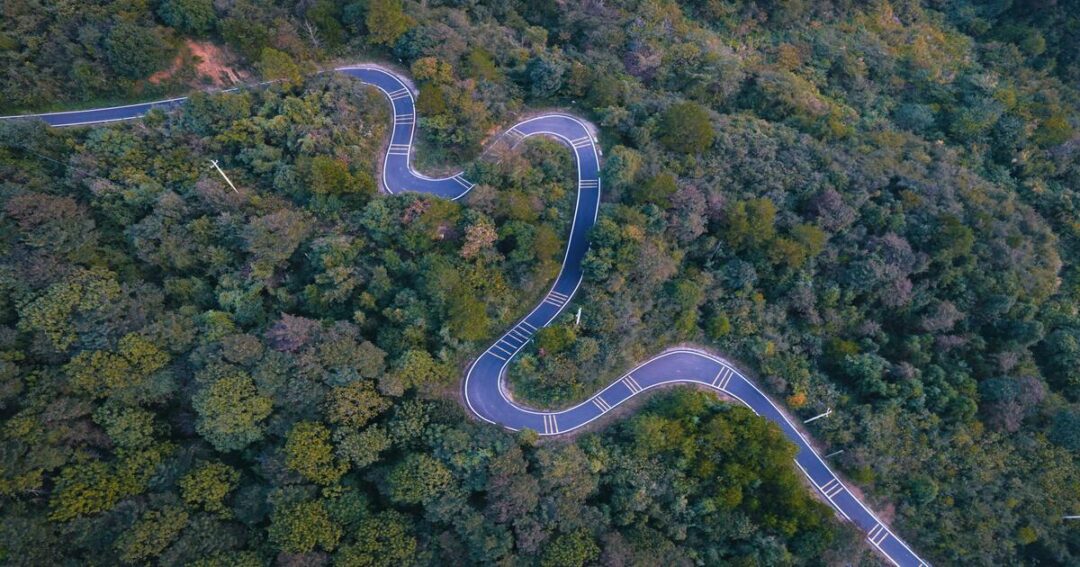
- By road: Agumbe is well connected by state highways. It is roughly a day’s drive from Bengaluru and much closer to Udupi, Mangaluru, and Shivamogga. The Agumbe Ghat road has 14 hairpin bends, so drive carefully.
- By train: The nearest major railway stations are Udupi and Shivamogga, from where you can take a bus or taxi.
- By air: The nearest airport is Mangaluru International Airport, followed by Shivamogga Airport for regional connectivity.
Other Places to Visit Near Agumbe
Add these to your itinerary to make the most of your trip:
- Agumbe Sunset Point
- Kudlu Teertha Falls
- Onake Abbi Falls
- Barkana Falls
- Jogigundi Falls
- Sri Gopalakrishna Temple, Agumbe
- Sringeri Sharadamba Temple
- Kigga and Kundadri Hill
Explore More: Netravati Peak Trek: Karnataka’s Easier Alternative to Kudremukh, Now Under New 2026 Rules
10 Reasons to Book an Agumbe Trek This Winter
Winter is the sweet spot for any Agumbe trek. Here are ten reasons to plan yours now:
- Comfortable weather: Cool mornings and mild afternoons make long walks easier.
- Fewer leeches: The post-monsoon dry spell keeps leeches far less of a problem.
- Clearer views: Better visibility on grasslands and ridges, including on the Narasimha Parvatha trek.
- Lush greenery: The forest is still fresh and green after the rains.
- Flowing waterfalls: Falls such as Kudlu Teertha and Onake Abbi still carry water in early winter.
- Better sunsets: Clear evenings give Agumbe Sunset Point its golden glow.
- Easier trail conditions: Drier paths mean less slipping and safer footing.
- Wildlife sightings: Birds and butterflies are active in the pleasant weather.
- Good for long weekends: Winter holidays make an Agumbe circuit trek easy to fit in.
- Great photography light: Soft morning mist and warm evening light suit landscape shots.
7 Best Agumbe Trek Experiences for Every Type of Trekker
Not sure which Agumbe trek suits you? Pick from this list:
- For peak lovers: The Narasimha Parvatha trek, with forest, grassland and big views.
- For nature enthusiasts: An Agumbe rainforest trek focused on wildlife and birdwatching.
- For first-timers: A short Kudlu Teertha Falls walk with an easy forest path.
- For photographers: Barkana Falls viewpoint and Agumbe Sunset Point at golden hour.
- For groups and friends: A guided Agumbe circuit trek covering several spots in one trip.
- For families: Easy waterfall trails such as Jogigundi Falls, with plenty of rest stops.
- For weekend escapes from the city: A packaged Agumbe trekking package with transport and stay arranged.
8 Common Mistakes to Avoid on Your Agumbe Trek
A little planning keeps your Agumbe trek safe and enjoyable. Avoid these mistakes:
- Wearing the wrong footwear: Sports sandals and slick-soled shoes are risky on wet, rocky trails.
- Skipping a guide: Mist can hide the trail, especially on forest and peak routes.
- Ignoring permits: Treks in protected forest need permission, so confirm before you go.
- Starting late: Early starts help you finish before dusk, fog or rain.
- Carrying too little water: Humidity makes you sweat more than you expect.
- Forgetting leech protection: Leech socks or repellent matter most in damp weather.
- Littering: Plastic wrappers harm the forest and wildlife. Carry everything back.
- Overpacking: A heavy bag slows you down. Pack light and pack smart.
Explore More: Mullayanagiri Trek: Karnataka’s Highest Peak, Honestly Explained
Sample 2-Day Agumbe Trek Itinerary
Use this simple plan as a starting point for your Agumbe trek. Adjust it to your operator, season and fitness level.
- Day 1, morning: Reach Agumbe, check in to your homestay and have breakfast.
- Day 1, afternoon: Walk to a nearby waterfall such as Kudlu Teertha or Onake Abbi.
- Day 1, evening: Watch the sunset at Agumbe Sunset Point.
- Day 1, night: Rest early and get a trek briefing from your guide.
- Day 2, early morning: Begin the Narasimha Parvatha trek or your chosen forest trail.
- Day 2, midday: Enjoy the summit or viewpoint, take photos and refuel with snacks.
- Day 2, afternoon: Descend carefully and return to your base.
- Day 2, evening: Travel back with a stop for local food on the way.
Final Thoughts: Plan Your Agumbe Trek Today
From beginner-friendly waterfall walks to the demanding Narasimha Parvatha ridge, an Agumbe trek offers something for every adventurer. With the right season, proper gear, a trusted guide and a well-chosen Agumbe trekking package, you can enjoy the best of Karnataka’s rainforests safely and responsibly. Use this Agumbe trek guide as your starting point, confirm the latest permit rules, and book your Narasimha Parvatha trek in time to catch the winter season. The misty trails of Agumbe are waiting.
Note: Trail details, distances, permit rules and availability can change. Please verify current information with the forest department or your trek organiser before travelling.
Planning a Agumbe Trek? Open the Explurger app to find travelers on the same dates and share transport and lodging tips.
FAQS About Agumbe Trek
2. What is the best time to do an Agumbe trek?
The best time is from October to February, when the weather is pleasant, the forest is green and the trails are easier to manage.
How difficult is the Narasimha Parvatha trek?
It is generally rated moderate to difficult because of the long distance, steady climbs, and changing weather. Beginners should go with an experienced guide or group.
4. What is the Agumbe trek distance?
The distance depends on the route. Waterfall walks are short, the Agumbe circuit trek is moderate, and Narasimha Parvatha is the longest. Confirm the exact distance with your operator before booking.
5. Do I need a permit for the Narasimha Parvatha trek?
In most cases, yes. The trail passes through protected forest, so permission from the forest department is usually needed. A registered operator can arrange this as part of the Narasimha Parvatha trek booking.
6. What is included in an Agumbe trekking package?
Typical inclusions are permits, a guide, meals, accommodation, transport, and basic safety support. Inclusions differ by operator, so read the itinerary carefully.
7. Is the Agumbe rainforest trek safe for beginners?
Yes, shorter waterfall and forest trails are suitable for beginners. For longer routes, choose a guided Agumbe rainforest trek and follow safety instructions.