
539 Total Views
There’s a moment, just before dawn on Tiger Hill, when the whole world holds its breath. The clouds part. The horizon turns amber. And then — slowly, impossibly — the snow-capped crown of Kanchenjunga catches the first light of the day, burning gold against a violet sky. If you have never stood there with a thermos of tea in your hands and felt genuinely small, you haven’t yet visited Darjeeling.
Most travellers hear the name and think of a postcard — mist, mountains, tea. But the tourist places in Darjeeling are far richer than any single image. There are Buddhist monasteries that smell of incense and old wood, toy trains that spiral up hillsides UNESCO declared irreplaceable, and tea estates where the entire world slows to the pace of a hand-plucked leaf. This guide covers 12 of the best spots — the iconic and the overlooked — so you can experience all of it.
Tourist Places in Darjeeling — The Iconic Must-Visits
These are the stops that have earned their place on every traveller’s list — and every one of them delivers.
Tiger Hill
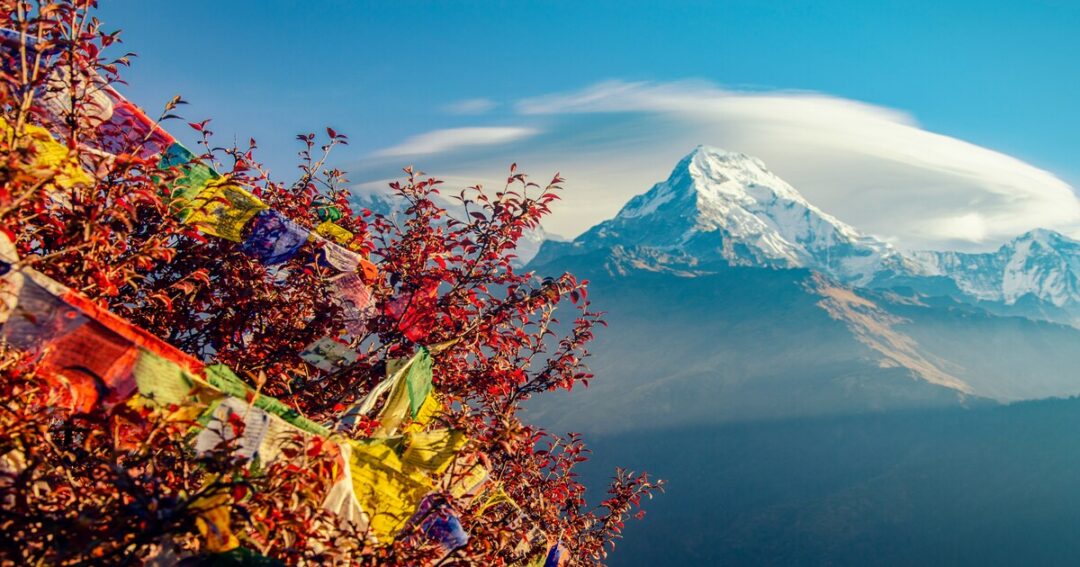
Eleven kilometres from town, at an elevation of 2,590 metres, Tiger Hill is Darjeeling’s most celebrated darjeeling tourist spot — and its most dramatic alarm clock. Visitors wake before 4 AM, pile into jeeps, and make the cold, dark drive up for one reason: to watch Kanchenjunga — the world’s third-highest peak — catch the first light of sunrise.
- On clear days, the distant silhouette of Mount Everest is also visible
- Arrive by 5 AM; sunrise time varies by season (check locally)
- Entry: ₹40–₹60; shared jeeps from town available every morning
Darjeeling Himalayan Railway (Toy Train)
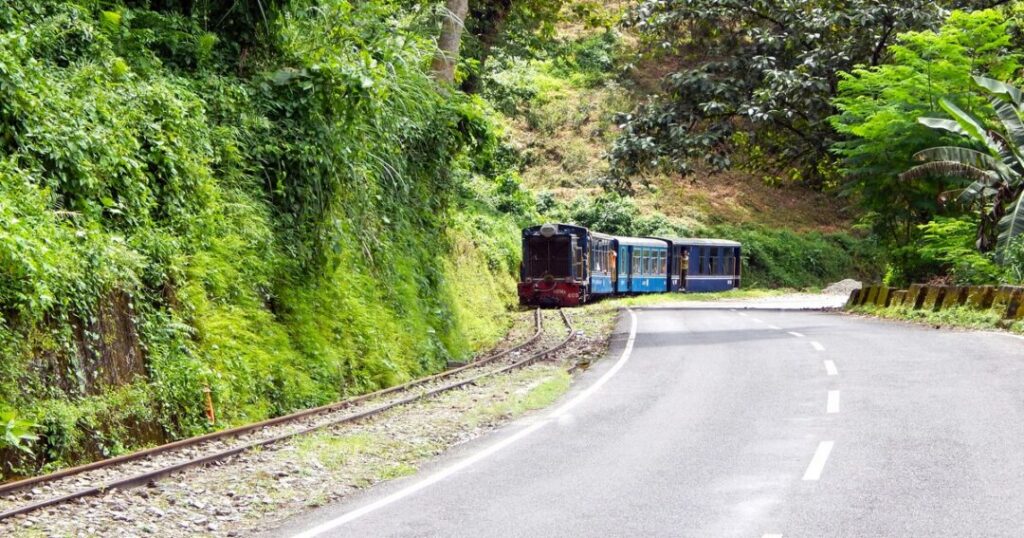
Few things in Indian travel are as quietly magnificent as this narrow-gauge railway. Built in 1881 and listed as a UNESCO World Heritage Site in 1999, the Darjeeling Himalayan Railway runs 88 km from New Jalpaiguri to Darjeeling through some of the most spectacular mountain scenery on the continent. [STAT: The DHR is one of only three mountain railways in India with UNESCO World Heritage status — source: UNESCO]
- Take the joy ride from Darjeeling to Ghoom and back (~2 hrs) — the most popular short route
- Watch the train navigate the famous Batasia Loop spiral
- Book tickets on IRCTC in advance; seats fill quickly in peak season
Also read: Why Monsoon in Darjeeling is the Perfect Escape: Travel Guide for 2026
Batasia Loop & War Memorial
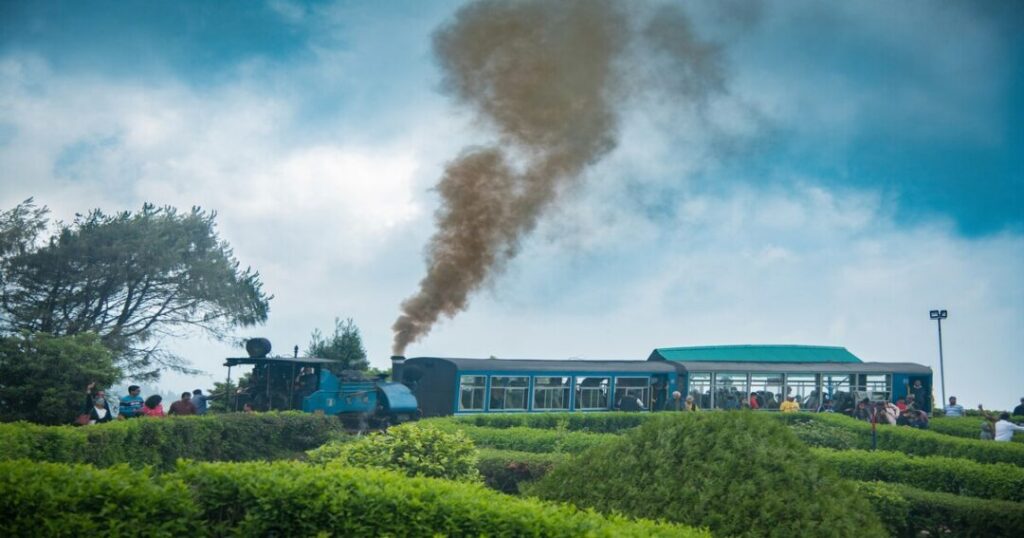
The Batasia Loop is where engineering becomes art. Here, the toy train curls through a full 360-degree spiral — an elegant solution to the steep gradient — while a beautifully maintained garden and war memorial sit at the centre, honouring the Gorkha soldiers who gave their lives in service of the nation.
- On clear mornings, the mountain views here rival Tiger Hill
- Entry: ₹25; photography warmly welcomed
- Best experienced as part of the toy train joy ride for full effect
Darjeeling’s soul lives in its quieter corners — the monastery at dawn, the tea factory in mid-morning, the waterfall path that most tourists drive past without stopping.
Ghoom Monastery (Yiga Choeling)
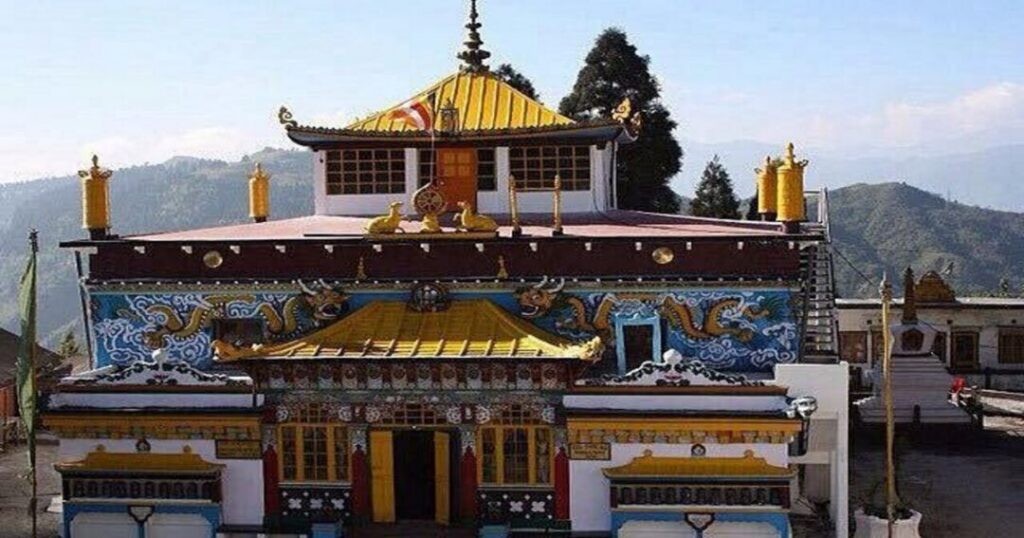
Step inside Ghoom Monastery and the town outside disappears. Built in 1850 and considered one of the oldest and most sacred monasteries in the region, Yiga Choeling houses a 15-foot statue of the Maitreya Buddha — the Coming Buddha — glowing in butter-lamp light, surrounded by ancient thangka paintings and centuries-old scriptures.
- Located ~8 km from Darjeeling town, near Ghoom village
- Visit early morning for quiet reflection; afternoons bring more visitors
- Photography inside requires permission from the resident monks
- One of the finest darjeeling sightseeing points for cultural depth
Happy Valley Tea Estate
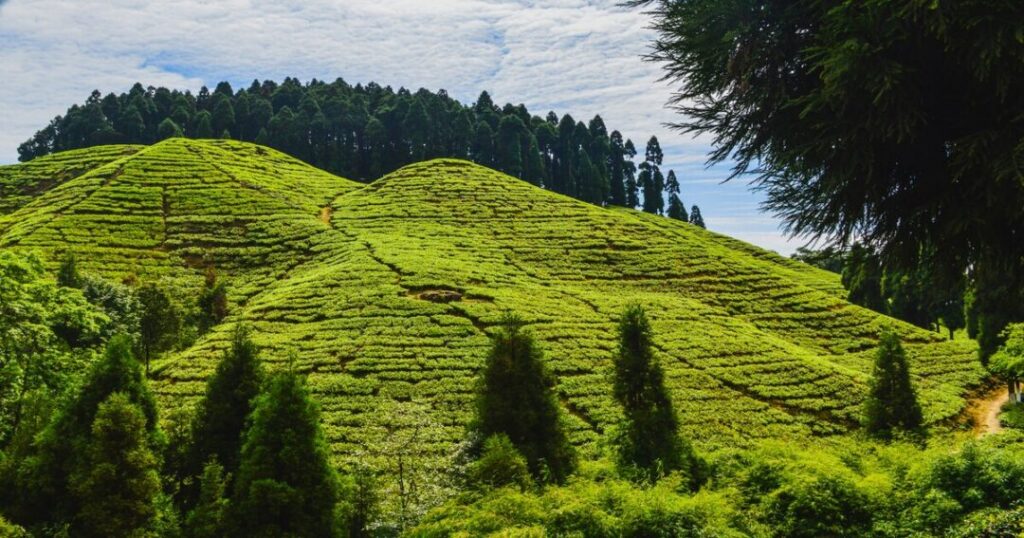
Darjeeling produces what many consider the finest tea in the world — and Happy Valley is one of the oldest estates in the region, established in 1854, just 3 km from the town centre. Walking through its terraced rows of tea bushes with the Himalayan foothills rising behind them is the kind of experience that stays with you.
- Watch the full processing of first-flush and second-flush Darjeeling leaves
- Buy freshly processed estate tea directly from the factory shop
- Best visited between March and November when picking is active
Rock Garden & Ganga Maya Park
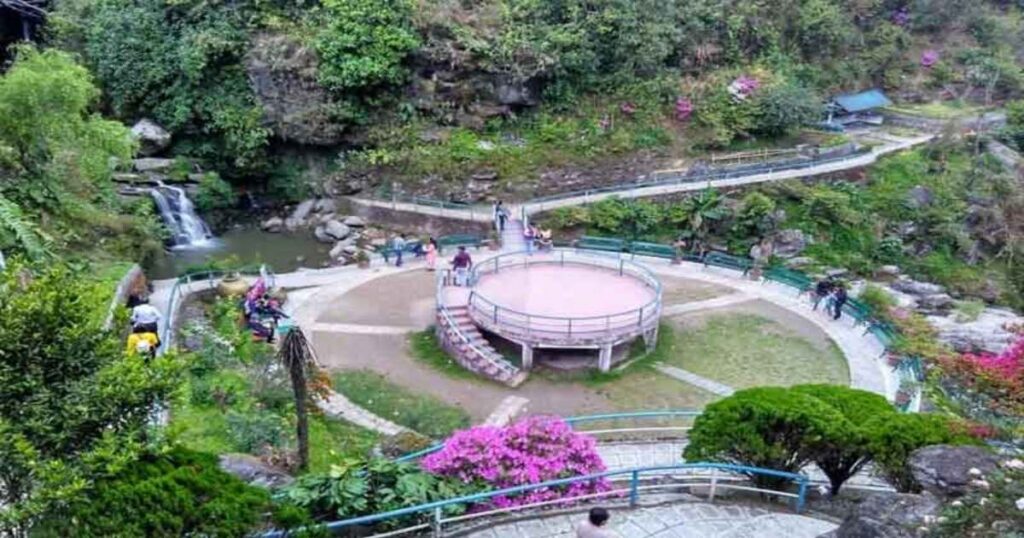
Ten kilometres from town, built across a cascading natural waterfall on a rocky hillside, Rock Garden is Darjeeling’s best-kept secret from the tourist mainstream. Tiered gardens, stone pathways, and the sound of rushing water make it a genuinely peaceful escape — and far less crowded than the main darjeeling tourist attractions.
- Entry: ₹30
- Combine with a visit to nearby Ganga Maya Park for a relaxed half-day outing
- Accessible by shared jeep or private taxi from town
Darjeeling Sightseeing for Nature & Adventure Lovers
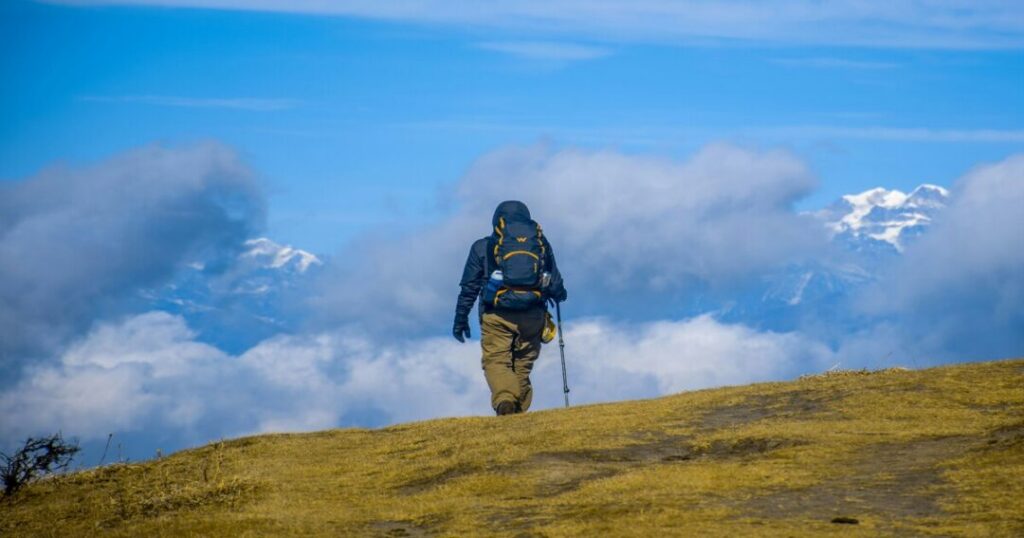
Singalila Ridge Trek
For travellers who want to go beyond darjeeling places to see from a viewpoint, the Singalila Ridge offers one of the great trekking experiences of the eastern Himalayas. The trail passes through Sandakphu — the highest point in West Bengal at 3,636 m — with panoramic views of four of the five highest mountains on Earth: Everest, Kanchenjunga, Lhotse, and Makalu.
- Best season: April–May and October–November
- Permit required from Mane Bhanjyang (the trailhead village)
- Duration: 4–6 days depending on route and fitness level
- Ideal for experienced trekkers; guided tours available locally
Japanese Peace Pagoda (Shanti Stupa)
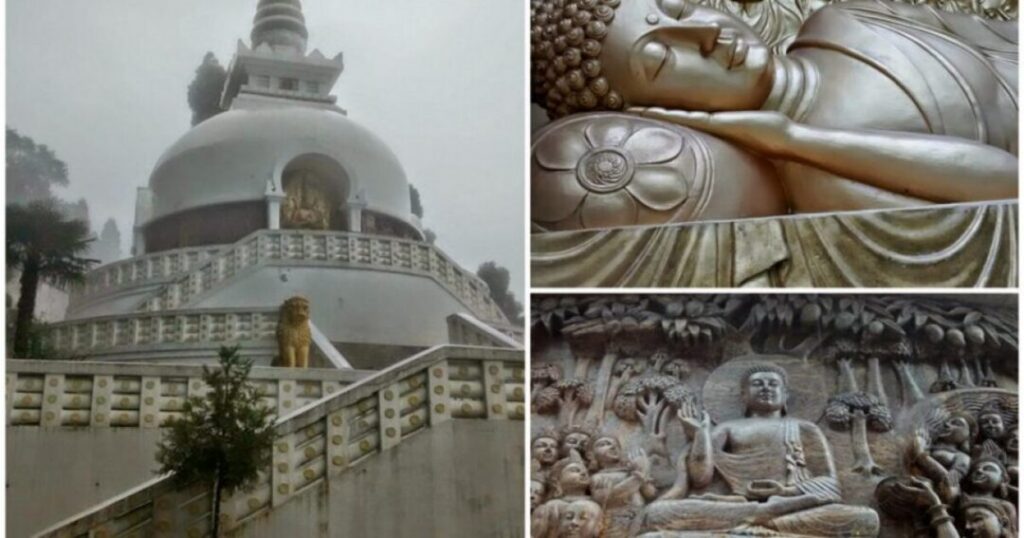
Most visitors walk right past it. The Japanese Peace Pagoda — a gleaming white Buddhist stupa near Lloyd Botanical Garden — sits on a gentle hillock overlooking Darjeeling town, serene and strikingly beautiful, especially at dusk when the last light catches the gold spire.
- Short walk from Chowrasta Mall (Darjeeling’s central gathering square)
- No entry fee
- Best visited in the late afternoon; combine with a walk through Lloyd Botanical Garden
Padmaja Naidu Himalayan Zoological Park
One of India’s highest-altitude zoos and one of its most important conservation centres, this park is home to red pandas, snow leopards, and Tibetan wolves — species rarely seen outside their native habitat. It also houses a successful breeding programme for the endangered red panda.
- Entry: ₹100 (adults), ₹20 (children)
- Open daily except Thursdays; best visited in the morning
- Located near the Darjeeling Mall Road, easy to reach on foot
Best Time to Visit Darjeeling?
Darjeeling is a year-round destination, but each season offers a very different experience:
- March – May (Spring): Clear skies, blooming rhododendrons, and ideal mountain views. Best overall season for first-time visitors.
- October – November (Autumn): Post-monsoon freshness with exceptional visibility of the Himalayan range. Pleasantly cool.
- December – February (Winter): Cold, quiet, and occasionally dusted with snow. Fewer tourists, more atmosphere.
- June – August (Monsoon): Heavy rainfall disrupts roads and obscures mountain views. Not recommended unless you enjoy the dramatic fog aesthetic.
Best overall window: Mid-March to May or October–November for mountain clarity and comfortable temperatures.
How to Reach Darjeeling?
- By Air: The nearest airport is Bagdogra Airport (IXB), approximately 95 km from Darjeeling. Flights connect from Kolkata (~50 min), Delhi, and Mumbai. From Bagdogra, hire a pre-paid taxi (~₹1,500–₹2,000) or take a shared jeep to Darjeeling — journey time: 3–3.5 hrs.
- By Train: The nearest major railway station is New Jalpaiguri (NJP), about 88 km away. Well-connected to Kolkata, Delhi, and Mumbai. From NJP, shared jeeps (₹200–₹300/seat) and private taxis (~₹1,200–₹1,500) run regularly to Darjeeling (~3 hrs).
- Toy Train (Heritage Route): Board the iconic Darjeeling Himalayan Railway from NJP or Siliguri for a scenic 7–8 hour mountain journey — slow, yes, but one of the great railway experiences in the world.
- By Road: Darjeeling is ~70 km from Siliguri via NH10 (~2.5 hrs). State buses and shared jeeps from Siliguri’s Tenzing Norgay Bus Terminal are frequent and affordable.
Darjeeling Travel Guide — Tips Before You Go
A few things that will make your trip significantly smoother:
- Book Tiger Hill jeeps the night before — they fill up fast in peak season; your hotel or guesthouse can arrange them
- Carry warm layers — mornings and evenings are cold even in May; temperatures drop to 5–8°C at night in winter
- Walk the Mall Road (Chowrasta) — the town’s beating heart, with shops, street food, and mountain-facing benches that deserve at least one slow afternoon
- Try the local food — momos, thukpa (Tibetan noodle soup), sel roti, and Darjeeling first-flush tea with buttered toast are non-negotiables
- Carry cash — ATMs exist but connectivity can be unreliable in Ghoom and outer areas
- Altitude note — Darjeeling sits at ~2,042 m; take it easy on Day 1 if you’re not accustomed to altitude; headaches are common on arrival
- Use shared jeeps — the most economical and local way to move between Darjeeling, Ghoom, and nearby spots like Mirik
Also read: 10 Best Solo Travel Destinations in India
Conclusion about Tourist Places in Darjeeling
Darjeeling doesn’t just show you mountains — it shifts something in the way you see the world. From the predawn pilgrimage to Tiger Hill to a slow, fragrant hour in a tea estate that’s been growing leaves since the 1850s, the tourist places in Darjeeling are experiences that linger long after you’ve returned to the heat of the plains. Whether you stay three days or ten, the town has a way of quietly insisting that you come back.
📲 Download the Explurger app to log your Darjeeling adventures, discover itineraries built by real travellers, and find hidden gems the guidebooks haven’t found yet.
Pack your warmest layer. Darjeeling is waiting.
FAQs About Tourist Places in Darjeeling
2. How many days are enough to cover Darjeeling sightseeing?
A 3-night, 4-day itinerary covers the main tourist attractions in Darjeeling comfortably. Day 1: arrival and Mall Road exploration; Day 2: Tiger Hill sunrise, Batasia Loop, Ghoom Monastery; Day 3: Happy Valley Tea Estate, Rock Garden, and local market browsing; Day 4: toy train joy ride and departure. Add 1–2 extra days if you plan to trek or visit nearby Mirik or Kalimpong.
3. What is the best time to visit Darjeeling?
March to May and October to November are the best times to visit Darjeeling. Spring brings the clearest mountain views and blooming rhododendrons; autumn offers post-monsoon freshness and excellent Himalayan visibility. Both windows offer pleasant daytime temperatures between 10°C and 20°C. Avoid June to August, when heavy monsoon rains make road travel difficult and obscure mountain views.
4. Is Darjeeling safe for solo female travellers?
Yes, Darjeeling is widely considered one of the safer hill destinations in India for solo female travellers. The town centre is compact and walkable, locals are tourism-friendly, and guesthouses and hotels are plentiful and well-reviewed. Standard precautions apply — use app-based or hotel-arranged cabs after dark, stick to well-lit areas in the evening, and book accommodation in central or well-reviewed localities.
5. What is Darjeeling famous for?
Darjeeling is globally celebrated for three things: its premium single-estate tea (Darjeeling first-flush is among the most prized teas in the world), the UNESCO-listed Darjeeling Himalayan Railway (the beloved Toy Train), and its breathtaking views of Kanchenjunga — the world's third-highest peak. Beyond these, it is known for its Buddhist monasteries, British-era architecture, vibrant Gorkha culture, and as the base for high-altitude treks to Sandakphu and the Singalila Ridge.
6. How do I travel from Bagdogra Airport to Darjeeling?
From Bagdogra Airport, Darjeeling is approximately 95 km away — a journey of 3 to 3.5 hours by road. Pre-paid taxis are available at the airport exit for around ₹1,500–₹2,000 per cab. For budget travellers, shared jeeps from nearby Siliguri run to Darjeeling for ₹200–₹300 per seat. Book a private cab in advance during peak season (March–May and October–November) as demand is high.
7. What are some lesser-known places to see at Darjeeling that most tourists skip?
Beyond the popular darjeeling tourist spots, the following are well worth your time: the Japanese Peace Pagoda (Shanti Stupa) near Lloyd Botanical Garden — serene and beautiful at dusk; Rock Garden, a natural waterfall park 10 km from town; Mirik Lake, a lovely day trip 49 km away; and the Padmaja Naidu Himalayan Zoological Park, home to red pandas and snow leopards. All four are significantly less crowded than Tiger Hill or the Toy Train route.