
774 Total Views
Most people visit Kedarnath, seek the divine blessings of Lord Shiva, and head straight back down. And honestly? That’s leaving so much on the table.
The region surrounding this sacred shrine is filled with ancient temples, alpine lakes, meadows blanketed in wildflowers, and trekking trails that will take your breath away — literally. Whether you’re a pilgrim extending your Char Dham journey, a family looking for a meaningful holiday, or an adventure trekker chasing Himalayan highs, the places to visit near Kedarnath have something extraordinary in store for you.
Here’s your complete guide — with distances, travel tips, and hotel recommendations to make planning easy.
Top Places to Visit Near Kedarnath in 2026
These are the destinations that every visitor to this sacred valley should know about — each one unforgettable in its own way.
1. Kedarnath Temple — The Divine Heart of It All
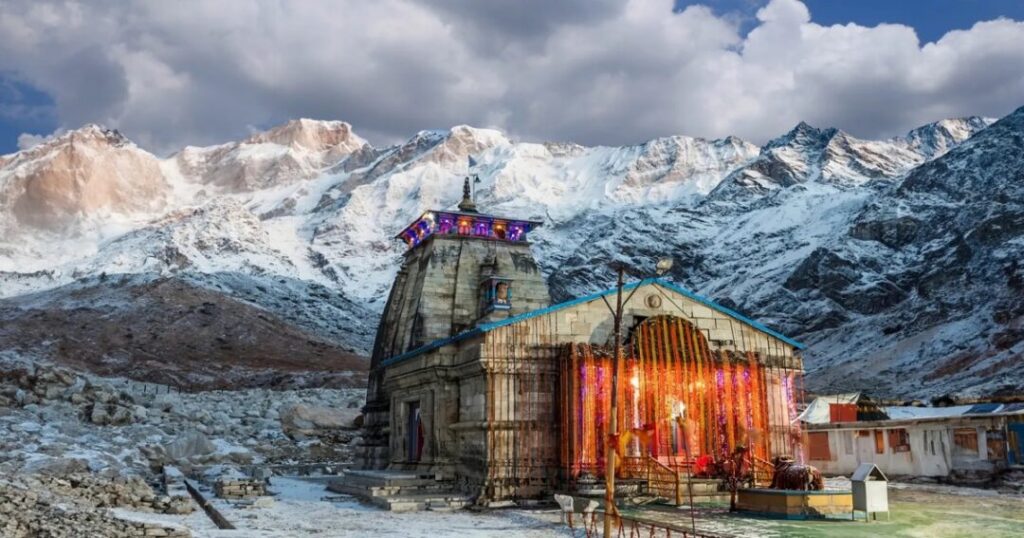
Distance from base: 16 km trek from Gaurikund
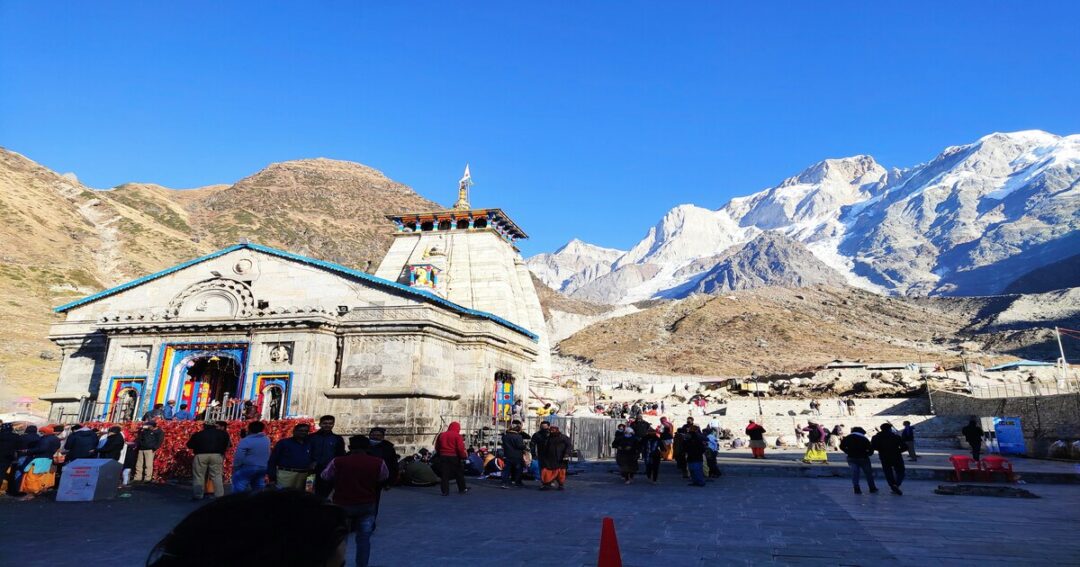
Before exploring the surrounding region, give Kedarnath temple itself the time it deserves. One of the 12 Jyotirlingas of Lord Shiva, the temple dates back over 1,000 years and sits at a commanding altitude of 3,583 metres.
What to experience here:
- Early morning aarti (Abhishek Puja) — the most spiritually charged moment of the day; arrive by 4:30 AM
- The awe-inspiring backdrop of the Kedarnath peak, Kedar Dome, and Bhairavnath Peak
- Samadhi of Adi Shankaracharya — located just behind the temple; a deeply moving site for devotees
Distance: ~8 km from Kedarnath temple (trek)
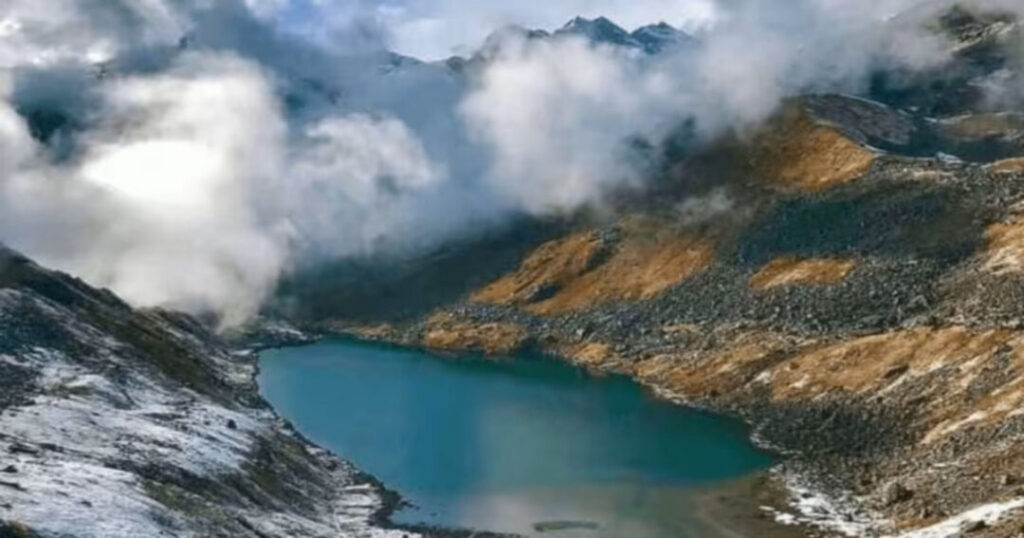
Vasuki Tal is a stunning glacial lake sitting at 4,135 metres, just a day’s trek from the Kedarnath temple. Surrounded by towering peaks including Chaukhamba, the lake is a pilgrimage site in itself — believed to be where Lord Vishnu took a dip on the day of Ekadashi.
Why it’s worth it:
- Crystal-clear glacial water with Himalayan peaks reflected on its surface
- Far fewer visitors than the main temple — a rare quiet experience
- Best suited for adventure trekkers in good physical condition
Best for: Adventure trekkers and solo travellers
3. Gaurikund — Where Every Journey Begins
Distance: 16 km from Kedarnath (base camp)
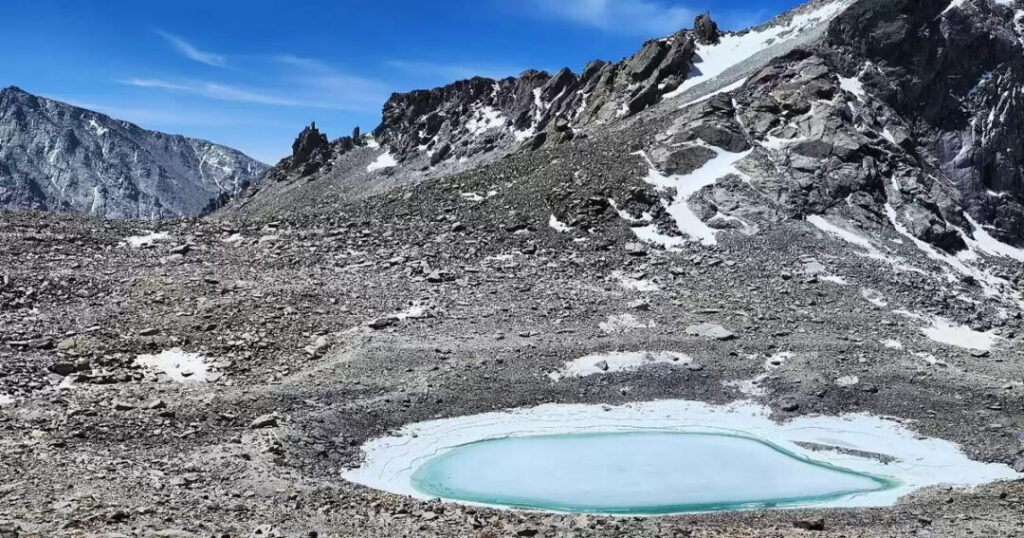
Gaurikund is the gateway to Kedarnath and a sacred destination in its own right. Named after Goddess Gauri (Parvati), the town houses the Gauri Devi Temple and a natural hot water spring that pilgrims traditionally bathe in before ascending to Kedarnath.
What to experience here:
- Gauri Devi Temple — spiritually significant for devotees of Goddess Parvati
- Natural hot sulphur spring — said to have healing properties
- Starting point for the iconic 16 km Kedarnath trek
Best for: Pilgrims, families, and all travellers passing through
Also read: Kedarnath Yatra Guide: Travel Itinerary, Trek Info and more!
4. Triyuginarayan Temple — Where Shiva and Parvati Wed
Distance: ~25 km from Gaurikund
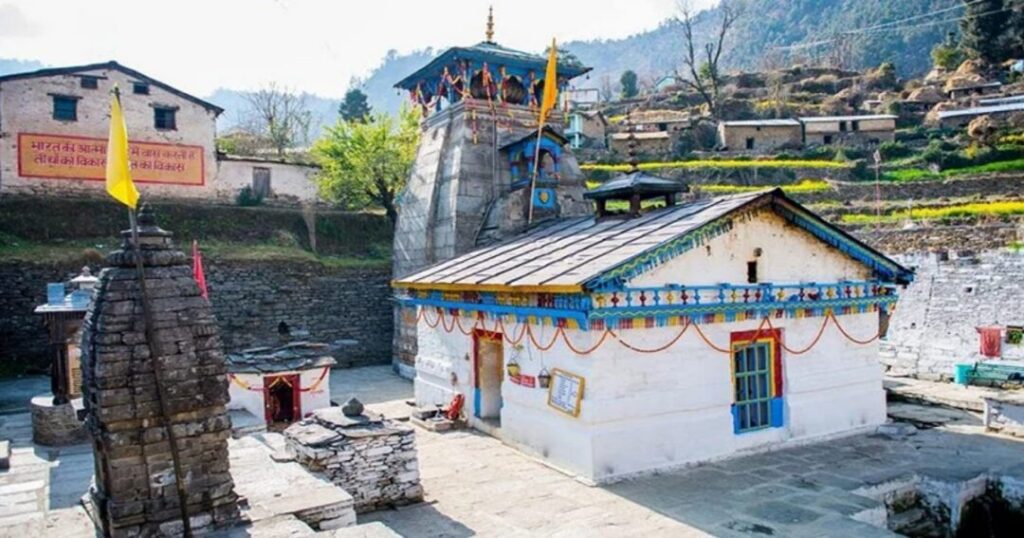
Triyuginarayan Temple is one of the most spiritually significant places to see near Kedarnath for pilgrims. According to Hindu mythology, this is the exact spot where Lord Shiva and Goddess Parvati were married — with Lord Vishnu officiating the ceremony. The eternal flame (Akhand Dhuni) inside the temple has reportedly been burning since that divine wedding day.
Why pilgrims love it:
- Deeply sacred — especially popular with newly married couples seeking blessings
- The eternal flame is a powerful symbol of divine union
- The surrounding village is serene, traditional, and largely untouched by tourism
Best for: Pilgrims, spiritual seekers, honeymooners
5. Chopta — The Mini Switzerland of Uttarakhand
Distance: ~65 km from Kedarnath
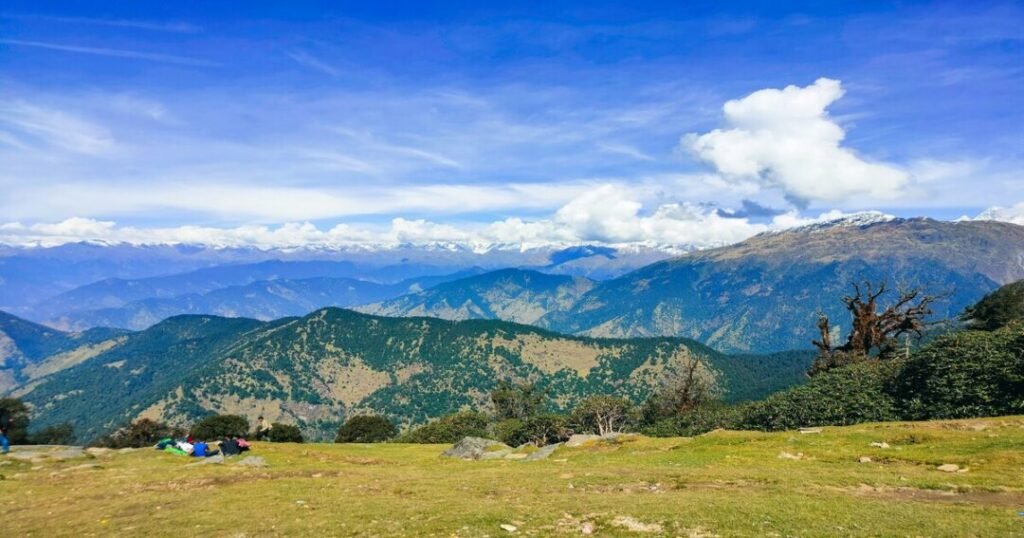
Chopta is one of the most beautiful tourist places near Kedarnath — and one of Uttarakhand’s best-kept secrets. Sitting at 2,680 metres, this tiny meadow hamlet is wrapped in dense forests of rhododendron, oak, and pine. In winter, it transforms into a snow-covered wonderland.
Why it’s special:
- Base camp for the legendary Tungnath–Chandrashila trek (see below)
- Virtually no crowds compared to other Uttarakhand destinations
- Stunning panoramic views of Trishul, Nanda Devi, and Chaukhamba peaks
Best for: Families, trekkers, and nature lovers
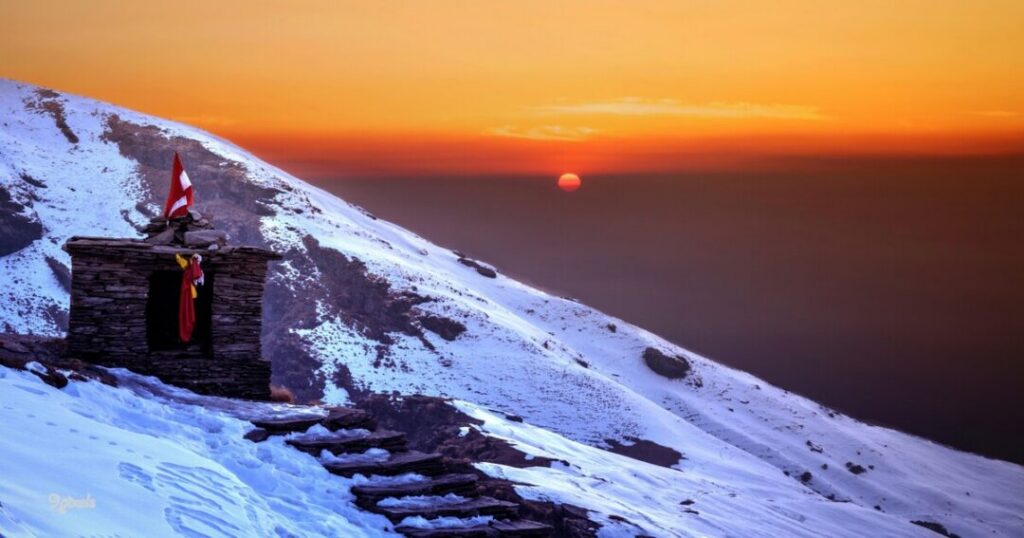
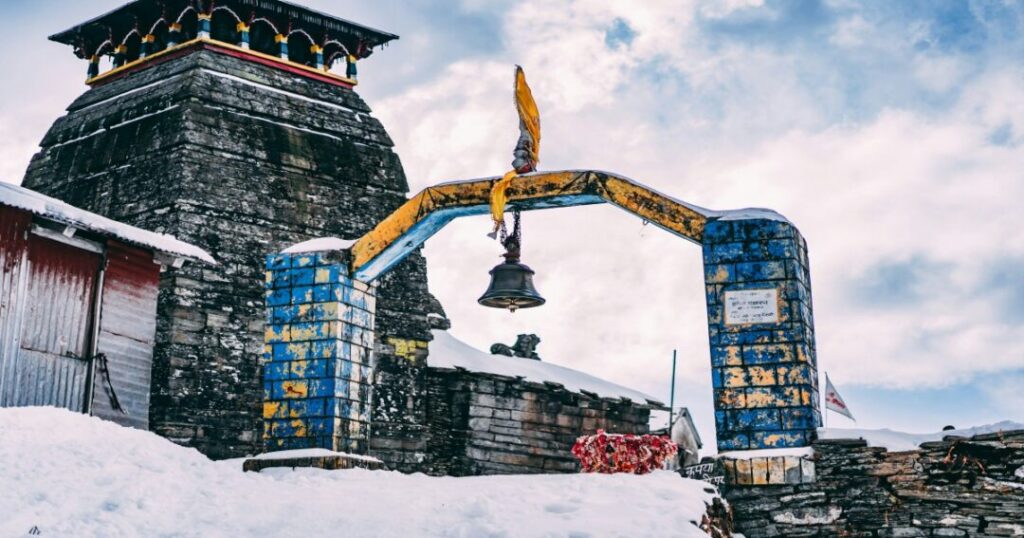
6. Tungnath & Chandrashila — The Highest Shiva Temple on Earth
Distance: ~4 km trek from Chopta
Tungnath Temple holds the record as the highest Shiva temple in the world, sitting at 3,680 metres. It is part of the Panch Kedar pilgrimage circuit — making it deeply significant for Kedarnath pilgrims. From Tungnath, a further 1.5 km brings you to Chandrashila Peak (4,130 metres), which offers one of the most spectacular 360° Himalayan panoramas in all of Uttarakhand.
What to expect:
- A manageable 4 km trek from Chopta — doable by families with older children
- Breathtaking views of Kedarnath, Trishul, Nanda Devi, Bandarpunch, and beyond
- A spiritual double — temple darshan followed by a summit sunrise
Best for: Pilgrims, families, and trekkers of all experience levels
Also read: Top 10 Places to Visit in India in May 2026 (Underrated, Scenic & Perfect for Long Weekends)
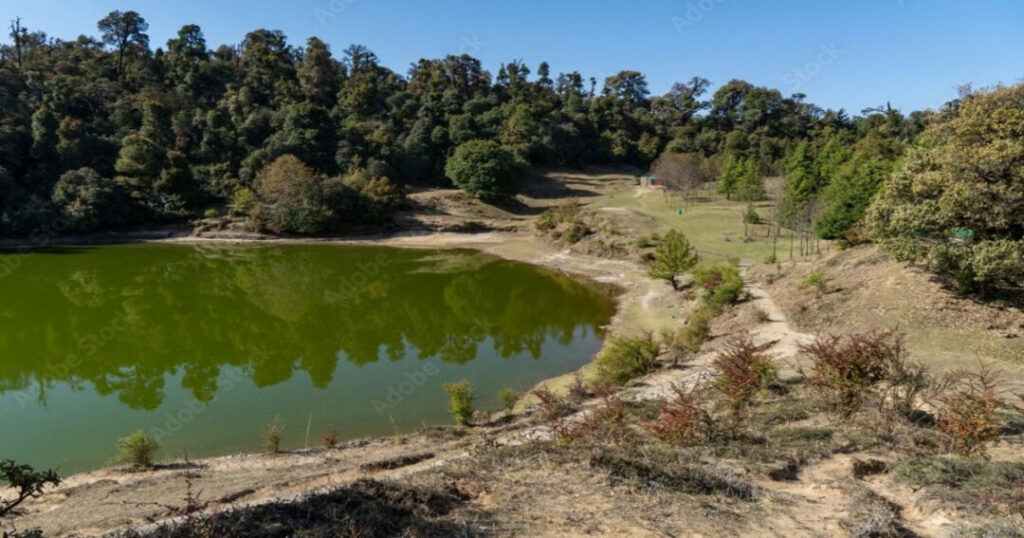
7. Deoria Tal — The Mirror Lake of the Himalayas
Distance: ~75 km from Kedarnath
Deoria Tal is a serene high-altitude lake at 2,438 metres, reached by a gentle 2–3 km forest walk from the village of Sari. On a clear morning, the lake perfectly mirrors the snow-capped Chaukhamba peaks — making it one of the most photogenic spots in the entire Garhwal Himalaya.
Why it’s worth the detour:
- Easy trek — suitable for families and first-time trekkers
- Camping by the lakeside is a magical experience
- One of the cleanest and most unspoilt lakes in Uttarakhand
Best for: Families, photographers, and weekend trekkers
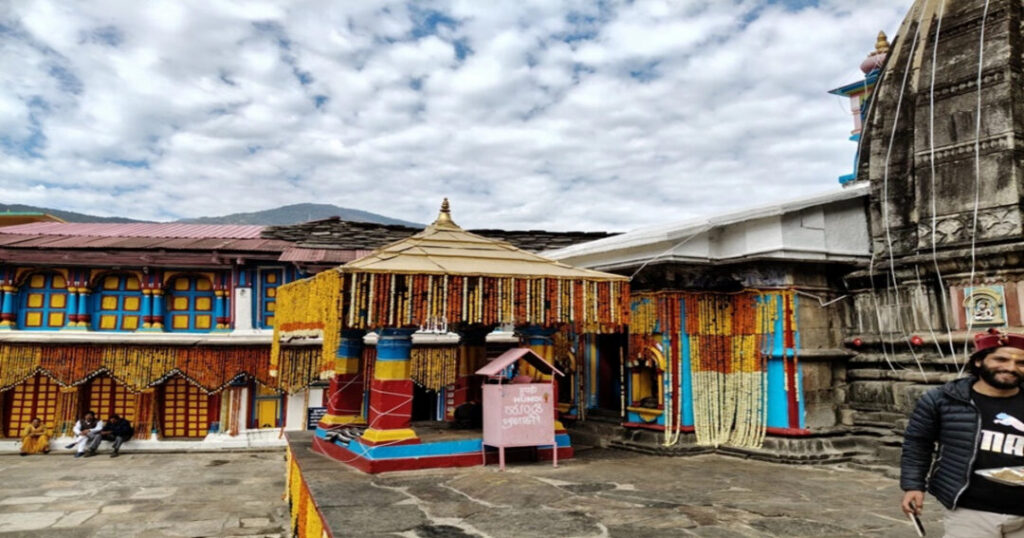
8. Ukhimath — Kedarnath’s Winter Home
Distance: ~41 km from Kedarnath
When the Kedarnath temple closes in November, the sacred idol of Lord Kedar is ceremonially brought down to Ukhimath — where it resides through the winter months. This means that pilgrims visiting during the off-season can still seek the blessings of Lord Kedar right here.
Why it matters:
- One of the few kedarnath near places with year-round spiritual significance
- The Omkareshwar Temple in Ukhimath is the winter seat of Lord Kedar
- Peaceful, less commercial, and deeply authentic compared to tourist hotspots
Best for: Off-season pilgrims and spiritual seekers
Places to visit Near Kedarnath for Families and Pilgrims
If you’re travelling with family or on a Char Dham pilgrimage, these are the most accessible and rewarding stops to combine with your Kedarnath visit:
- Gaurikund — easy access, hot springs, temple darshan; perfect for all ages
- Triyuginarayan Temple — short drive, high spiritual significance, peaceful setting
- Ukhimath — low-altitude, year-round access; ideal during off-season travel
- Chopta — scenic drive from Kedarnath route; stunning meadows and viewpoints
- Tungnath — manageable 4 km trek; one of Panch Kedar’s most important shrines
[QUOTE: “Visiting Triyuginarayan after Kedarnath completed our pilgrimage in the most beautiful way. The eternal flame is something you’ll never forget.” — pilgrim traveller, suggested source: Explurger community / TripAdvisor reviews]
Tourist Places Near Kedarnath for Adventure Trekkers
If you’re here for the trails, this region won’t disappoint. These are the best adventure experiences:
- Vasuki Tal Trek — 8 km from Kedarnath temple; glacial lake at 4,135 m; moderate to difficult
- Chandrashila Summit — 5.5 km from Chopta via Tungnath; stunning 360° Himalayan panorama
- Deoria Tal Trek — 2–3 km forest walk; family-friendly; stunning reflections at sunrise
- Kedarnath Wildlife Sanctuary — home to snow leopards, Himalayan black bears, and musk deer; experienced guides recommended
Traveller’s Experience — What Pilgrims and Explorers Say
[QUOTE: “We combined Kedarnath with Tungnath and Deoria Tal over 4 days — it was the most spiritually and visually rewarding trip of our lives. Chopta at sunrise is unreal.” — family traveller, suggested source: Explurger community / Google Reviews]
[QUOTE: “Don’t skip Triyuginarayan. Most pilgrims rush past it on the way to Kedarnath, but the eternal flame and the mythology around it moved me more than I expected.” — solo pilgrim, suggested source: Explurger user review]
Platforms like Explurger are transforming how pilgrims and travellers document these journeys — logging temples visited, trails trekked, and sacred moments experienced, so that every future traveller can plan better and connect more deeply with this region.
What is the Best Time to Visit Kedarnath?
Kedarnath temple opens every year on the auspicious occasion of Akshaya Tritiya (April/May) and closes on Bhai Dooj (November) — after which the entire region is blanketed in snow.
- May to June — Temple just opened; weather is pleasant; ideal for pilgrims and families
- July to August — Monsoon season; trek routes can get slippery; proceed with caution
- September to October — Best overall window; clear skies, cool weather, fewer crowds
- November — Temple closes; last chance to visit before the winter shutdown
How to Reach Kedarnath?
By Air:
- Jolly Grant Airport, Dehradun is the nearest airport — approximately 250 km from Gaurikund (the base camp for the Kedarnath trek)
- Regular flights connect Dehradun to Delhi, Mumbai, and other major cities
- From the airport, hire a taxi or take a shared cab to Gaurikund (~7–8 hours)
By Rail:
- Rishikesh Railway Station is the closest major railhead — approximately 216 km from Gaurikund
- Haridwar Railway Station (~225 km) is well-connected to most Indian cities and is a popular starting point for pilgrims
- From either station, buses and taxis run to Gaurikund via Rudraprayag and Sonprayag
By Road:
- Gaurikund is well-connected by road from Rishikesh, Haridwar, and Dehradun
- From Gaurikund, the Kedarnath temple is accessible only by foot (16 km trek) or by helicopter
- Helicopter services operate from Phata, Sirsi, and Guptakashi — book well in advance during peak season
Conclusion about places to visit near Kedarnath
The Kedarnath region is so much more than a single temple visit. It’s an entire spiritual and scenic universe — and the places to visit near Kedarnath deserve just as much of your time and reverence as the shrine itself.
Here’s a quick recap of the best stops:
- Vasuki Tal — glacial lake trek; bucket-list for adventure seekers
- Gaurikund — hot springs and Gauri Devi Temple; the perfect start to any Kedarnath journey
- Triyuginarayan Temple — eternal flame and divine mythology; not to be missed by pilgrims
- Chopta, Tungnath & Chandrashila — best trekking and panoramic views in the region
- Deoria Tal — serene mirror lake; easy and beautiful for families
- Ukhimath — Kedarnath’s winter home; meaningful for off-season pilgrims
- Hotels near Kedarnath — from GMVN rest houses to Guptakashi hotels; options for every budget
Plan more than one day. This region rewards slow, intentional travel.
Log every sacred stop and scenic trail on your journey — download the Explurger app and share your Kedarnath story with explorers across India.
May every step you take in this divine valley bring you closer to what you’re seeking.
FAQs About Places to visit near Kedarnath
2: How far is Chopta from Kedarnath?
Chopta is approximately 65 km from the Kedarnath base camp at Gaurikund by road. The journey takes around 2.5–3 hours, depending on road conditions and traffic. From Chopta, the Tungnath Temple and Chandrashila Peak are accessible via a 4–5.5 km trek. Chopta is best visited as a day trip or overnight stay when combined with the Kedarnath pilgrimage, particularly for families and trekkers who want to explore the broader Kedar Valley region.
3: Is there a temple stay near Kedarnath temple?
Yes, temple stays are available near Kedarnath. Several dharamshalas and rest houses run by religious trusts and the Badrinath-Kedarnath Temples Committee (BKTC) offer accommodation near the shrine. These are basic but clean and are popular with pilgrims for their proximity to the temple and early morning aarti access. Availability is limited and fills up weeks in advance during the May–June and September–October peak seasons. It is strongly recommended to book directly through BKTC or authorised agents well ahead of your travel date.
4: What are the best hotels near the Kedarnath temple?
The closest hotels to Kedarnath temple are the GMVN Tourist Rest Houses at Kedarnath, which are government-operated and reliable. For more comfortable options, Guptakashi and Phata offer the best range of mid-range to premium hotels in the Kedarnath near temple zone. These are ideal for helicopter pilgrims since Phata has a major helipad. At Sonprayag and Gaurikund, budget guesthouses provide basic amenities and are popular with trekkers. Booking any accommodation 4–6 weeks in advance is essential during the peak pilgrimage season.
5: Can families with children visit places near Kedarnath comfortably?
Yes, several destinations near Kedarnath are very family-friendly. Gaurikund is road-accessible and has the Gauri Devi Temple and hot springs. Triyuginarayan Temple is a short drive with no trekking required. Deoria Tal involves only a 2–3 km forest walk suitable for older children. The Tungnath trek (4 km from Chopta) is manageable for fit families with children above 10 years. For the main Kedarnath temple, helicopter services from Phata and Sirsi are the most practical option for families with young children or elderly members.
6: Is Vasuki Tal safe to visit for first-time trekkers?
Vasuki Tal is a moderate-to-difficult 8 km trek from the Kedarnath temple at an altitude of 4,135 metres. It is not recommended for first-time trekkers or those without experience at high altitude. The trail involves steep climbs, glacial terrain, and exposure to sudden weather changes. Adventure trekkers with basic Himalayan trekking experience and good physical fitness will find it deeply rewarding. Always trek with a registered local guide, carry proper cold-weather gear, and start early to return before afternoon weather deteriorates.
7: When does the Kedarnath temple open and close each year?
The Kedarnath temple opens every year on Akshaya Tritiya (which falls in April or May, depending on the Hindu calendar) and closes on Bhai Dooj (October or November). The exact opening and closing dates are announced by the temple committee each year based on astrological calculations. After the temple closes, the sacred idol of Lord Kedar is ceremonially carried to Ukhimath, where it resides through the winter months. Pilgrims who miss the main season can visit Ukhimath between November and April to seek blessings.